 The Art of Fiction: Notes on Craft for Young Writers
Quotes from the Book
Copies have been dethroned; the economic model built on them is collapsing. In a regime of superabundant free copies, copies are no longer the basis of wealth. Now relationships, links, connections, and sharing are. Value has shifted away from a copy toward the many ways to recall, annotate, personalize, edit, authenticate, display, mark, transfer, and engage a work. Art is a conversation, not a patent office. The citation of sources belongs to the realms of journalism and scholarship, not art. Reality can’t be copyrighted.
15
Story seems to say that everything happens for a reason and I want to say, No, it doesn’t.
11
A great book allows me to leap over that wall: in a deep, significant conversation with another consciousness, I feel human and unalone.
7
I’m interested in knowing the secrets that connect human beings. At the very deepest level, all our secrets are the same.
4
A memoir is a work of sustained narrative prose controlled by an idea of the self under obligation to lift from the raw material of life a tale that will shape experience, transform the event, deliver wisdom.
4
Candor is key—being willing to say what no one else is willing to say.
3
Let us hope the time will come when language is most efficiently used where it is being most efficiently misused.
3
I’m not interested in myself per se. I’m interested in myself as theme carrier, as host.
3
What if America isn’t really the sort of place where a street urchin can charm his way to the top through diligence and talent? What if instead it’s the sort of place where heartwarming stories about abused children who triumphed through adversity are made up and marketed?
3
Human memory, driven by emotional self-interest, goes to extraordinary lengths to provide evidence to back up whatever understanding of the world we have our hearts set on—however removed that may be from reality.
2
What the lyric essay inherits from the public essay is a fact-hungry pursuit of solutions to problems,
2
always try to read form as content, style as meaning.
2
You want to put in a little bit of David—the safe part of David—the David that you wouldn’t be afraid to show anybody, but there is a David that you don’t want to be in the film, and that’s what you should try to put in, if you don’t dare face yourself other ways. Confess things to the camera. Say the things you’re most ashamed of, things you don’t want to remember, things you don’t want anybody to know. Maybe that way there’ll be some truth.
2
The motor of fiction is narrative. The motor of essay is thought. The default of fiction is storytelling. The default of essay is memoir. Fiction: no ideas but in things. (Serious) essay (what I want): not the thing itself but ideas about the thing.
2
Every work, no matter how short or antilinear, needs momentum;
2
Every page is a bent version of reality—too unsophisticated to be art but too self-conscious to be mere reportage.
2
To write only according to the rules laid down by masterpieces signifies that one is not a master but a pupil.
2
593 Still (very still), at the heart of “literary culture” is the big, blockbuster novel by middle-of-the-road writers, the run-of-the-mill four-hundred-page page-turner. Amazingly, people continue to want to read that.
2
one of the smartest ways to write fiction today is to say that you’re not, and then to do whatever you very well please. Fiction writers, take note. Some of the best fiction is now being written as nonfiction.
1
The center of the artistic process—for me—is the attempt to transform a particular feeling, insight, sorrow into a metaphor and then make that metaphor ramify so it holds everything, everything in the world.
1
I’m drawn to literature instead as a form of thinking,
1
aphorism—“A photograph is a secret about a secret; the more it tells you, the less you know”—
1
Il jazz puro – il jazz jazzato – è praticamente bollito. La roba interessante accade ai margini della forma dove ci sono elementi di jazz ma anche elementi di ogni tipo d’altra roba. Il jazz è una traccia, ma non è una traccia che dà la linea. Qualcosa di simile accade nella prosa. Per quanto si scrivano ancora grandi romanzi – romanzi romanzati – molte delle cose più interessanti si trovano ai margini delle diverse forme. Inamovibile (ultrainamovibile), al centro della “cultura letteraria”, si trova il grande romanzo supervenduto di scrittori che non sono né carne né pesce, il solito monnezzone da quattrocento pagine. Incredibile, la gente continua a sciropparsi roba simile. Le correzioni, per esempio: non riuscirei a leggere quel libro nemmeno se ne andasse della mia stessa vita. Potrà essere un “ottimo” romanzo o potrà essere un “brutto” romanzo, ma è successo qualcosa alla mia immaginazione e non può più andare incontro al sincero abbraccio della forma romanzata.
Questi elogi del tipo «te lo spiego io di cosa parla il tuo libro» sono tutti appunti che ho mandato agli amici a proposito dei loro libri. La mia tendenza è sempre quella di spingere il libro verso l’astratto, verso la tristezza, verso le tenebre, verso la duplicità, verso diciassette tipi di ambiguità. Mi sforzo sempre di leggere la forma come contenuto, lo stile come significato. In un certo senso il libro balbetta sempre sul suo stesso linguaggio. Dipingo sempre me stesso e l’autore come le uniche fonti di un’oscura sapienza, sono sempre il paladino della disperazione spensierata, volo sempre troppo alto. Metafisico è grande. Nella mia formulazione, il soggetto del libro non è mai quello che sembra. Dico spesso che secondo tutti il libro riguarda X ma in realtà riguarda Y. Leggo sempre il libro come un’allegoria, una tesi filosofica mascherata. Uno dei termini ricorrenti è esistenza, così come umano, animale, sesso, cazzo e violenza. Adoro gli avverbi potentemente ed enormemente e instancabilmente e infinitamente. Uso di continuo indagine ed esplorazione e scavo ed esame e rigoroso. Dove andrei a finire senza meditazione? Sotto sotto c’è sempre una storia d’amore tra me e l’autore: io che amo il libro e l’autore. La chiave è il candore: essere disposto a dire ciò che nessuno è disposto a dire. Il gesto di scrivere è sempre visto come un atto di coraggio (impavido imperversa). La vita è dura, e a volte perfino una noia: il linguaggio è una (piccola) consolazione. Nessun altro coglie quello che stai facendo: solo io ci arrivo. Siamo io e te, baby. Intimità. Urgenza. Solo noi capiamo la vita. Te lo spiego io il tuo libro, il testo. Te lo spiego io di cosa parla il tuo libro. La vita è una merda. Noi siamo delle merde. Solo questo ci salverà: questa dichiarazione.
Amo la letteratura, ma non perché ami le storie in sé. Trovo quasi tutte le mosse del romanzo tradizionale incredibilmente prevedibili, fiacche, improbabili ed essenzialmente inutili. Non ricordo mai i nomi dei personaggi, gli snodi della trama, i dialoghi, i dettagli dell’ambientazione. Non mi è chiaro cosa dovrebbero rivelare sulla condizione umana narrazioni simili. Invece sono attratto dalla letteratura come forma di pensiero, di coscienza, di sapienza. Mi piacciono le opere che mettono a fuoco non solo pagina dopo pagina ma riga dopo riga quello che importa veramente allo scrittore, invece di sperare che tutto questo emerga chissà come misteriosamente dalle crepe della narrazione, che è quello che oggi accade in quasi tutti i racconti e i romanzi. Le opere-collage parlano quasi sempre di “quello di cui parlano” – che potrà sembrare un tantino tautologico – ma quando leggo un libro che mi piace davvero, sono emozionato perché sento l’emozione dello scrittore che in ogni paragrafo sta palesemente esplorando il suo soggetto.
Il progresso della crescita artistica in molti media viene rallentato, come quei poveri alberi sui rilievi alpini che possono crescere solo di pochi centimetri per qualche settimana all’anno. Per gli scrittori e gli artisti che sono cresciuti in mezzo a caterve di artefatti e frammenti culturali, tutto questo fa parte della loro vita, ma quasi tutto è off-limit sul piano dell’espressione artistica perché è di «proprietà» di qualcuno.
The only end of writing is to enable the reader better to enjoy life, or better to endure it”—so
Watch on YouTube
About David Shields
We have collected 27 quotes from 1 book by David Shields on BookQuoters.
More about the author →About the book
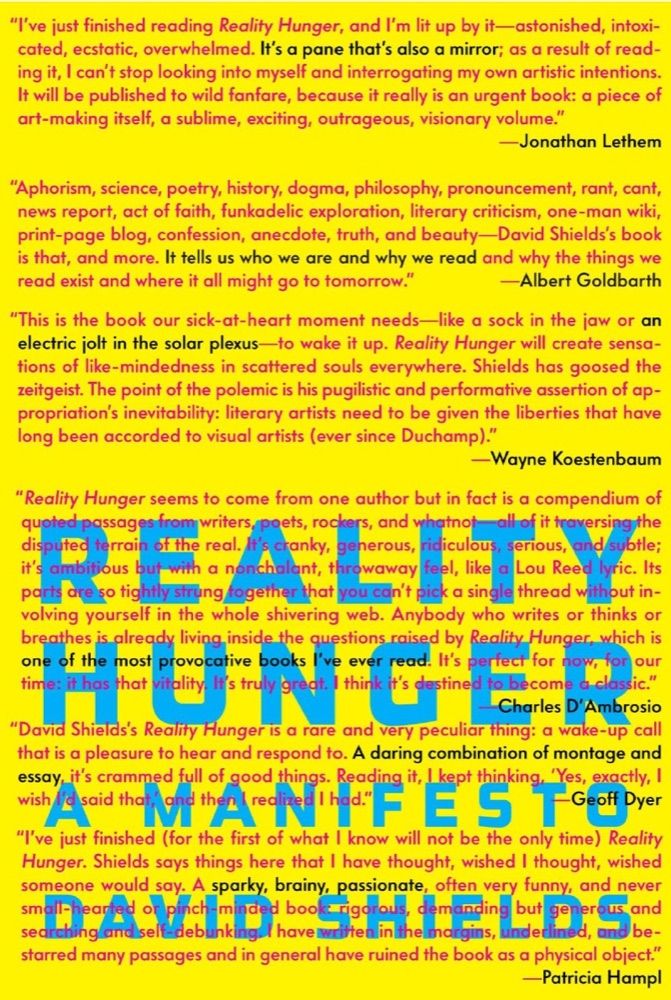
"Reality Hunger" is a manifesto for a burgeoning group of interrelated but unconnected artists who, living in an unbearably artificial world, are breaking ever larger chunks of 'reality' into their work. The questions Shields explores - the bending of form and genre, the lure and blur of the real - play out constantly around us, and "Reality Hunger" is a radical reframing of how we might think about this 'truthiness': about literary licence, quotation, and appropriation in television, film, performance art, rap, and graffiti, in lyric essays, prose poems, and collage novels. Drawing on myriad sources, Shields takes an audacious stance on issues that are being fought over now and will be fought over far into the future. Converts will see "Reality Hunger" as a call to arms; detractors will view it as an occasion to defend the status quo. It is certain to be one of the most controversial an
Book details
- First published
- 2010
- Author
- David Shields
- Genre
- Nonfiction
- Goodreads rating
- 3.64 (3k ratings)
The buzz
- The Wall Street JournalReview in The Wall Street Journalprofessional review (via Book Marks)
- The GuardianReview in The Guardianprofessional review (via Book Marks)
- Los Angeles TimesReview in Los Angeles Timesprofessional review (via Book Marks)
- Kirkus ReviewsReview in Kirkus Reviewsprofessional review (via Book Marks)
- Publishers WeeklyReview in Publishers Weeklyprofessional review (via Book Marks)
- LA Review of BooksReview in LA Review of Booksprofessional review (via Book Marks)
Keep reading
The Art of Fiction: Notes on Craft for Young Writers
 Dæmon Voices
 Illuminations: Essays and Reflections
 Body Work: The Radical Power of Personal Narrative
 Consider This: Moments in My Writing Life After Which Everything Was Different
 Incidental Inventions
 Becoming a Writer
 Story: Substance, Structure, Style, and the Principles of Screenwriting
 The View from the Cheap Seats: Selected Nonfiction
 The Triggering Town: Lectures and Essays on Poetry and Writing
 Stein on Writing
 Novelist as a Vocation
 Both Flesh and Not: Essays
 The Language of the Night: Essays on Writing, Science Fiction, and Fantasy
 Aspects of the Novel
 Burning Questions: Essays and Occasional Pieces, 2004 to 2021
 The Writing Life
 How to Read Literature
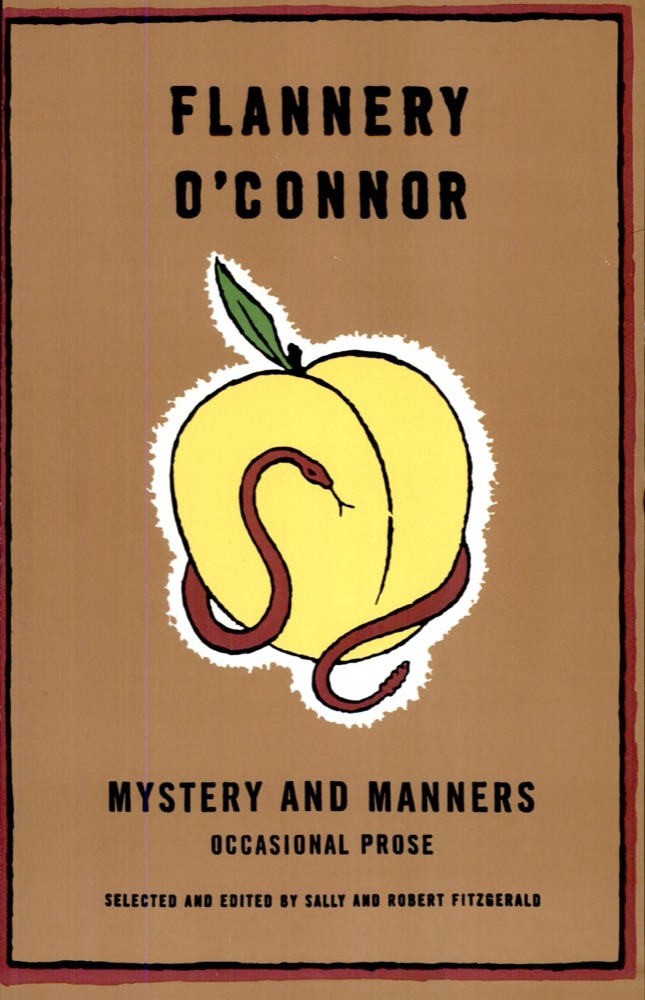 Mystery and Manners: Occasional Prose
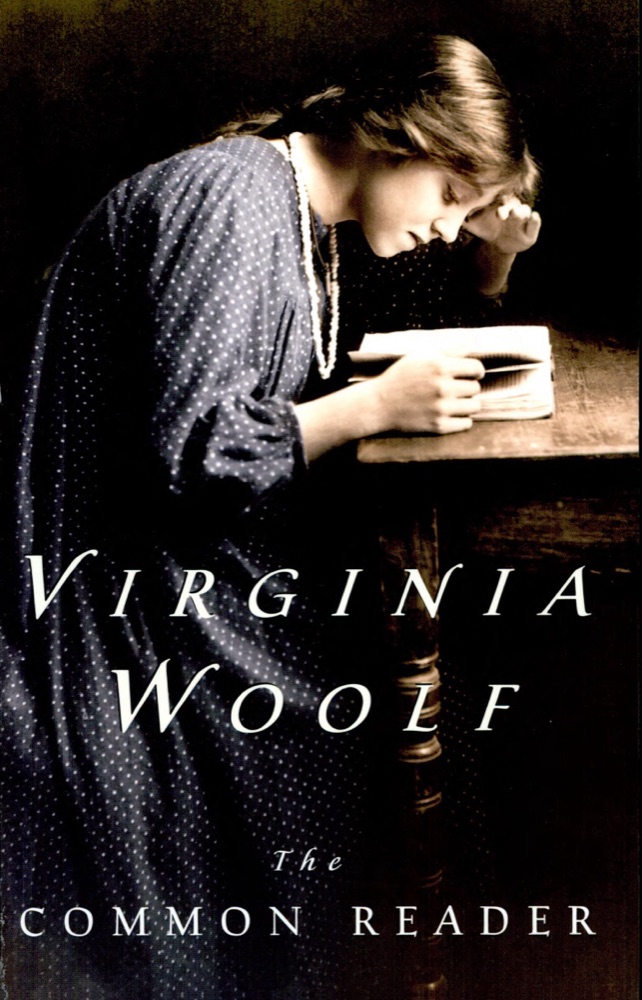 The Common Reader
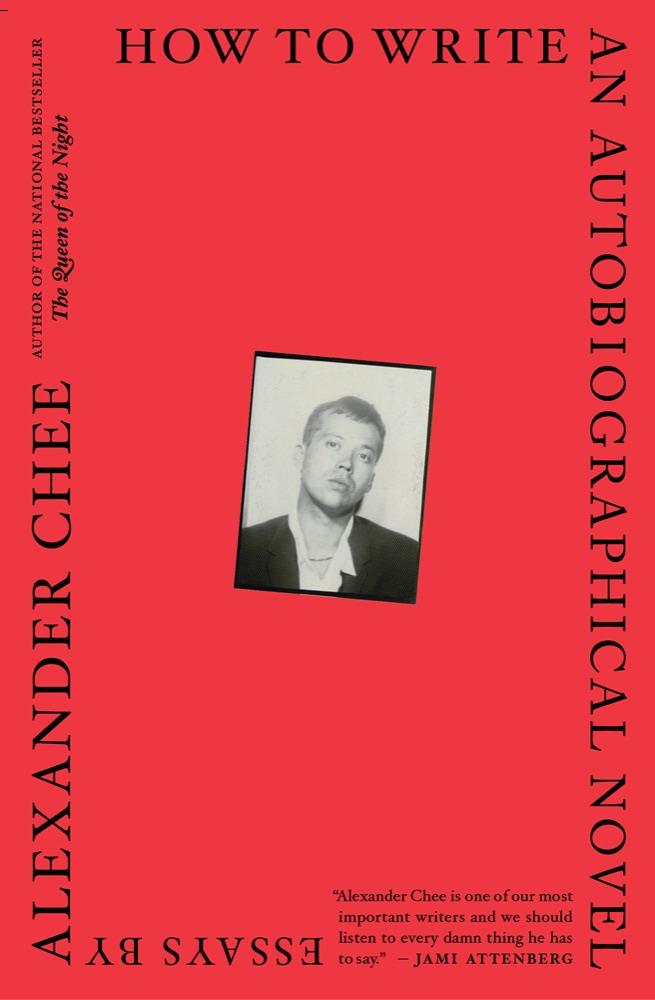 How to Write an Autobiographical Novel
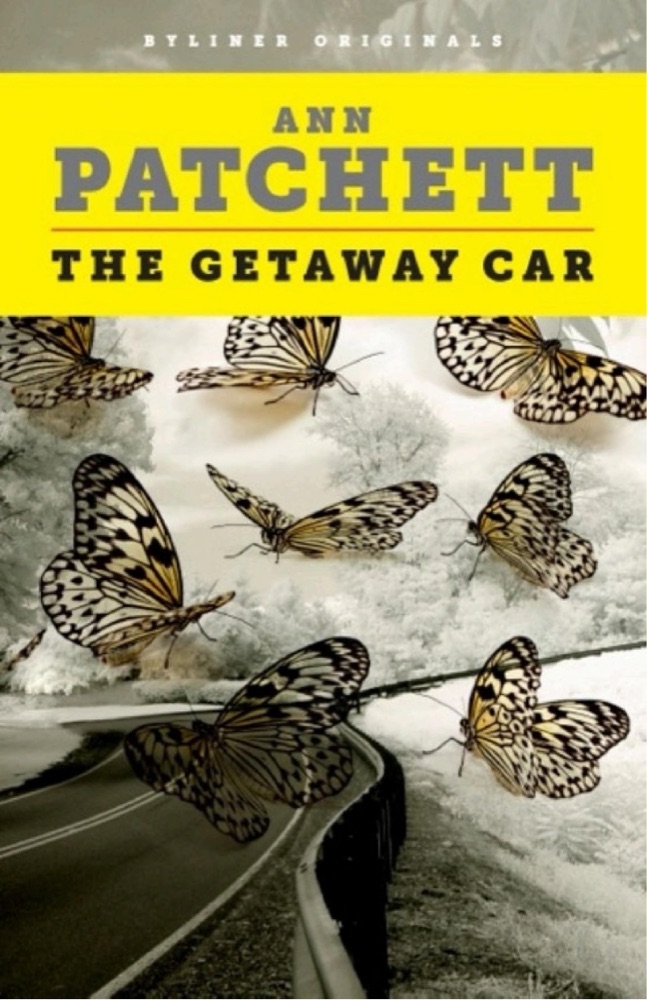 The Getaway Car: A Practical Memoir About Writing and Life
 Negotiating with the Dead: A Writer on Writing
 How to Read Literature Like a Professor
 On Writing
 Reading Like a Writer: A Guide for People Who Love Books and for Those Who Want to Write Them
 Selected Non-Fictions
 The Wave in the Mind: Talks and Essays on the Writer, the Reader and the Imagination
 Sculpting in Time
 On Connection
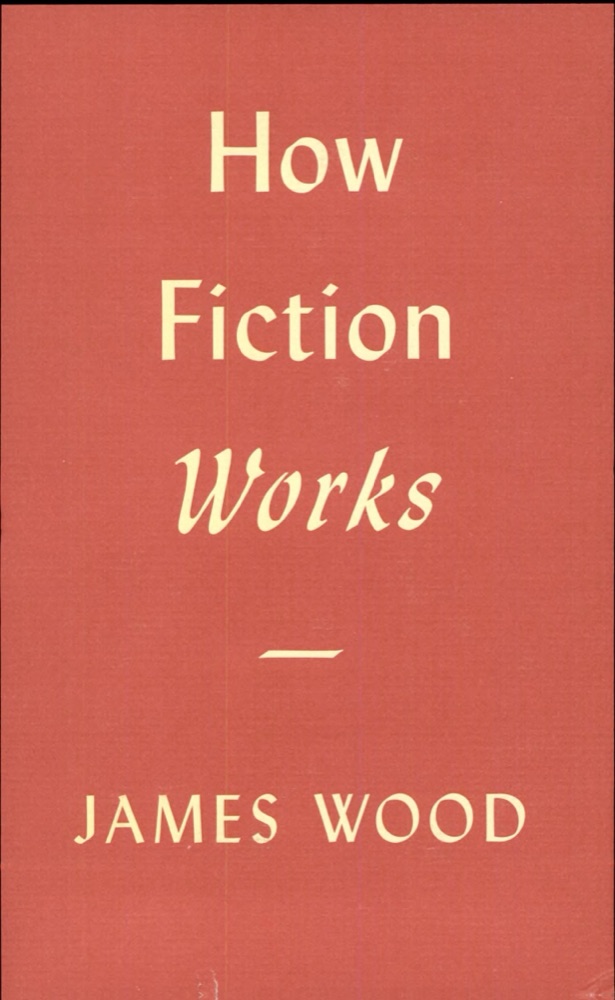 How Fiction Works
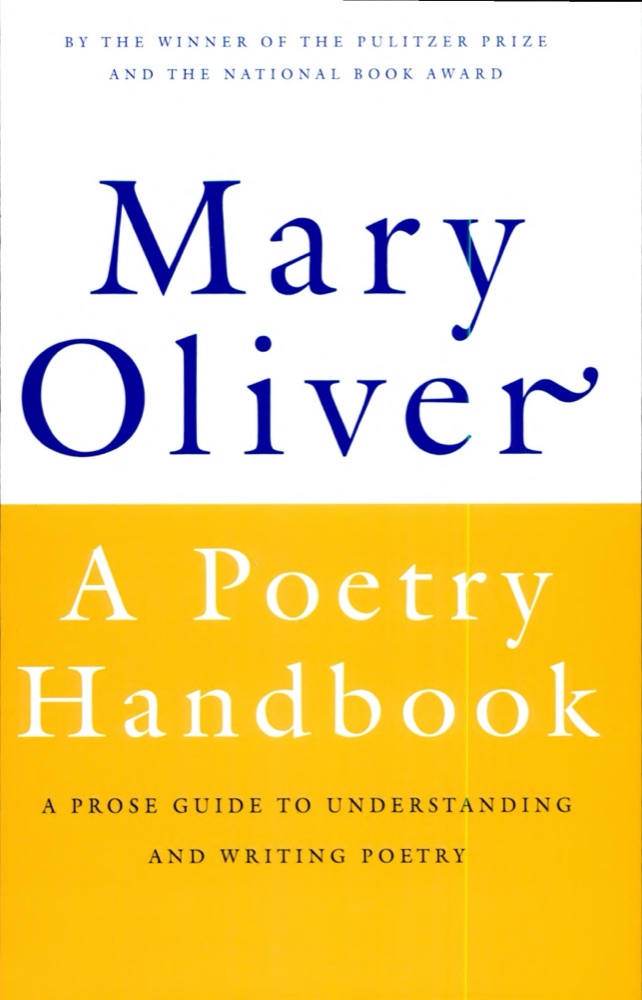 A Poetry Handbook
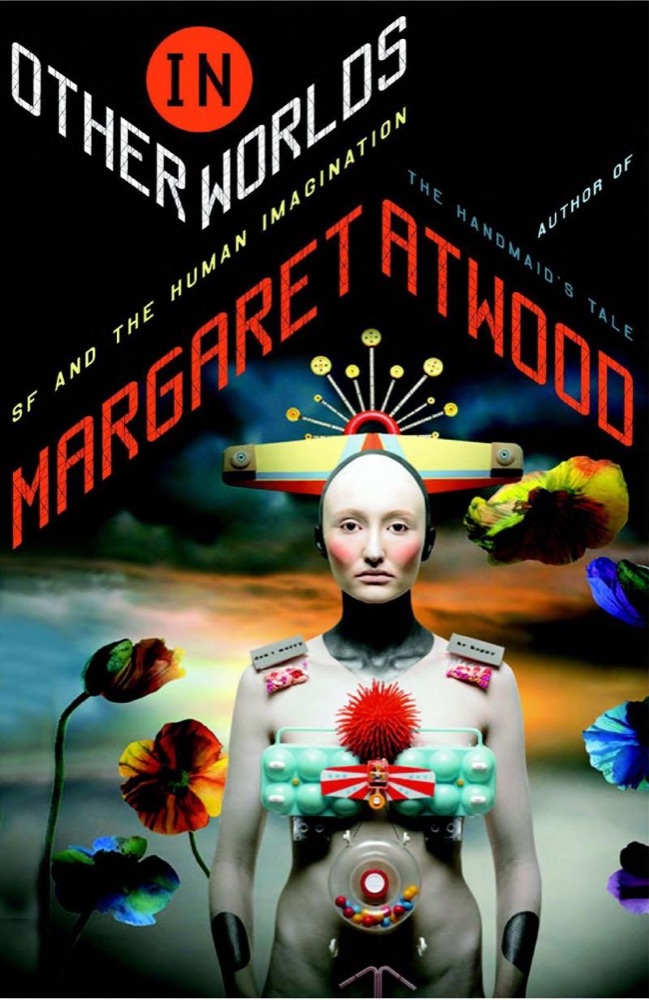 In Other Worlds: SF and the Human Imagination
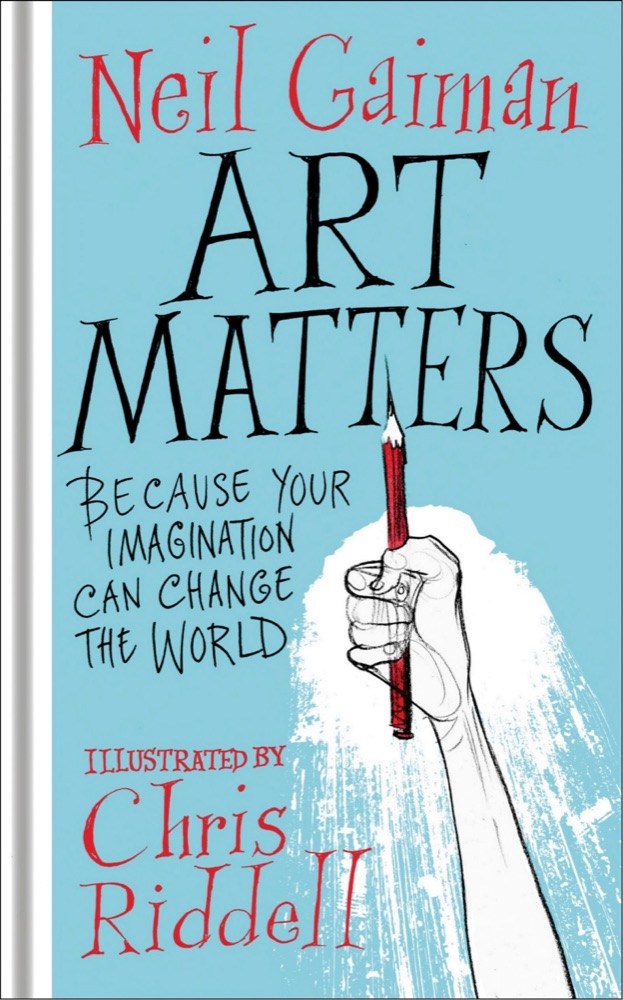 Art Matters: Because Your Imagination Can Change the World
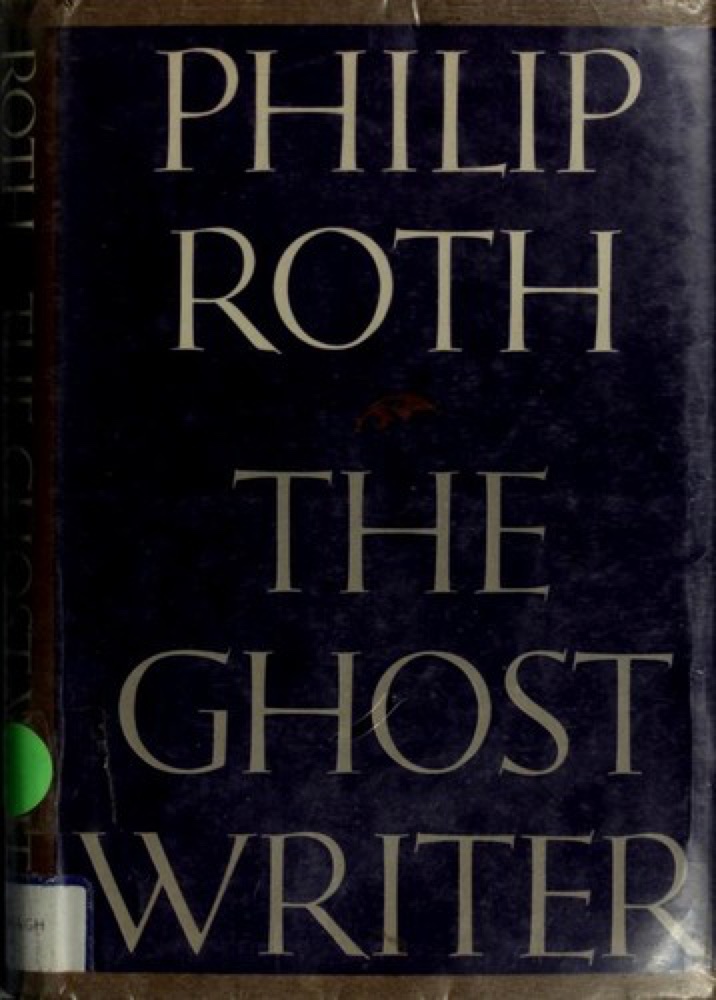 The Ghost Writer
 The Summer Without Men
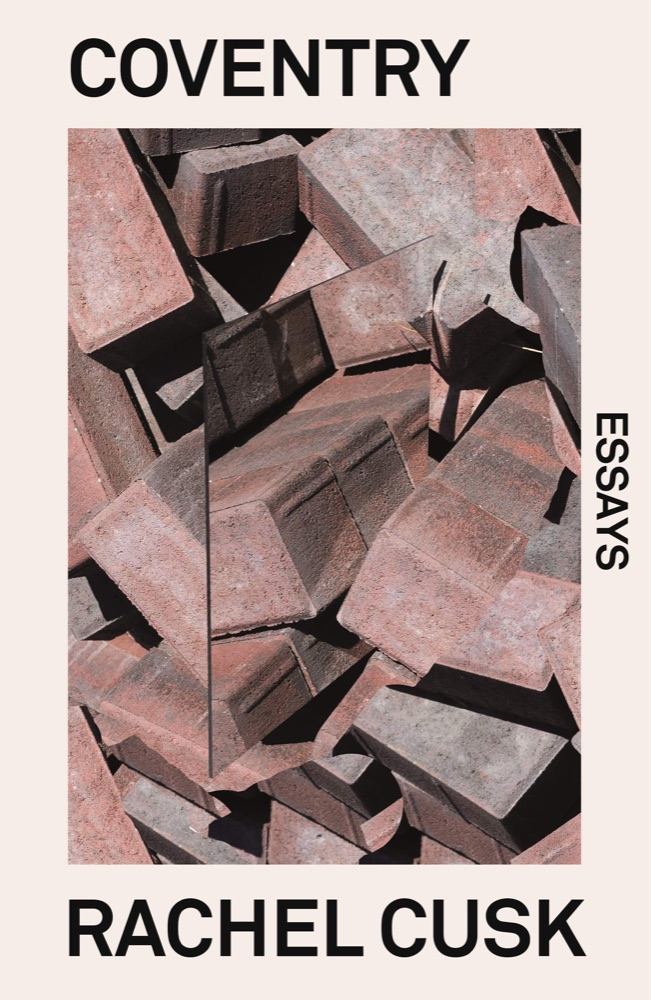 Coventry: Essays
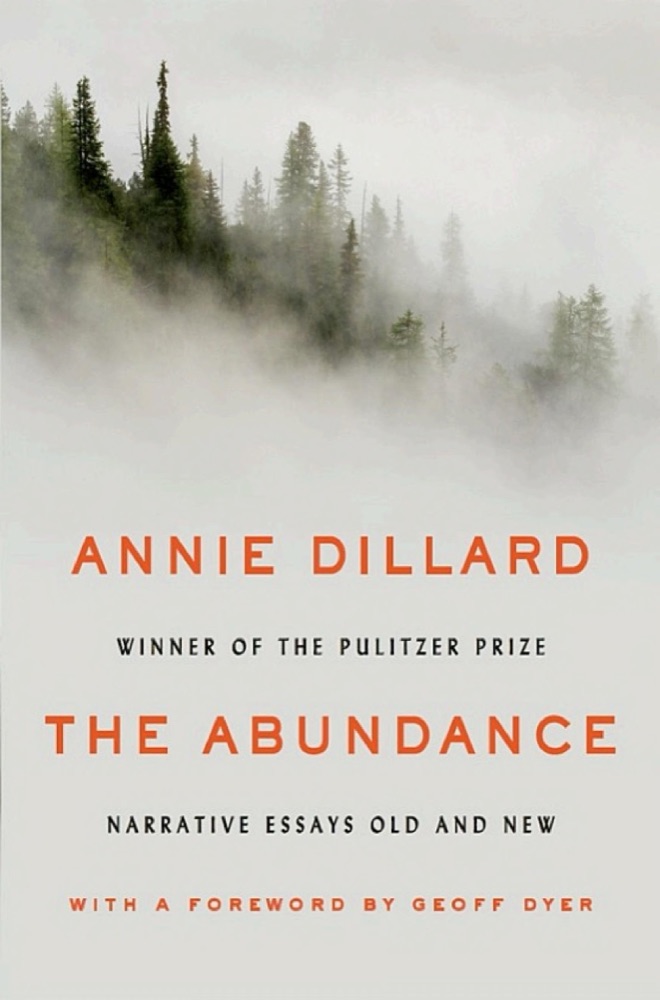 The Abundance
 Still Writing: The Perils and Pleasures of a Creative Life
 Death in the Afternoon
 The Sense of Style: The Thinking Person's Guide to Writing in the 21st Century
 If You Want to Write: A Book about Art, Independence and Spirit
 Blueberries: Essays Concerning Understanding
 How to Read Now
 Wonderbook: The Illustrated Guide to Creating Imaginative Fiction
 Creativity: Flow and the Psychology of Discovery and Invention
 One Way Street And Other Writings
 On Writing: A Memoir of the Craft
 Only Dull People Are Brilliant at Breakfast
 The Braindead Megaphone
 The Argonauts
 Let Me Tell You What I Mean
 Mao II
 The Hero's Journey: Joseph Campbell on His Life & Work
 Flaubert's Parrot
 The Book of Form and Emptiness
 The Paper Menagerie and Other Stories
 The Medium is the Massage
 The Pleasure of the Text