 Bel Canto
Quotes from the Book
The more we are willing to separate from distraction and step into the open arms of boredom, the more writing will get on the page.
23
Maybe everyone does have a novel in them, perhaps even a great one. I don't believe it, but for the purposes of this argument, let's say it's so. Only a few of us are going to be willing to break our own hearts by trading in the living beauty of imagination for the stark disappointment of words.
17
Art stands on the shoulders of craft, which means that to get to the art, you must master the craft. If you want to write, practice writing.
17
It turns out that the distance from head to hand, from wafting butterfly to entomological specimen, is achieved through regular, disciplined practice. What begins as something like a dream will in fact stay a dream forever unless you have the tools and the discipline to bring it out.
13
The journey from the head to the hand is perilous and lined with bodies. It is the road on which nearly everyone who wants to write—and many of the people who do write—get lost.
10
We all have ideas, sometimes good ones, not to mention the gift of emotional turmoil that every childhood provides.
10
It’s a wonderful thing to find a great teacher, but you also have to find him or her at a time in life when you’re able to listen to, trust, and implement the lessons you receive.
7
Why is it that we understand that playing the cello will require work but we relegate writing to the magic of inspiration?
6
I think that what influences us in literature comes less from what we love and more from what we happen to pick up in moments when we are especially open.
5
What I like about the job of being a novelist, and at the same time what I find so exhausting about it, is that it's the closest thing to being God you're ever going to get. All the decisions are yours. You decide when the sun comes up. You decide who gets to fall in love and who gets hit by a car. You have to make all the trees and all the leaves and then sew the leaves onto the trees. You make the entire world.
5
Forgiveness, therefore, is key. I can’t write the book I want to write, but I can and will write the book I am capable of writing. Again and again throughout the course of my life I will forgive myself.
4
There are in life a few miraculous moments when the right person is there to tell you what you need to hear and you are still open enough, impressionable enough, to take it in.
4
a woman raised her hand and said that her minister had told the congregation that they should never read novels with omniscient narrators, because the writer was trying to imitate God. “Really?” I said. “No Tolstoy? No Dickens?” The woman shook her head. I have to say it thrilled me to think that narrative structure was dangerous enough to rate its own Sunday sermon.)
3
An essential element of being a writer is learning whom to listen to and whom to ignore where your work is concerned. Every
3
I believe that, more than anything else, this grief of constantly having to face down our own inadequacies is what keeps people from being writers. Forgiveness,
3
Forgiveness. The ability to forgive oneself. Stop here for a few breaths and think about this, because it is the key to making art and very possibly the key to finding any semblance of happiness in life.
2
She told the woman to go to one of the online agent sites that list agents who are looking for new clients, and then follow their submission guidelines to the letter. If they ask for a twenty-page writing sample, do not send in twenty-two pages.
2
We are, however, entirely responsible for procrastination, and in the best of all possible worlds, we should also be responsible for being honest with ourselves about what is really going on. I
2
as far as I’m concerned, writer’s block is a myth.
2
If I were taking notes, they would read: I see something. A shape? I have no idea. It’s not exactly the stuff that literary archives are made of.
2
You can learn more, and more quickly, from other people’s missteps than from their successes. If
2
Had I given equal weight to everyone who had something to say, every story would have turned into a terrible game of Twister (left
2
I remember complaining one night on the phone to my mother that we spent too much of our time worrying about love and money. “Think of it as research,” she said. “That’s what everybody writes about.
2
if I wanted to be a better writer, I was the only person who could push myself to do it. It was up to me to challenge myself, to be vigilant about finding the places in my own work where I was just getting by. “You have to ask yourself,” he said to me, “if you want to write great literature or great television.
2
People like to ask me if writing can be taught, and I say yes. I can teach you how to write a better sentence, how to write dialogue, maybe even how to construct a plot. But I can’t teach you how to have something to say. I would not begin to know how to teach another person how to have character, which was what Grace Paley did.
2
Art stands on the shoulders of craft,
2
novel excerpts rarely benefit from group critique. It’s one thing to get all those opinions when you’ve finished, but when you’re still in the middle of a project, it’s like having fifteen people give you conflicting directions as to how best to get to the interstate.) And
1
I decided I was going to make up a novel, and that the novel was going to get me out of the restaurant. The novel was going to be my getaway car.
1
No one should go into debt to study creative writing. It
1
Watch on YouTube
About Ann Patchett
We have collected 197 quotes from 8 books by Ann Patchett on BookQuoters.
More about the author →More by Ann Patchett
All books by Ann Patchett →
About the book
Self-help-How to Become A Writer
Book details
- First published
- 2011
- Author
- Ann Patchett
- Genre
- Nonfiction
- Goodreads rating
- 4.20 (2k ratings)
Keep reading
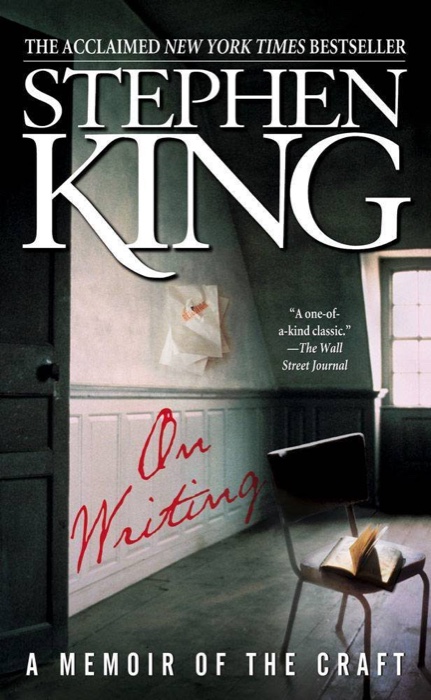 On Writing: A Memoir of the Craft
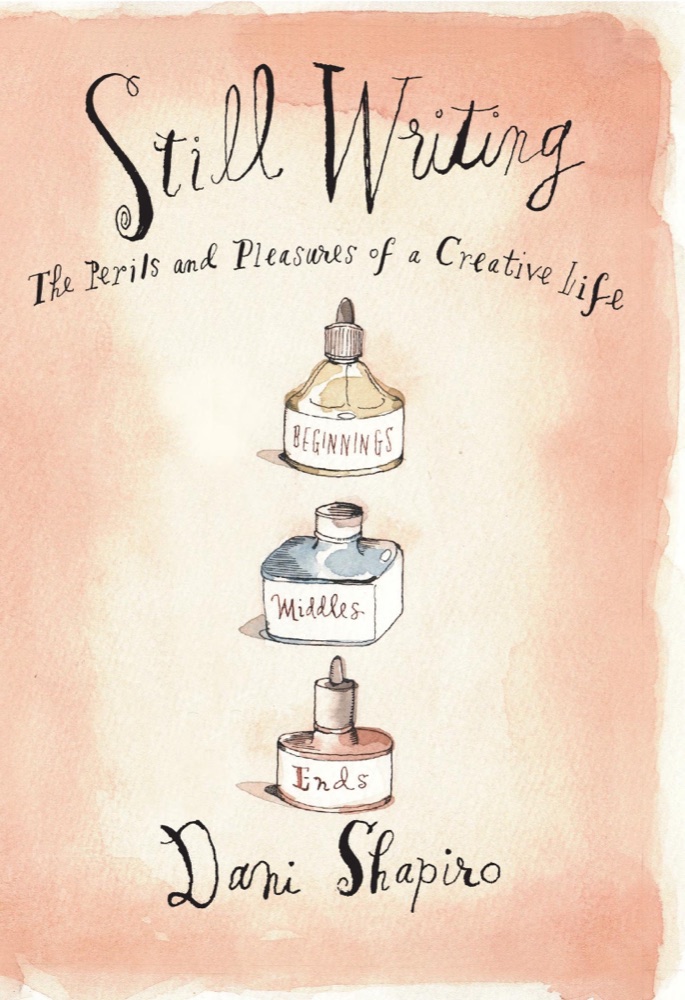 Still Writing: The Perils and Pleasures of a Creative Life
 Writing Down the Bones: Freeing the Writer Within
 Bird by Bird
 Becoming a Writer
 Consider This: Moments in My Writing Life After Which Everything Was Different
 How to Write an Autobiographical Novel
 On Writing
 If You Want to Write: A Book about Art, Independence and Spirit
 The Right to Write: An Invitation and Initiation Into the Writing Life
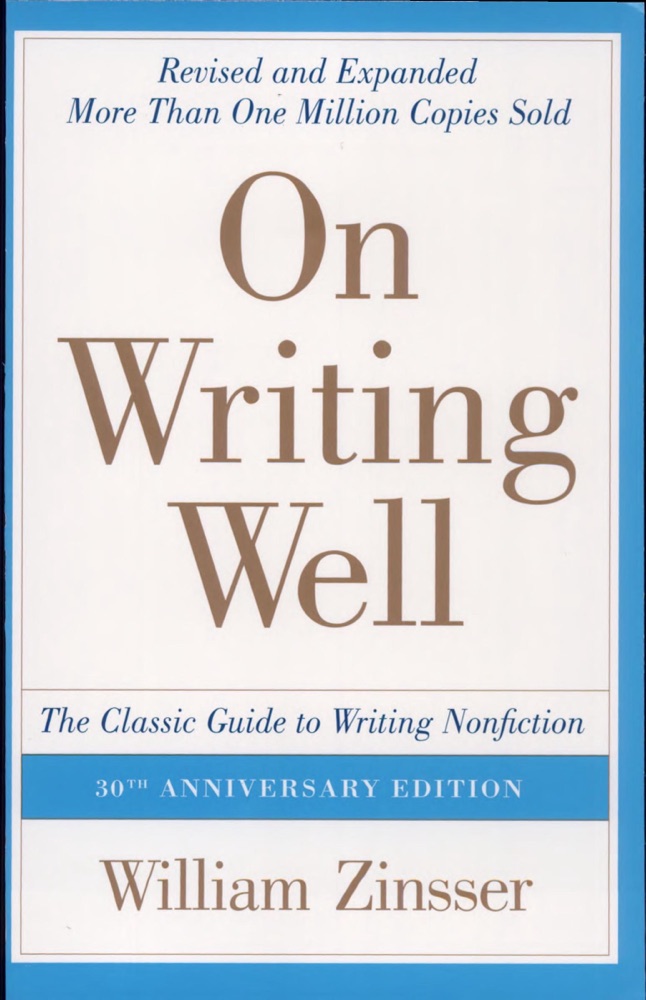 On Writing Well: The Classic Guide to Writing Nonfiction
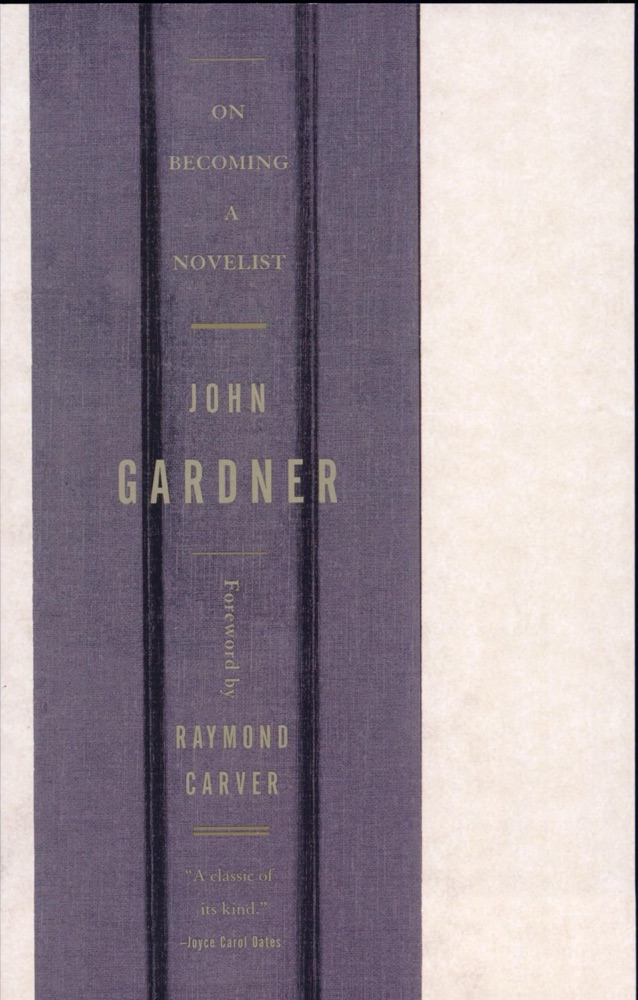 On Becoming a Novelist
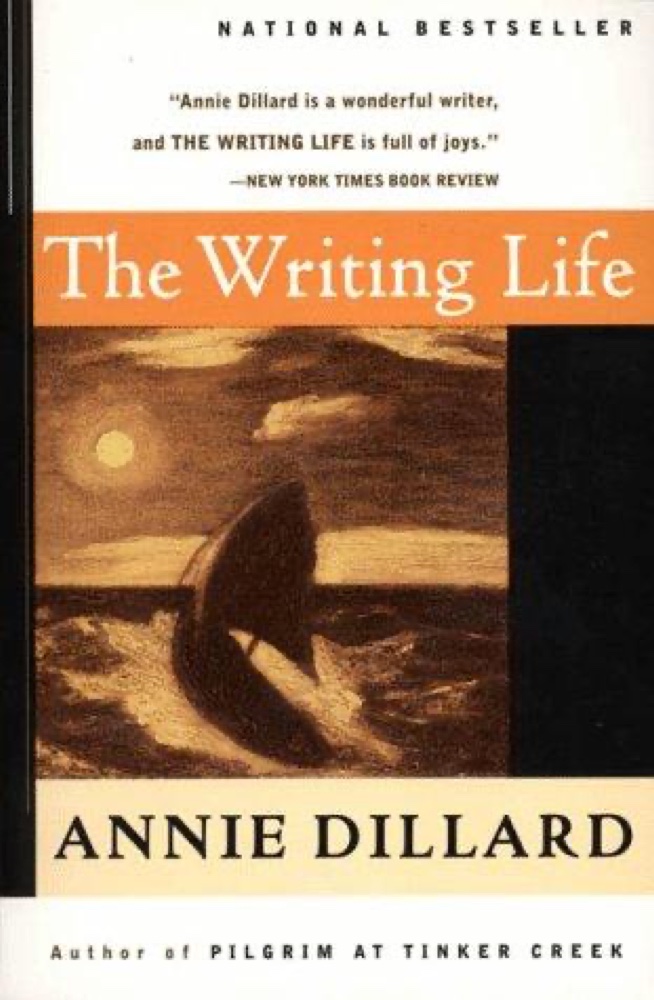 The Writing Life
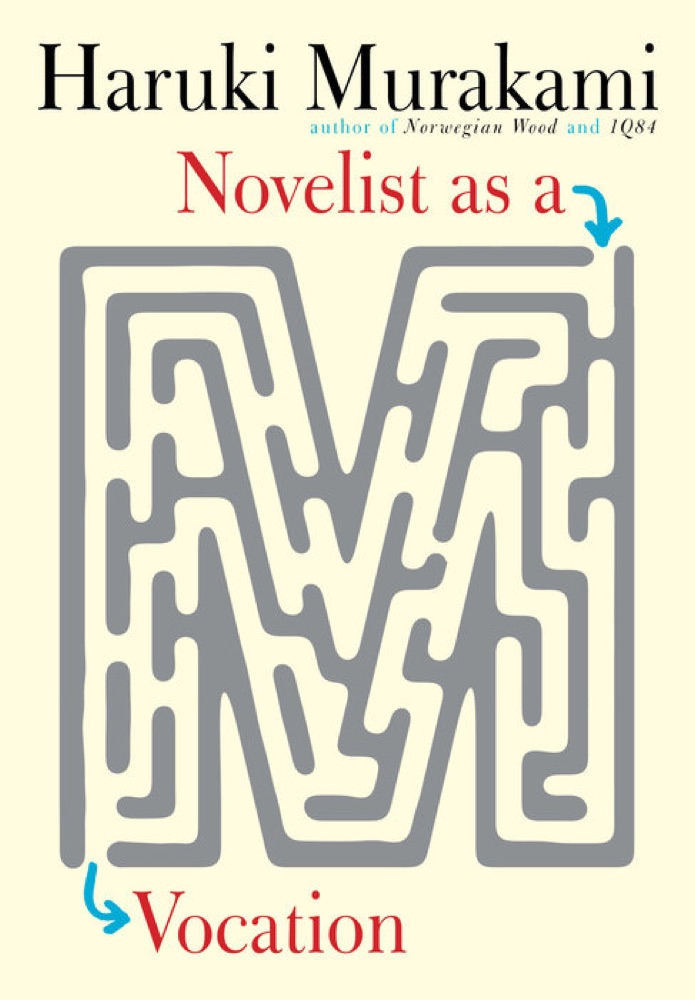 Novelist as a Vocation
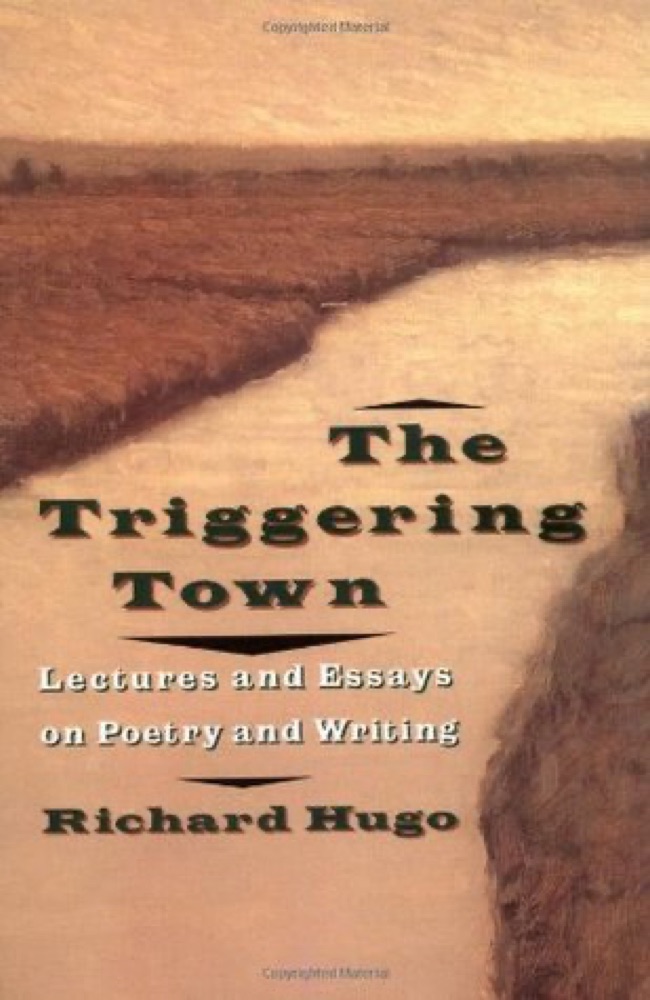 The Triggering Town: Lectures and Essays on Poetry and Writing
 Reading Like a Writer: A Guide for People Who Love Books and for Those Who Want to Write Them
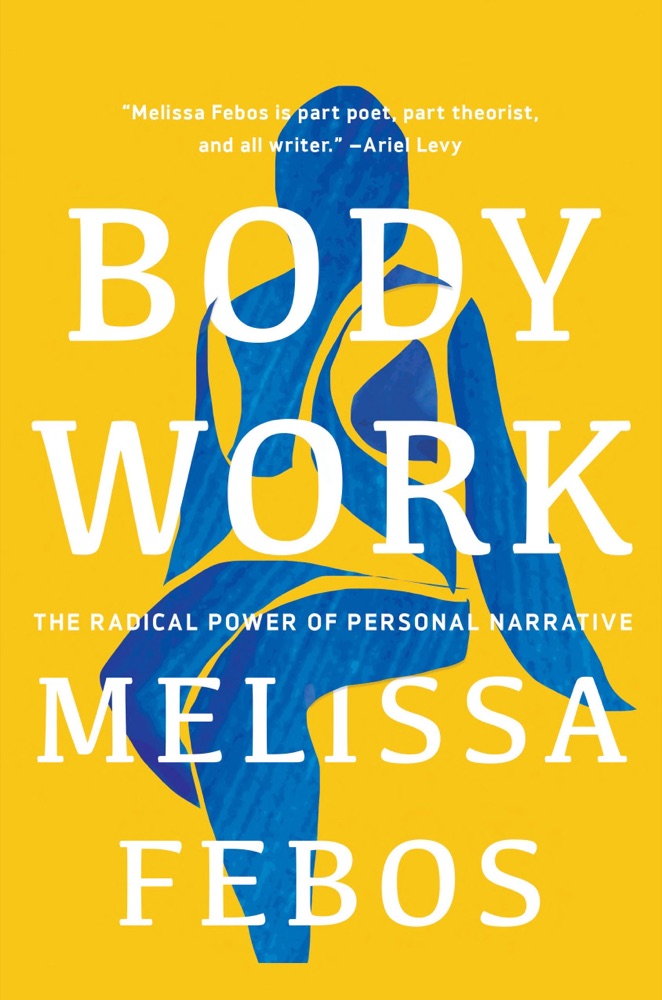 Body Work: The Radical Power of Personal Narrative
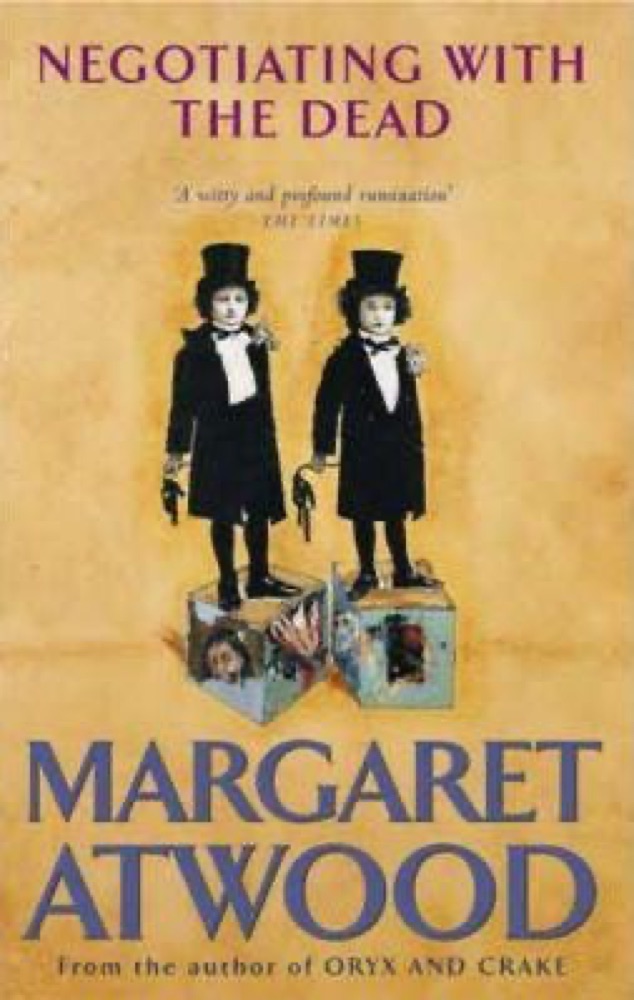 Negotiating with the Dead: A Writer on Writing
 The Art of Fiction: Notes on Craft for Young Writers
 Stein on Writing
 Zen in the Art of Writing
 No Plot? No Problem!
 The Midnight Disease: The Drive to Write, Writer's Block, and the Creative Brain
 On Writing
 Reality Hunger: A Manifesto
 Art Matters: Because Your Imagination Can Change the World
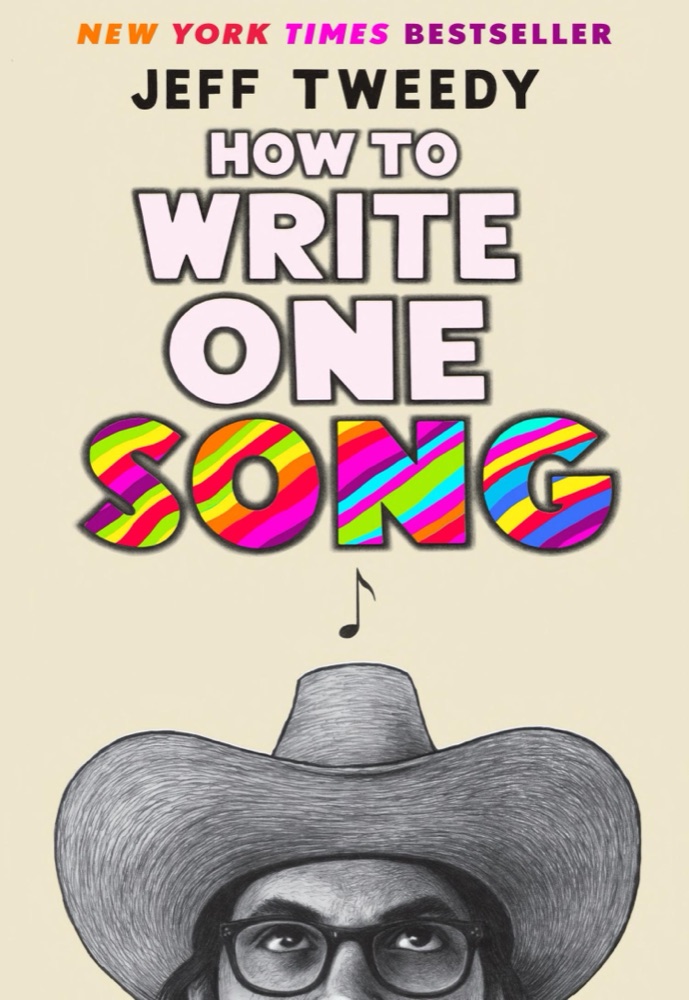 How to Write One Song: Loving the Things We Create and How They Love Us Back
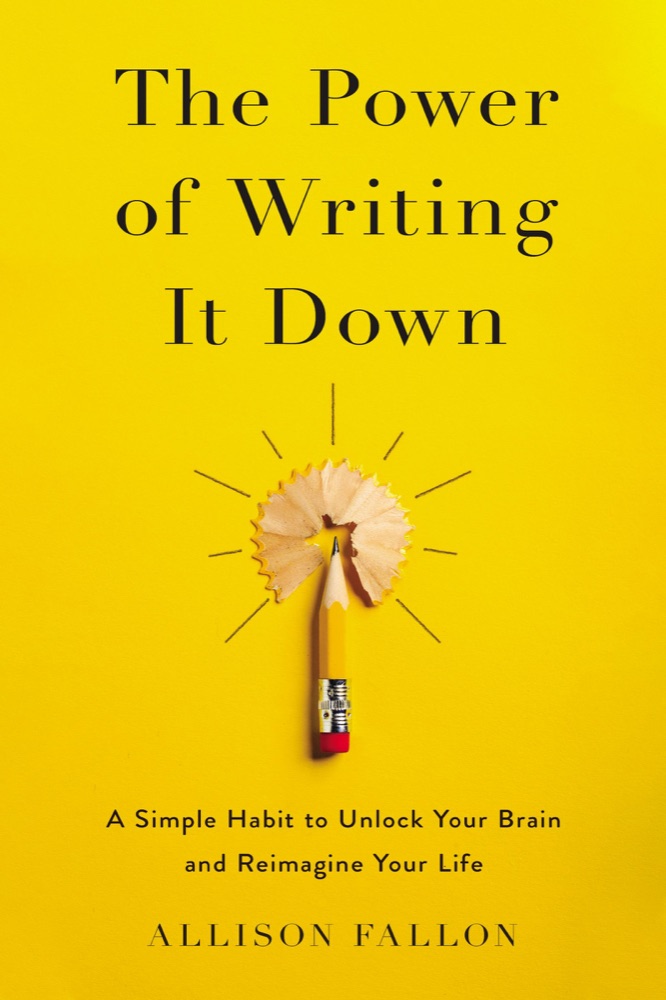 The Power of Writing It Down: A Simple Habit to Unlock Your Brain and Reimagine Your Life
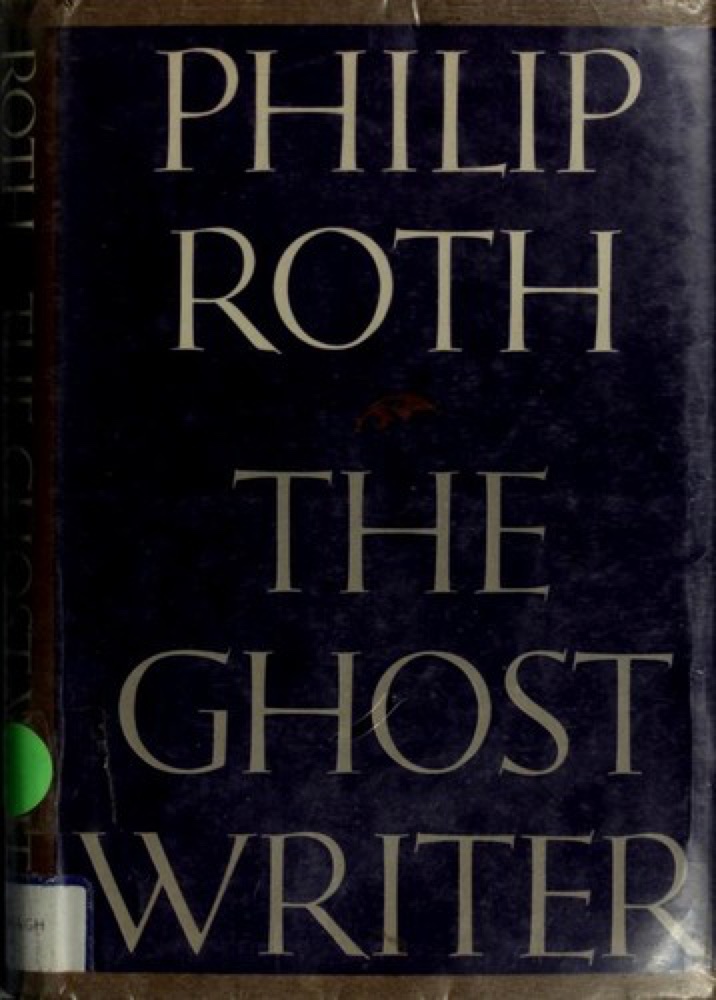 The Ghost Writer
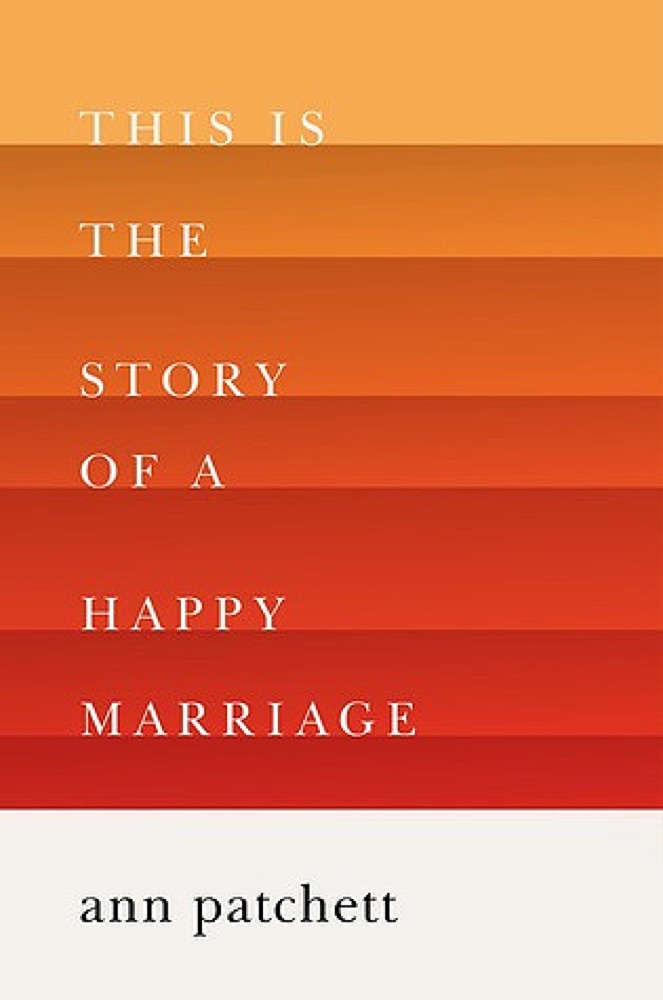 This Is the Story of a Happy Marriage
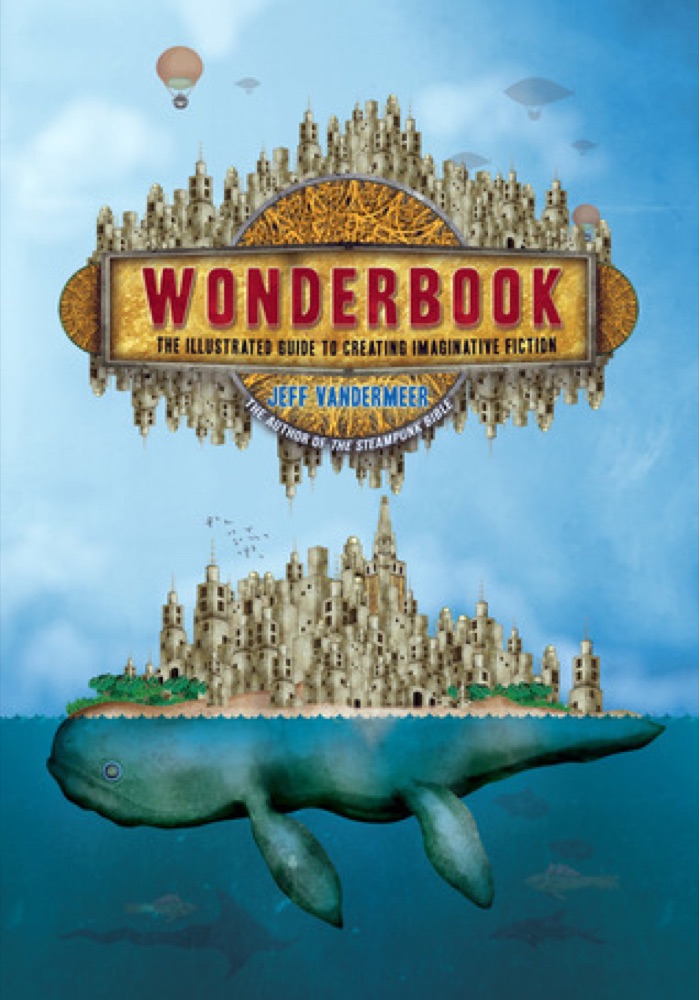 Wonderbook: The Illustrated Guide to Creating Imaginative Fiction
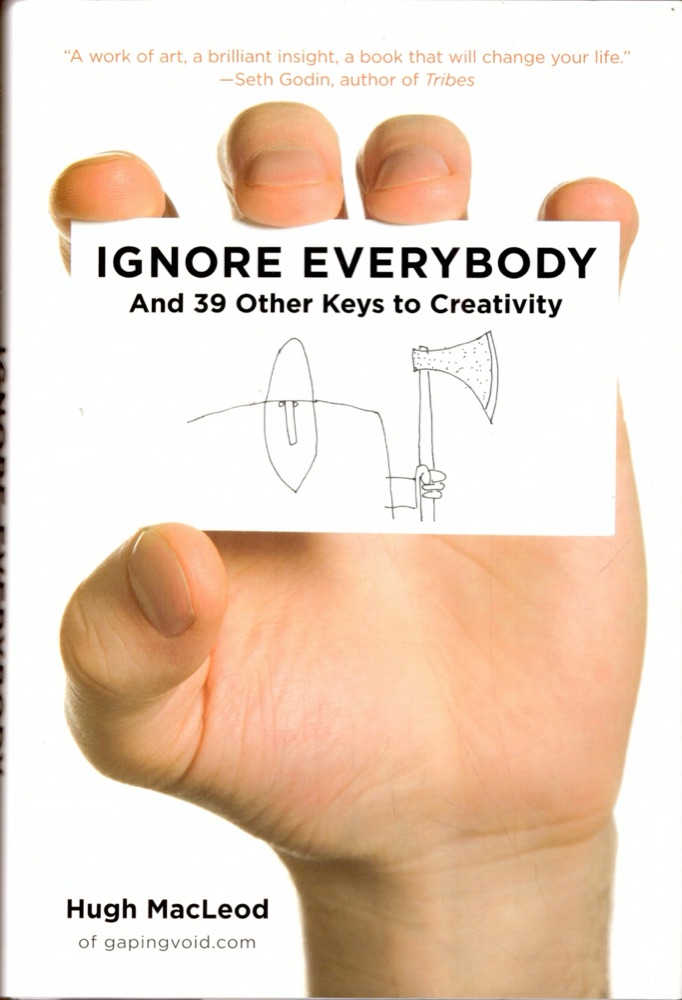 Ignore Everybody: and 39 Other Keys to Creativity
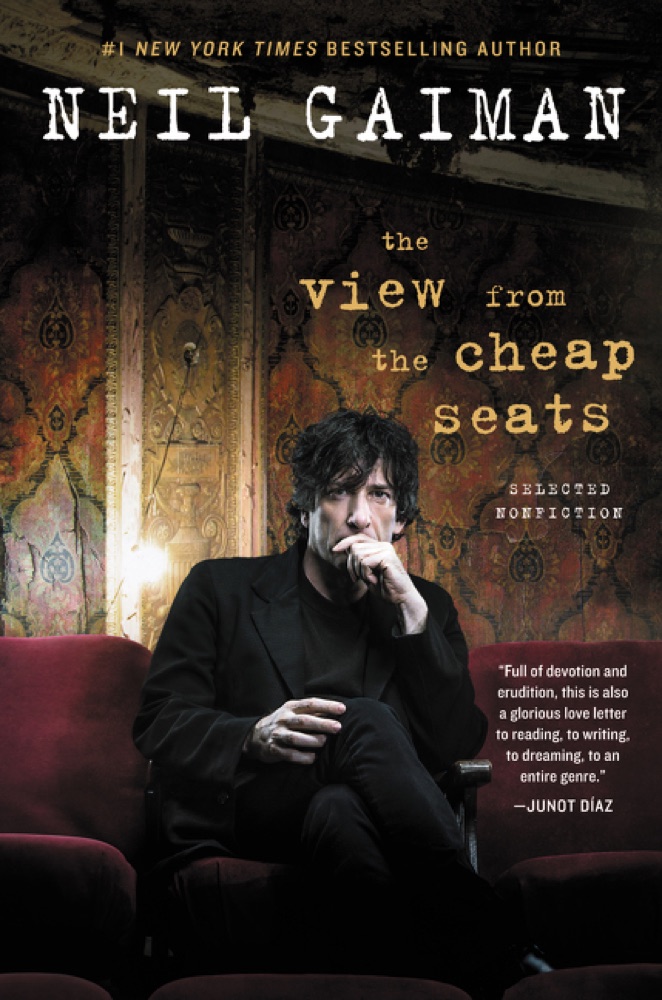 The View from the Cheap Seats: Selected Nonfiction
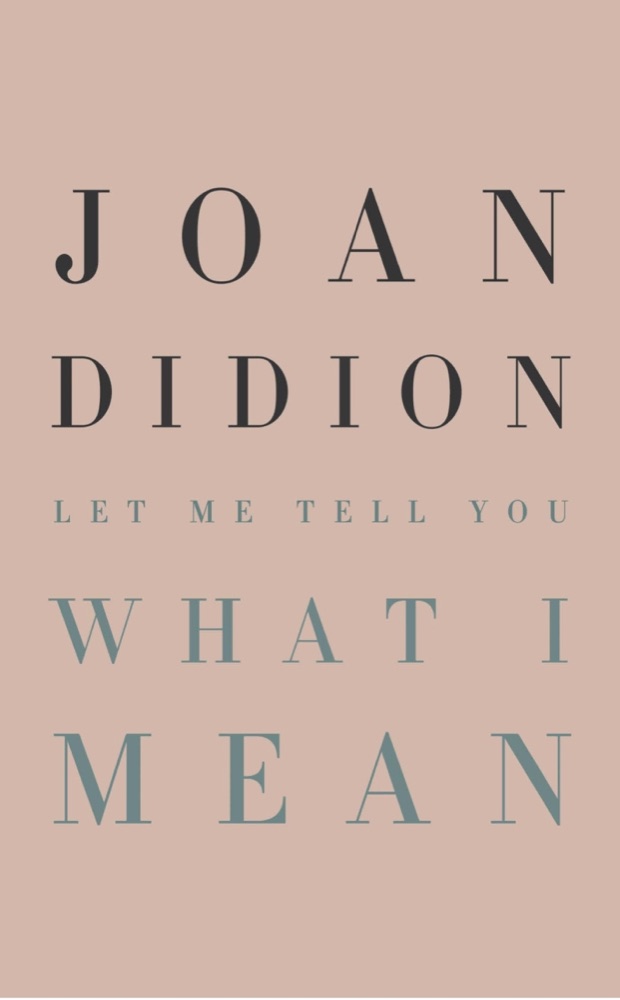 Let Me Tell You What I Mean
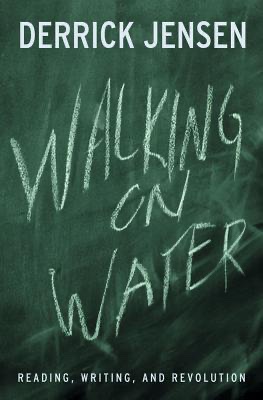 Walking on Water: Reading, Writing, and Revolution
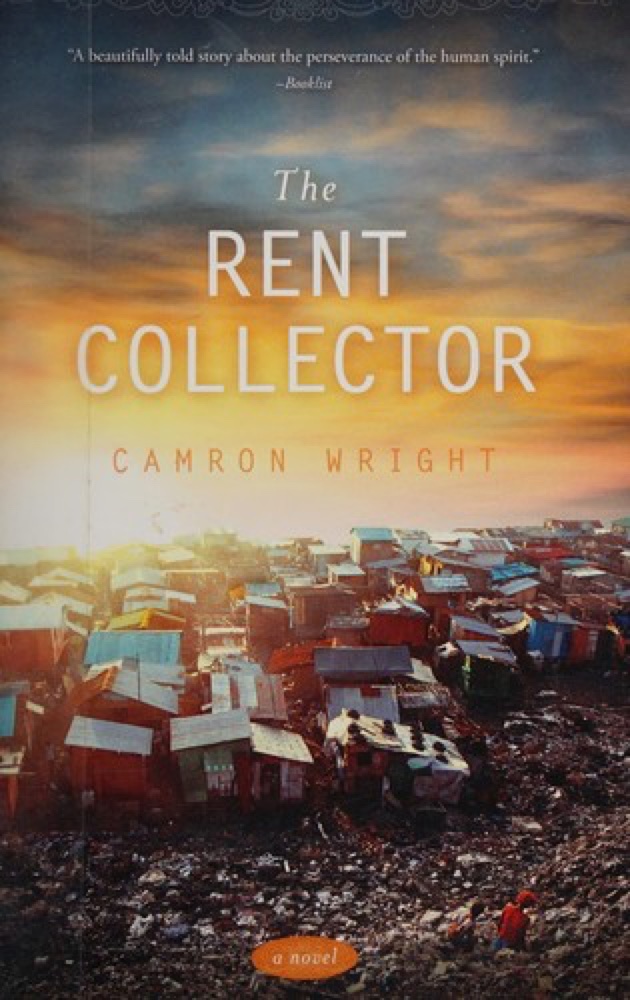 The Rent Collector
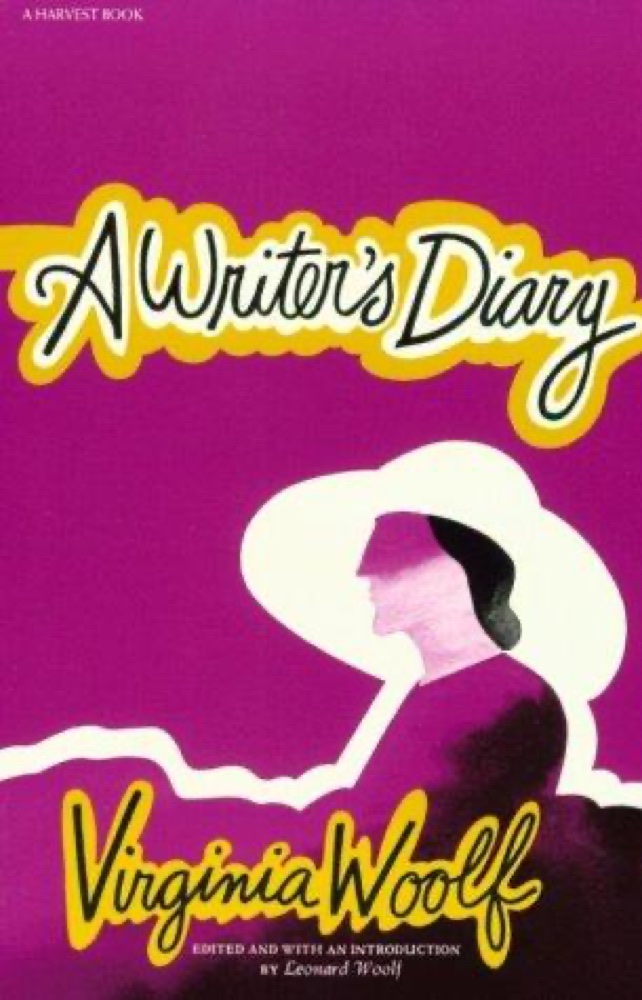 A Writer's Diary
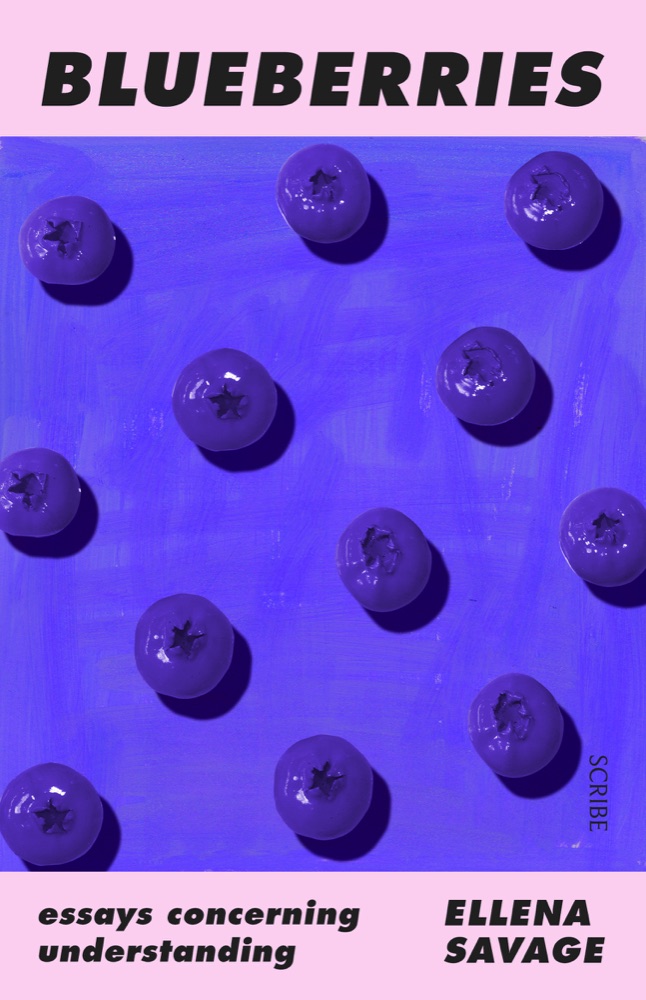 Blueberries: Essays Concerning Understanding
 APE: Author, Publisher, Entrepreneur. How to Publish a Book
 Everyone on This Train Is a Suspect
 The Writing Class
 The Creative Habit: Learn It and Use It for Life
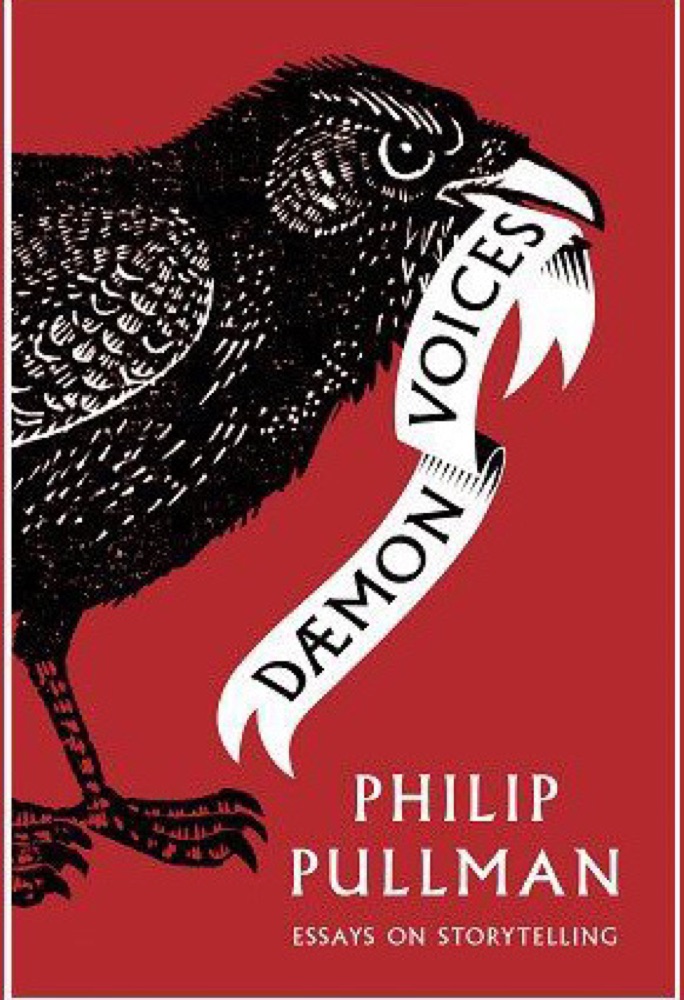 Dæmon Voices
 Death in the Afternoon
 A Poetry Handbook
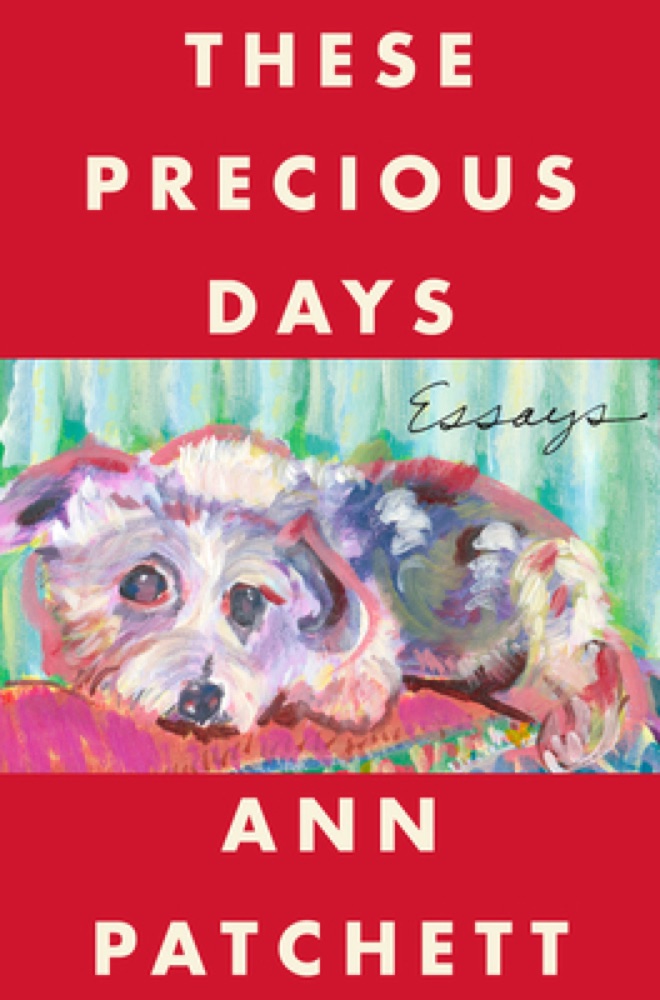 These Precious Days: Essays
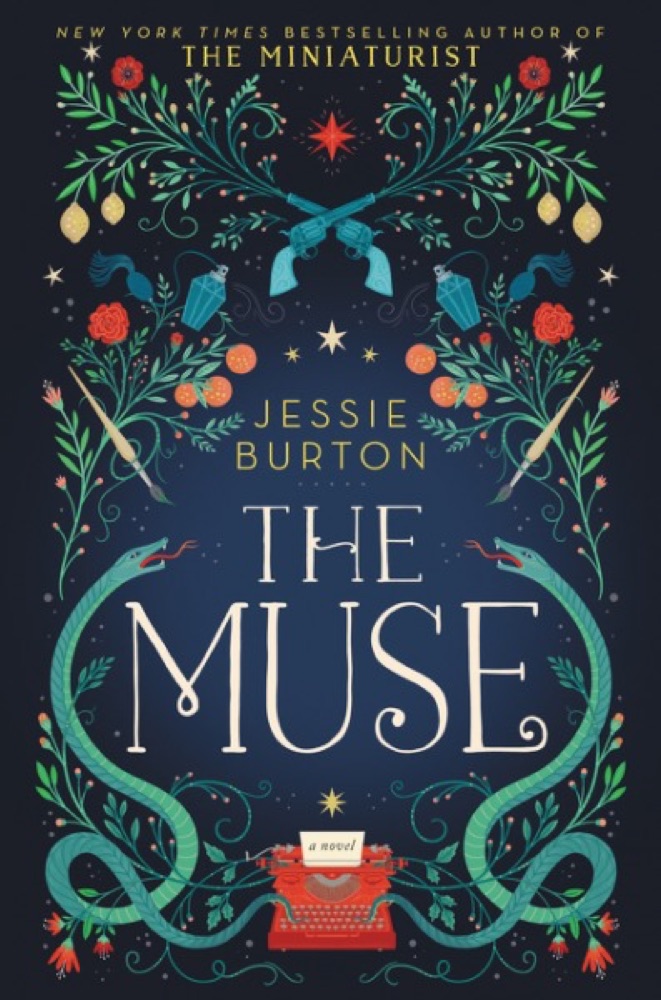 The Muse
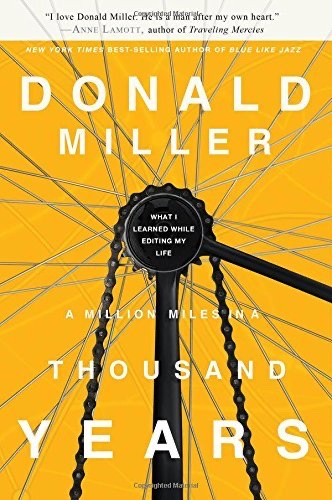 A Million Miles in a Thousand Years: What I Learned While Editing My Life
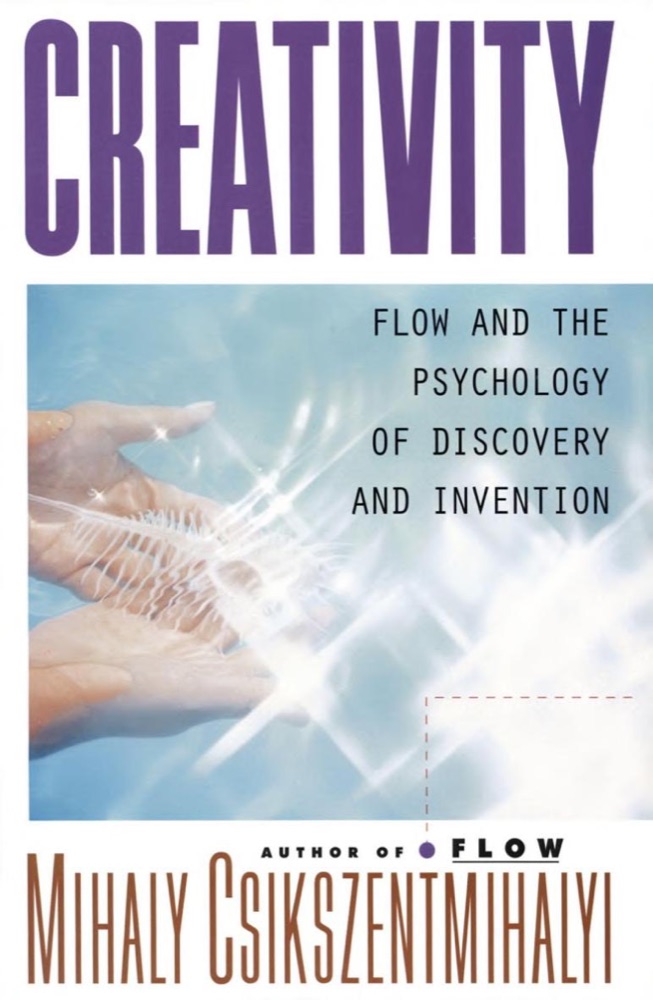 Creativity: Flow and the Psychology of Discovery and Invention
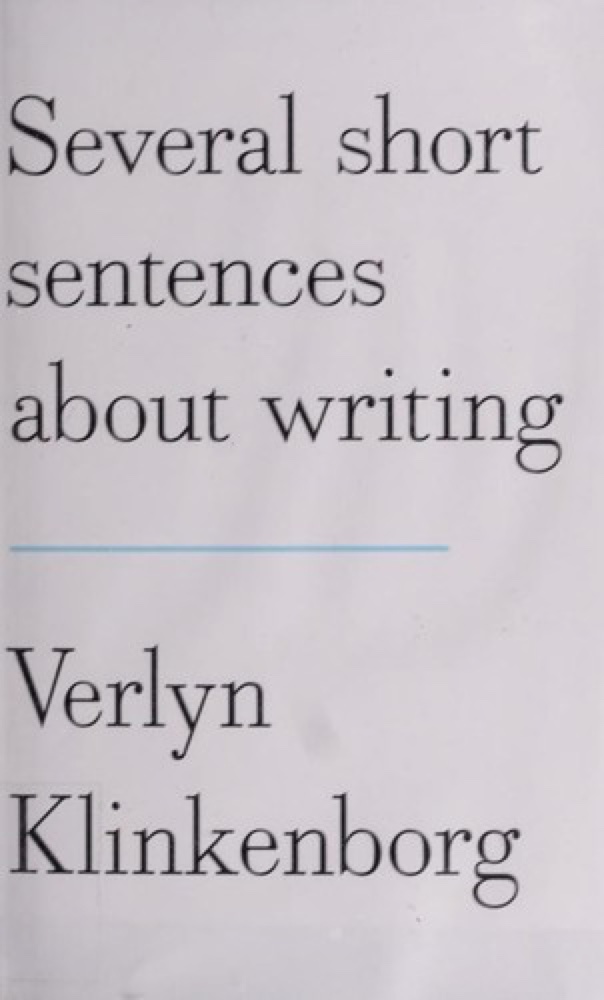 Several Short Sentences About Writing
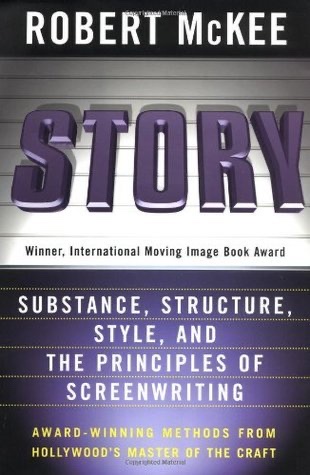 Story: Substance, Structure, Style, and the Principles of Screenwriting
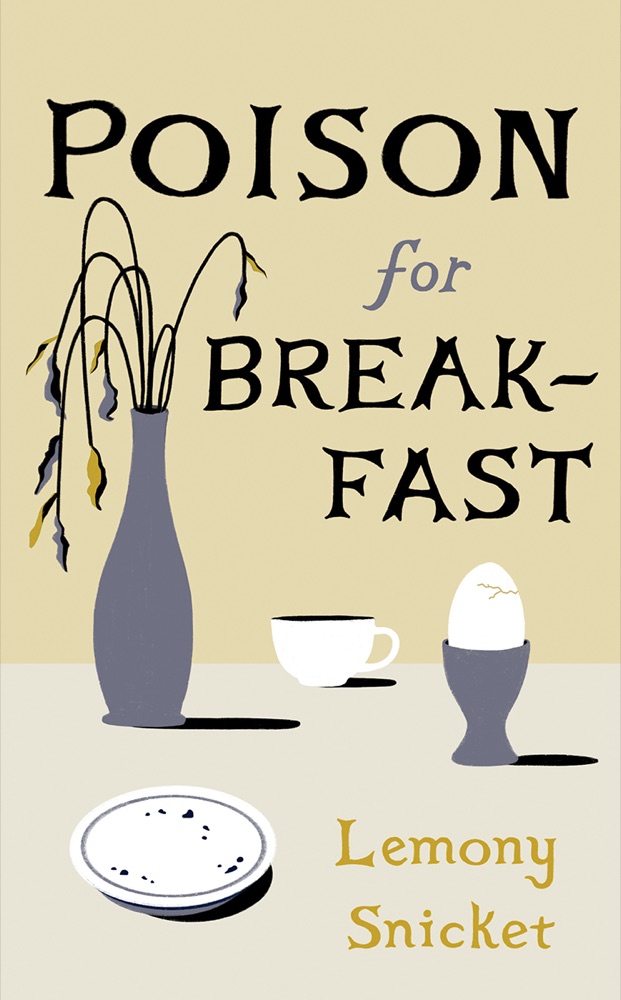 Poison for Breakfast
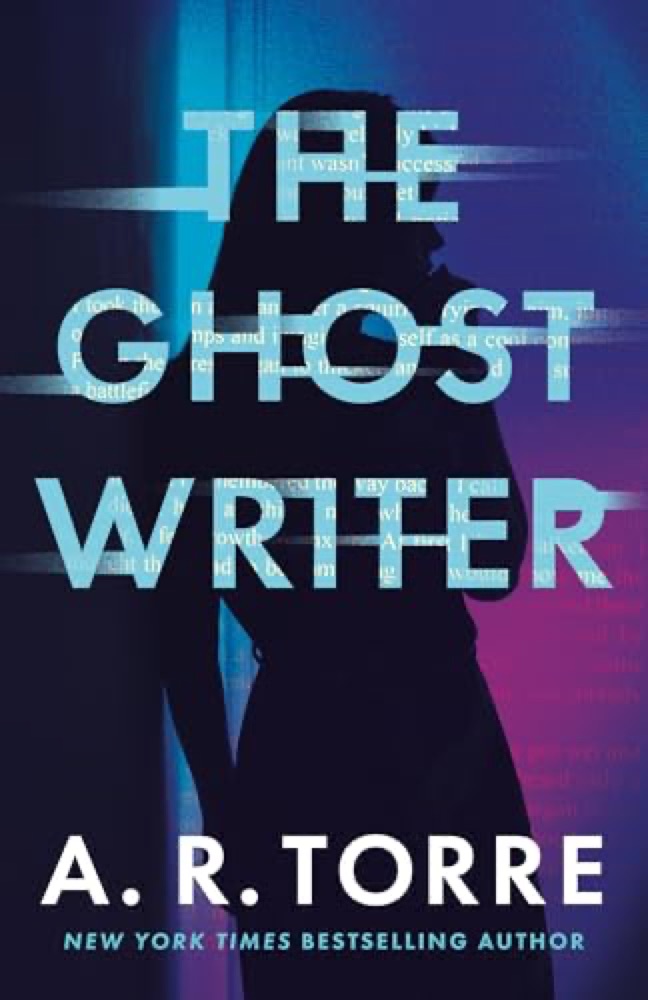 The Ghostwriter
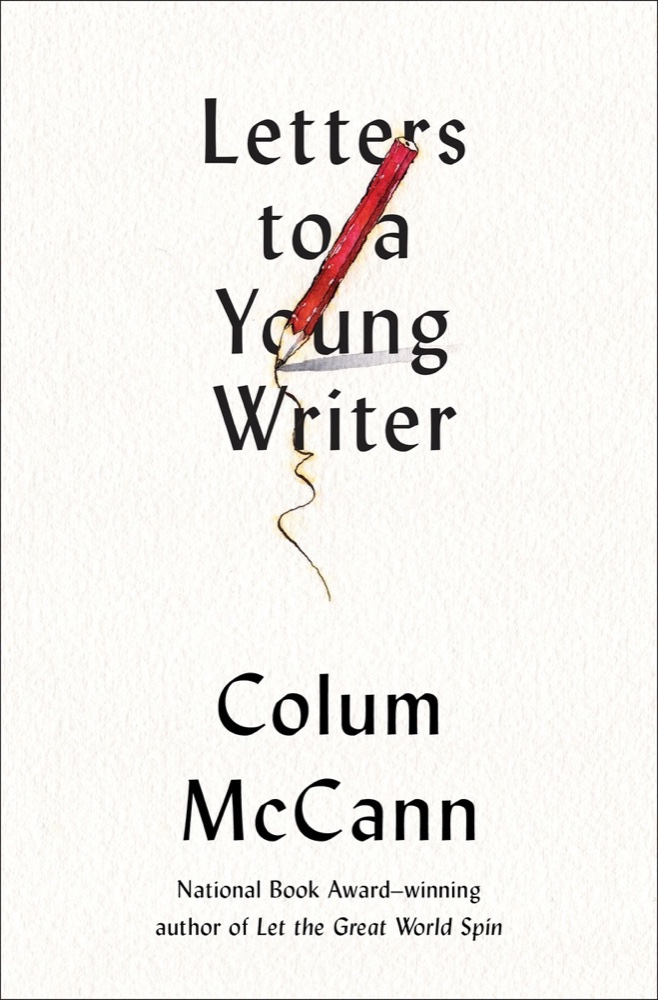 Letters to a Young Writer: Some Practical and Philosophical Advice
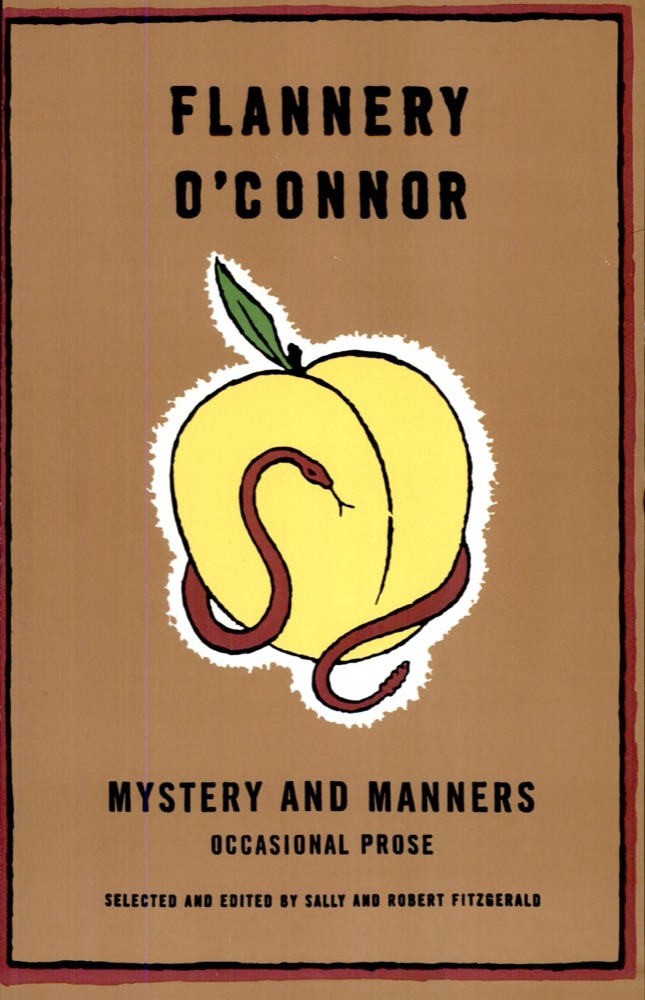 Mystery and Manners: Occasional Prose
 Every Tool's a Hammer: Life Is What You Make It
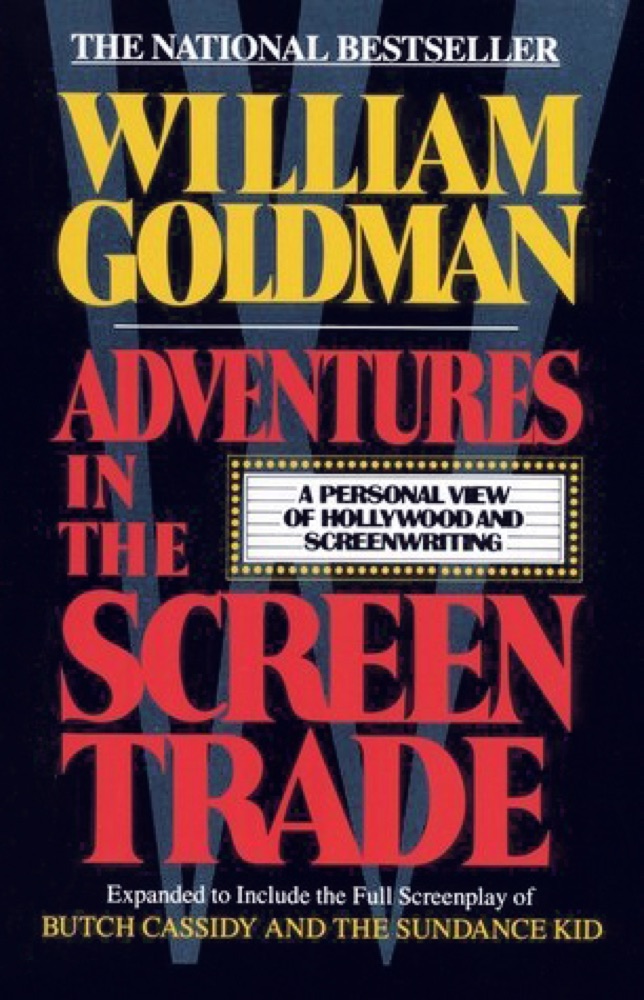 Adventures in the Screen Trade
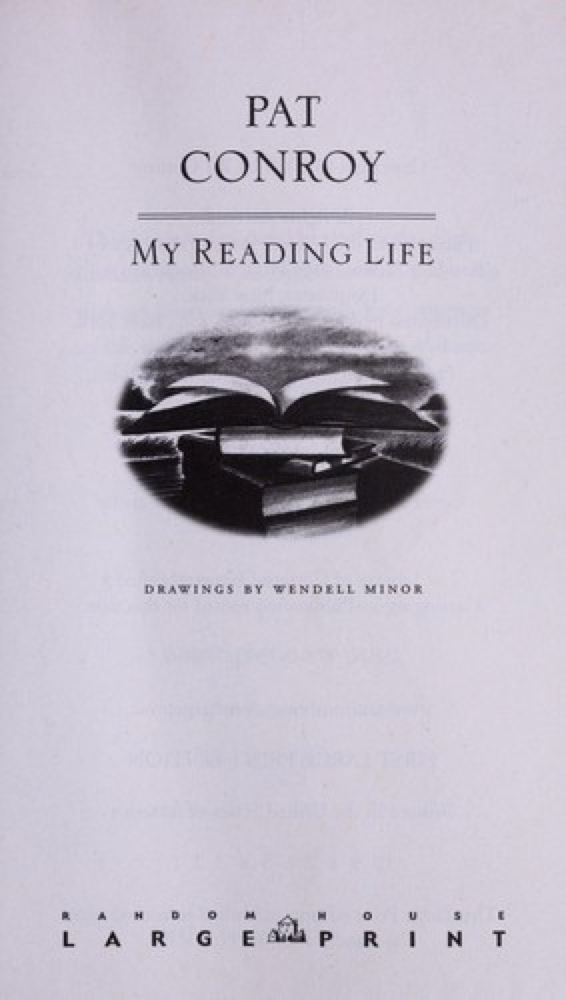 My Reading Life
 Story Genius: How to Use Brain Science to Go Beyond Outlining and Write a Riveting Novel