
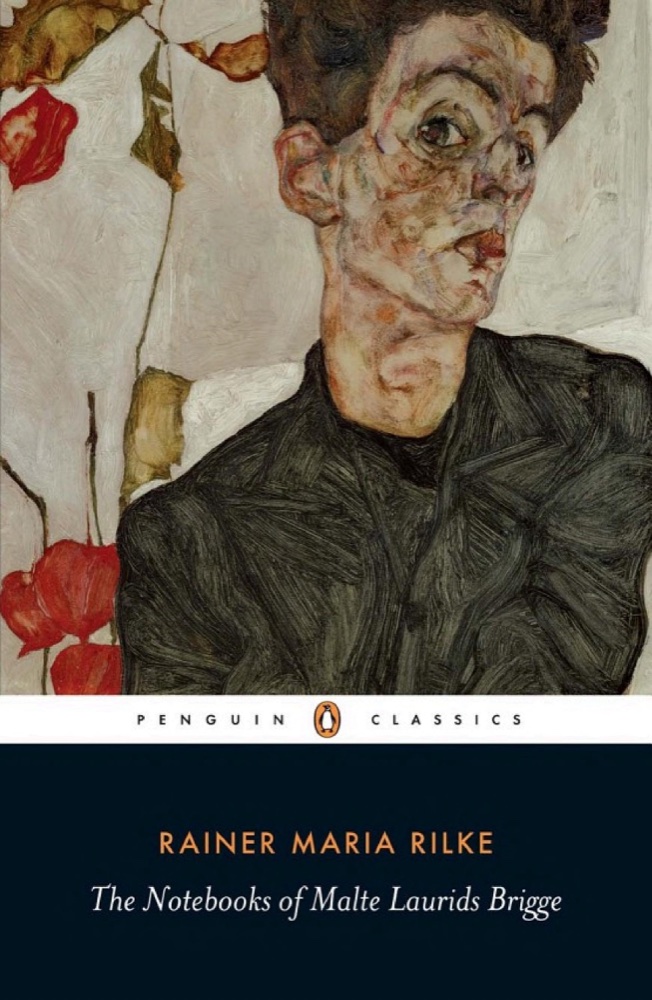
 The Notebooks of Malte Laurids Brigge
Quotes from the Book
Sometimes all it takes is just one sentence. Just one sentence, and there you are, part of something that has been part of you since the beginning, whenever that might rightly be. The source, yes, you can feel it thrumming and surging, and it’s such a relief, to feel you are made of much more than just yourself, that you are only a rind really, a rind you should take care of yet mustn’t get too attached to, that you mustn’t be afraid to let melt away now and then.
5
She has spent a lot of time on her own and certainly that makes a person susceptible to overthinking simple transactions and occasionally losing perspective.
5
No matter what book we had in our hands we found it simply impossible to refrain from wondering incessantly about what kinds of words exactly were inside the other books.
4
…it’s very likely that the sentences I’ll underline in future will be different from the sentences I underlined in the past, when I was in Tangier—you don’t ever step into the same book twice after all.
4
Yet in my heart I was bereft, grieving – homesick for a place I had never seen. For a place that doesn't exist, yet I belonged there nonetheless. Ridiculous really. Ridiculous, yet so acute and abiding.
3
…the impulse for transgression and a taste for abasement is not so difficult to locate and arouse. Because of course it is thrilling to be astutely defiled. To have every revered trait and inimitable asset compromised, undermined, and subverted.
3
Communing with the dark, in all its primordial and transformative potency, is somewhat unsettling, certainly. But who on earth wants to keep their feet on the ground on and on?
2
Writing could do that. Here was a way of reaching someone, of being with them, when they were not and never could be. Here was where we met. Here was where the distinction between us blurred.
2
We do not grow absolutely, chronologically. We grow sometimes in one dimension, and not in another; unevenly. We grow partially. We are relative. We are mature in one realm, childish in another. The past, present, and future mingle and pull us backward, forward, or fix us in the present. We are made up of layers, cells, constellations.
2
Mimicry can be unkind, but at least it acknowledges that you’re there.
2
Fridays always felt different anyway. Friday afternoons especially. Everyone felt it, pupils and teachers alike. You could get away with more on a Friday afternoon because no one was entirely there anyway. Everyone was on a sort of threshold and often did and said anomalous things with the tacit understanding that in the cold light of Monday morning whatever had been said and done last thing on a Friday belonged to a completely different world and ought not to be acknowledged or referred to in any way, now that we were all so firmly installed back in this very familiar and boring one.
1
wanted to find out about men, about the world they lived in and the kinds of things they got up to in that world, the kinds of things too that they thought about as they drifted out of train stations, hung about foreign ports, went up and down escalators, barrelled through revolving doors, looked out of taxi windows, lost a limb, swirled brandy around a crystal tumbler, followed another man, undressed another man’s wife, lay down upon a lawn with arms folded upon their chest, cleaned their shoes, buttered their toast, swam so far out to sea their head looked like a small black dot. I wanted to know the things they felt sad about, regretted, felt enlivened by, drawn towards, were obsessed with.
1
Later on we often had a book with us. Our fingers tingle, madly, madly yes, just as if they are coming to life.
1
an unbearably tense and disorienting paradox that underscores everyday life in a working-class environment—on the one hand it’s an abrasive and in-your-face world, yet, at the same time, much of it seems extrinsic and is perpetually uninvolving. One is relentlessly overwhelmed and understimulated all at the same time.
1
A silly business. Yes, it was a silly business. Tossing one book down and picking one book up and tossing that to to one side and picking up yet another and so on and getting nowhere. Nowhere at all. Over and over again.
When I read Quin I recognise her fidgeting forensic polyvocal style as a powerful and bona fide expression of an unbearably tense and disorienting paradox that underscores everyday life in a working-class environment - on the one hand it's an abrasive and in-your-face world, yet, at the same time, much of it seems extrinsic and is perpetually uninvolving. One is relentlessly overwhelmed and understimulated all at the same time. Is it any wonder then, that such a paradox would engender a heightened aesthetic sensitivity that is as detached as it is perspicacious? Quin mentions somewhere in one of her shorter pieces the 'partition next to my bed', how it 'shook at night from the manoeuvres, snores of my anonymous neighbour.' If your immediate locale doesn't offer you much in terms of dependable boundaries it's not entirely inconceivable is it that you'll end up writing a kaleidoscopic sort of prose that is constantly shuffling the distinction between objects and beings, self and other, and conceives of the world in terms of form and geometry, texture and tone. The walls are paper-thin. You rarely have any privacy. And neither do you have the safety nets, the fenders, the filters, nor the open doors which people from affluent backgrounds enjoy from day one. When you are living with no clear sense of future, day-to-day life is precarious, disjointed, frequently invasive, and beyond your control.
I’m not long for this world. I’m not long for this world. That’s something I grew accustomed to hearing my grandmother avow while waiting for instance for the kettle to boil. The dull infinite rumbling sound of water shuddering to vapour heaven knows can all of a sudden bring on such celestial yearnings. Or perhaps after, seated. While she stirred sugar into her tea and I herded cake crumbs about the tea plate on my knee with the small engrossed pad of my middle finger. She said it one day while we were both sat waiting for pudding in the living room of my aunt’s house near the brook and my aunt came flying in from the kitchen holding up a large steaming spoon and said very crossly, “Mum! Don’t say things like that in front of her.” But I didn’t mind, I didn’t mind one bit. In fact I rather liked it when she said that and said it myself later on when I got home and was sitting on the edge of my bed. I am not long for this world. I am not long for this world. I was already experiencing the sensation by this time that I was outside of the world, looking in, and the feelings that sense mostly gave rise to were ones of forlornness and anguish. Sat on the edge of my rosebud-patterned bed, repeating my grandmother’s mantra, however, I felt noble, mysterious, and independent. As if I were only visiting this world in any case and had somewhere a million times better to return to. I am not long for this world. I am not long for this world.
And we read not one of them all the way through. It was simply impossible. We couldn’t get engrossed. No matter what book we had in our hands we found it simply impossible to refrain from wondering incessantly about what kinds of words exactly were inside the other books. We couldn’t help it could we. We just couldn’t stop ourself from thinking about the other books and the different kinds of words they each contained and when we picked up one of the other books in order to find out it was just the same.
Later on we often had a book with us. Later on. When we were a bit bigger at last though still nowhere near as big as the rest of them we brought over books with us. Oh loads of books. And sat with them there in the grass by the tree. Just one book in fact. Just one, that’s right. Lots of books, one at a time. That’s it, one at a time. We didn’t very much like tons of books did we. No, not really, and neither do we now. We like one book. Yes, we like one book now and we liked one book then. We went to the library for instance and we soon lost the habit didn’t we of taking out lots and lots of books. Yes.
Amongst the millions of words of poetry and philosophy and theory and prose that were desecrated was a sentence by the nineteenth-century German poet Heinrich Heine, who in 1821 had written in his play Almansor the words: “Dort, wo man Bücher verbrennt, verbrennt man auch am Ende Menschen”—“Where they burn books, they will, in the end, also burn people.
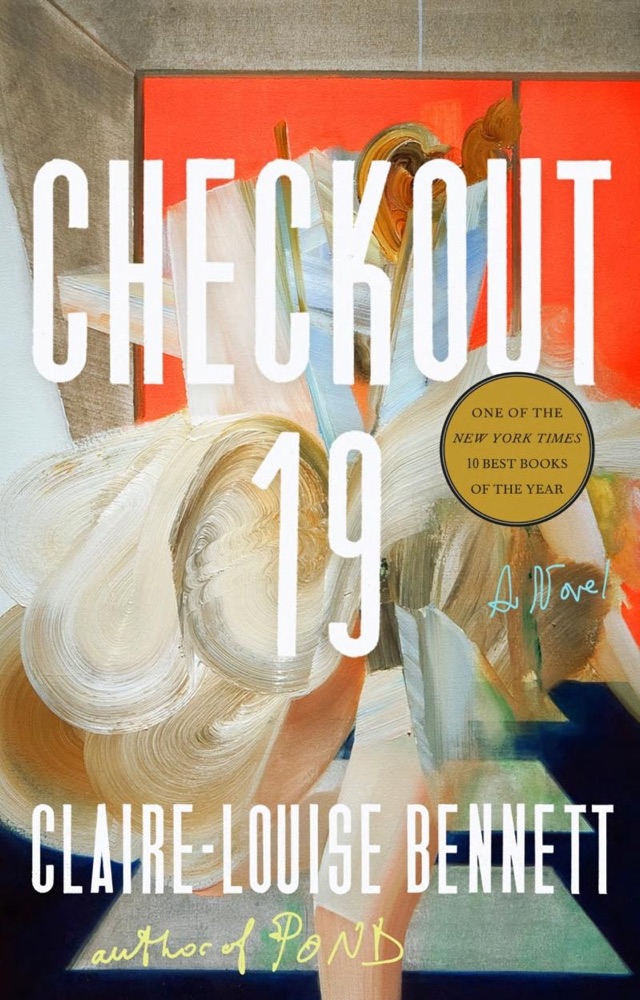
Stirring the fractious air, smiling, smiling, now reaching forward. One irrepressible hand coming to rest first of all on a jar of pickled cucumber then moving impishly along to a jar of pickled cucumber containing dill and the Russian man is very fond of dill especially in his pickled cucumber because he likes to eat pickled cucumber as an accompaniment to red salmon and red salmon and dill are natural bedfellows and it is this very jar of pickled cucumber containing dill in fact that the Russian man is settling into his basket when I enter the condiment aisle with a pen in my hand and my hair twisted back into a french plait on my way to checkout 19 where I will sit myself down upon a lopsided swivel chair and commence yet another nine-hour shift because these are the summer months and in the summer I work all the hours the devil sends so I have a sizeable wedge squirreled away for when I return to the college equidistant from the woeful library and the marooned casino slap-bang in the centre of the fastest-growing town in Europe in order to resume my studies in three subjects pertaining to the humanities come September.
Turning the pages. Turning the pages. When we turn the page we are born again. Living and dying and living and dying and living and dying. Again, and again. And really that’s the way it ought to be. The way that reading ought to be done. Yes. Yes. Turning the pages. Turning the pages. With one’s entire life.
For books are not absolutely dead things, but do contain a potency of life in them to be as active as that soul was whose progeny they are; nay, they do preserve as in a vial the purest efficacy and extraction of that living intellect that bred them. —areopagitica, john Milton
His eyebrows were raised incredulously and I think he said something about so many tears coming out of such a small girl and probably that made me cry even more because it was such a tender and funny thing to say and I would have been so relieved to hear him talk to me that way because when he didn’t look at me at all the world seemed completely bland and indifferent and interminable and I felt so very odious.
We have a tendency don’t we of reading the last few sentences on the right page hurriedly. We do actually. We enjoy turning the pages of a book and our anticipation of doing so is obviously fairly fervid and undermines our attention to such an extent that we can’t help but skim over the last couple of sentences on the right page probably without really taking in a single word.
Lemon Head, the chemistry teacher, found this recurrent animate response vexingly ludicrous and not a little unsettling. It was idiotic, and, worse than that, it was inscrutable.
And as I go along reading it again I’ll underline sentences here and there once more, but they won’t be the same sentences—it’s very likely that the sentences I’ll underline in future will be different from the sentences I underlined in the past, when I was in Tangier—you don’t ever step into the same book twice after all.
Privacy. Secrets. But it became more and more difficult to get that not-knowing and the deeply glamorous feeling that came with it and now it doesn’t exist at all the outcast minutes of the day gently clawing at you, over here, over here, and it’s harder to know where you are or what you’re doing and how you really feel about any of it. One’s on tenterhooks nearly all the time and there’s nothing remotely glamorous about tenterhooks.
Watch on YouTube
About Claire-Louise Bennett
We have collected 28 quotes from 1 book by Claire-Louise Bennett on BookQuoters.
More about the author →About the book
The adventures of a young woman discovering her own genius, through the people she meets--and dreams up--along the way.
In a working-class town in a county west of London, a schoolgirl scribbles stories in the back pages of her exercise book, intoxicated by the first sparks of her imagination. As she grows, everything and everyone she encounters become fuel for a burning talent. The large Russian man in the ancient maroon car who careens around the grocery store where she works as a checkout clerk, and slips her a copy of Beyond Good and Evil. The growing heaps of other books in which she loses-and finds-herself. Even the derailing of a friendship, in a devastating violation. The thrill of learning to conjure characters and scenarios in her head is matched by the exhilaration of forging her own way in the world, the two kinds of ingenuity kindling to a brilliant conflagration.
Exce
Book details
- First published
- 2021
- Author
- Claire-Louise Bennett
- Genre
- Fiction
- Goodreads rating
- 3.16 (10k ratings)
The buzz
- The New York TimesReview in The New York Timesprofessional review (via Book Marks)
- The New YorkerReview in The New Yorkerprofessional review (via Book Marks)
- The Wall Street JournalReview in The Wall Street Journalprofessional review (via Book Marks)
- The GuardianReview in The Guardianprofessional review (via Book Marks)
- Los Angeles TimesReview in Los Angeles Timesprofessional review (via Book Marks)
- The Times Literary SupplementReview in The Times Literary Supplementprofessional review (via Book Marks)
Keep reading
The Notebooks of Malte Laurids Brigge
 Poison for Breakfast
 Flights
 Too Much Happiness: Stories
 The Year of Reading Dangerously
 Monday or Tuesday
 Mister Pip
 Trigger Warning: Short Fictions and Disturbances
 The Book of Form and Emptiness
 The Raw Shark Texts
 The Book That Wouldn’t Burn
 Winter
 The Unlikely Escape of Uriah Heep
 Anthropology of an American Girl
 There but for the
 The Summer Without Men
 The Swan Thieves
 The Golden Notebook
 At Large and At Small: Familiar Essays
 Encyclopedia of an Ordinary Life
 The Enchanted
 The Word Exchange
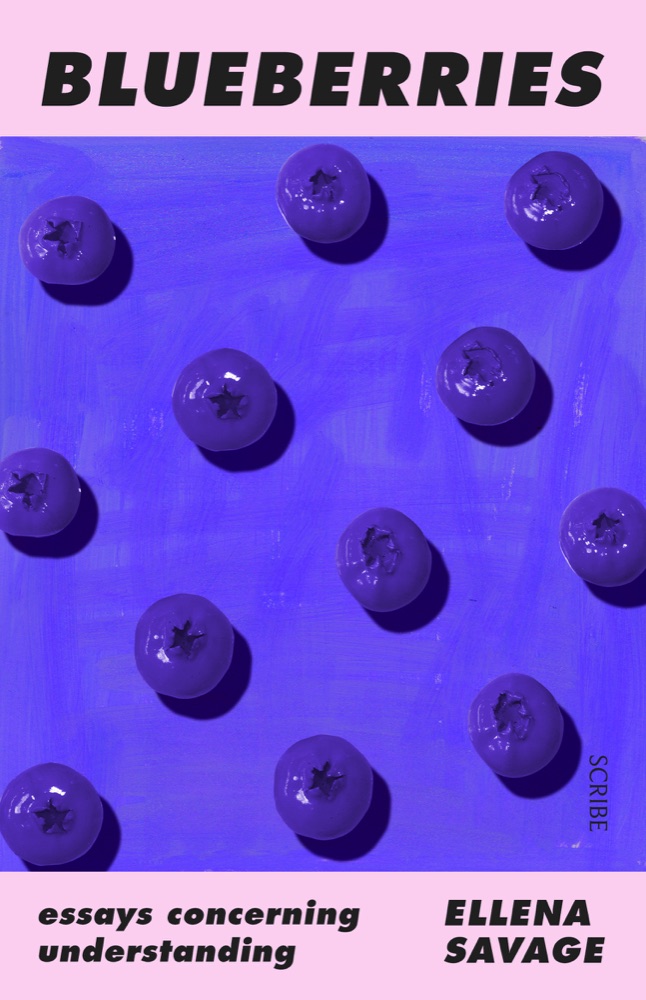 Blueberries: Essays Concerning Understanding
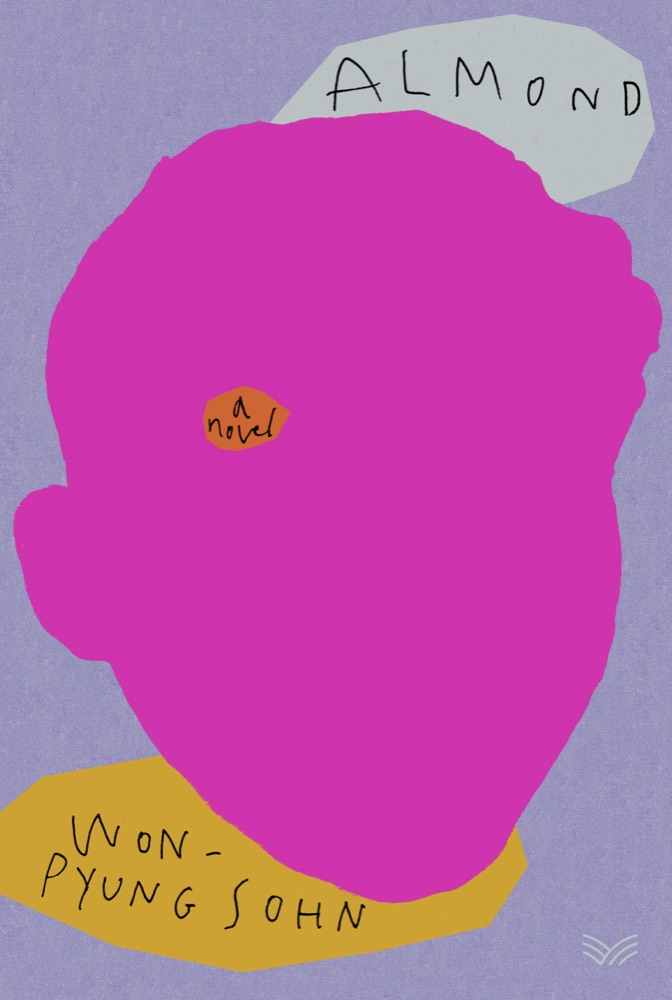 Almond
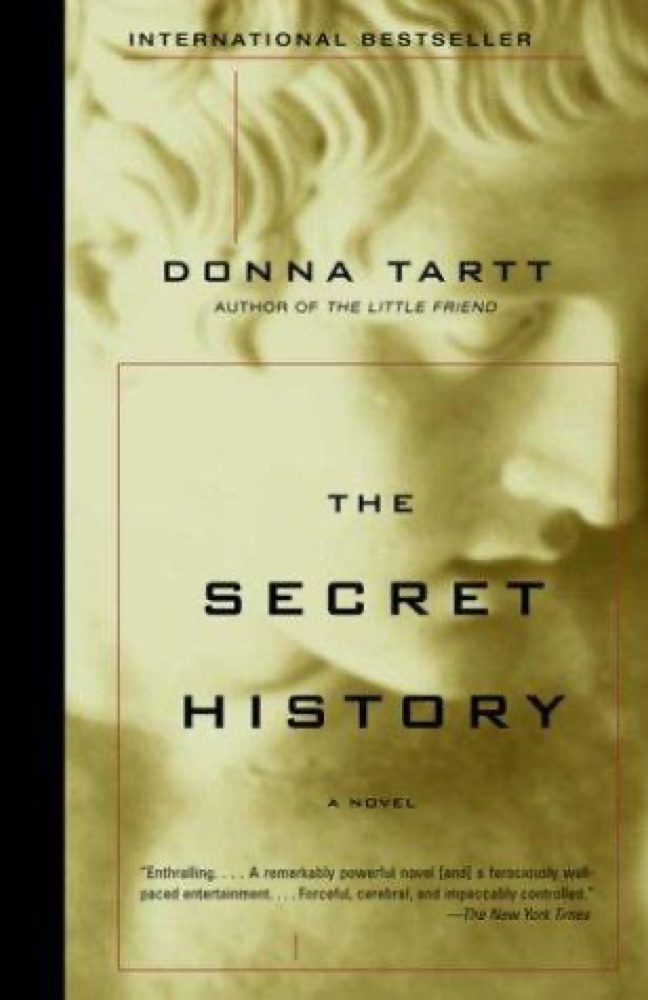 The Secret History
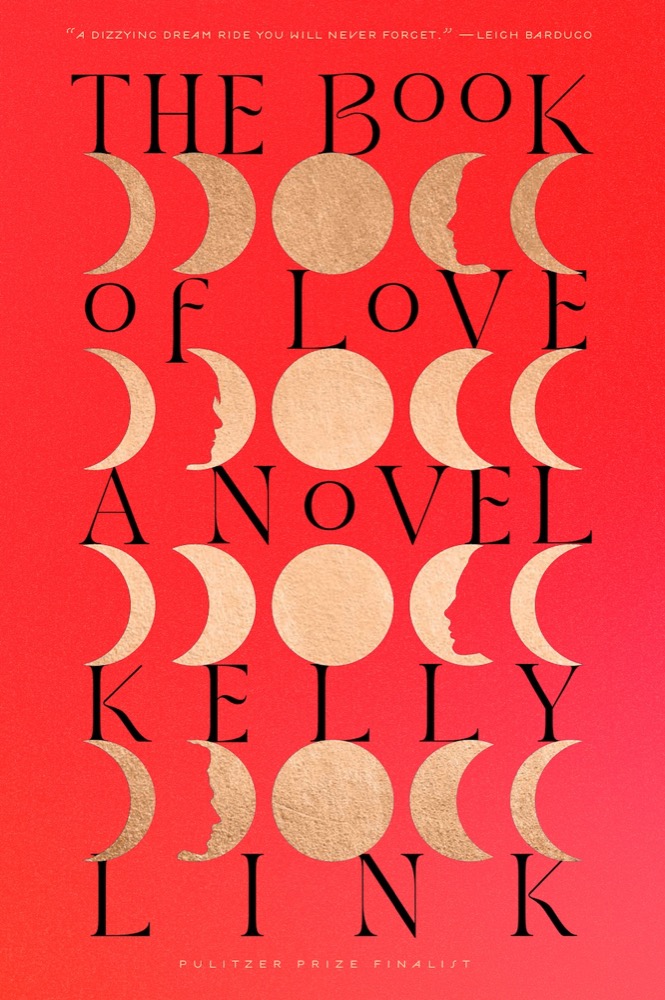 The Book of Love
 Out of Oz
 The Broom of the System
 The Cat's Table
 The Novel Habits of Happiness
 Smoke and Mirrors: Short Fiction and Illusions
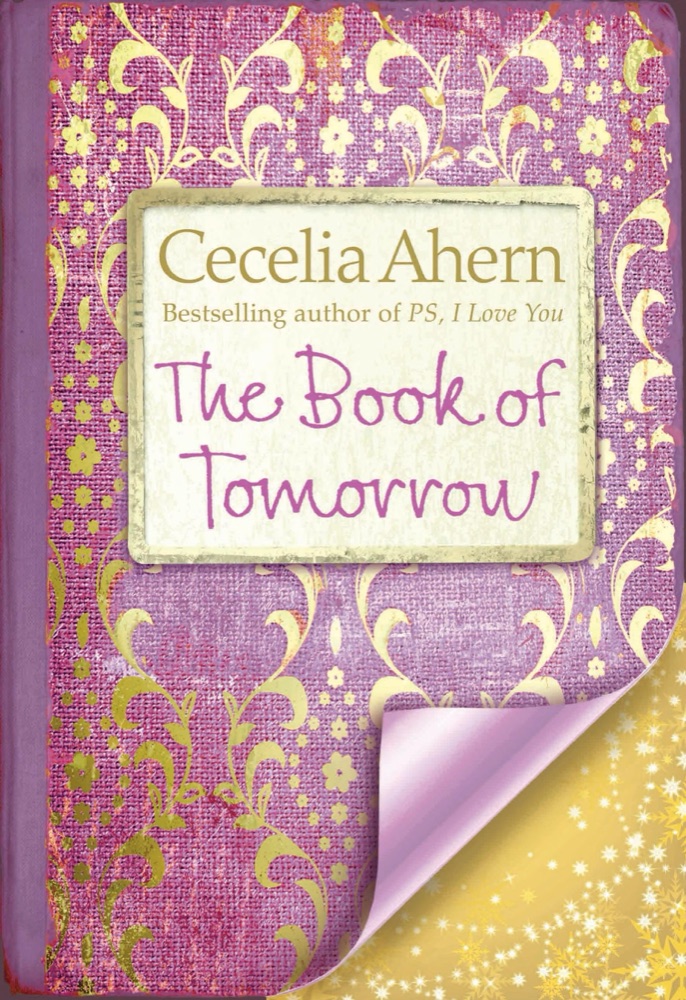 The Book of Tomorrow
 Inkdeath
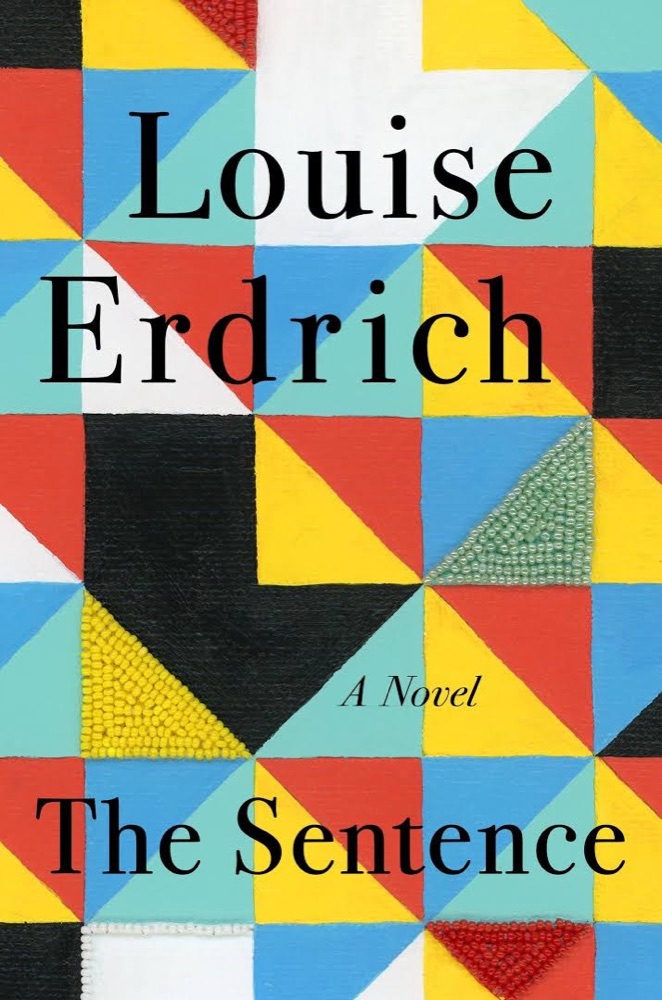 The Sentence
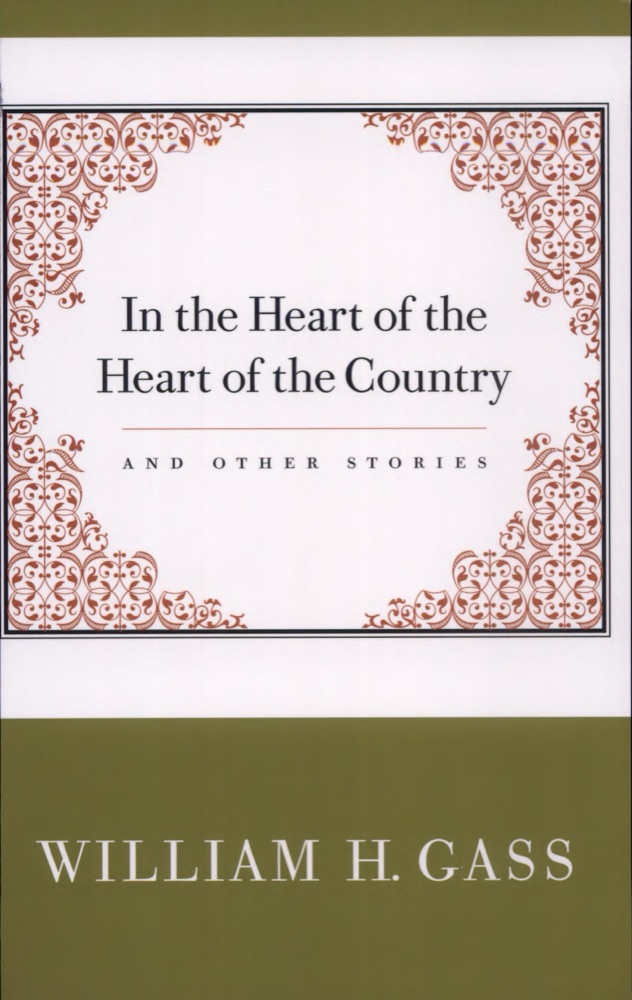 In the Heart of the Heart of the Country and Other Stories
 The Book of Dreams
 Agatha Christie: An Autobiography
 The Children's Book
 The Names
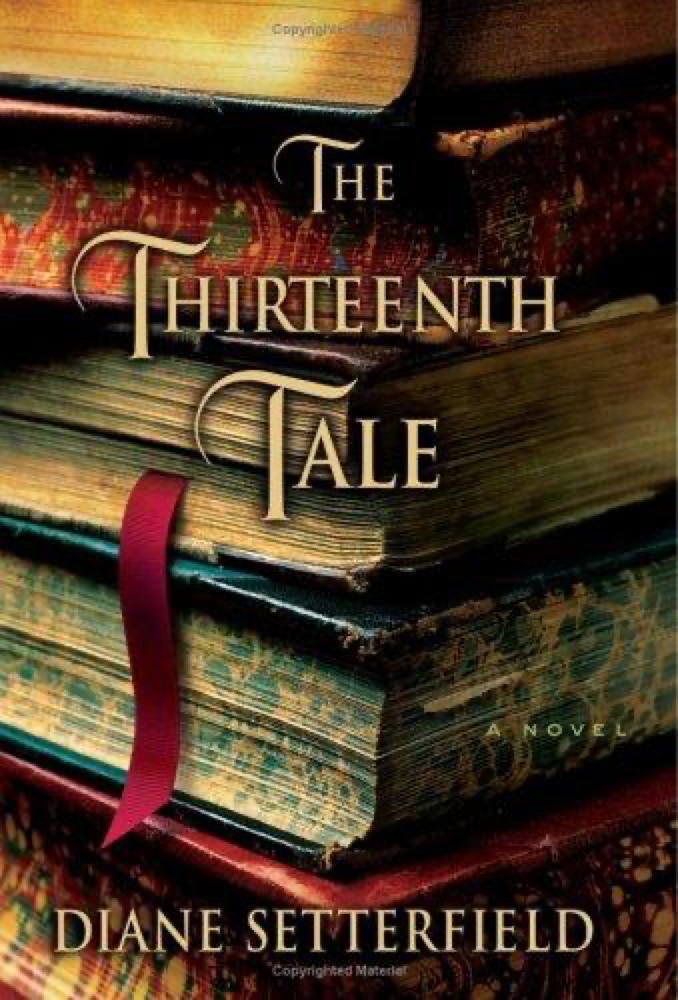 The Thirteenth Tale
 The Secret, Book & Scone Society
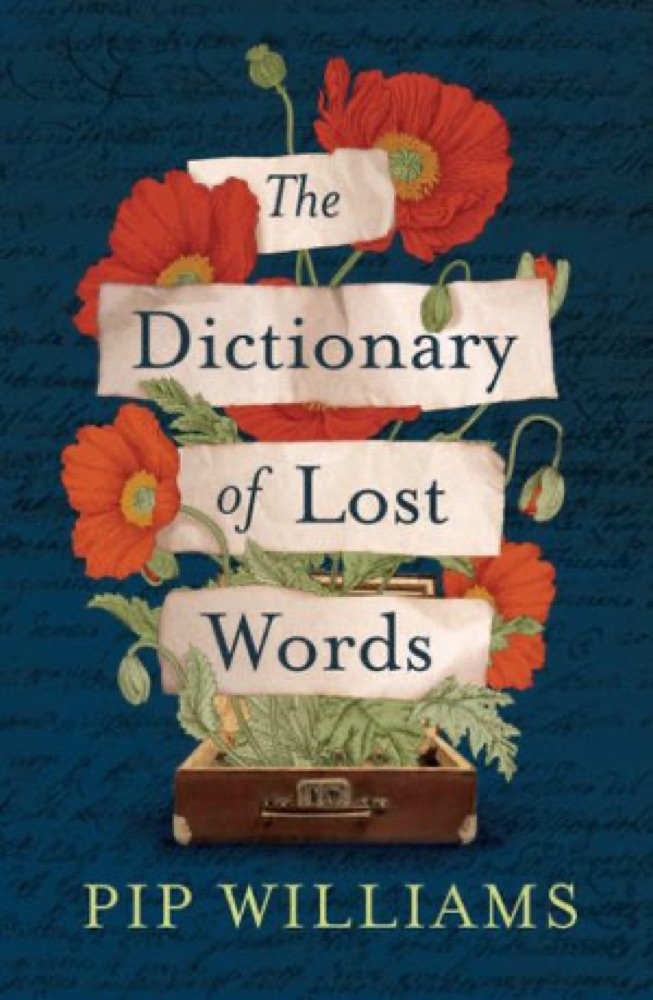 The Dictionary of Lost Words
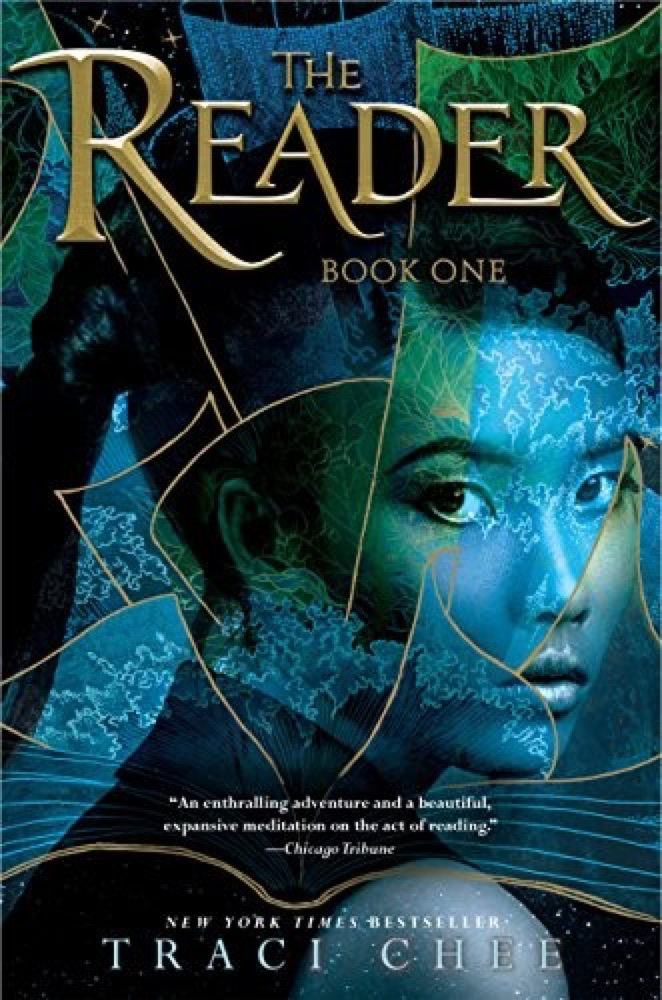 The Reader
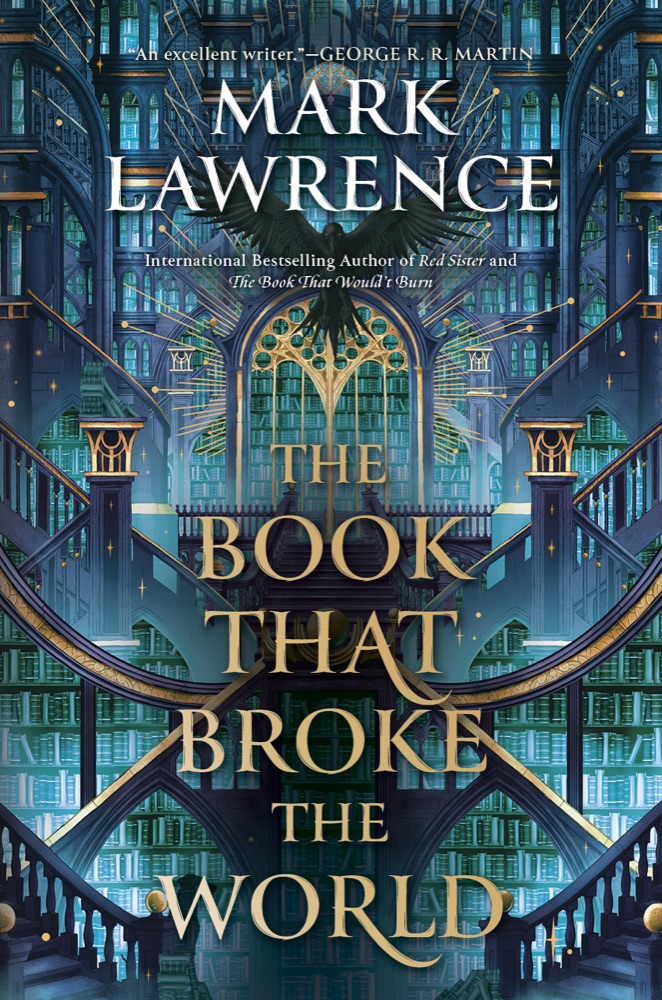 The Book That Broke the World
 Point Omega
 The Hazel Wood
 The Rabbit Back Literature Society
 Inferno
 What I Loved
 The Salmon of Doubt
 NW
NW
 A Fisherman of the Inland Sea
 Moments of Being: A Collection of Autobiographical Writing
 Make It Scream, Make It Burn
 The Aosawa Murders
 The Reader
 Speedboat
 Middlesex
 A Northern Light