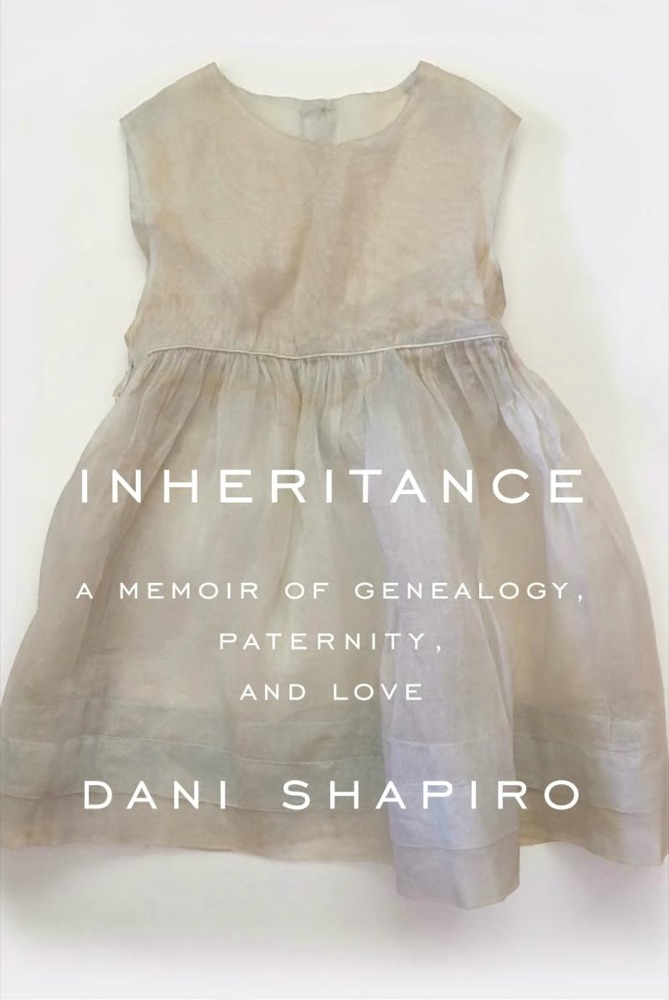
 Inheritance: A Memoir of Genealogy, Paternity, and Love
Quotes from the Book
Everything you need to know about life can be learned from a genuine and ongoing attempt to write
29
Still writing?" I usually nod and smile, then quickly change the subject. But here is what I would like to put down my fork and say: Yes, yes, I am. I will write until the day I die, or until I am robbed of my capacity to reason. Even if my fingers were to clench and wither, even if I were to grow deaf or blind, even if I were unable to move a muscle in my body save for the blink of one eye, I would still write. Writing saved my life. Writing has been my window -- flung wide open to this magnificent, chaotic existence -- my way of interpreting everything within my grasp. Writing has extended that grasp by pushing me beyond comfort, beyond safety, past my self-perceived limits. It has softened my heart and hardened my intellect. It has been a privilege. It has whipped my ass. It has burned into me a valuable clarity. It has made me think about suffering, randomness, good will, luck, memory responsibility, and kindness, on a daily basis -- whether I feel like it or not. It has insisted that I grow up. That I evolve. It has pushed me to get better, to be better. It is my disease and my cure. It has allowed me not only to withstand the losses in my life but to alter those losses -- to chip away at my own bewilderment until I find the pattern in it. Once in a great while, I look up at the sky and think that, if my father were alive, maybe he would be proud of me. That if my mother were alive, I might have come up with the words to make her understand. That I am changing what I can. I am reaching a hand out to the dead and to the living and the not yet born. So yes. Yes. Still writing.
21
When I think of the wisest people I know, they share one defining trait: curiosity. They turn away from the minutiae of their lives-and focus on the world around them. They are motivated by the desire to explore the unfamiliar. They are drawn toward what they don't understand.
18
Act as if you're a writer. Sit down and begin. Act as if you might just create something beautiful, and by beautiful I mean something authentic and universal. Don't wait for anybody to tell you it's okay.
16
It would be many years before I began to understand that all of life is practice: writing, driving, hiking, brushing teeth, packing lunch boxes, making beds, cooking dinner, making love, walking dogs, even sleeping. We are always practicing. Only practicing.
15
I believe that we don't choose our stories," she began, leaning forward. "Our stories choose us." She paused and took a sip of water. Her hand, I noticed was steady.. "And if we don't tell them, then we are somehow diminished.
14
If we are artists- hell, whether or not we're artists- it is our job, our responsibility, perhaps even our sacred calling, to take whatever life has handed us and make something new, something that wouldn't have existed if not for the fire, the genetic mutation, the sick baby, the accident.
13
Think of a ballet dancer at the barre. Plie, eleve, battement tendu. She is practicing, because she knows that there is no difference between practice and art. The practice is the art.
10
The writer’s life requires courage, patience, empathy, openness. It requires the ability to be alone with oneself. Gentle with oneself. To be disciplined, and at the same time, take risks.
10
When writers who are just starting out ask me when it gets easier, my answer is never. It never gets easier. I don’t want to scare them, so I rarely say more than that, but the truth is that, if anything, it gets harder. The writing life isn’t just filled with predictable uncertainties but with the awareness that we are always starting over again. That everything we ever write will be flawed. We may have written one book, or many, but all we know — if we know anything at all — is how to write the book we’re writing. All novels are failures. Perfection itself would be a failure. All we can hope is that we will fail better. That we won’t succumb to fear of the unknown. That we will not fall prey to the easy enchantments of repeating what may have worked in the past. I try to remember that the job — as well as the plight, and the unexpected joy — of the artist is to embrace uncertainty, to be sharpened and honed by it. To be birthed by it. Each time we come to the end of a piece of work, we have failed as we have leapt—spectacularly, brazenly — into the unknown.
9
To forget oneself-to lose oneself in the music, in the moment- that kind of absorption seems to be at the heart of every creative endeavor.
8
We are tyrannized by our options.
8
Don't think too much. There'll be time to think later. Analysis won't help. You're chiseling now. You're passing your hands over the wood. Now the page is no longer blank. There's something there. It isn't your business yet to know whether it's going to be prize-worthy someday, or whether it will gather dust in a drawer. Now you've carved the tree. You've chiseled the marbled. You've begun.
7
I can tell you that the writing of a book, no matter how deeply, profoundly personal-if it is literature, if you have attended to the formidable task of illumination the human heart in conflict with itself-will do the opposite of expose you. It will connect you. With others. With the world around you. With yourself.
5
The more we have at stake, the harder it is to make the leap into writing. The more we think about who’s going to read it, what they’re going to think, how many copies will be printed, whether this magazine or that magazine will accept it for publication, the further away we are from accomplishing anything alive on the page.
4
She is practicing because she knows there is no difference between practice and art. The practice is the art.
4
If I dismiss the ordinary — waiting for the special, the extreme, the extraordinary to happen — I may just miss my life… To allow ourselves to spend afternoons watching dancers rehearse, or sit on a stone wall and watch the sunset, or spend the whole weekend rereading Chekhov stories—to know that we are doing what we’re supposed to be doing — is the deepest form of permission in our creative lives. The British author and psychologist Adam Phillips has noted, 'When we are inspired, rather like when we are in love, we can feel both unintelligible to ourselves and most truly ourselves.' This is the feeling I think we all yearn for, a kind of hyperreal dream state. We read Emily Dickinson. We watch the dancers. We research a little known piece of history obsessively. We fall in love. We don’t know why, and yet these moments form the source from which all our words will spring.
4
And these years later, when I think of that essay, what I remember most is not the moment I saw my work in New Yorker font, not when I saw the illustration of my father, not the congratulatory phone calls and notes that followed, but that predawn morning in my bedroom, at my desk, the lights of cars below on Broadway, my computer screen glowing in the dark.
4
I have been writing all my life. Growing up, I wrote in soft-covered journals, in spiral-bound notebooks, in diaries with locks and keys. I wrote love letters and lies, stories and missives. When I wasn't writing, I was reading. And when I wasn't writing or reading, I was staring out the window, lost in thought. Life was elsewhere-I was sure of it-and writing was what took me there.
2
There’s a great expression in Twelve Step programs: Act as if. Act as if you’re a writer. Sit down and begin. Act as if you might just create something beautiful, and by beautiful I mean something authentic and universal. Don’t wait for anybody to tell you it’s okay. Take that shimmer and show us our humanity. That’s your job.
2
I've never heard a writer feel that way about a device with a screen. Oh sure, they're functional, practical. We would be lost without them. But just as we need to feel our feet on the earth, smell and taste the world around us, the pen scratching against the page, sensory and slow, is the difference between looking at a high-definition picture of a flower and holding that very same flower in your palm, feeling the brush of its petals, the color of its stamen rubbing off on your fingers.
2
Write the words "The FIve Senses" on an index card and tack it to a bulletin board above your desk. You should have a bulletin board above your desk, if at all possible. Some place where you can tack images, quotes, postcards, scraps of thoughts and ideas that will help remind you of you you are and what you're doing.
2
If I’m not writing, my heart hardens, rather than lifts.
1
The Buddhist teacher Jack Kornfield once said that all of life can be summed up in these three words: not always so. We plan on our day going in a certain direction? Not always so. We expect a friend or relative to behave the way they always have? Not always so. There is the pattern, and then there is the dropped stitch that disrupts the pattern, making it all the more complex and interesting. Stories are about the dropped stitch. About what happens when the pattern breaks. Though there is a certain poetry in the rhythm of everyday, it is most often a shift, a moment of not-always-so, that ends up being the story. Why is this moment different? What has changed? And why now? We would do well to ask ourselves these questions when we’re at work.
1
I've learned to be wary of those times when I think I know what I'm doing. I've discovered that my best work comes from the uncomfortable but fruitful feeling of not having a clue...
1
The writing life requires courage, patience, persistence, empathy, openness, and the ability to deal with rejection. It requires the willingness to be alone with oneself. To be gentle with oneself. To look at the world without blinders on. To observe and withstand what one sees. To be disciplined, and at the same time, take risks. To be willing to fail-not just once, but again and again, over the course of a lifetime.
1
I couldn’t write. I grew tense. I was strangled by my own ego, by my petty desire for what I perceived to be the literary brass ring. I was missing the point, of course. The reward is in the doing.
1
...it feels as if mountain pose is the most challenging of all yoga poses. To be still. To be grounded. To claim one's place in the world.
1
If we keep our eyes open, we will encounter our true teachers. We don’t even need to know them. Virginia Woolf is my teacher. I keep her near me in the form of her A Writer’s Diary. I flip the book open to a random page and encounter a kindred spirit who walked this road before me, and who—though her circumstances were vastly different from my own—makes me feel less isolated in the world. Though we are alone in our rooms, alone with our demons, our inner censors, our teachers remind us that we’re not alone in the endeavor. We are part of a great tapestry of those who have preceded us. And so we must ask ourselves: Are we feeling with our minds? Thinking with our hearts? Making every empathic leap we can? Are we witnesses to the world around us? Are we climbing on the shoulders of those who paved the way for us? Are we using every last bit of ourselves, living these lives of ours, spending it, spending it all, every single day?
When it comes to the practice of writing, it cannot be distraction that propels us but rather the patience—the openness, the willingness—to meet ourselves on the page. To stop being at the mercy of what we surround ourselves with, but rather, to discover our story.
Watch on YouTube
About Dani Shapiro
We have collected 108 quotes from 4 books by Dani Shapiro on BookQuoters.
More about the author →More by Dani Shapiro
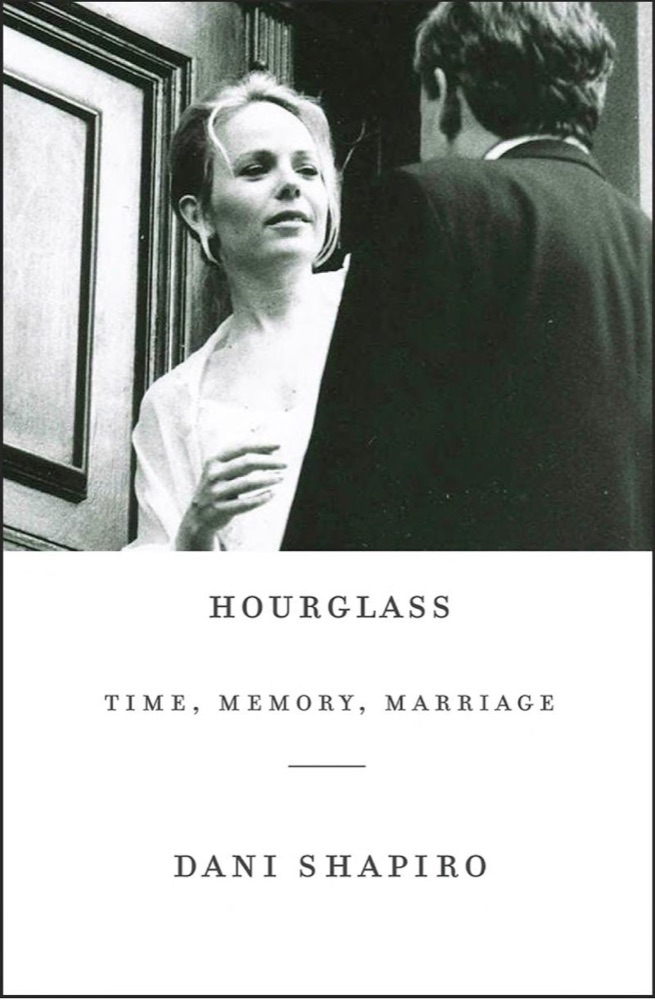
About the book
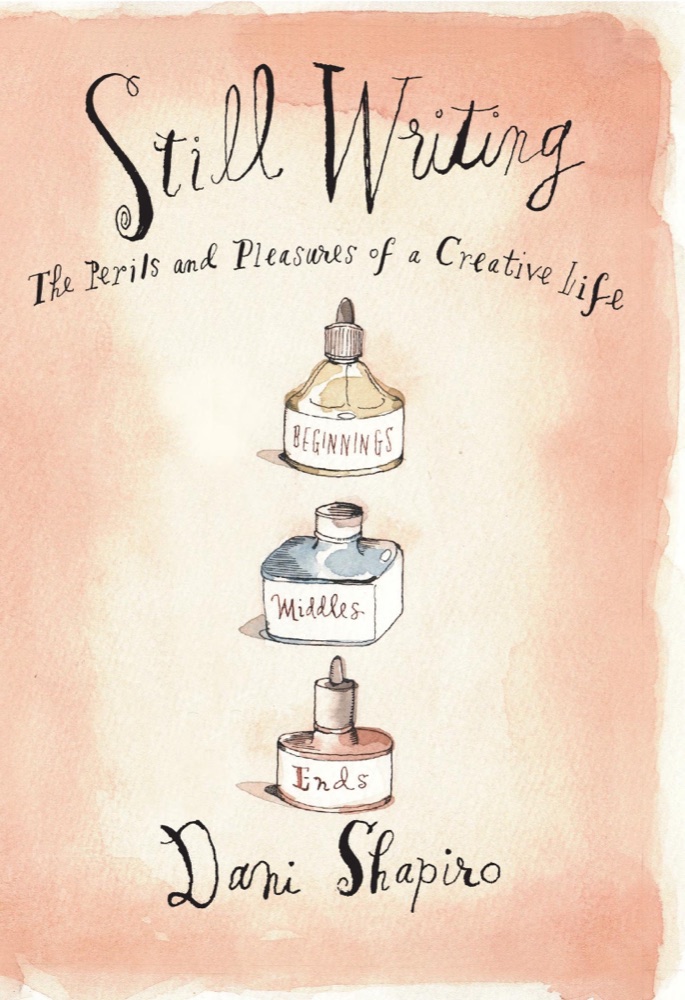
This national bestseller from celebrated novelist and memoirist Dani Shapiro is an intimate and eloquent companion to living a creative life. Through a blend of memoir, meditation on the artistic process, and advice on craft, Shapiro offers her gift to writers a guide of hard-won wisdom and advice for staying the course. In the ten years since the first edition, Still Writing has become a mainstay of creative writing classes as well as a lodestar for writers just starting out, and above all, an indispensable almanac for modern writers.
Book details
- First published
- 2013
- Author
- Dani Shapiro
- Genre
- Nonfiction
- Goodreads rating
- 4.22 (5k ratings)
Keep reading
 Writing Down the Bones: Freeing the Writer Within
 The Getaway Car: A Practical Memoir About Writing and Life
 Bird by Bird
 The Writing Life
 Body Work: The Radical Power of Personal Narrative
 How to Write an Autobiographical Novel
 On Writing: A Memoir of the Craft
 Becoming a Writer
 A Writer's Diary
 The Right to Write: An Invitation and Initiation Into the Writing Life
 If You Want to Write: A Book about Art, Independence and Spirit
 The Power of Writing It Down: A Simple Habit to Unlock Your Brain and Reimagine Your Life
 Novelist as a Vocation
 Blueberries: Essays Concerning Understanding
 On Writing
 Zen in the Art of Writing
 The Book of Alchemy: A Creative Practice for an Inspired Life
 The Triggering Town: Lectures and Essays on Poetry and Writing
 The Artist's Way
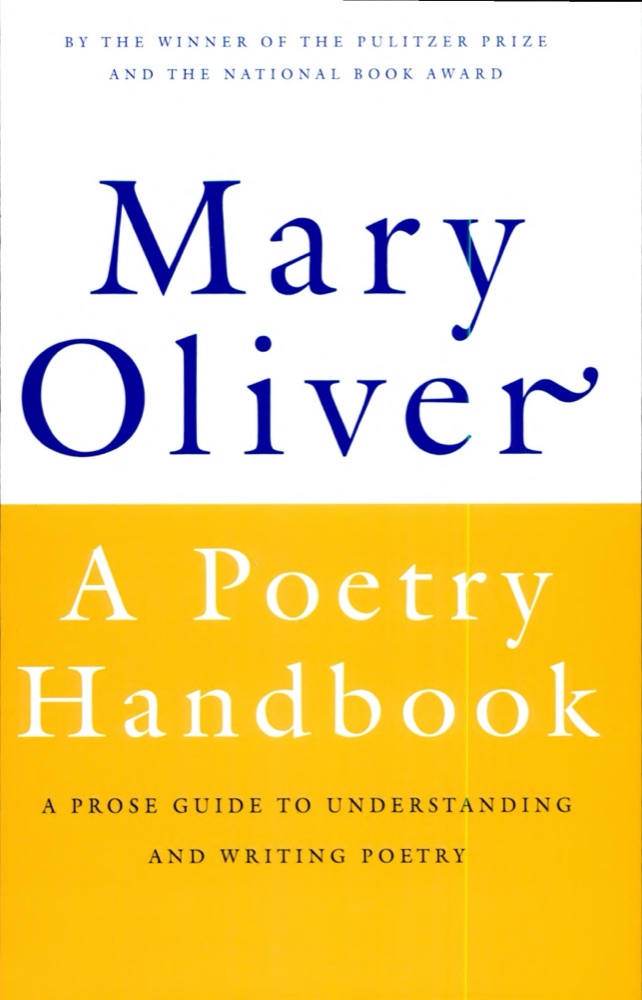 A Poetry Handbook
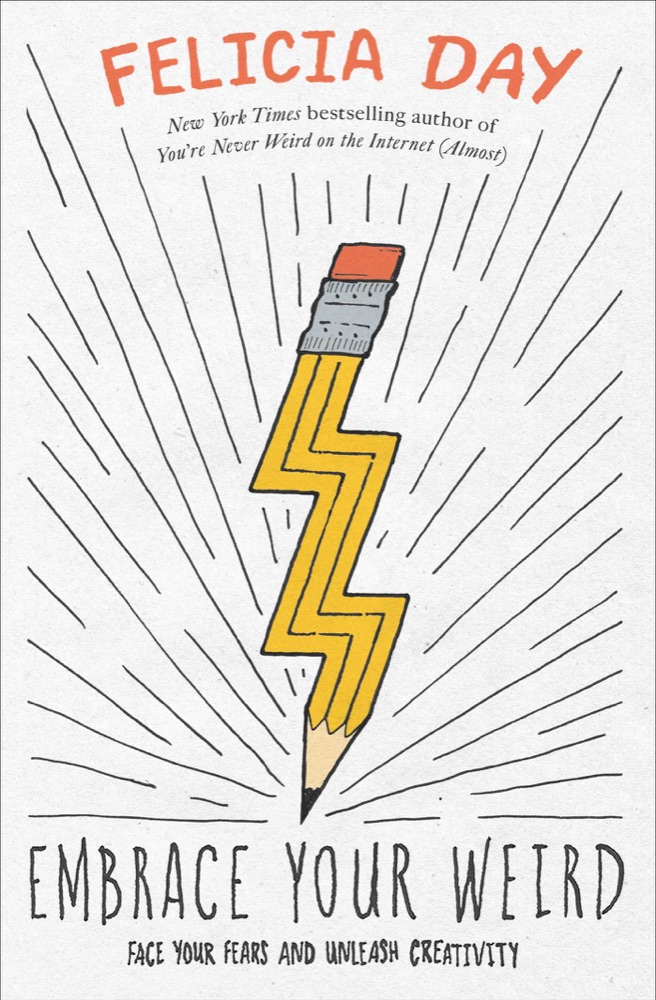 Embrace Your Weird: Face Your Fears and Unleash Creativity
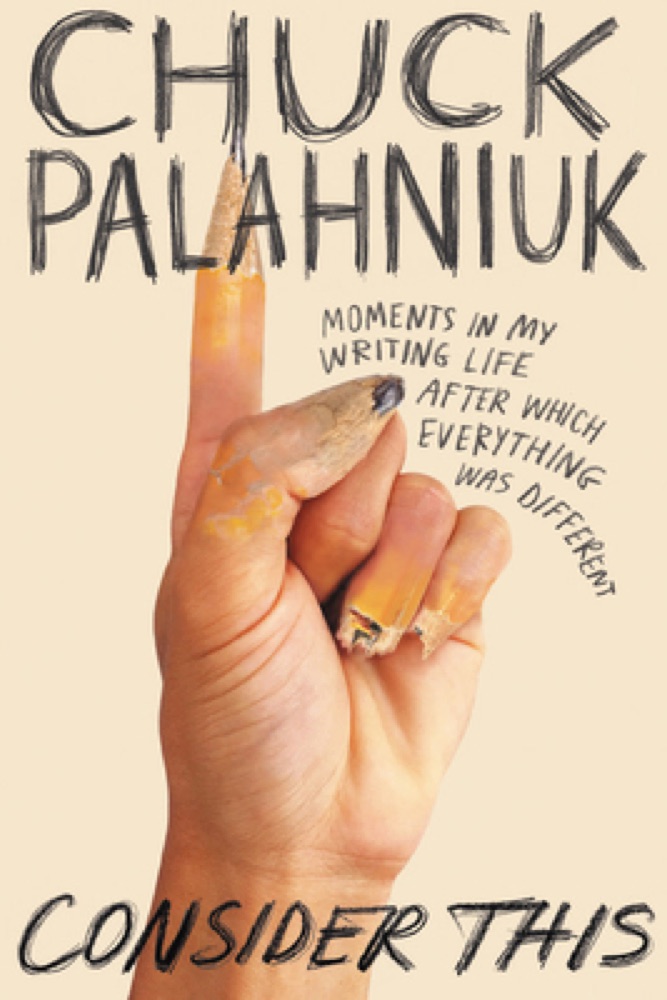 Consider This: Moments in My Writing Life After Which Everything Was Different
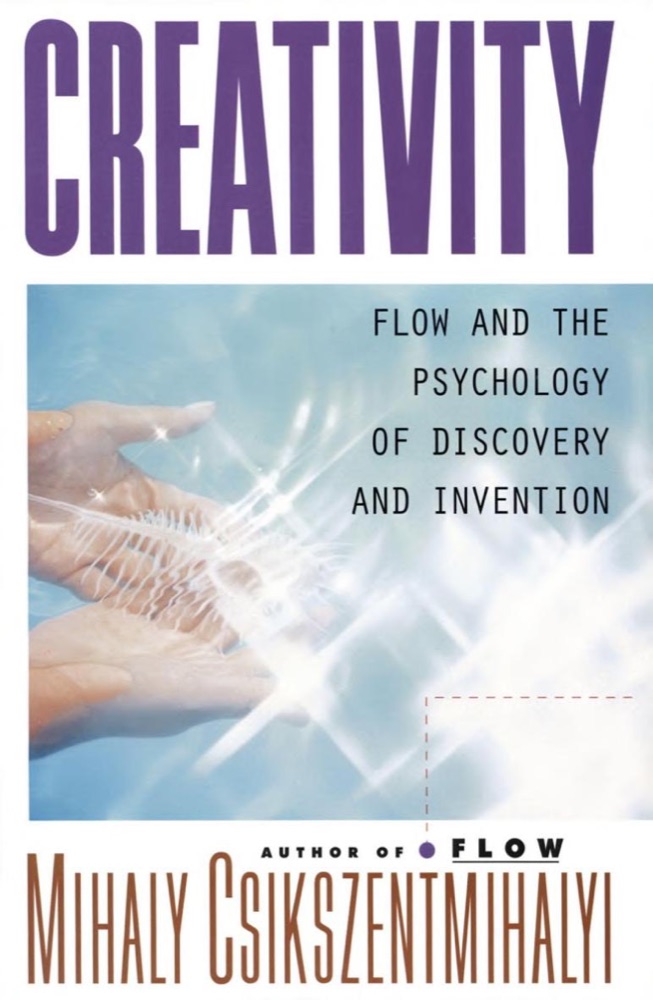 Creativity: Flow and the Psychology of Discovery and Invention
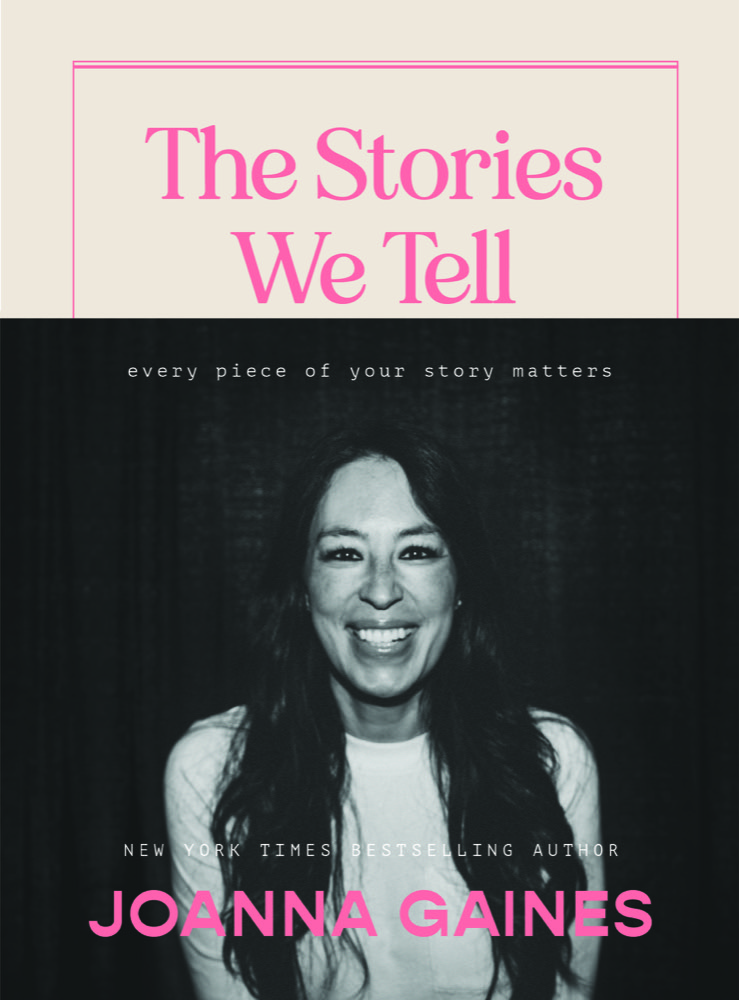 The Stories We Tell: Every Piece of Your Story Matters
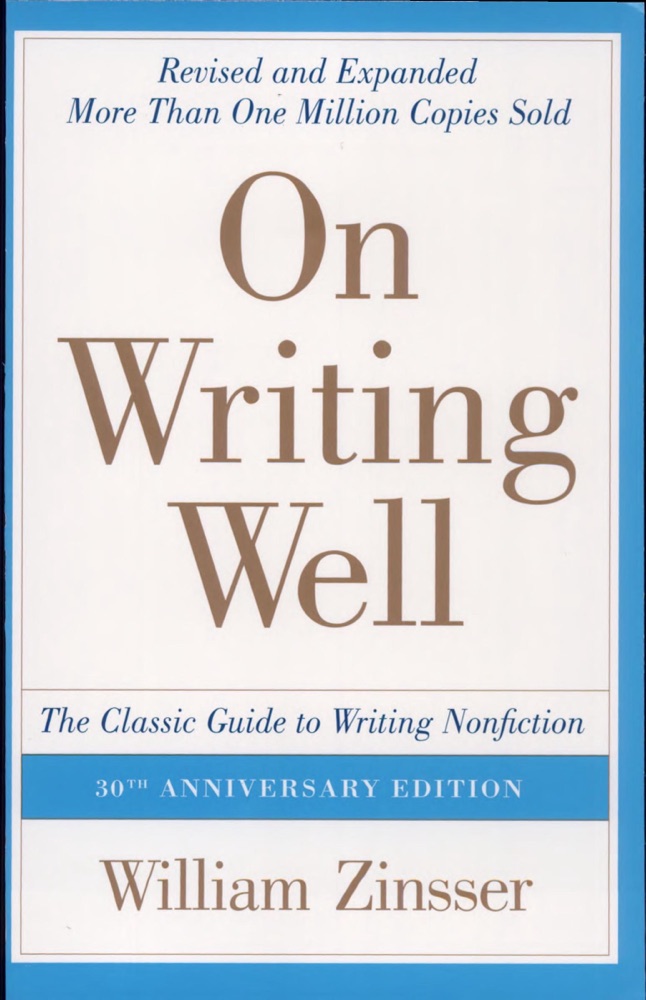 On Writing Well: The Classic Guide to Writing Nonfiction
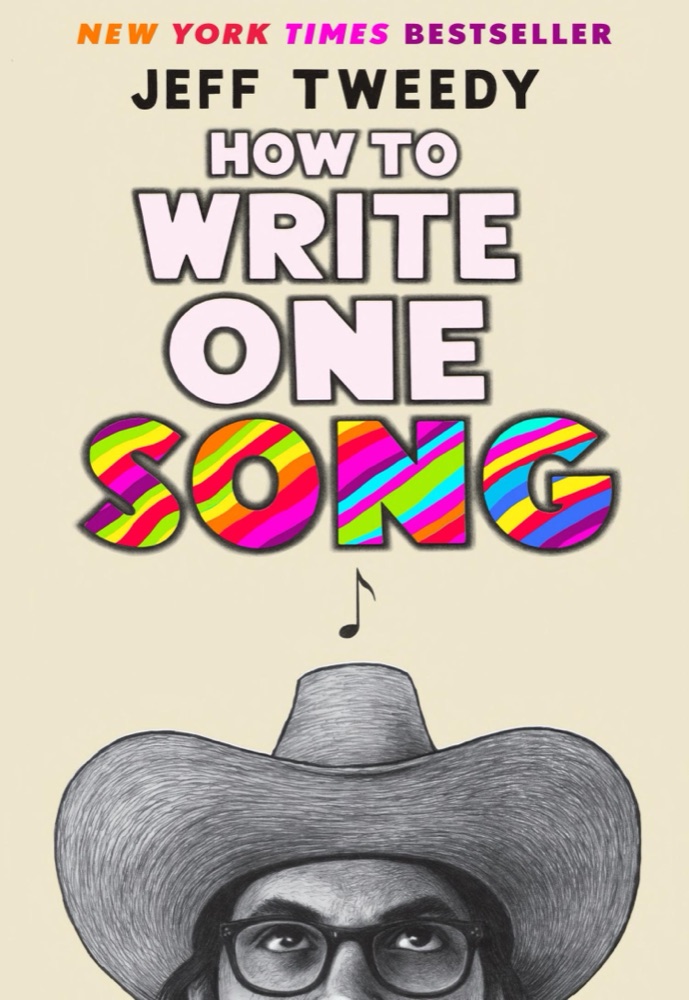 How to Write One Song: Loving the Things We Create and How They Love Us Back
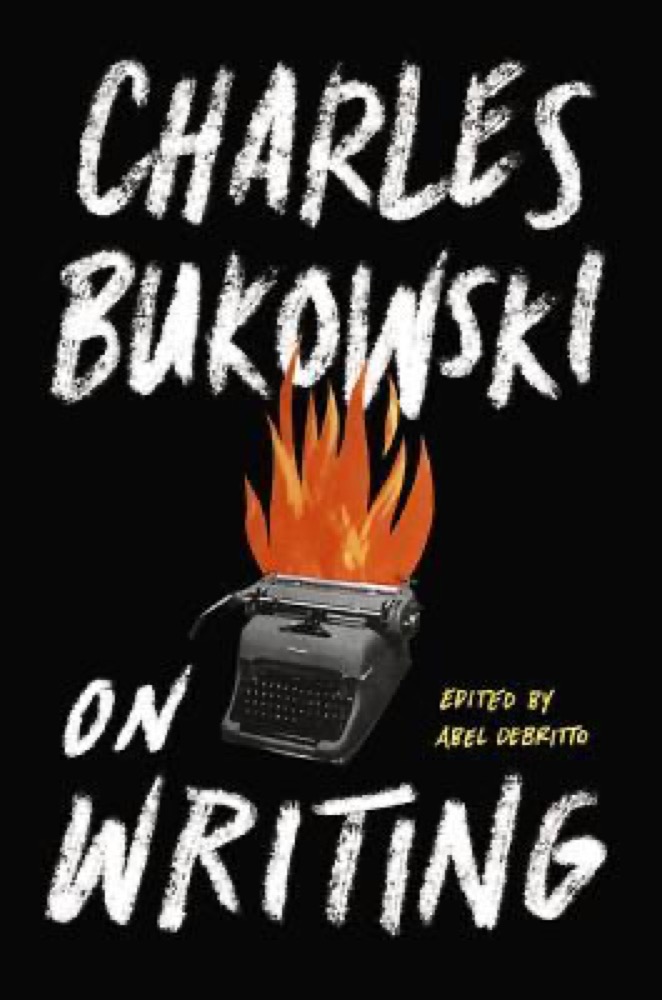 On Writing
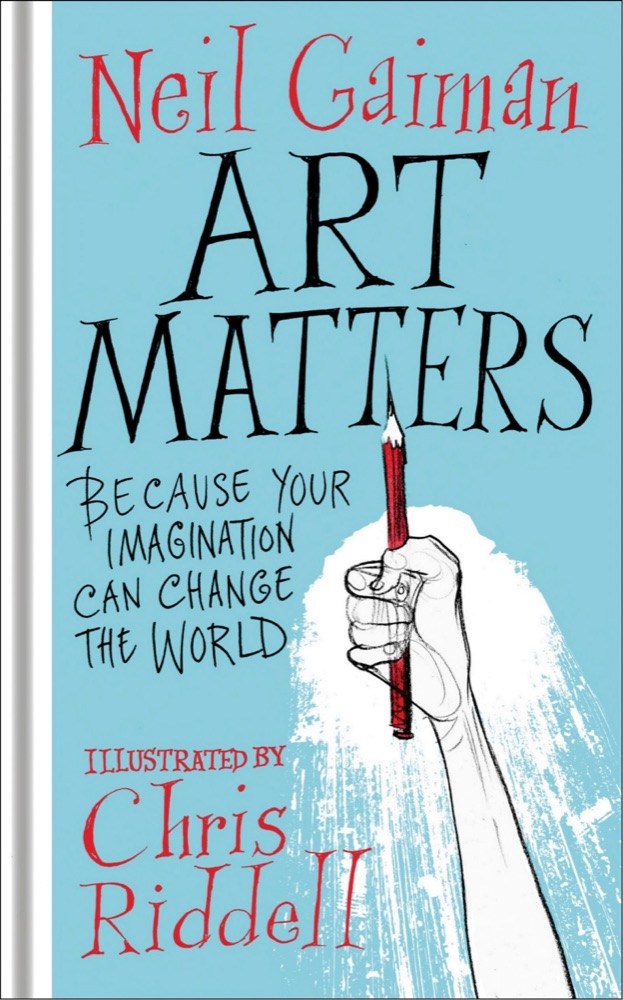 Art Matters: Because Your Imagination Can Change the World
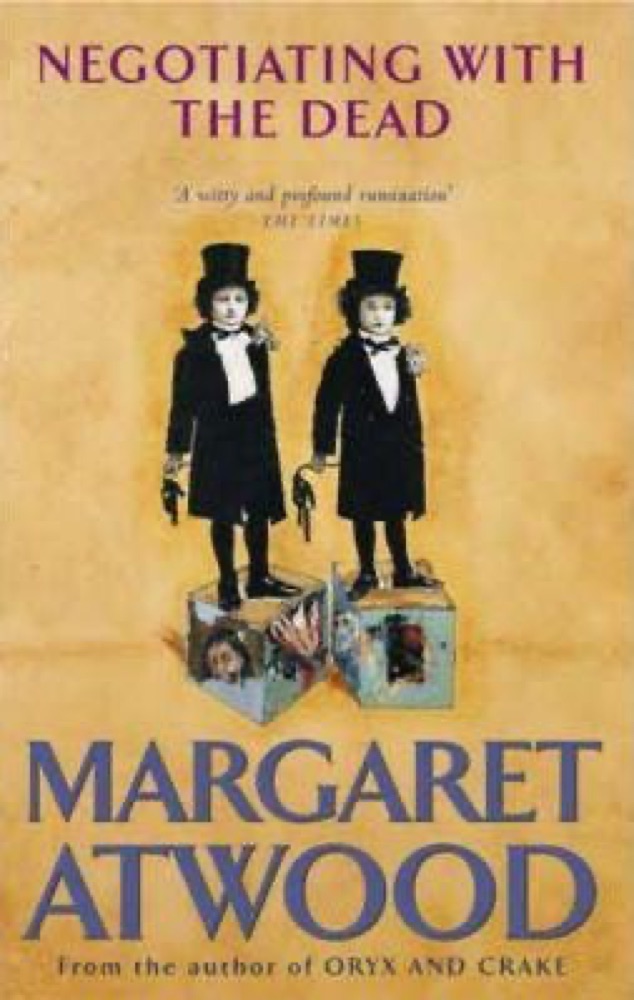 Negotiating with the Dead: A Writer on Writing
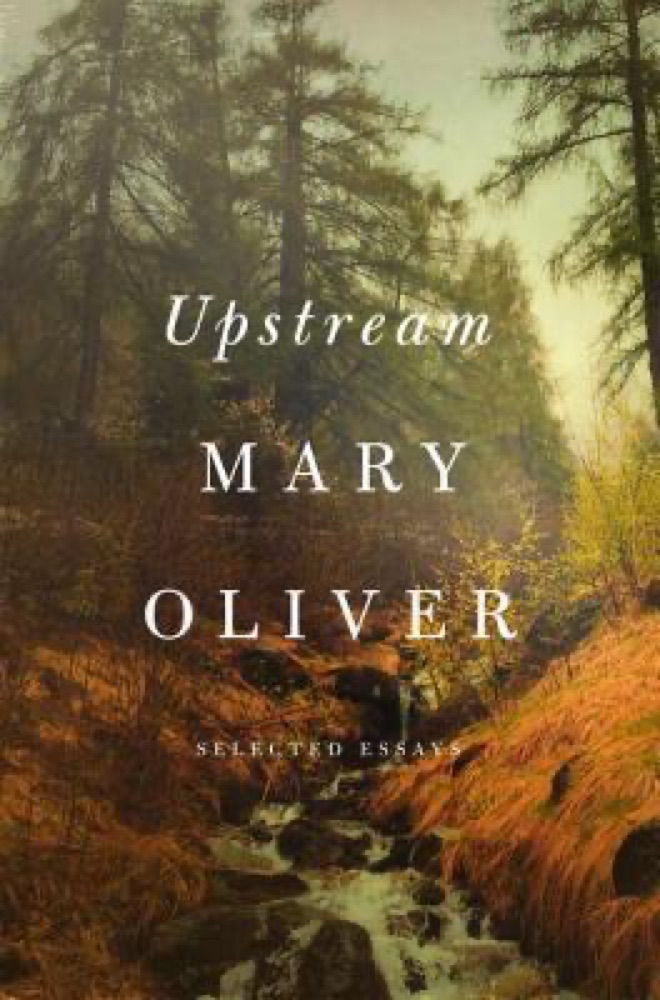 Upstream: Selected Essays
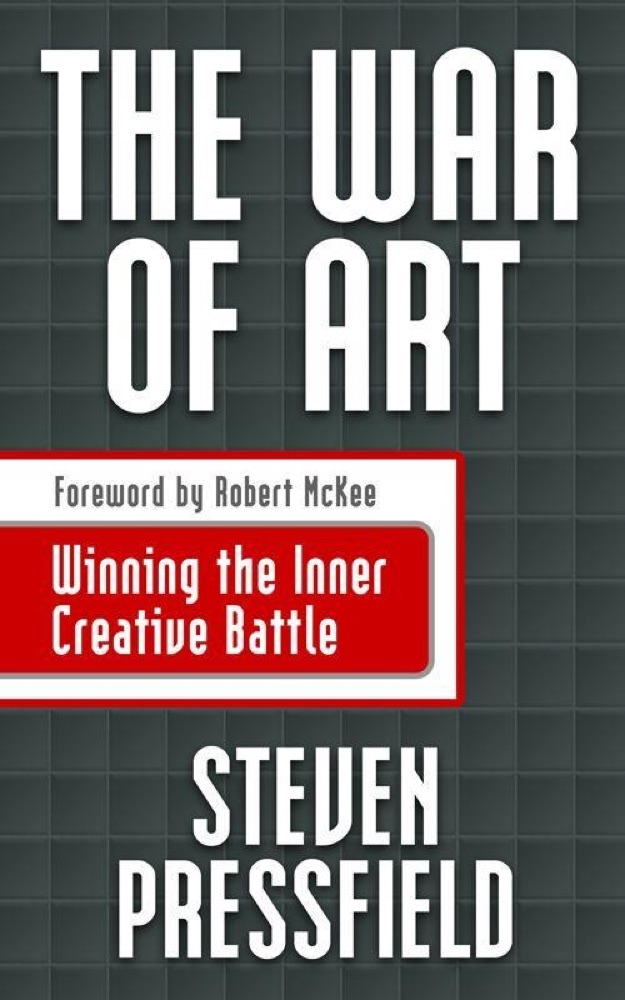 The War of Art
 This Is the Story of a Happy Marriage
 The Practice: Shipping Creative Work
 Reality Hunger: A Manifesto
 Big Magic: Creative Living Beyond Fear
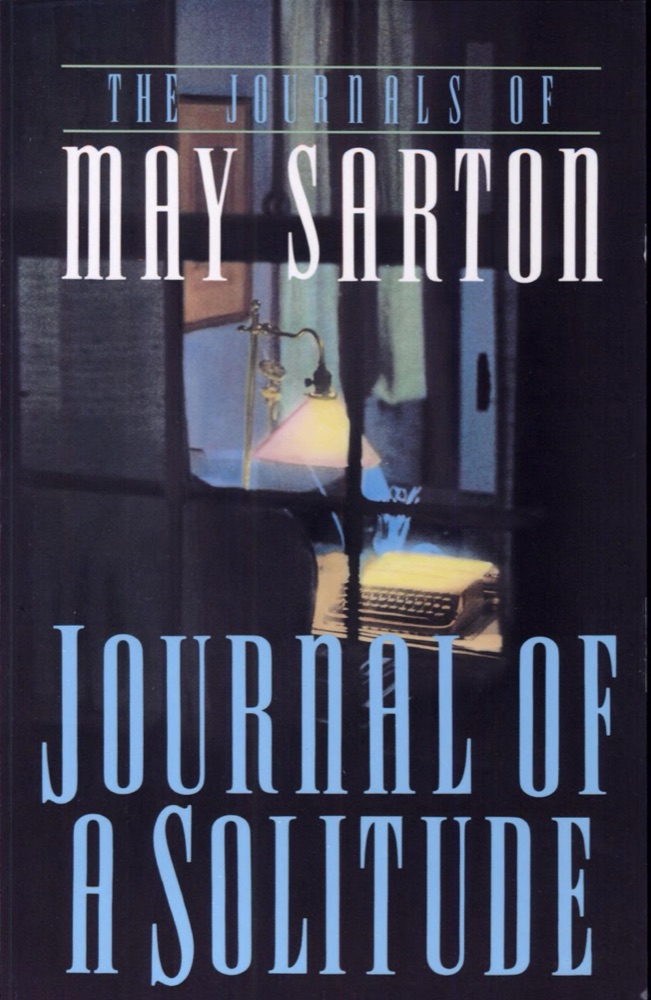 Journal of a Solitude
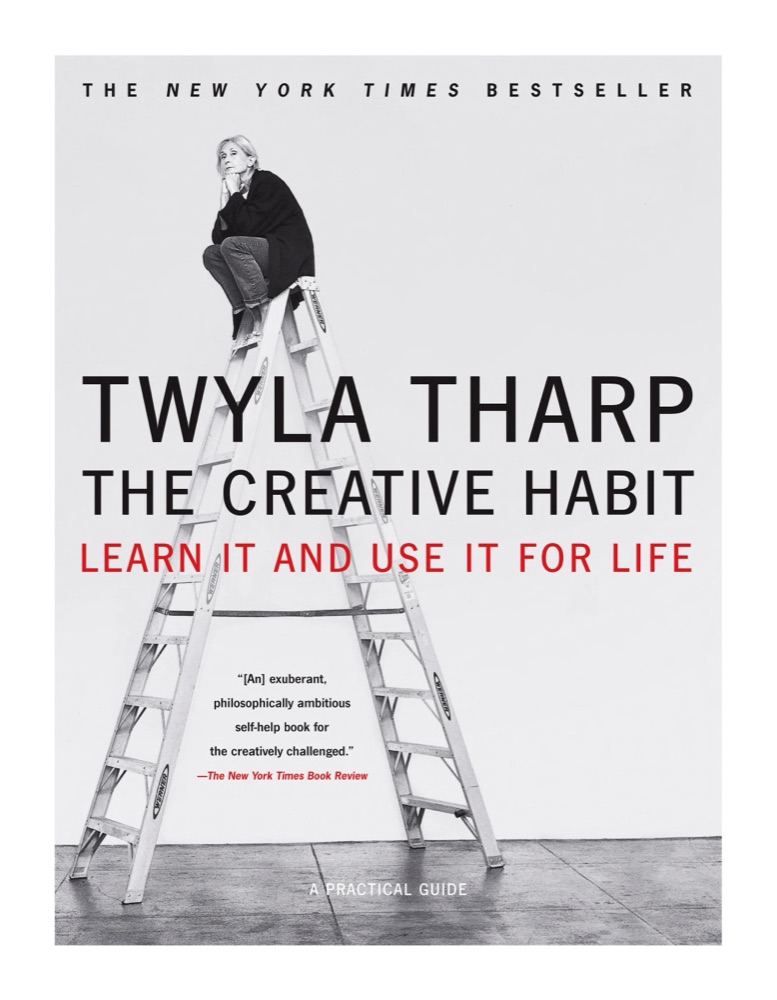 The Creative Habit: Learn It and Use It for Life
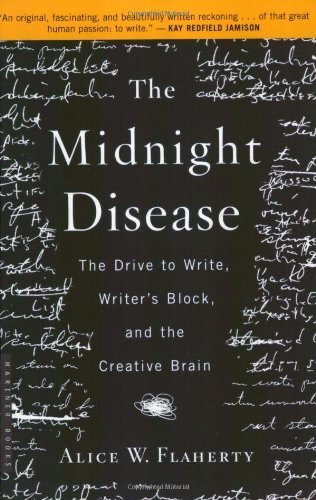 The Midnight Disease: The Drive to Write, Writer's Block, and the Creative Brain
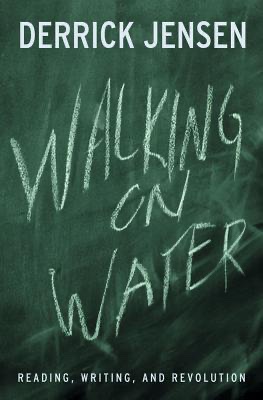 Walking on Water: Reading, Writing, and Revolution
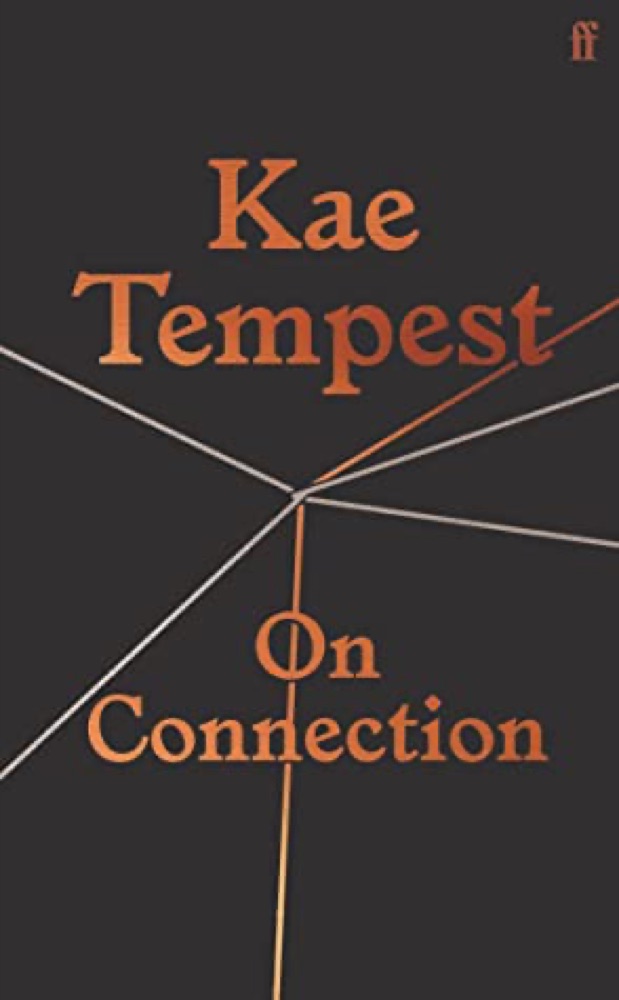 On Connection
 Every Tool's a Hammer: Life Is What You Make It
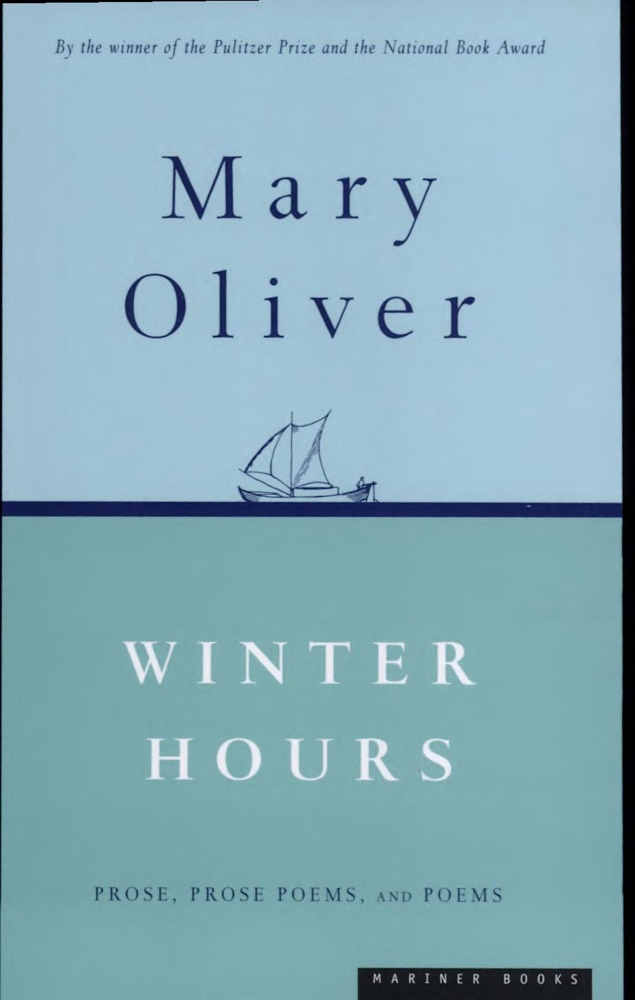 Winter Hours: Prose, Prose Poems, and Poems
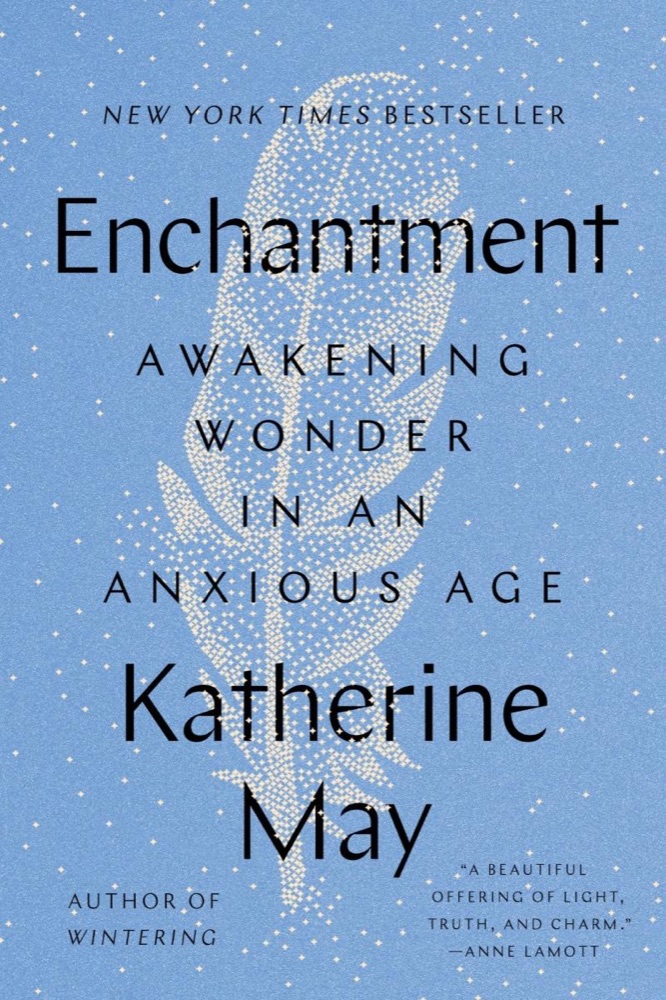 Enchantment: Awakening Wonder in an Anxious Age
 Creative Quest
 These Precious Days: Essays
 On Becoming a Novelist
 The Ghost Writer
 The Muse
 Ignore Everybody: and 39 Other Keys to Creativity
 Like Streams to the Ocean: Notes on Ego, Love, and the Things That Make Us Who We Are
 A Circle of Quiet
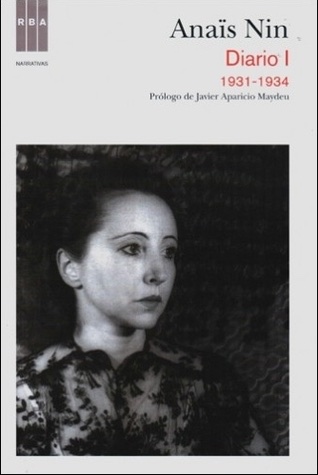 The Diary of Anaïs Nin, Vol. 1: 1931-1934
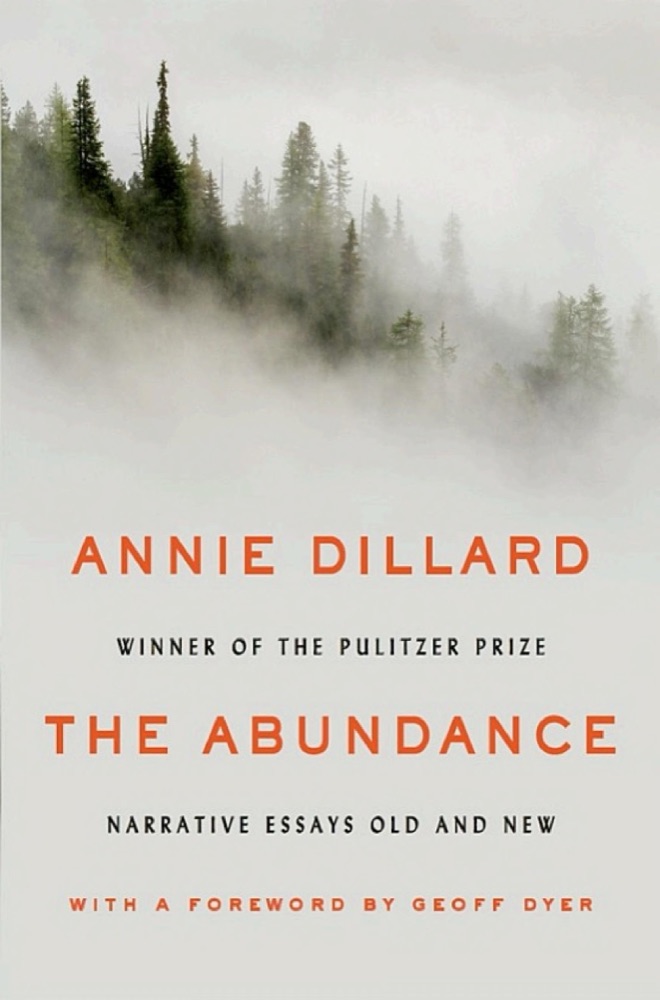 The Abundance
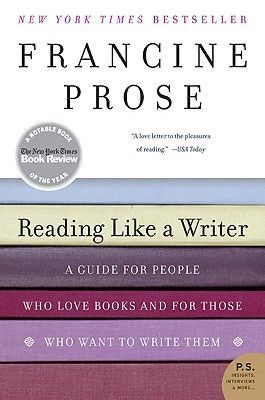 Reading Like a Writer: A Guide for People Who Love Books and for Those Who Want to Write Them
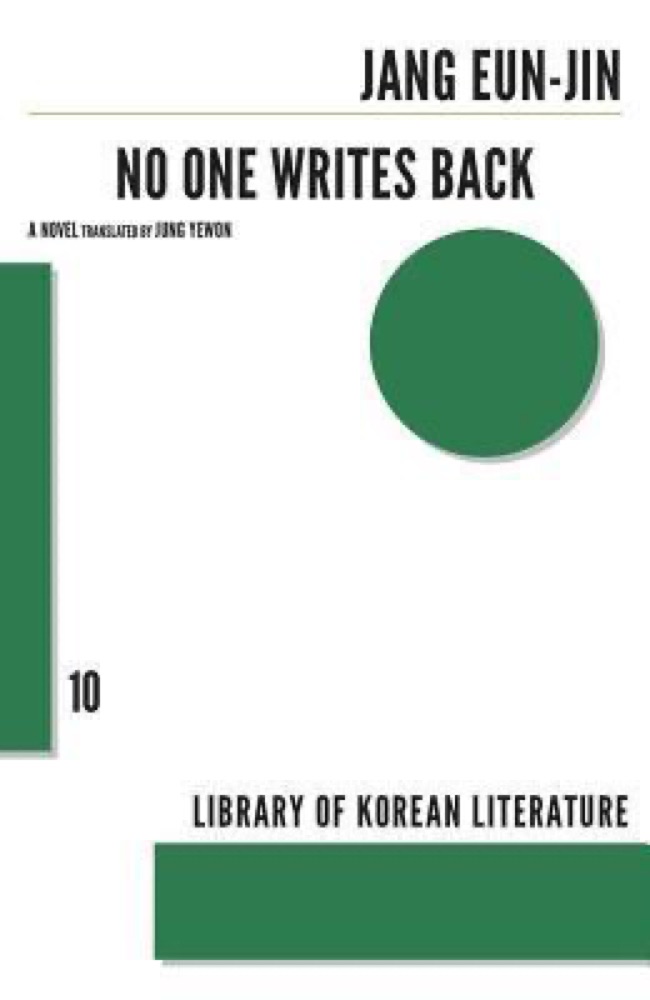 No One Writes Back
 Several Short Sentences About Writing
 Asymmetry
 Poison for Breakfast
 The Bullet Journal Method: Track Your Past, Order Your Present, Plan Your Future
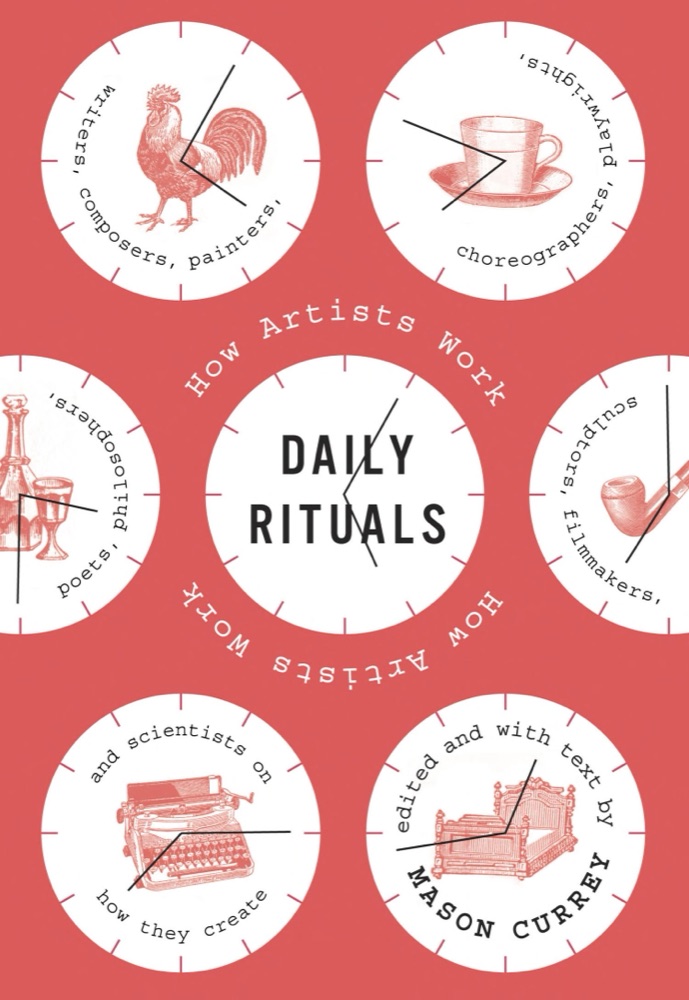 Daily Rituals: How Artists Work