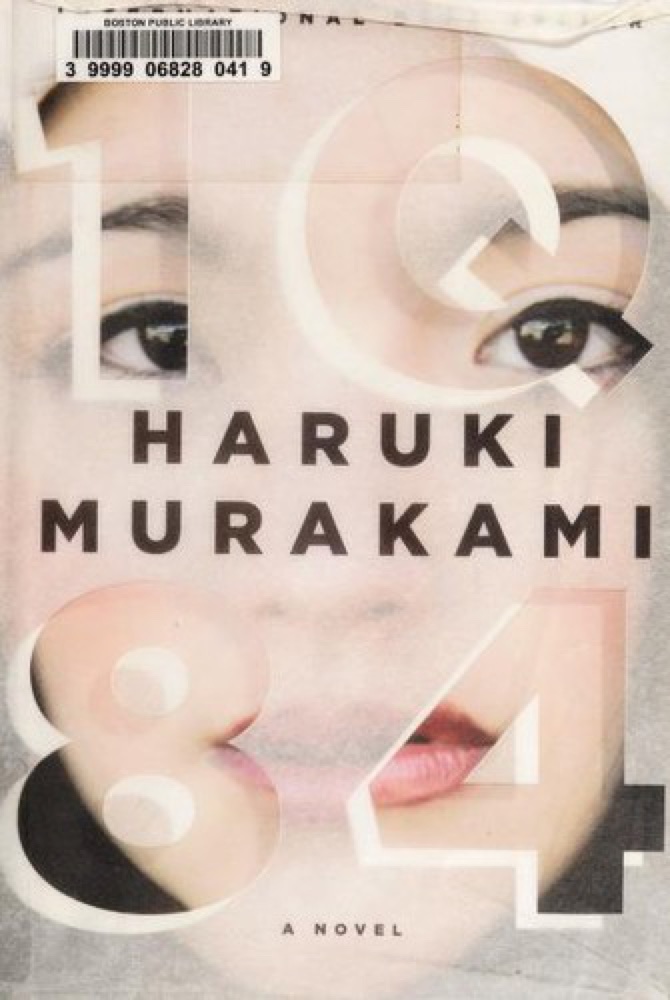
 1Q84
1Q84
Quotes from the Book
One opposite of imagination is “efficiency.
14
If possible, I would like my readers to savor that same emotion when they read my books. I want to open a window in their souls and let the fresh air in. This is what I think of, and hope for, as I write—purely and simply.
10
What is originality, after all, but the shape that results from the natural impulse to communicate to others that feeling of freedom, that unconstrained joy?
10
So this is how it is,” I thought. “Time just slips away.
9
To reach the source, you have to swim against the current. Only trash swims downstream
8
Give me time, I thought, and I can turn out something much better. This may sound arrogant for someone who not long before had never given a thought to writing a novel. It even sounds arrogant to me. In all honesty, though, anyone who lacks that level of arrogance is unlikely to become a novelist.
7
What we call the imagination consists of fragments of memory that lack any clear connection with one another.
7
In my opinion, an artist must fulfill the following three basic requirements to be deemed “original”: The artist must possess a clearly unique and individual style (of sound, language, or color). Moreover, that uniqueness should be immediately perceivable on first sight (or hearing). That style must have the power to update itself. It should grow with time, never resting in the same place for long, since it expresses an internal and spontaneous process of self-reinvention. Over time, that characteristic style should become integrated within the psyche of its audience, to become a part of their basic standard of evaluation. Subsequent generations of artists should see that style as a rich resource from which they can draw.
5
Novels well up naturally from within you, not something you can casually, strategically change. You can’t do market research or something and then intentionally rework the content based on the results. If you did, a work born from such a shallow base won’t find many readers.
5
Words have power. Yet that power must be rooted in truth and justice. Words must never stand apart from those principles.
4
writing novels is, to my way of thinking, basically a very uncool enterprise
4
Anyone in their right mind would never undertake to write a novel in the first place. Given the circumstances, therefore, it is perfectly acceptable to be deranged as long as you are aware of that fact.
4
It is relatively easy to take up examples of “originality” from the past and analyze them from today’s perspective. Almost always, the things that should have disappeared—for lack of originality—have already done so, leaving us to confidently evaluate what remains. As countless instances show, however, it is far more difficult to properly assess, in real time, new forms of expression in our immediate environment. That is because they often contain elements seen as unpleasant, unnatural, nonsensical, or sometimes even antisocial. Or else just plain stupid. Whatever the case, those around us tend to react with surprise and, at the same time, shock. People instinctively dislike those things they can’t understand,
4
Art lovers were shocked, on occasion even repulsed, when they first beheld the paintings of Vincent van Gogh and Pablo Picasso. I doubt many still feel that way. To the contrary, their art is now found to be deeply moving, invigorating, even psychically healing. That’s not because it has lost its originality with time; rather, that originality has become one with our perception, so that, naturally, it has become a part of us, a reference point, as it were.
4
IN MY OPINION (and this is based on my experience), having nothing you feel compelled to write about may make it harder to get started, but once the engine kicks in and the vehicle starts rolling, the writing is actually easier. This is because the flip side of having nothing you must write is being able to write freely about anything. Your material may be lightweight, but if you can grasp how to link the pieces together so that magic results, you can go on to write as many novels as you wish. You will be astounded how the mastery of that technique can lead to the creation of works with both weight and depth—as long as, that is, you retain a healthy amount of writerly ambition. In contrast, writers who from the first write about heavy topics may eventually—although, obviously, this does not occur in all cases—find themselves faltering under the very weight of that material. Writers who launch their careers writing about war, for example, can approach their subject matter from various angles in various works, but at a certain point they may, to some degree or other, find themselves backed into a corner when forced to think of what to write next.
3
It was a sunny Sunday morning in spring when I got the call from an editor at the literary journal Gunzo telling me that Hear the Wind Sing had been short-listed for their Prize for New Writers. Almost a year had passed since the season opener at Jingu Stadium, and I had already turned thirty. It was around eleven a.m., but I was still fast asleep, having worked very late the night before. I picked up the receiver, but I was so groggy I had no idea at first who was on the other end or what he was trying to say. To tell the truth, by that time I had quite forgotten having sent Hear the Wind Sing to Gunzo. Once I had finished the manuscript and put it in someone else’s hands, my desire to write had completely subsided. Composing it had been, so to speak, an act of defiance—I had written it very easily, just as it came to me—so the idea that it might make the short list had never occurred to me. In fact, I had sent them my only copy. If they hadn’t selected it, it probably would have vanished forever. I probably never would have written another novel. Life is strange, when you think about it.
3
One day, however, it hit me that I was pushing thirty. What I thought of as my youth was coming to a close. I remember how weird that feeling was. “So this is how it is,” I thought. “Time just slips away.
3
A society in which there is not enough room to escape produces deep problems in the educational arena, and necessitates new solutions.
3
A literary prize can turn the spotlight on a particular work, but it can’t breathe life into it. It’s that simple.
3
As long as I am confident that i did everything i should have done, without stinting, there is nothing I need to fear. I can place my future in the hands of time. If we treat time with all the respect, prudence, and courtesy it deserves, it will become our ally.
2
To continue one habit that long requires a great deal of effort. How have I been able to do it? It’s because I feel like the act of running represents, concretely and succinctly, some of the things I have to do in this life. I have that sort of general, yet very strong, sense. So even on days when I think I’m not feeling so great and don’t feel like running, I tell myself, “No matter what, this is something I have to do in my life,” and I go out and run without really ascribing a logical reason for it. That sentence has become a kind of mantra for me: No matter what, this is something I have to do in my life.
2
In that instant, and based on no grounds whatsoever, it suddenly struck me: I think I can write a novel.
2
After a while, however, the desire to write begins to mount. I can feel my material building up within me, like spring melt pressing against a dam. Then one day (in a best-case scenario), when I can’t take that pressure anymore, I sit down at my desk and start to write. Worry about journal editors impatiently awaiting a promised manuscript never enters the picture. I don’t make promises, so I don’t have deadlines. As a result, writer’s block and I are strangers to each other. As you might expect, that makes my life much happier. It must be terribly stressful for a writer to be put in the position of having to write when he doesn’t feel like it. (Could I be wrong? Do most writers actually thrive on that kind of stress?)
2
Creativity, as usually understood, entails not only a “what,” a talent, but a “who”—strong personal characteristics, a strong identity, personal sensibility, a personal style, which flow into the talent, interfuse it, give it personal body and form. Creativity in this sense involves the power to originate, to break away from the existing ways of looking at things, to move freely in the realm of the imagination, to create and recreate worlds fully in one’s mind—while supervising all this with a critical inner eye.
2
The way I see it, people with brilliant minds are not particularly well suited to writing novels.
2
Of course it’s the writer who creates the characters; but characters who are—in a real sense—alive will eventually break free of the writer’s control and begin to act independently. I’m not the only one who feels this—many fiction writers acknowledge it. In fact, unless that phenomenon occurs, writing the novel becomes a strained, painful, and trying process.
2
People instinctively dislike those things they can’t understand, a pattern characteristic of members of the establishment who are buried up to their ears in the dominant forms of expression. They tend to apprehend the newcomer with abhorrence and disgust, because, in a worst-case scenario, the very ground upon which they stand might fall away from under them.
2
Watch on YouTube
About Haruki Murakami
We have collected 699 quotes from 26 books by Haruki Murakami on BookQuoters.
More about the author →More by Haruki Murakami
All books by Haruki Murakami →
About the book
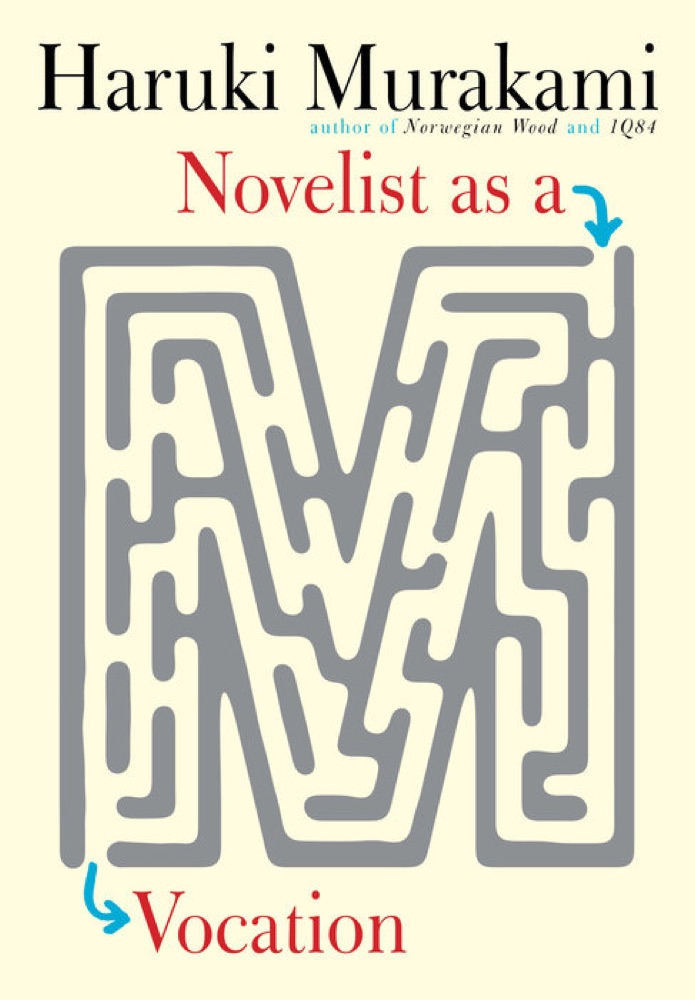
A charmingly idiosyncratic look at writing, creativity, and the author’s own novels.
Haruki Murakami’s myriad fans will be delighted by this unique look into the mind of a master storyteller. In this engaging book, the internationally best-selling author and famously reclusive writer shares with readers what he thinks about being a novelist; his thoughts on the role of the novel in our society; his own origins as a writer; and his musings on the sparks of creativity that inspire other writers, artists, and musicians. Readers who have long wondered where the mysterious novelist gets his ideas and what inspires his strangely surreal worlds will be fascinated by this highly personal look at the craft of writing.
Book details
- First published
- 2015
- Author
- Haruki Murakami
- Genre
- Nonfiction
- Goodreads rating
- 3.89 (19k ratings)
The buzz
- The New York TimesReview in The New York Timesprofessional review (via Book Marks)
- The GuardianReview in The Guardianprofessional review (via Book Marks)
- Kirkus ReviewsReview in Kirkus Reviewsprofessional review (via Book Marks)
- Publishers WeeklyReview in Publishers Weeklyprofessional review (via Book Marks)
- The Boston GlobeReview in The Boston Globeprofessional review (via Book Marks)
- BookPageReview in BookPageprofessional review (via Book Marks)
Keep reading
 Becoming a Writer
 How to Write an Autobiographical Novel
 On Becoming a Novelist
 The Getaway Car: A Practical Memoir About Writing and Life
 The Triggering Town: Lectures and Essays on Poetry and Writing
 The Art of Fiction: Notes on Craft for Young Writers
 The Wave in the Mind: Talks and Essays on the Writer, the Reader and the Imagination
 Dæmon Voices
 Creativity: Flow and the Psychology of Discovery and Invention
 The Language of the Night: Essays on Writing, Science Fiction, and Fantasy
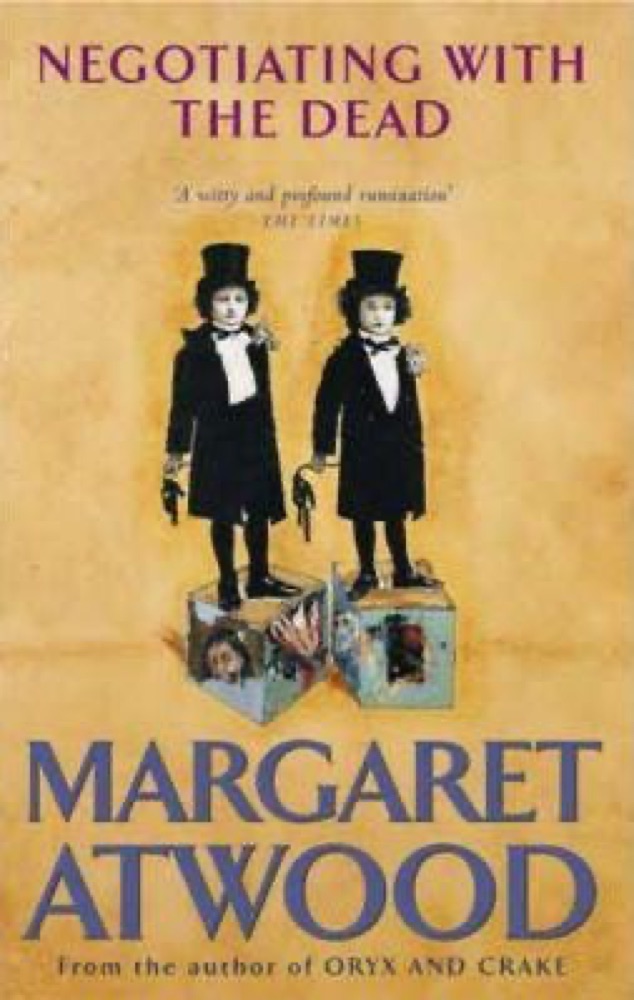 Negotiating with the Dead: A Writer on Writing
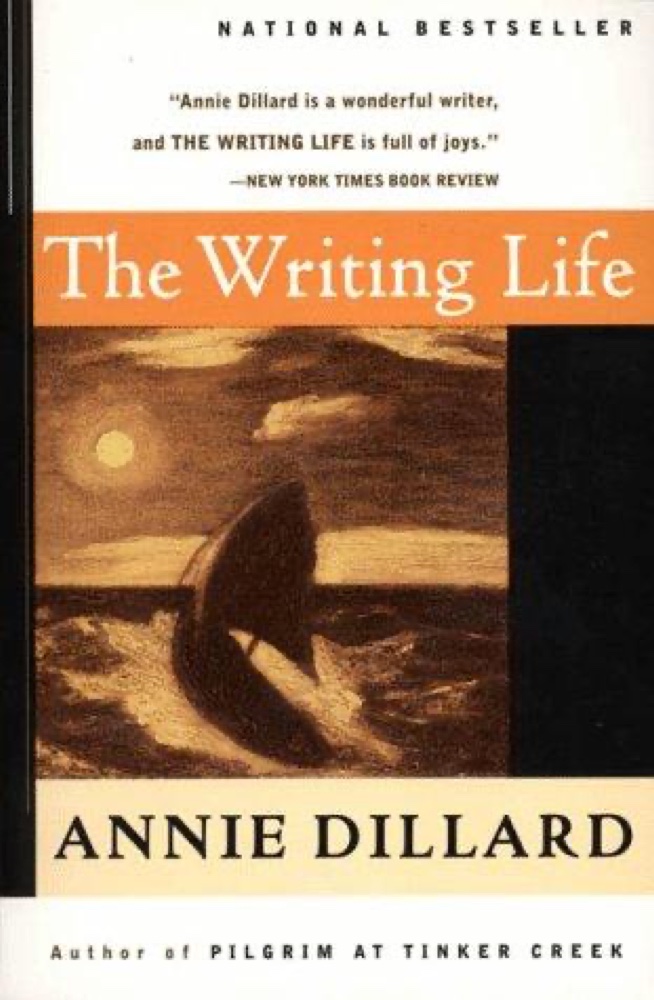 The Writing Life
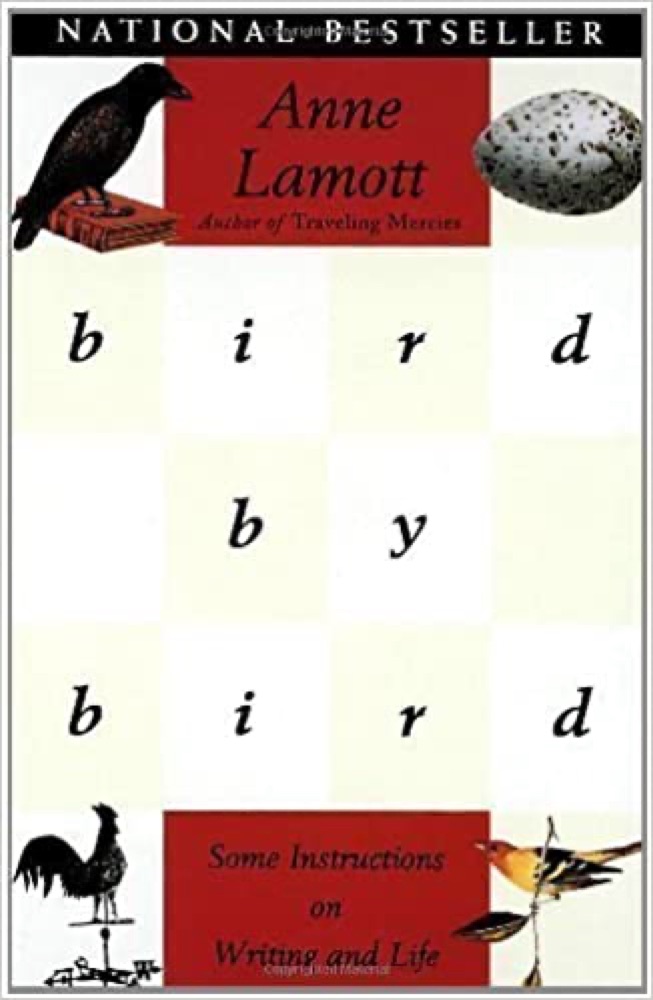 Bird by Bird
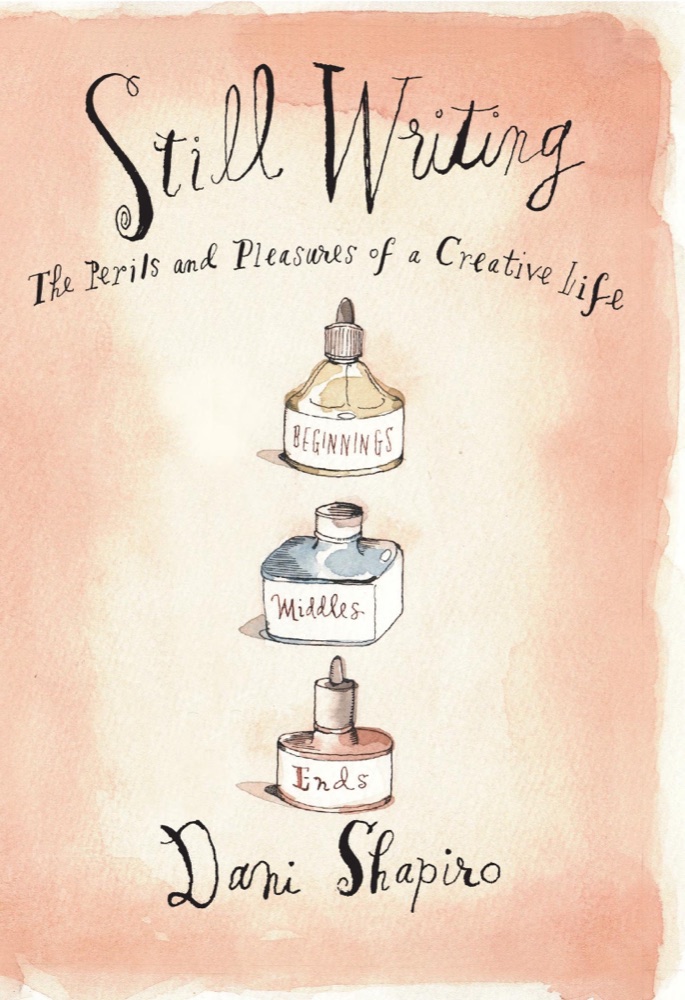 Still Writing: The Perils and Pleasures of a Creative Life
 If You Want to Write: A Book about Art, Independence and Spirit
 Reality Hunger: A Manifesto
 On Writing: A Memoir of the Craft
 Mystery and Manners: Occasional Prose
 On Writing
 Consider This: Moments in My Writing Life After Which Everything Was Different
 Ignore Everybody: and 39 Other Keys to Creativity
 The Midnight Disease: The Drive to Write, Writer's Block, and the Creative Brain
 Stein on Writing
 Aspects of the Novel
 On Writing
 Wonderbook: The Illustrated Guide to Creating Imaginative Fiction
 The View from the Cheap Seats: Selected Nonfiction
 Flaubert's Parrot
 Writing Down the Bones: Freeing the Writer Within
 I. Asimov: A Memoir
 Let Me Tell You What I Mean
 The Art of the Novel
 No Time To Spare: Thinking About What Matters
 Death in the Afternoon
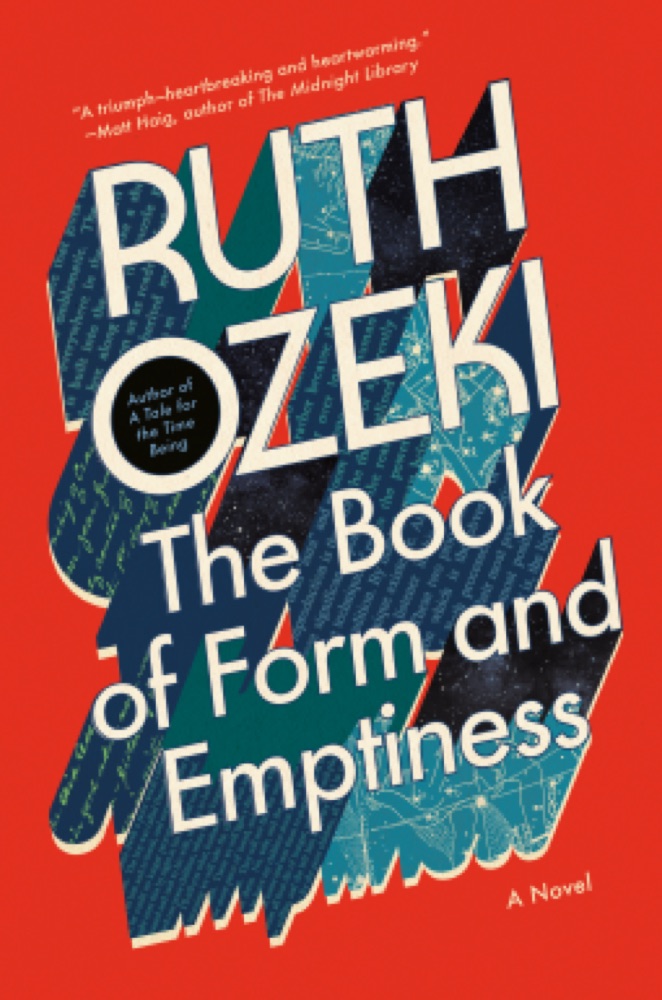 The Book of Form and Emptiness
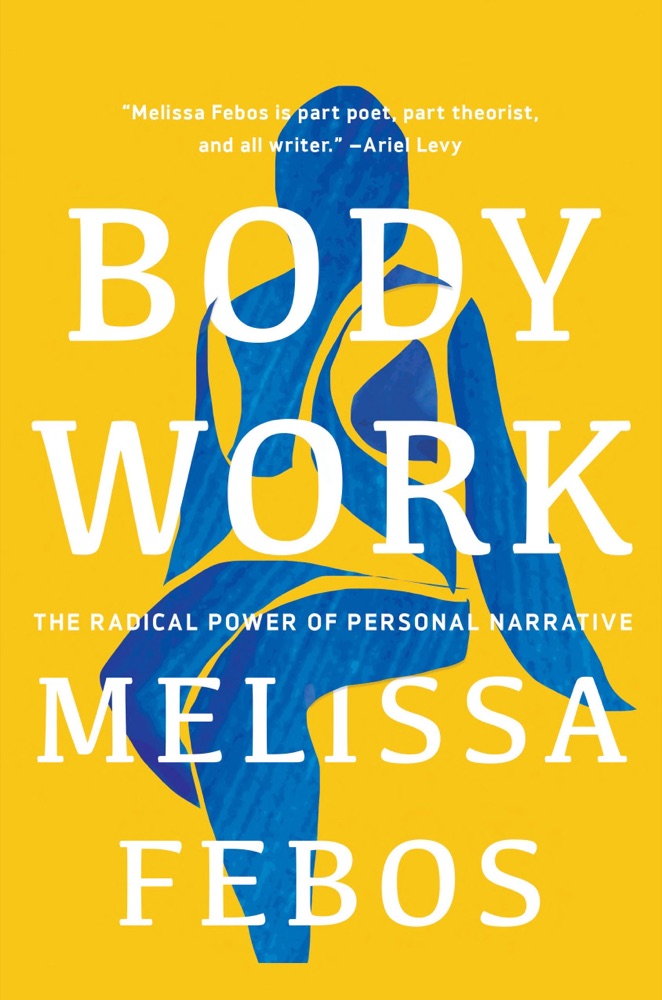 Body Work: The Radical Power of Personal Narrative
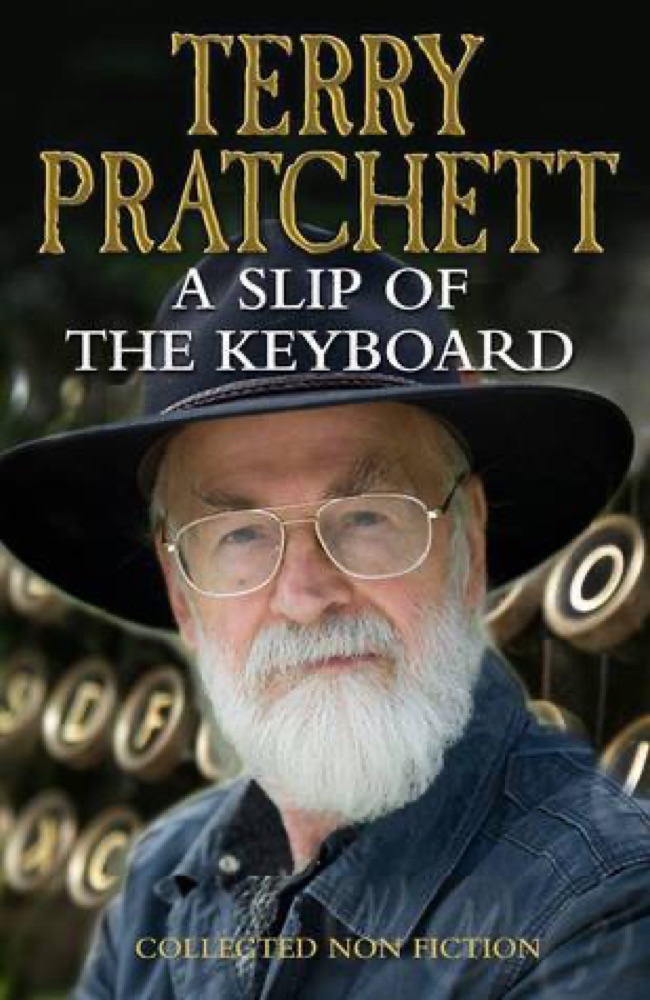 A Slip of the Keyboard: Collected Non-Fiction
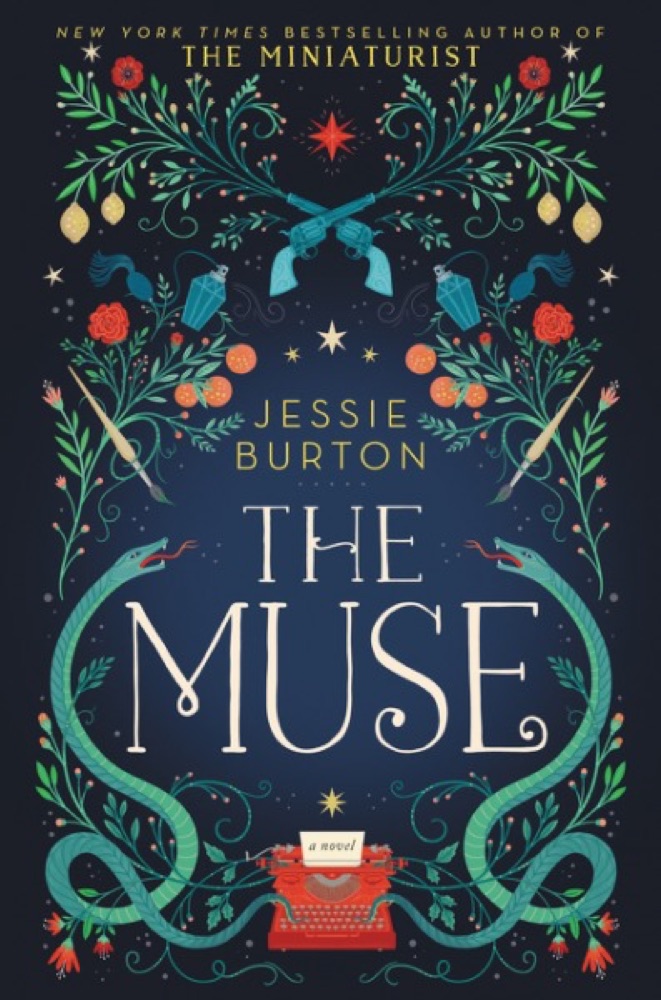 The Muse
 Reading Like a Writer: A Guide for People Who Love Books and for Those Who Want to Write Them
 Poison for Breakfast
 How to Read Literature
 Blueberries: Essays Concerning Understanding
 Min kamp 2
 The Ghost Writer
 Burning Questions: Essays and Occasional Pieces, 2004 to 2021
 Art Matters: Because Your Imagination Can Change the World
 Asymmetry
 Flights
 Experience
 A Writer's Diary
 The Rabbit Back Literature Society
 The Summer Without Men
 No Plot? No Problem!
 Both Flesh and Not: Essays
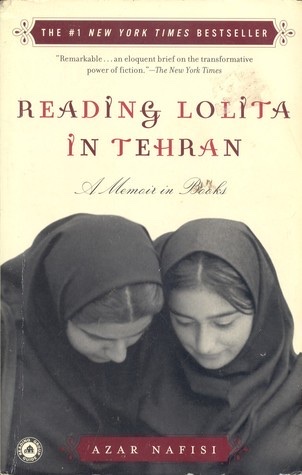 Reading Lolita in Tehran: A Memoir in Books
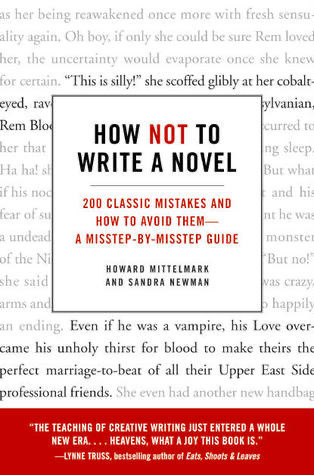 How Not to Write a Novel: 200 Classic Mistakes and How to Avoid Them—A Misstep-by-Misstep Guide
 No One Writes Back
 On Connection
 A Poetry Handbook
 An Unnecessary Woman