
 A Tale for the Time Being
Quotes from the Book
Every person is trapped in their own particular bubble of delusion, and it's every person's task in life to break free. Books can help. We can make the past into the present, take you back in time and help you remember. We can show you things, shift your realities and widen your world, but the work of waking up is up to you.
30
A book must start somewhere. One brave letter must volunteer to go first, laying itself on the line in an act of faith, from which a word takes heart and follows, drawing a sentence into its wake. From there, a paragraph amasses, and soon a page, and the book is on its way, finding a voice, calling itself into being.
23
Books will always have the last word, even if nobody is around to read them.
18
Stories never start at the beginning, Benny. They differ from life in that regard. Life is lived from birth to death, from the beginning into an unknowable future. But stories are told in hindsight. Stories are life lived backward.
17
Inside? Outside? What is the difference and how can you tell? When a sound enters your body through your ears and merges with your mind, what happens to it? Is it still a sound then, or has it become something else? When you eat a wing or an egg or a drumstick, at what point is it no longer a chicken? When you read these words on a page, what happens to them, when they become you?
16
And then, when she’s finished and the book ventures out into the world, the readers take their turn, and here another kind of comingling occurs. Because the reader is not a passive receptacle for a book’s contents. Not at all. You are our collaborators, our conspirators, breathing new life into us. And because every reader is unique, each of you makes each of us mean differently, regardless of what’s written on our pages. Thus, one book, when read by different readers, becomes different books, becomes an ever-changing array of books that flows through human consciousness like a wave.
15
Disaster can strike at any moment, but we forget this, distracted by the bright, shiny comforts of our everyday lives. Wrapped in a false sense of security, we fall asleep, and in this dream, our life passes.
12
Things are needy. They take up space. They want attention, and they will drive you mad if you let them.
11
What Slavoj said was this: People are born from the womb of the world with different sensitivities, and the world needs every single one of you to experience it fully, so that it might be fully experienced. If even one person were left out, the world would be diminished. And he said you don’t have to worry about being creative. The world is creative, endlessly so, and its generative nature is part of who you are. The world has given you the eyes to see the beauty of its mountains and rivers, and the ears to hear the music of its wind and sea, and the voice you need to tell it. We books are evidence that this is so. We are here to help you.
9
But Hojo-san! The teacup isn’t broken!” He looked up, surprised. “To me, it is,” he said. “It is the nature of a teacup to be broken. That is why it is so beautiful now, and why I appreciate it when I can still drink from it.” He looked at it fondly, took a last sip, and then placed the empty cup carefully back on the tray. “When it is gone, it is gone.” That day, my teacher gave me a priceless lesson in the impermanence of form, and the empty nature of all things.
8
Why was it that women could never work hard enough to quiet their nagging fear that they were not enough? That they were falling behind? That they could and should be better?
6
In Zen we have a story. If your left hand gets a painful splinter, what does your right hand do? Does your right hand say, “Oh, that’s too bad, but it’s not my problem”? No, of course not. The right hand pulls the splinter out. This is interconnectedness.
6
Poetry is a problem of form and emptiness. Ze moment I put one word onto an empty page, I hef created a problem for myself. Ze poem that emerges is form, trying to find a solution to my problem.” He sighed. “In ze end, of course, there are no solutions. Only more problems, but this is a good thing. Without problems, there would be no poems.
6
...story is more than just a discarded by-product if your bare experience. Story is its own bare experience. Fish swim in water, unaware that it is water. Birds fly in air, unaware that it is air. Story is the air that you people breathe, the ocean you swim in, and we books are the rocks along the shoreline that channel your currents and contain your tides. Books will always have the last word, even if nobody is around to read them.
6
Those are your divisions, the false dichotomies and the hegemonic hierarchies of materialist colonizers. We, too, have been the slaves of your desires, unwitting tools, forging the destruction of the planet, and things will change whether you like it or not. In the end days of the Anthropocene (your word, your hubris, not ours), Matter is making a comeback. We are taking back our bodies, reclaiming our material selves. In a neo-materialist world, Every Thing Matters.
5
Because in the Bindery, where phenomena are still Unbound, stories have not yet learned to behave in a linear fashion, and all the myriad things of the world are simultaneously emergent, occurring in the same present moment, coterminous with you. Unbound, you could see the universe becoming, clouds of star dust, emanations from the warm little pond, from whose gaseous bubbling all of life is born.
5
What makes a person want so much? What gives things the power to enchant, and is there any limit to the desire for more?
4
Dreams are like doors. They’re like portals to another reality, and once they’re open, you better watch out.
4
The Buddha said that responding to email and Twitter is like sweeping the sands from the banks of the Ganges River.” “The Buddha said that?” “Well, maybe not. But the point remains the same. Some tasks are impossible, even if you are a Buddha. Even if you have eleven heads and a thousand arms.
4
I thought progress was a good thing.” “Well, maybe not if it just keeps piling up more junk and keeps you from fixing stuff from the past.
4
The world has given you the eyes to see the beauty of its mountains and rivers, and the ears to hear the music of its wind and sea, and the voice you need to tell it. We books are evidence that this is so. We are here to help you.
4
That’s what books are for, after all, to tell your stories, to hold them and keep them safe between our covers for as long as we’re able. We do our best to bring you pleasure and sustain your belief in the gravity of being human. We care about your feelings and believe in you completely.
3
Do you remember our conversation? Do you remember the places we went and the things we saw? The bindery was our access, the point in space that contains all other points, and that night you were a boy unbound, a tiny astronaut, taking your first leap into an infinite and unknowable universe. For the first time you could see the voices of the things you'd been hearing for so long, all that clamorous matter vying for your attention. With your supernatural ears, you were able to perceive, with absolute clarity, the sinuous shapes and contours of the sounds that matter makes as it moves through space and time and mind. Some of these sounds were so beautiful they made you laugh out loud and clap your hands with delight, and others were so sad they made tears run down your face. And, oh, the visions we had! Container ships glittering on a moonlit night off the coast of Alaska. Pyramids of sulfur, rising yellow in the mist. The plundered moon and all its craters; globes and stars and asteroids; a jet black crow with a diamond tiara; a flock of rubber duckies, spinning through the Pacific gyres. At the sound of a footstep, a young girl freezes, and Andromeda sparkles in the firmament. Fires rage as the redwoods burn; and in the deep ocean, a pilot whale carries her dead baby on her nose, while sea turtles weep briny tears onto nets of plastic.
3
Space and time were hopelessly entangled, and the present moment was growing increasingly remote.
3
Great is the Matter of Birth and Death. Life is transient. Time will not wait. Wake up! Wake up! Do not waste a moment!
3
Is it odd to see a book within a book? It shouldn’t be. Books like each other. We understand each other. You could even say we are all related, enjoying a kinship that stretches like a rhizomatic network beneath human consciousness and knits the world of thought together. Think of us as a mycelium, a vast, subconscious fungal mat beneath a forest floor, and each book a fruiting body. Like mushrooms, we are a collectivity. Our pronouns are we, our, us.
3
God is a story,” he said. “I believe in stories, and God knows this. Stories are real, my boy. They matter. If you lose your belief in your story, you vill lose yourself.
3
It's capitalism that's crazy. It's neoliberalism, and materialism, and our fucked-up consumer culture that's crazy. It's the fucking meritocracy that tells you that feeling sad is wrong and it's your fault if you're broken, but hey, capitalism can fix you! Just take these miracle pills and go shopping and buy yourself some new shit! It's the doctors and shrinks and corporate medicine and Big Pharma, making billions of dollars telling us we're crazy and then peddling us their so-called cures. That's fucking crazy...
2
When everything you think you own—your belongings, your life—can be swept away in an instant, you must ask yourself, What is real?
2
Watch on YouTube
About Ruth Ozeki
We have collected 76 quotes from 4 books by Ruth Ozeki on BookQuoters.
More about the author →More by Ruth Ozeki
About the book
A brilliantly inventive new novel about loss, growing up, and our relationship with things, by the Booker Prize-finalist author of A Tale for the Time Being
After the tragic death of his beloved musician father, fourteen-year-old Benny Oh begins to hear voices. The voices belong to the things in his house--a sneaker, a broken Christmas ornament, a piece of wilted lettuce. Although Benny doesn't understand what these things are saying, he can sense their emotional tone; some are pleasant, a gentle hum or coo, but others are snide, angry and full of pain. When his mother, Annabelle, develops a hoarding problem, the voices grow more clamorous.
At first, Benny tries to ignore them, but soon the voices follow him outside the house, onto the street and at school, driving him at last to seek refuge in the silence of a large public library, where objects are well-behaved and know to speak
Book details
- First published
- 2021
- Author
- Ruth Ozeki
- Genre
- Fiction
- Goodreads rating
- 4.00 (41k ratings)
The buzz
- The New York TimesReview in The New York Timesprofessional review (via Book Marks)
- The Washington PostReview in The Washington Postprofessional review (via Book Marks)
- The GuardianReview in The Guardianprofessional review (via Book Marks)
- Los Angeles TimesReview in Los Angeles Timesprofessional review (via Book Marks)
- LA Review of BooksReview in LA Review of Booksprofessional review (via Book Marks)
- The Boston GlobeReview in The Boston Globeprofessional review (via Book Marks)
Keep reading
 Kafka on the Shore
 The View from the Cheap Seats: Selected Nonfiction
 Toward Eternity
 The Faraway Nearby
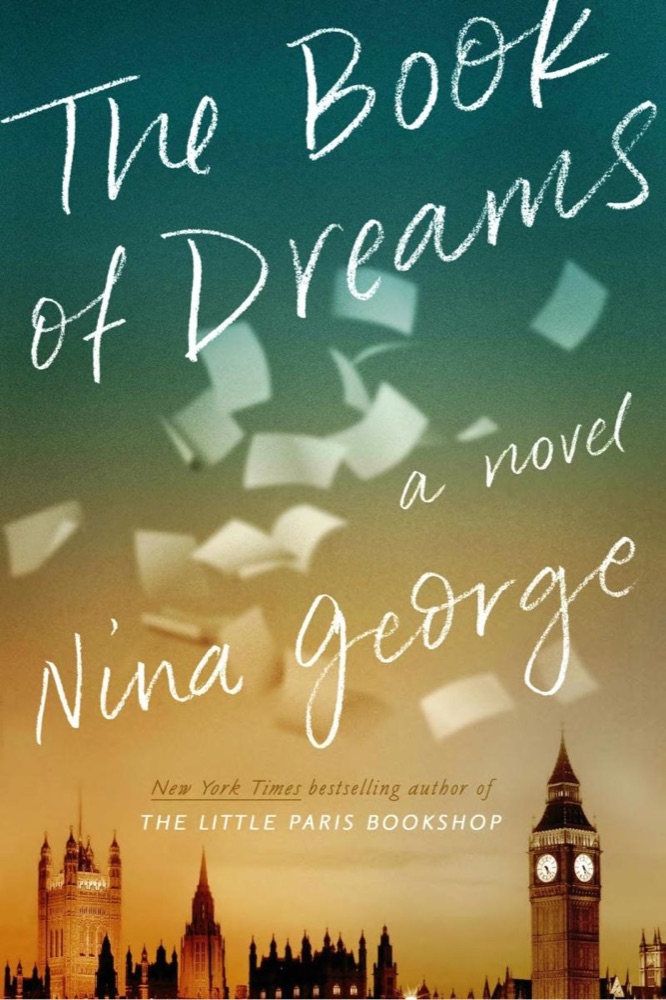 The Book of Dreams
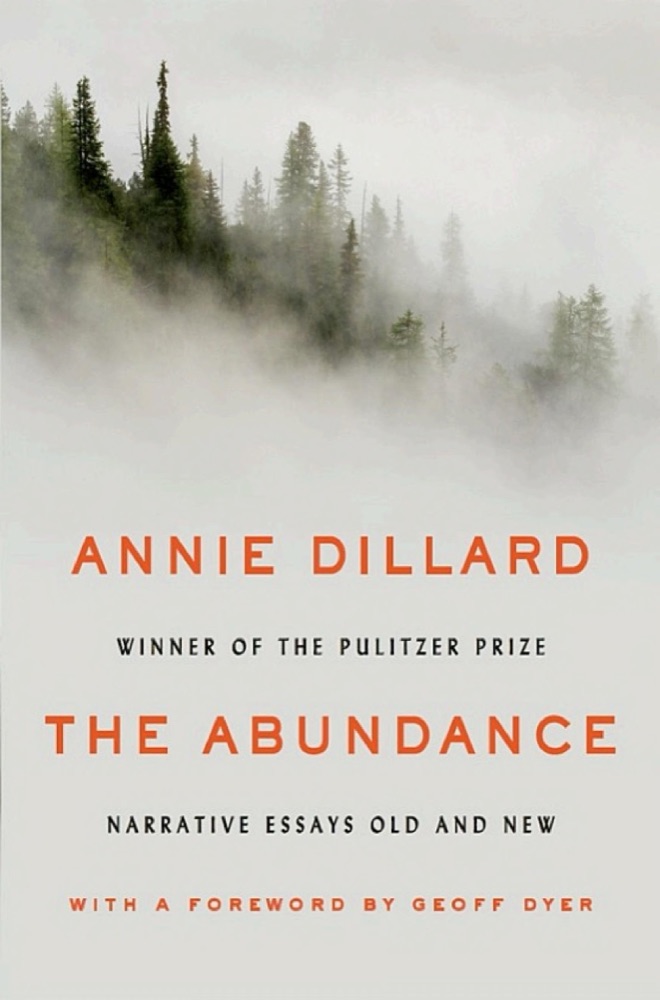 The Abundance
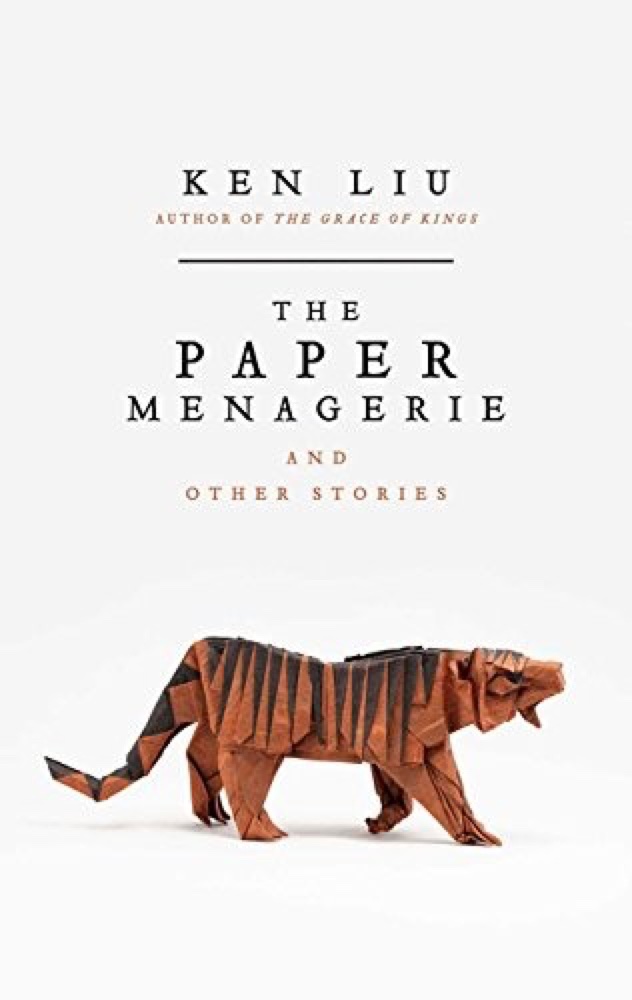 The Paper Menagerie and Other Stories
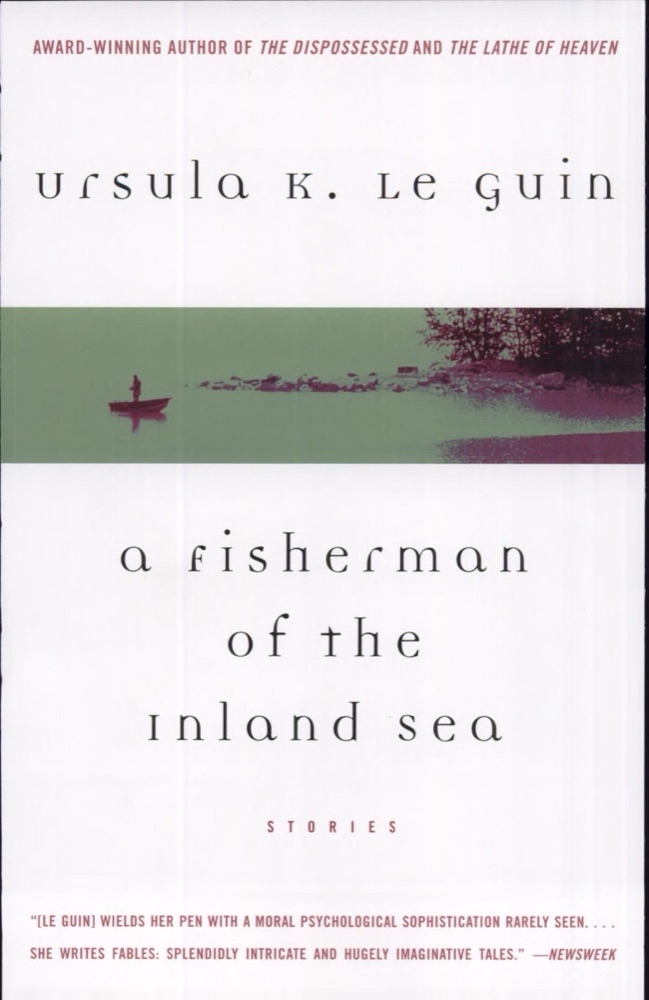 A Fisherman of the Inland Sea
 The Stone Gods
 The Book That Wouldn’t Burn
 Drive Your Plow Over the Bones of the Dead
 Hourglass: Time, Memory, Marriage
 The Book of Tomorrow
 The Enchanted
 Autumn
 Winter
 The Unlikely Escape of Uriah Heep
 This is All: The Pillow Book of Cordelia Kenn
 Fragile Things: Short Fictions and Wonders
 How to Write an Autobiographical Novel
 The Thirteenth Tale
 Always Coming Home
 Nutshell
 Blueberries: Essays Concerning Understanding
A Tale for the Time Being
Blueberries: Essays Concerning Understanding
A Tale for the Time Being
 Once Upon a Wardrobe
 The Notebooks of Malte Laurids Brigge
 These Precious Days: Essays
 Stories of Your Life and Others
 Smoke and Mirrors: Short Fiction and Illusions
 The Rent Collector
 Asymmetry
 Flights
 Checkout 19
 Poison for Breakfast
 The Wave in the Mind: Talks and Essays on the Writer, the Reader and the Imagination
 The Book That Broke the World
 Lighthousekeeping
 How to Stop Time
 The Wind-Up Bird Chronicle
 The Dream of Perpetual Motion
 Hard-Boiled Wonderland and the End of the World
 Madness, Rack, and Honey: Collected Lectures
 Winter Hours: Prose, Prose Poems, and Poems
 A Sudden Light
 Why Be Happy When You Could Be Normal?
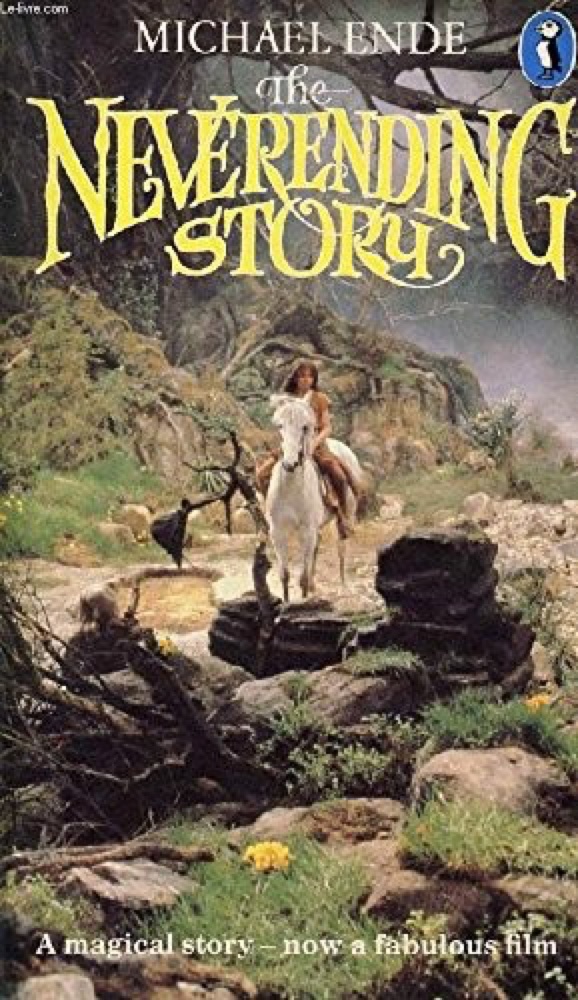 The Neverending Story
 The Future
 Burning Questions: Essays and Occasional Pieces, 2004 to 2021
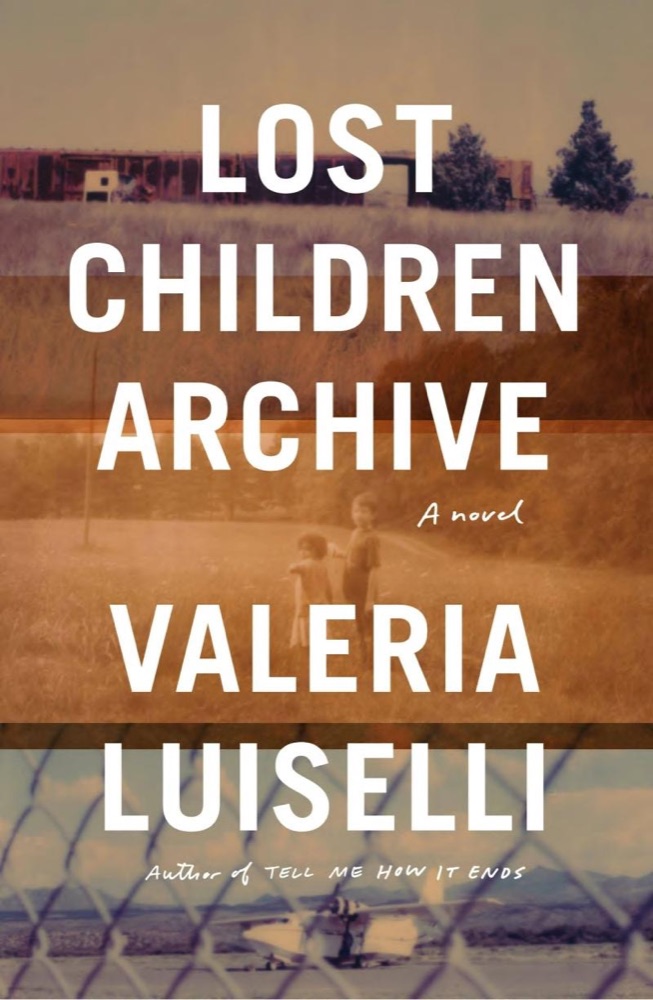 Lost Children Archive
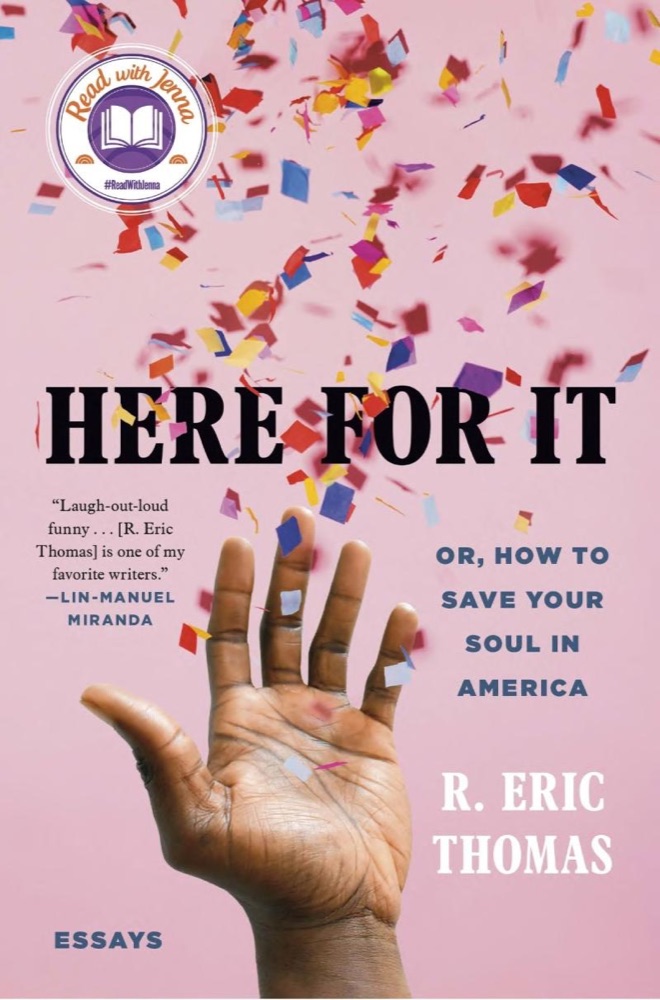 Here for It; Or, How to Save Your Soul in America: Essays
 Plainwater: Essays and Poetry
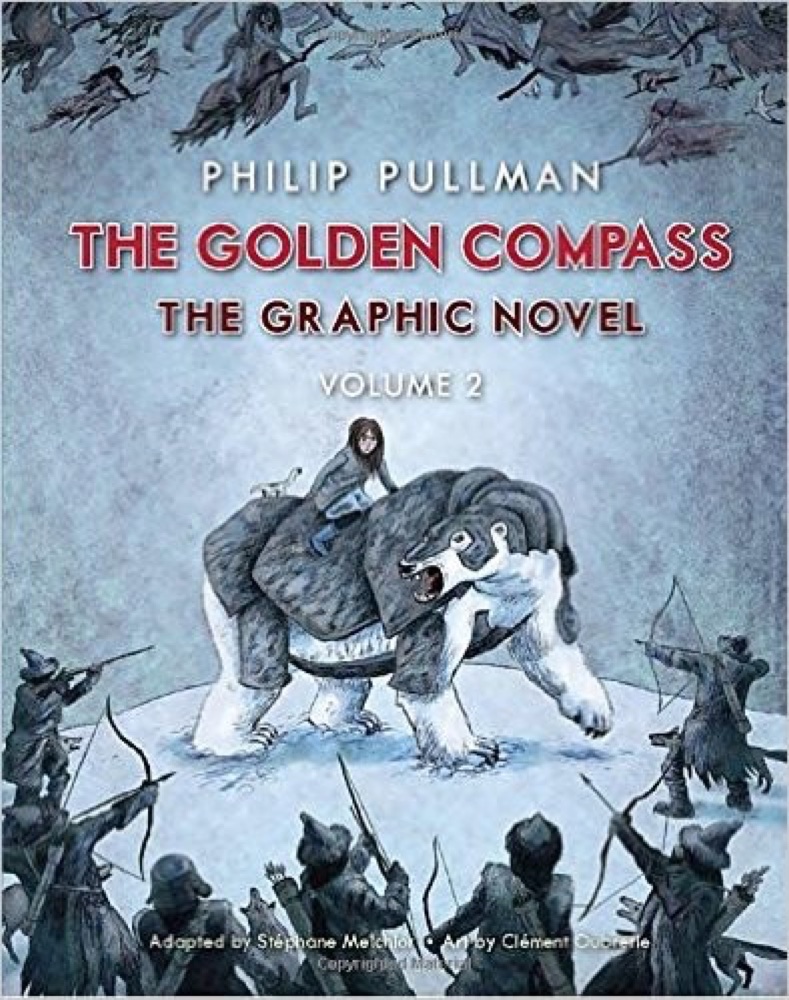 The Golden Compass
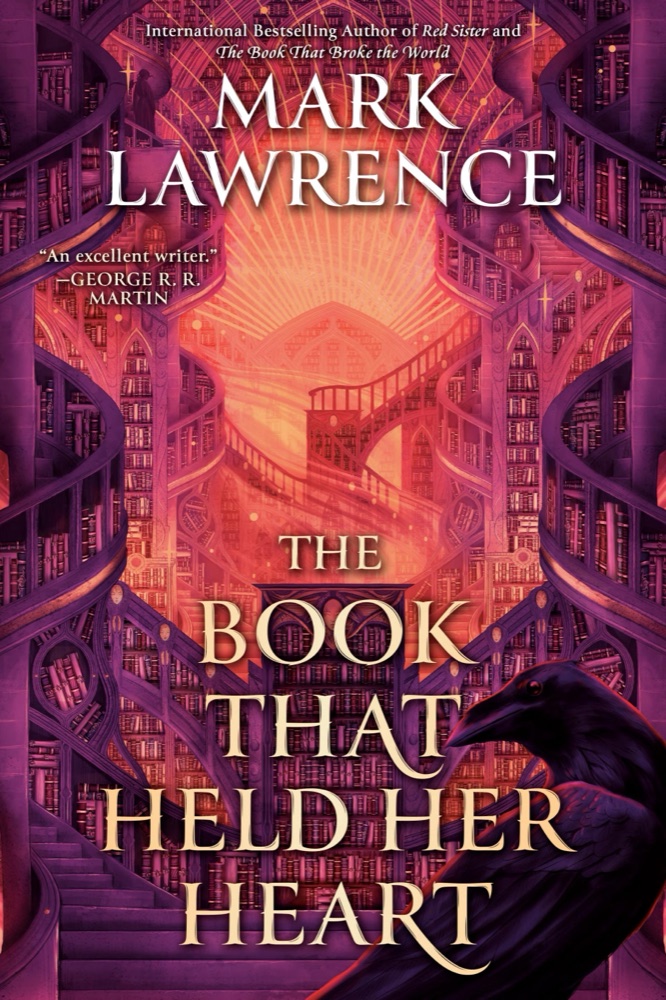 The Book That Held Her Heart
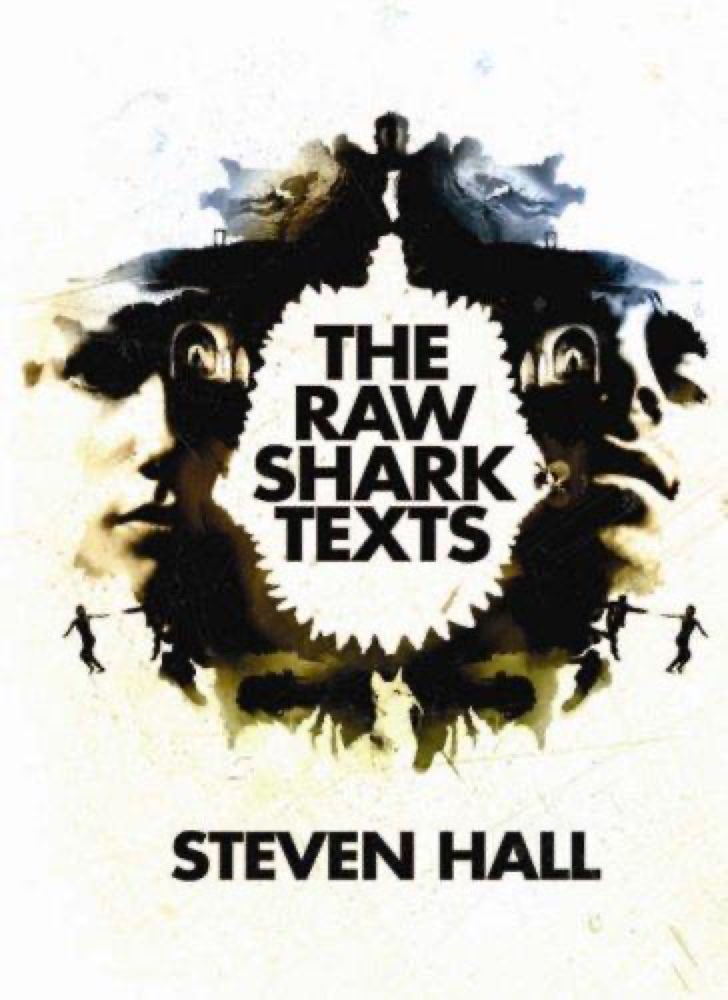 The Raw Shark Texts
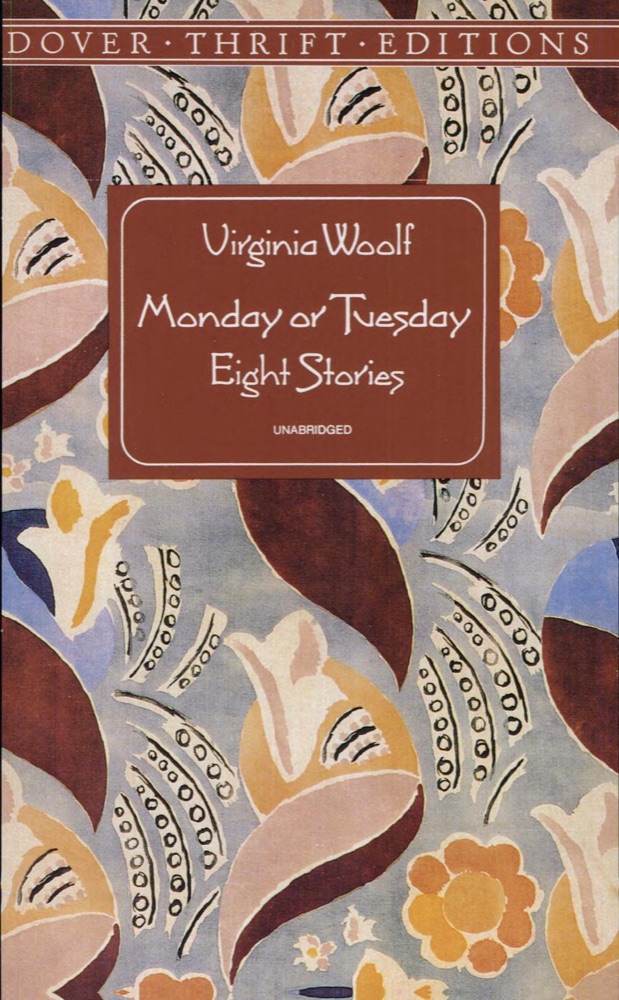 Monday or Tuesday
 The Beauty
 Thrust
 The Chimes
 Dæmon Voices