 On Writing: A Memoir of the Craft
Quotes from the Book
A novel rough draft is like bread dough; you need to beat the crap out of it for it to rise.
60
A deadline is, simply put, optimism in its most kick-ass form. It's a potent force that, when wielded with respect, will level any obstacle in its path. This is especially true when it comes to creative pursuits.
50
The biggest thing separating people from their artistic ambitions is not a lack of talent. It's the lack of a deadline. Give someone an enormous task, a supportive community, and a friendly-yet-firm due date, and miracles will happen.
12
Don’t be offended if you encounter some good-natured ribbing; the idea of writing a novel in a month deserves to be laughed at.
11
Rereading parts of your novel while writing is like doubling back at rerunning parts of a marathon midrace.
11
The quickest, easiest way to produce something beautiful and lasting is to risk making something horribly crappy.
8
If you spend enough time with your characters, plot simply happens.
7
We're slammed at work and busy at home. Throw in an occasional outing with friends or significant others, and we're ready for bed at 10:00 PM every night. Really ready for bed. There's barely enough time in a day to cover all our mandatory obligations, so optional activities like novel writing, journaling, painting or playing music--things that feel great but no one will ever take us to task for shirking--are invariably left for another day. Which is how most of us become 'one day' novelists. As in, 'One day, I'd really like to write a novel.' The problem is that that day never seems to come, and so we're stuck.
7
If you have a million things to do, adding item number 1,000,001 is not such a big deal. When, on the other hand, you have nothing to do, getting out of bed and washing yourself before 2:00 P.M. feels like too much work to even contemplate.
5
Ray Bradbury said it best: “Your intuition knows what it wants to write, so get out of the way.
4
In the context of novel writing, this means you should lower the bar from “best-seller” to “would not make someone vomit.” Exuberant imperfection encourages you to write uncritically, to experiment, to break your time-honored rules of writing just to see what happens. In a first draft, nothing is permanent, and everything is fixable. So stay loose and flexible, and keep your expectations very, very low.
3
Terror is the amateur novelist’s best friend. Without some amount of it pushing you onward toward your goal, you’re going to lose momentum and quit. There are just too many other, more sensible things to do with your time than try to write a novel in a month, and all of these more interesting alternatives will become irresistible if you don’t have some fear binding you to your word-processing device. Happily, with a little work, your friends and family can terrify you in ways you’d never imagined.
2
When your novel first peeks its head into the world, it will look pretty much like every newborn: blotchy, hairless, and utterly confused.
2
fiction writing can be a blast when you set aside debilitating notions of perfection and just dive headlong into the creative process.
2
here’s the thing: However attractive the idea of a writer’s retreat may sound, having all day to poke around on a novel actually hampers productivity.
2
The roar of adrenaline drowned out the self-critical voices that tend to make creative play such work for adults.
2
The first law of exuberant imperfection is essentially this: The quickest, easiest way to produce something beautiful and lasting is to risk making something horribly crappy.
1
Having an end date for your quest through the noveling unknown is like bringing along a team of jetpack-wearing, entrepreneurial Sherpas.
1
Love your experiments (as you would an ugly child),” Mau’s maxim went. “Exploit the liberty in casting your work as beautiful experiments, iterations, attempts, trials, and errors. Take the long view and allow yourself the fun of failure every day.
1
My only explanation for our cheeky ambition is this: Being surrounded by pet-supply e-tailors worth more than IBM has a way of getting your sense of what’s possible all out of whack. The old millennium was dying; a better one was on its way. We were in our mid-twenties, and we had no idea what we were doing. But we knew we loved books. And so we set out to write them.
1
Actually, come to think of it, you also should resist the temptation to share your work-in-progress with yourself as well. Rereading parts of your first draft while writing is like doubling back and rerunning portions of a marathon midrace.
But another great rule for choosing good characters is to simply pick people you would enjoy getting to know better. Remember: You will be spending a lot of time with these people. As you consider a possible character for your story, ask yourself this question: How would you feel about going on a month-long cruise with them? Even the unsavory characters in your book—the black-hearted villains and nine-headed gorgons—should be interesting enough that you wouldn’t mind playing shuffleboard or sharing the lobster buffet with them every day for a month.
The things that you appreciate as a reader are also the things you’ll likely excel at as a writer.
Once you stumble across a fantastic, once-in-a-lifetime idea for a book, it’s hard to treat that story with the irreverent disregard needed to transform it from a great idea into a workable rough draft. When you give yourself just one month to flesh out your concept, you won’t have time to feel overly protective of your ideas. And you will therefore stand a much better chance of bringing them to life.
A wearable, writing-enhancing object serves several important purposes. First, it helps you transition from the world of everyday living into the fictional realms you’ve created. In the former you are a normal person, working a normal job. In the latter, you are an all-powerful deity capable of laying waste to entire cities with a few taps of the keyboard.
And, though we never admitted it to one another, there was also the hope that maybe, just maybe, we’d yank an undeniable work of genius from the depths of our imagination. A masterpiece-in-the-rough that would forever change the literary landscape. The Accidental American Novel. Just think of the acclaim! The feelings of satisfaction! The vastly increased dating opportunities!
Your best friends are also the most likely to see this novel-in-a-month plan as another of your charmingly crackpot self-improvement schemes. Don’t be offended if you encounter some good-natured ribbing; the idea of writing a novel in a month deserves to be laughed at. When the chuckles die down, though, do your best to make it clear that, however ridiculous the whole escapade may sound, you plan on seeing it through to completion. Also make it clear that when you are a best-selling author you will use a portion of your vast fortune to reward your supporters and destroy those who scoffed at you.
Yes, there is something a little defeatist about accepting one’s slacking ways rather than trying to fix them. That’s a worry, though, for another month. The healthiest, most productive approach to writing is to acknowledge your weak spots early on, and build a writing plan that plays to your strengths and works around your liabilities.
Deadlines bring focus, forcing us to make time for the achievements we would otherwise postpone, encouraging us to reach beyond our conservative estimates of what we think possible, helping us to wrench victory from the jaws of sleep.
Watch on YouTube
About Chris Baty
About the book
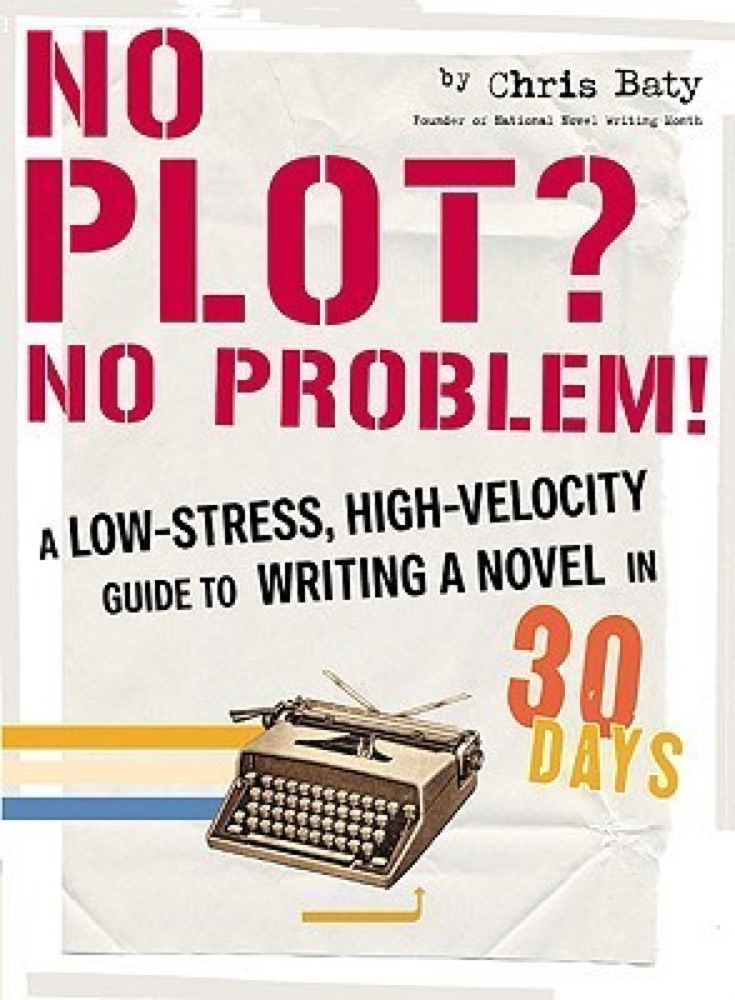
You've always wanted to write, but . . . just haven't gotten around to it. No Plot? No Problem! is the kick in the pants you've been waiting for.
Let Chris Baty, founder of the rockin' literary marathon National Novel Writing Month (a.k.a. NaNoWriMo), guide you through four exciting weeks of hard-core noveling. Baty's pep talks and essential survival strategies cover the initial momentum and energy of Week One, the critical "plot flashes" of Week Two, the "Can I quit now?" impulses of Week Three, and the champagne and roar of the crowd during Week Four. Whether you're a first-time novelist who just can't seem to get pen to paper or a results-oriented writer seeking a creative on-ramp into the world of publishing, this is the adventure for you.
So what are you waiting for? The No Plot? approach worked for the thousands of people who've signed up for NaNoWriMo, and it can work for yo
Book details
- First published
- 2004
- Author
- Chris Baty
- Genre
- Nonfiction
- Goodreads rating
- 3.83 (7k ratings)
Keep reading
On Writing: A Memoir of the Craft
 The Getaway Car: A Practical Memoir About Writing and Life
 Novelist as a Vocation
 On Becoming a Novelist
 On Writing Well: The Classic Guide to Writing Nonfiction
 Bird by Bird
 APE: Author, Publisher, Entrepreneur. How to Publish a Book
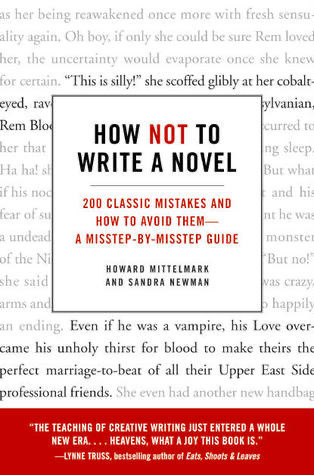 How Not to Write a Novel: 200 Classic Mistakes and How to Avoid Them—A Misstep-by-Misstep Guide
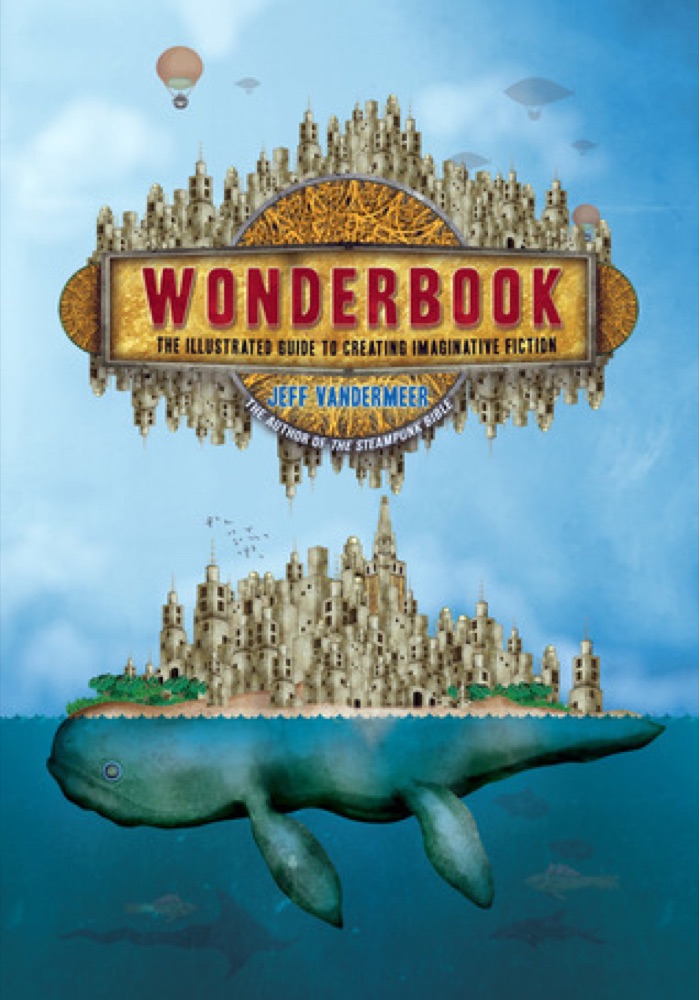 Wonderbook: The Illustrated Guide to Creating Imaginative Fiction
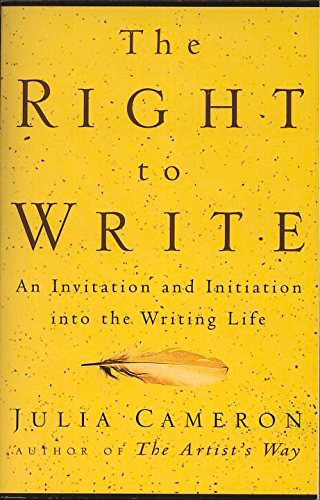 The Right to Write: An Invitation and Initiation Into the Writing Life
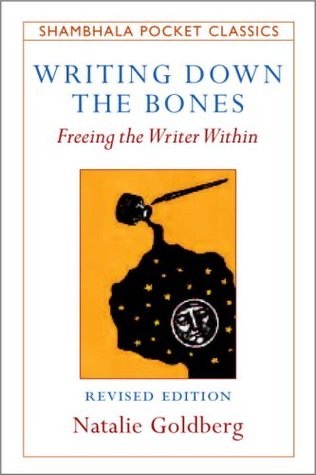 Writing Down the Bones: Freeing the Writer Within
 Zen in the Art of Writing
 Stein on Writing
 The Creative Habit: Learn It and Use It for Life
 Still Writing: The Perils and Pleasures of a Creative Life
 Embrace Your Weird: Face Your Fears and Unleash Creativity
 The Writing Life
 Ignore Everybody: and 39 Other Keys to Creativity
 The Midnight Disease: The Drive to Write, Writer's Block, and the Creative Brain
 Becoming a Writer
 Story Engineering: Character Development, Story Concept, Scene Construction
 Consider This: Moments in My Writing Life After Which Everything Was Different
 The Writing Class
 On Writing
 Reading Like a Writer: A Guide for People Who Love Books and for Those Who Want to Write Them
 How to Write an Autobiographical Novel
 The Well of Lost Plots
 Every Tool's a Hammer: Life Is What You Make It
 Art Matters: Because Your Imagination Can Change the World
 The Art of Fiction: Notes on Craft for Young Writers
 Storyworthy: Engage, Teach, Persuade, and Change Your Life through the Power of Storytelling
 A Slip of the Keyboard: Collected Non-Fiction
 Story Genius: How to Use Brain Science to Go Beyond Outlining and Write a Riveting Novel
 Everyone on This Train Is a Suspect
 If You Want to Write: A Book about Art, Independence and Spirit
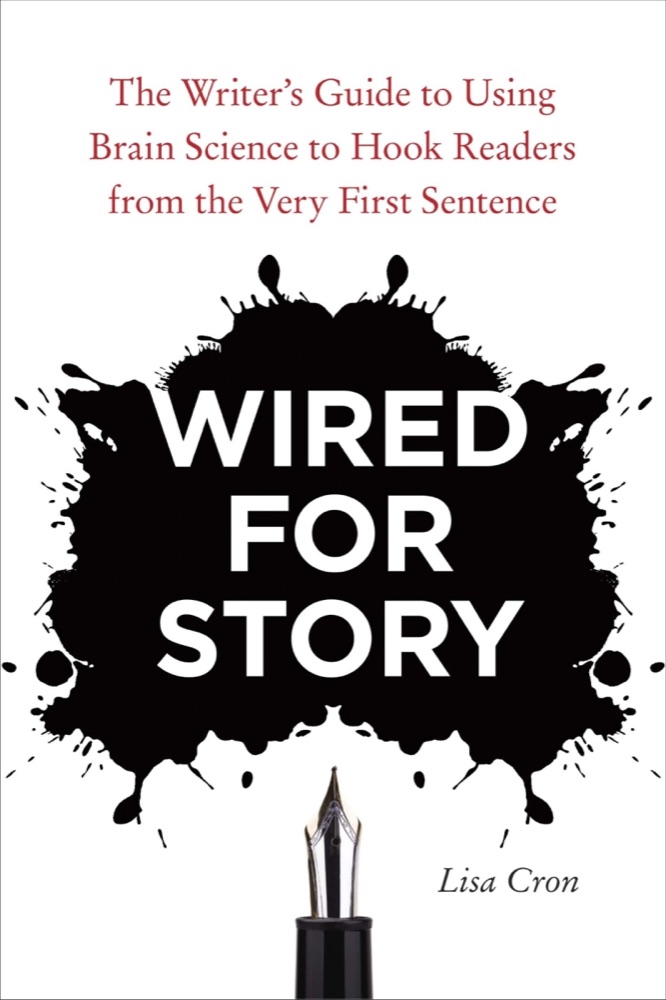 Wired for Story: The Writer's Guide to Using Brain Science to Hook Readers from the Very First Sentence
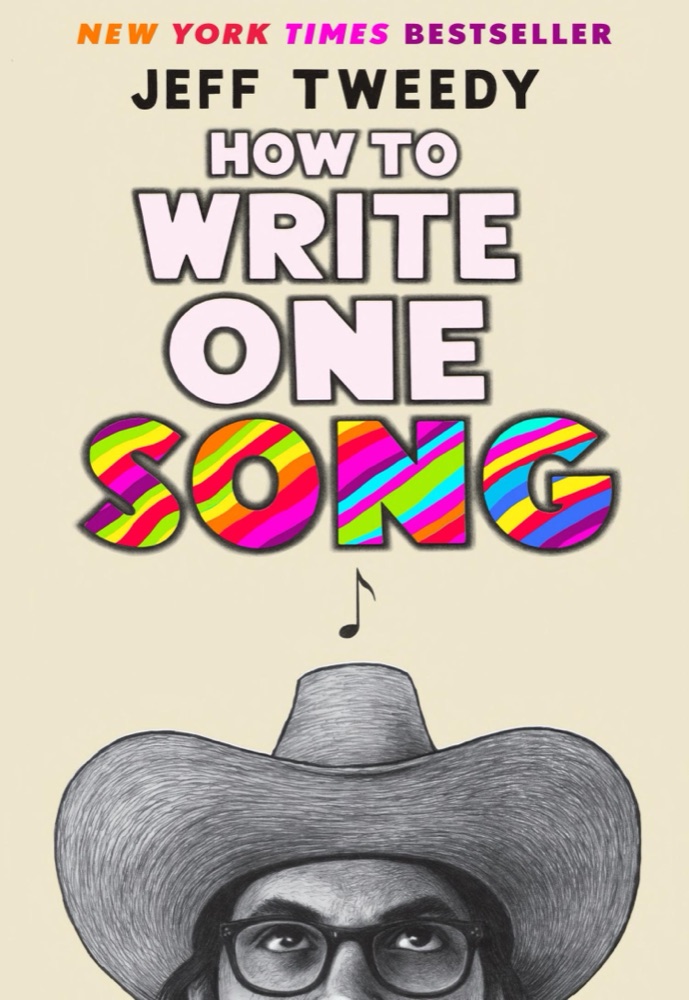 How to Write One Song: Loving the Things We Create and How They Love Us Back
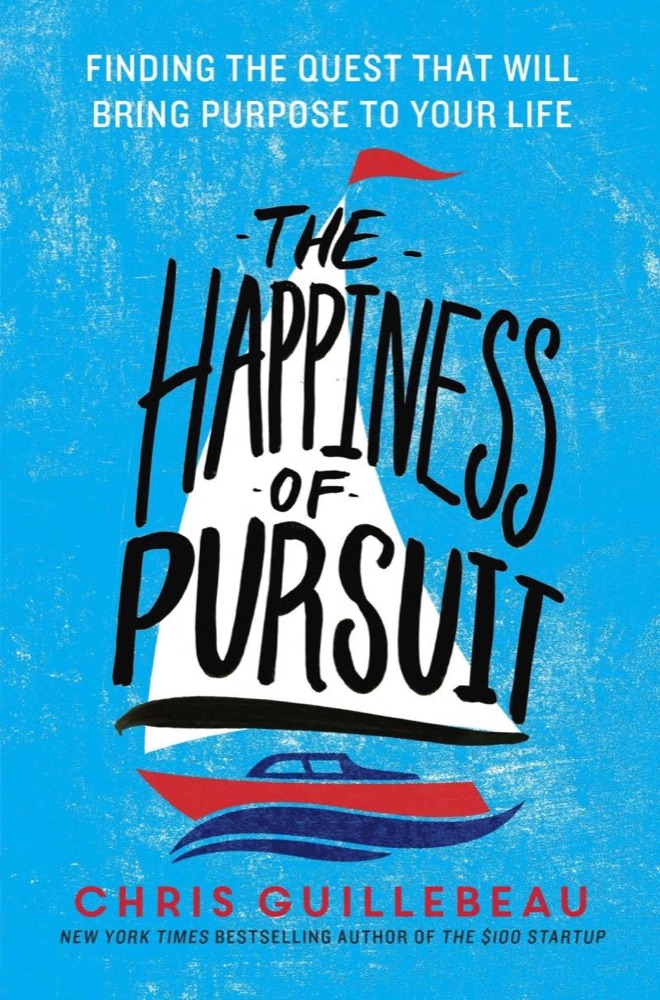 The Happiness of Pursuit: Finding the Quest That Will Bring Purpose to Your Life
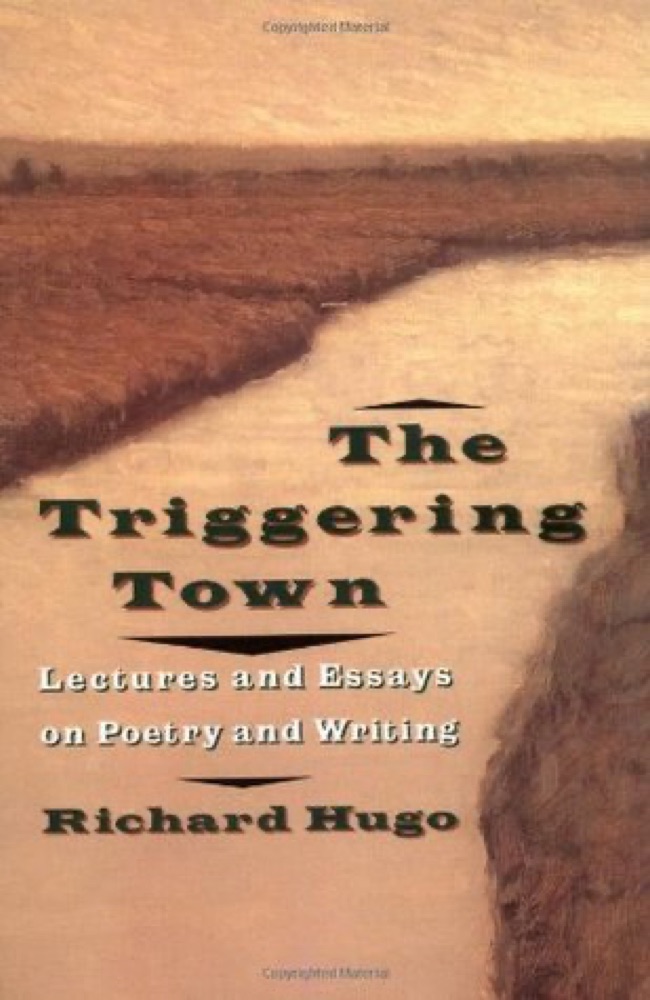 The Triggering Town: Lectures and Essays on Poetry and Writing
 Big Magic: Creative Living Beyond Fear
 Adventures in the Screen Trade
 The Accidental Creative: How to Be Brilliant at a Moment's Notice
 Rework
 Steal Like an Artist: 10 Things Nobody Told You About Being Creative
 Make Good Art
 Several Short Sentences About Writing
 Death in the Afternoon
 Do Over: Rescue Monday, Reinvent Your Work, and Never Get Stuck
 Daily Rituals: How Artists Work
 First Among Sequels
 The Sense of Style: The Thinking Person's Guide to Writing in the 21st Century
 300 Arguments: Essays
 Improv Wisdom: Don't Prepare, Just Show Up
 Show Your Work!: 10 Ways to Share Your Creativity and Get Discovered
 The Practice: Shipping Creative Work
 On Writing
 Poison for Breakfast
 We Took to the Woods
 The Name of This Book Is Secret
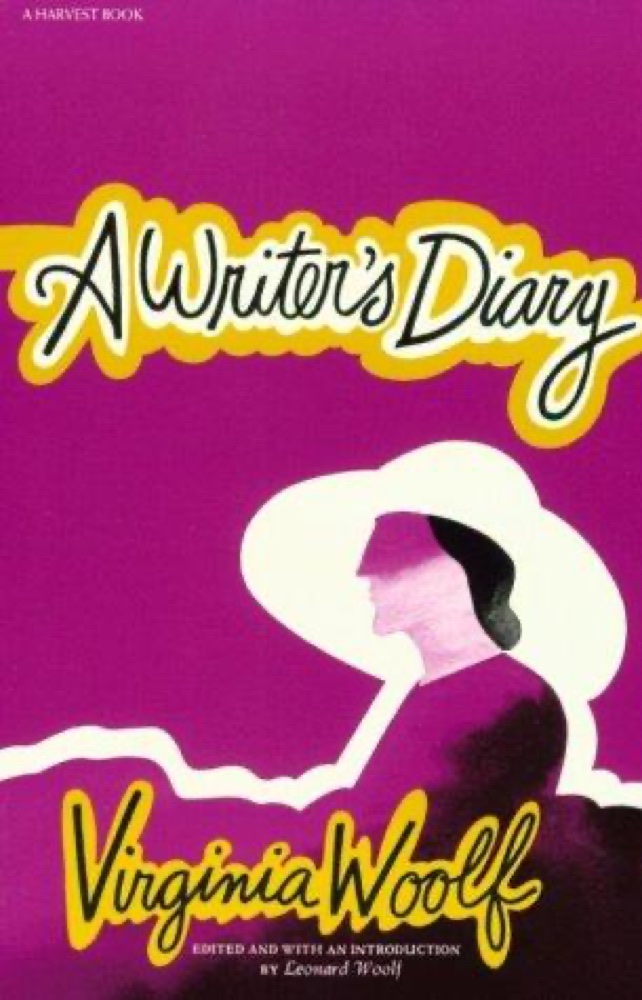 A Writer's Diary