
 The Left Hand of Darkness
Quotes from the Book
Children know perfectly well that unicorns aren’t real, but they also know that books about unicorns, if they are good books, are true books.
336
I believe that maturity is not an outgrowing, but a growing up: that an adult is not a dead child, but a child who survived. I believe that all the best faculties of a mature human being exist in the child. . . . that one of the most deeply human, and humane, of these faculties is the power of imagination.
109
I doubt that the imagination can be suppressed. If you truly eradicated it in a child, he would grow up to be an eggplant.
98
The use of imaginative fiction is to deepen your understanding of your world, and your fellow men, and your own feelings, and your destiny.
92
Great artists make the roads; good teachers and good companions can point them out. But there ain't no free rides, baby. No hitchhiking. And if you want to strike out in any new direction — you go alone. With a machete in your hand and the fear of God in your heart.
44
We read books to find out who we are. What other people, real or imaginary, do and think and feel – or have done and thought and felt; or might do and think and feel – is an essential guide to our understanding of what we ourselves are and may become… A person who had never listened to nor read a tale or myth or parable or story, would remain ignorant of his own emotional and spiritual heights and depths, would not know quite fully what it is to be human. For the story – from Rumpelstiltskin to War and Peace – is one of the basic tools invented by the mind of man, for the purpose of gaining understanding. There have been great societies that did not use the wheel, but there have been no societies that did not tell stories.
36
In many college English courses the words “myth” and “symbol” are given a tremendous charge of significance. You just ain’t no good unless you can see a symbol hiding, like a scared gerbil, under every page. And in many creative writing course the little beasts multiply, the place swarms with them. What does this Mean? What does that Symbolize? What is the Underlying Mythos? Kids come lurching out of such courses with a brain full of gerbils. And they sit down and write a lot of empty pomposity, under the impression that that’s how Melville did it.
35
At this point, realism is perhaps the least adequate means of understanding or portraying the incredible realities of our existence.
23
For fantasy is true, of course. It isn’t factual, but it’s true. Children know that. Adults know it too and that’s precisely why many of them are afraid of fantasy. They know that its truth challenges, even threatens, all that is false, all that is phony, unnecessary, and trivial in the life they have let themselves be forced into living. They are afraid of dragons because they are afraid of freedom.
22
Fantasy is escapist, and that is its glory. If a soldier is imprisoned by the enemy, don’t we consider it his duty to escape? The moneylenders, the knownothings, the authoritarians have us all in prison; if we value the freedom of the mind and soul, if we’re partisans of liberty, then it’s our plain duty to escape, and to take as many people with us as we can.
17
If you deny any affinity with another person or kind of person, if you declare it to be wholly different from yourself - as men have done to women, and class has done to class, and nation has done to nation - you may hate it or deify it; but in either case you have denied its spiritual equality and its human reality. You have made it into a thing, to which the only possible relationship is a power relationship. And thus you have fatally impoverished your own reality. You have, in fact, alienated yourself.
16
When asked to "define the difference between fantasy and science fiction," I mouth and mumble and always end up talking about the spectrum, that very useful spectrum, along which one thing shades into another. Definitions are for grammar, not literature, I say, and boxes are for bones. But of course fantasy and science fiction are different, just as red and blue are different; they have different frequencies; if you mix them (on paper—I work on paper) you get purple, something else again.
9
The art of one's own time tends to be formidable . . . because we have to learn how and where to take hold of it, what response is being asked of us, before we can get involved. It's truly new, and therefore truly a bit frightening.
6
No ideologues, not even religious ones, are going to be happy with Tolkien, unless they manage it by misreading him. For like all great artists he escapes ideology by being too quick for its nets, too complex for its grand simplicities, too fantastic for its rationality, too real for generalizations.
4
[T]he status of women in a society is a pretty reliable index of the degree of civilization of that society.
4
I write science fiction because that is what publishers call my books. Left to myself, I should call them novels.
4
Those who refuse to listen to dragons are probably doomed to spend their lives acting out the nightmares of politicians. We like to think we live in daylight, but half the world is always dark; and fantasy, like poetry, speaks the language of the night.
3
Within the SF ghetto, many people don’t want their books, or their favorite writers’ books, judged as literature. They want junk, and they bitterly resent aesthetic judgment of it.”IV Similarly, she pushed herself and her fellow artists to work harder, to explore and go beyond the known boundaries, to always do (not merely try) their best. “In art, the best is the standard.
3
Ged, who was always very strong-minded, always saying things that surprised me and doing things he wasn't supposed to do, took over completely in this book. He was determined to show me how his life must end, and why. I tried to keep up with him, but he was always ahead. I rewrote the book more times than I want to remember, trying to keep him under some kind of control.
3
But experience isn't something you go and get--it's a gift, and the only prerequisite for receiving it is that you be open to it. A closed soul can have the most immense adventures, go through a civil war or a trip to the moon, and have nothing to show for all that "experience;" whereas the open soul can do wonders with nothing. I invite you to meditate on a pair of sisters, Emily and Charlotte. Their life experience was an isolated vicarage in a small, dreary English village, a couple of bad years at a girls' school, another year or two in Brussels, which is surely the dullest city in all Europe, and a lot of housework. Out of that seething Mmass of raw, brutal, gutsy Experience they made two of the greatest novels ever written: Jane Eyre and Wuthering Heights. ... They knew their own souls, they knew their own minds and hearts; it was not a knowledge lightly or easily gained.
3
Artists are people who are not at all interested in the facts—only in the truth. You get the facts from outside. The truth you get from inside.
2
I’ll make my report as if I told a story, for I was taught on my homeworld that Truth is a matter of the imagination.
2
Style is how you as a writer see and speak. It is how you see: your vision, your understanding of the world, your voice.
2
The center of gravity of Lem’s books is ethics.” This is Le Guin’s highest praise; and it establishes the central values of her fiction, and her criticism.
2
Sure it’s simple, writing for kids. Just as simple as bringing them up. All you do is take all the sex out, and use little short words, and little dumb ideas, and don’t be too scary, and be sure there’s a happy ending. Right? Nothing to it. Write down. Right on. If you do all that, you might even write Jonathan Livingston Seagull and make twenty billion dollars and have every adult in America reading your book. But you won’t have every kid in America reading your book. They will look at it, and they will see straight through it, with their clear, cold, beady little eyes, and they will put it down, and they will go away. Kids will devour vast amounts of garbage (and it is good for them), but they are not like adults: they have not yet learned to eat plastic.
2
It is our Puritanism, insisting that discipline means repression or punishment, which confuses the subject. To discipline something, in the proper sense of the word, does not mean to repress it, but to train it - to encourage it to grow, and act, and be fruitful, whether it is a peach tree or a human mind.
2
What good are all the objects in the universe, if there is no subject?
1
In art, “good enough” is not good enough.
1
Myth is an attempt to explain, in rational terms, facts not yet rationally understood.
1
The great instrument of moral good,” Shelley said, “is the imagination.
1
Watch on YouTube
About Ursula K. Le Guin
We have collected 635 quotes from 30 books by Ursula K. Le Guin on BookQuoters.
More about the author →More by Ursula K. Le Guin
The Left Hand of Darkness
 A Wizard of Earthsea
 The Ones Who Walk Away from Omelas
 The Tombs of Atuan
About the book
Featuring a new introduction by Ken Liu, this revised edition of Ursula K. Le Guin’s first full-length collection of essays covers her background as a writer and educator, on fantasy and science fiction, on writing, and on the future of literary science fiction.
“We like to think we live in daylight, but half the world is always dark; and fantasy, like poetry, speaks to the language of the night.” —Ursula K. Le Guin
Le Guin’s sharp and witty voice is on full display in this collection of twenty-four essays, revised by the author a decade after its initial publication in 1979. The collection covers a wide range of topics and Le Guin’s origins as a writer, her advocacy for science fiction and fantasy as mediums for true literary exploration, the writing of her own major works such as A Wizard of Earthsea and The Left Hand of Darkness, and her role as a public intellectual and educato
Book details
- First published
- 1979
- Author
- Ursula K. Le Guin
- Genre
- Nonfiction
- Goodreads rating
- 4.28 (2k ratings)
The buzz
- The Washington PostReview in The Washington Postprofessional review (via Book Marks)
- Kirkus ReviewsReview in Kirkus Reviewsprofessional review (via Book Marks)
- Publishers WeeklyReview in Publishers Weeklyprofessional review (via Book Marks)
Keep reading
 The Wave in the Mind: Talks and Essays on the Writer, the Reader and the Imagination
 The View from the Cheap Seats: Selected Nonfiction
 Dæmon Voices
 In Other Worlds: SF and the Human Imagination
 Mystery and Manners: Occasional Prose
 Burning Questions: Essays and Occasional Pieces, 2004 to 2021
 A Slip of the Keyboard: Collected Non-Fiction
 How to Read Literature
 Negotiating with the Dead: A Writer on Writing
 Tales from Earthsea
 A Fisherman of the Inland Sea
 Both Flesh and Not: Essays
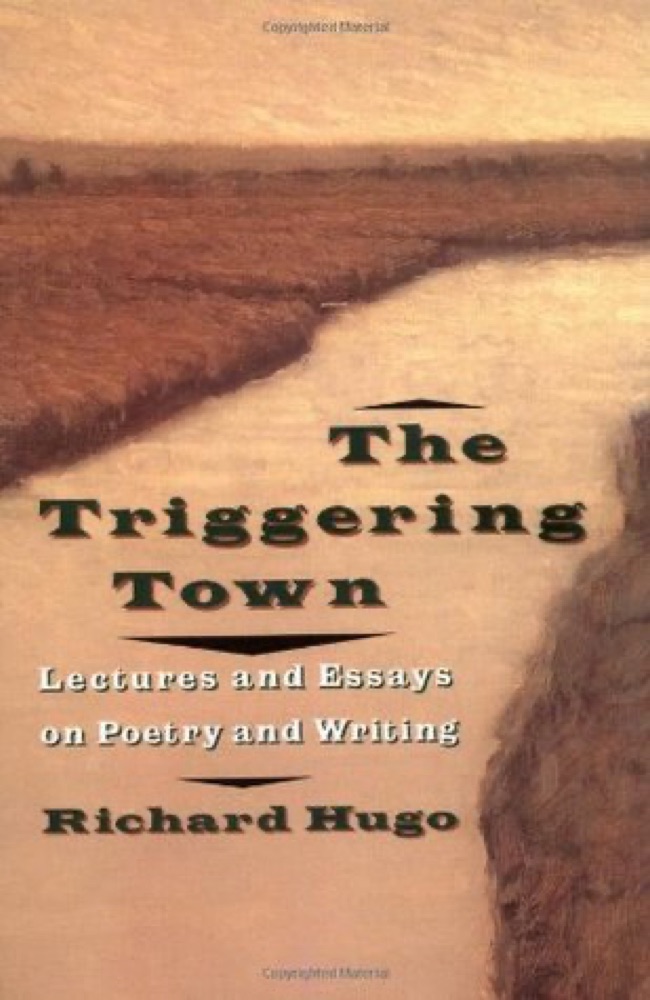 The Triggering Town: Lectures and Essays on Poetry and Writing
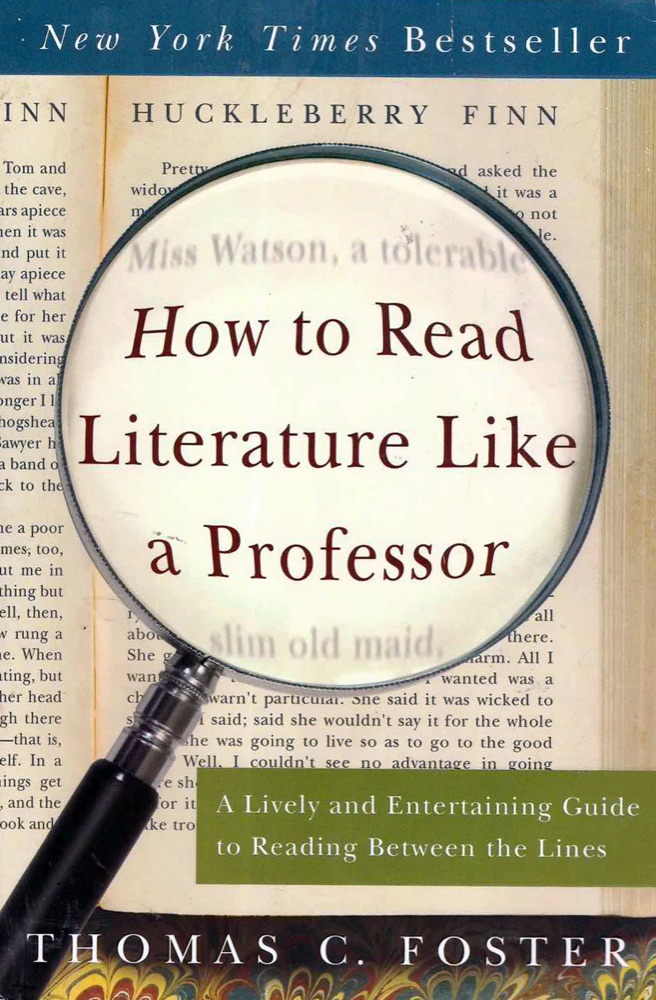 How to Read Literature Like a Professor
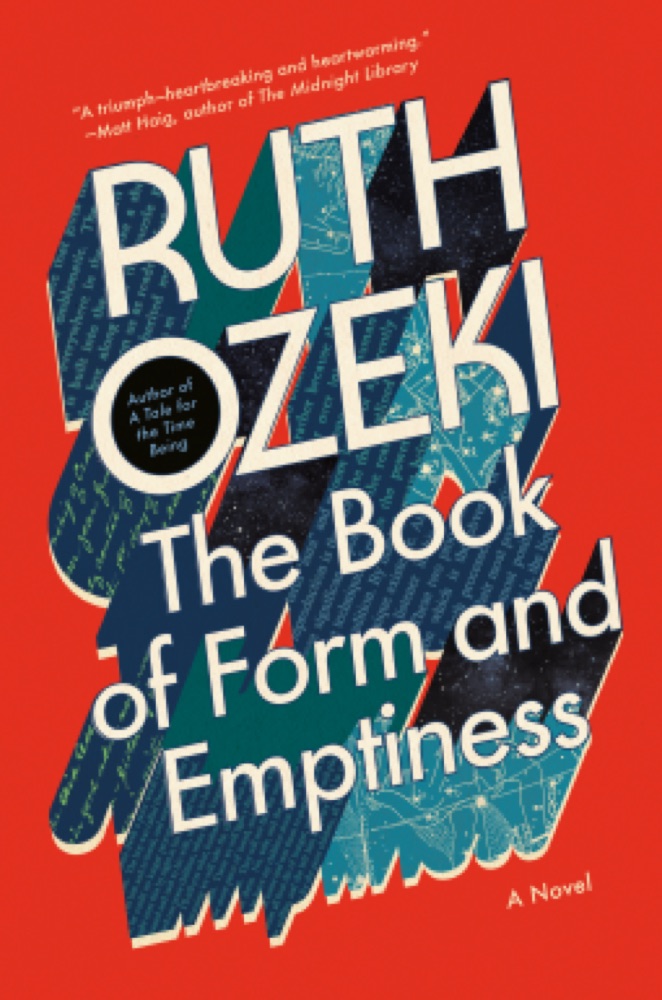 The Book of Form and Emptiness
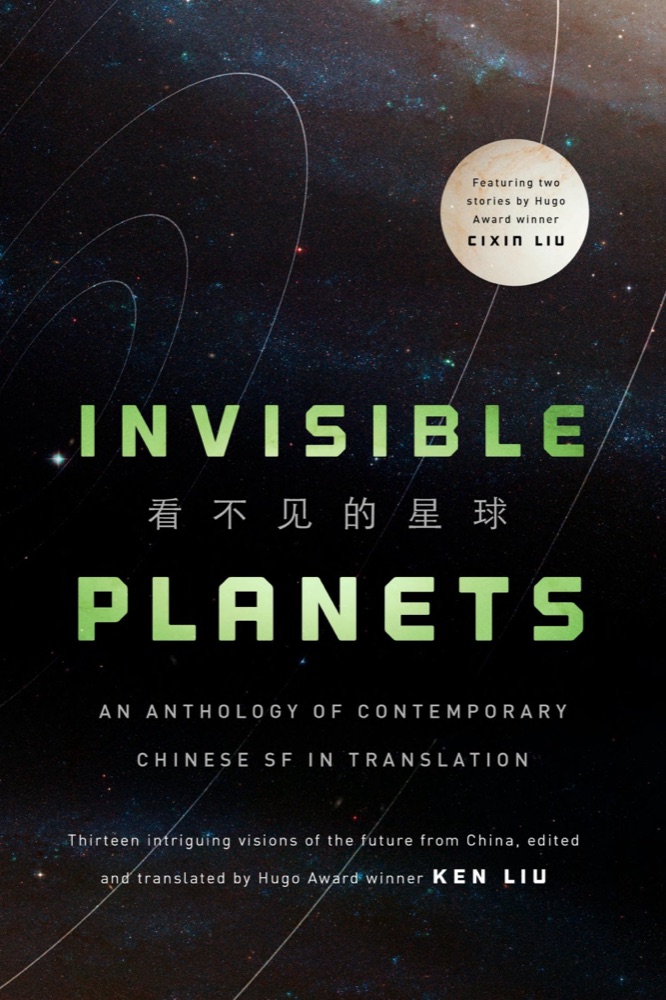 Invisible Planets: Contemporary Chinese Science Fiction in Translation
 Wonderbook: The Illustrated Guide to Creating Imaginative Fiction
 The Art of Fiction: Notes on Craft for Young Writers
 Novelist as a Vocation
 Gnomon
 Flaubert's Parrot
 Aspects of the Novel
 Reality Hunger: A Manifesto
 The Hero's Journey: Joseph Campbell on His Life & Work
 Stories: All-New Tales
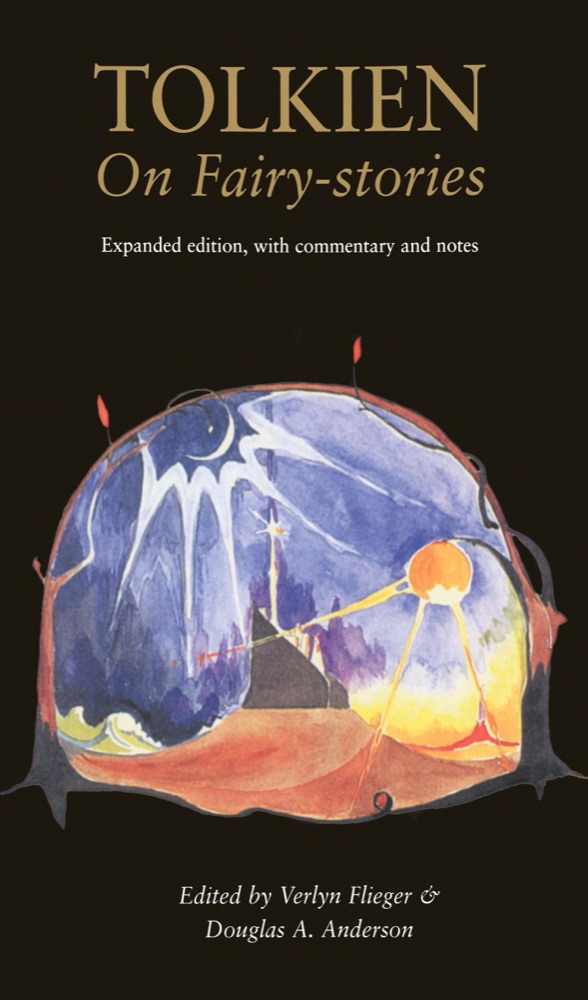 Tolkien On Fairy-stories
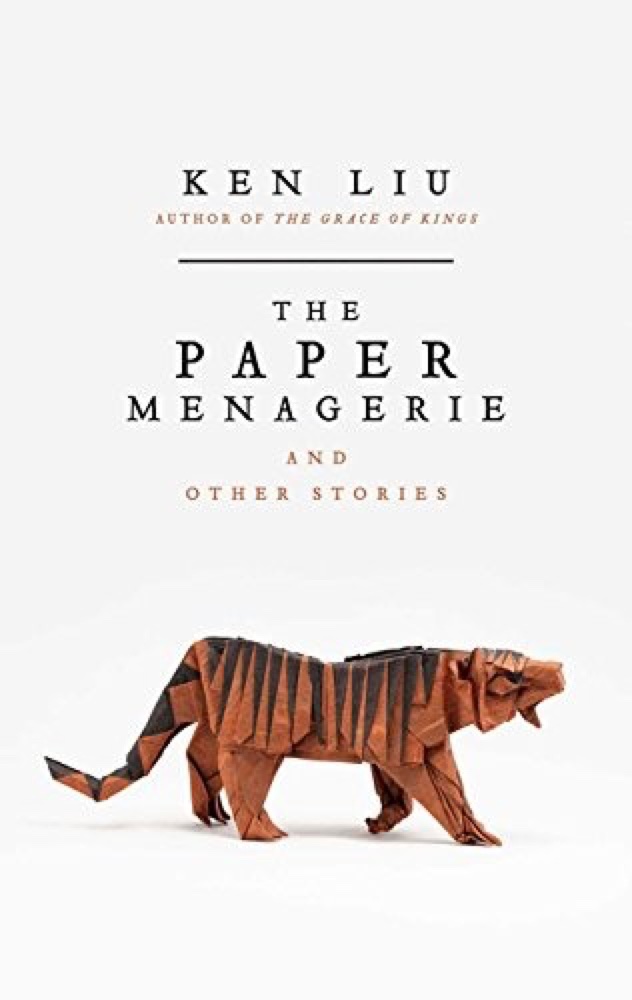 The Paper Menagerie and Other Stories
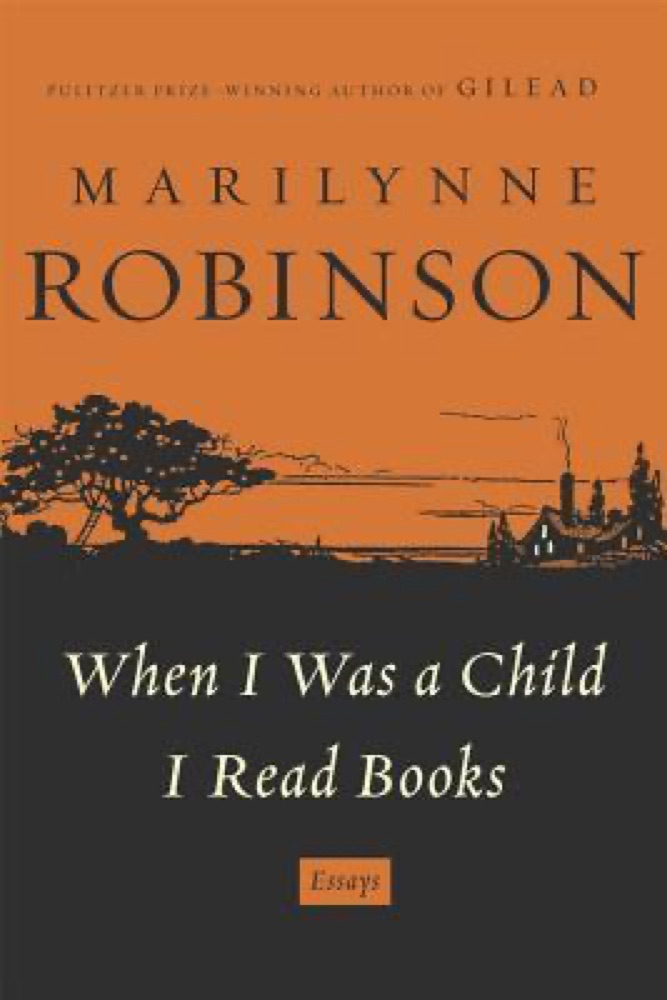 When I Was a Child I Read Books
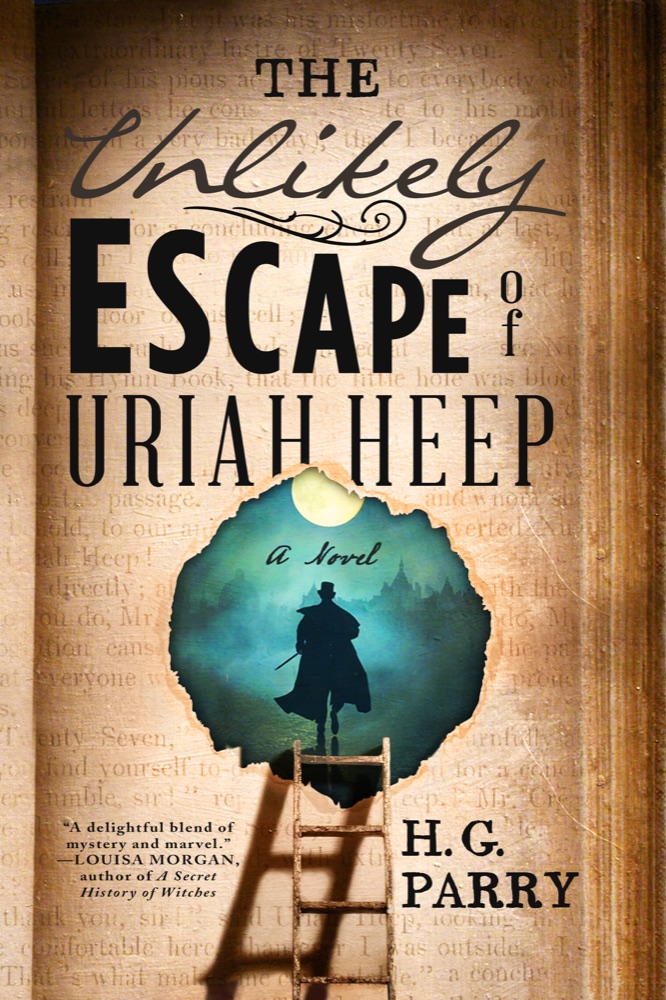 The Unlikely Escape of Uriah Heep
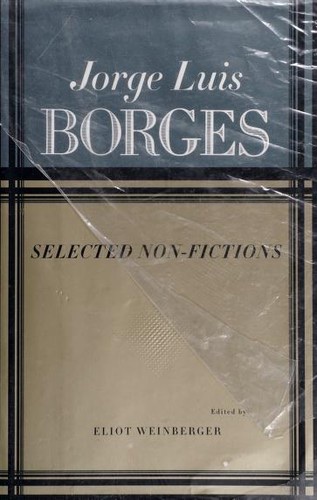 Selected Non-Fictions
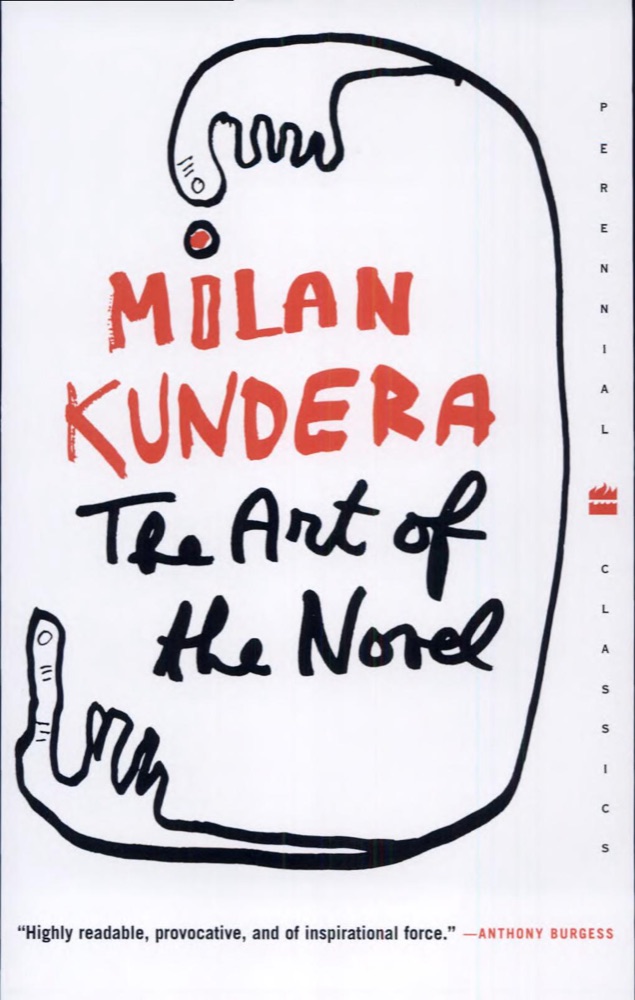 The Art of the Novel
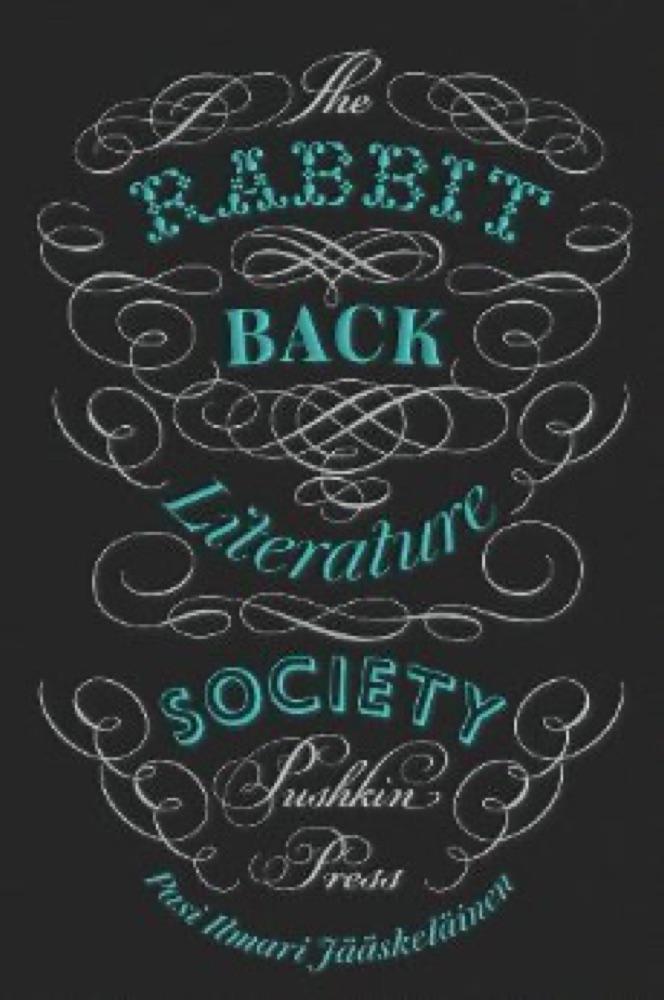 The Rabbit Back Literature Society
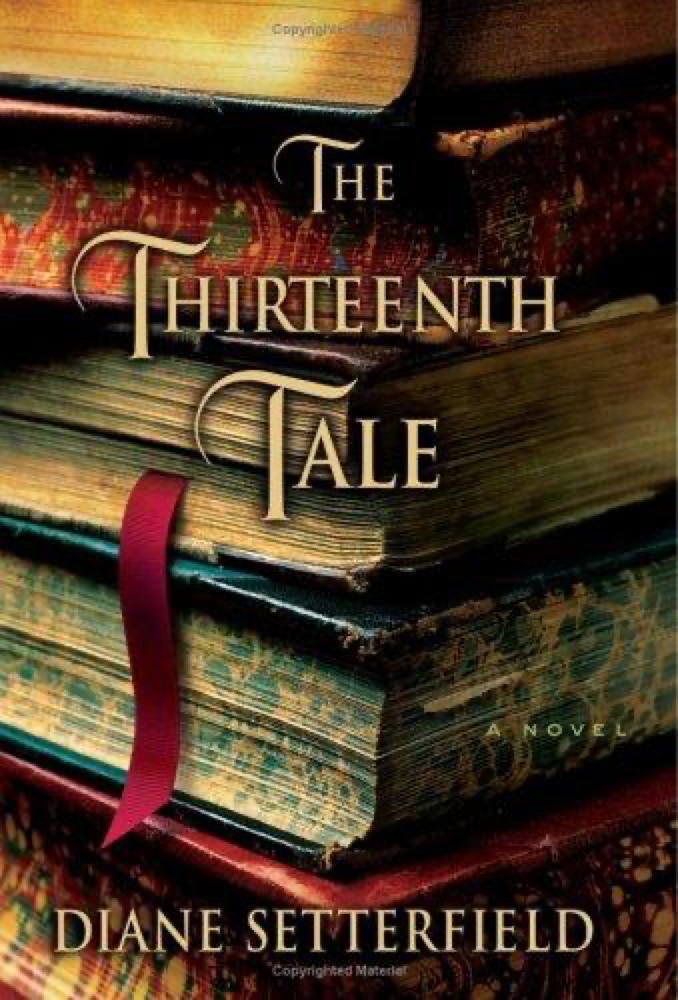 The Thirteenth Tale
 The Abundance
 Reading Lolita in Tehran: A Memoir in Books
 Nothing to Be Frightened Of
 Once Upon a Wardrobe
 Art Matters: Because Your Imagination Can Change the World
 A Circle of Quiet
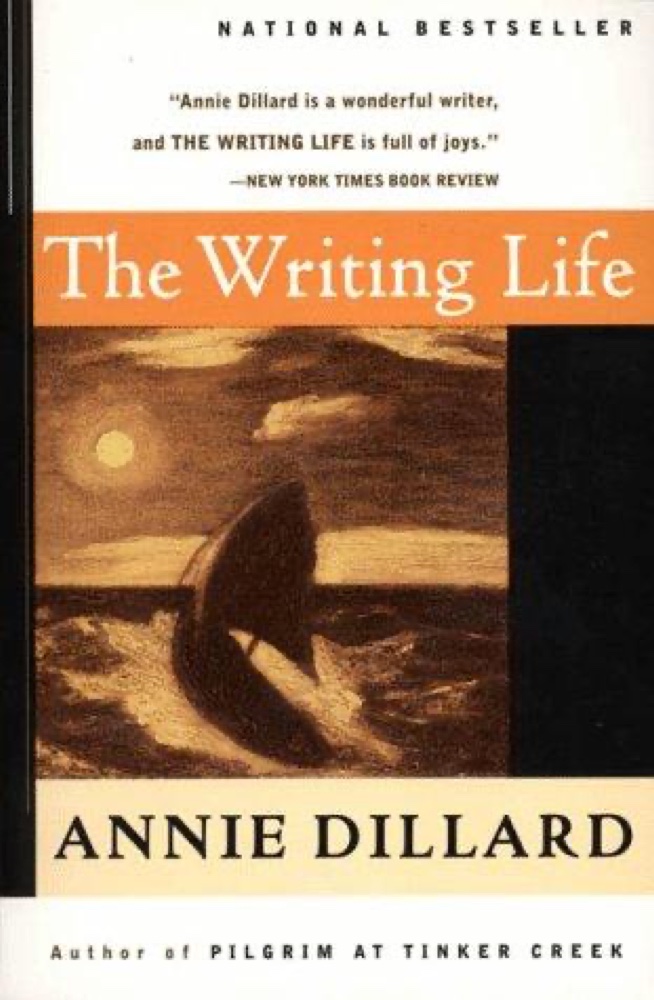 The Writing Life
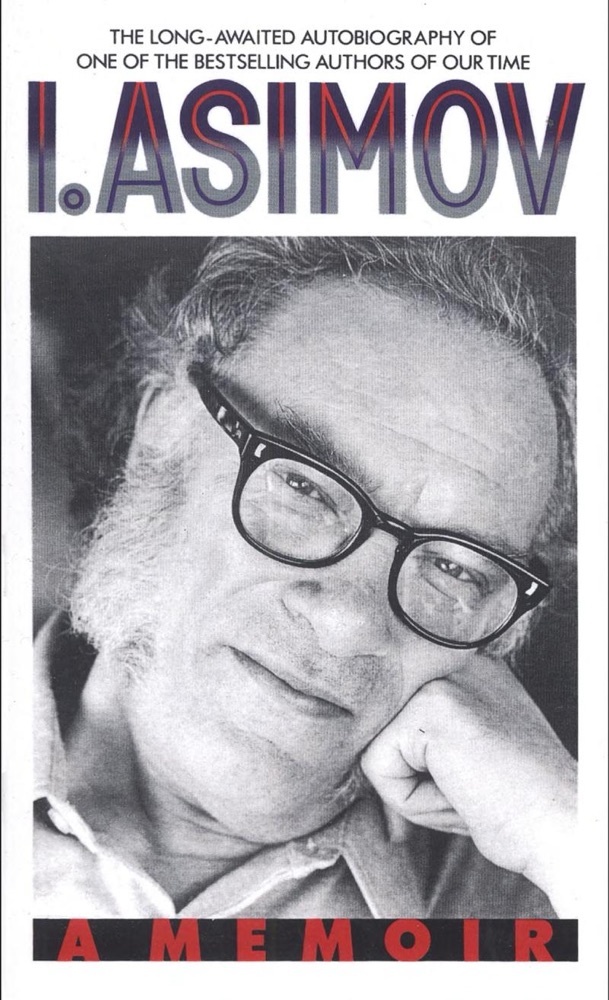 I. Asimov: A Memoir
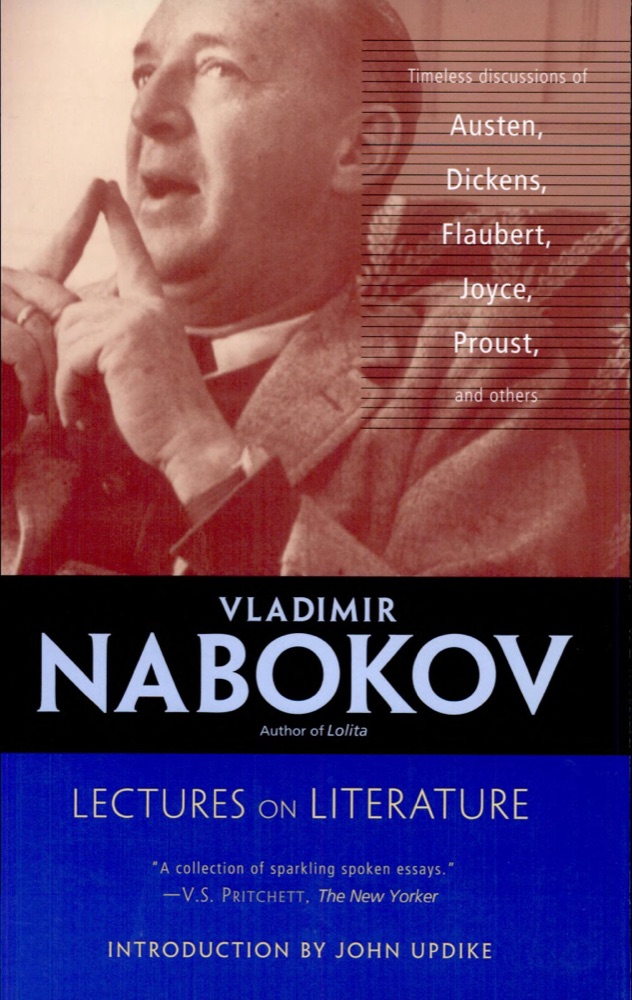 Lectures on Literature
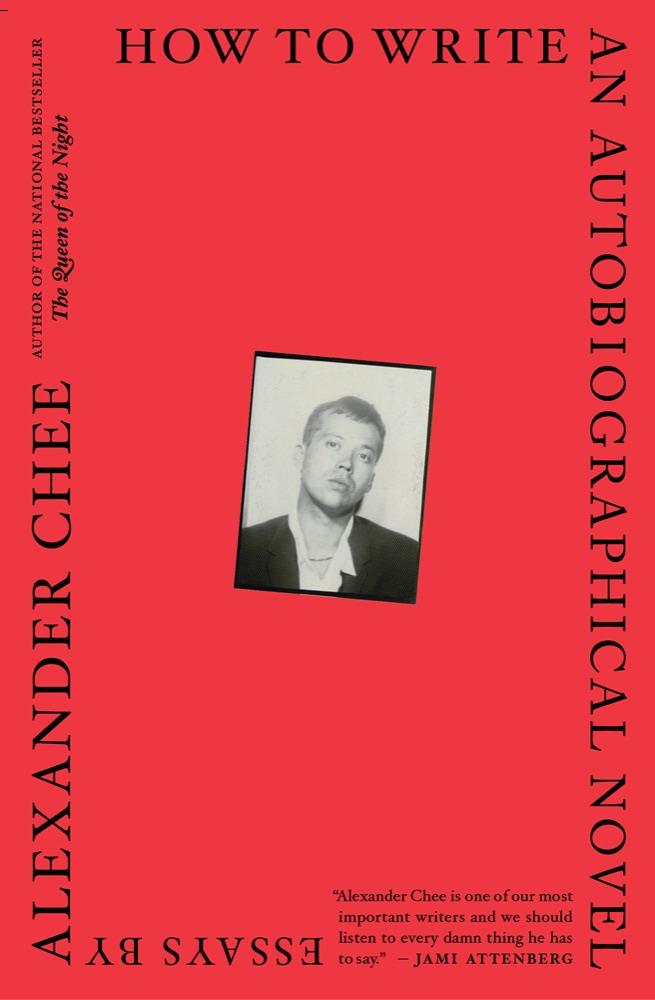 How to Write an Autobiographical Novel
 An Experiment in Criticism
 The Library of the Unwritten
 The Power of Myth
 Danse Macabre
 Genesis
 Stories of Your Life and Others
 The Truth About Stories: A Native Narrative
 Only Dull People Are Brilliant at Breakfast
 Monday or Tuesday
 The Braindead Megaphone
 On Becoming a Novelist
 The Book That Wouldn’t Burn
 Bird by Bird
 Songs of a Dead Dreamer
 Becoming a Writer
 Arcadia
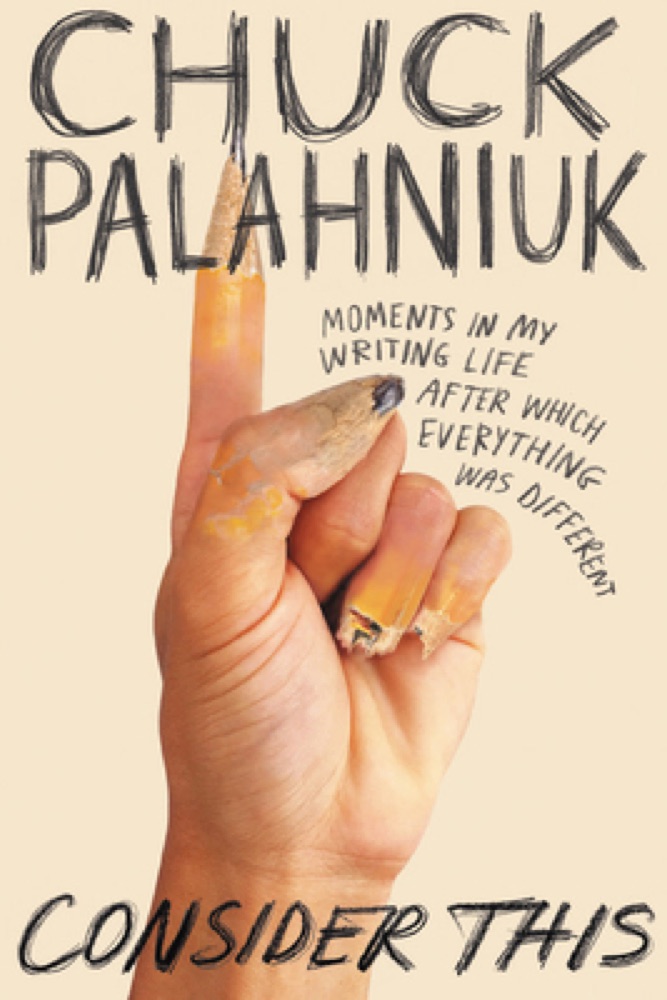 Consider This: Moments in My Writing Life After Which Everything Was Different