
 The Art of the Start: The Time-Tested, Battle-Hardened Guide for Anyone Starting Anything
Quotes from the Book
Writing is therapeutic. It helps you cope with issues that seem gargantuan at the time. The process of expressing yourself about a problem, editing your thoughts, and writing some more can help you control issues that you face.
16
There are two kinds of people: eaters and bakers. Eaters think the world is a zero-sum game: what someone else eats, they cannot eat. Bakers do not believe that the world is a zero-sum game because they can bake more and bigger pies.
12
The first good reason to write a book is to add value to people’s lives.
11
Do you know what the difference is between PR and advertising? Advertising is when you say how great you are. PR is when other people say how great you are. PR is better.
10
A successful self-publisher must fill three roles: Author, Publisher, and Entrepreneur—or APE.
9
You’ll learn that the key to a great book is editing — grinding, buffing, and polishing — not writing.
9
Do not write to impress others. Authors who write to impress people have difficulty remaining true to themselves. A better path is to write what pleases you and pray that there are others like you. Your first and most important reader is you. If you write a book that pleases you, at least you know one person will like it.
9
Writing a book isn’t an easy process nor is it always enjoyable, but it is one of life’s most satisfying achievements.
9
Go APE: Author a great book, Publish it quickly, and Entrepreneur your way to success. Self-publishing isn’t easy, but it’s fun and sometimes even lucrative. Plus, your book could change the world.
8
The self-edited author is as foolish as the self-medicated patient.
6
Good blurbs are short, sweet, and limited to six. They answer the question “Why should I buy this book?
5
I am so clever that sometimes I don’t understand a single word of what I am saying. dup
4
If achieving success were easy, more people would do it.
3
When you’ve worked hard and done well and walked through that doorway of opportunity, you do not slam it shut behind you.
3
The beauty of Goodreads is that you know you’re sowing in a field where everyone, by definition and self-selection, loves to read.
3
Starting your book is only the first five miles of a twenty-six-mile marathon that’s one-third of a triathlon (authoring, publishing, and entrepreneuring).
3
Writing is the starting point from which all goodness (and crappiness) flows.
3
Man who waits for roast duck to fly into mouth must wait very, very long time.
2
You’ll learn that the key to a great book is editing—grinding, buffing, and polishing—not writing.
1
To me a book is a message from the gods to mankind; or, if not, should never be published at all.
1
I have a hardcore attitude: a “self-published, ghost-written book” is wrong because the concept behind self publishing is that you have knowledge or emotions that you want to express. When people read a book—particularly a self-published one—they have the right to expect that it’s the person’s writing, not cleaned-up dictation or slapping a name on a book that someone else wrote.
1
…and you may know how little God thinks of money by observing on what bad and contemptible characters he often bestows it. Thomas Guthrie
Writing is often a lonely and difficult process, so take a moment to reflect on the good reasons and bad reasons to write a book. We still encourage you to do it, because it is one of the most rewarding experiences in life, but few things worth doing are easy.
Steve Jobs taught me that little details separate the mediocre from the excellent.
electronic realities of publishing. O’Reilly Media is one example. Let’s take a look at its approach to publishing:
Sportswriter Red Smith described writing by saying, “You simply sit down at the typewriter, open your veins, and bleed.
Friendship is born at that moment when one person says to another: “What! You too? I thought I was the only one.” C. S. Lewis
The best way to become acquainted with a subject is to write a book about it. Benjamin Disraeli
Watch on YouTube
About Guy Kawasaki
We have collected 55 quotes from 2 books by Guy Kawasaki on BookQuoters.
More about the author →More by Guy Kawasaki
The Art of the Start: The Time-Tested, Battle-Hardened Guide for Anyone Starting Anything
About the book
In 2011 the publisher of one of my books Enchantment, could not fill an order for 500 ebook copies of the book. Because of this experience, I self-published my next book, What the Plus!, and learned first-hand that self-publishing is a complex, confusing, and idiosyncratic process. As Steve Jobs said, “There must be a better way.”
With Shawn Welch, a tech wizard, I wrote APE to help people take control of their writing careers. APE’s thesis is powerful yet simple: filling the roles of Author, Publisher and Entrepreneur yields results that rival traditional publishing. We call this "artisanal publishing"--that is, when writers who love their craft control the publishing process and produce high-quality books.
APE is 300 pages of tactical and practical inspiration. People who want a hype-filled, get-rich-quick book should look elsewhere. On the other hand, if they want a comprehensiv
Book details
- First published
- 2012
- Author
- Guy Kawasaki
- Genre
- Nonfiction
- Goodreads rating
- 4.17 (3k ratings)
Keep reading
 On Writing: A Memoir of the Craft
 The Getaway Car: A Practical Memoir About Writing and Life
 On Writing Well: The Classic Guide to Writing Nonfiction
 The Writing Life
 Consider This: Moments in My Writing Life After Which Everything Was Different
 Art Matters: Because Your Imagination Can Change the World
 Stein on Writing
 No Plot? No Problem!
 On Writing
 A Slip of the Keyboard: Collected Non-Fiction
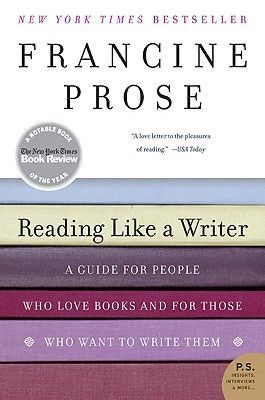 Reading Like a Writer: A Guide for People Who Love Books and for Those Who Want to Write Them
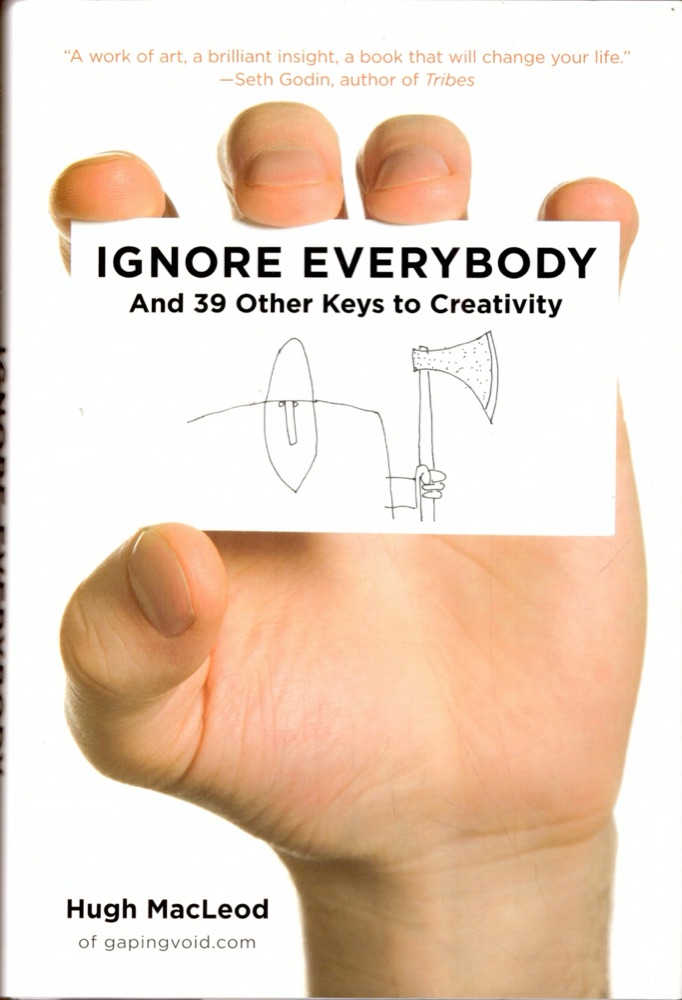 Ignore Everybody: and 39 Other Keys to Creativity
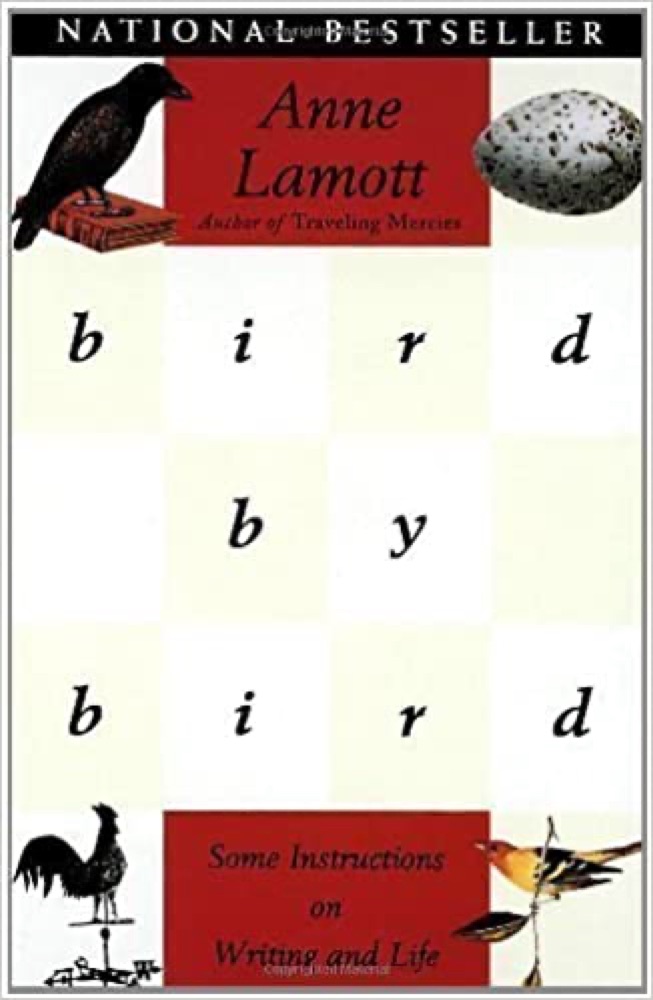 Bird by Bird
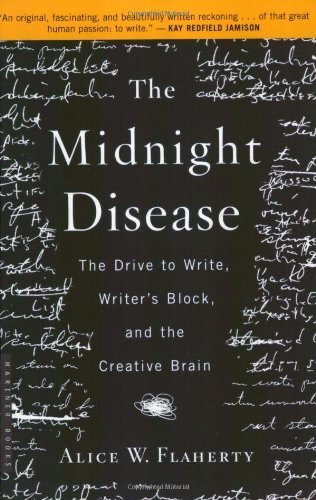 The Midnight Disease: The Drive to Write, Writer's Block, and the Creative Brain
 On Becoming a Novelist
 The Last Bookaneer
 Show Your Work!: 10 Ways to Share Your Creativity and Get Discovered
 If You Want to Write: A Book about Art, Independence and Spirit
 Becoming a Writer
 Writing Down the Bones: Freeing the Writer Within
The Art of the Start: The Time-Tested, Battle-Hardened Guide for Anyone Starting Anything
Writing Down the Bones: Freeing the Writer Within
The Art of the Start: The Time-Tested, Battle-Hardened Guide for Anyone Starting Anything
 Story Engineering: Character Development, Story Concept, Scene Construction
 Everyone on This Train Is a Suspect
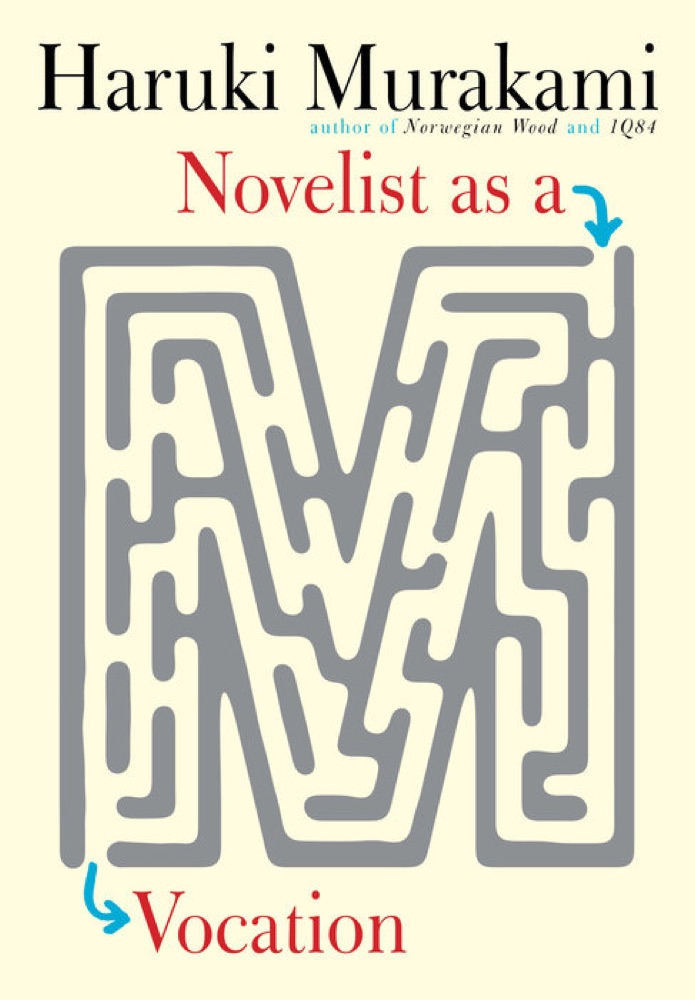 Novelist as a Vocation
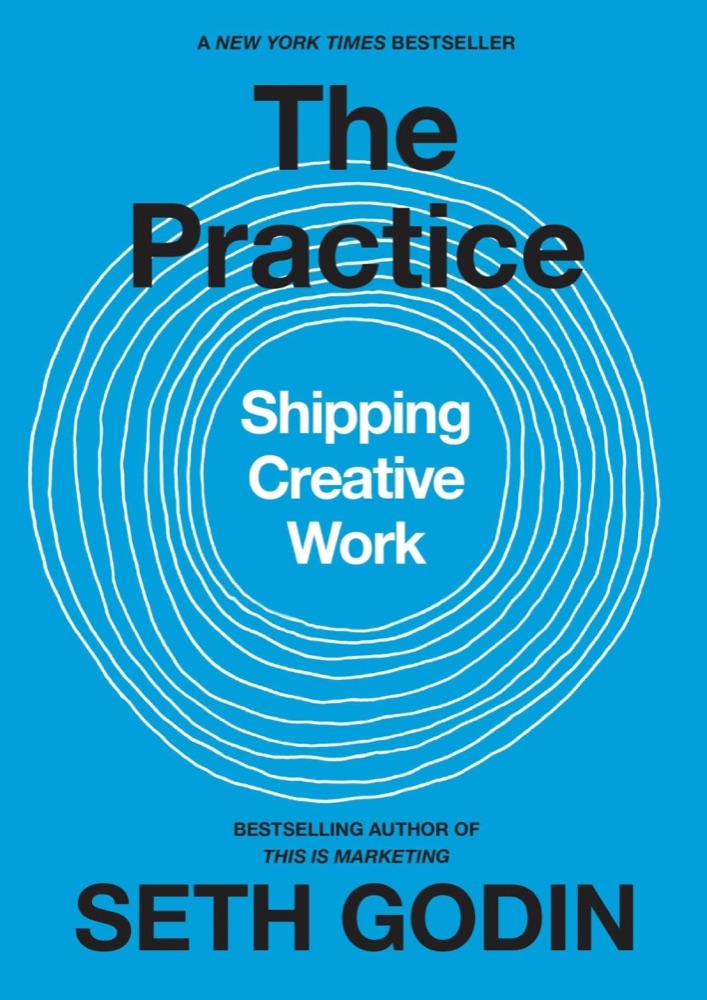 The Practice: Shipping Creative Work
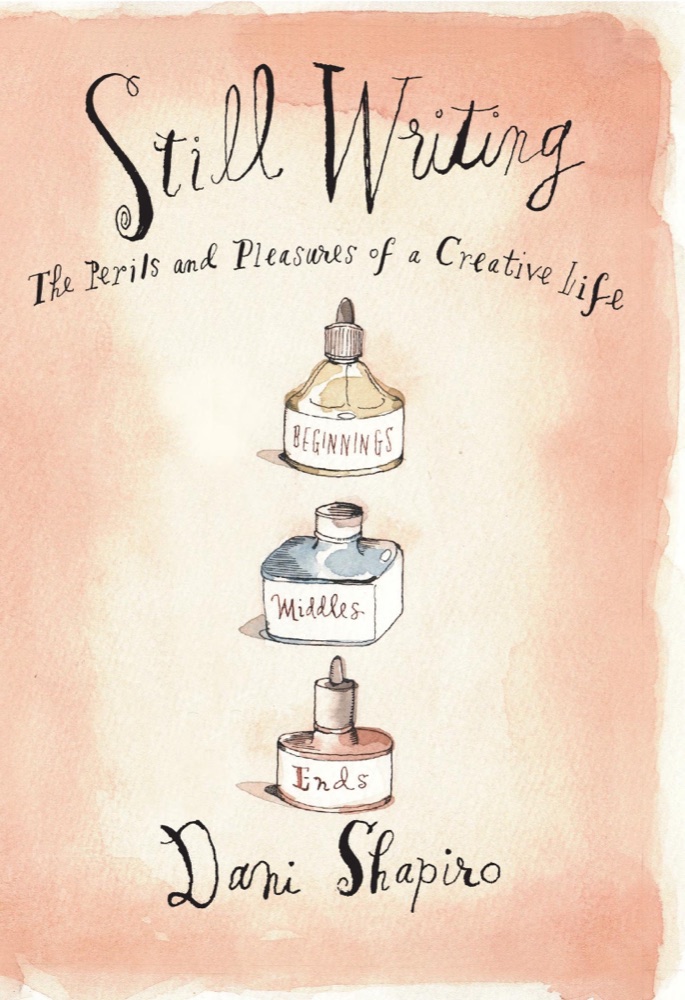 Still Writing: The Perils and Pleasures of a Creative Life
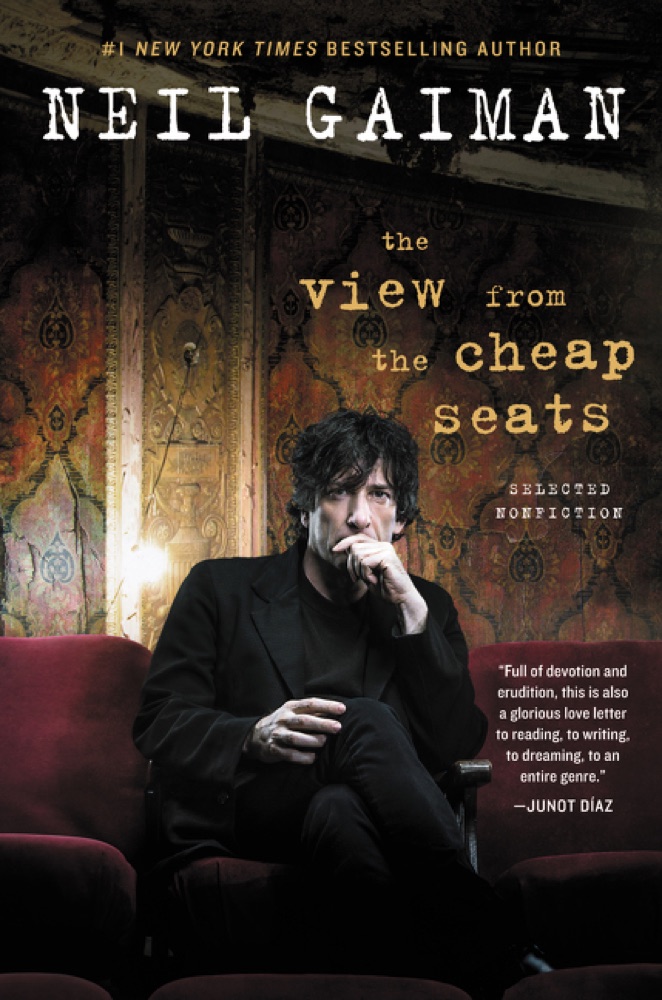 The View from the Cheap Seats: Selected Nonfiction
 What the Dog Saw and Other Adventures
 The Sense of Style: The Thinking Person's Guide to Writing in the 21st Century
 Zen in the Art of Writing
 The Storied Life of A.J. Fikry
 Flaubert's Parrot
 The Right to Write: An Invitation and Initiation Into the Writing Life
 The Art of Fiction: Notes on Craft for Young Writers
 How Not to Write a Novel: 200 Classic Mistakes and How to Avoid Them—A Misstep-by-Misstep Guide
 Poison for Breakfast
 The Rabbit Back Literature Society
 The Name of This Book Is Secret
 The Creative Habit: Learn It and Use It for Life
 The War of Art
 The City of Dreaming Books
 Getting There: A Book of Mentors
 The Secret, Book & Scone Society
 Start Something That Matters
 Creativity: Flow and the Psychology of Discovery and Invention
 The Year of Reading Dangerously
 Talk Like TED: The 9 Public-Speaking Secrets of the World's Top Minds
 Reality Hunger: A Manifesto
 Finders Keepers
 Things a Little Bird Told Me: Confessions of the Creative Mind
 Make Good Art
 Parnassus on Wheels
 On Writing
 Death in the Afternoon
 How to Write an Autobiographical Novel
 If This Isn't Nice, What Is?: Advice for the Young
 Body Work: The Radical Power of Personal Narrative
 Chaos Monkeys: Obscene Fortune and Random Failure in Silicon Valley
 Rework
 Writing Tools: 50 Essential Strategies for Every Writer