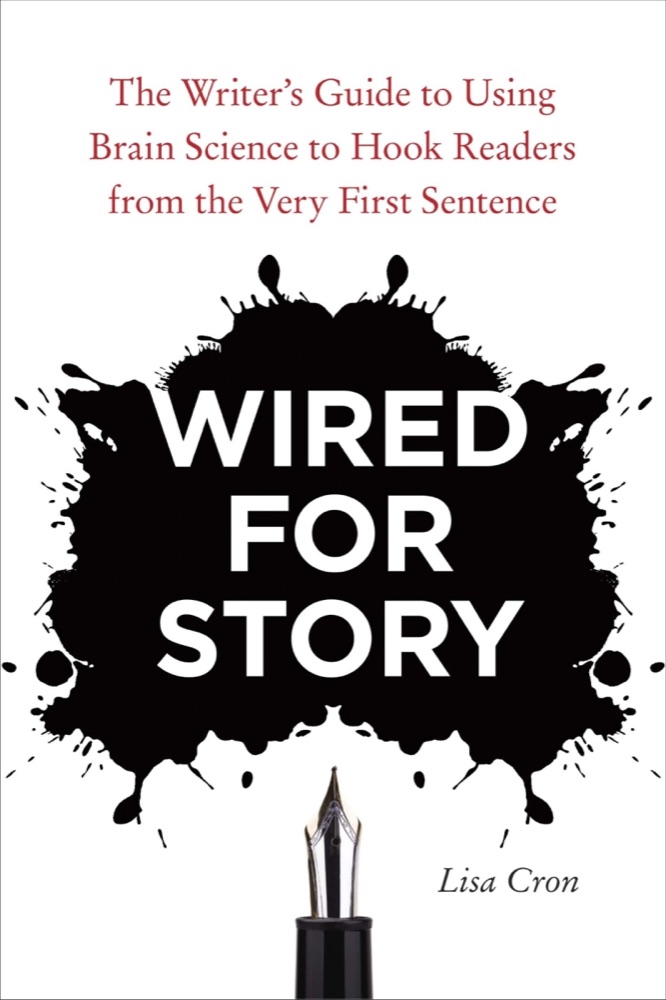
 Wired for Story: The Writer's Guide to Using Brain Science to Hook Readers from the Very First Sentence
Quotes from the Book
We don't turn to story to escape reality. We turn to story to navigate reality.
15
Outlining the plot before you develop your protagonist traps you on the surface of your novel—that is, in the external events that happen.
5
Because the story, as I’m very fond of saying, is in the specifics.
2
The story you’re telling doesn’t start on page one. It started long before you got there.
2
In a nutshell: A story is about how the things that happen affect someone in pursuit of a difficult goal, and how that person changes internally as a result.
2
As the great Southern writer Flannery O’Connor once noted, “Most people know what a story is until they sit down to write one.
2
In fact, often the opposite is true, because we’re much better at teaching something that we’ve learned through experience than we are at teaching things we innately know. When we innately know how to do something, we assume it’s part of the standard operating package we’re all born with.
2
But the simple fact remains that without the first half of the story, there can be no second half. The first half establishes where the problem came from and who the protagonist is to begin with, so that the plot you then create can force her to struggle with that problem and, in the process, change.
1
According to Jonathan Gottschall, author of The Storytelling Animal, functional MRI (fMRI) studies reveal that when we’re reading a story, our brain activity isn’t that of an observer, but of a participant.
1
Midway in our life’s journey, I went astray from the straight road and woke up to find myself alone in a dark wood.
1
Anything that doesn’t impact the protagonist’s internal struggle, regardless of how beautifully written or “objectively” dramatic it is, will stop the story cold, breaking the spell that captivated readers, and unceremoniously catapulting them back into their own lives.
1
We see the world through what feels true to us, and that dictates both what we notice and the meaning we read into it.
We’re all people who need people. Which means that in order to have a shot at prospering, we need to understand other people.
One question to ask yourself as you work this out is, Given her misbelief, what does she think the very worst thing that could happen would be? Try to picture it. Spend time exploring it, and don’t worry whether you’re “writing well.
The difficulty of literature is not to write, but to write what you mean. —ROBERT LOUIS STEVENSON
Novelists are revered (and at times feared) because they have been able to go deeper than scientists, shedding light on the inner reaches of someone else’s mind, giving us insight into what makes people tick.
Clearly these are smart people who’ve seen a movie before. Why on earth would they think that they have to protect themselves from what’s happening on the screen? The answer is, they’re not thinking at all. They’re experiencing it as if it were happening to them. For as Gottschall goes on to point out, “Their brains are instructing their bodies to do all the things they’d do if they were actually under mortal attack.
Indeed, feelings don’t just matter, they are what mattering means.
Stories let us vicariously try out difficult situations we haven’t yet experienced to see what it would really feel like, and what we’d need to learn in order to survive.
Story was the world’s first virtual reality.
an effective story is, literally, an offer your brain can’t refuse. You didn’t decide to keep reading—it was a biological reaction. Nature made you do it.
There have been great societies that did not use the wheel, but there have been no societies that did not tell stories. —URSULA K. LEGUIN
you have to know everything there is to know about the protagonist’s specific internal problem before you create the plot,
the protagonist’s impossible goal: to achieve her desire and remain true to the fear that’s keeping her from it.
We think in story. The brain evolved to use story as its go-to “decoder ring” for reality, and so we’re really expert at probing stories for specific meaning and specific info—and I mean all of us, beginning at birth.
Watch on YouTube
About Lisa Cron
We have collected 54 quotes from 2 books by Lisa Cron on BookQuoters.
More about the author →More by Lisa Cron
Wired for Story: The Writer's Guide to Using Brain Science to Hook Readers from the Very First Sentence
About the book
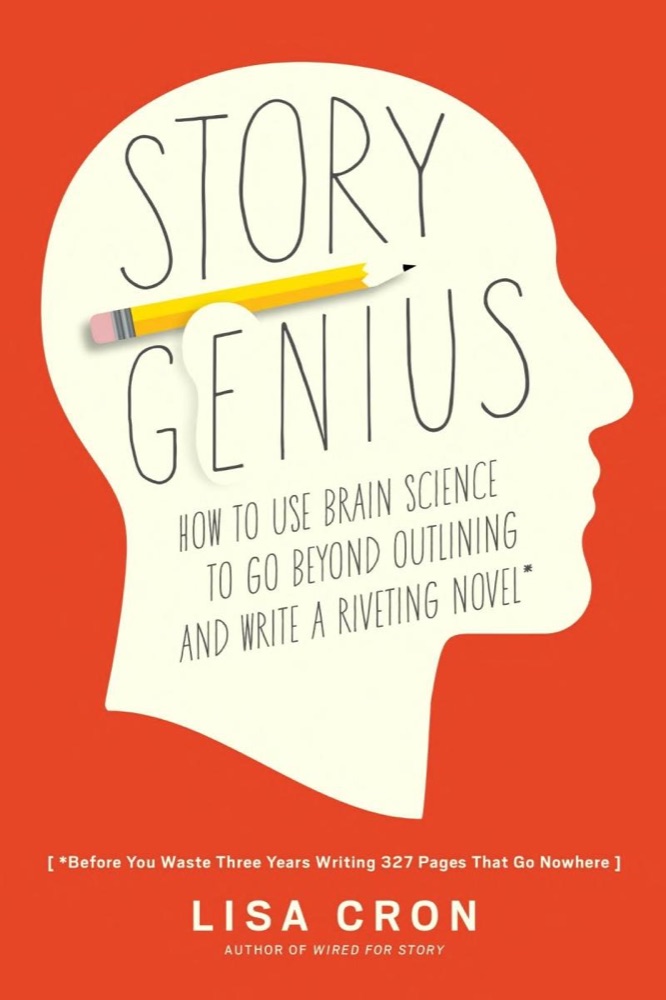
Following on the heels of Lisa Cron's breakout first book, Wired for Story , this writing guide reveals how to use cognitive storytelling strategies to build a scene-by-scene blueprint for a riveting story .It’s every novelist’s greatest pouring their blood, sweat, and tears into writing hundreds of pages only to realize that their story has no sense of urgency, no internal logic, and so is a page one rewrite. The prevailing wisdom in the writing community is that there are just two ways around this pantsing (winging it) and plotting (focusing on the external plot). Story coach Lisa Cron has spent her career discovering why these methods don’t work and coming up with a powerful alternative, based on the science behind what our brains are wired to crave in every story we read (and it’s not what you think). In Story Genius Cron takes you, step-by-step, through the creation of a novel from
Book details
- First published
- 2016
- Author
- Lisa Cron
- Genre
- Nonfiction
- Goodreads rating
- 4.19 (7k ratings)
Keep reading
Wired for Story: The Writer's Guide to Using Brain Science to Hook Readers from the Very First Sentence
 The Science of Storytelling
 Story: Substance, Structure, Style, and the Principles of Screenwriting
 Wonderbook: The Illustrated Guide to Creating Imaginative Fiction
 Stein on Writing
 Story Engineering: Character Development, Story Concept, Scene Construction
 A Million Miles in a Thousand Years: What I Learned While Editing My Life
 The Anatomy of Story: 22 Steps to Becoming a Master Storyteller
 Consider This: Moments in My Writing Life After Which Everything Was Different
 The Art of Fiction: Notes on Craft for Young Writers
 Storyworthy: Engage, Teach, Persuade, and Change Your Life through the Power of Storytelling
 How to Read Literature Like a Professor
 How to Write an Autobiographical Novel
 Dæmon Voices
 The Unlikely Escape of Uriah Heep
 Aspects of the Novel
 The Getaway Car: A Practical Memoir About Writing and Life
 On Becoming a Novelist
 Mystery and Manners: Occasional Prose
 Screenplay: The Foundations of Screenwriting
 The Library of the Unwritten
 The View from the Cheap Seats: Selected Nonfiction
 On Writing: A Memoir of the Craft
 Into the Woods: A Five Act Journey Into Story
 The Emotional Craft of Fiction: How to Write the Story Beneath the Surface
 Stories: All-New Tales
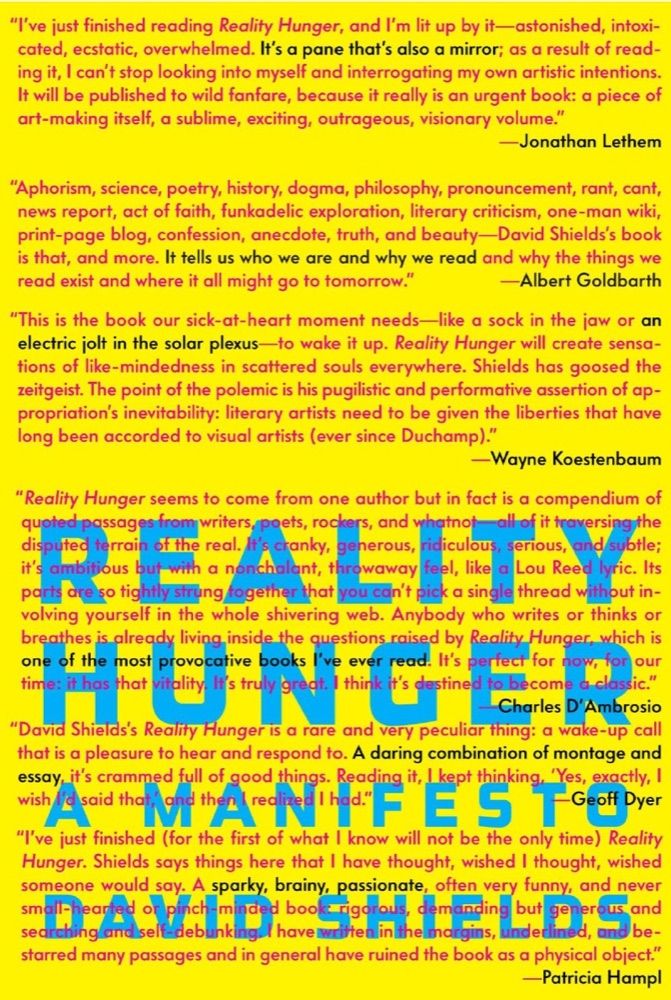 Reality Hunger: A Manifesto
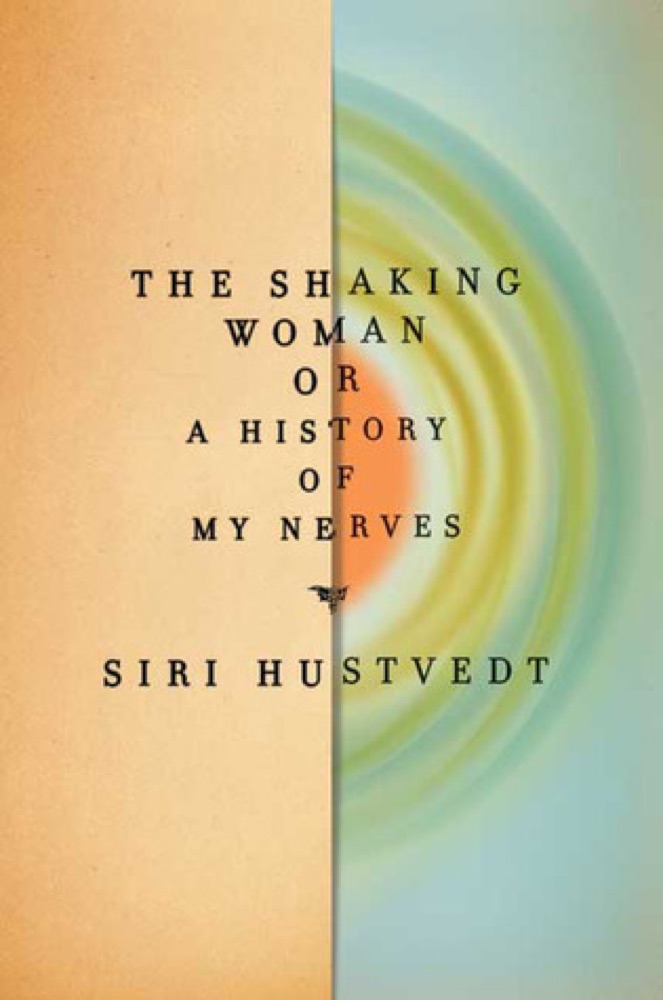 The Shaking Woman, or A History of My Nerves
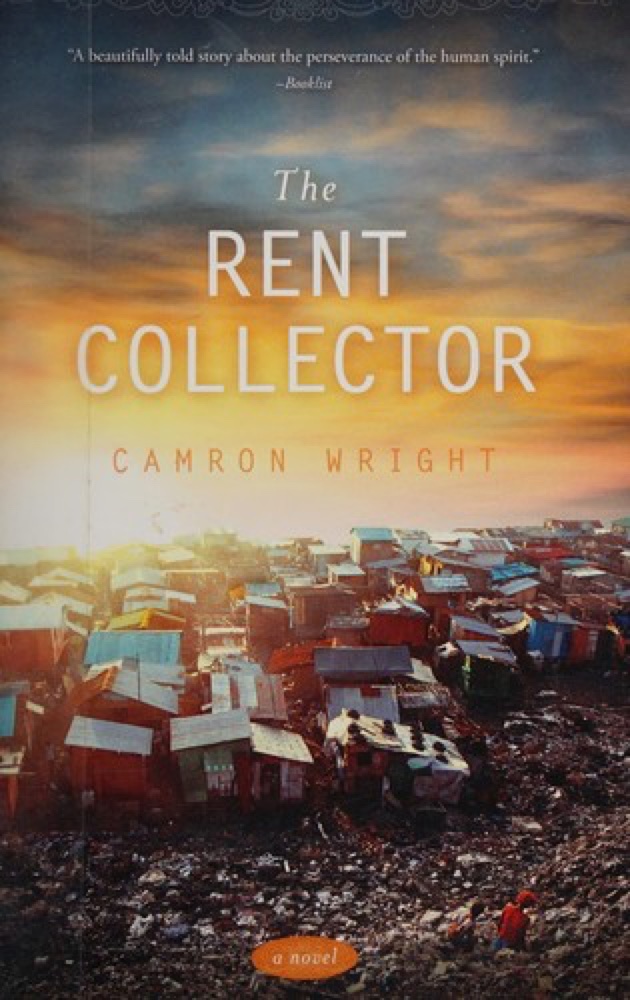 The Rent Collector
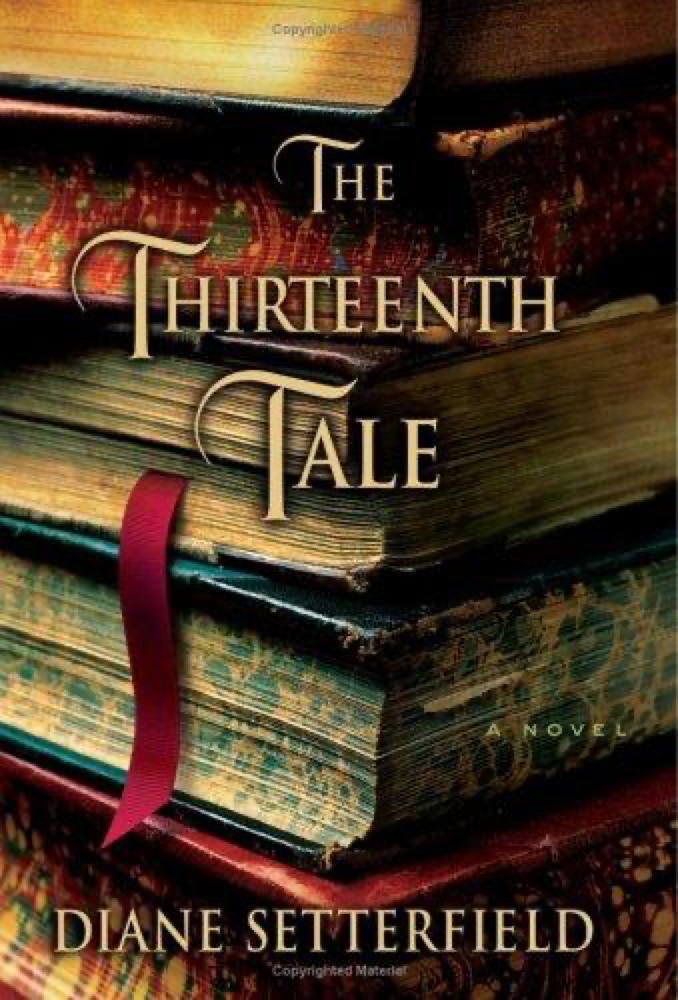 The Thirteenth Tale
 The Madwoman Upstairs
 Novelist as a Vocation
 What the Dog Saw and Other Adventures
 Made to Stick: Why Some Ideas Survive and Others Die
 The Language of the Night: Essays on Writing, Science Fiction, and Fantasy
 The Hero's Journey: Joseph Campbell on His Life & Work
 Negotiating with the Dead: A Writer on Writing
 And Then I Woke Up
 The Faraway Nearby
 A Fisherman of the Inland Sea
 Everyone on This Train Is a Suspect
 The Writer's Journey: Mythic Structure for Writers
 The Archive of Alternate Endings
 Becoming a Writer
 The Sense of Style: The Thinking Person's Guide to Writing in the 21st Century
 The Truth About Stories: A Native Narrative
 The Book of Dreams
 Once Upon a Wardrobe
 How to Read Literature
 Bird by Bird
 The Secret Book of Flora Lea
 Afterworlds
 The Nobodies Album
 Off the Page
 The Archive of the Forgotten
 The Summer Without Men
 Start Something That Matters
 The Braindead Megaphone
 Tress of the Emerald Sea