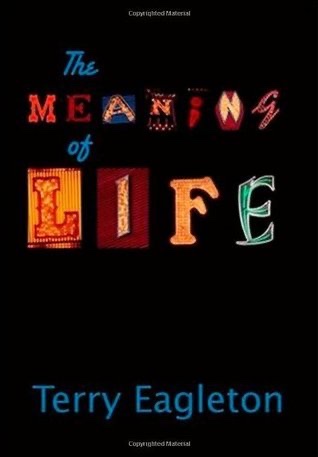
 The Meaning of Life
Quotes from the Book
If we are inspired only by literature that reflects our own interests, all reading becomes a form of narcissism.
34
The most common mistake students of literature make is to go straight for what the poem or novel says, setting aside the way that it says it. To read like this is to set aside the ‘literariness’ of the work – the fact that it is a poem or play or novel, rather than an account of the incidence of soil erosion in Nebraska.
14
We like to think of individuals as unique. Yet if this is true of everyone, then we all share the same quality, namely our uniqueness. What we have in common is the fact that we are all uncommon. Everybody is special, which means that nobody is. The truth, however, is that human beings are uncommon only up to a point. There are no qualities that are peculiar to one person alone. Regrettably, there could not be a world in which only one individual was irascible, vindictive or lethally aggressive. This is because human beings are not fundamentally all that different from each other, a truth postmodernists are reluctant to concede. We share an enormous amount in common simply by virtue of being human, and this is revealed by the vocabularies we have for discussing human character. We even share the social processes by which we come to individuate ourselves.
12
We live in a world in which there is nothing that cannot be narrated, but nothing that needs to be either.
11
Scratch a schoolboy and you find a savage.
10
It is always reassuring to discover that great writers are as fallible as oneself. W.B. Yeats once failed to obtain an academic post in Dublin because he misspelt the word ‘professor’ on his application.
8
Enjoyment is more subjective than evaluation. Whether you prefer peaches to pears is a question of taste, which is not quite true of whether you think Dostoevsky a more accomplished novelist than John Grisham. Dostoevsky is better than Grisham in the sense that Tiger Woods is a better golfer than Lady Gaga.
7
The theatre can teach us some truth, but it is the truth of the illusory nature of our existence. It can alert us to the dream-like quality of our lives, their brevity, mutability and lack of solid grounds. As such, by reminding us of our mortality, it can foster in us the virtue of humility.
6
That one can understand The Waste Land without even trying is consoling news for all students of literature.
6
It is said that an eighteenth-century bishop who read Jonathan Swift’s novel Gulliver’s Travels threw the book into the fire, indignantly declaring that he didn’t believe a word of it. He obviously thought that the story was meant to be true, but suspected that it was invented. Which, of course, is just what it is. The bishop was dismissing the fiction because he thought it was fiction.
5
The artistic is thus very close to the ethical. If only we could grasp the world from someone else’s standpoint, we would have a fuller sense of how and why they act as they do. We would thus be less inclined to reproach them from some loftily external point of view. To understand is to forgive.
4
The fascinating is only a step away from the freakish.
4
To be outside any situation whatsoever is known as being dead.
3
Literary works are pieces of rhetoric as well as reports. They demand a peculiarly vigilant kind of reading, one which is alert to tone, mood, pace, genre, syntax, grammar, texture, rhythm, narrative structure, punctuation, ambiguity – in fact to everything that comes under the heading of ‘form’.
3
Poetry is concerned not just with the meaning of experience, but with the experience of meaning.
2
We do not know whether Melville's work is of universal interest because we have not reached the end of history yet, despite the best efforts of some of our political leaders.
2
I hope to show in the process that critical analysis can be fun, and in doing so help to demolish the myth that analysis is the enemy of enjoyment.
2
Literary works quite often ‘know’ things that the reader does not know, or does not know yet, or perhaps will never know.
2
Interestingly, this speech by Prospero does not contrast the unreality of the stage with the solid, flesh-and-blood existence of real men and women. On the contrary, it seizes on the flimsiness of dramatic characters as a metaphor for the fleeting, fantasy-ridden quality of actual human lives. It is we who are made of dreams, not just such figments of Shakespeare’s imagination as Ariel and Caliban. The cloud-capped towers and gorgeous palaces of this earth are mere stage scenery after all.
2
Literary figures have no pre-history. It is said that a theatre director who was staging one of Harold Pinter's plays asked the playwright for some hints as to what his characters were up to before they came on stage. Pinter's reply was ‘Mind your own fucking business.
1
the artist can never quite get on terms with God, who as far as creation goes has got there first and pulled off a product hard to beat.
1
Morality has precious little to do with feeling in any case. The fact that you feel a surge of nausea at the sight of someone with half their head shot away is neither here nor there as long as you try to help them.
1
When the Dublin-born Beckett was asked by a Parisian journalist whether he was English, he replied, ‘On the contrary.
1
Middle paths in tragedy are in notably short supply.
1
But if we are not given his real name, then he does not have one.
1
Characters may lend the action a certain colouring, but it is what happens that comes first. To overlook this while watching a tragedy would be like treating a football game simply as the acts of a set of solitary individuals, or as chance for each of them to display 'personality'. The fact that some players behave as though this is precisely what football games are about should not distract us from this point.
1
Watch on YouTube
About Terry Eagleton
We have collected 89 quotes from 4 books by Terry Eagleton on BookQuoters.
More about the author →More by Terry Eagleton
About the book
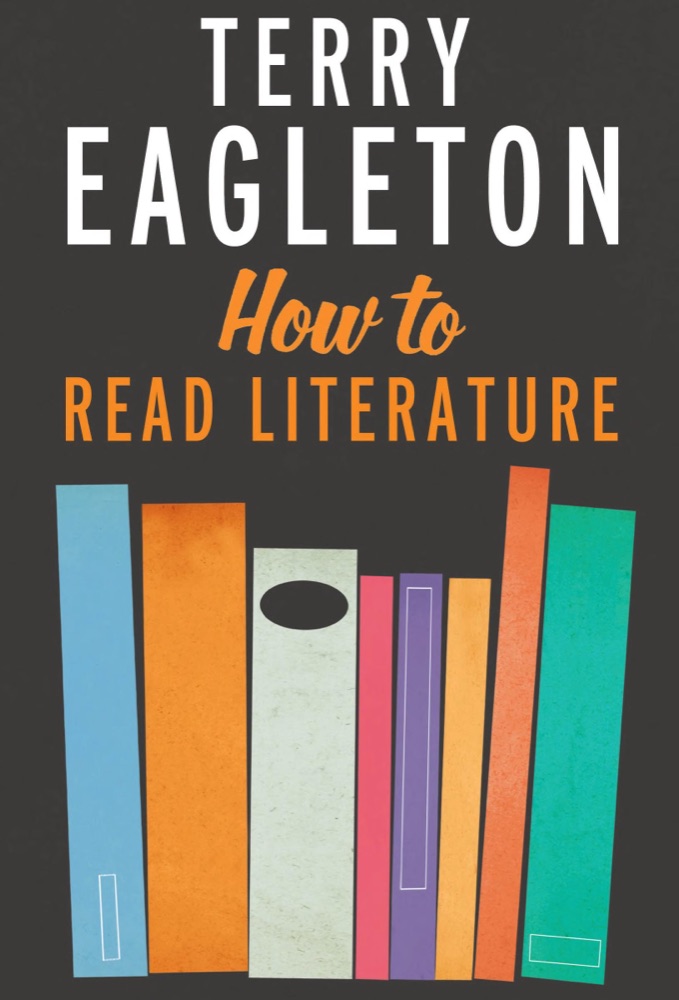
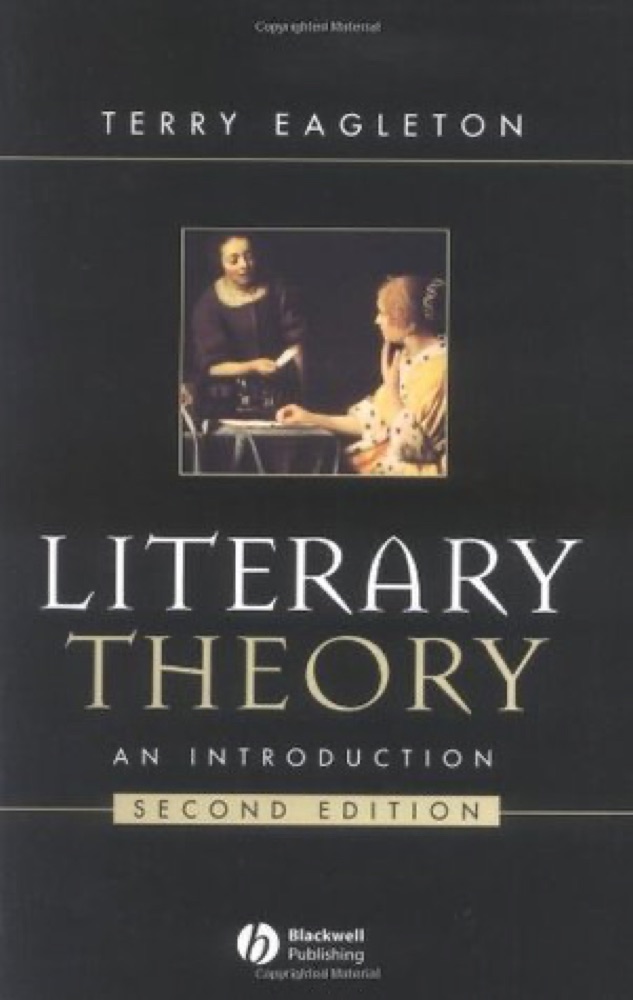
What makes a work of literature good or bad? How freely can the reader interpret it? Could a nursery rhyme like Baa Baa Black Sheep be full of concealed loathing, resentment and aggression? In this accessible, delightfully entertaining book, Terry Eagleton addresses these intriguing questions and a host of others. How to Read Literature is the book of choice for students new to the study of literature and for all other readers interested in deepening their understanding and enriching their reading experience. In a series of brilliant analyses, Eagleton shows how to read with due attention to tone, rhythm, texture, syntax, allusion, ambiguity, and other formal aspects of literary works. He also examines broader questions of character, plot, narrative, the creative imagination, the meaning of fictionality, and the tension between what works of literature say and what they show. Unfailingly
Book details
- First published
- 2013
- Author
- Terry Eagleton
- Genre
- Nonfiction
- Goodreads rating
- 3.70 (3k ratings)
Keep reading
 How to Read Literature Like a Professor
 Aspects of the Novel
 Dæmon Voices
 Mystery and Manners: Occasional Prose
 Lectures on Literature
 The Wave in the Mind: Talks and Essays on the Writer, the Reader and the Imagination
 Flaubert's Parrot
 The Language of the Night: Essays on Writing, Science Fiction, and Fantasy
 An Experiment in Criticism
 The View from the Cheap Seats: Selected Nonfiction
 Only Dull People Are Brilliant at Breakfast
 How to Read a Book: The Classic Guide to Intelligent Reading
 Selected Non-Fictions
 The Common Reader
 Negotiating with the Dead: A Writer on Writing
 Illuminations: Essays and Reflections
 Death in the Afternoon
 How Proust Can Change Your Life
 The Unlikely Escape of Uriah Heep
 Cultural Amnesia: Necessary Memories from History and the Arts
 The Summer Without Men
 Experience
 The Triggering Town: Lectures and Essays on Poetry and Writing
 How Fiction Works
 Reading Lolita in Tehran: A Memoir in Books
 The Art of the Novel
 The Art of Fiction: Notes on Craft for Young Writers
 Gnomon
 The Year of Reading Dangerously
 Both Flesh and Not: Essays
 Nothing to Be Frightened Of
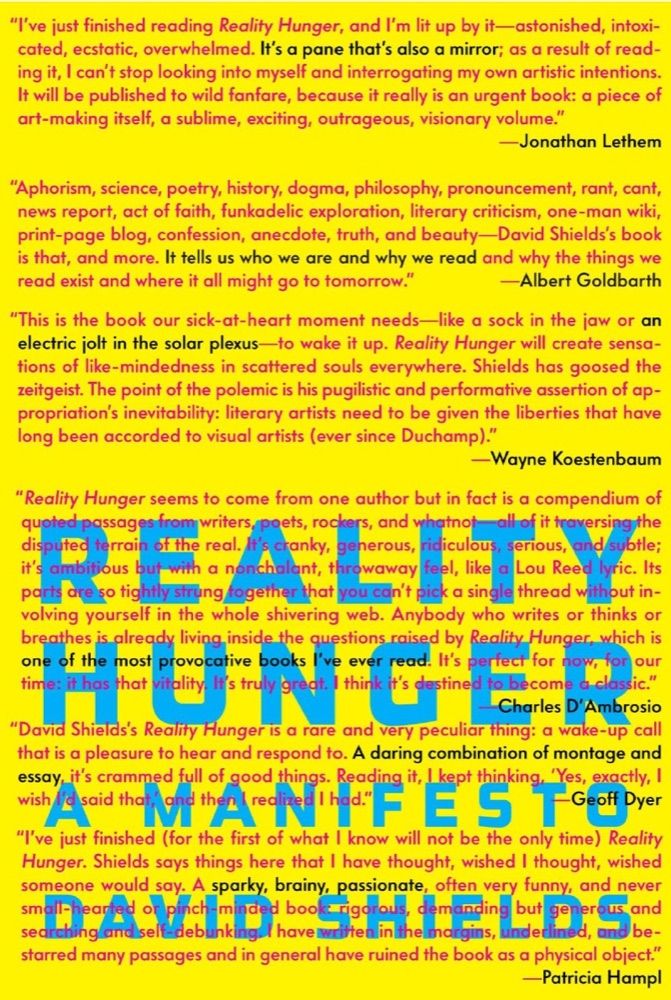 Reality Hunger: A Manifesto
 Poetics
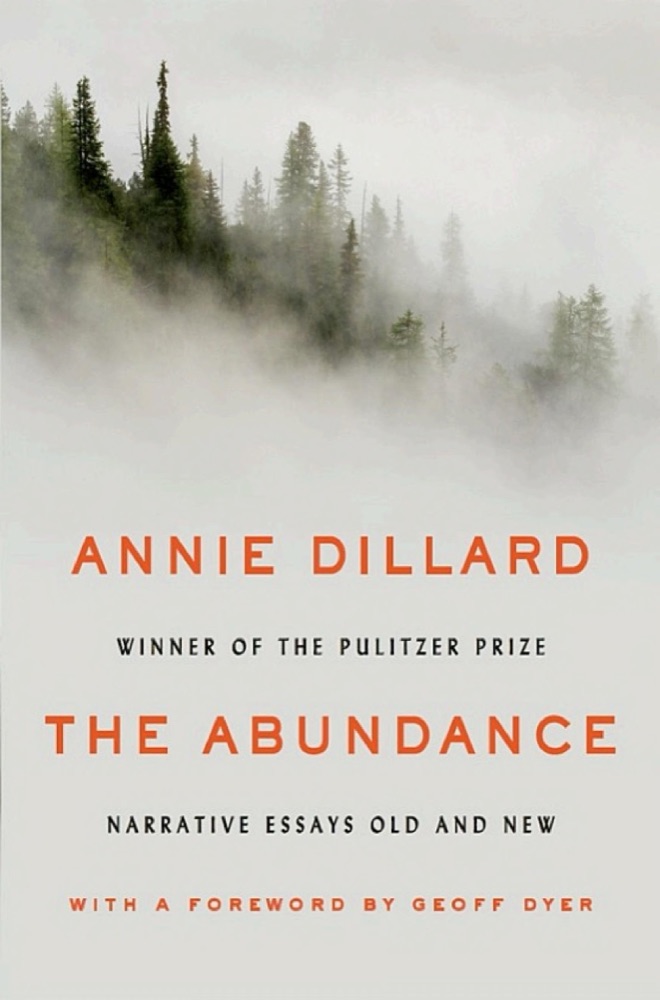 The Abundance
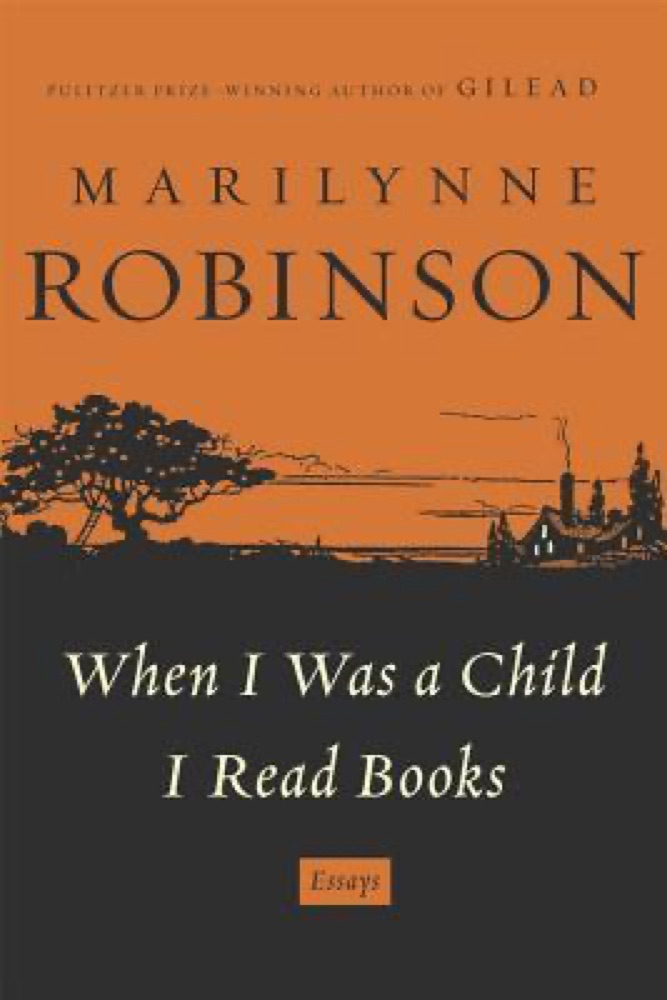 When I Was a Child I Read Books
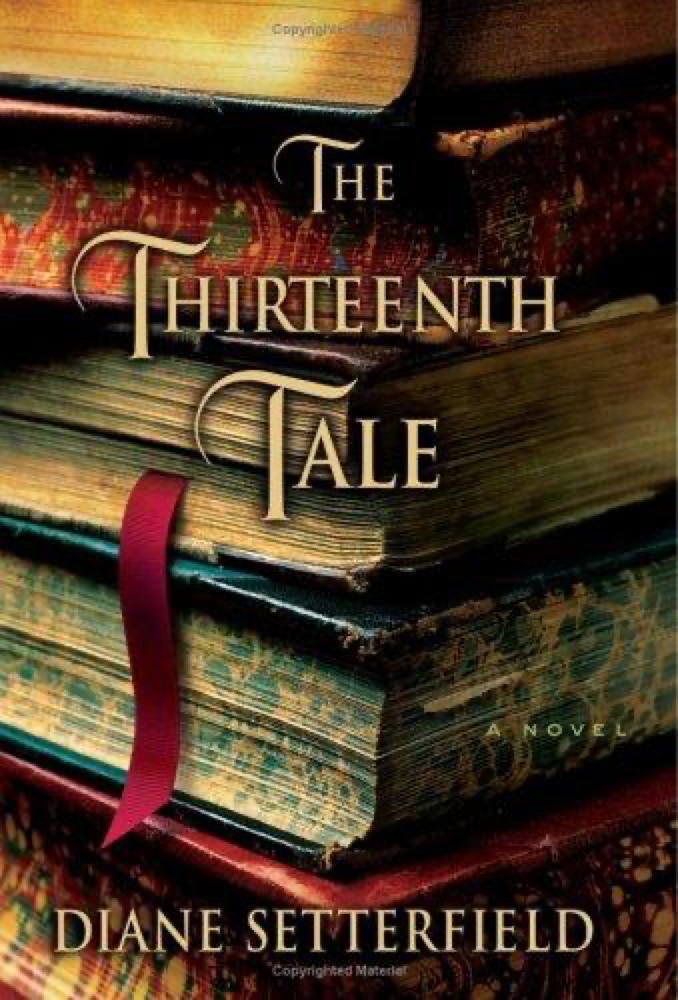 The Thirteenth Tale
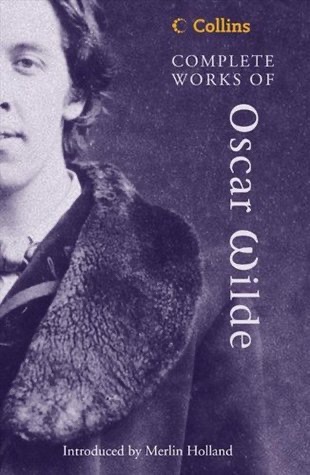 Complete Works of Oscar Wilde
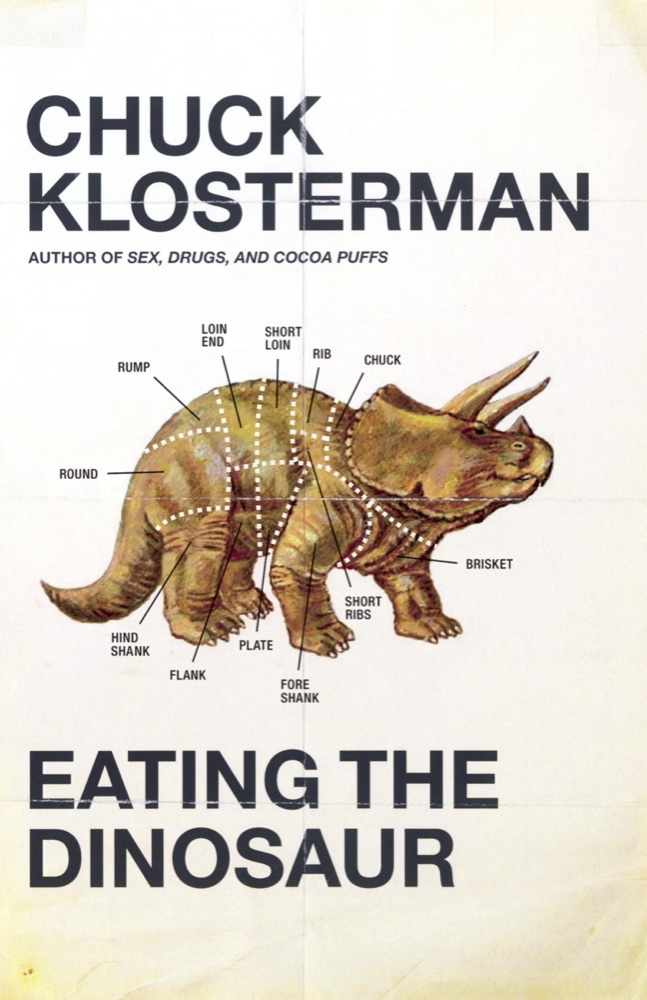 Eating the Dinosaur
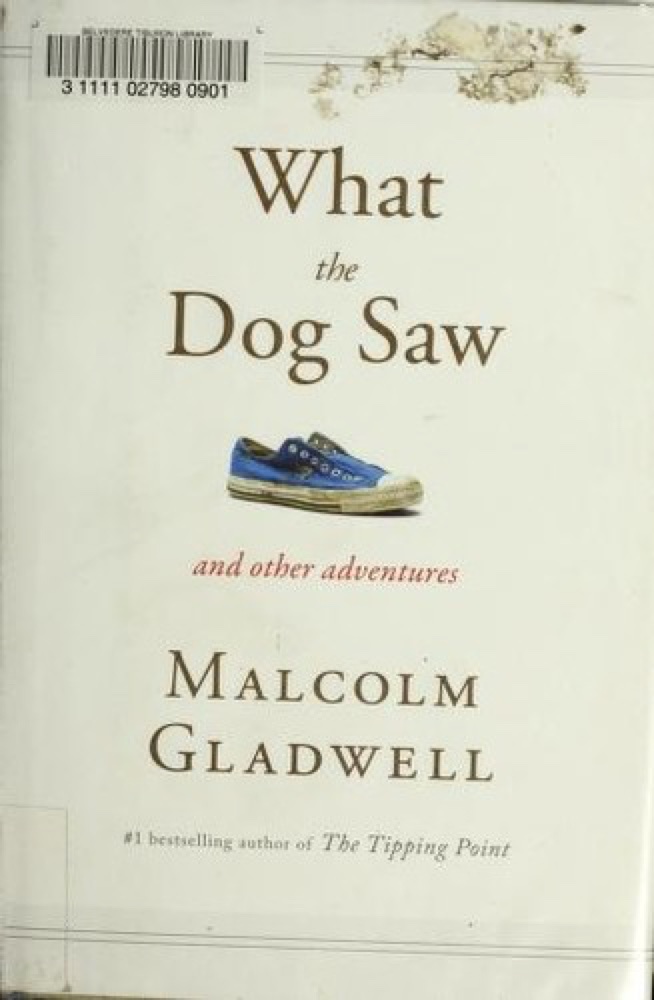 What the Dog Saw and Other Adventures
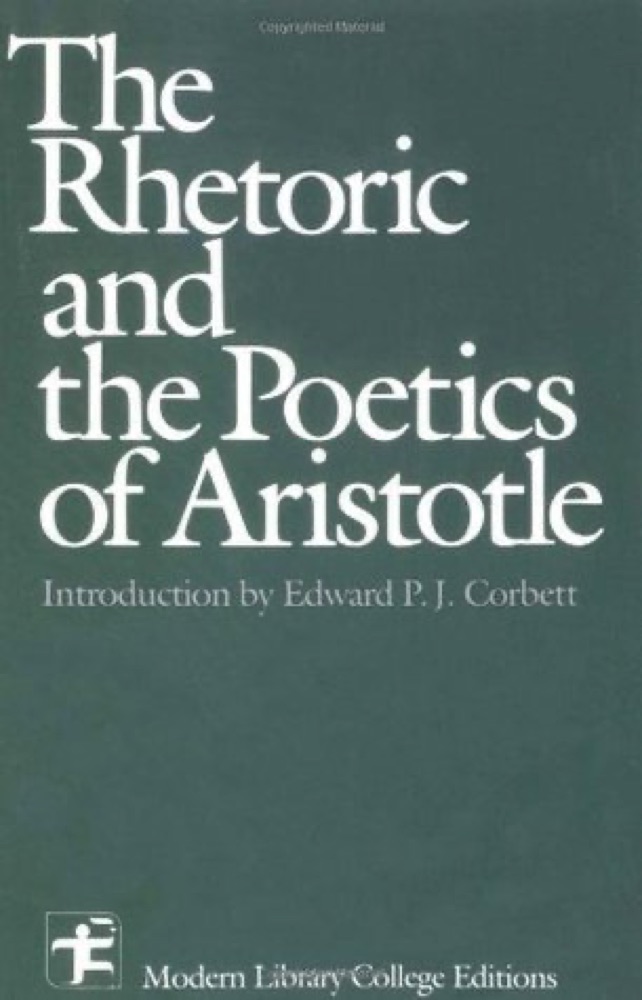 The Rhetoric & The Poetics of Aristotle
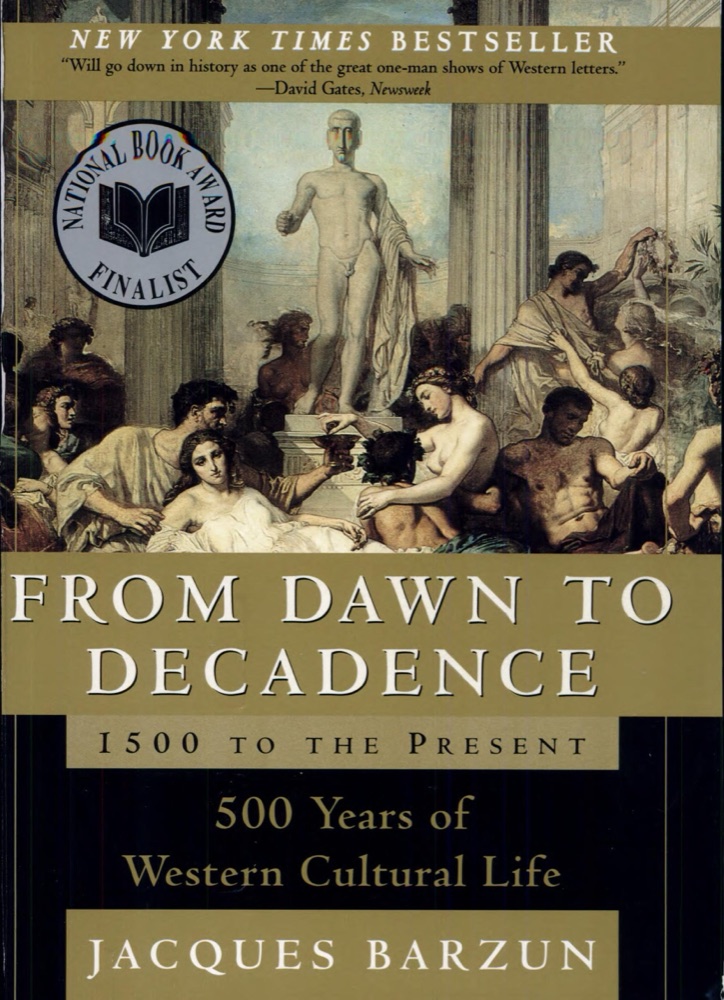 From Dawn to Decadence: 500 Years of Western Cultural Life, 1500 to the Present
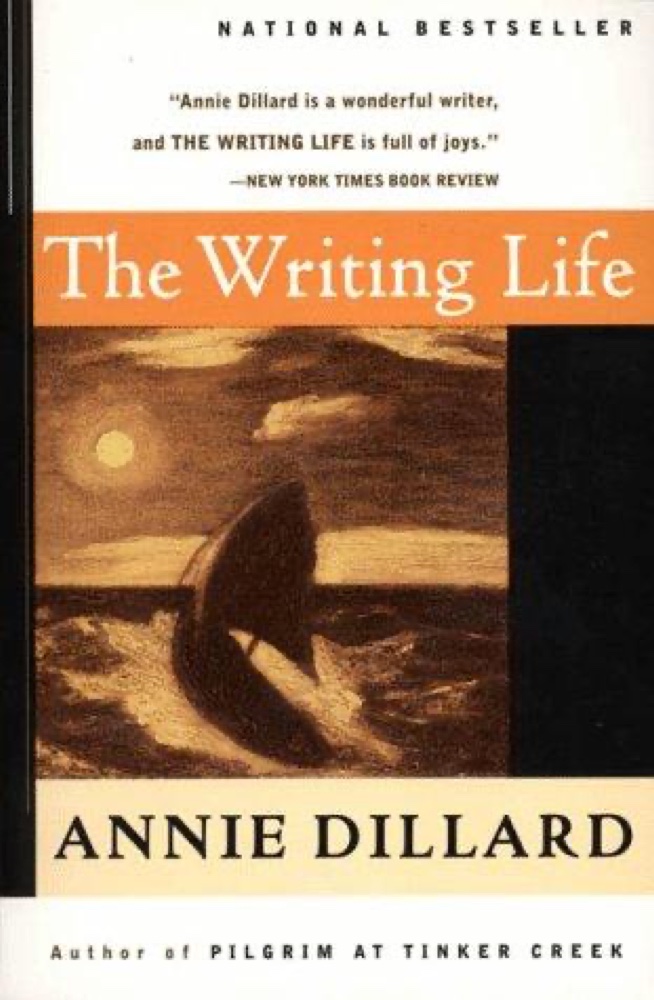 The Writing Life
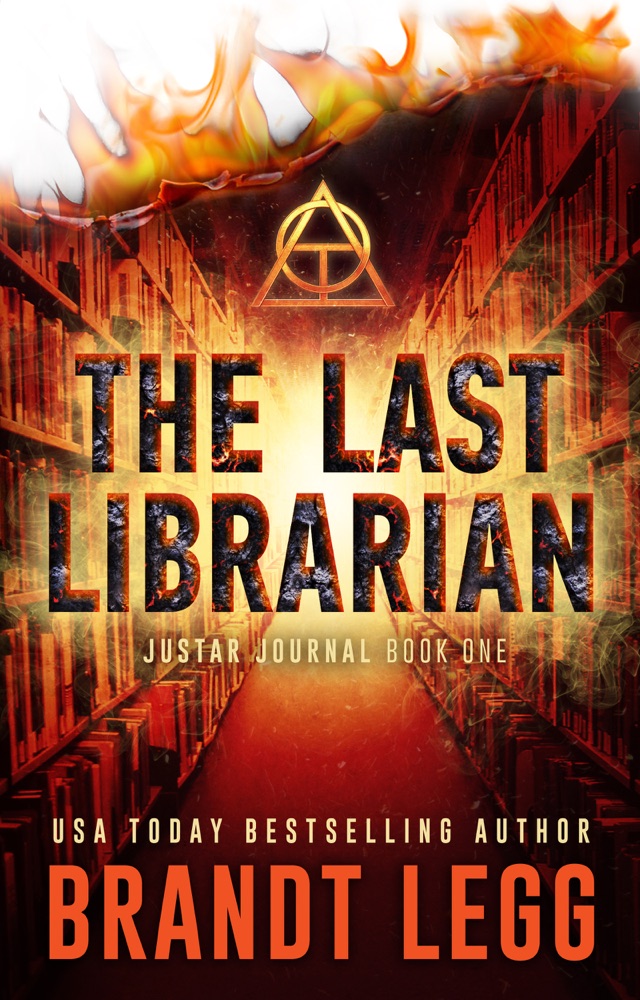 The Last Librarian
 Stein on Writing
 How Should One Read a Book?
 How to Live: A Life of Montaigne in One Question and Twenty Attempts at an Answer
 Basic Writings of Nietzsche
 Dear Mr. M
 Poison for Breakfast
 How to Read Now
 The Last Bookaneer
 Elizabeth Costello
 The Fall of Babel
 Human, All Too Human
 Finders Keepers
 Burning Questions: Essays and Occasional Pieces, 2004 to 2021
 The Wisdom of Life
 The Book of Air and Shadows
 Death in Venice and Other Tales
 The Magic Mountain