
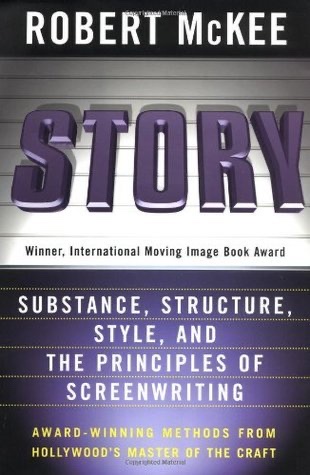
 Story: Substance, Structure, Style, and the Principles of Screenwriting
Quotes from the Book
Instinct is the elusive magic that happens when art collides with hard-won craft.
Because, if you haven’t wrapped your head around this principle, chances are you’ll never sell a story.
THE SEVEN KEY CHARACTERIZATION VARIABLES Think of these as realms, as areas of potential character illumination. Here they are, in no particular order: Surface affectations and personality—What the world sees and perceives about a character, including quirks, ticks, habits, and visual presentation. Backstory—All that happened in the character’s life before the story begins that conspires to make him who he is now. Character arc—How the character learns lessons and grows (changes) over the course of the story, how she evolves and conquers her most confounding issues. Inner demons and conflicts—The nature of the issues that hold a character back and define his outlook, beliefs, decisions, and actions. Fear of meeting new people, for example, is a demon that definitely compromises one’s life experience. Worldview—An adopted belief system and moral compass; the manifested outcome of backstory and inner demons. Goals and motivations—What drives a character’s decisions and actions, and the belief that the benefits of those decisions and actions outweigh any costs or compromises. Decisions, actions, and behaviors—The ultimate decisions and actions that are the sum of all of the above. Everything about your characters depends on this final variable, and the degree to which the character’s decisions, actions, and behaviors have meaning and impact depends on how well you’ve manipulated the first six variables before, during, and after the moment of decision or action.
The bar is high. But now you have a ladder.
As a writer, you are that architect.
We all select our fates based on the paths we choose.
Doing a lot of reading is not the prerequisite to writing.
the president of Goodwill Industries made $800,000 a year.
The Six Core Competencies do not define or offer a formula. Rather, they define structure driven by criteria for the elements that comprise it.
Love your scenes, and they’ll love you in return.
Remember—write this down, it’s critical—nothing fuels a story quite like hope.
What if that child survived, and the lineage continues to this day, meaning the ancestors of Christ are walking among us?
If you're playing God, you need to get it right.
A clever trick does not a concept make.
Here's the truth about organic writing: It's just story planning by another name.
even when we stop typing and leave the house, we remain writers.
Here’s another analogy. Human beings bring only a handful of facial features to the blueprint of how we look—two eyes, two eyebrows, a nose, a mouth, a pair of cheekbones, and two ears, all pasted onto a somewhat ovular-to-round face. That particular blueprint doesn’t often vary much, either. Interestingly enough, this is about the same number of essential storytelling parts and milestones that each and every story needs to showcase in order to be successful. Now, consider this: With only these eleven variables to work with, ask yourself how often you see two people who look exactly alike. In a crowd of ten thousand faces, you would be able to differentiate each and every one of them, other than a set of twins or two in attendance. Where we humans are concerned, the miracle of originality resides in the Creator, who applies an engineering-driven process—eleven variables— to an artistic outcome. Where art is concerned, there is something to be learned from that.
[on scene execution] Interesting isn't the point...storytelling momentum and relevance is.
We get to play God with our stories.
Writing is a two-party democracy. To the left are those who write stories from their heart, or according to the other side of the aisle, from the seat of their pants. On the right are those who write stories from a meticulously constructed outline.
About Larry Brooks
We have collected 20 quotes from 1 book by Larry Brooks on BookQuoters.
More about the author →Book details
- Author
- Larry Brooks
- Genre
- Nonfiction
- Goodreads rating
- 2.00 (1 ratings) →
Keep reading
Story: Substance, Structure, Style, and the Principles of Screenwriting
 On Writing: A Memoir of the Craft
 Wired for Story: The Writer's Guide to Using Brain Science to Hook Readers from the Very First Sentence
 Story Genius: How to Use Brain Science to Go Beyond Outlining and Write a Riveting Novel
 Stein on Writing
 The Art of Fiction: Notes on Craft for Young Writers
 Wonderbook: The Illustrated Guide to Creating Imaginative Fiction
 Consider This: Moments in My Writing Life After Which Everything Was Different
 Into the Woods: A Five Act Journey Into Story
 The Anatomy of Story: 22 Steps to Becoming a Master Storyteller
 The Writer's Journey: Mythic Structure for Writers
 Storyworthy: Engage, Teach, Persuade, and Change Your Life through the Power of Storytelling
 The Getaway Car: A Practical Memoir About Writing and Life
 Screenplay: The Foundations of Screenwriting
 What the Dog Saw and Other Adventures
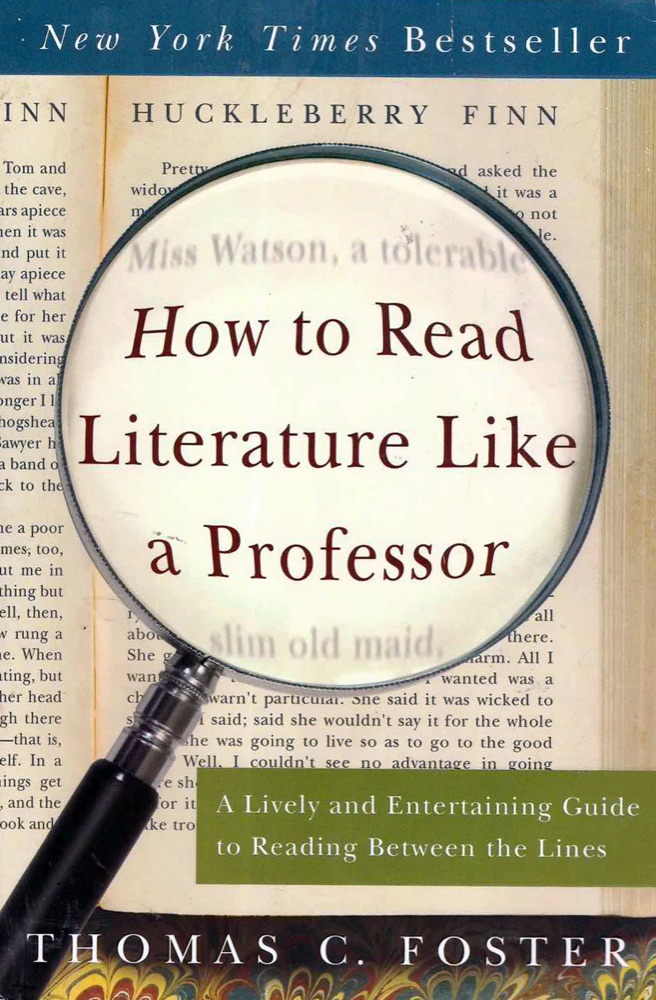 How to Read Literature Like a Professor
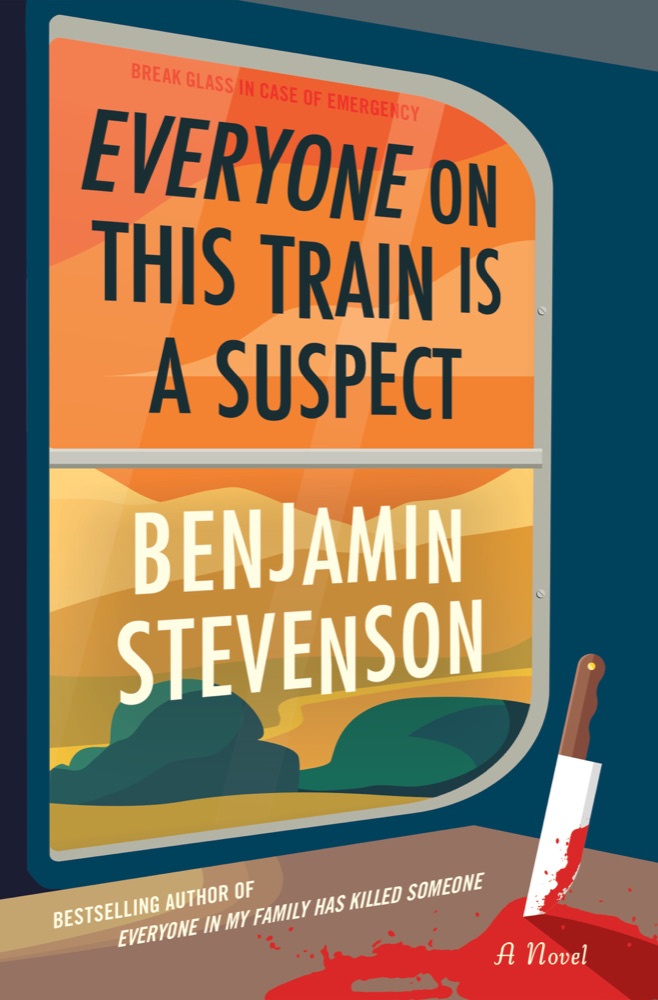 Everyone on This Train Is a Suspect
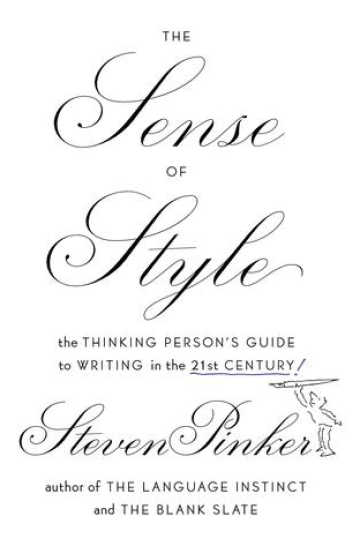 The Sense of Style: The Thinking Person's Guide to Writing in the 21st Century
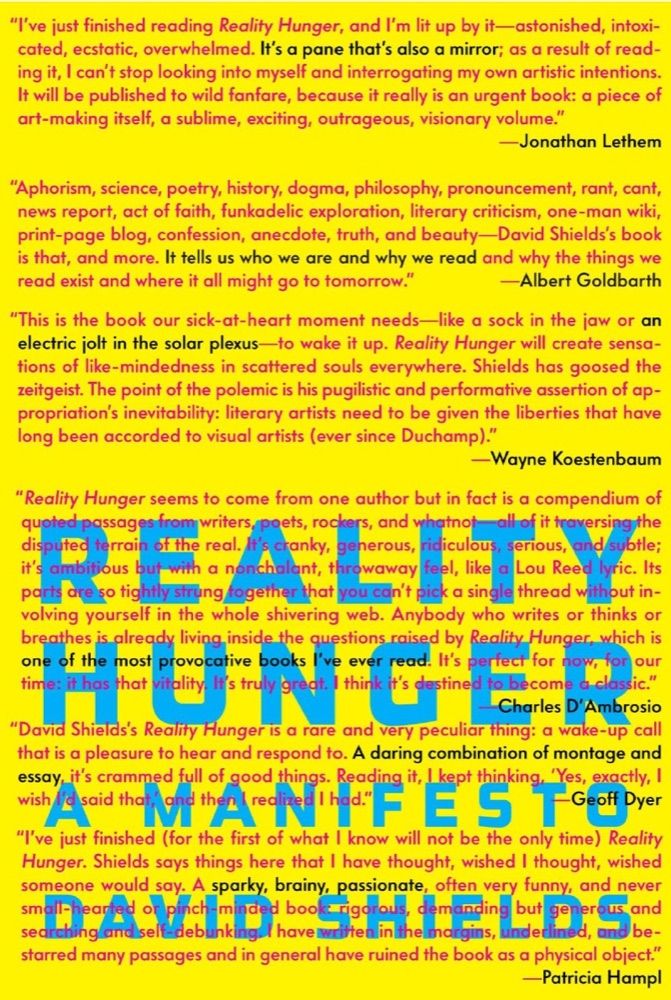 Reality Hunger: A Manifesto
 The Creative Habit: Learn It and Use It for Life
 Made to Stick: Why Some Ideas Survive and Others Die
 On Becoming a Novelist
 How Not to Write a Novel: 200 Classic Mistakes and How to Avoid Them—A Misstep-by-Misstep Guide
 The Writing Class
 No Plot? No Problem!
 The Well of Lost Plots
 A Million Miles in a Thousand Years: What I Learned While Editing My Life
 The Library of the Unwritten
 Dæmon Voices
 Becoming a Writer
 The Science of Storytelling
 Zen in the Art of Writing
 A Slip of the Keyboard: Collected Non-Fiction
 Novelist as a Vocation
 Both Flesh and Not: Essays
 Aspects of the Novel
 Mystery and Manners: Occasional Prose
 APE: Author, Publisher, Entrepreneur. How to Publish a Book
 On Writing Well: The Classic Guide to Writing Nonfiction
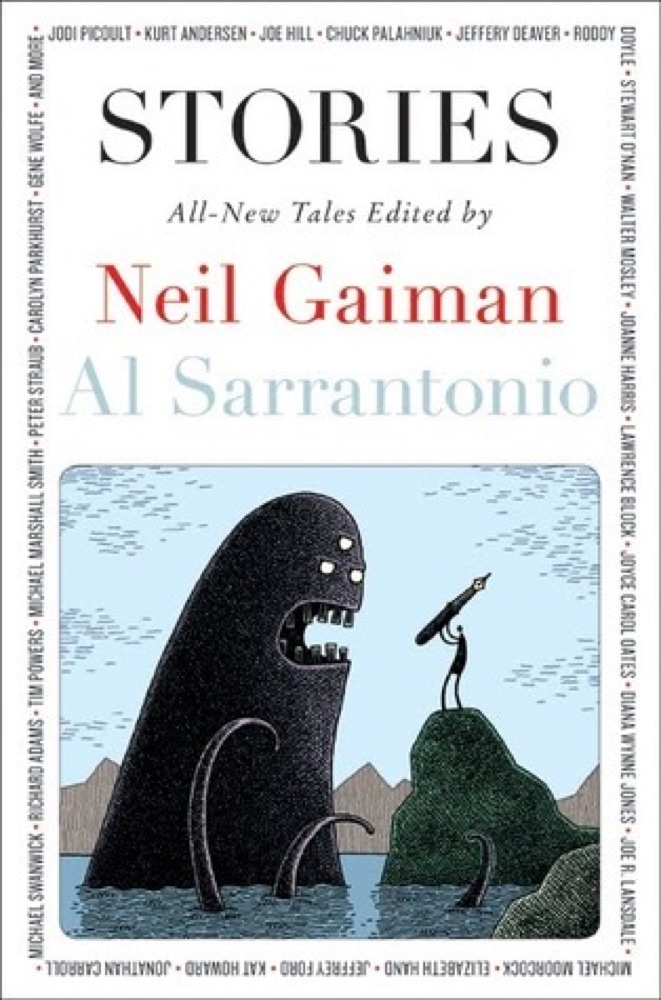 Stories: All-New Tales
 How Fiction Works
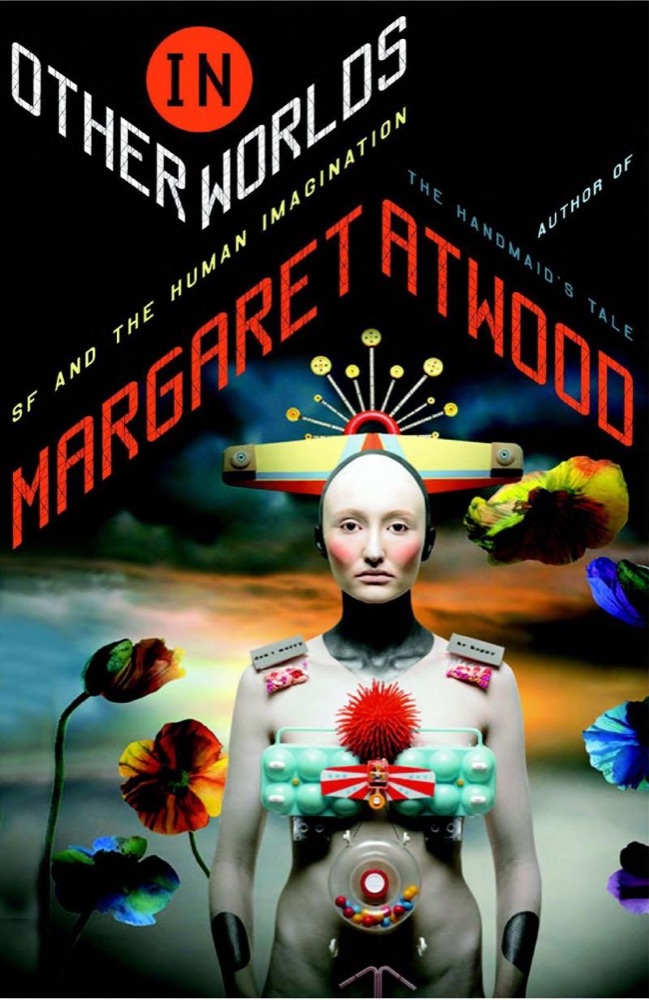 In Other Worlds: SF and the Human Imagination
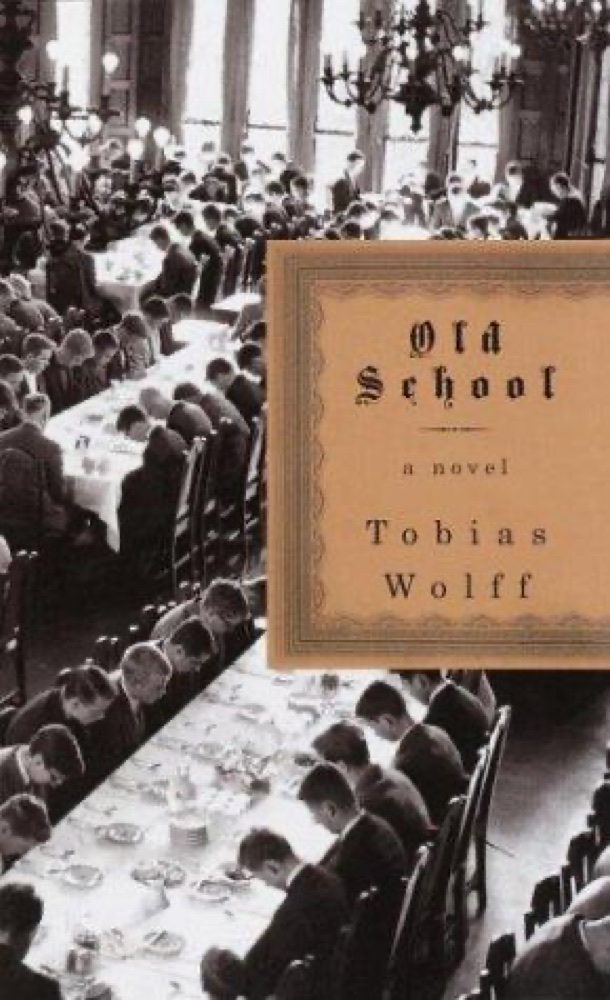 Old School
 Finders Keepers
 A Life in Parts
 Negotiating with the Dead: A Writer on Writing
 How to Write an Autobiographical Novel
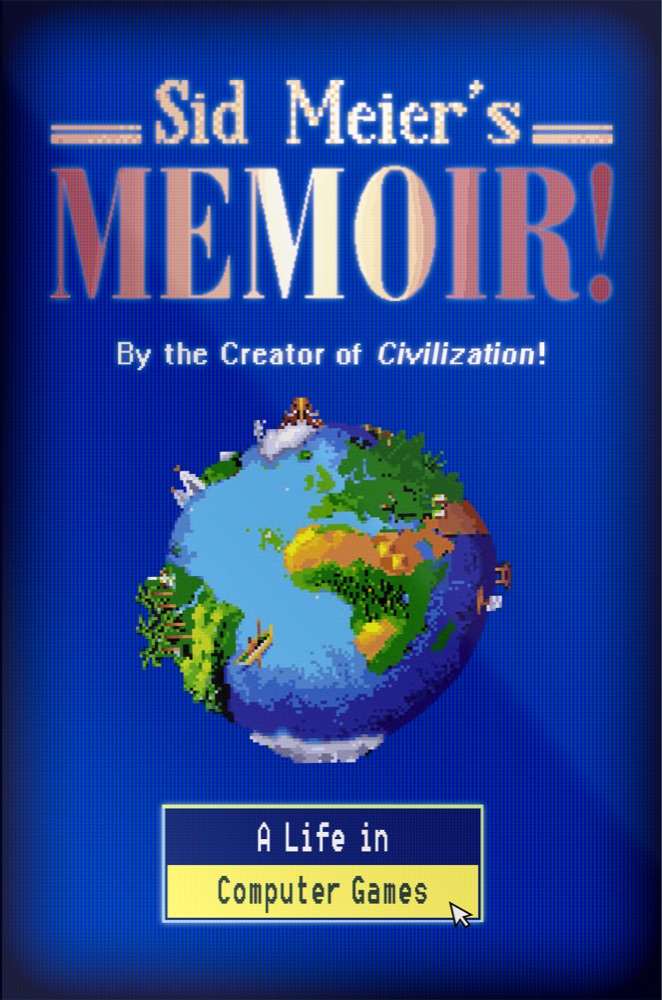 Sid Meier's Memoir!: A Life in Computer Games
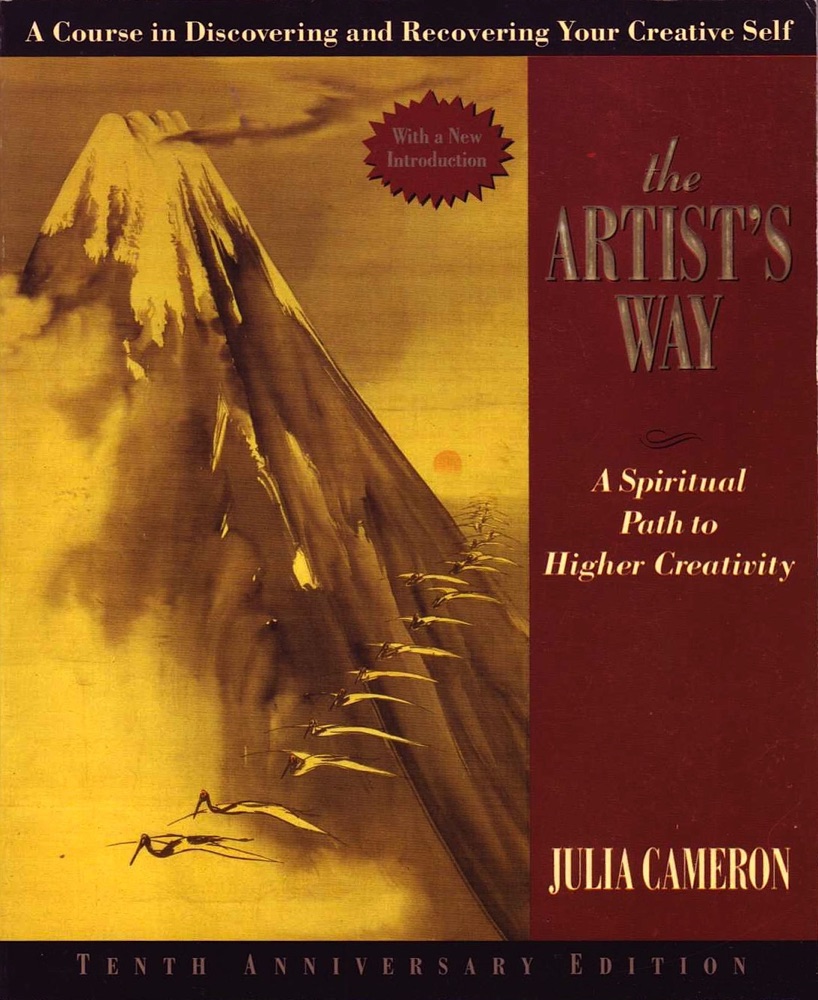 The Artist's Way
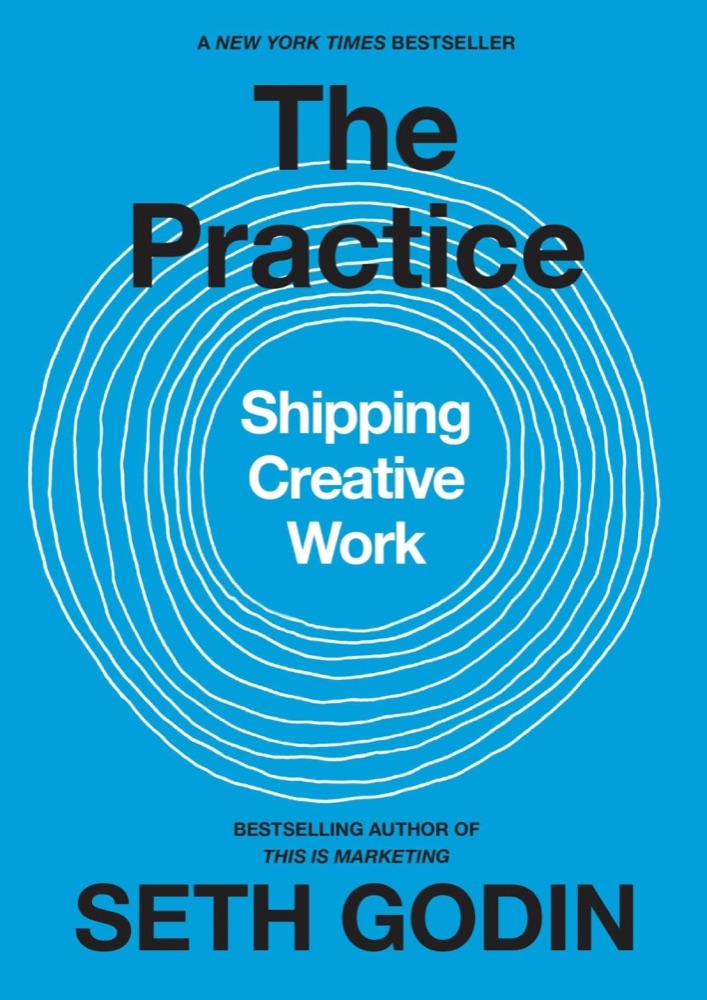 The Practice: Shipping Creative Work
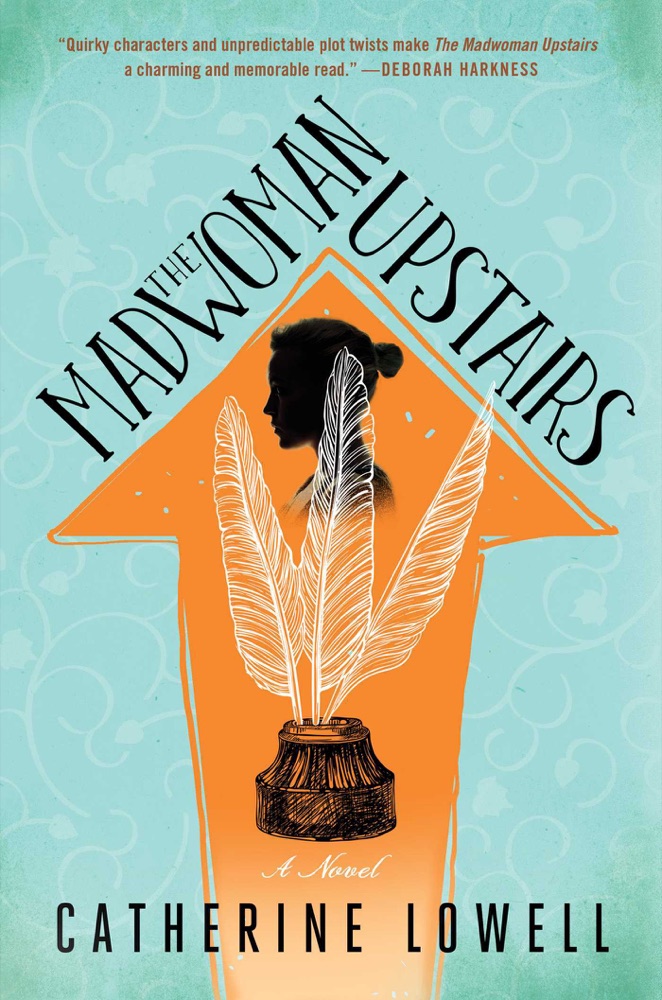 The Madwoman Upstairs
 Afterworlds
 Letters to a Young Writer: Some Practical and Philosophical Advice
 The Writing Life
 The Unlikely Escape of Uriah Heep
 The Rent Collector
 The Icarus Deception: How High Will You Fly?
 The View from the Cheap Seats: Selected Nonfiction
 The Accidental Creative: How to Be Brilliant at a Moment's Notice
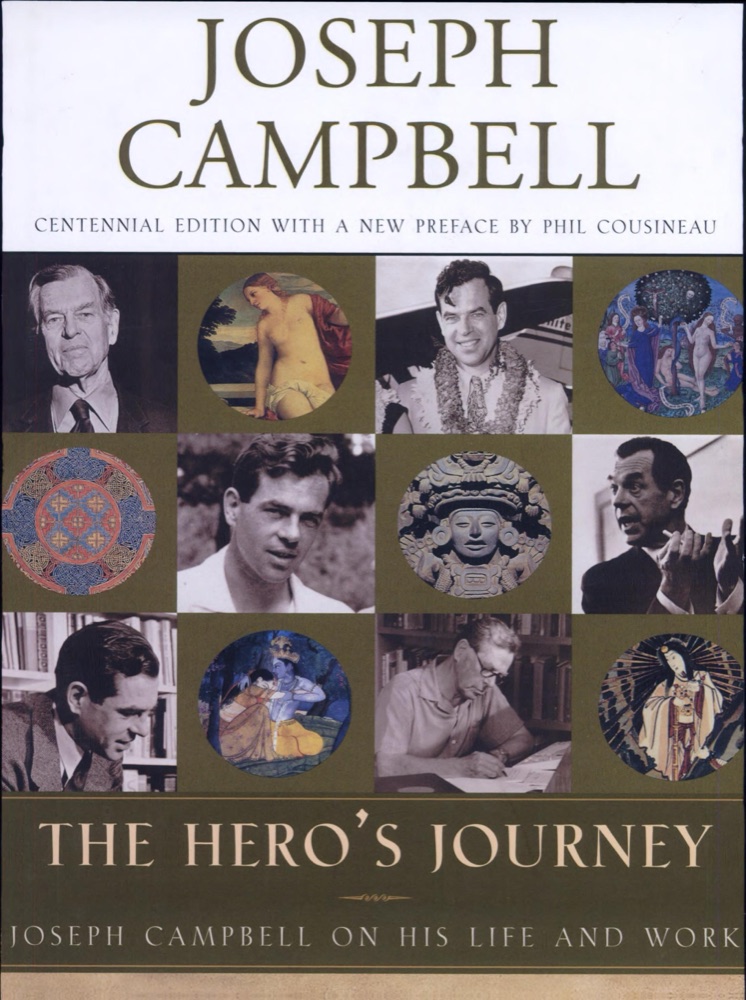 The Hero's Journey: Joseph Campbell on His Life & Work