 A Room with a View
Quotes from the Book
Long books, when read, are usually overpraised, because the reader wishes to convince others and himself that he has not wasted his time.
266
Expansion. That is the idea the novelist must cling to. Not completion. Not rounding off, but opening out.
33
Books have to be read (worse luck, for it takes a long time); it is the only way of discovering what they contain.
20
Let us think of people as starting life with an experience they forget and ending it with one which they anticipate but cannot understand.
20
Human beings have their great chance in the novel.
16
The final test of a novel will be our affection for it, as it is the test of our friends, and of anything else which we cannot define.
13
Most of us are pseudo-scholars...for we are a very large and quite a powerful class, eminent in Church and State, we control the education of the Empire, we lend to the Press such distinction as it consents to receive, and we are a welcome asset at dinner-parties. Pseudo-scholarship is, on its good side, the homage paid by ignorance to learning. It also has an economic side, on which we need not be hard. Most of us must get a job before thirty, or sponge on our relatives, and many jobs can only be got by passing an exam. The pseudo-scholar often does well in examination (real scholars are not much good), and even when he fails he appreciates their inner majesty. They are gateways to employment, they have power to ban and bless. A paper on King Lear may lead somewhere, unlike the rather far-fetched play of the same name. It may be a stepping-stone to the Local Government Board. He does not often put it to himself openly and say, "That's the use of knowing things, they help you to get on." The economic pressure he feels is more often subconscious, and he goes to his exam, merely feeling that a paper on King Lear is a very tempestuous and terrible experience but an intensely real one. ...As long as learning is connected with earning, as long as certain jobs can only be reached through exams, so long must we take the examination system seriously. If another ladder to employment were contrived, much so-called education would disappear, and no one be a penny the stupider.
9
The human mind is not a dignified organ, and I do not see how we can exercise it sincerely except through eclecticism. And the only advice I would offer my fellow eclectics is: "Do not be proud of your inconsistency. It is a pity, it is a pity that we should be equipped like this. It is a pity that Man cannot be at the same time impressive and truthful.
9
No English novelist is as great as Tolstoy –that is to say, has given so complete a picture of man’s life, both on its domestic and heroic side. No English novelist has explored man’s soul as deeply as Dostoyevsky. And no novelist anywhere has analysed the modern consciousness as successfully as Marcel Proust.
8
If human nature does alter it will be because individuals manage to look at themselves in a new way. Here and there people — a very few people, but a few novelists are among them — are trying to do this. Every institution and vested interest is against such a search: organized religion, the State, the family in its economic aspect, have nothing to gain, and it is only when outward prohibitions weaken that it can proceed: history conditions it to that extent. Perhaps the searchers will fail, perhaps it is impossible for the instrument of contemplation to contemplate itself, perhaps if it is possible it means the end of imaginative literature — [...] anyhow—that way lies movement and even combustion for the novel, for if the novelist sees himself differently, he will see his characters differently and a new system of lighting will result.
8
A mirror does not develop because an historical pageant passes in front of it. It only develops when it gets a fresh coat of quicksilver—in other words, when it acquires new sensitiveness; and the novel’s success lies in its own sensitiveness, not in the success of its subject matter.
5
What the story does do, all it can do, is to transform us from readers into listeners, to whom 'a' voice speaks, the voice of the tribal narrator, squatting in the middle of the cave, and saying one thing after another until the audience falls asleep among their offal and bones. The story is primitive, it reaches back to the origins of literature, before reading was discovered, and it appeals to what is primitive in us. That is why we are so unreasonable over the stories we like, and so ready to bully those who like something else. Intolerance is the atmosphere stories generate.
4
This constant reference to genius is another characteristic of the pseudo-scholar. He loves mentioning genius, because the sound of the word exempts him from discovering its meaning.
4
Scheherazade avoided her fate because she knew how to wield the weapon of suspense –the only literary tool that has any effect upon tyrants and savages.
4
But whereas the story appeals to our curiosity and the plot to our intelligence, the pattern appeals to our aesthetic sense, it causes us to see the book as a whole.
3
A chance word or a sigh are just as much evidence as a speech or a murder: the life they reveal ceases to be secret and enters the realm of action.
3
For human intercourse, as soon as we look at it for its own sake and not as a social adjunct, is seen to be haunted by a spectre. We cannot understand each other, except in a rough and ready way; we cannot reveal ourselves, even when we want to; what we call intimacy is only a makeshift; perfect knowledge is an illusion.
3
We come up against beauty here — for the first time in our enquiry: beauty at which a novelist should never aim though he fails if he does not achieve it. I will conduct beauty to her proper place later on. Meanwhile please accept her as part of a completed plot. She looks a little surprised at being there, but beauty ought to look a little surprised: it is the emotion that best suits her face, as Botticelli knew when he painted her risen from the waves, between the winds and the flowers. The beauty who does not look surprised, who accepts her position as her due—she reminds us too much of a prima donna.
3
And that is why novels, even when they are about wicked people, can solace us: they suggest a more comprehensible and thus more manageable human race, they give us the illusion of perspicacity and of power.
3
Human beings have their great chance in the novel. They say to the novelist: “Recreate us if you like, but we must come in,” and the novelist’s problem, as we have seen all along, is to give them a good run and to achieve something else at the same time. Whither shall he turn? not indeed for help but for analogy. Music, though it does not employ human beings, though it is governed by intricate laws, nevertheless does offer in its final expression a type of beauty which fiction might achieve in its own way. Expansion. That is the idea the novelist must cling to. Not completion. Not rounding off but opening out. When the symphony is over we feel that the notes and tunes composing it have been liberated, they have found in the rhythm of the whole their individual freedom. Cannot the novel be like that? Is not there something of it in War and Peace?-—the book with which we began and in which we must end. Such an untidy book. Yet, as we read it, do not great chords begin to sound behind us, and when we have finished does not every item—even the catalogue of strategies—lead a larger existence than was possible at the time?
3
Food, the stoking-up process, the keeping alive of an individual flame, the process that begins before birth and is continued after it by the mother, and finally taken over by the individual himself, who goes on day after day putting an assortment of objects into a hole in his face without becoming surprised or bored.
3
A man does not talk to himself quite truly — not even to himself: the happiness or misery that he secretly feels proceeds from causes that he cannot quite explain, because as soon as he raises them to the level of the explicable they lose their native quality.
2
The story that is a story and sounded so healthy and stood no nonsense cannot sincerely lead to any conclusion but the grave.
2
Qua story, it can only have one merit: that of making the audience want to know what happens next. And conversely it can only have one fault: that of making the audience not want to know what happens next.
1
It is a pity that Man cannot be at the same time impressive and truthful.
1
All of us, even the sophisticated, yearn for permanence, and to the unsophisticated permanence is the chief excuse for a work of art.
1
My answer is that the emotions of Heathcliff and Catherine Earnshaw function differently to other emotions in fiction. Instead of inhabiting the characters, they surround them like thunderclouds, and generate the explosions that fill the novel from the moment when Lockwood dreams of the hand at the window down to the moment when Heathcliff, with the same window open, is discovered dead. Wuthering Heights is filled with sound – storm and rushing wind – a sound more important than words and thoughts. Great as the novel is, one cannot afterwards remember anything in it but Heathcliff and the elder Catherine. They cause the action by their separation; they close it by their union after death. No wonder they ‘walk’: what else could such beings do? Even when they were alive their love and hate transcended them.
In Dostoyevsky the characters and situations always stand for more than themselves; infinity attends them, though they remain individuals they expand to embrace it and summon it to embrace them;
Watch on YouTube
About E.M. Forster
We have collected 206 quotes from 8 books by E.M. Forster on BookQuoters.
More about the author →More by E.M. Forster
All books by E.M. Forster →
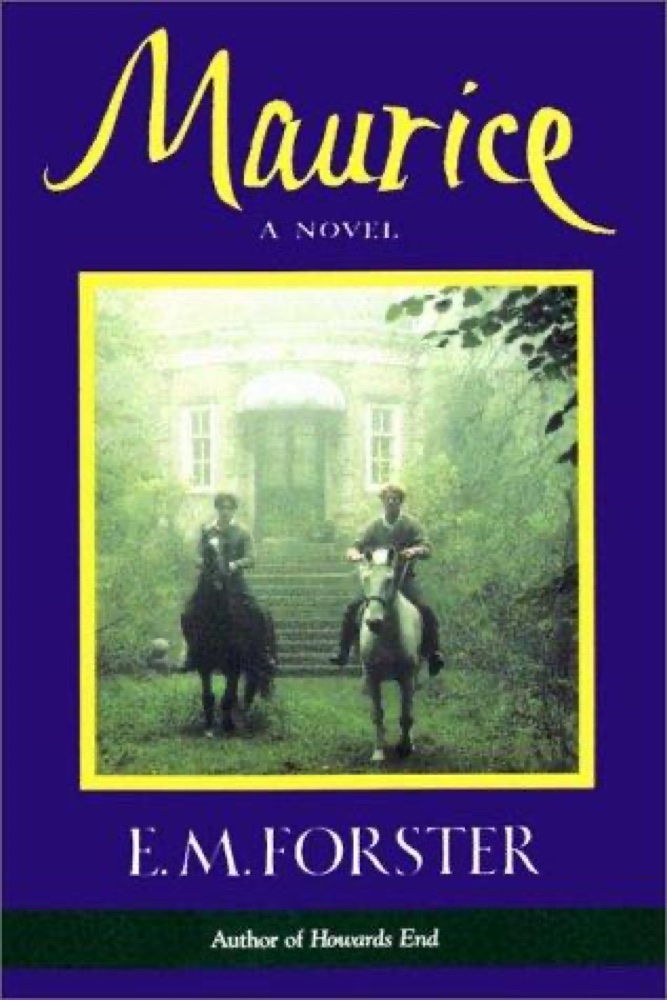
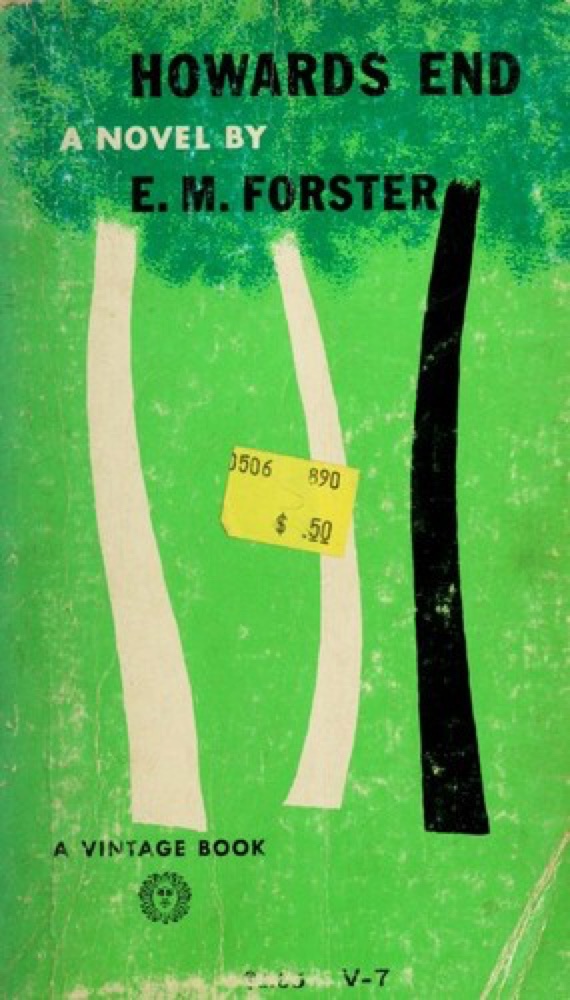
About the book
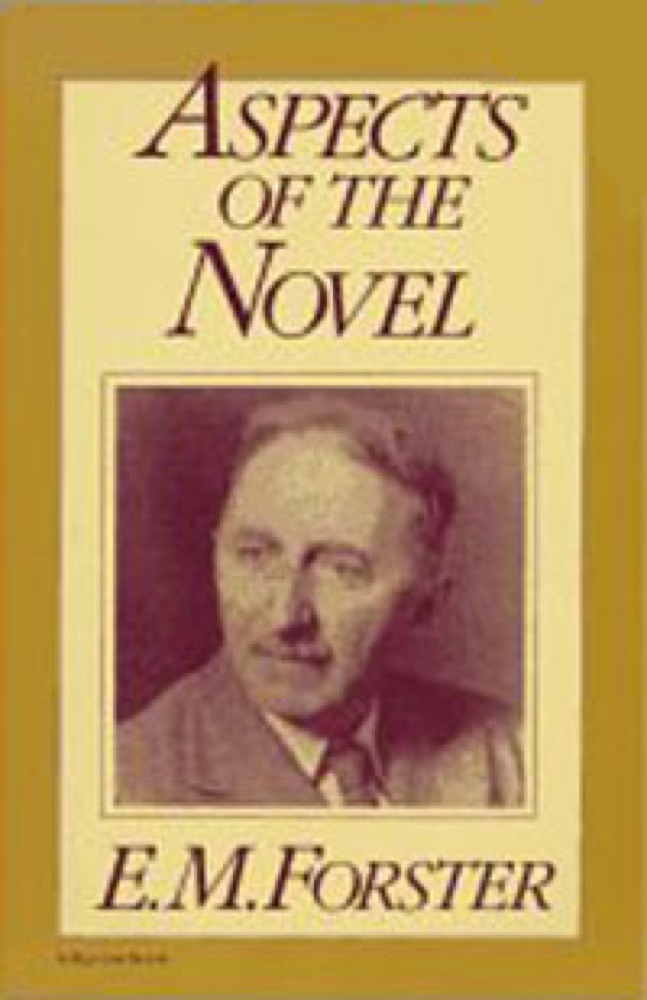
From the Back Cover The wit and lively, informed originality Forster employs in his study of the novel has made this book a classic. Deliberately avoiding the chronological development approach of what he classifies "pseudoscholarship," the author freely examines aspects all English-language novels have in common: story, people, plot, fantasy, prophecy, pattern, and rhythm. Forster's delightful treatment gives the reader a profound appreciation for both the novel and the author's own formidable talents.
"We discover under Forster's casual and wittily acute guidance, many things about the literary magic which transmutes the dull stuff of He-said and She-said into characters, stories, and intimations of truth." -- Jacques Barzun, Harper's Magazine
Mr. Forster's volume is more than a discussion of a literary form, it is a discussion of experience, of life, an admirable and delightful
Book details
- First published
- 1927
- Author
- E.M. Forster
- Genre
- Nonfiction
- Goodreads rating
- 3.80 (5k ratings)
Keep reading
 How to Read Literature
 Mystery and Manners: Occasional Prose
 The Art of the Novel
 How Fiction Works
 The Art of Fiction: Notes on Craft for Young Writers
 How Proust Can Change Your Life
 The Common Reader
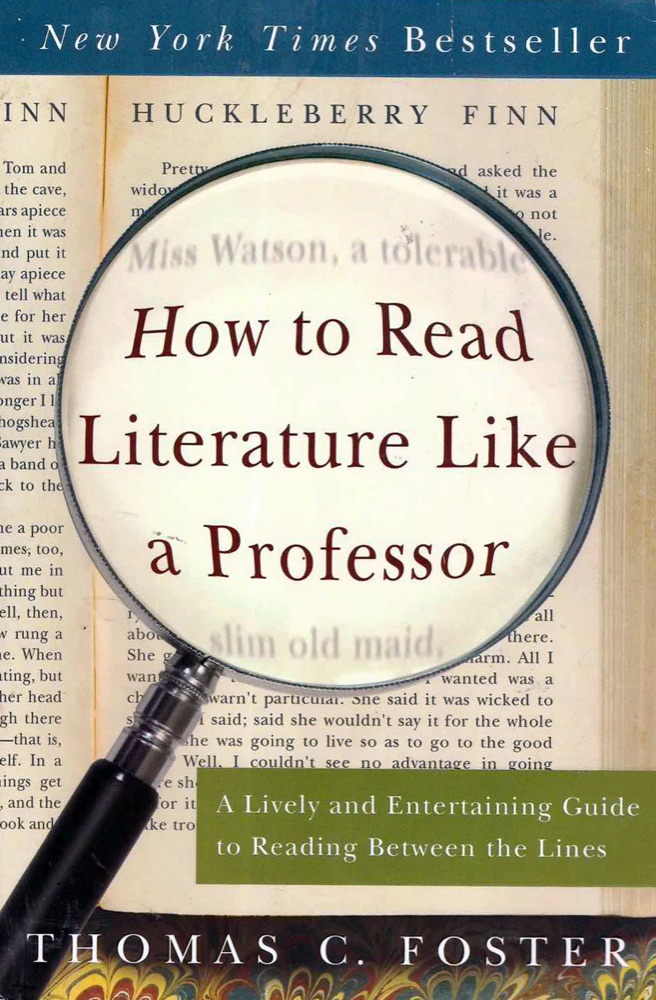 How to Read Literature Like a Professor
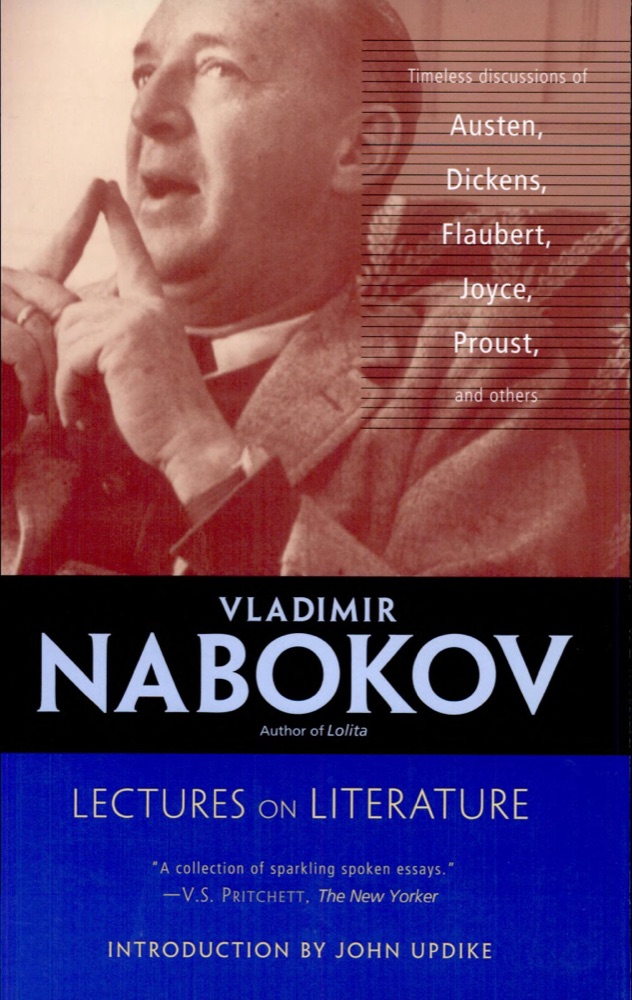 Lectures on Literature
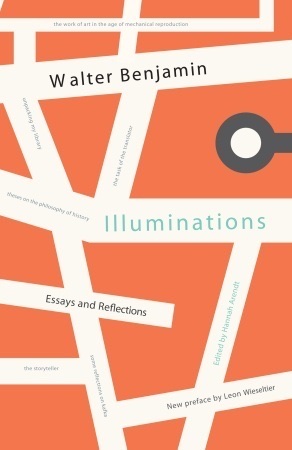 Illuminations: Essays and Reflections
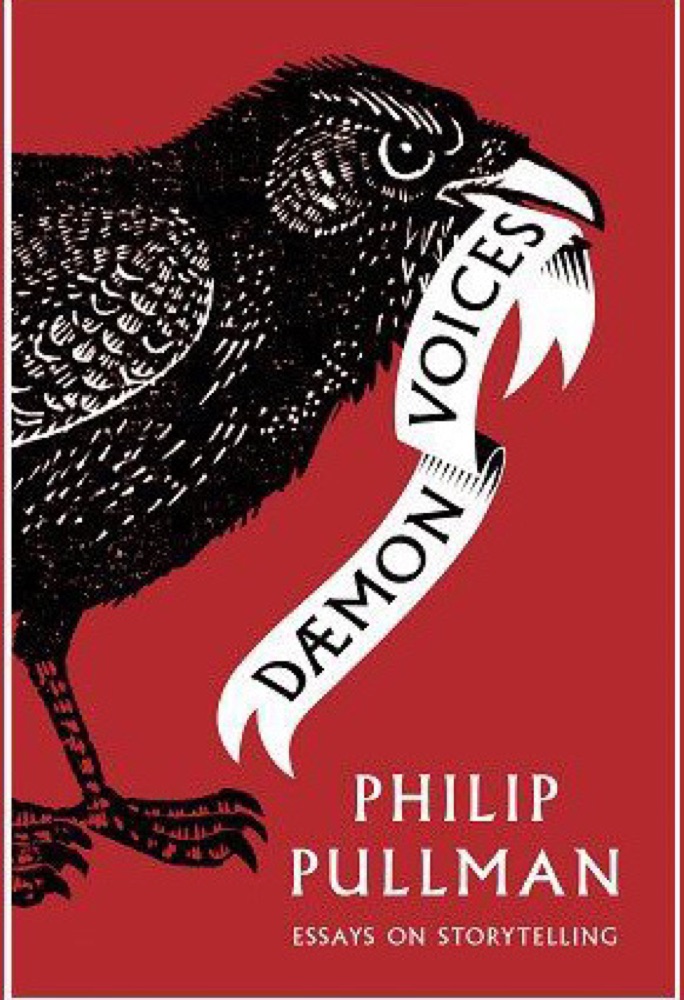 Dæmon Voices
 Stein on Writing
 Only Dull People Are Brilliant at Breakfast
 Reading Lolita in Tehran: A Memoir in Books
 The Wave in the Mind: Talks and Essays on the Writer, the Reader and the Imagination
 Selected Non-Fictions
 The Summer Without Men
 The Language of the Night: Essays on Writing, Science Fiction, and Fantasy
 Time Regained
 An Experiment in Criticism
 Reality Hunger: A Manifesto
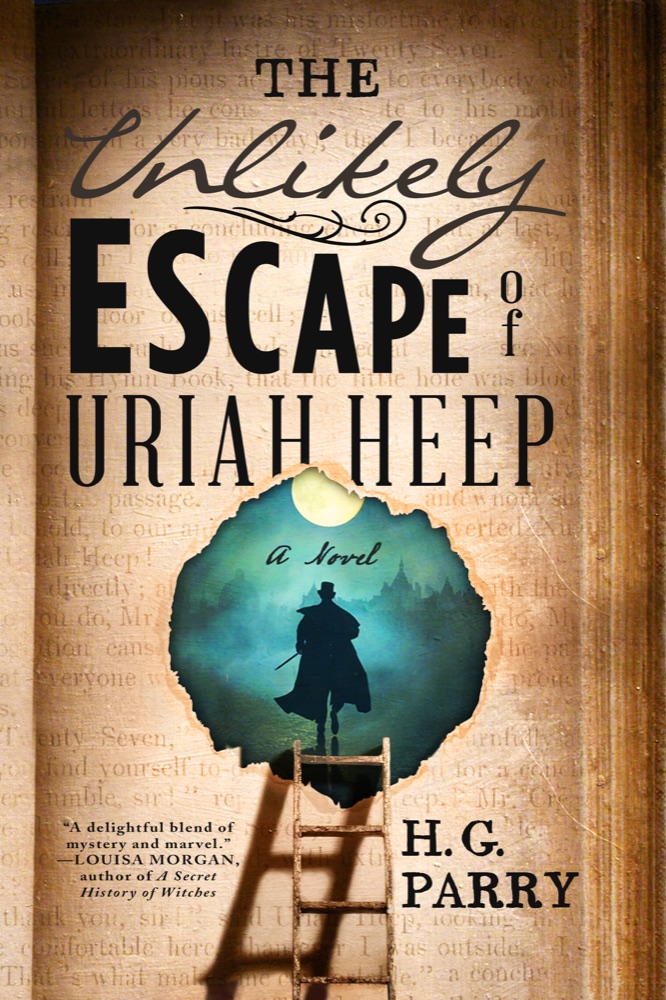 The Unlikely Escape of Uriah Heep
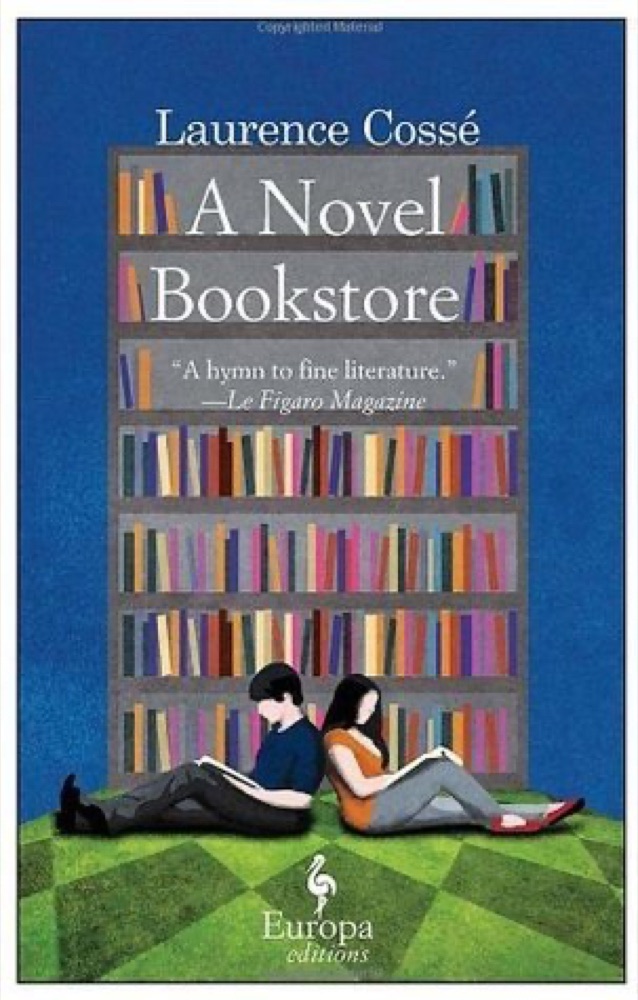 A Novel Bookstore
 In Other Worlds: SF and the Human Imagination
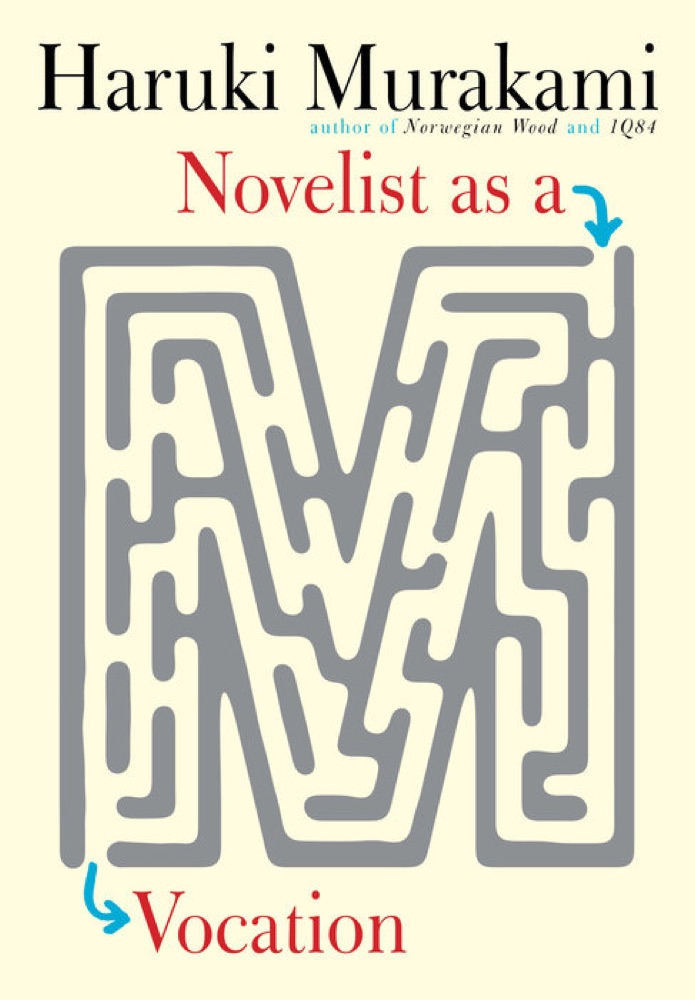 Novelist as a Vocation
 Death in the Afternoon
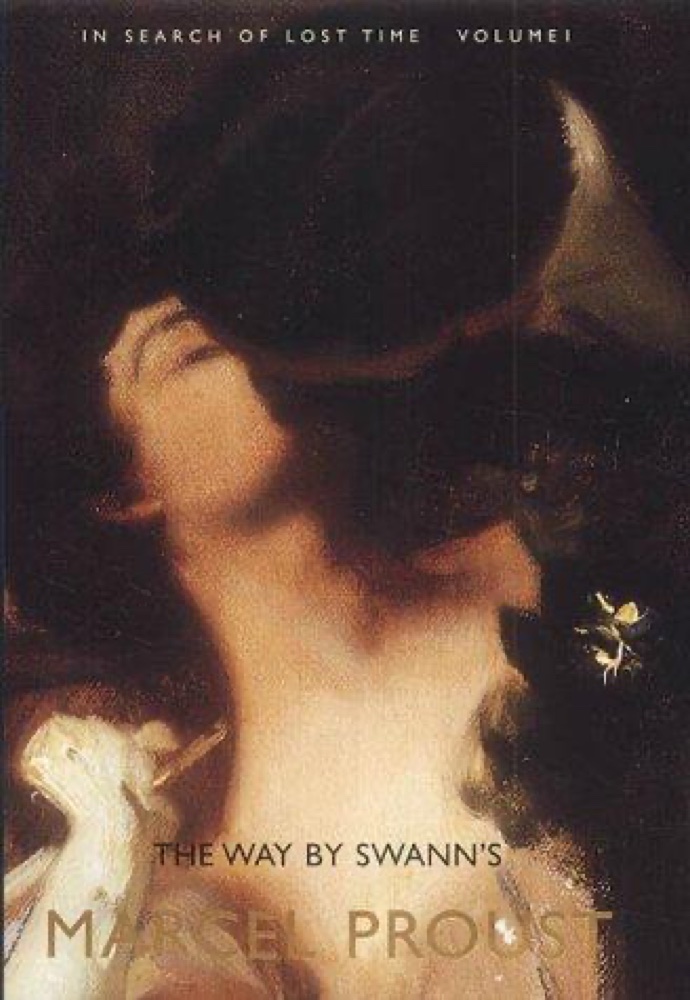 In Search of Lost Time
 Too Like the Lightning
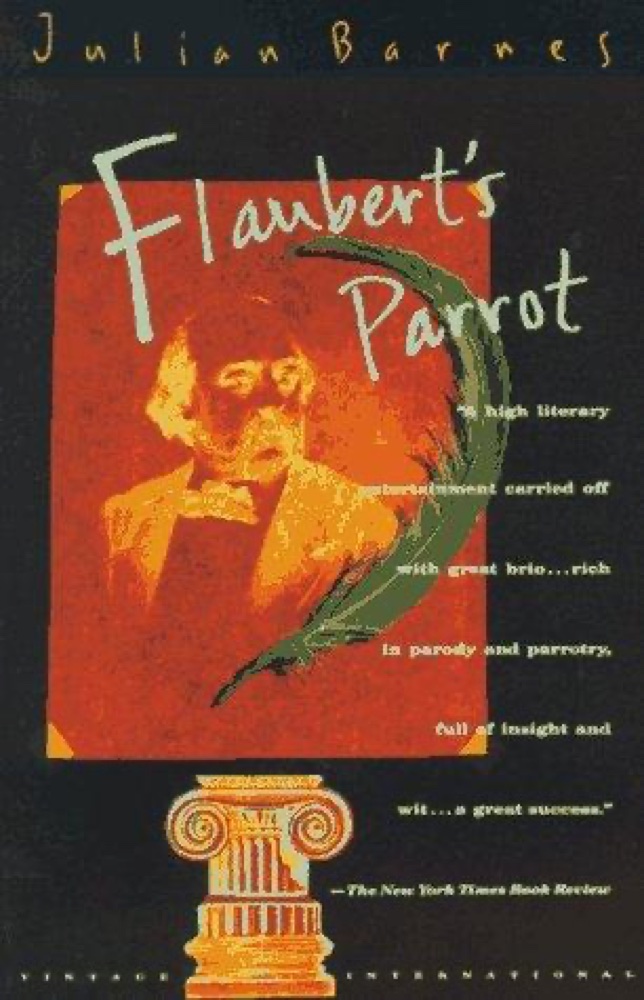 Flaubert's Parrot
 The Last Bookaneer
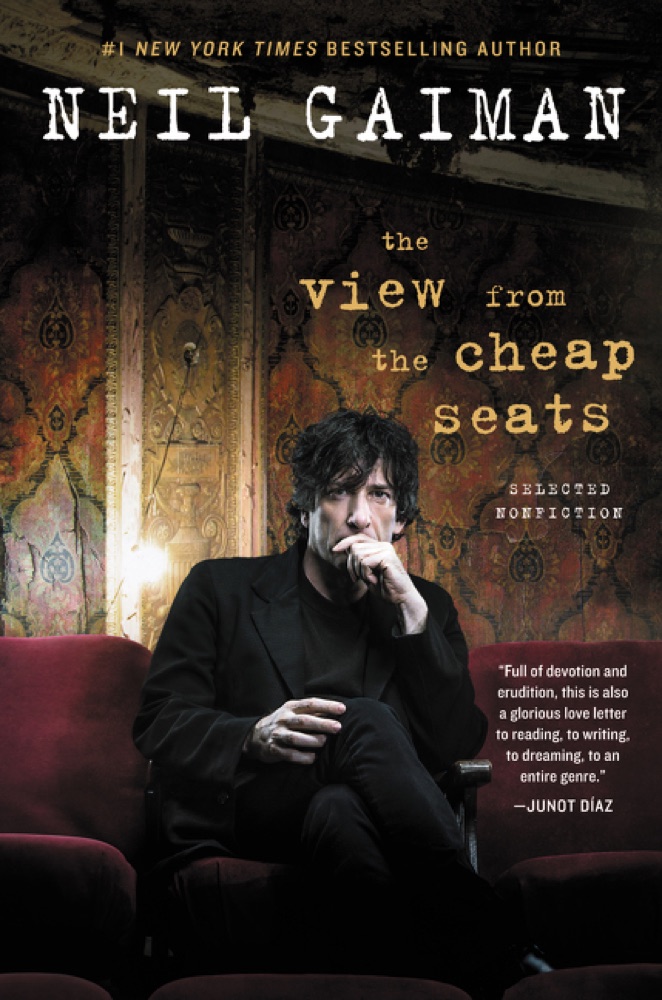 The View from the Cheap Seats: Selected Nonfiction
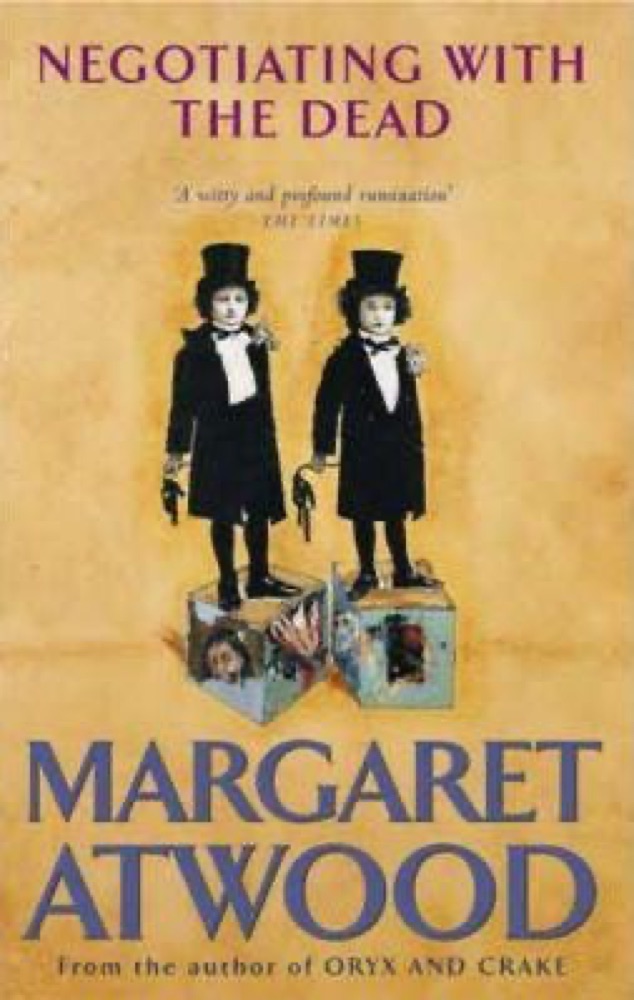 Negotiating with the Dead: A Writer on Writing
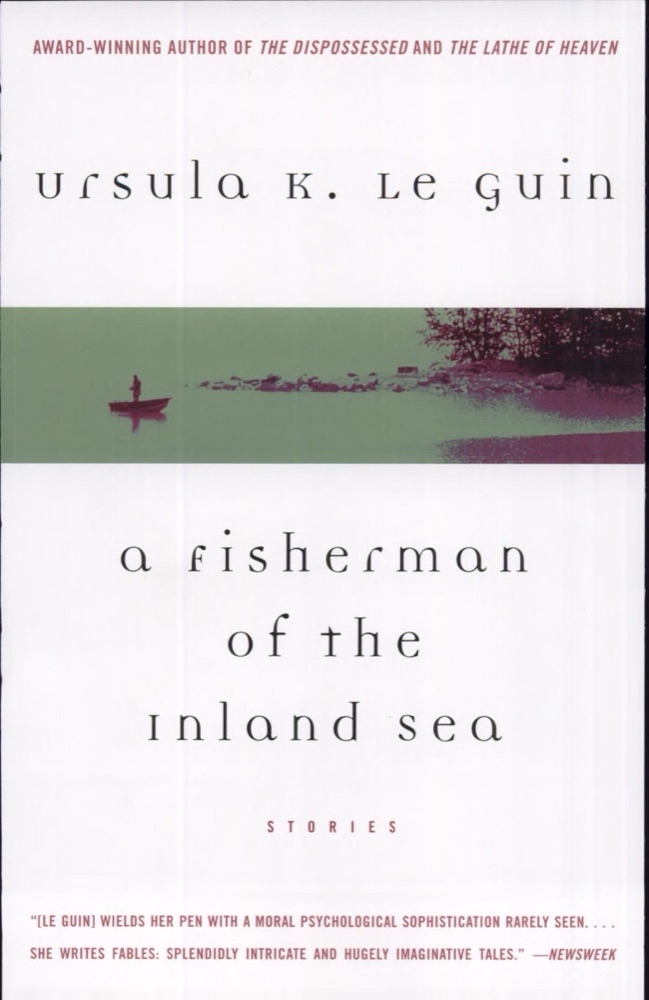 A Fisherman of the Inland Sea
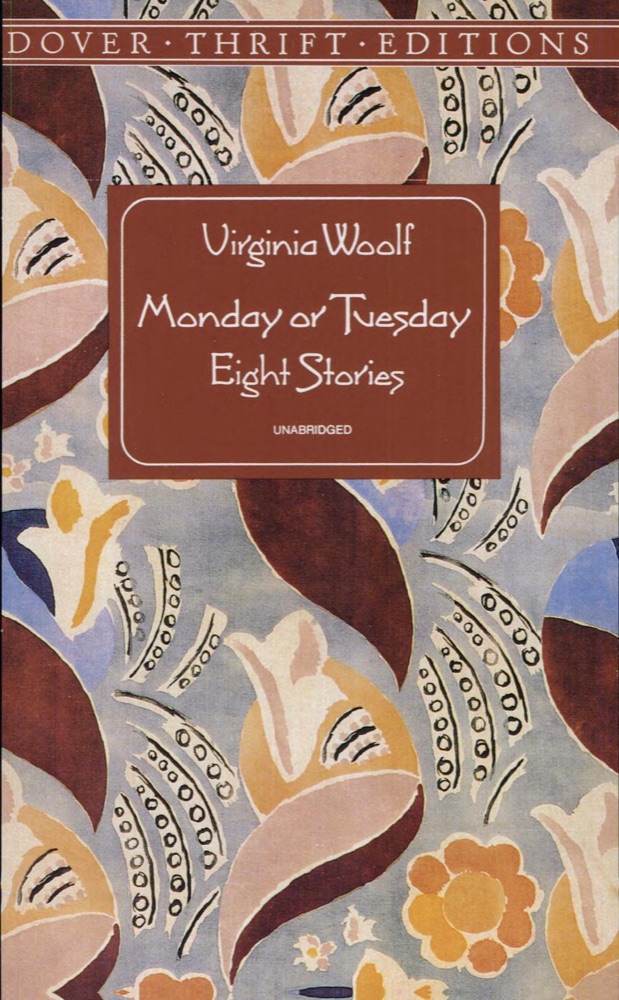 Monday or Tuesday
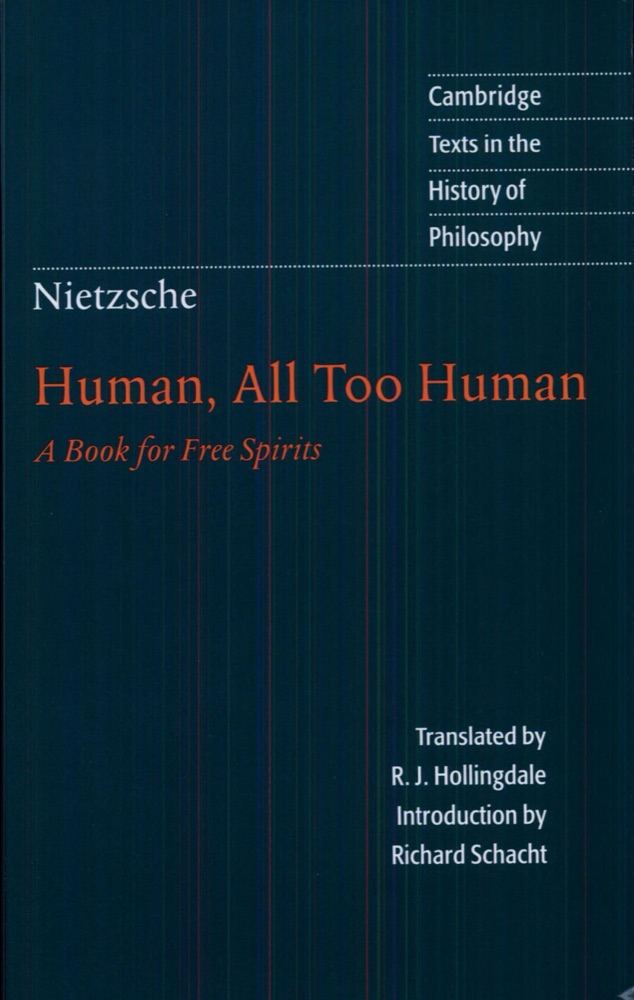 Human, All Too Human
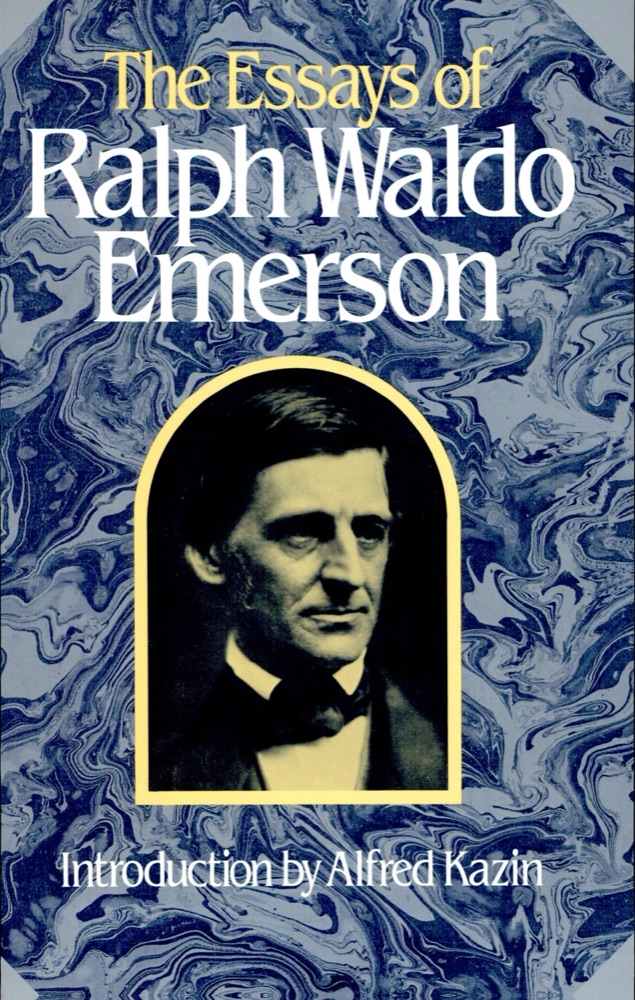 The Essays of Ralph Waldo Emerson
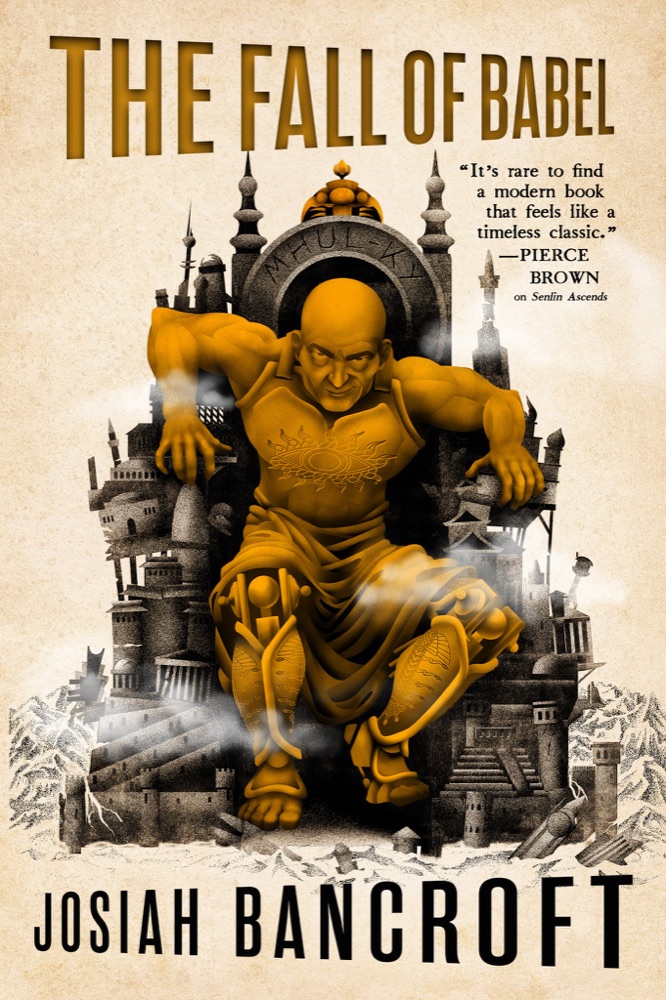 The Fall of Babel
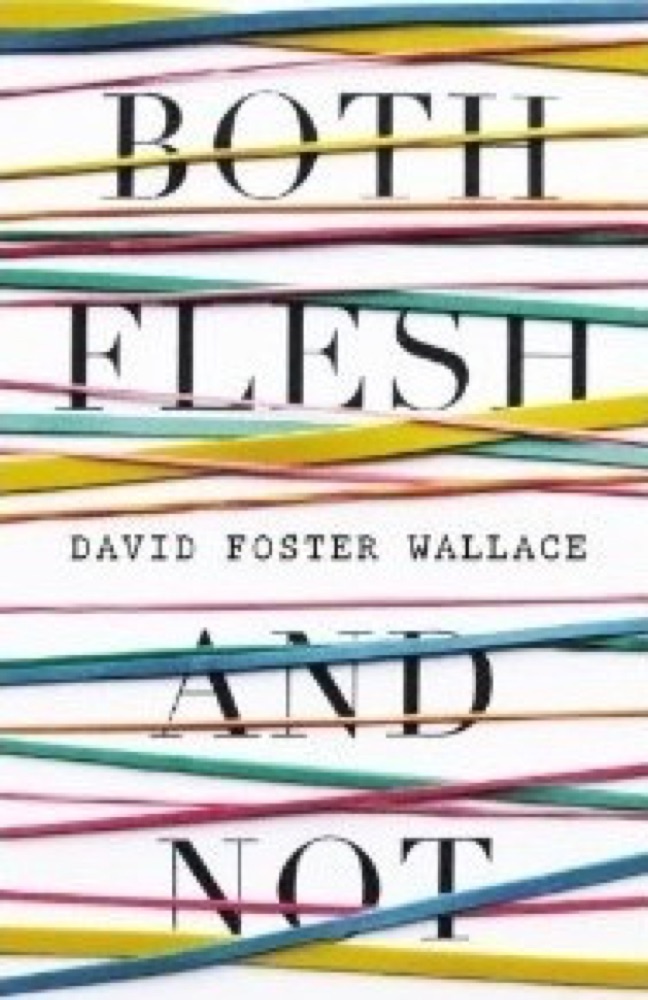 Both Flesh and Not: Essays
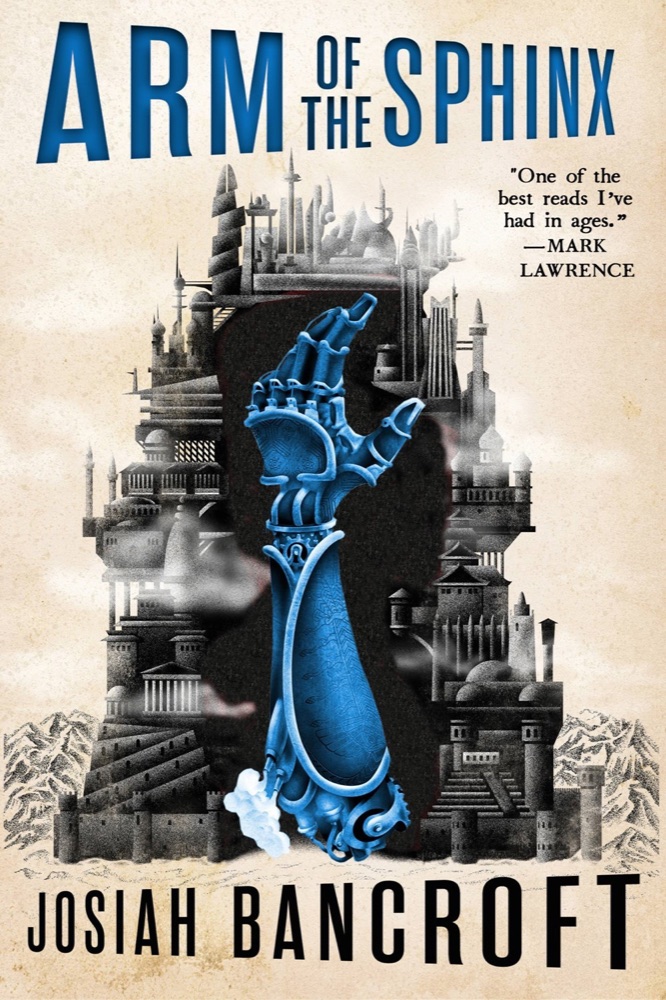 Arm of the Sphinx
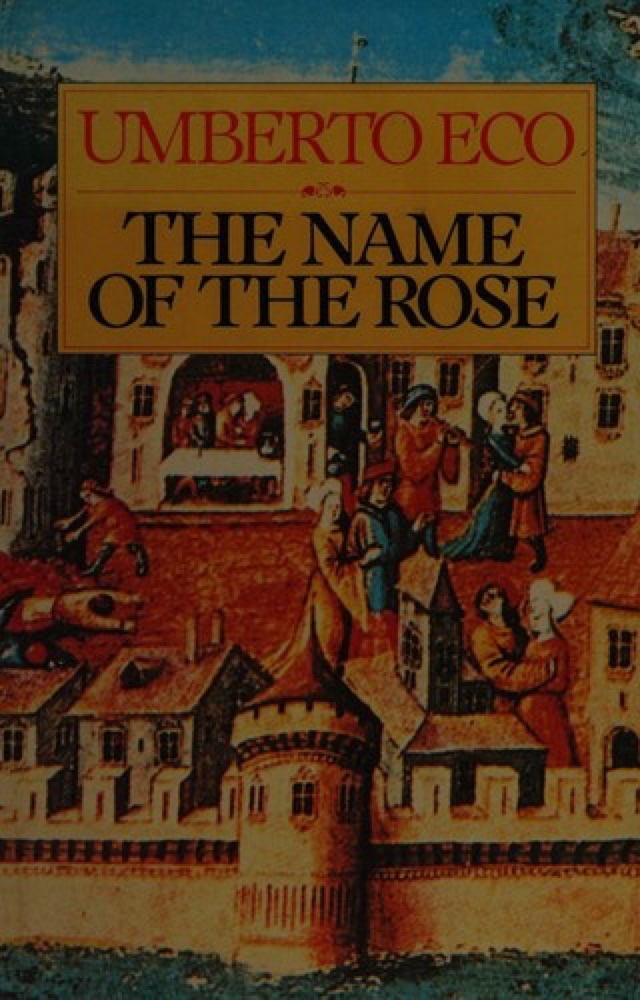 The Name of the Rose
 Death in Venice and Other Tales
 Experience
 One Way Street And Other Writings
 Daniel Deronda
 The Thirteenth Tale
 The Abundance
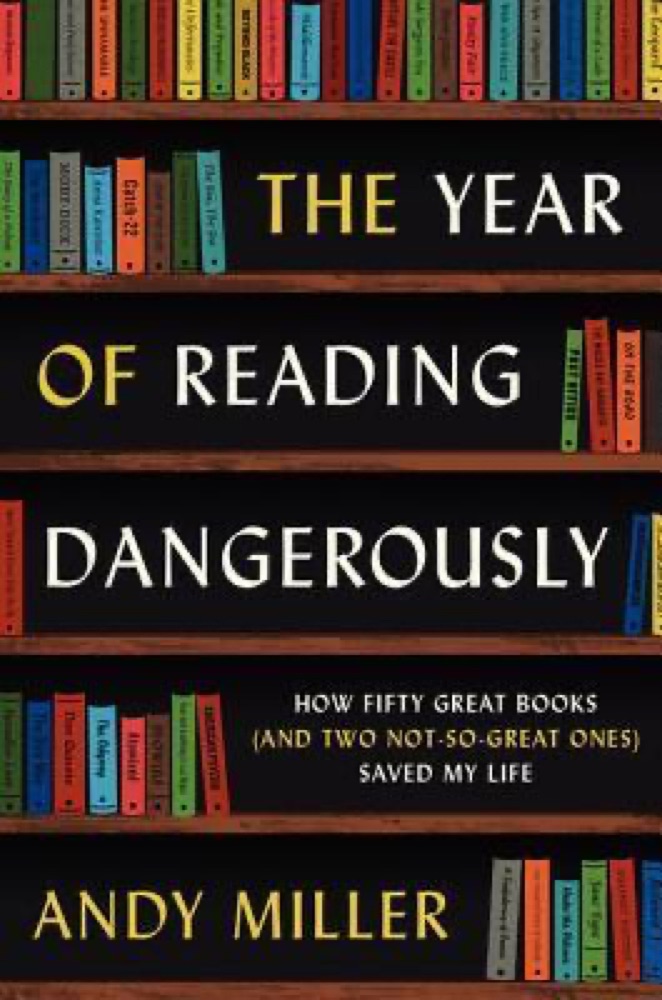 The Year of Reading Dangerously
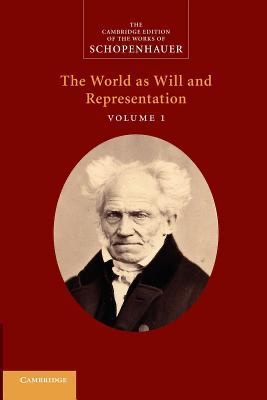 The World as Will and Representation, Vol 1
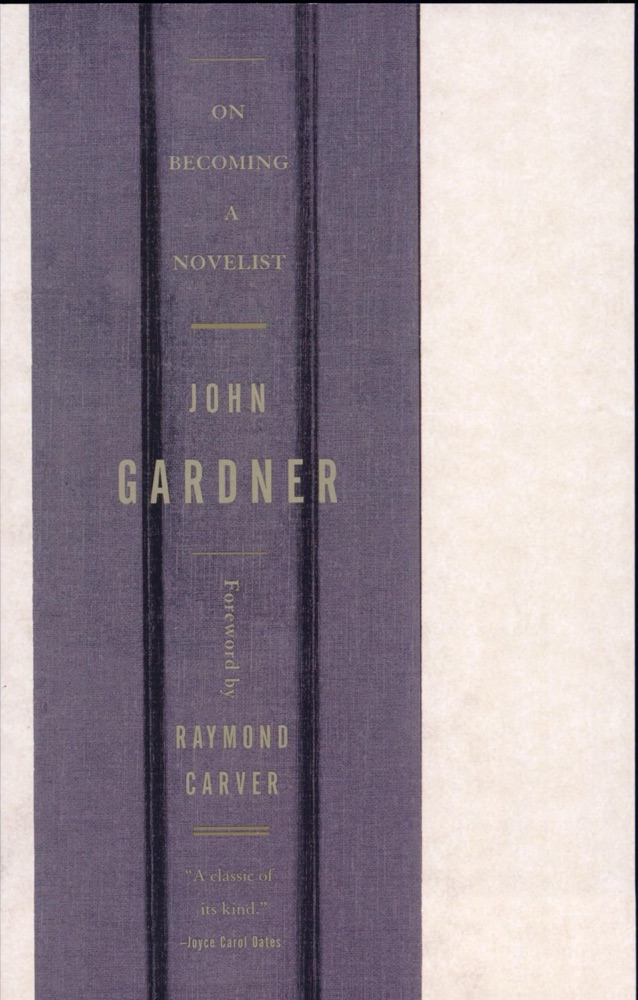 On Becoming a Novelist
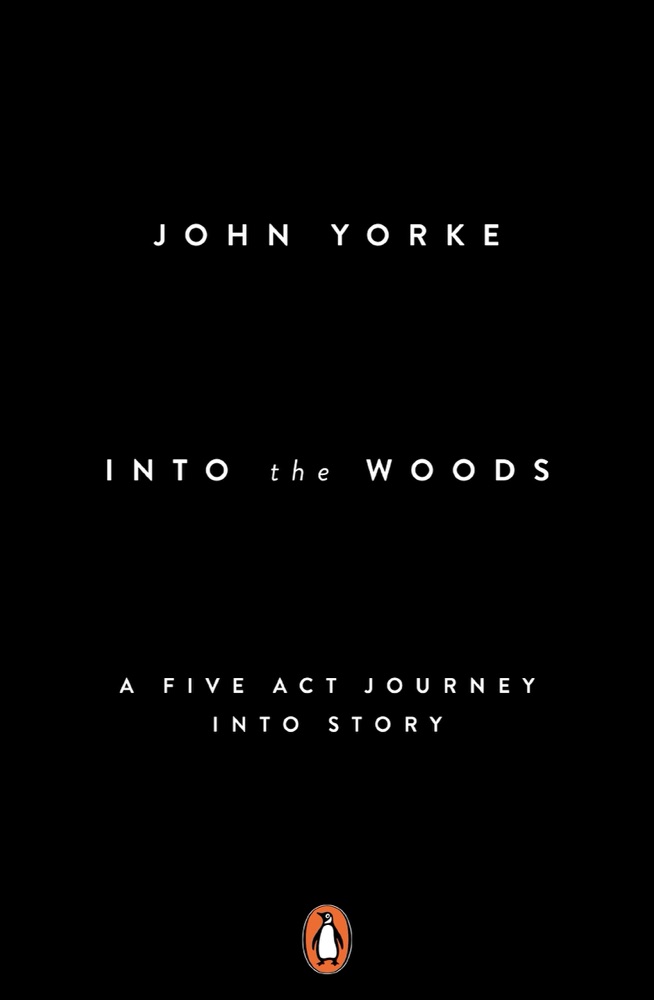 Into the Woods: A Five Act Journey Into Story
 Complete Works of Oscar Wilde
 The Rhetoric & The Poetics of Aristotle
 The Science of Storytelling
 Introductory Lectures on Psychoanalysis
 Figuring
 Danse Macabre
 Nothing to Be Frightened Of
 The Wisdom of Life
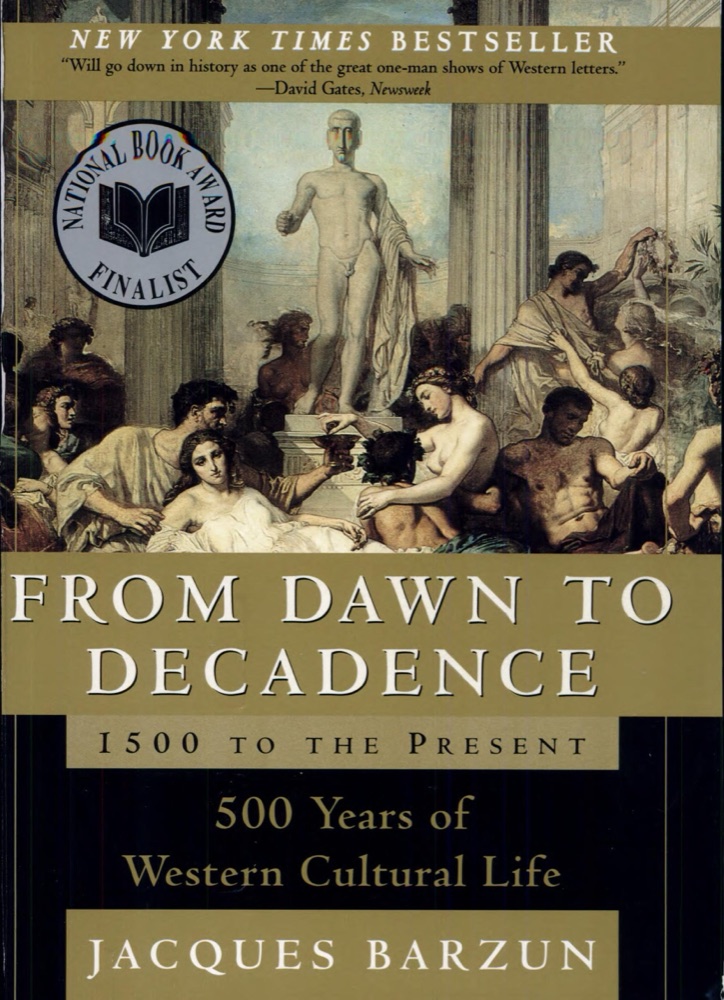 From Dawn to Decadence: 500 Years of Western Cultural Life, 1500 to the Present