
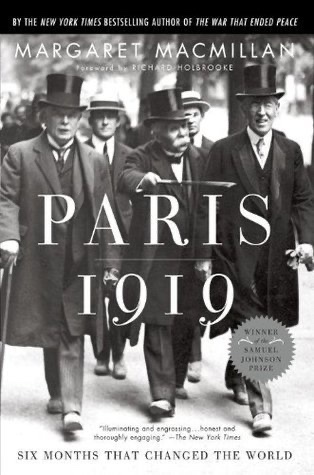
 Paris 1919: Six Months That Changed the World
Quotes from the Book
In a secular world, which is what most of us in Europe and North America live in, history takes on the role of showing us good and evil, virtues and vices. Religion no longer plays as important a part as it once did in setting moral standards and transmitting values. . . .History with a capital H is being called in to fill the void. It restores a sense not necessarily of a divine being but of something above and beyond human beings. It is our authority: it can vindicate us and judge us, and damn those who oppose us.
8
As the American historian John Lewis Gaddis put it, it is like looking in a rearview mirror: if you only look back, you will land in the ditch, but it helps to know where you have come from and who else is on the road.
6
La historia es una forma de hacer valer la comunidad imaginada. Los nacionalistas, por poner un ejemplo, aseguran que la nación siempre ha existido en esa zona convenientemente vaga de la "niebla del tiempo"(...)En realidad, examinando cualquier grupo vemos que su identidad es un proceso y no algo fijo. Los grupos se definen y redefinen a sí mismos a lo largo del tiempo y como respueta a procesos internos, un despertar religios quizá, o a presiones externas. Si uno está oprimido y victimizado(...) esa situación se convierte en parte de la imagen que uno tiene de sí mismo. Y a veces incluso conduce a una competencia bastante indecorosa por el victimismo.
1
A menudo se usa la historia como una serie de cuentos morales para aumentar la solidaridad de grupo o, cosa más defendible, según mi punto de vista, para explicar el desarrollo de instituciones importantes como los parlamentos y conceptos como la democracia y de ese modo la enseñanza del pasado se ha convertido en algo fundamental a la hora de debatir la forma de inculcar y trasmitir valores. El peligro es que ese objetivo, que puede ser admirable, acabe por distorsionar la historia, ya sea convirtiéndola en un relato simplista en el cual sólo hay blanco y negro, o bien representándola como si todo tendiese hacia una sola dirección, ya sea el progreso humano o el triunfo de un grupo en particular. La historia explicada de este modo aplana la complejidad de la experiencia humana y no deja espacio para las distintas interpretaciones del pasado.
1
Bad history tells only part of complex stories. It claims knowledge which it could not possibly have, as when, for example, it purports to give the unspoken thoughts of its characters. It makes sweeping generalizations for which there is not adequate evidence and ignores awkward facts which do not fit. It demands too much of its protagonists, as when it expects them to have had insights or made decisions that they could not possibly have done. The lessons such history teaches are too simple or simply wrong. That is why we need to learn how to evaluate it properly and to treat the claims made in its name with scepticism.
Watch on YouTube
About Margaret MacMillan
We have collected 10 quotes from 2 books by Margaret MacMillan on BookQuoters.
More about the author →More by Margaret MacMillan
Paris 1919: Six Months That Changed the World
About the book
History is useful when it is used to understand why we and those we must deal with think and react in certain ways. It can offer examples to inform our decisions and guesses about the consequences of our actions. But we should be wary of looking to history for dogmatic lessons.We should distrust those who abuse history when they call on it to justify unreasonable claims to land, for example, or restitution. MacMillan illustrates how dangerous history can be in the hands of nationalistic or religious or ethnic leaders who use it to foster a sense of grievance and a desire for revenge.
Book details
- First published
- 2008
- Author
- Margaret MacMillan
- Genre
- History
- Goodreads rating
- 3.64 (2k ratings)
Keep reading
 The New Penguin History of The World
 The Historian's Craft: Reflections on the Nature and Uses of History and the Techniques and Methods of Those Who Write It.
 What Is History?
 A People's History of the United States
 Lies My Teacher Told Me: Everything Your American History Textbook Got Wrong
 A History of the World in 100 Objects
 The War on the West: An Instant NYT Bestselling History of the Modern World
 Defying Hitler
 The Muqaddimah: An Introduction to History
 Whose Story Is This? Old Conflicts, New Chapters
 The Strange Death of Europe: Immigration, Identity, Islam
 The American Spirit: Who We Are and What We Stand For
 The Lessons of History
 The Better Angels of Our Nature: Why Violence Has Declined
 How Should We Then Live? The Rise and Decline of Western Thought and Culture
 The Dawn of Everything: A New History of Humanity
 From Dawn to Decadence: 500 Years of Western Cultural Life, 1500 to the Present
 The Inconvenient Indian: A Curious Account of Native People in North America
 My Life: A Spoken Autobiography
 Civilization: The West and the Rest
 Sudden Death
 Collapse: How Societies Choose to Fail or Succeed
 Selections from the Prison Notebooks
 These Truths: A History of the United States
 Arguably: Selected Essays
 The Labyrinth of Solitude and Other Writings
 God and the State
 Understanding Power: The Indispensable Chomsky
 History Matters
 After Virtue
 Travels with Herodotus
 Let Us Dream: The Path to a Better Future
 A Little History of the World
 Flashpoints: The Emerging Crisis in Europe
 You Can't Be Neutral on a Moving Train: A Personal History of Our Times
 Recognizing the Stranger: On Palestine and Narrative
 On Tyranny: Twenty Lessons from the Twentieth Century
 The Message
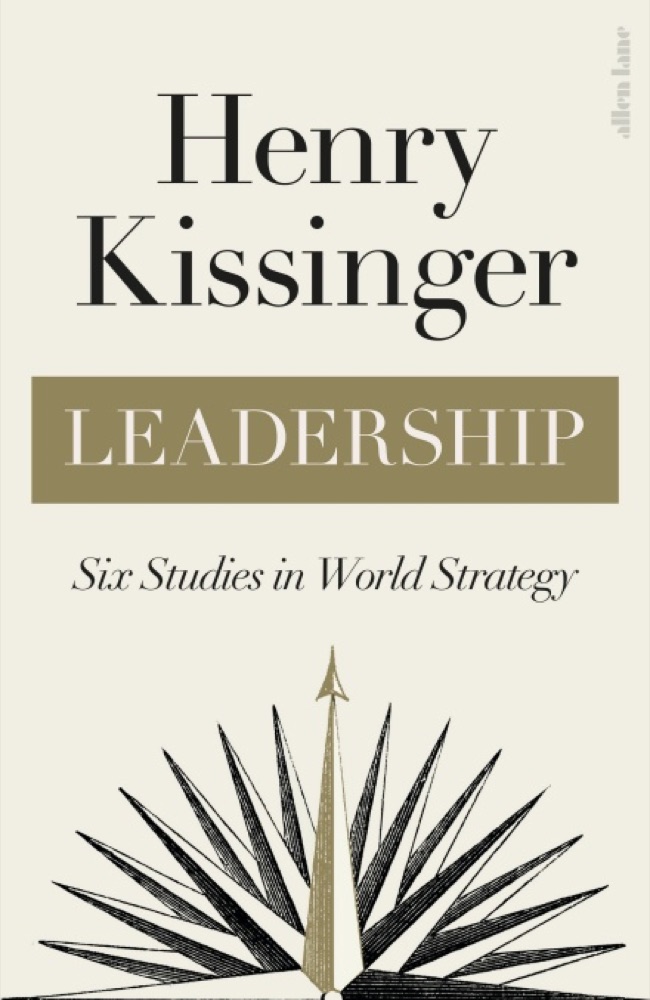 Leadership : Six Studies in World Strategy
 Diary of a Bad Year
 The Prague Cemetery
 Aavarana - The Veil
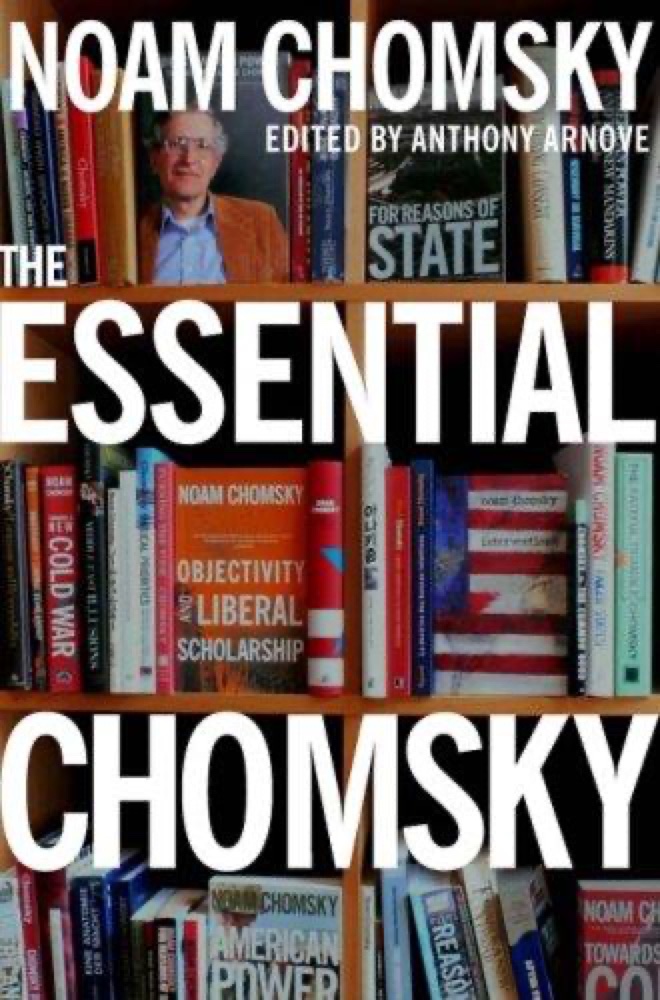 The Essential Chomsky
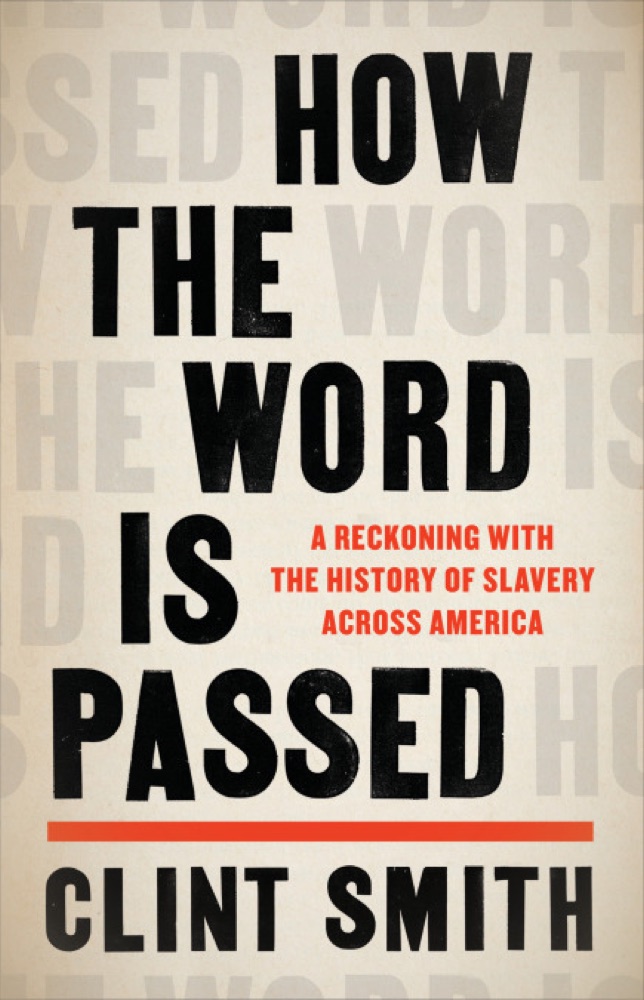 How the Word Is Passed: A Reckoning with the History of Slavery Across America
 Open Veins of Latin America: Five Centuries of the Pillage of a Continent
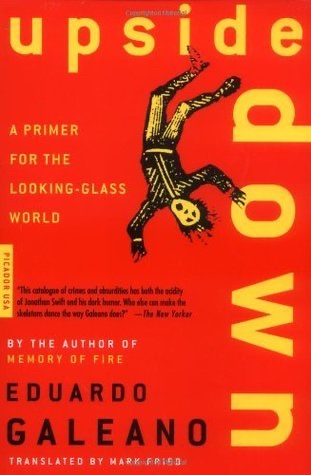 Upside Down: A Primer for the Looking-Glass World
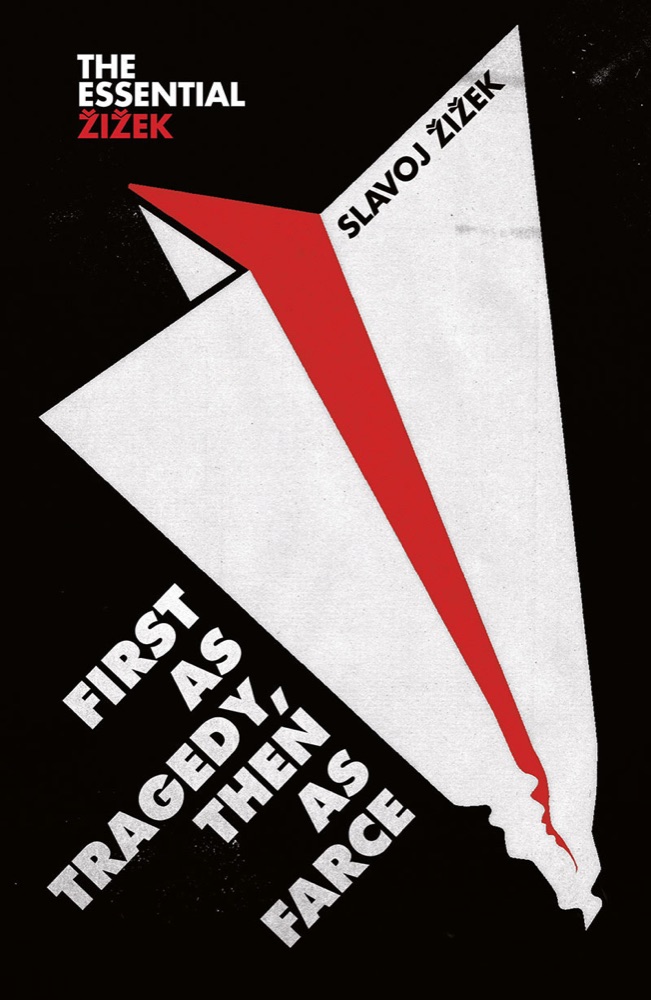 First As Tragedy, Then As Farce
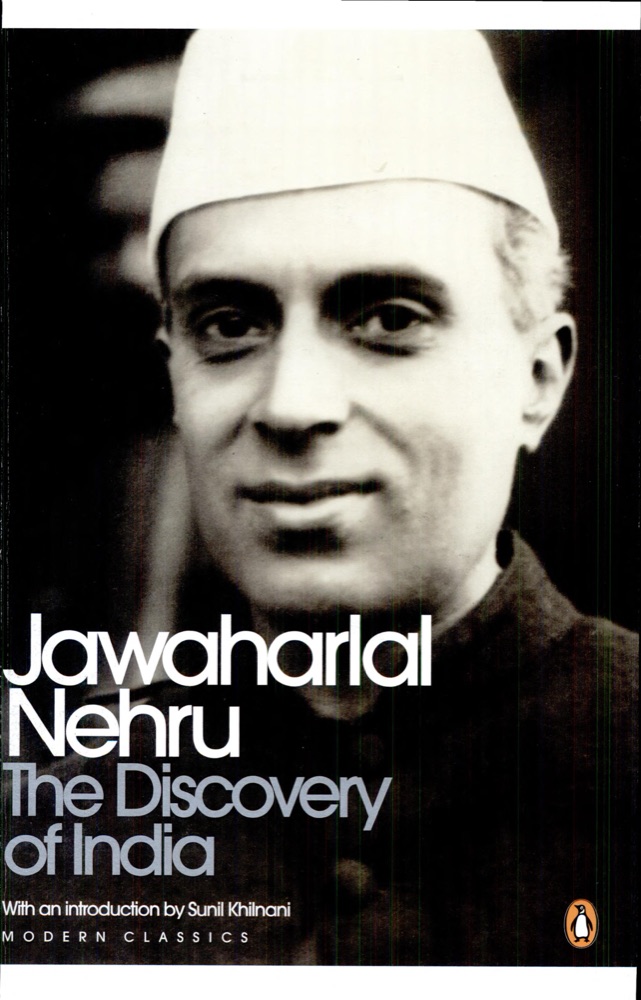 The Discovery of India
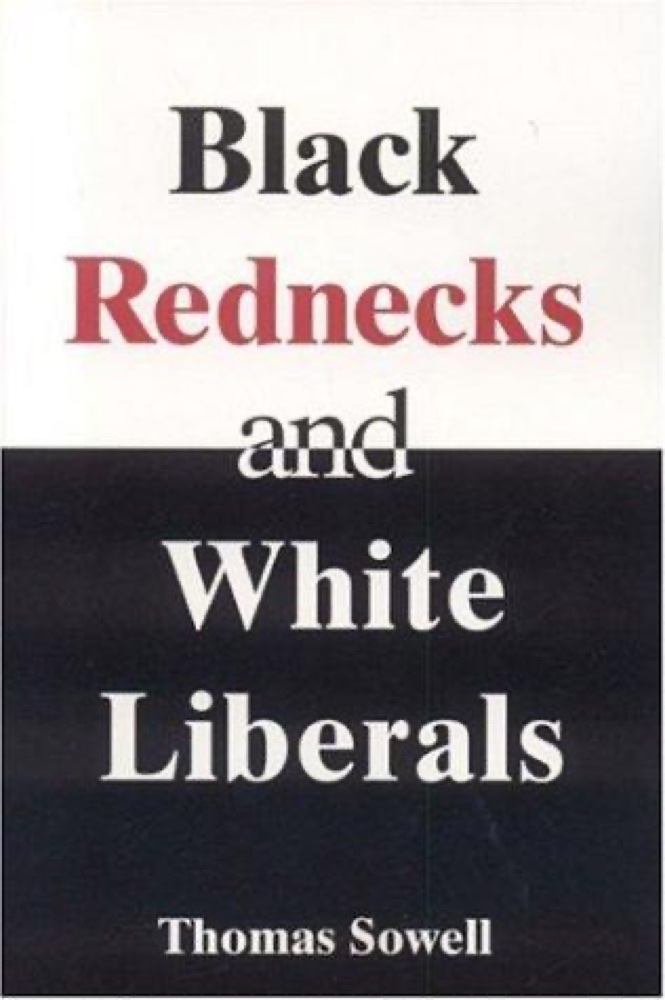 Black Rednecks and White Liberals
 The Disuniting of America: Reflections on a Multicultural Society
 One Day, Everyone Will Have Always Been Against This
 The Eighteenth Brumaire of Louis Bonaparte
 The War of the Poor
 The Revolt of the Masses
 Regarding the Pain of Others
 Discourse on Colonialism
 Psychology and Religion
 A Little History of Religion
 When I Was a Child I Read Books
 Nasty, Brutish, and Short: Adventures in Philosophy with My Kids