
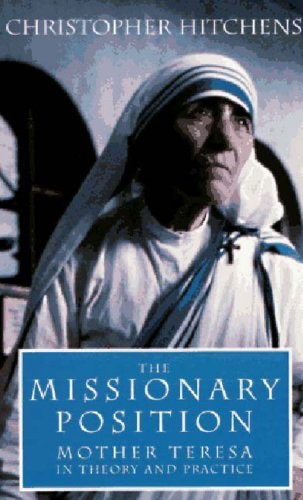
 The Missionary Position: Mother Teresa in Theory and Practice
Quotes from the Book
The people who must never have power are the humorless. To impossible certainties of rectitude they ally tedium and uniformity.
42
Teasing is very often a sign of inner misery.
40
A point, like a joke, is a terrible thing to miss.
24
It is pardonable for children to yell that they believe in fairies, but it is somehow sinister when the piping note shifts from the puerile to the senile.
15
Created sick, and then commanded to be well.” This is one of the first, easiest, and most obvious of the satirical maxims that eventually lay waste to the illusion of faith.
10
It’s difficult to take oneself with sufficient seriousness to begin any sentence with the words “Thou shalt not.” But who cannot summon the confidence to say: Do not condemn people on the basis of their ethnicity or color. Do not ever use people as private property. Despise those who use violence or the threat of it in sexual relations. Hide your face and weep if you dare to harm a child. Do not condemn people for their inborn nature—why would God create so many homosexuals only in order to torture and destroy them? Be aware that you too are an animal and dependent on the web of nature, and think and act accordingly. Do not imagine that you can escape judgment if you rob people with a false prospectus rather than with a knife. Turn off that fucking cell phone—you have no idea how unimportant your call is to us. Denounce all jihad-ists and crusaders for what they are: psychopathic criminals with ugly delusions. Be willing to renounce any god or any religion if any holy commandments should contradict any of the above.
8
There is a germ of religion in human nature so strong that whenever an order of men can persuade the people by flattery or terror that they have salvation at their disposal, there can be no end to fraud, violence, or usurpation.
8
Our near absolute dominion over nature has, however, confronted us with one brilliant and ironic and inescapable insight. The decryption of DNA is not only useful in putting a merciful but overdue end to theories of creationism and racism but also enlightening in instructing us that we are ourselves animals.
7
Fuck off," some of them seem to be yelling at coalition forces. A lot hinges on the appropriate military response. "Fuck you" might be risky. "OK, off we fuck, then" might buy some valuable time.
7
It is a settled policy of America, that as peace is better than war, war is better than tribute. The United States, while they wish for war with no nation, will buy peace with none.
6
It is odd, when you think about it, that we accuse racists of “discrimination.” This is the very thing of which they are by definition incapable: They think all members of certain groups are the same.
6
And how easy it is to recognize the revenant shapes that the old unchanging enemies—racism, leader worship, superstition—assume when they reappear amongst us (often bodyguarded by their new apologists).
6
Once again it is demonstrated that people do not love their chains or their jailers,-and that the aspiration for a civilized life - that "universal eligibility to be noble," as Saul Bellow's Augie March so imperishably phrases it - is proper and common to all.
6
It is a frequent vice of radical polemic to assert, and even to believe, that once you have found the lowest motive for an antagonist, you have identified the correct one.
5
THERE CAME A TIME many years ago when I decided to agree to the baptism of my firstborn. It was a question of pleasing his mother’s family. Nonetheless, I had to endure some teasing from Christian friends—how could the old atheist have sold out so easily? I decided to go deadpan and say, Well, I don’t want his infant soul to go to hell or purgatory for want of some holy water. And it was often value for money: The faces of several believers took on a distinct look of discomfort at the literal rendition of their own supposed view.
5
Rights have to be asserted. Animals cannot make such assertions. We have to make representations to ourselves on their behalf.
5
The speakers use all accents of sincerity and sweetness, and they continuously praise virtue; but they never speak as if power would be theirs tomorrow and they would use it for virtuous action. And their audiences also do not seem to regard themselves as predestined to rule; they clap as if in defiance, and laugh at their enemies behind their hands, with the shrill laughter of children. They want to be right, not to do right. They feel no obligation to be part of the main tide of life, and if that meant any degree of pollution they would prefer to divert themselves from it and form a standing pool of purity. In fact, they want to receive the Eucharist, be beaten by the Turks, and then go to heaven.
5
The enormous condescension of posterity” was the magnificent phrase employed by E. P. Thompson to remind us that we must never belittle the past popular struggles and victories (as well as defeats) that we are inclined to take for granted.
5
Three portraits by Hans Holbein have for generations dictated the imagery of the epoch. The first shows King Henry VIII in all his swollen arrogance and finery. The second gives us Sir Thomas More, the ascetic scholar who seems willing to lay his life on a matter of principle. The third captures King Henry’s enforcer Sir Thomas Cromwell, a sallow and saturnine fellow calloused by the exercise of worldly power. The genius of Mantel’s prose lies in her reworking of this aesthetic: Look again at His Majesty and see if you do not detect something spoiled, effeminate, and insecure. Now scrutinize the face of More and notice the frigid, snobbish fanaticism that holds his dignity in place. As for Cromwell, this may be the visage of a ruthless bureaucrat, but it is the look of a man who has learned the hard way that books must be balanced, accounts settled, and zeal held firmly in check. By the end of the contest, there will be the beginnings of a serious country called England, which can debate temporal and spiritual affairs in its own language and which will vanquish Spain and give birth to Shakespeare and Marlowe and Milton.
4
Considering these limitations, it is quite astonishing how irreligious the Founders actually were. You might not easily guess, for example, who was the author of the following words: Oh! Lord! Do you think that a Protestant Popedom is annihilated in America? Do you recollect, or have you ever attended to the ecclesiastical Strifes in Maryland Pensilvania [sic], New York, and every part of New England? What a mercy it is that these People cannot whip and crop, and pillory and roast, as yet in the U.S.! If they could they would…. There is a germ of religion in human nature so strong that whenever an order of men can persuade the people by flattery or terror that they have salvation at their disposal, there can be no end to fraud, violence, or usurpation. That was John Adams, in relatively mild form.
4
Like the quality of mercy, the prompting of compassion is not finite, and can be self-replenishing.
4
Penn replied that surely bin Laden had provided quite a number of his very own broadcasts and videos. I was again impressed by the way that Chávez rejected this proffered lucid-interval lifeline. All of this so-called evidence, too, was a mere product of imperialist television. After all, “there is film of the Americans landing on the moon,” he scoffed. “Does that mean the moon shot really happened? In the film, the Yanqui flag is flying straight out. So, is there wind on the moon?” As Chávez beamed with triumph at this logic, an awkwardness descended on my comrades, and on the conversation. Chávez, in other words, is very close to the climactic moment when he will announce that he is a poached egg and that he requires a very large piece of buttered toast so that he can lie down and take a soothing nap.
4
the chief principle of banana-ism is that of kleptocracy, whereby those in positions of influence use their time in office to maximize their own gains, always ensuring that any shortfall is made up by those unfortunates whose daily life involves earning money rather than making it.
4
Orwell was one of those upon whom nothing was lost. (This included, as Orwell himself said: “the power of facing unpleasant facts”). By declining to lie, even as far as possible to himself, and by his determination to seek elusive but verifiable truth, he showed how much can be accomplished by an individual who unites the qualities of intellectual honesty and moral courage..
3
Until the early middle years of the sixteenth century, when King Henry VIII began to quarrel with Rome about the dialectics of divorce and decapitation, a short and swift route to torture and death was the attempt to print the Bible in English. It’s
3
Banish your sentimentality (and I have left out the most heart-touching passages): Is there not something fabulously grotesque about a regime that in the midst of total war will pedantically insist that Jews and their spouses either euthanize their own pets or surrender them to the state for extermination?
3
HERE IS THE MOST CHILLING WAY I can find of stating the matter. Until recently, “waterboarding” was something that Americans did to other Americans. It was inflicted, and endured, by those members of the Special Forces who underwent the advanced form of training known as SERE (Survival, Evasion, Resistance, Escape). In these harsh exercises, brave men and women were introduced to the sorts of barbarism that they might expect to meet at the hands of a lawless foe who disregarded the Geneva Conventions. But it was something that Americans were being trained to resist, not to inflict.
3
Many also forget that the international campaign in solidarity with the Union under the Lincoln presidency rallied at a time when it was entirely possible that the United Kingdom might have thrown its whole weight behind the Confederacy and even moved troops from Canada to hasten the partition of a country half slave and half free. This is often forgotten, I suggest, because the movement of solidarity was partly led by Karl Marx and his European allies (as was gratefully acknowledged by Henry Adams in his Education)
3
Sir Steven Runciman, whose history of the Crusades is an imperishable work, because it demonstrates that medieval Christian fundamentalism not only constituted a menace to Islamic civilization but also directly resulted in the sack of Byzantium, the retardation of Europe, and the massacre of the Jews.
3
Yet the point that JFK missed—and that almost everyone else has gone on to miss—is that much of this journalism was devoted to upholding and defending the ideas not of the coming Russian and Chinese or (as Kennedy failed to appreciate at the time) Cuban Revolutions, but of the earlier American one.
3
Watch on YouTube
About Christopher Hitchens
We have collected 184 quotes from 9 books by Christopher Hitchens on BookQuoters.
More about the author →More by Christopher Hitchens
The Missionary Position: Mother Teresa in Theory and Practice
 Letters to a Young Contrarian
 god is Not Great: How Religion Poisons Everything
 Hitch-22: A Memoir
About the book
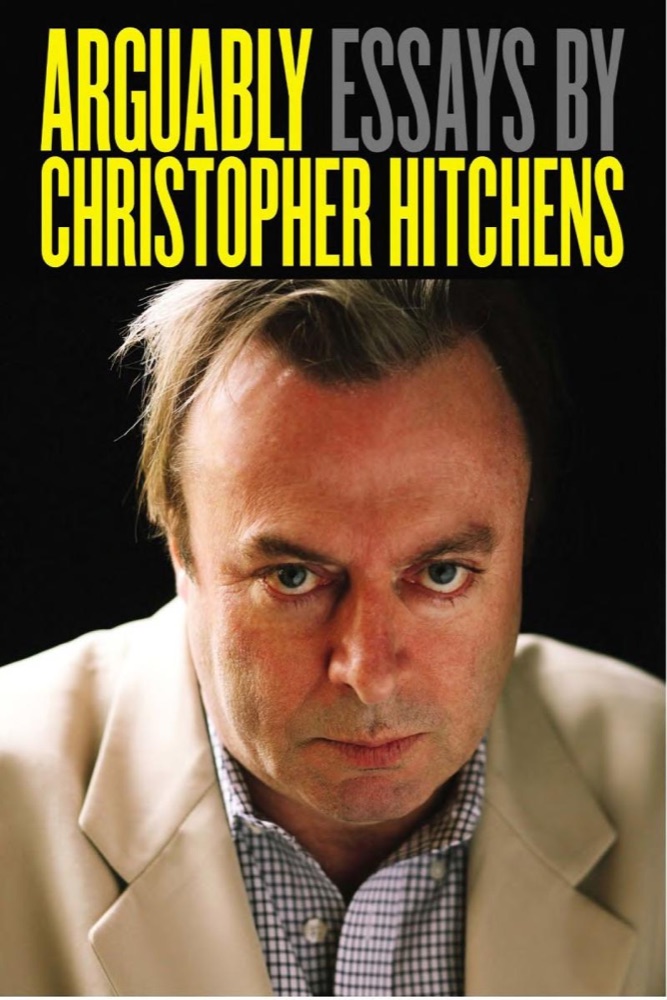
The first new book of essays by Christopher Hitchens since 2004, Arguably offers an indispensable key to understanding the passionate and skeptical spirit of one of our most dazzling writers, widely admired for the clarity of his style, a result of his disciplined and candid thinking.
Topics range from ruminations on why Charles Dickens was among the best of writers and the worst of men to the haunting science fiction of J.G. Ballard; from the enduring legacies of Thomas Jefferson and George Orwell to the persistent agonies of anti-Semitism and jihad. Hitchens even looks at the recent financial crisis and argues for the enduring relevance of Karl Marx.
The book forms a bridge between the two parallel enterprises of culture and politics. It reveals how politics justifies itself by culture, and how the latter prompts the former. In this fashion, Arguably burnishes Christopher Hitch
Book details
- First published
- 2011
- Author
- Christopher Hitchens
- Genre
- Nonfiction
- Goodreads rating
- 4.20 (10k ratings)
Keep reading
Hitch-22: A Memoir
 Heretics
 When I Was a Child I Read Books
 The True Believer: Thoughts on the Nature of Mass Movements
Letters to a Young Contrarian
The True Believer: Thoughts on the Nature of Mass Movements
Letters to a Young Contrarian
 The Better Angels of Our Nature: Why Violence Has Declined
 The Message
 From Dawn to Decadence: 500 Years of Western Cultural Life, 1500 to the Present
 No Name in the Street
 One Day, Everyone Will Have Always Been Against This
 Persian Letters
 People of the Lie: The Hope for Healing Human Evil
 The Rage Against God: How Atheism Led Me to Faith
 The Fall of Babel
 On the Genealogy of Morals/Ecce Homo
 What's Wrong with the World
 Brave New World Revisited
 Human, All Too Human
 Daybreak: Thoughts on the Prejudices of Morality
 It Can't Happen Here
 Too Like the Lightning
 The Story of My Experiments With Truth
 The War on the West: An Instant NYT Bestselling History of the Modern World
 Anthills of the Savannah
 The Fire Next Time
 God Emperor of Dune
 Joseph Anton: A Memoir
 Life at the Bottom: The Worldview That Makes the Underclass
 The Closing of the American Mind
 The Book of Merlyn
 Rules for Radicals: A Pragmatic Primer for Realistic Radicals
 Consider the Lobster and Other Essays
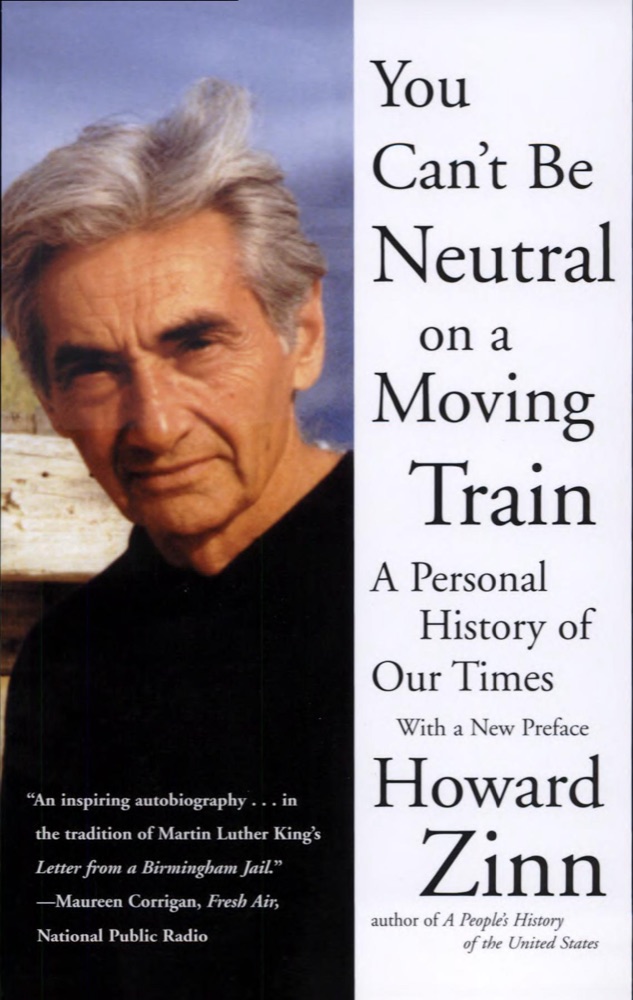 You Can't Be Neutral on a Moving Train: A Personal History of Our Times
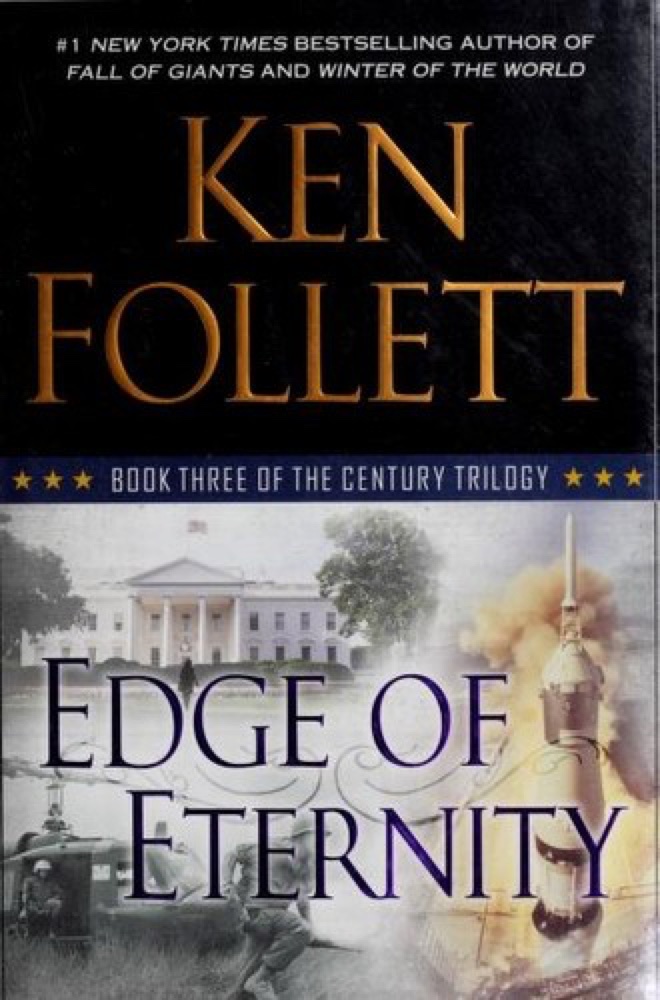 Edge of Eternity
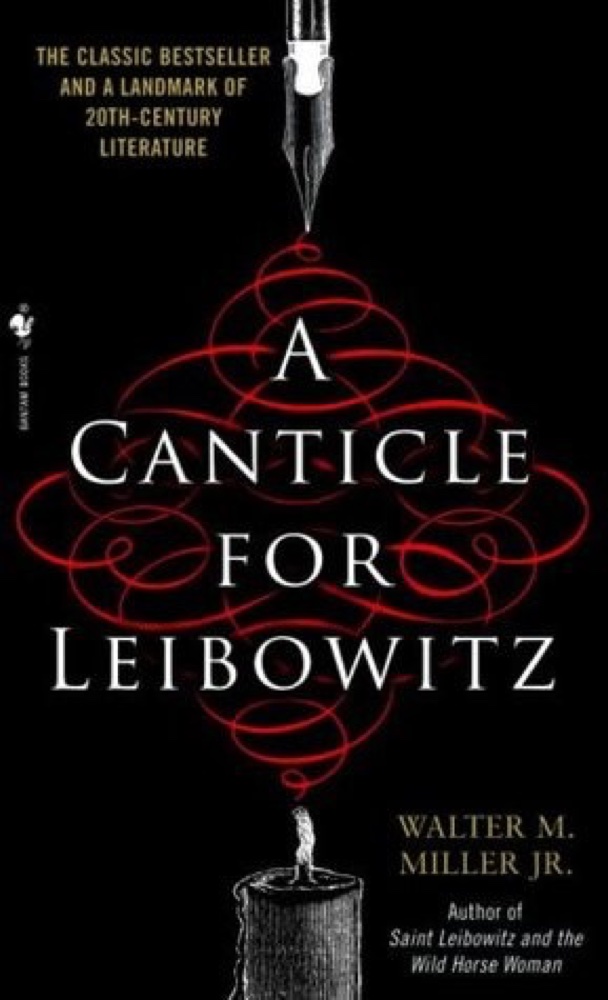 A Canticle for Leibowitz
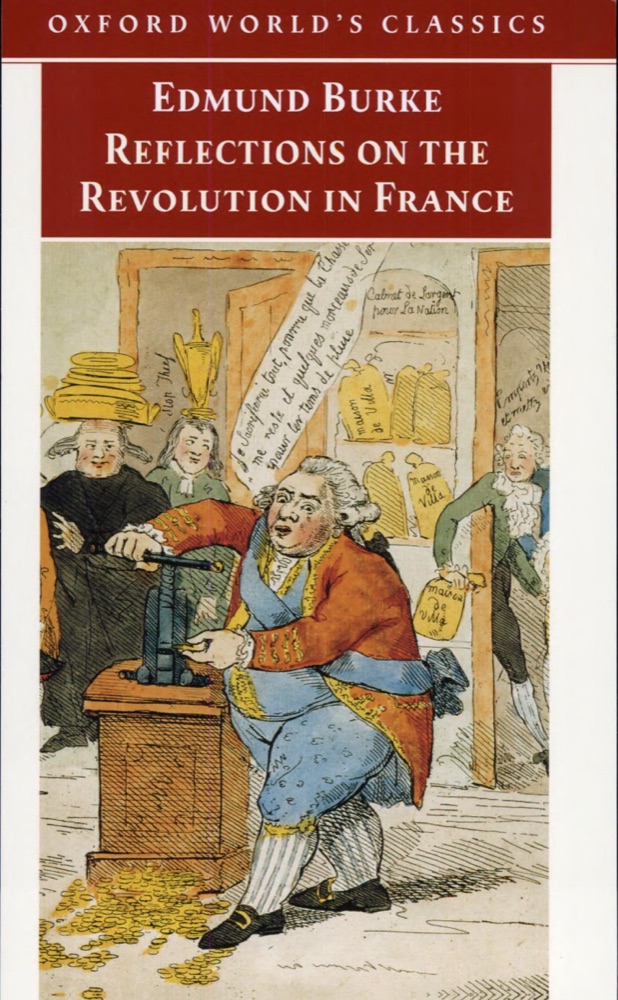 Reflections on the Revolution in France
 Julian
 The Secret Agent
 The Prague Cemetery
 The World's Last Night: And Other Essays
 A Collection of Essays
 Erewhon
 The Autobiography of Martin Luther King, Jr.
 Nobody Knows My Name
 Resistance, Rebellion and Death: Essays
god is Not Great: How Religion Poisons Everything
Resistance, Rebellion and Death: Essays
god is Not Great: How Religion Poisons Everything
 Humankind: A Hopeful History
 Absolute Friends
 The Source of Self-Regard: Selected Essays, Speeches, and Meditations
 The Will to Battle
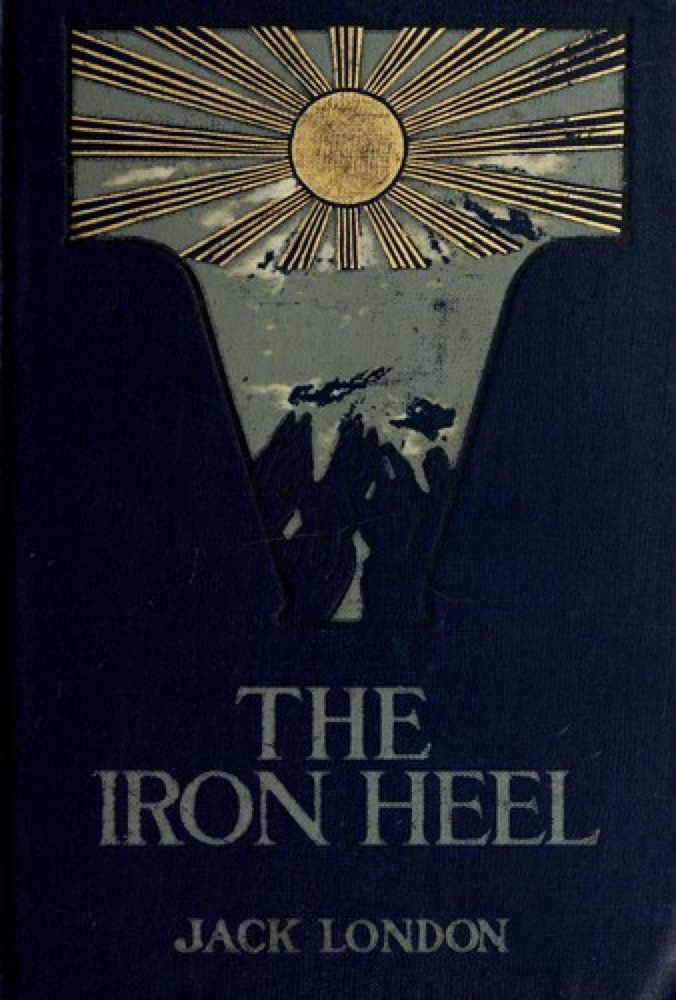 The Iron Heel
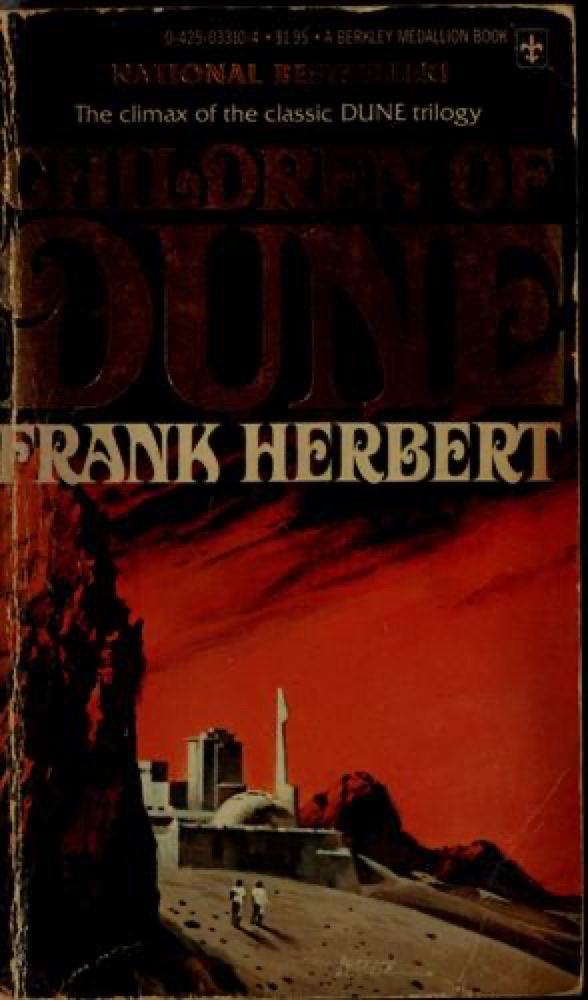 Children of Dune
 What's Left?
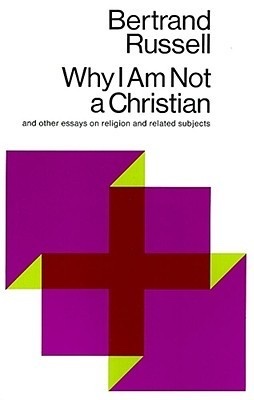 Why I Am Not a Christian and Other Essays on Religion and Related Subjects
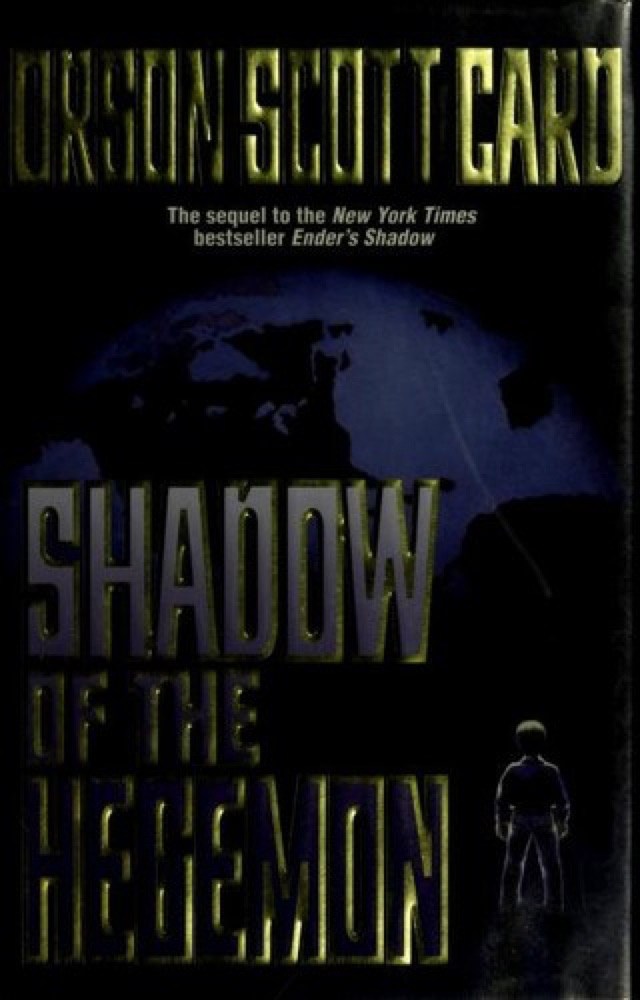 Shadow of the Hegemon
 The Gadfly
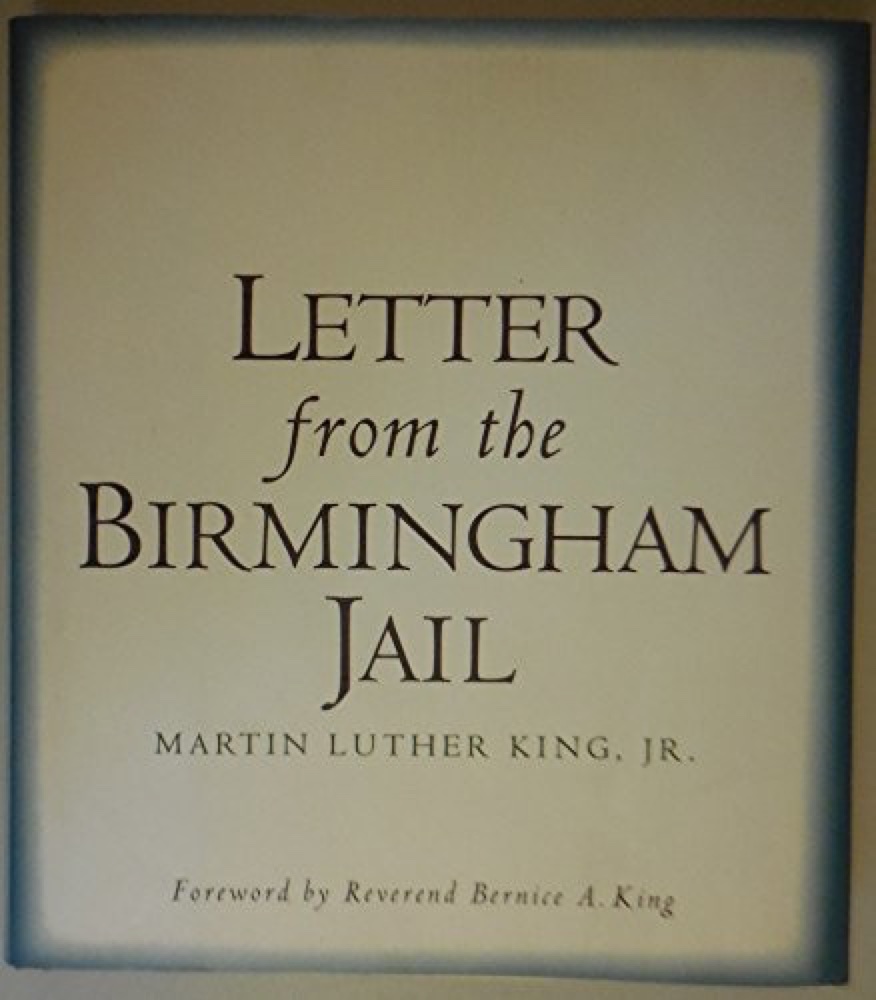 Letter from the Birmingham Jail
 Philosophical Dictionary
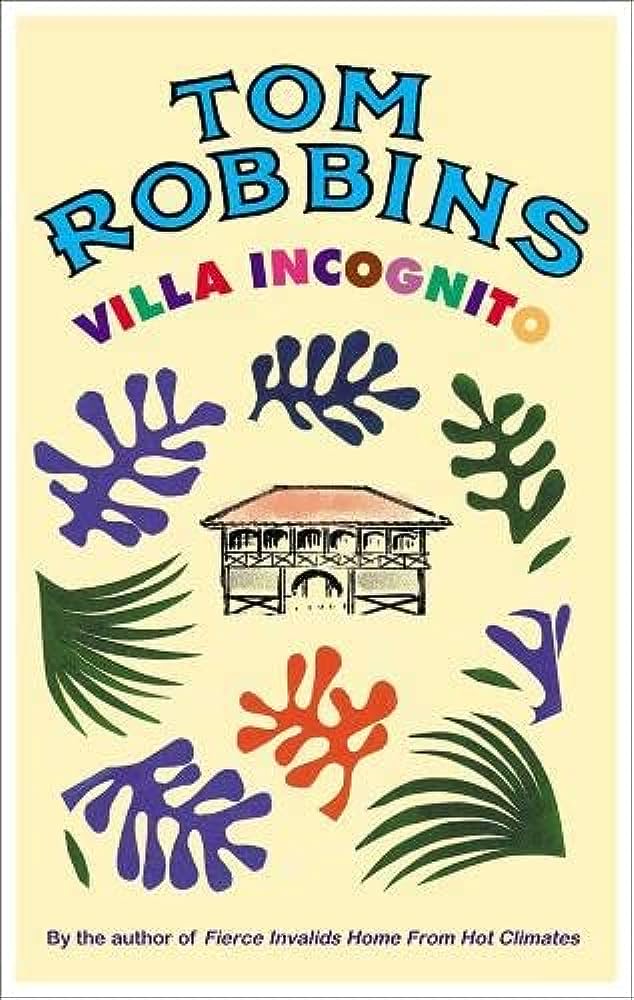 Villa Incognito
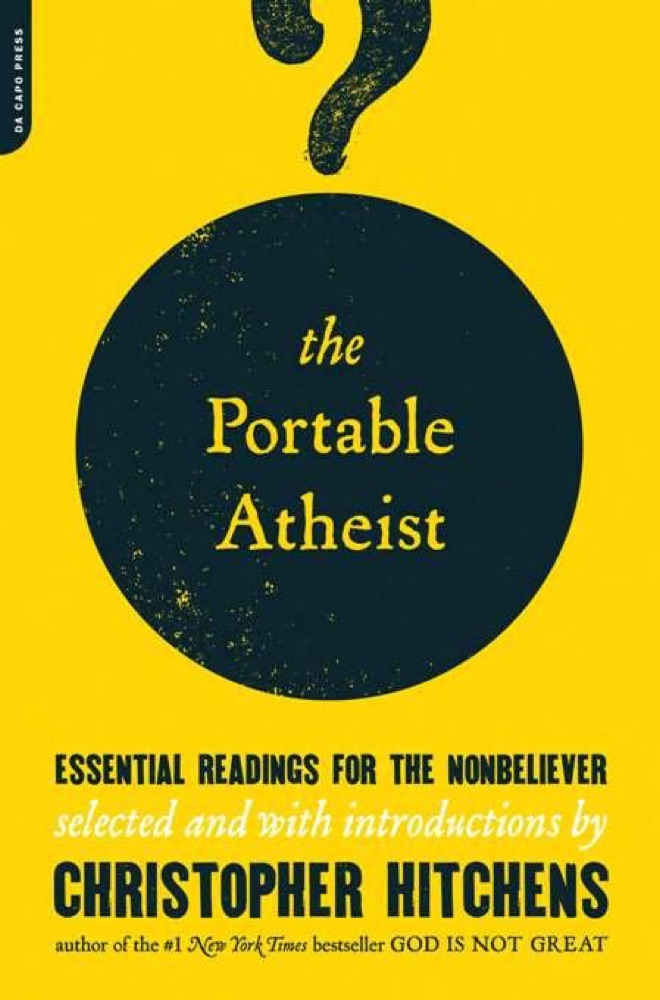 The Portable Atheist: Essential Readings for the Nonbeliever