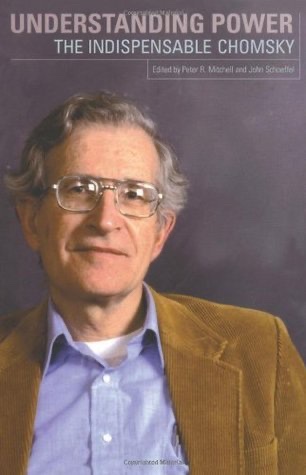
 Understanding Power: The Indispensable Chomsky
Quotes from the Book
To speak truth to power is not a particularly honorable vocation.
There may be no end to such discoveries, if civilization survives. A truly decent and honest person will always seek to discover forms of oppression, hierarchy, domination, and authority that infringe fundamental human rights. As some are overcome, others will be revealed that previously were not part of our conscious awareness. We thus come to a better understanding of who and what we are in our inner nature, and who and what we should be in our actual lives. This
at every stage of history our concern must be to dismantle those forms of authority and oppression that survive from an era when they might have been justified in terms of the need for security or survival or economic development, but that now contribute to—rather than alleviate—material and cultural deficit. If
If a concept or principle finds its place in an explanatory theory, it cannot be excluded on methodological grounds.
by considering what has happened in East Timor since 1975, we can learn some important things about ourselves, our society, and our institutions. If we do not like what we find when we look at the facts—and few will fail to be appalled if they take an honest look—we can work to bring about changes in the practices and structure of institutions that cause terrible suffering and slaughter. To the extent that we see ourselves as citizens in a democratic community, we have a responsibility to devote our energies to these ends. The recent history of Timor provides a revealing insight into the policies of the U.S. government,
In a free society, we do not imprison those who violate profound cultural taboos or burn them at the stake. But they must be identified as dangerous radicals, not fit to be counted among the priesthood. The reaction is appropriate. To raise the dread question is to open the possibility that the institutions responsible “for the indoctrination of the young” and the other propaganda institutions may be infected by the most dangerous of plagues: insight and understanding. Awareness of the facts might threaten the social order, protected by a carefully spun web of pluralist mysticism, faith in the benevolence of our pure-hearted leadership, and general superstitious belief. An
Watch on YouTube
About Noam Chomsky
We have collected 210 quotes from 11 books by Noam Chomsky on BookQuoters.
More about the author →More by Noam Chomsky
Understanding Power: The Indispensable Chomsky
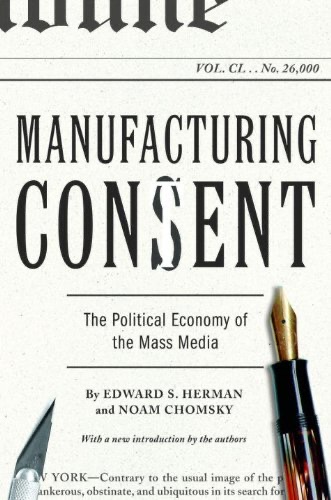 Manufacturing Consent: The Political Economy of the Mass Media
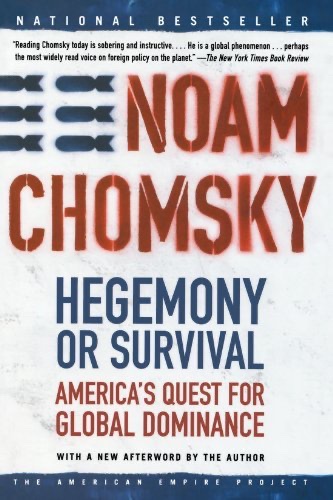 Hegemony or Survival: America's Quest for Global Dominance
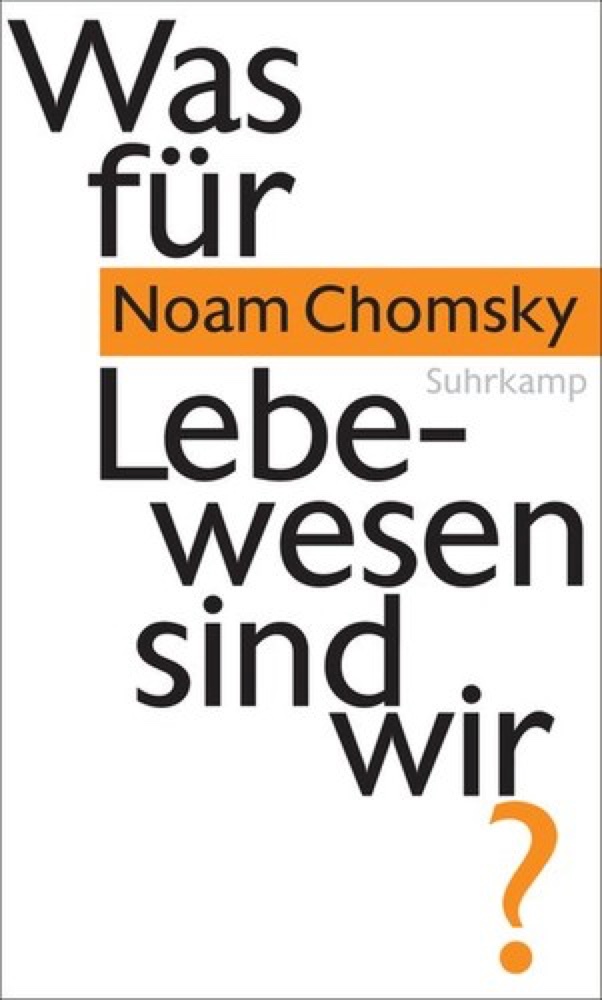 What Kind of Creatures Are We?
Book details
- Author
- Noam Chomsky
- Genre
- History
- Goodreads rating
- 4.08 (2k ratings) →
Keep reading
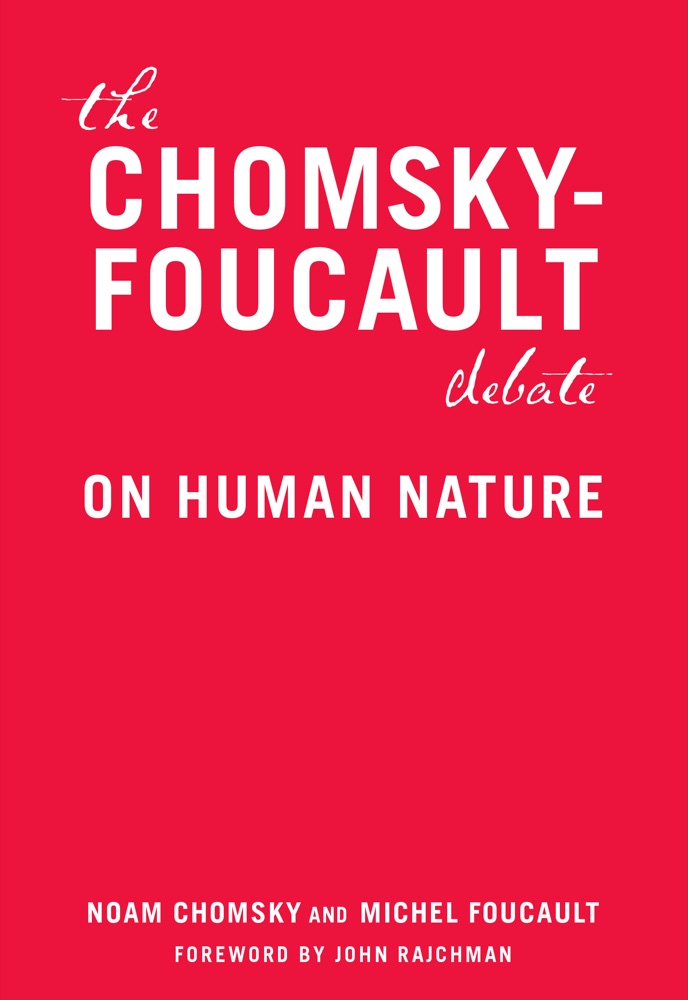 The Chomsky-Foucault Debate: On Human Nature
Understanding Power: The Indispensable Chomsky
The Chomsky-Foucault Debate: On Human Nature
Understanding Power: The Indispensable Chomsky
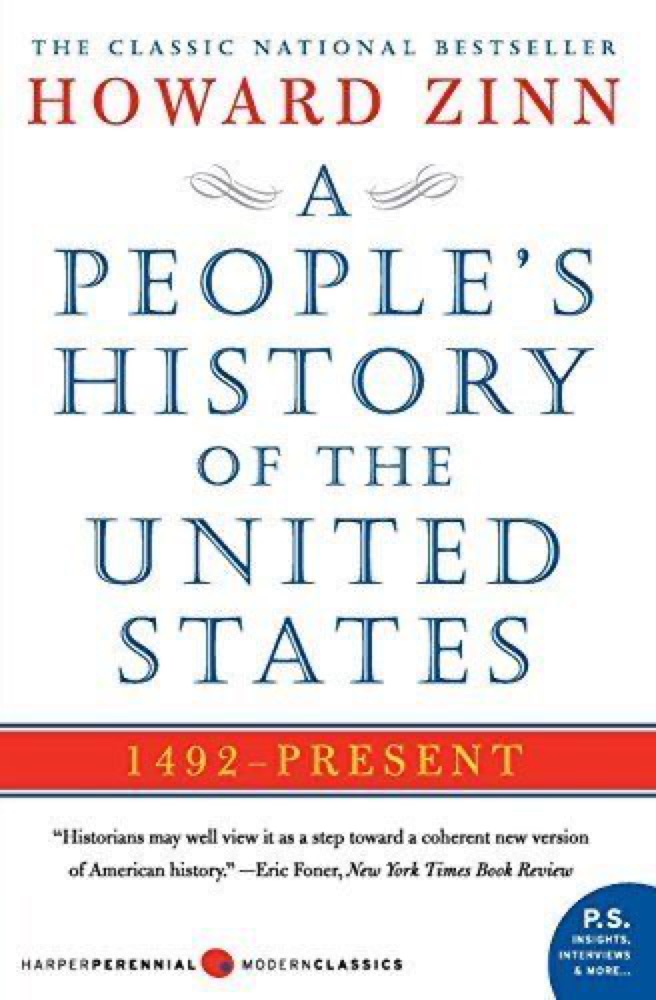 A People's History of the United States
 Chomsky On Anarchism
 Pedagogy of the Oppressed
 The Road to Serfdom
 Parasitic Mind: How Infectious Ideas Are Killing Common Sense
 Endgame, Vol. 1: The Problem of Civilization
 Rules for Radicals: A Pragmatic Primer for Realistic Radicals
 How Should We Then Live? The Rise and Decline of Western Thought and Culture
 The Message
 After Virtue
 You Can't Be Neutral on a Moving Train: A Personal History of Our Times
 Behold a Pale Horse
 The Closing of the American Mind
 On Tyranny: Twenty Lessons from the Twentieth Century
 Obedience to Authority
 From Dawn to Decadence: 500 Years of Western Cultural Life, 1500 to the Present
 Live Not by Lies: A Manual for Christian Dissidents
 Doing Justice: A Prosecutor's Thoughts on Crime, Punishment, and the Rule of Law
 The Muqaddimah: An Introduction to History
 The Argumentative Indian: Writings on Indian History, Culture and Identity
 Ill Fares the Land
 World Order
 Children of Dune
 The Dawn of Everything: A New History of Humanity
 Brave New World Revisited
 The Discovery of India
 Arguably: Selected Essays
 The Better Angels of Our Nature: Why Violence Has Declined
 The Origins of Totalitarianism
 God Emperor of Dune
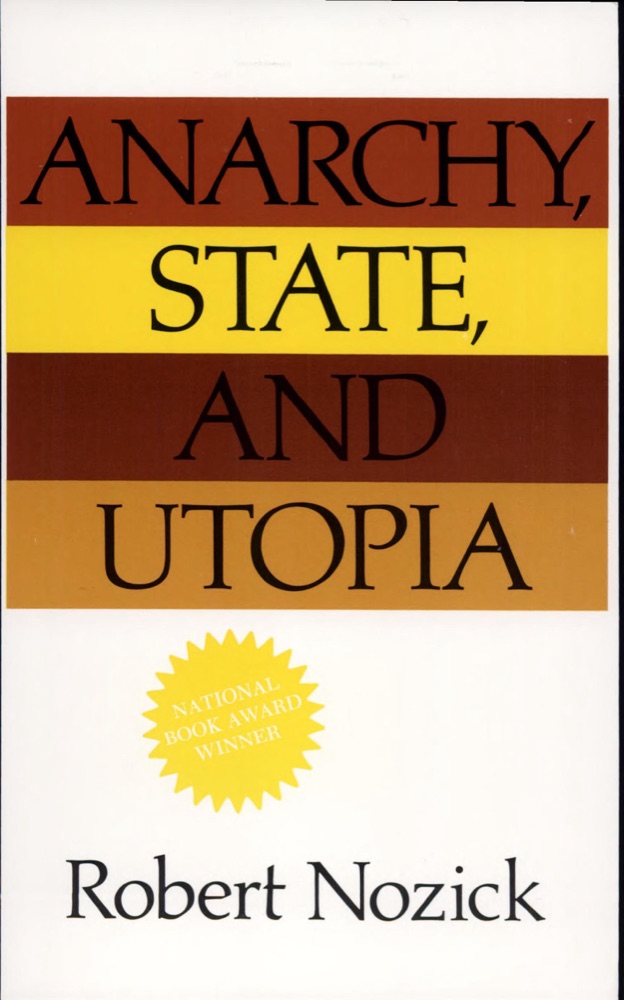 Anarchy, State, and Utopia
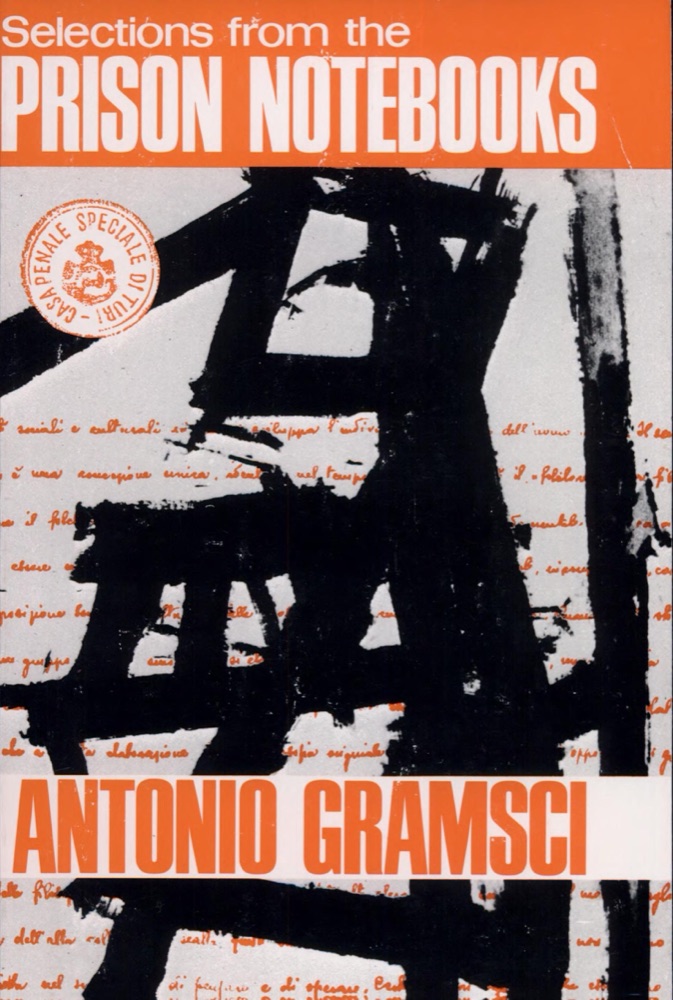 Selections from the Prison Notebooks
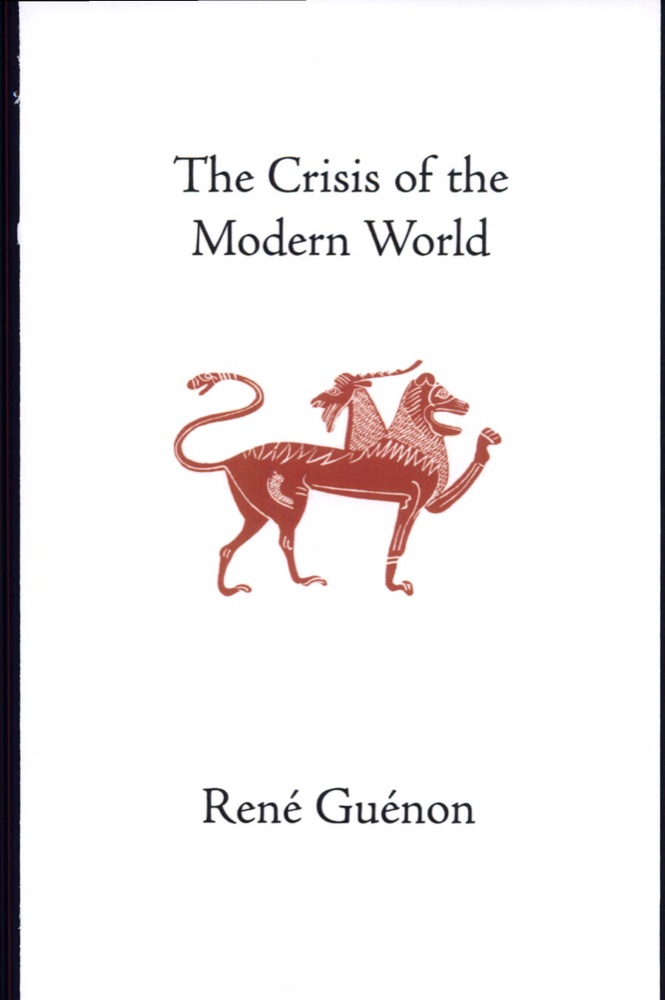 The Crisis of the Modern World
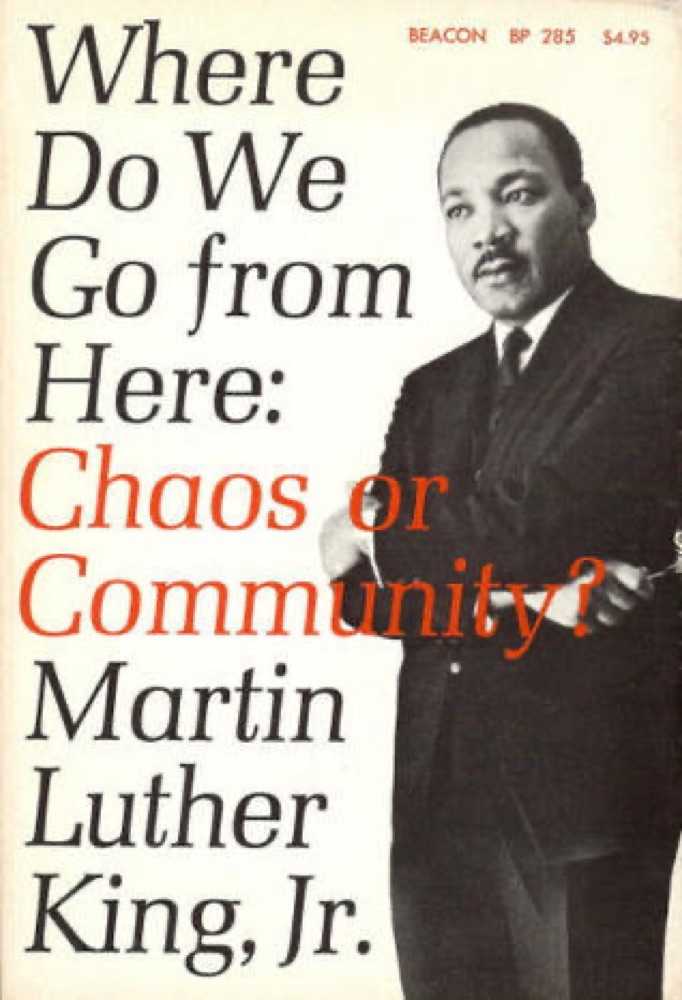 Where Do We Go from Here: Chaos or Community?
 Reflections on the Revolution in France
 Democracy in America
 The Source of Self-Regard: Selected Essays, Speeches, and Meditations
 The Lessons of History
 Across That Bridge: A Vision for Change and the Future of America
 One Day, Everyone Will Have Always Been Against This
 Justice: What's the Right Thing to Do?
 Not for Profit: Why Democracy Needs the Humanities
 The Power of the Powerless
 The Wretched of the Earth
 The Future of an Illusion
 Elite Capture: How the Powerful Took Over Identity Politics
 Death of the Liberal Class
 The Story of My Experiments With Truth
 The Biggest Secret: The Book That Will Change the World
 The Audacity of Hope: Thoughts on Reclaiming the American Dream
 Conspirators' Hierarchy: The Story of the Committee of 300
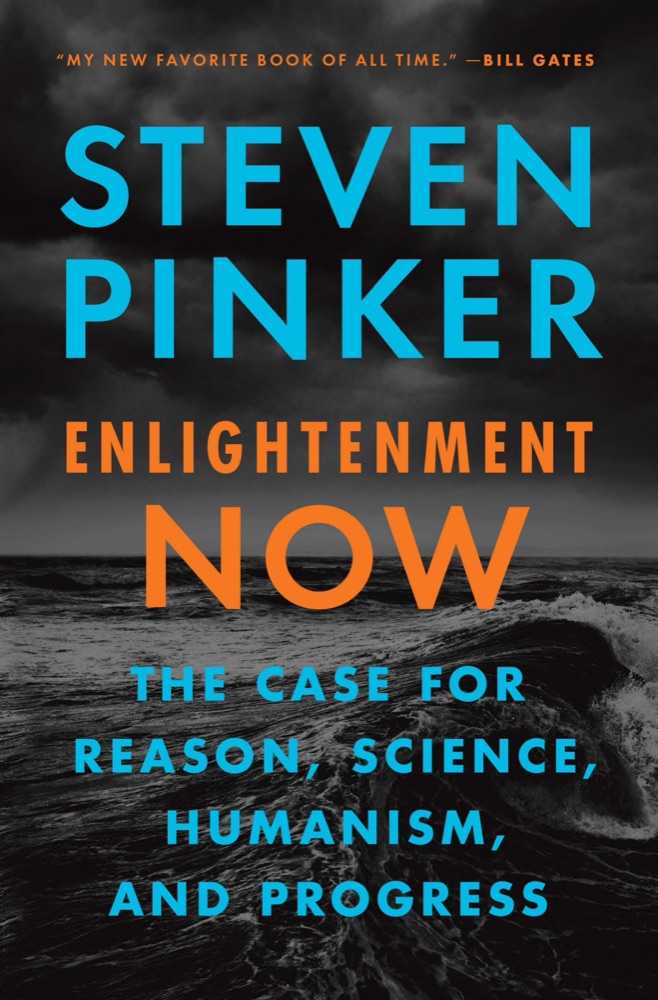 Enlightenment Now: The Case for Reason, Science, Humanism, and Progress
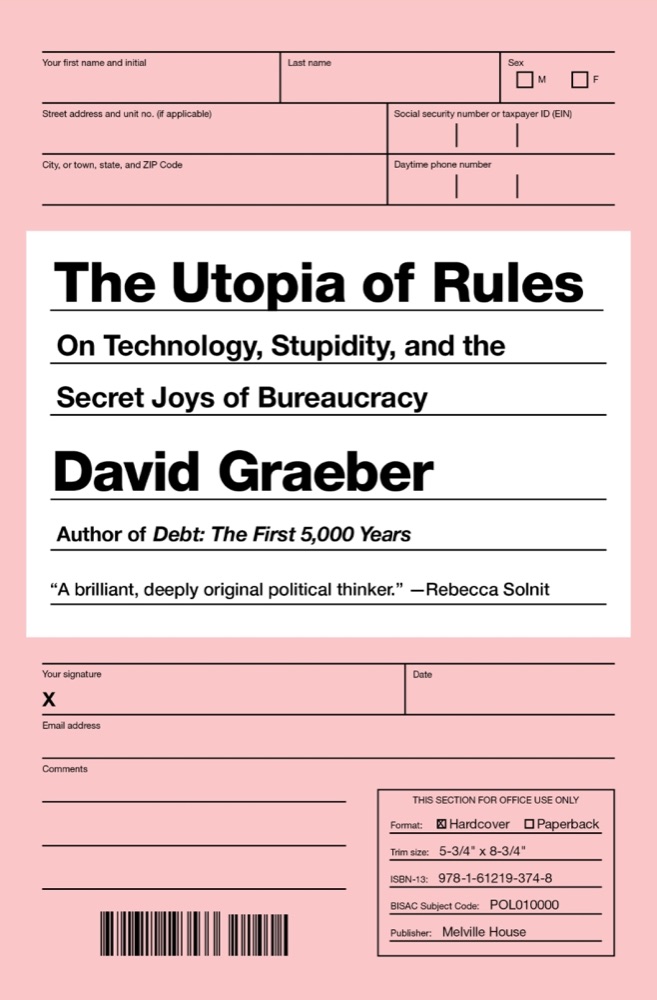 The Utopia of Rules: On Technology, Stupidity, and the Secret Joys of Bureaucracy
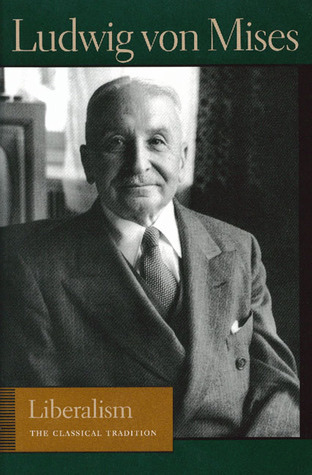 Liberalism: The Classical Tradition
 Empire of Illusion: The End of Literacy and the Triumph of Spectacle
 First As Tragedy, Then As Farce
 Walden Two
 House Corrino