
 The Portable Atheist: Essential Readings for the Nonbeliever
Quotes from the Book
But if we are all God’s children, why does God spend so much time in history ordering one branch of his universal family to wipe out another branch? Why did his love for his Jewish children have to be expressed by the extermination of his Palestinian children? Why did he later abandon his Jewish children in favour of his Christian children and encourage his new favourites to torment their older siblings? Why did he order his Muslim children who worship him as One to persecute his pagan children who worship him as Many? Why is there so much violence in religious history, all done by groups who claim God is on their side? Unless you are prepared to believe that God actually plays favourites like some kind of demented tyrant, then there are only two ways out of this dilemma. The obvious one is to decide that there is no God. What is called God is a human invention used, among other things, to justify humankind’s love of violence and hatred of strangers. Getting rid of God won’t solve the problem of human violence but it will remove one of its pretexts.
6
Fundamentalists didn’t try to disprove science. They didn’t argue against it. They pronounced against it! It was the equivalent of a parent clinching an argument with a child by shouting: ‘because I say so’. That’s what fundamentalist religion does. It refutes not by evidence but by authority. Why is Darwin wrong? Because the Bible says so! But they did more than pontificate. They tried to ban science itself. That’s
6
So yes, religion has caused and continues to cause some of the worst violence in history. And yes, it has used God to justify it. So if we mean by God the loving creator of the universe, then either he doesn’t exist or religion has got him wrong. Either way, religion should make us wary. That doesn’t necessarily mean we should abandon it altogether. We may decide to stick with it but to do so with humility, admitting the evil it has done as well as the good. It’s up to us.
4
As we have seen so often in this book, religion may begin with mystical experiences but it always leads to politics. It starts with the voice heard by the prophets who are its chosen instruments. And what they hear always leads to actions that affect the way people live: with politics. Sometimes the politics are bad. People are persecuted for following the wrong faith or for listening to the wrong voice. Or they are forced to embrace the message announced by the latest hot prophet. So the history of religion becomes a study in different forms of oppression. But sometimes the politics are good. They are about liberation, not oppression. We saw good politics in the stand the Pennsylvanian Quakers made against slavery in 1688. And in the African American Church today the politics of Christianity are still about liberation. The tactics of Moses and the promises of Jesus are used to make the world a better place. Religion is no longer used as an opiate to dull the pain of injustice and inequality but as a stimulant to overcome it. That’s what keeps many people in the religion game.
3
The theory they used to prevent women voting was that the female brain could not comprehend the complexity of politics. Politics was for men. Child-bearing was for women. And the best supplier of reasons for keeping people in their place has always been religion. We saw it at work in the debate over slavery. The Bible and the Qur’an both took slavery for granted. They took the subordination of women for granted too. So we run up against the awkward fact that sacred texts can be used to supply ammunition for those who want to keep people under control.
3
The most revolutionary change that hit the world in the twentieth and twenty-first centuries was the liberation of women. The Bible and the Qur’an came from societies controlled by men. No surprise there. That’s how the world everywhere was run until fairly recently. And there is something worth noting before we go deeper into the issue. History shows that the men in charge never volunteer to give up their privileges. They don’t wake up one day and say, ‘I’ve suddenly realised that the way I control and dominate others is wrong. I must change my ways. So I’ll share my power with them. I’ll give them the vote!’ That’s never how it works. History shows that power always has to be wrested from those who have it. The suffragettes who fought for the vote or suffrage for women learned that lesson. Men didn’t volunteer to give women the vote. Women had to fight them for it.
3
fundamentalist religion does. It refutes not by evidence but by authority
2
Their books weren’t ink marks on paper but God himself compressed between covers. No wonder they often ended up fighting with each other over who had the best words and the best symbols for God.
2
Symbols become sacred to people because they represent loyalties deeper than words can express. That’s why they hate to see their symbols violated.
1
Events that come on tiptoe often change the world.
1
Buddha would have agreed with an insight of the seventeenth-century French contemplative Blaise Pascal: ‘all human evil comes from a single cause, man’s inability to sit still in a room’.
The answer he gave was that the way out was by the path of moderation between extremes. He called it the Middle Path.
don’t believe 2+2=4. I know it. I am certain of
Cuộc đời là để sống tốt và trọn vẹn trong chính nó, chứ không chỉ là khúc dạo đầu cho những gì có thể xảy đến sau cái chết.
Confucianism and Taoism were native to China, but its third religion, Buddhism, was an import from India.
Lao Tse told them to relax and learn from the life of a plant. It doesn’t have to be told how to do its thing. It follows its nature.
Buddhism is a practice, not a creed. It is something to do rather than something to believe. The key to its effectiveness is controlling the restless craving mind through meditation. By sitting still and watching how they breathe, by meditating on a word or a flower, practitioners move through different levels of consciousness to the calm that diminishes desire. Buddha would have agreed with an insight of the seventeenth-century French contemplative Blaise Pascal: ‘all human evil comes from a single cause, man’s inability to sit still in a room’.
Watch on YouTube
About Richard Holloway
We have collected 17 quotes from 1 book by Richard Holloway on BookQuoters.
More about the author →About the book
For curious readers young and old, a rich and colorful history of religion from humanity’s earliest days to our own contentious times
In an era of hardening religious attitudes and explosive religious violence, this book offers a welcome antidote. Richard Holloway retells the entire history of religion—from the dawn of religious belief to the twenty-first century—with deepest respect and a keen commitment to accuracy. Writing for those with faith and those without, and especially for young readers, he encourages curiosity and tolerance, accentuates nuance and mystery, and calmly restores a sense of the value of faith.
Ranging far beyond the major world religions of Judaism, Islam, Christianity, Buddhism, and Hinduism, Holloway also examines where religious belief comes from, the search for meaning throughout history, today’s fascinations with Scientology and creationism, religious
Book details
- First published
- 2016
- Author
- Richard Holloway
- Genre
- History
- Goodreads rating
- 4.21 (6k ratings)
Keep reading
The Portable Atheist: Essential Readings for the Nonbeliever
 God Is Not One: The Eight Rival Religions That Run the World--and Why Their Differences Matter
 Breaking the Spell: Religion as a Natural Phenomenon
 The Age of Reason
 A History of God: The 4,000-Year Quest of Judaism, Christianity, and Islam
 The Better Angels of Our Nature: Why Violence Has Declined
 The End of Faith: Religion, Terror, and the Future of Reason
 Tactics: A Game Plan for Discussing Your Christian Convictions
 The Everlasting Man
 The Parafaith War
 Letter to a Christian Nation
 The World's Religions
 The Rage Against God: How Atheism Led Me to Faith
 The Case for God
 The Sign
 god is Not Great: How Religion Poisons Everything
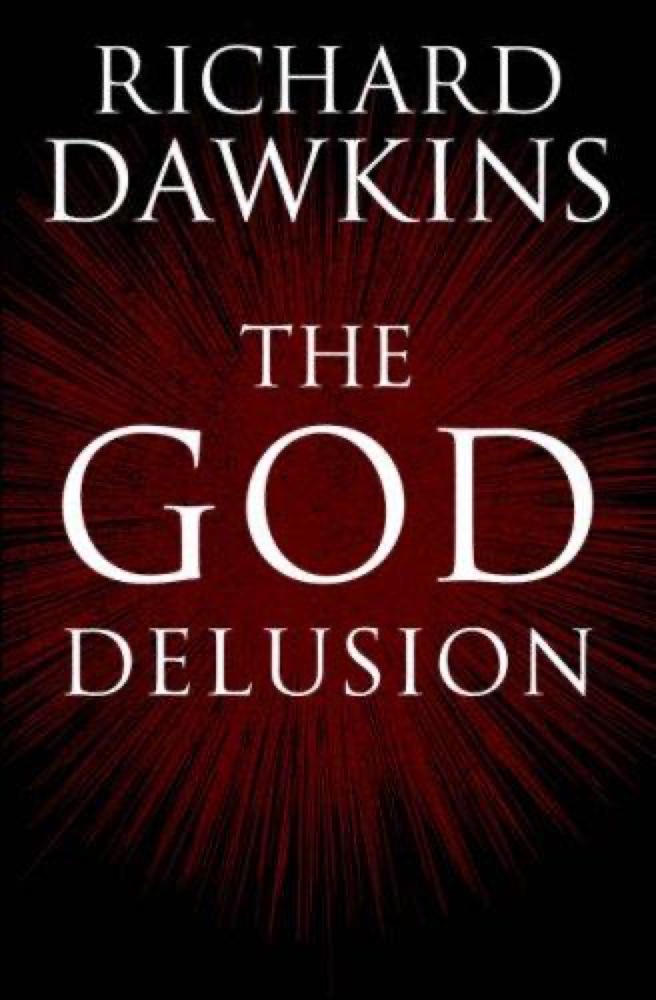 The God Delusion
 The Muqaddimah: An Introduction to History
 Letters and Papers from Prison
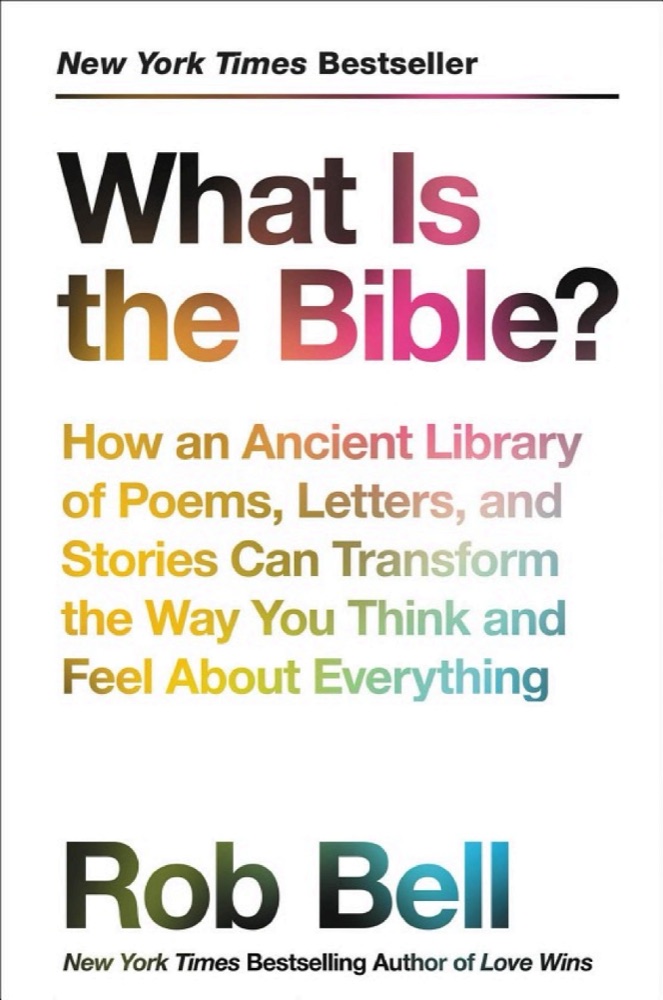 What Is the Bible?: How an Ancient Library of Poems, Letters, and Stories Can Transform the Way You Think and Feel About Everything
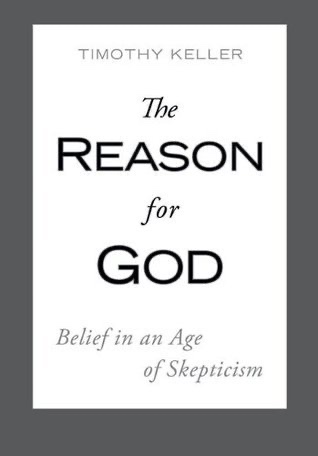 The Reason for God: Belief in an Age of Skepticism
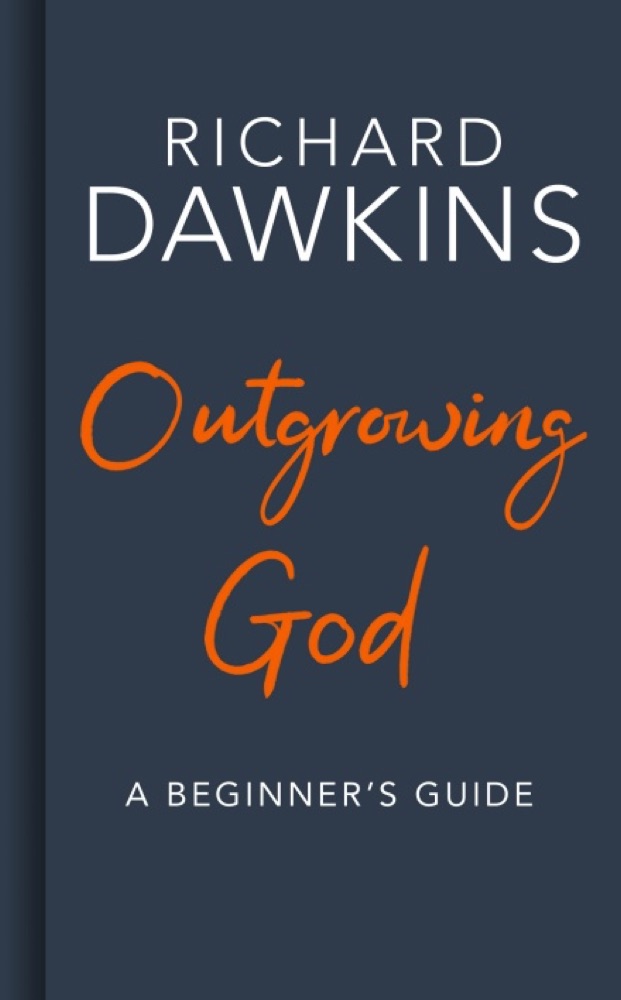 Outgrowing God: A Beginner’s Guide to Atheism
 The World's Last Night: And Other Essays
 Religion Explained: The Evolutionary Origins of Religious Thought
 The Perennial Philosophy
 No god but God: The Origins, Evolution and Future of Islam
 Why I Am Not a Christian and Other Essays on Religion and Related Subjects
 What's So Great About Christianity
 Orthodoxy
 Forged: Writing in the Name of God—Why the Bible's Authors Are Not Who We Think They Are
 Joseph Anton: A Memoir
 Holy Envy: Finding God in the Faith of Others
 How Should We Then Live? The Rise and Decline of Western Thought and Culture
 Under the Banner of Heaven: A Story of Violent Faith
 The Crucible of Doubt: Reflections On the Quest for Faith
 The Story of B: An Adventure of the Mind and Spirit
 The Mind of the Maker: Dorothy L. Sayers' Witty Classic on the Trinity, Christianity, and Human Creativity
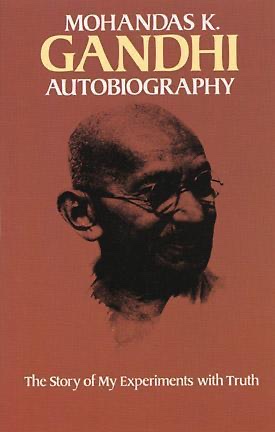 The Story of My Experiments With Truth
 Reasonable Faith
 Heretics
 The Case for Faith: A Journalist Investigates the Toughest Objections to Christianity
 The Immortality Key: Uncovering the Secret History of the Religion with No Name
 Finding God in the Waves: How I Lost My Faith and Found It Again Through Science
 Persian Letters
 Bad Religion: How We Became a Nation of Heretics
 The Varieties of Religious Experience
 The Bible Jesus Read
 What We Talk about When We Talk about God
 Amazing Grace: A Vocabulary of Faith
 Daybreak: Thoughts on the Prejudices of Morality
 Myths to Live By
 A History of the World in 100 Objects
 The Gospel of the Flying Spaghetti Monster
 Jesus Among Other Gods: The Absolute Claims of the Christian Message
 God in Search of Man: A Philosophy of Judaism
 Why There Is No God: Simple Responses to 20 Common Arguments for the Existence of God
 A Pilgrimage to Eternity: From Canterbury to Rome in Search of a Faith
 The Gospel in a Pluralist Society
 A Canticle for Leibowitz