 The Revolt of the Masses
Quotes from the Book
The crisis consists precisely in the fact that the old is dying and the new cannot be born
126
All men are intellectuals, but not all men have in society the function of intellectuals
55
The whole of language is a continuous process of metaphor, and the history of semantics is an aspect of the history of culture; language is at the same time a living thing and a museum of fossils of life and civilisations.
34
Ideas and opinions are not spontaneously "born" in each individual brain: they have had a centre of formation, or irradiation, of dissemination, of persuasion-a group of men, or a single individual even, which has developed them and presented them in the political form of current reality.
33
Common sense is a chaotic aggregate of disparate conceptions, and one can find there anything that one like.
27
The crisis creates situations which are dangerous in the short run, since the various strata of the population are not all capable of orienting themselves equally swiftly, or of reorganizing with the same rhythm. The traditional ruling class, which has numerous trained cadres, changes men and programmes and, with greater speed than is achieved by the subordinate classes, reabsorbs the control that was slipping from its grasp. Perhaps it may make sacrifices, and expose itself to an uncertain future by demagogic promises; but it retains power, reinforces it for the time being, and uses it to crush its adversary and disperse his leading cadres, who cannot be be very numerous or highly trained.
23
At a certain point in their historical lives, social classes become detached from their traditional parties. In other words, the traditional parties in that particular organisational form, with the particular men who constitute, represent and lead them, are no longer recognised by their class (or fraction of a class) as its expression. When such crises occur, the immediate situation becomes delicate and dangerous, because the field is open for violent solutions, for the activities of unknown forces, represented by charismatic "men of destiny".
16
The starting-point of critical elaboration is the consciousness of what one really is, and is “knowing thyself” as a product of the historical process to date which has deposited in you an infinity of traces, without leaving an inventory. The first thing to do is to make such an inventory.
7
Since defeat in the Struggle must always be envisaged, the preparation of one's own successors is as important as what one does for victory.
7
The principle must always rule that ideas are not born of other ideas, philosophies of other philosophies; they are a continually renewed expression of real historical development. The unity of history (what the idealists call unity of the spirit) is not a presupposition, but a continuously developing process.
5
It should never be forgotten that, in the struggle between the nations, it is in the interest of each one of them that the other should be weakened by internal struggle. Hence it is always possible to pose the question of whether the parties exist by virtue of their own strength, as their own necessity, or whether rather they only exist to serve the interests of others.
5
Common sense is not a single unique conception, identical in time and space. It is the "folklore" of philosophy, and, like folklore, it takes countless different forms. Its most fundamental character is that it is a conception which, even in the brain of one individual, is fragmentary, incoherent and inconsequential.
4
The brain is not nourished on beans and truffles but rather the food manages to reconstitute the molecules of the brain once it has been turned into homogeneous and assimilable substances, which potentially have the "same nature", as the molecules of the brain
4
Possibility means "freedom". The measure of freedom enters into the concept of man. That the objective possibilities exist for people not to die of hunder and that people do die of hunger, has its importance, or so one would have thought. But the existence of the objective conditions, of possibilities or of freedom is not yet enough: it is necessary to "know" them, and know how to use them.
3
A man of politics writes about philosophy: it could be that his "true" philosophy should be looked for rather in his writings on politics. In every personality there is one dominant and predominant activity: it is here that his thought must be looked for, in a form that is more often than not implicit and at times even in contradiction with what is professly expressed.
2
Vorrei, per essere proprio tranquillo, che tu non ti spaventassi o ti turbassi troppo qualunque condanna siano per darmi. Che tu comprendessi bene, anche col sentimento, che io sono un detenuto politico e sarò un condannato politico, che non ho e non avrò mai da vergognarmi di questa situazione. Che, in fondo, la detenzione e la condanna le ho volute io stesso, in certo modo, perché non ho mai voluto mutare le mie opinioni, per le quali sarei disposto a dare la vita e non solo a stare in prigione. Che perciò io non posso che essere tranquillo e contento di me stesso. Cara mamma, vorrei proprio abbracciarti stretta stretta perché sentissi quanto ti voglio bene e come vorrei consolarti di questo dispiacere che ti ho dato ma non potevo fare diversamente. La vita è così, molto dura, e i figli qualche volta devono dare dei grandi dolori alle loro mamme, se vogliono conservare il loro onore e la loro dignità di uomini
1
It is from these considerations that one must start in order to establish what is meant by "regularity", "law", "automatism" in historical facts. It is not a question of "discovering" a metaphysical law of "determinism", or even of establishing a "general" law of causality. It is a question of bringing out how in historical evolution relatively permanent forces are constituted which operate with a certain regularity and automatism.
Människan står inte i något förhållande till naturen bara därför att hon utgör en del av den, utan aktivt genom arbete och teknik. Detta förhållande är dessutom inte mekaniskt... Vi ändrar oss alla, omformar oss i samma utsträckning som vi ändrar och omformar de sammansatta förhållanden som vi är mittpunkten i. I denna betydelse kan den sanna filosofen inte vara något annat än politikern, handlingsmänniskan som skapar om sin omgivning.
i montanari, moralmente più puri, sono fisicamente più robusti e «triplicano» le consonanti, la gente di pianura (guai poi se sta al livello del mare come i veneziani) invece, oltre che moralmente depravata, è anche fisicamente degenerata e «scempia» le consonanti.
Watch on YouTube
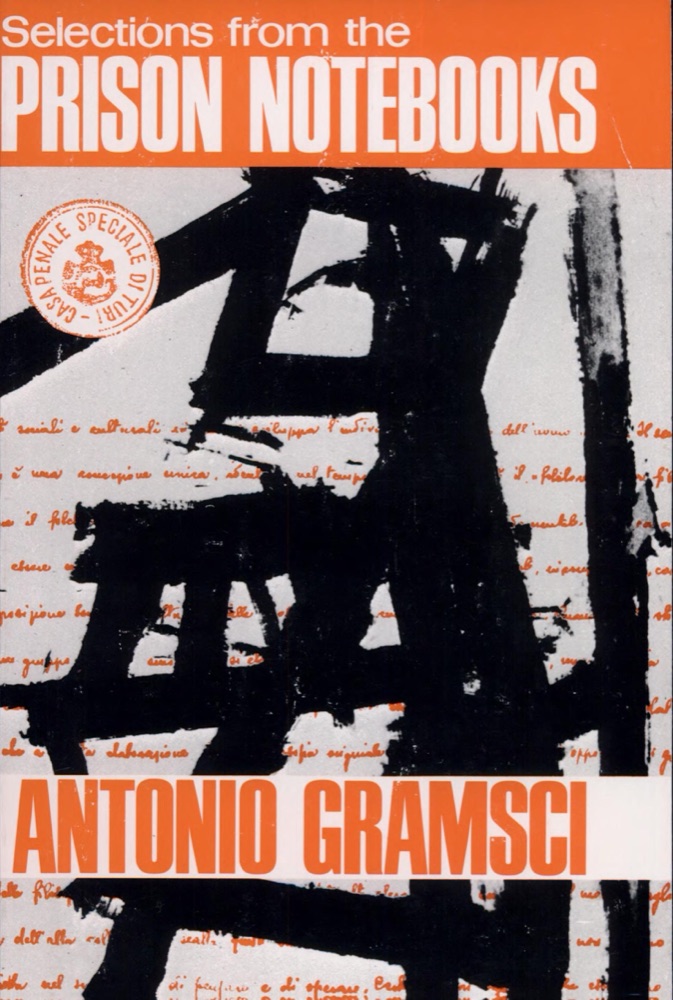
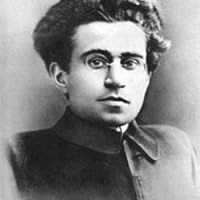
About Antonio Gramsci
We have collected 19 quotes from 1 book by Antonio Gramsci on BookQuoters.
More about the author →About the book
Antonio Gramsci (1891-1937) is widely celebrated as the most original political thinker in Western Marxism and an all-around outstanding intellectual figure. Arrested and imprisoned by the Italian Fascist regime in 1926, Gramsci died before fully regaining his freedom. Nevertheless, in his prison notebooks, he recorded thousands of brilliant reflections on an extraordinary range of subjects, establishing an enduring intellectual legacy.
Columbia University Press's multivolume Prison Notebooks is the only complete critical edition of Antonio Gramsci's seminal writings in English. The notebooks' integral text gives readers direct access not only to Gramsci's influential ideas but also to the intellectual workshop where those ideas were forged. Extensive notes guide readers through Gramsci's extraordinary series of reflections on an encyclopedic range of topics. Volume 3 contains notebooks
Book details
- First published
- 1947
- Author
- Antonio Gramsci
- Genre
- Philosophy
- Goodreads rating
- 4.21 (5k ratings)
Keep reading
The Revolt of the Masses
 From Dawn to Decadence: 500 Years of Western Cultural Life, 1500 to the Present
 The Crisis of the Modern World
 The Human Condition
 The Discovery of India
 Brave New World Revisited
 The Will to Power
 The Fatal Conceit: The Errors of Socialism
 Truth and Method
 Elements of the Philosophy of Right
 The Order of Things: An Archaeology of the Human Sciences
 Human Action: A Treatise on Economics
 Daybreak: Thoughts on the Prejudices of Morality
 The Machiavellians: Defenders of Freedom
 After Virtue
 How Should We Then Live? The Rise and Decline of Western Thought and Culture
 The Age of Absurdity: Why Modern Life makes it Hard to be Happy
 A Treatise of Human Nature
 The Historian's Craft: Reflections on the Nature and Uses of History and the Techniques and Methods of Those Who Write It.
 Think: A Compelling Introduction to Philosophy
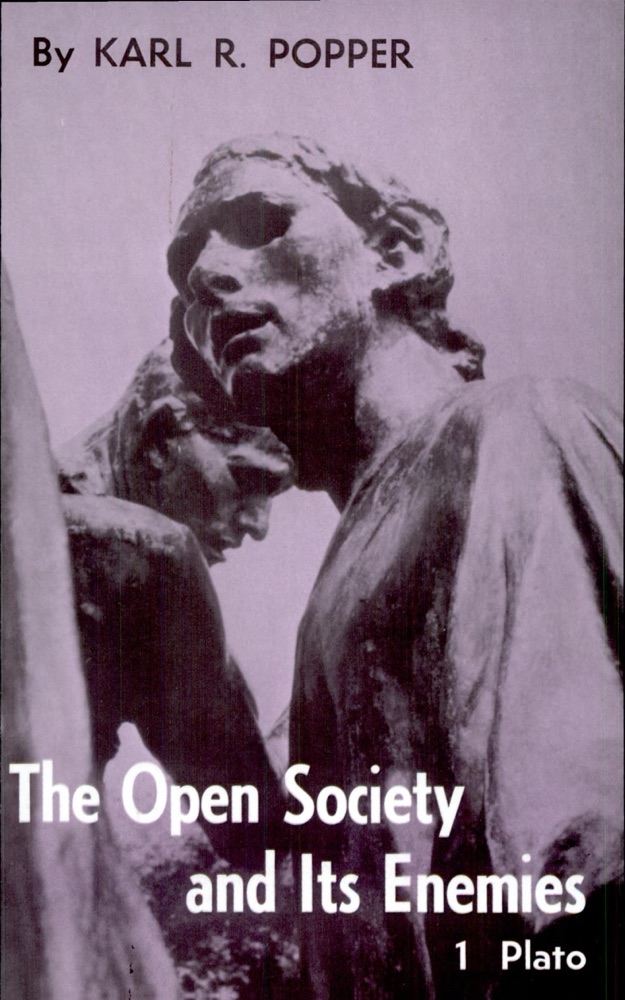 The Open Society and Its Enemies - Volume One: The Spell of Plato
 Untimely Meditations
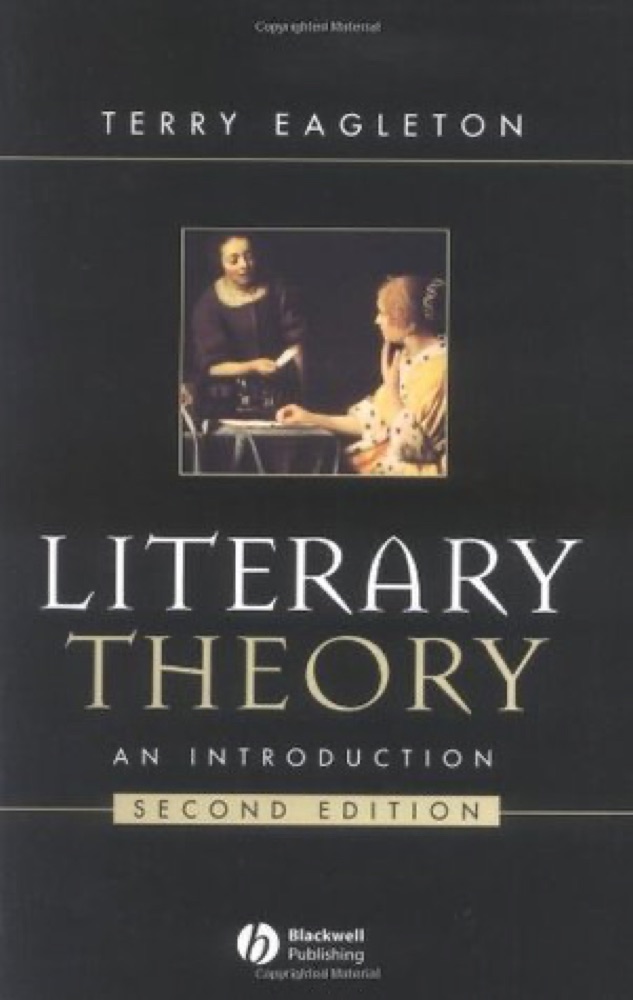 Literary Theory: An Introduction
 An Enquiry Concerning Human Understanding
 The Constitution of Liberty
 The Sane Society
 The Ethics of Ambiguity
 Political Theology: Four Chapters on the Concept of Sovereignty
 Anti-Oedipus: Capitalism and Schizophrenia
 The Perennial Philosophy
 A History of Western Philosophy
 An Essay Concerning Human Understanding
 A Thousand Plateaus: Capitalism and Schizophrenia
 The Undiscovered Self
 The Sociological Imagination
 The Story of Philosophy: The Lives and Opinions of the World's Greatest Philosophers
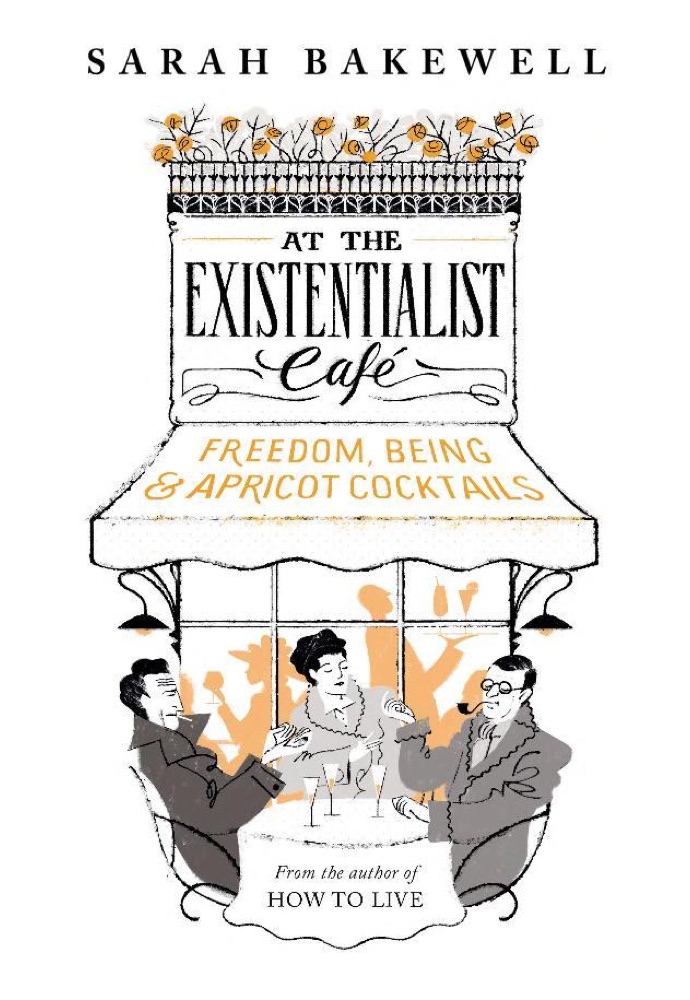 At the Existentialist Café
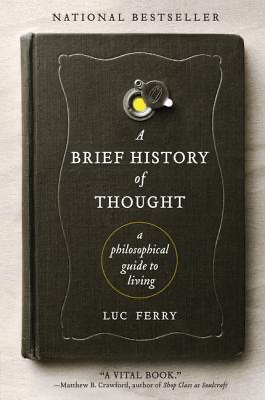 A Brief History of Thought: A Philosophical Guide to Living
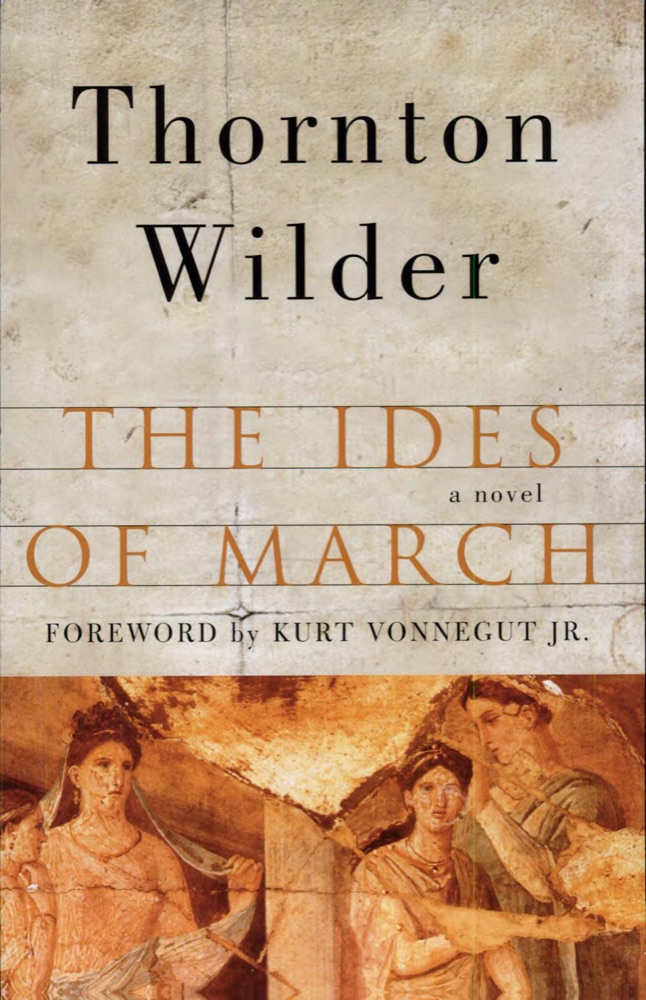 The Ides of March
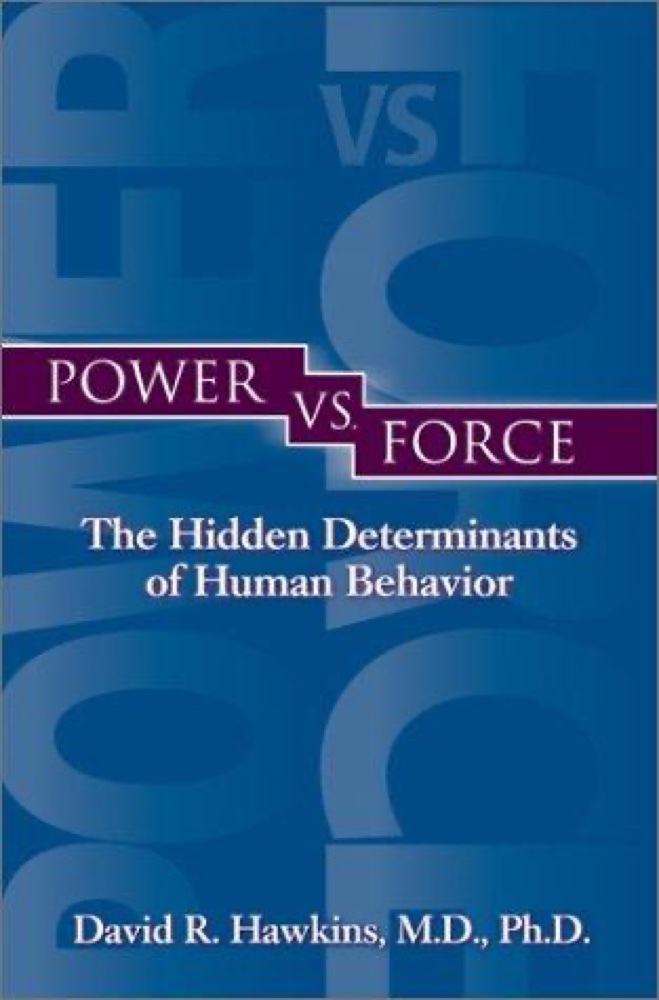 Power vs. Force
 Man and His Symbols
 Walden Two
 Anarchy, State, and Utopia
 Irrational Man: A Study in Existential Philosophy
 The Eighteenth Brumaire of Louis Bonaparte
 Lila: An Inquiry Into Morals
 What's Wrong with the World
 Rules for Radicals: A Pragmatic Primer for Realistic Radicals
 The Closing of the American Mind
 Reflections on the Revolution in France
 The Road to Serfdom
 Liberalism: The Classical Tradition
 The Master and His Emissary: The Divided Brain and the Making of the Western World
 Discourse on the Origin of Inequality
 First As Tragedy, Then As Farce
 The Occult
 A History of the World in 100 Objects
 Witness
 The Ascent of Man
 Holy Bible: ESV Bible