 A History of the World in 100 Objects
Quotes from the Book
Europeans showed in 1900 much the same confidence in the continuing success of their culture as the Chinese elite had shown in theirs a century earlier. The past, they were sure, proved them right.
7
Civilization is the name we give to the interaction of human beings in a very creative way, when, as it were, a critical mass of cultural potential and a certain surplus of resources have been built up.
5
More people than ever before look to government as their best chance of securing well-being rather than as their inevitable enemy. Politics as a contest to capture state power has at times apparently replaced religion (sometimes even appearing to eclipse market economics) as the focus of faith that can move mountains.
4
Ever since 1945 the federal government has held and indeed increased its importance as the first customer of the American economy. Government spending had been the primary economic stimulant and to increase it had been the goal of hundreds of interest groups; hopes of balanced budgets and cheap, business-like administration always ran aground upon this fact. What was more, the United States was a democracy; whatever the doctrinaire objections to it, and however much rhetoric might be devoted to attacking it, a welfare state slowly advanced because voters wanted it that way. These facts gradually made the old ideal of totally free enterprise, unchecked and uninvaded by the influence of government, unreal.
3
Outsiders became keen to join an organization [European Community] that offered attractive bribes to the poor. Greece did so in 1981 and Spain and Portugal in 1986.” - written before 2003.
2
The Sumerian language lived on for centuries in temples and scribal schools, much as Latin lived on for the learned in the muddle of vernacular cultures in Europe after the collapse of the western classical world of Rome. The comparison is suggestive, because literary and linguistic tradition embodies ideas and images which impose, permit and limit different ways of seeing the world; they have, that is to say, historic weight.
1
It is important none the less that our remotest identifiable ancestors lived in trees because what survived in the next phase of evolution were genetic strains best suited to the special uncertainties and accidental challenges of the forest. That environment put a premium on the capacity to learn. Those survived whose genetic inheritance could respond and adapt to the surprising, sudden danger of deep shade, confused visual patterns and treacherous handholds. Strains prone to accident in such conditions were wiped out. Among those that prospered (genetically speaking) were some species with long digits which were to develop into fingers and, eventually, the oppositional thumb, and other forerunners of the apes already embarked upon an evolution towards three-dimensional vision and the diminution of the importance of the sense of smell.
1
For a quarter-century British governments had tried and failed to combine economic growth, increased social service provision and a high level of employment. The second depended ultimately on the first, but when difficulty arose, the first had always been sacrificed to the other two. The United Kingdom was, after all, a democracy whose votes, greedy and gullible, had to be placated.
1
If there was a spectre haunting France in the 1780's, it was not that of revolution but that of state bankruptcy. The whole social and political structure of France stood in the way of tapping the wealth of the better-off, the only sure way of emerging from the financial impasse.
1
There is symbolism in the legend of the death of Archimedes during the fall of Syracuse, struck down while pondering geometrical problems in the sand, by the sword of a Roman soldier who did not know who he was.
Once, and not long ago, even the greatest of European monarchies could not carry out a census or create a unified internal market. Now, the state has a virtual monopoly of the main instruments of physical control. Even a hundred years ago, the police and armed forces of government unshaken by war or uncorrupted by sedition gave them a security; technology has only increased their near-certainty. New repressive techniques and weapons, though, are now only a small part of the story. State intervention in the economy through its power as consumer, investor or planner, and the improvement of mass communications in a form that leaves access to them highly centralized, all matter immensely. Hitler and Roosevelt made great use of radio (though for very different ends); and attempts to regulate economic life are as old as government itself.
Once, most societies consisted mainly of peasants living in similar bondage to routine, custom, the seasons, poverty. Now, cultural gulfs within mankind – say, those between the European factory-worker and his equivalent in India or China – are often vast. That between the factory-worker and peasant is wider still. Yet even the peasant begins to sense the possibility of change. To have spread the idea that change is not only possible but also desirable is the most important and troublesome of all the results of European cultural influence.
We can now see, for example, that more than any other single influence a growing abundance of commodities has recently shattered what was for millions – still not long ago – a world of stable expectations. This is still happening, most strikingly in some of the poorest countries. Cheap consumer goods and the images of them increasingly available in advertisements, especially on television, bring major social changes in their train. Such goods confer status; they generate envy and ambition, provide incentives to work for wages with which to buy them, and often encourage movement towards towns and centres where those wages are to be had. This severs ties with former ways and with the disciplines of ordered, stable life, and forms one of many currents feeding the hastening onrush of what is new.
Inevitably, there was to be much anachronistic falsification in some of the later efforts to study and utilize the classical ideal, and much romanticization of a lost age, too. Yet even when this is discounted, and when the classical past has undergone the sceptical scrutiny of scholars, there remains a big indissoluble residue of intellectual achievement which somehow places it within our mental boundaries. With whatever difficulty and possibility of misconstruction, the mind of the Mediterranean classical age is recognizable and comprehensible to most modern humans in a way perhaps nothing earlier or from elsewhere can be. ‘This’, it has been well said, ‘is a world whose air we can breathe.
Mientras al fondo rugen siglos de guerras incomprensibles (pero finalmente decisivas) en el Creciente Fértil, la historia del antiguo Egipto continúa durante miles de años, prácticamente como una función de las implacables y beneficiosas crecidas y retiradas de las aguas del Nilo. En sus riberas, un pueblo agradecido y pasivo recogía la riqueza que el río le regalaba, de la que podía apartar lo que estimaba necesario para la verdadera empresa de la vida: la preparación adecuada de la muerte.
El faraón también tenía que llevar aún dos coronas y se le enterraba dos veces, una en el Alto Egipto y otra en el Bajo; esta división era todavía real. Las relaciones con sus vecinos no fueron destacables, aunque se organizaron una serie de expediciones contra los pueblos de Palestina hacia el final del Imperio Antiguo.
Los reyes egipcios no surgieron, a diferencia de los de Sumer, como los «grandes hombres» de la comunidad de una ciudad-estado que originariamente delegara en ellos la capacidad de obrar en su nombre.
Lo que queda de esta primera época son objetos fabricados y utilizados por los pueblos que vivieron en los bordes de las zonas de inundación o en las escasas áreas rocosas del interior del valle o de sus flancos. Antes del 4000 a.C., estos habitantes empezaron a sentir el impacto de un importante cambio climático; se acumuló la arena procedente de los desiertos y se produjo la desecación.
La estela de Hammurabi (la columna de piedra sobre la que se grabó su código) establecía claramente que su finalidad era asegurar la justicia haciendo pública la ley: Que el hombre oprimido que tenga un pleito venga a presencia de mi estatua y lea atentamente mi estela inscrita.
La historia más antigua del mundo es la Epopeya de Gilgamesh. Cierto es que su versión más completa solo se remonta al siglo VII a.C., pero la narración en sí aparece en la época sumeria y se sabe que fue escrita poco después del 2000 a.C.
Puede que no tuvieran una población residente considerable, pero eran habitualmente los centros alrededor de los cuales cristalizaron más tarde las ciudades, lo que contribuye a explicar la estrecha relación entre religión y gobierno que hubo siempre en la antigua Mesopotamia.
Los pueblos que se convirtieron en los actores de la historia antigua en Oriente Próximo pertenecían todos a la familia humana de piel clara (a veces llamada «caucásica»), que es una de las tres principales clasificaciones étnicas tradicionales de la especie Homo sapiens (las otras dos son la negroide y la mongoloide).
La respuesta más satisfactoria parece ser que, probablemente, la civilización es siempre resultado de la conjunción de varios factores que predisponen a un área particular para levantar algo lo bastante denso como para ser reconocido posteriormente como civilización, pero que los diferentes entornos, las diferentes influencias del exterior y los diferentes legados culturales del pasado significan que los humanos no se movieron en todas las partes del mundo a la misma velocidad, ni siquiera hacia las mismas metas.
«Civilización» es el nombre que damos a una interacción muy creativa entre seres humanos cuando se ha llegado a una masa crítica de potencial cultural y a cierto excedente de recursos.
Watch on YouTube
About J.M. Roberts
About the book
From humanity’s origins on the African Savannah to the state of the world after September 11, 2001, The New Penguin History of the World offers a magisterial sweep through time and history. Completely updated and revised by preeminent historian J. M. Roberts, this volume features ninety up-to-date maps, new sections, and extremely well-written and accessible articles throughout. Truly global and comprehensive, it succeeds in conveying the staggering diversity of the human experience across a vast range of climates and conditions. This is the one book for anyone interested in the variety and grandeur of history’s march.
Book details
- First published
- 1976
- Author
- J.M. Roberts
- Genre
- History
- Goodreads rating
- 4.08 (3k ratings)
Keep reading
A History of the World in 100 Objects
 1491: New Revelations of the Americas Before Columbus
 Collapse: How Societies Choose to Fail or Succeed
 The Revolt of the Masses
 The Dawn of Everything: A New History of Humanity
 Civilization: The West and the Rest
 Open Veins of Latin America: Five Centuries of the Pillage of a Continent
 A Short History of Progress
 Europe: A History
 The Historian's Craft: Reflections on the Nature and Uses of History and the Techniques and Methods of Those Who Write It.
 Travels with Herodotus
 Upside Down: A Primer for the Looking-Glass World
 From Dawn to Decadence: 500 Years of Western Cultural Life, 1500 to the Present
 Brave New World / Brave New World Revisited
 Imperium
 The Shadow of the Sun
 The Lessons of History
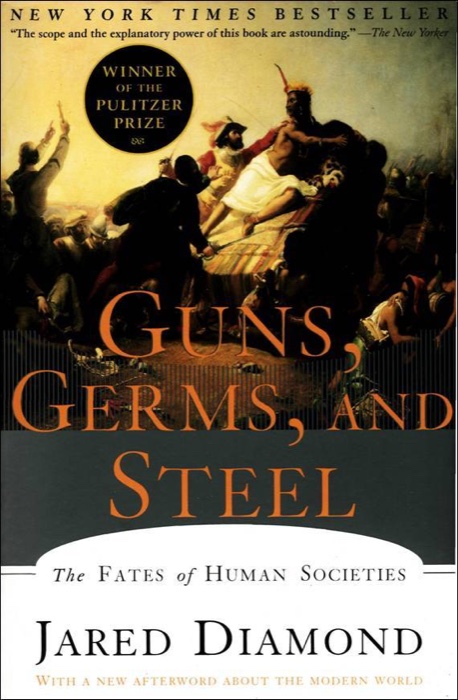 Guns, Germs, and Steel: The Fates of Human Societies
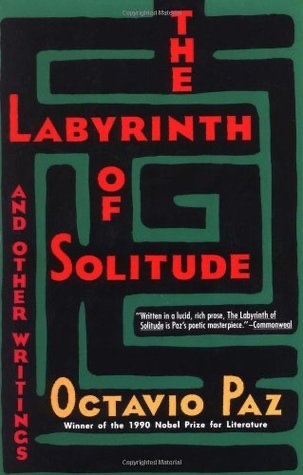 The Labyrinth of Solitude and Other Writings
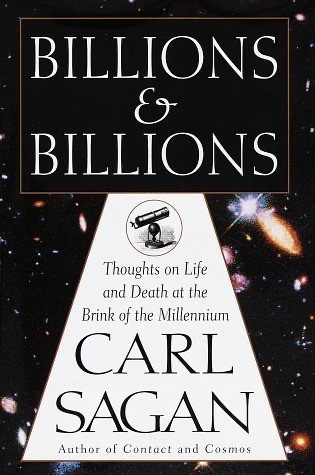 Billions & Billions: Thoughts on Life and Death at the Brink of the Millennium
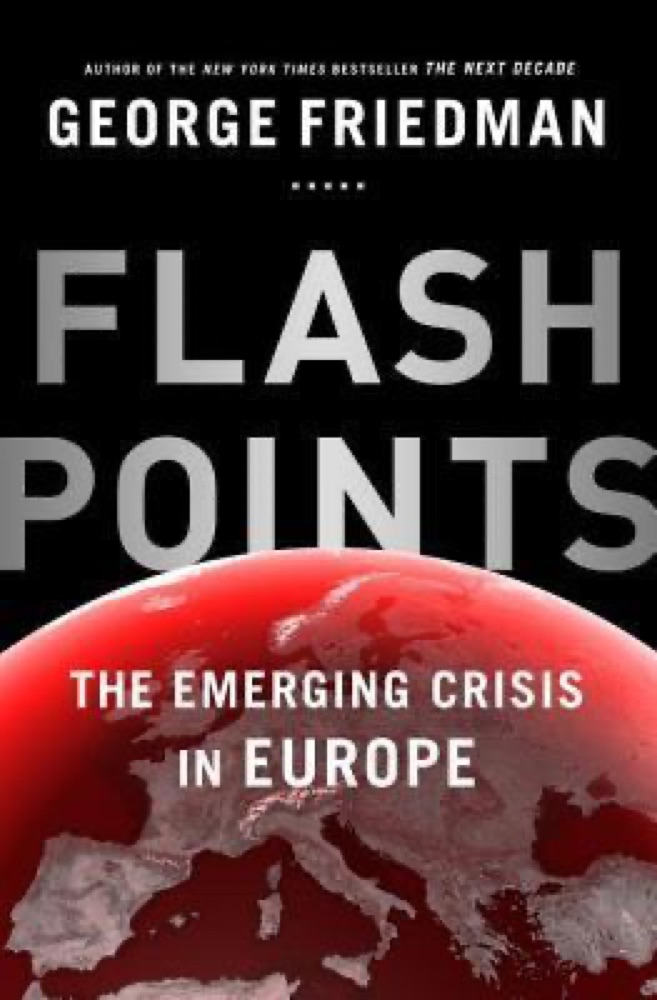 Flashpoints: The Emerging Crisis in Europe
 God and the State
 Magicians of the Gods: The Forgotten Wisdom of Earth's Lost Civilization
 Leadership : Six Studies in World Strategy
 The Strange Death of Europe: Immigration, Identity, Islam
 The Age of Revolution, 1789–1848
 The Uses and Abuses of History
 The Wizard and the Prophet: Two Remarkable Scientists and Their Dueling Visions to Shape Tomorrow's World
 The Nutmeg's Curse: Parables for a Planet in Crisis
 The Wretched of the Earth
 A Distant Mirror: The Calamitous 14th Century
 Selections from the Prison Notebooks
 The War of the Poor
 Pebble in the Sky
 News from Nowhere
 First As Tragedy, Then As Farce
 How Should We Then Live? The Rise and Decline of Western Thought and Culture
 The Politics of Obedience: The Discourse of Voluntary Servitude
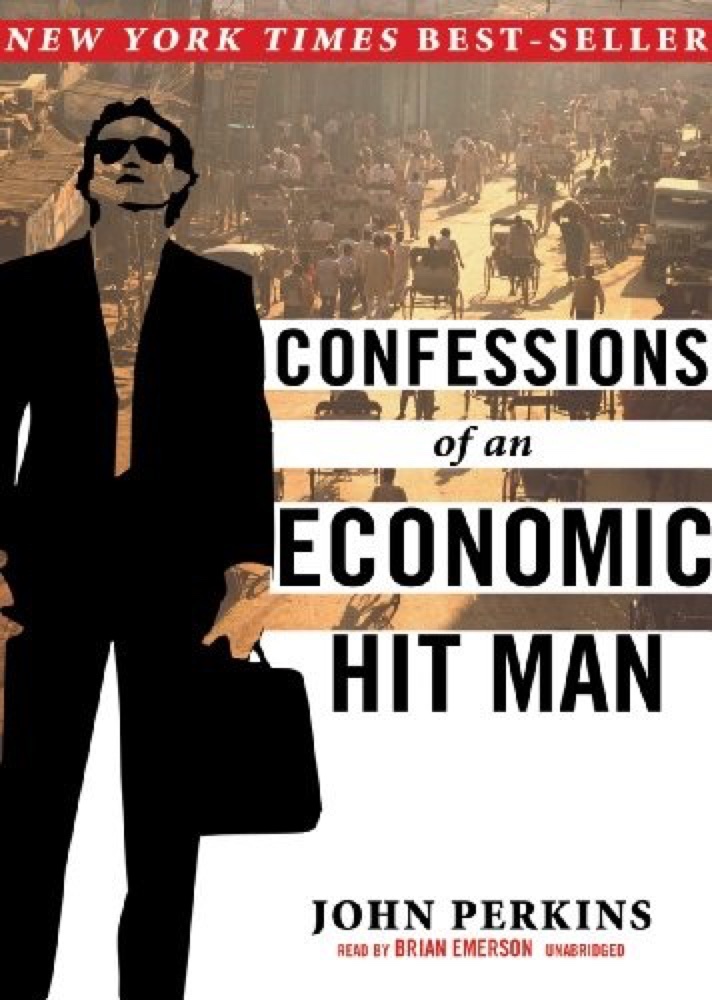 Confessions of an Economic Hit Man
 The Coming Insurrection
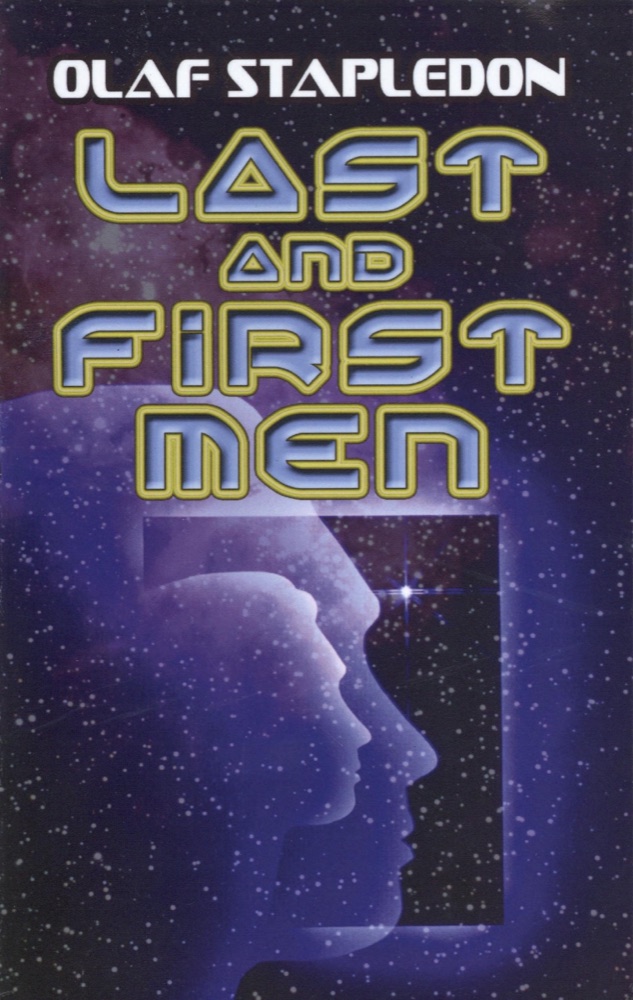 Last and First Men
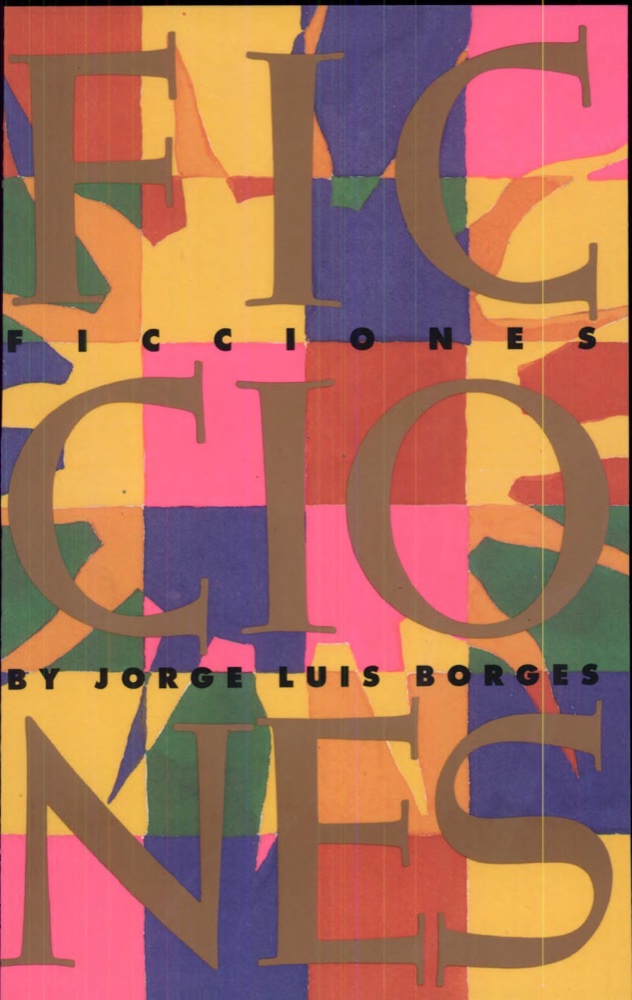 Ficciones
 The Histories
 The Social Conquest of Earth
 My Invented Country: A Nostalgic Journey Through Chile
 Whose Story Is This? Old Conflicts, New Chapters
 Defying Hitler
 Brodie's Report
 Sapiens: A Brief History of Humankind
 The Futurological Congress: From the Memoirs of Ijon Tichy
 The Eighteenth Brumaire of Louis Bonaparte
 Our Oriental Heritage
 Heretics of Dune
 Modern Times: The World from the Twenties to the Nineties
 Discourse on Colonialism
 Upheaval: Turning Points for Nations in Crisis
 My Life: A Spoken Autobiography
 Blue Mars
 Freedom: Memoirs 1954-2021
 The Crisis of the Modern World