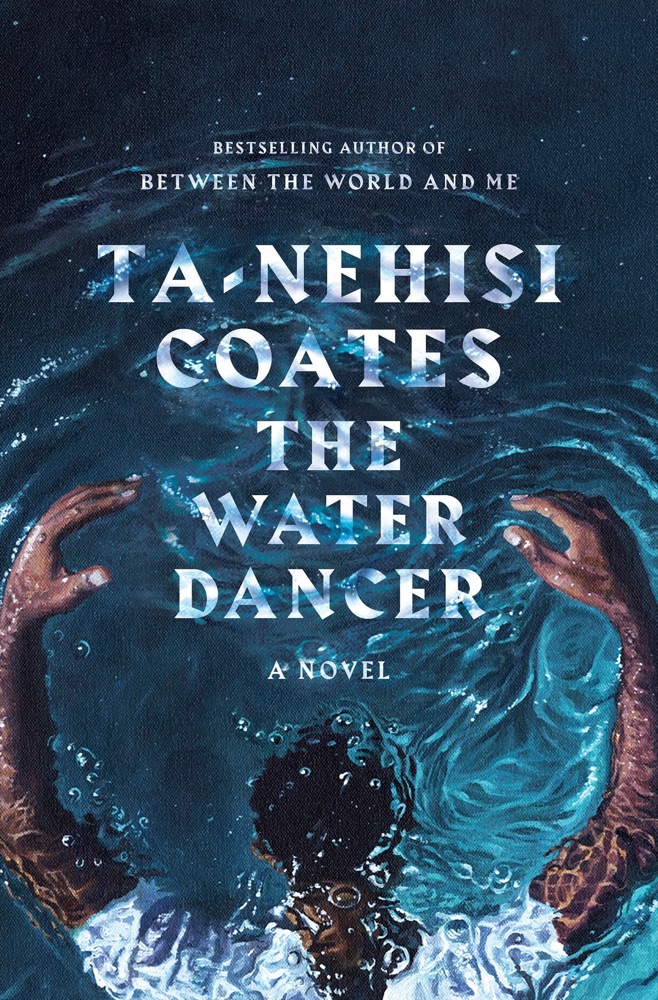
 The Water Dancer
Quotes from the Book
You cannot act upon what you cannot see. And we are plagued by dead language and dead stories that serve people whose aim is nothing short of a dead world. And it is not enough to stand against these dissemblers. There has to be something in you, something that hungers for clarity. And you will need that hunger, because if you follow that path, soon enough you will find yourself confronting not just their myths, not just their stories, but your own.
36
It may seem strange that people who have already attained a position of power through violence invest so much time in justifying their plunder with words. But even plunderers are human beings whose violent ambitions must contend with the guilt that gnaws at them when they meet the eyes of their victims. And so a story must be told, one that raises a wall between themselves and those they seek to throttle and rob.
29
I don’t really worry about the young, whose excesses are confined to lecture halls and quadrangles, so much as I fear the old, whose tyrannies are legislative.
25
An inhumane system demands inhumans, and so it produces them in stories, editorials, newscasts, movies, and television.
23
The Trump years amazed a certain kind of white person; they had no reference for national vulgarity, for such broad corruption and venality, until it was too late. The least reflective of them say, “This is not America.” But some of them suspect that it is America, and there is great pain in understanding that, without your consent, you are complicit in a great crime, in learning that the whole game was rigged in your favor, that there are nations within your nation who have spent all of their collective lives in the Trump years. The pain is in the discovery of your own illegitimacy—that whiteness is power and nothing else. I could hear that same pain in Avner’s and Guy’s words. They were raised under the story that the Jewish people were the ultimate victims of history. But they had been confronted with an incredible truth—that there was no ultimate victim, that victims and victimizers were ever flowing.
23
If Palestinians are to be truly seen, it will be through stories woven by their own hands—not by their plunderers, not even by their comrades.
20
There has to be something in you, something that hungers for clarity. And you will need that hunger, because if you follow that path, soon enough you will find yourself confronting not just their myths, not just their stories, but your own. This is difficult, if only because so much of our myth-making was done in service of liberation, in doing whatever we could to dig our way out of the pit into which we were cast. And above us stand the very people who did the casting, jeering, tossing soil into our eyes and yelling down at us, “You’re doing it wrong.” But we are not them, and the standards of enslavers, colonizers, and villains simply will not do. We require another standard—one that sees the sharpening of our writing as the sharpening of our quality of light. And with that light we are charged with examining the stories we have been told, and how they undergird the politics we have accepted, and then telling new stories ourselves.
18
I guess it’s worth pointing out the obvious—that the very governors and politicians who loudly exalt the values of free speech are among the most aggressive prosecutors of “divisive concepts.
16
Oppressive power is preserved in the smoke and fog, and sometimes it is smuggled in the unexamined shadows of the language of the oppressed themselves.
15
Here is what I think: We have a right to our imagined traditions, to our imagined places, and those traditions and places are most powerful when we confess that they are imagined.
15
But it is the journalists themselves who are playing god—it is the journalists who decide which sides are legitimate and which are not, which views shall be considered and which pushed out of the frame. And this power is an extension of the power of other curators of the culture—network execs, producers, publishers—whose core job is deciding which stories get told and which do not.
14
Journalists claim to be hearing “both sides” as though a binary opposition had been set down by some disinterested god. But it is the journalists themselves who are playing god—it is the journalists who decide which sides are legitimate and which are not, which views shall be considered and which pushed out of the frame.
12
I want to tell you I was wrong. I want to tell you that your oppression will not save you, that being a victim will not enlighten you, that it can just as easily deceive you. I learned that here. In Haifa. In Ramallah. And especially here at Yad Vashem.
12
those who claimed Israel as the only democracy in the Middle East were just as likely to claim that America was the oldest democracy in the world. And both claims relied on excluding whole swaths of the population living under the rule of the state.
11
The danger we present, as writers, is not that we will simply convince their children of a different dogma but that we will convince them that they have the power to form their own.
11
I don’t really care much for hearing “both sides” or “opposing points of view,” so much as I care about understanding the literary tools deployed to advance those views—the discipline of voice, the use of verbs, the length and brevity of sentences, and the curiosity of mind behind those sentences.
11
Every single empire in its official discourse has said that it is not like all the others,” writes Edward Said. That its circumstances are special, that it has a mission to enlighten, civilize, bring order and democracy, and that it uses force only as a last resort. And, sadder still, there always is a chorus of willing intellectuals to say calming words about benign or altruistic empires, as if one shouldn’t trust the evidence of one’s eyes watching the destruction and the misery and death brought by the latest mission civilizatrice.
10
Politics is the art of the possible, but art creates the possible of politics. A policy of welfare reform exists downstream from the myth of the welfare queen. Novels, memoirs, paintings, sculptures, statues, monuments, films, miniseries, advertisements, and journalism all order our reality. Jim Crow segregation—with its signage and cap-doffing rituals—was both policy and a kind of public theater. The arts tell us what is possible and what is not, because, among other things, they tell us who is human and who is not.
10
In fact, it is the whole reason race was invented. Africans had to either be excised from humanity or cast into the lower reaches to justify their exploitation.
10
But virtues should be signaled, and the signalers should act to make their virtues manifest. It is the latter, not the former, that is the problem.
9
A system of supremacy justifies itself through illusion, so that those moments when the illusion can no longer hold always come as a great shock.
8
But I know how sadness can exert its own gravity, growing more powerful the longer it holds you.
8
And the great privilege of great power is an incuriosity about those who lack it. That incuriosity is what afflicts the dullest critics of safe spaces and the like. But if these writers, teachers, and administrators could part with the privilege of their own ignorance, they would see that they too need safe spaces, and that for their own sakes, they have made a safe space of nearly the entire world.
7
But when the light cleared I had new eyes, and I could see my own words in new ways—and the words from which they were derived—the stories, columns, speeches, and talks presented by “willing intellectuals.” So much seemed obvious. I now noted a symmetry in the bromides—that those who claimed Israel as the only democracy in the Middle East were just as likely to claim that America was the oldest democracy in the world.
7
Israel had advanced beyond the Jim Crow South and segregated not just the pools and the fountains, but the water itself.
6
I walked away and found a seat in the shade, away from everyone. At this moment, all that I had seen across the days began to avalanche—the cave evictions, the massacre in Hebron, the monuments to genocide, the checkpoints, the wall of devouring, and so much more. Those who question Israel, who question what has been done with the moral badge of the Holocaust, are often pointed in the direction of the great evils done across the world. We are told that it is suspicious that, among all the ostensibly amoral states, we would single out Israel—as though the relationship between America and Israel is not itself singular. But the plaque was clear: “The spiritual bedrock of our values as a nation come from Jerusalem.” This effort that I saw, the use of archaeology, the destruction of ancient sites, the pushing of Palestinians out of their homes, had the specific imprimatur of the United States of America. Which means that it had my imprimatur. This was not just another evil done by another state, but an evil done in my name.
6
So I don’t really worry about the young, whose excesses are confined to lecture halls and quadrangles, so much as I fear the old, whose tyrannies are legislative.
6
Imagine learning to swim by reading and memorizing the steps of a front crawl but never jumping into a pool. Why do we teach our students this way?
6
Buried in the claim is another notion—that the worth of a people is defined by their possession of a homeland incorporated as a state. The Palestinians, lacking such a state, had no right to the land and perhaps no rights at all.
6
But passport stamps and wide vocabularies are neither wisdom nor morality. As it happens, you can see the world and still never see the people in it. Empires are founded by travelers, and the claim of some exclusive knowledge of the native is their mark. I always imagined reparations as a rejection of plunder at large. And who in modern memory had been plundered more than the victims of the Holocaust? But my prototype was not reparations from a genocidal empire to its Jewish victims, but from that empire to a Jewish state. And what my young eyes now saw of that state was a world where separate and unequal was alive and well, where rule by the ballot for some and the bullet for others was policy. I was seeking a world beyond plunder—but my proof of concept was just more plunder.
5
Watch on YouTube
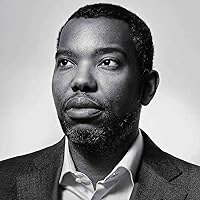
About Ta-Nehisi Coates
We have collected 147 quotes from 5 books by Ta-Nehisi Coates on BookQuoters.
More about the author →More by Ta-Nehisi Coates
About the book
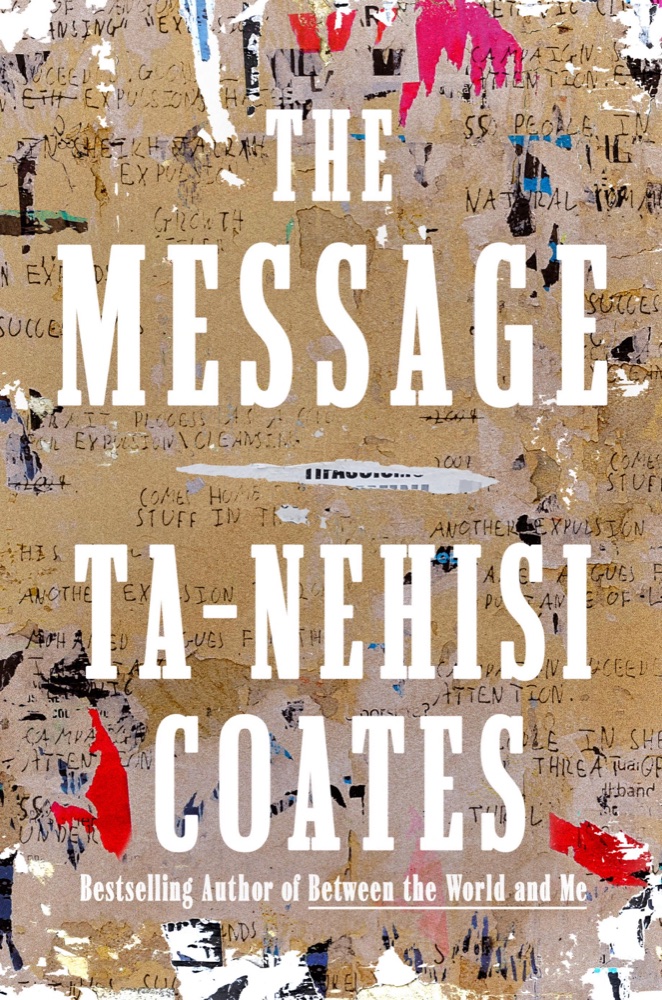
Ta-Nehisi Coates originally set off to write a book about writing, in the tradition of Orwell’s classic Politics and the English Language, but found himself grappling with deeper questions about how our stories—our reporting and imaginative narratives and mythmaking—expose and distort our realities.
The first of the book’s three intertwining essays is set in Dakar, Senegal. Despite being raised as a strict Afrocentrist, Coates had never set foot on the African continent until now. He roams the “steampunk” city of “old traditions and new machinery,” but everywhere he goes he feels as if he’s in two places at once: a modern city in Senegal and a mythic kingdom in his mind. Finally he travels to the slave castles off the coast and has his own reckoning with the legacy of the Afrocentric dream.
He takes readers along with him to Columbia, South Carolina, where he meets an educator who
Book details
- First published
- 2024
- Author
- Ta-Nehisi Coates
- Genre
- Nonfiction
- Goodreads rating
- 4.49 (45k ratings)
The buzz
- The New York TimesReview in The New York Timesprofessional review (via Book Marks)
- The New YorkerReview in The New Yorkerprofessional review (via Book Marks)
- The Washington PostReview in The Washington Postprofessional review (via Book Marks)
- The GuardianReview in The Guardianprofessional review (via Book Marks)
- The AtlanticReview in The Atlanticprofessional review (via Book Marks)
- The Boston GlobeReview in The Boston Globeprofessional review (via Book Marks)
Keep reading
 Recognizing the Stranger: On Palestine and Narrative
 Between the World and Me
 Arguably: Selected Essays
 No Name in the Street
 Perfect Victims and the Politics of Appeal
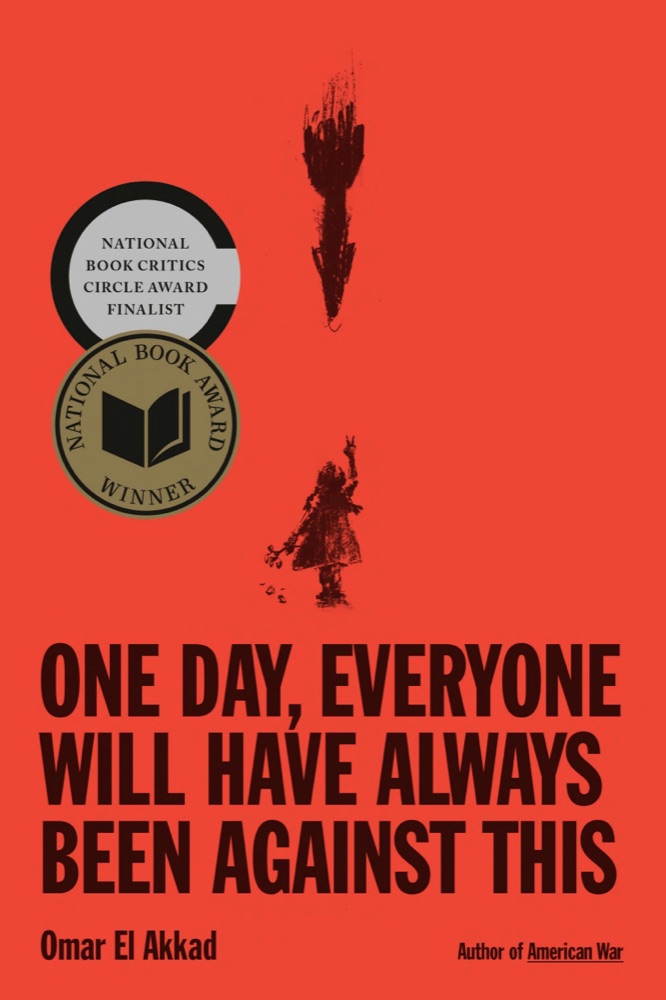 One Day, Everyone Will Have Always Been Against This
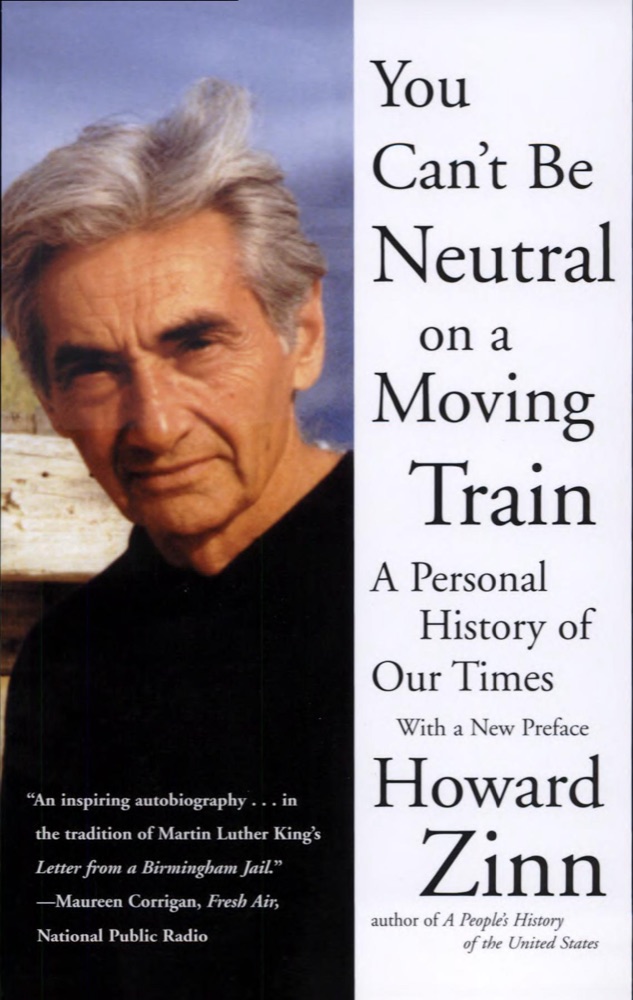 You Can't Be Neutral on a Moving Train: A Personal History of Our Times
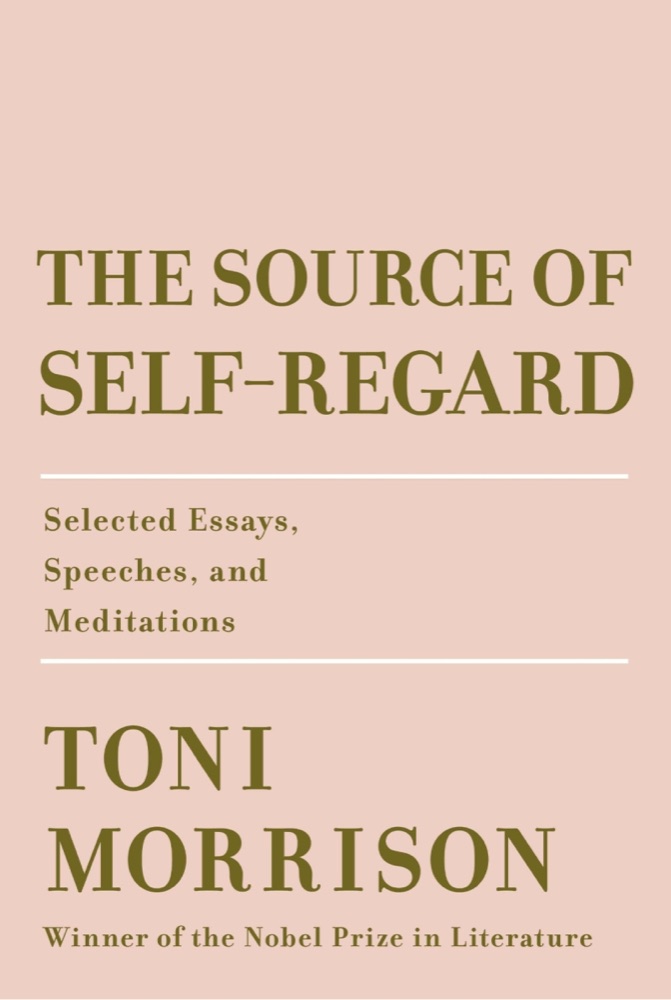 The Source of Self-Regard: Selected Essays, Speeches, and Meditations
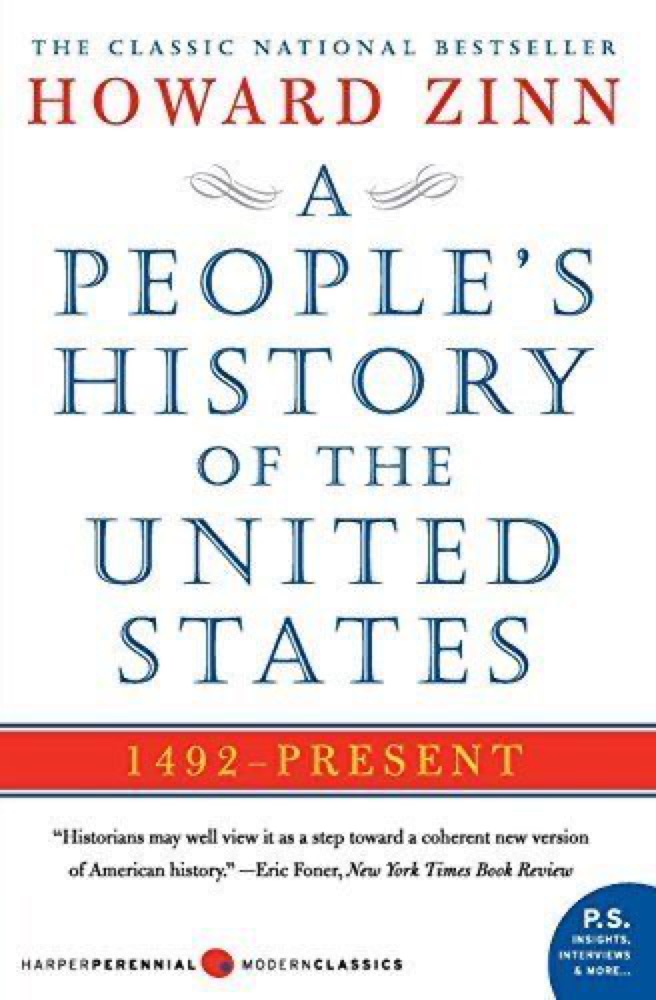 A People's History of the United States
 Nobody Knows My Name
 Doppelganger: A Trip into the Mirror World
 Notes from No Man's Land
 When I Was a Child I Read Books
 The Wretched of the Earth
 Where Do We Go from Here: Chaos or Community?
 Gnomon
 Too Like the Lightning
 Dreams from My Father: A Story of Race and Inheritance
 Assata: An Autobiography
 The Audacity of Hope: Thoughts on Reclaiming the American Dream
 The Fall of Babel
 Children of Dune
 Creation Lake
 How Long 'til Black Future Month?
 The Golden House
 Resistance, Rebellion and Death: Essays
 Notes of a Native Son
 A Promised Land
 From Dawn to Decadence: 500 Years of Western Cultural Life, 1500 to the Present
 Anthills of the Savannah
 We Were Eight Years in Power: An American Tragedy
 Opinions: A Decade of Arguments, Criticism, and Minding Other People’s Business
 What's Left?
 Open City
 The Fresco
 In the Light of What We Know
 Joseph Anton: A Memoir
 Things I've Been Silent About
 The War on the West: An Instant NYT Bestselling History of the Modern World
 Letter from the Birmingham Jail
 The Braindead Megaphone
 Understanding Power: The Indispensable Chomsky
 Blood Done Sign My Name: A True Story
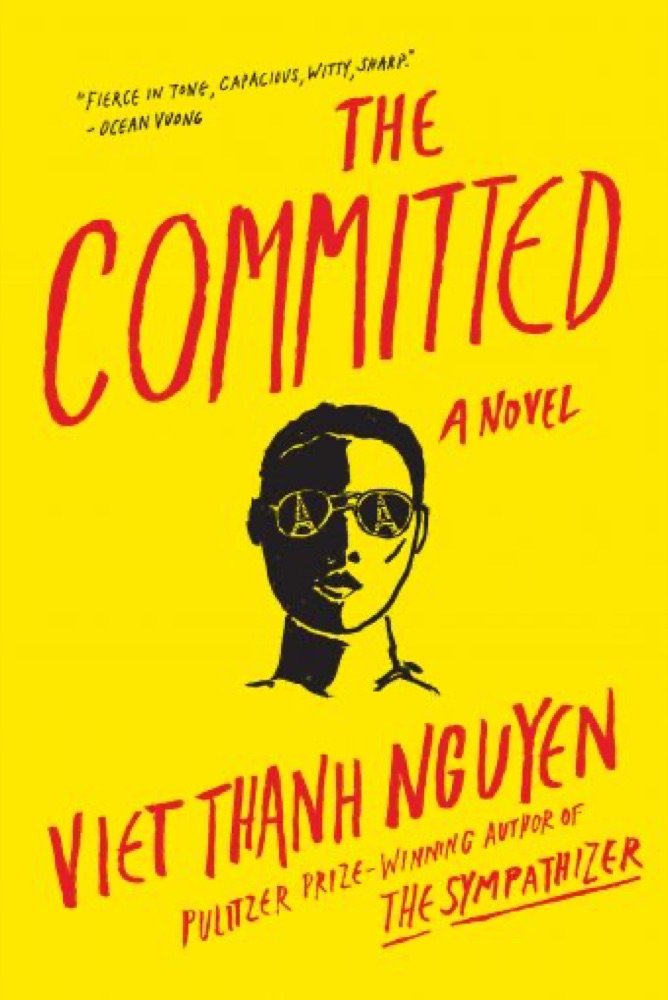 The Committed
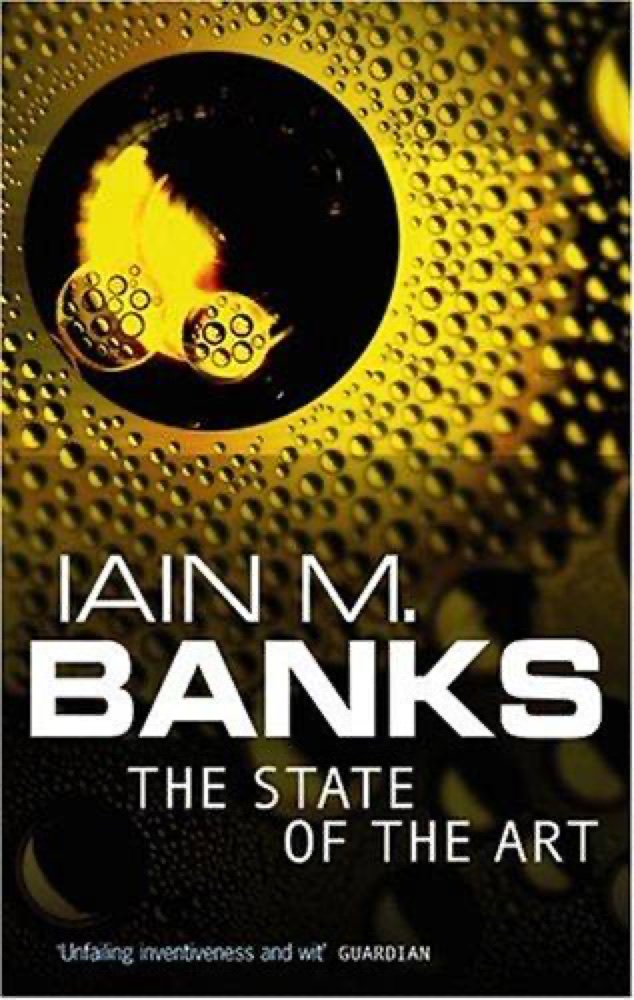 The State of the Art
 Empire of Illusion: The End of Literacy and the Triumph of Spectacle
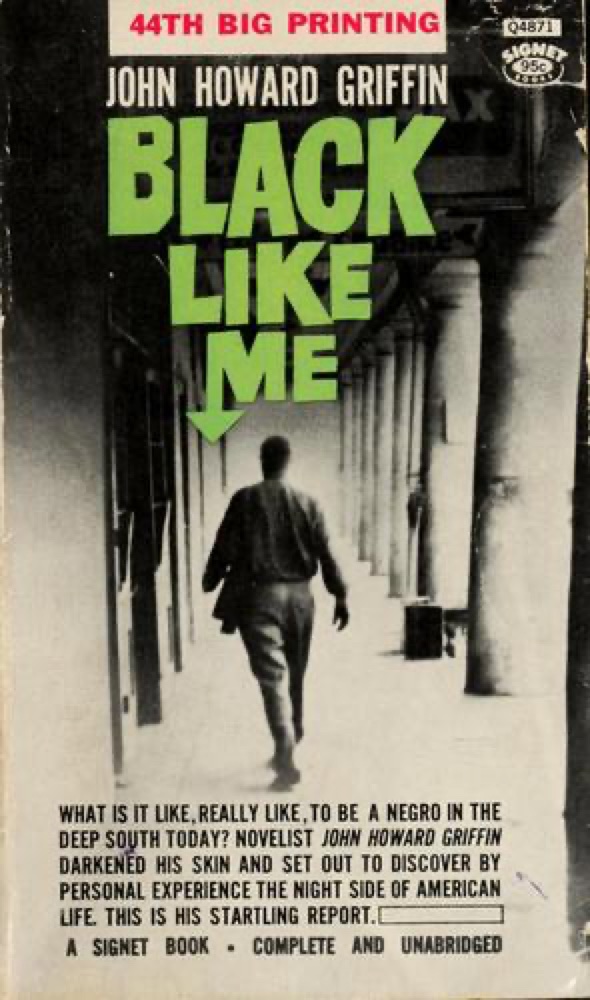 Black Like Me
 Why We Can't Wait
 Radio Free Albemuth
 Green Mars
 Edge of Eternity
 White
White
 Elite Capture: How the Powerful Took Over Identity Politics
 Pedagogy of the Oppressed
 Behold a Pale Horse
 A Collection of Essays
 The Librarian of Burned Books
 Just Us: An American Conversation
 House Corrino
 Dæmon Voices