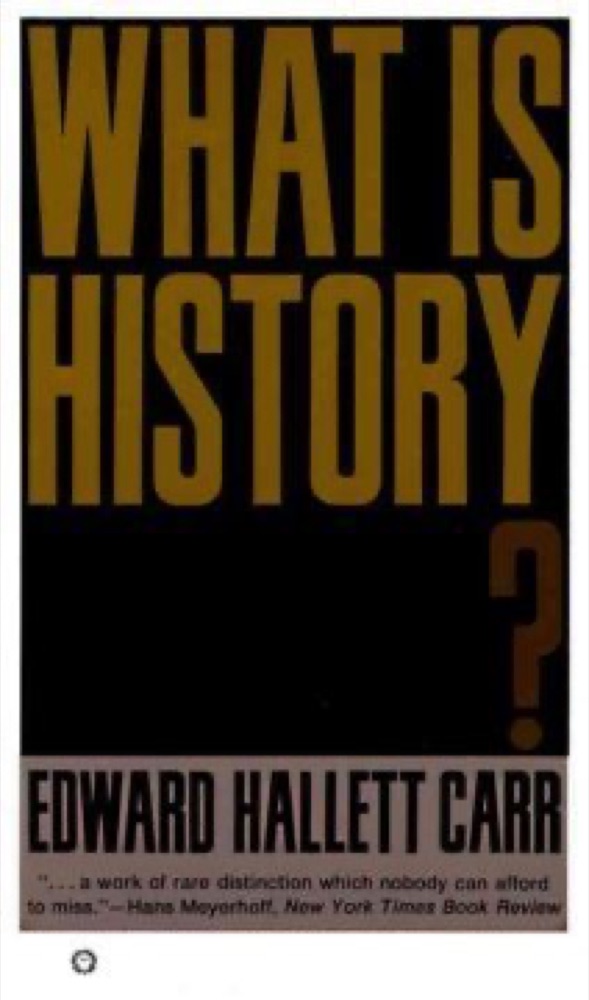
 The Historian's Craft: Reflections on the Nature and Uses of History and the Techniques and Methods of Those Who Write It.
Quotes from the Book
Study the historian before you begin to study the facts.
96
History consists of a corpus ascertained facts. The facts are available to the historian in documents, inscriptions and so on, like fish in the fishmonger's slab. The historian collects them, takes them home, and cooks and serves them in whatever style appeals to him.
18
History is the long struggle of man, by exercise of his reason, to understand his environment and to act upon it. But the modern period has broadened the struggle in a revolutionary way. Man now seeks to understand, and act on, not only his environment, but himself; and this has added, so to speak, a new dimension to reason and a new dimension to history.
18
Good historians...have the future in their bones
8
I am reminded of Housman's remark that 'accuracy is a duty, not a virtue.' To praise a historian for his accuracy is like praising an architect for using well-seasoned timber or properly mixed concrete in his building. It is a necessary condition of his work, but not his essential function.
7
The facts are really not at all like fish on the fishmonger’s slab. They are like fish swimming about in a vast and sometimes inaccessible ocean; and what the historian catches will depend, partly on chance, but mainly on what part of the ocean he chooses to fish in and what tackle he chooses to use – these two factors being, of course, determined by the kind of fish he wants to catch. By and large, the historian will get the kind of facts he wants.
6
Progress in human affairs, whether in science or in history or in society, has come mainly through the bold readiness of human beings not to confine themselves to seeking piecemeal improvements in the way things are done, but to present fundamental challenges in the name of reason to the current way of doing things and to the avowed or hidden assumptions on which it rests
5
What is history?, our answer, consciously or unconsciously, reflects our own position in time, and forms part of our answer to the broader question, what view we take of the society in which we live.
2
Man’s capacity to rise above his social and historical situation seems to be conditioned by the sensitivity with which he recognizes the extent of his involvement in it.
1
Amikor - és ez igen közkedvelt - úgy állítják be, mintha az egyén lázadna a társadalom ellen, a társadalom és az egyén közötti téves antitézist melegítik fel. Teljesen homogén társadalom nem létezik. A társadalom szociális konfliktusok küzdőtere, és azok az egyének, akik szembeszegülnek az adott hatalommal, legalább annyira a társadalom termékei és tükörképei, mint azok, akik fenntartják az adott társadalmat.
1
Aprender acerca del presente a la luz del pasado quiere también decir aprender del pasado a la luz del presente. La función de la historia es la de estimular una mas profunda comprensión tanto del pasado como del presente por su comparación recíproca.
1
The historian is of his own age, and is bound to it by the conditions of human existence. The very words which he uses - words like democracy, empire, war, revolution - have current connotations from which he cannot divorce them. Ancient historians have taken to using words like polis and plebs in the original, just to show that they have not fallen into this trap. This does not help them. They, too, live in the present, and cannot cheat themselves into the past by using unfamiliar or obsolete words, any more than they would become better Greek or Roman historians if they delivered their lectures in a chlamys or a toga.
The other day I was shocked to come across, I think, the only remark of Bertrand Russell I have ever seen which seemed to me to betray an acute sense of class: ‘There is, on the whole, much less liberty in the world now than there was a hundred years ago.’ I have no measuring-rod for liberty, and do not know how to balance the lesser liberty of few against the greater liberty of many. But on any standard of measurement I can only regard the statement as fantastically untrue.
History is movement; and movement implies comparison.
[...] the real importance of the Darwinian revolution was that Darwin, completing what Lyell had already begun in geology, brought history into science.
When I was very young, I was suitably impressed to learn that, appearances notwithstanding, the whale is not a fish. Nowadays these questions of classification move me less; and it does not worry me unduly when I am assured that history is not a science. This terminological question is an eccentricity of the English language. In every other European language, the equivalent word to ‘science’ includes history without hesitation.
The desire to postulate individual genius as the creative force in history is characteristic of the primitive stages of historical consciousness.
Watch on YouTube
About Edward Hallett Carr
We have collected 17 quotes from 1 book by Edward Hallett Carr on BookQuoters.
More about the author →About the book
Distinguished historian seeks to reconcile the doctrine of progress with the present state of the world in the light of modern concepts of dterminism, accident, causatio, objectivity, and the role of the individual in history
Book details
- First published
- 1961
- Author
- Edward Hallett Carr
- Genre
- History
- Goodreads rating
- 3.94 (5k ratings)
Keep reading
The Historian's Craft: Reflections on the Nature and Uses of History and the Techniques and Methods of Those Who Write It.
 The Lessons of History
 Civilization: The West and the Rest
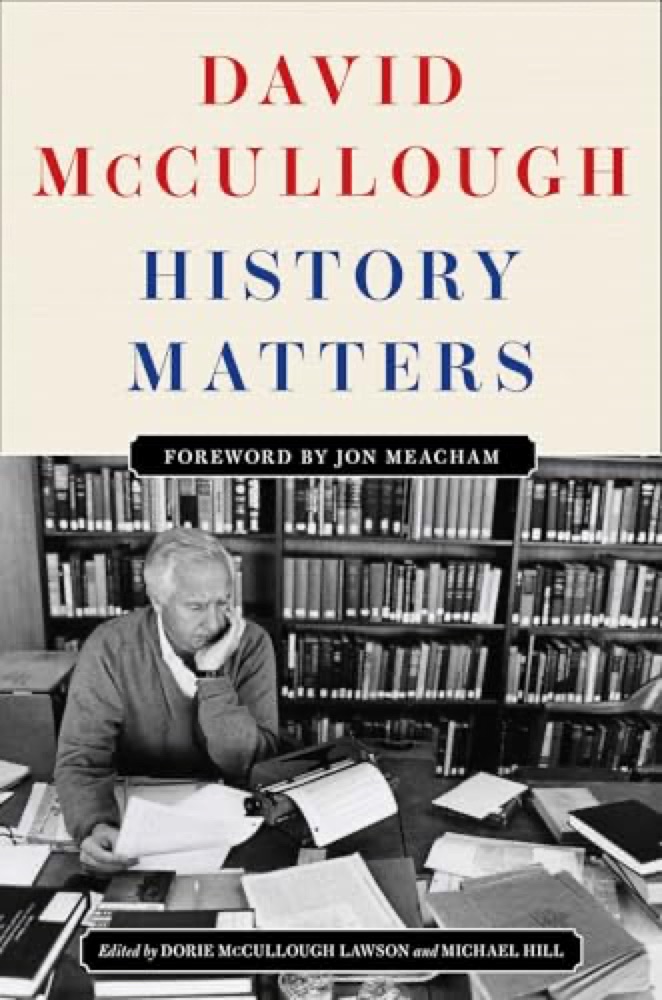 History Matters
 A History of the World in 100 Objects
 The American Spirit: Who We Are and What We Stand For
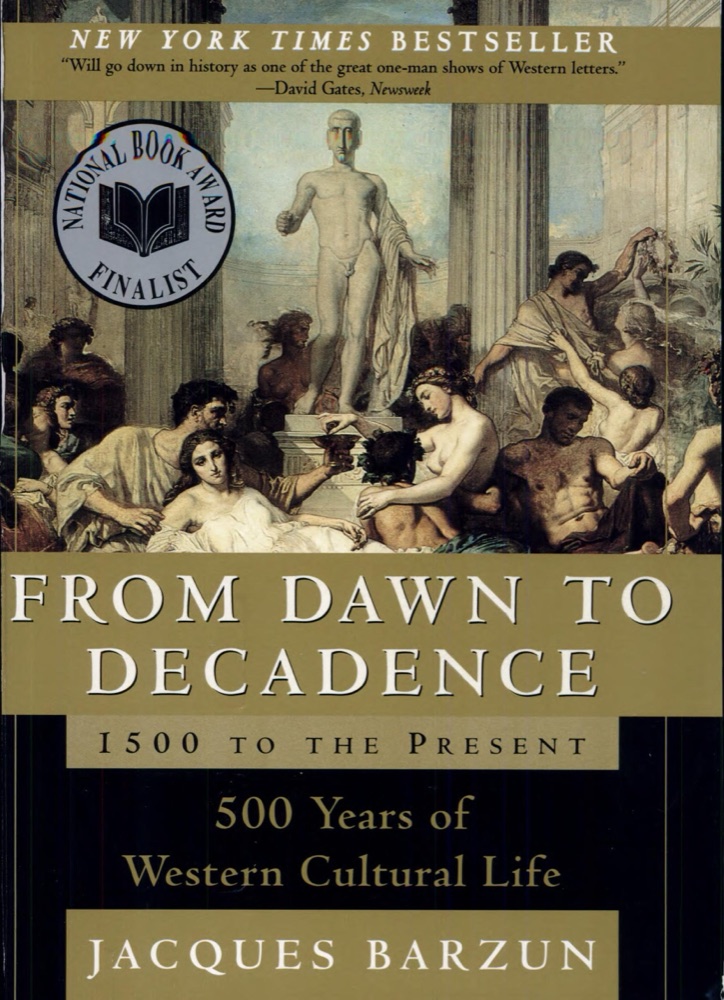 From Dawn to Decadence: 500 Years of Western Cultural Life, 1500 to the Present
 Selections from the Prison Notebooks
 These Truths: A History of the United States
 The Sociological Imagination
 The Archaeology of Knowledge and The Discourse on Language
 The Dawn of Everything: A New History of Humanity
 The Ascent of Man
 The Discovery of India
 The Uses and Abuses of History
 The History Boys
 Culture and Imperialism
 A People's History of the United States
 Truth and Method
 Homo Deus: A History of Tomorrow
 The Muqaddimah: An Introduction to History
 How Should We Then Live? The Rise and Decline of Western Thought and Culture
 Lies My Teacher Told Me: Everything Your American History Textbook Got Wrong
 Aavarana - The Veil
 Brave Companions: Portraits in History
 Timeline
 Leadership : Six Studies in World Strategy
 The New Penguin History of The World
 After Virtue
 Education of a Wandering Man: A Memoir
 Europe: A History
 The Social Conquest of Earth
 The Essential Chomsky
 Enlightenment Now: The Case for Reason, Science, Humanism, and Progress
 Waterland
 How the Word Is Passed: A Reckoning with the History of Slavery Across America
 The End of History and the Last Man
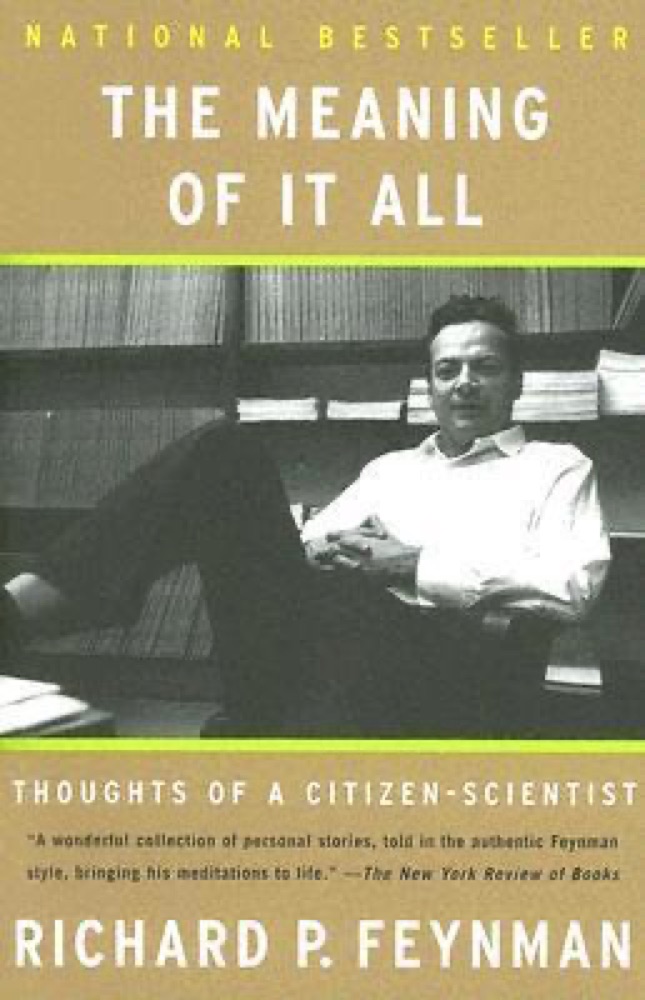 The Meaning of It All: Thoughts of a Citizen-Scientist
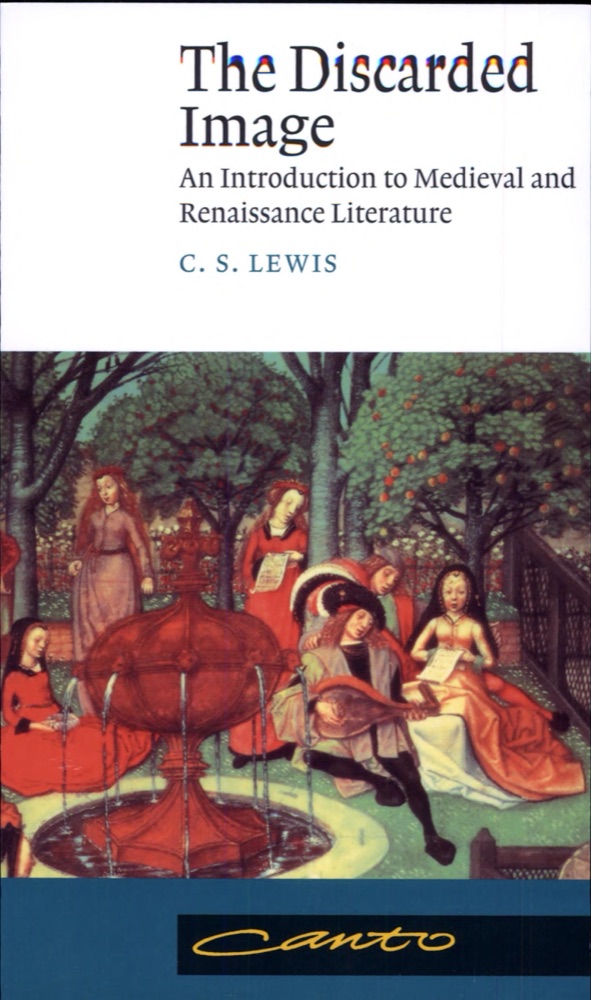 The Discarded Image: An Introduction to Medieval and Renaissance Literature
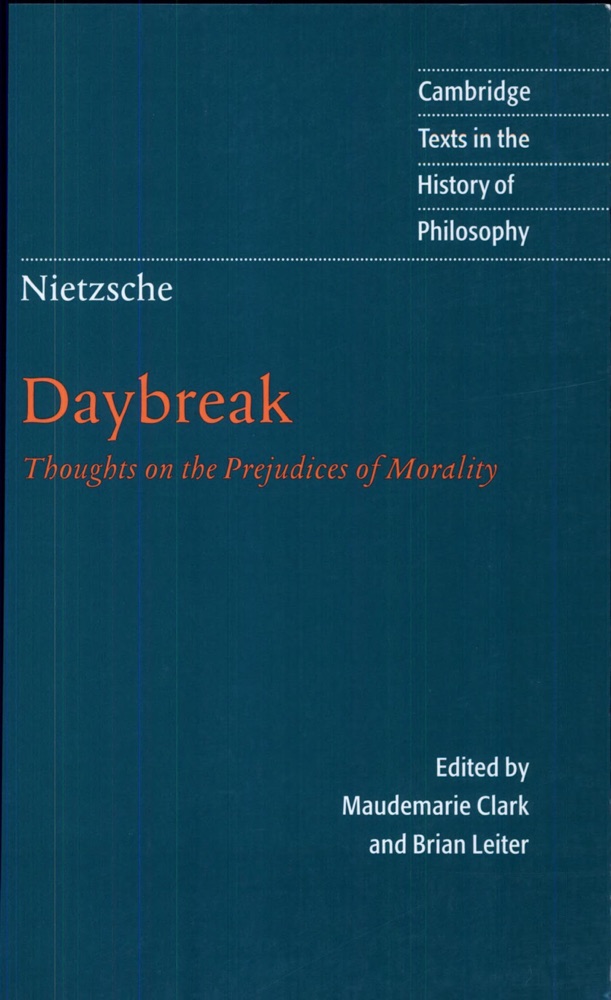 Daybreak: Thoughts on the Prejudices of Morality
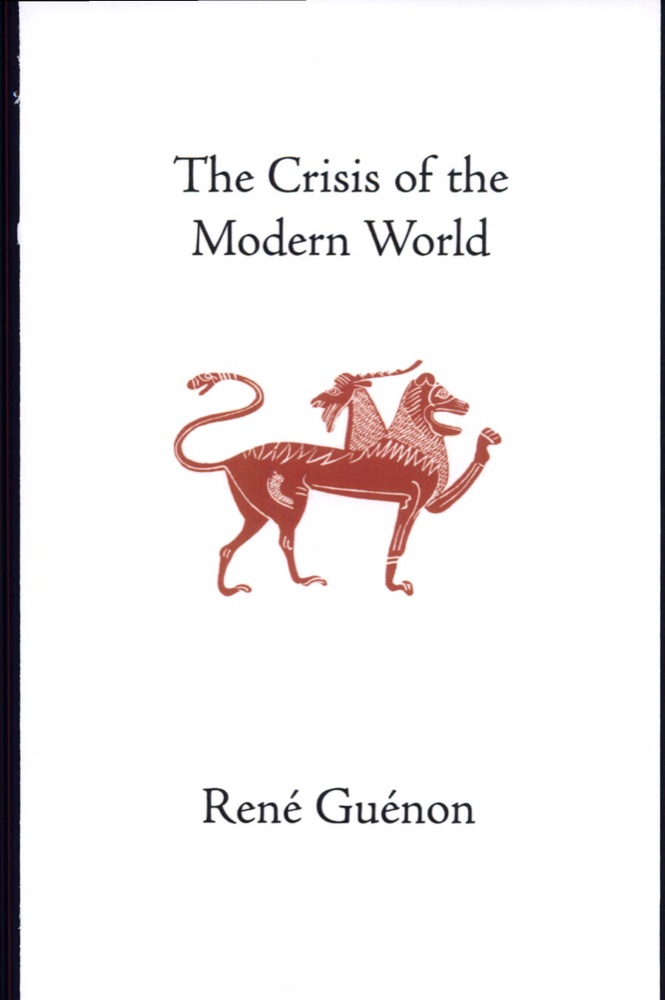 The Crisis of the Modern World
 Last and First Men
 Against Method
 The Everlasting Man
 An Appetite for Wonder: The Making of a Scientist
 Collapse: How Societies Choose to Fail or Succeed
 Arcadia
 You Can't Be Neutral on a Moving Train: A Personal History of Our Times
 Starry Messenger: Cosmic Perspectives on Civilization
 The Fatal Conceit: The Errors of Socialism
 A History of Western Philosophy
 A Little History of the World
 A Short History of Progress
 Consilience: The Unity of Knowledge
 But What If We're Wrong? Thinking About the Present As If It Were the Past
 The Occult
 The Argumentative Indian: Writings on Indian History, Culture and Identity
 The Curtain: An Essay in Seven Parts
 The Geography of Genius: A Search for the World's Most Creative Places from Ancient Athens to Silicon Valley
 The Wizard and the Prophet: Two Remarkable Scientists and Their Dueling Visions to Shape Tomorrow's World