

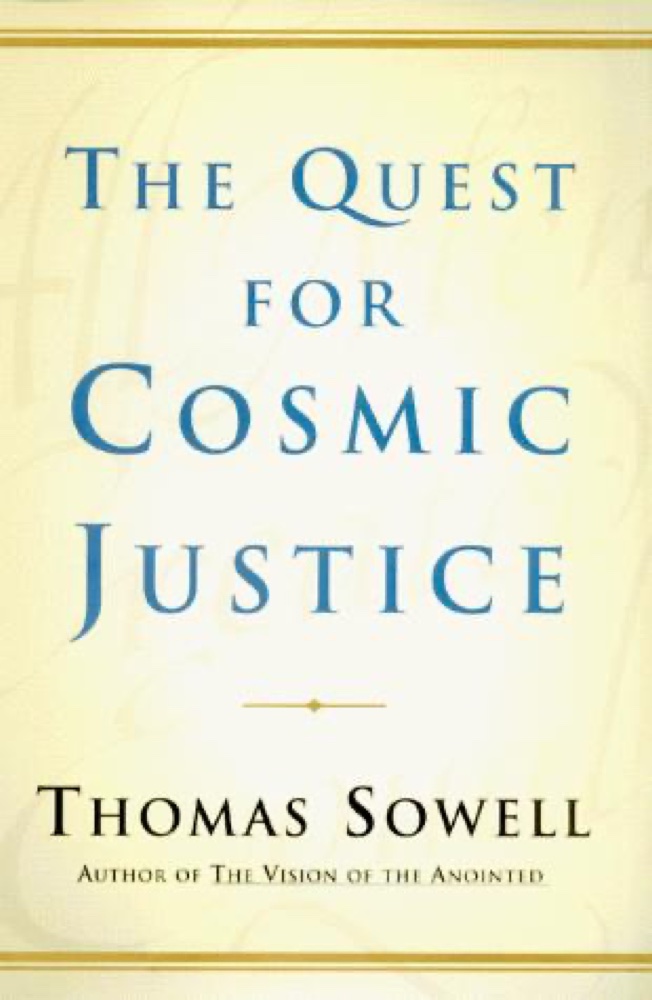
 The Quest for Cosmic Justice
Quotes from the Book
It takes no more research than a trip to almost any public library or college to show the incredibly lopsided coverage of slavery in the United States or in the Western Hemisphere, as compared to the meager writings on even larger number of Africans enslaved in the Islamic countries of the Middle East and North Africa, not to mention the vast numbers of Europeans also enslaved in centuries past in the Islamic world and within Europe itself. At least a million Europeans were enslaved by North African pirates alone from 1500 to 1800, and some Europeans slaves were still being sold on the auction blocks in the Egypt, years after the Emancipation Proclamation freed blacks in the United States.
No one chooses which culture to be born into or can be blamed for how that culture evolved in past centuries.
There are many who find a good alibi far more attractive than an achievement. For an achievement does not settle anything permanently. We still have to prove our worth anew each day: we have to prove that we are as good today as we were yesterday. But when we have a valid alibi for not achieving anything we are fixed, so to speak, for life.288
Lamenting the vagaries of fate may leave us with a galling sense of helpless frustration, which many escape by transforming the tragedy of the human condition into the specific sins of specific societies. This turns an insoluble problem of cosmic justice into an apparently manageable issue of social justice. Since the sins of human beings are virtually inexhaustible, there is seldom a lack of examples of wrongdoing to which intergroup differences can be attributed, rightly or wrongly. Where the quest for injustice is over-riding, among the things it over-rides are logic and evidence.
External explanations of black-white differences — discrimination or poverty, for example—seem to many to be more amenable to public policy than internal explanations such as culture. Those with this point of view tend to resist cultural explanations but there is yet another reason why some resist understanding the counterproductive effects of an anachronistic culture: Alternative explanations of economic and social lags provide a more satisfying ability to blame all such lags on the sins of others, such as racism or discrimination. Equally important, such external explanations require no painful internal changes in the black population but leave all changes to whites, who are seen as needing to be harangued, threatened, or otherwise forced to change. In short, prevailing explanations provide an alibi for those who lag—and an alibi is for many an enormously valuable asset that they are unlikely to give up easily.
The history of which peoples, nations, or civilizations have conquered or enslaved which other peoples, nations, or civilizations has been largely a history of who has been in a position to do so.
White liberals, instead of comparing what has happened to the black family since the liberal welfare state policies of the 1960s were put into practice, compare black families to white families and conclude that the higher rates of broken homes and unwed motherhood among blacks are due to “a legacy of slavery.” But why the large-scale disintegration of the black family should have begun a hundred years after slavery is left unexplained. Whatever the situation of the black family relative to the white family, in the past or the present, it is clear that broken homes were far more common among blacks at the end of the twentieth century than they were in the middle of that century or at the beginning of that century —even though blacks at the beginning of the twentieth century were just one generation out of slavery. The widespread and casual abandonment of their children, and of the women who bore them, by black fathers in the ghettos of the late twentieth century was in fact a painfully ironic contrast with what had happened in the immediate aftermath of slavery a hundred years earlier, when observers in the South reported desperate efforts of freed blacks to find family members who had been separated from them during the era of slavery.
Such are the ways of politics, where the crusade of the hour often blocks out everything else, at least until another crusade comes along and takes over the same monopoly of our minds.
Galling as it may be to be helpless to redress the crying injustices of the past, symbolic expiation in the present can only create new injustices among the living and new problems for the future, when newborn babies enter the world with pre-packaged grievances against other babies born the same day. Both have their future jeopardized, not only by their internal strife but also by the increased vulnerability of disunited society to external dangers from nations and from international terrorist networks.
Where beliefs are not checked against facts, but instead facts must meet the test of consonance with the prevailing vision, we are in the process of sealing ourselves off from feedback from reality.Heedless of the past, we are flying blind into the future.
Watch on YouTube
About Thomas Sowell
We have collected 86 quotes from 5 books by Thomas Sowell on BookQuoters.
More about the author →More by Thomas Sowell

Book details
- Author
- Thomas Sowell
- Genre
- History
- Goodreads rating
- 4.37 (10k ratings) →
Keep reading
 Four Hundred Souls: A Community History of African America, 1619-2019
 The War on the West: An Instant NYT Bestselling History of the Modern World
 A People's History of the United States
 Why We Can't Wait
 No Name in the Street
 We Were Eight Years in Power: An American Tragedy
 Where Do We Go from Here: Chaos or Community?
 The Strange Death of Europe: Immigration, Identity, Islam
 White Like Me: Reflections On Race From A Privileged Son
 The 1619 Project: A New Origin Story
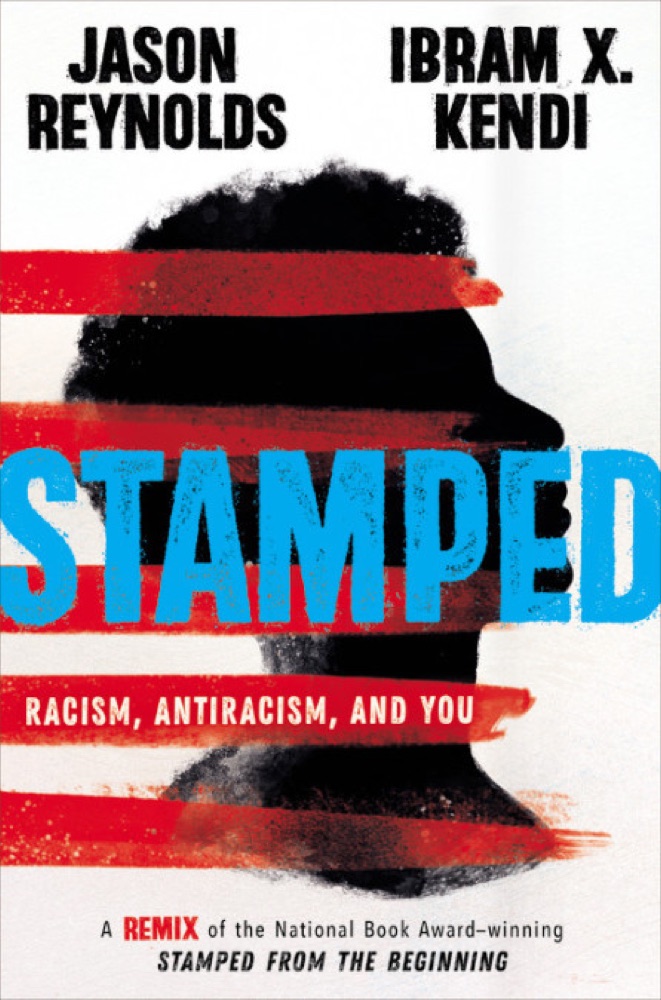 Stamped: Racism, Antiracism, and You
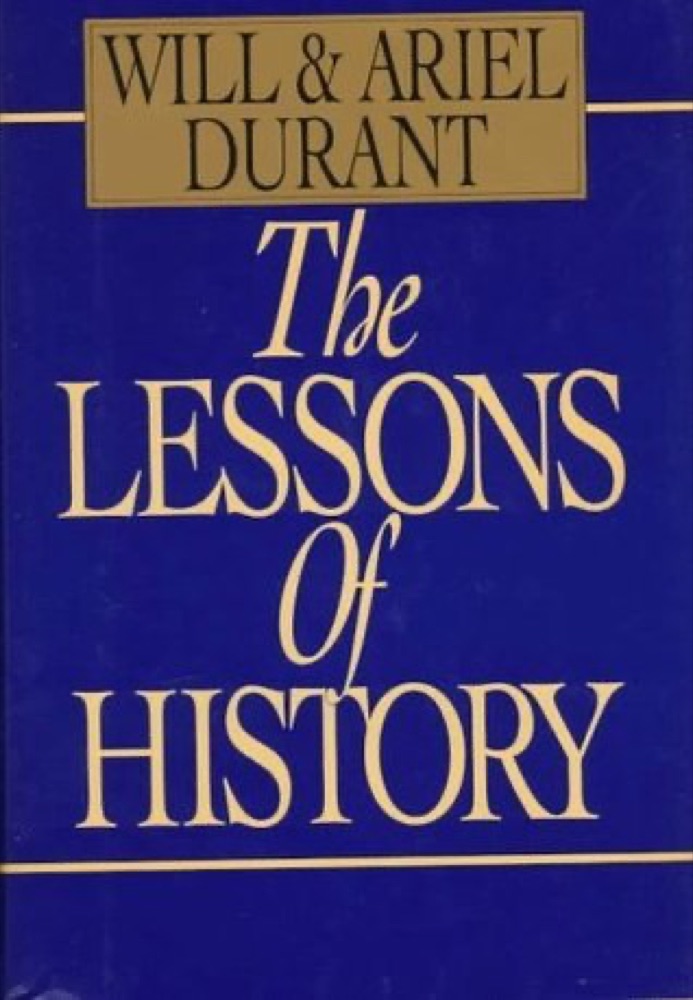 The Lessons of History
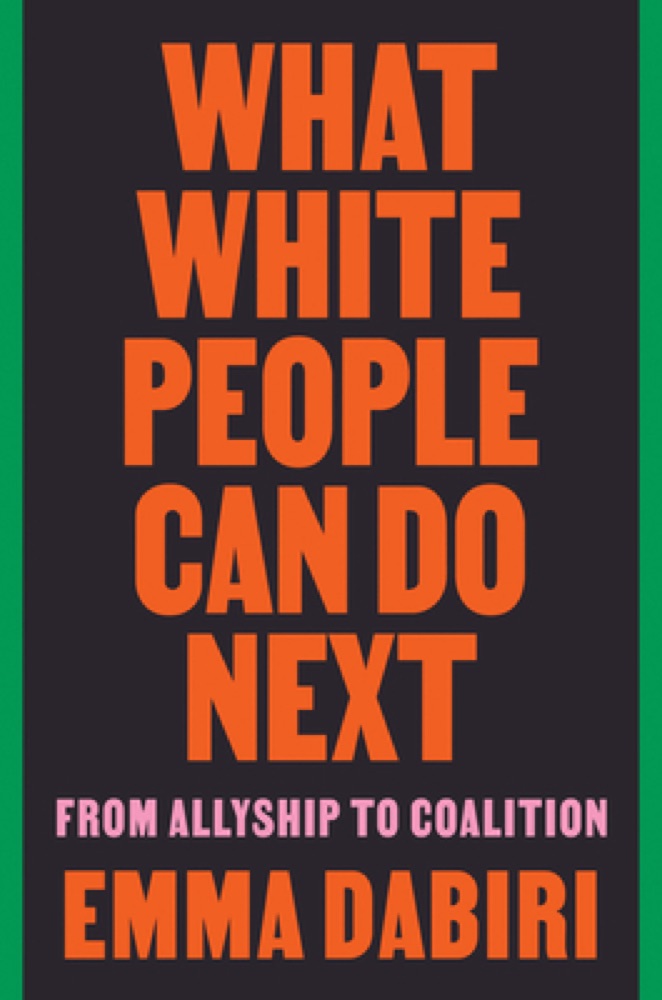 What White People Can Do Next: From Allyship to Coalition – An Empowering Guide to Interrogating Whiteness and Creating Justice
 The Madness of Crowds: Gender, Race and Identity
 Edge of Eternity
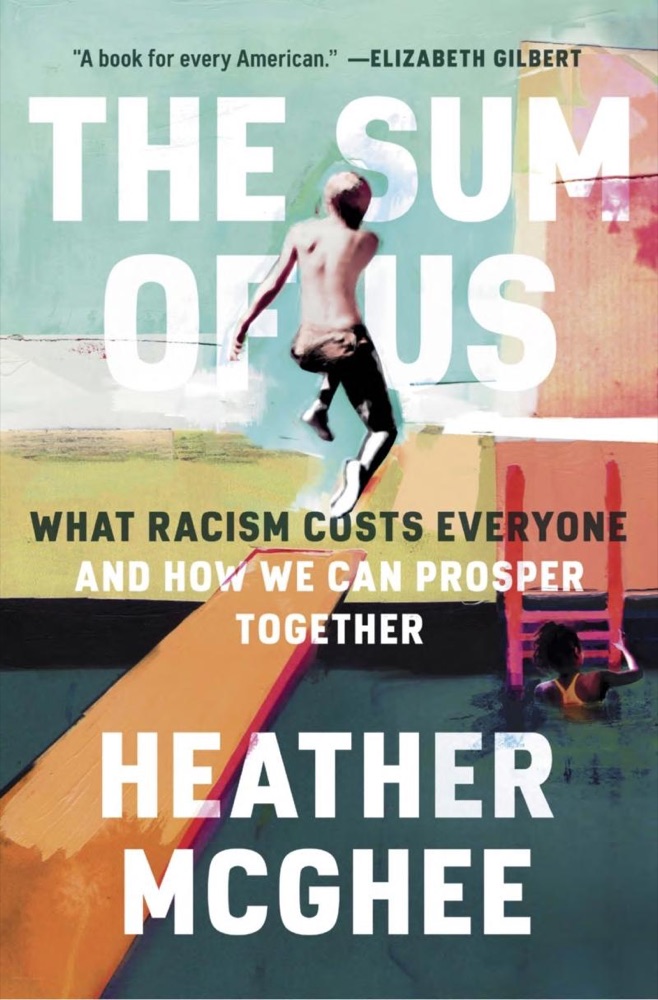 The Sum of Us: What Racism Costs Everyone and How We Can Prosper Together
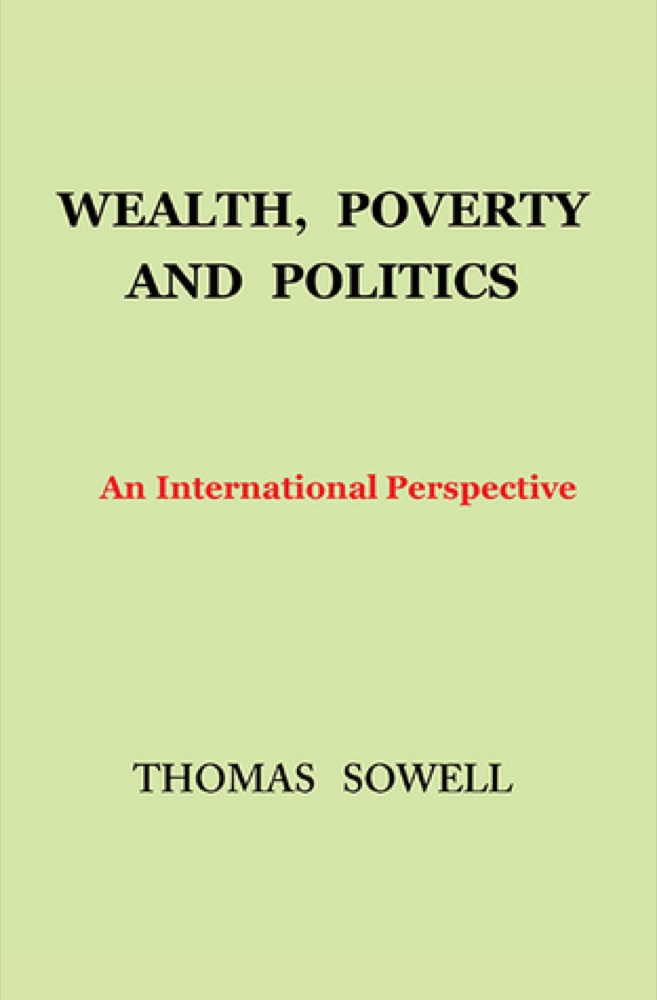 Wealth, Poverty and Politics: An International Perspective
 The Message
 One Day, Everyone Will Have Always Been Against This
 How to Argue With a Racist: What Our Genes Do (and Don't) Say About Human Difference
 Stony the Road: Reconstruction, White Supremacy, and the Rise of Jim Crow
 Nobody Knows My Name
 The View From Flyover Country: Essays by Sarah Kendzior
 The Hemingses of Monticello: An American Family
 The Dawn of Everything: A New History of Humanity
 The Audacity of Hope: Thoughts on Reclaiming the American Dream
 The Inconvenient Indian: A Curious Account of Native People in North America
 The Disuniting of America: Reflections on a Multicultural Society
 The Warmth of Other Suns: The Epic Story of America's Great Migration
 Blood Done Sign My Name: A True Story
 Collapse: How Societies Choose to Fail or Succeed
 The Better Angels of Our Nature: Why Violence Has Declined
 You Can't Be Neutral on a Moving Train: A Personal History of Our Times
 These Truths: A History of the United States
 Letter from the Birmingham Jail
 We Gon' Be Alright: Notes on Race and Resegregation
 Elite Capture: How the Powerful Took Over Identity Politics
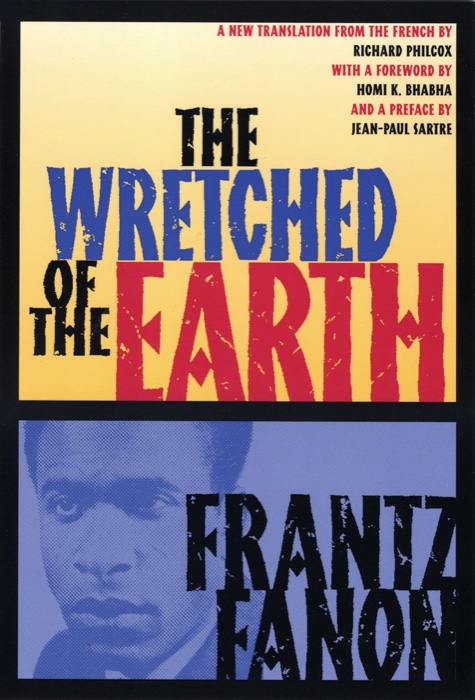 The Wretched of the Earth
 Black AF History: The Un-Whitewashed Story of America
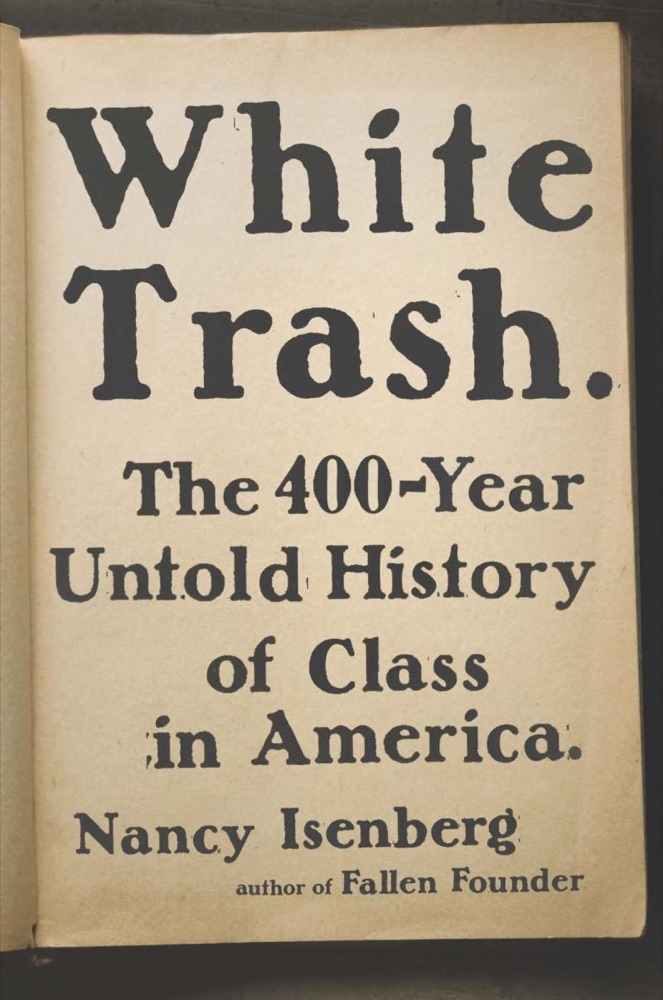 White Trash: The 400-Year Untold History of Class in America
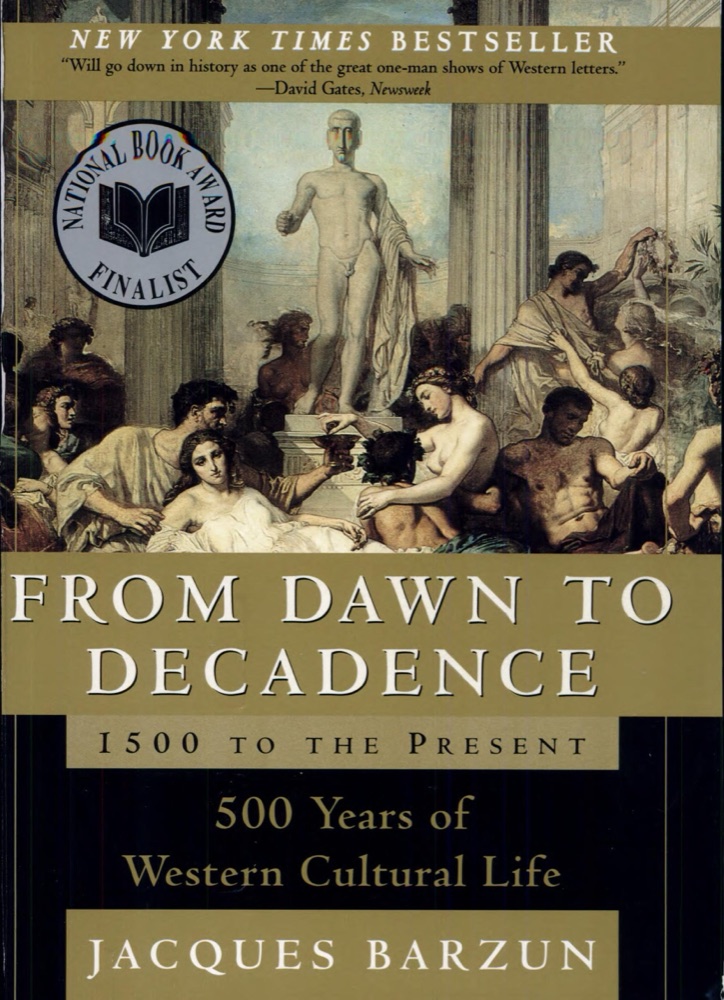 From Dawn to Decadence: 500 Years of Western Cultural Life, 1500 to the Present
 The Chomsky-Foucault Debate: On Human Nature
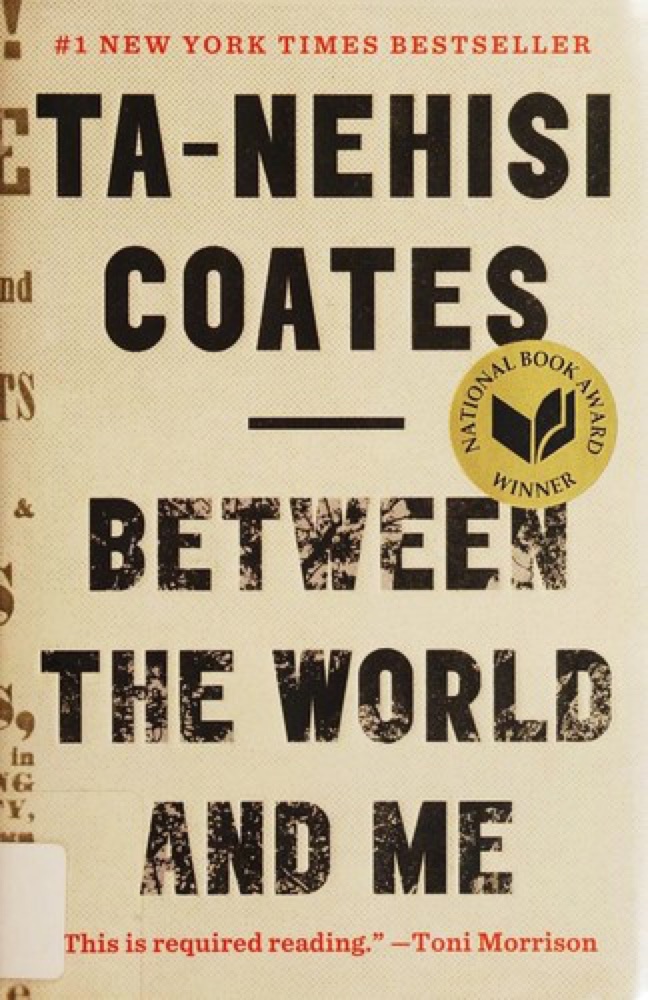 Between the World and Me
 Ill Fares the Land
 The Muqaddimah: An Introduction to History
 How the Word Is Passed: A Reckoning with the History of Slavery Across America
 Arguably: Selected Essays
 Capital and Ideology
 Just Us: An American Conversation
 Assata: An Autobiography
 Doppelganger: A Trip into the Mirror World
 What's Left?
 Uncomfortable Conversations With a Black Man
 Simple Justice: The History of Brown v. Board of Education and Black America's Struggle for Equality
 Begin Again: James Baldwin's America and Its Urgent Lessons for Our Own
 Guns, Germs, and Steel: The Fates of Human Societies
 Civilization: The West and the Rest
 Why Are All The Black Kids Sitting Together in the Cafeteria?
 Infidel
 Behold a Pale Horse