

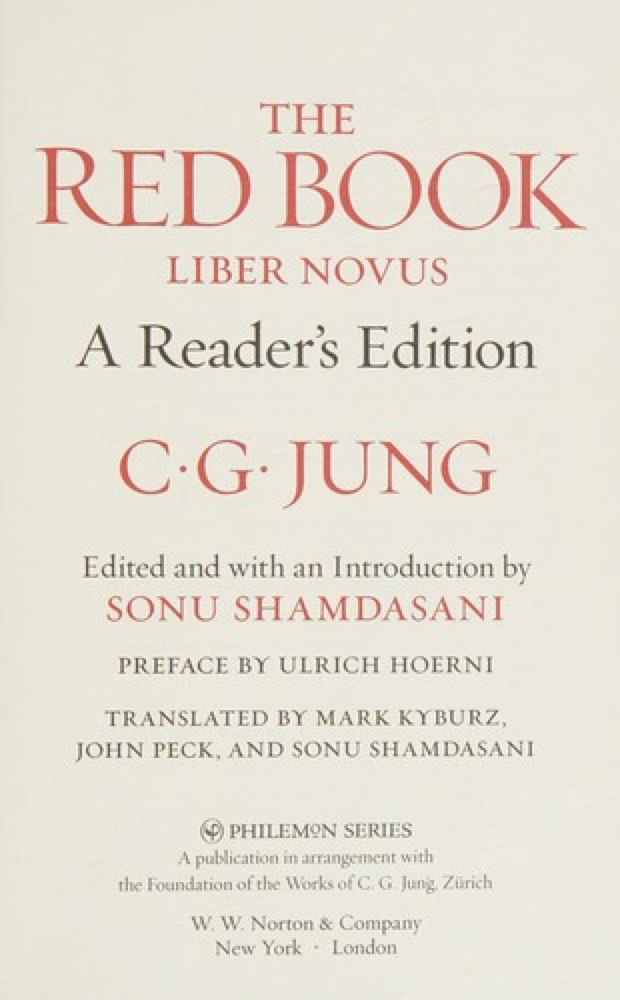
 The Red Book: Liber Novus
Quotes from the Book
Good does not become better by being exaggerated, but worse, and a small evil becomes a big one through being disregarded and repressed. The Shadow is very much a part of human nature, and it is only at night that no shadows exist.
11
There is no Archimedean point from which to judge, since the psyche is indistinguishable from its manifestations. The psyche is the object of psychology, and -fatally enough- also its subject. There is no getting away from this fact. "Psychology and Religion" (1938). In CW 11: Psychology and Religion: West and East. P.
6
Since nobody is capable of recognizing just where and how much he himself is possessed and unconscious, he simply projects his own condition upon his neighbour, and thus it becomes a sacred duty to have the biggest guns and the most poisonous gas. The worst of it is that he is quite right. All one’s neighbours are in the grip of some uncontrolled and uncontrollable fear, just like oneself.
3
The European, on the other hand, can blow up mountains, and the World War has given us a bitter foretaste of what he is capable of when free rein is given to an intellect that has grown estranged from human nature. As a European, I cannot wish the European more “control” and more power over the nature within and around us. Indeed, I must confess to my shame that I owe my best insights (and there are some quite good ones among them) to
2
Parece que el error materialista fue en un comienzo inevitable. Como entre los sistemas galácticos no pudo descubrirse el trono divino, se concluyó que Dios no existía. Segundo error insalvable lo constituye el psicologismo: si después de todo Dios es algo, habrá de ser una ilusión motivada por la voluntad de poder o por la sexualidad reprimida. Tales argumentos no son nuevos. Cosas parecidas dijeron los misioneros cristianos que derrumbaron los ídolos paganos. Pero al paso que en su lucha contra los antiguos dioses los misioneros primitivos tenían conciencia de servir a un dios nuevo, los modernos iconoclastas no saben en nombre de quien destruyen los viejos valores.
2
What, then, shall we say to our patient with the imaginary cancer? I would tell him: “Yes, my friend, you are really suffering from a cancer-like thing, you really do harbour in yourself a deadly evil. However, it will not kill your body, because it is imaginary. But it will eventually kill your soul. It has already spoilt and even poisoned your human relations and your personal happiness and it will go on growing until it has swallowed your whole psychic existence. So that in the end you will not be a human being any more, but an evil destructive tumour.
2
It is not that something different is seen, but that one sees differently. It is as though the
1
Satori is the raison d’âtre of Zen without which
1
Aún cuando algunos padezcan problemas idénticos a los míos, nadie tendrá los mismos sueños que yo.
1
Las fantasías existen y pueden ser tan reales y tan nocivas y peligrosas como los estados físicos. Opino, también, que los trastornos anímicos son harto más peligrosos que las epidemias o terremotos. Ni las epidemias de cólera o de viruela medievales han matado a tantos hombres como ciertas discrepancias de opinión en el año 1914 o ciertos -ideales- políticos en Rusia.
1
. . .the shadow is merely somewhat inferior, primitive, unadapted, and awkward; not wholly bad. It even contains . . .qualities which would in a way vitalize and embellish human existence, but convention forbids!
1
Watch on YouTube
About C.G. Jung
We have collected 191 quotes from 9 books by C.G. Jung on BookQuoters.
More about the author →More by C.G. Jung
The Red Book: Liber Novus
 Memories, Dreams, Reflections
 Answer to Job
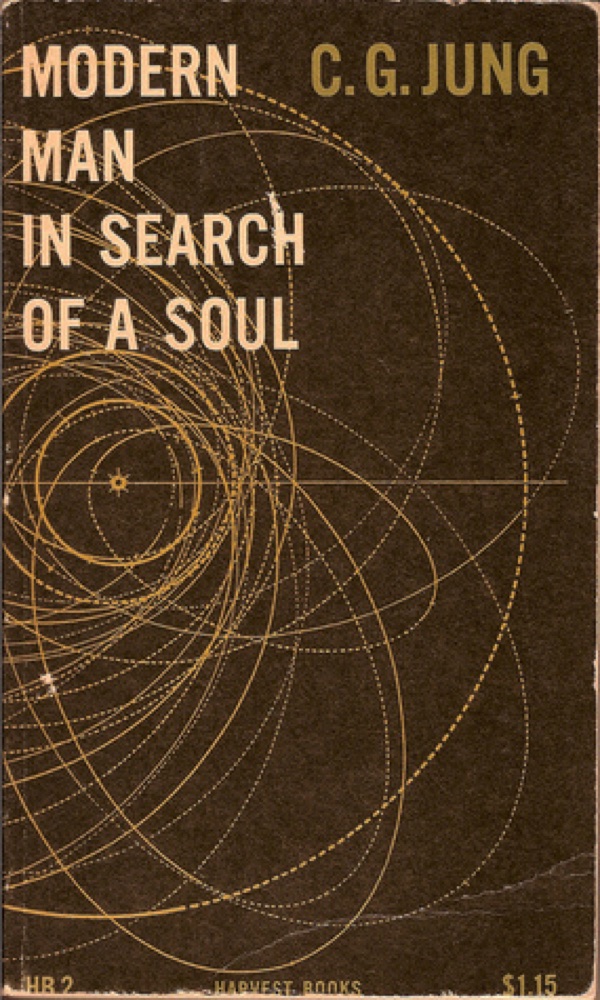 Modern Man in Search of a Soul
About the book
In this book, Dr. Jung, who has been the author of some of the most provocative hypotheses in modern psychology, describes what he regards as an authentic religious function in the unconscious mind. Using a wealth of material from ancient and medieval gnostic, alchemistic, and occultistic literature, he discusses the religious symbolism of unconscious processes and the possible continuity of religious forms that have appeared and reappeared through the centuries.
Book details
- First published
- 1940
- Author
- C.G. Jung
- Genre
- Nonfiction
- Goodreads rating
- 4.11 (2k ratings)
Keep reading
 Man and His Symbols
 Twilight of the Idols/The Anti-Christ
 Maps of Meaning: The Architecture of Belief
 Soul Mountain
 The Occult
 Daybreak: Thoughts on the Prejudices of Morality
 Myths to Live By
 The Perennial Philosophy
 On the Genealogy of Morals/Ecce Homo
 The Dwarf
 The Star Diaries
 A Language Older Than Words
 The Crisis of the Modern World
 Brave New World / Brave New World Revisited
 The Varieties of Religious Experience
 Moravagine
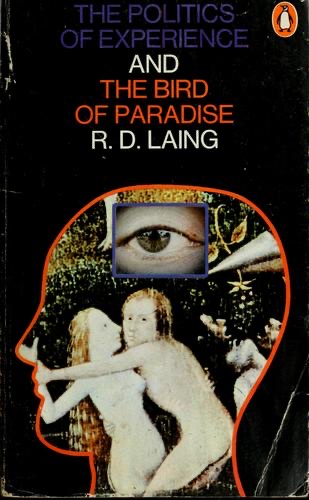 The Politics of Experience/The Bird of Paradise
 Tragic Sense of Life
 Ficciones
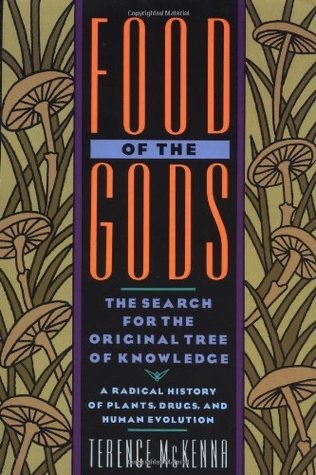 Food of the Gods: The Search for the Original Tree of Knowledge
 Ego and Archetype: Individuation and the Religious Function of the Psyche
 The Sane Society
 Anti-Oedipus: Capitalism and Schizophrenia
 The Mind of the Maker: Dorothy L. Sayers' Witty Classic on the Trinity, Christianity, and Human Creativity
 Villa Incognito
 The Futurological Congress: From the Memoirs of Ijon Tichy
 The Sacred and the Profane: The Nature of Religion
 Drive Your Plow Over the Bones of the Dead
 The Ego and Its Own
 Freedom from the Known
 Orthodoxy
 The Divided Self: An Existential Study in Sanity and Madness
 Eyeless in Gaza
 Heretics
 Lila: An Inquiry Into Morals
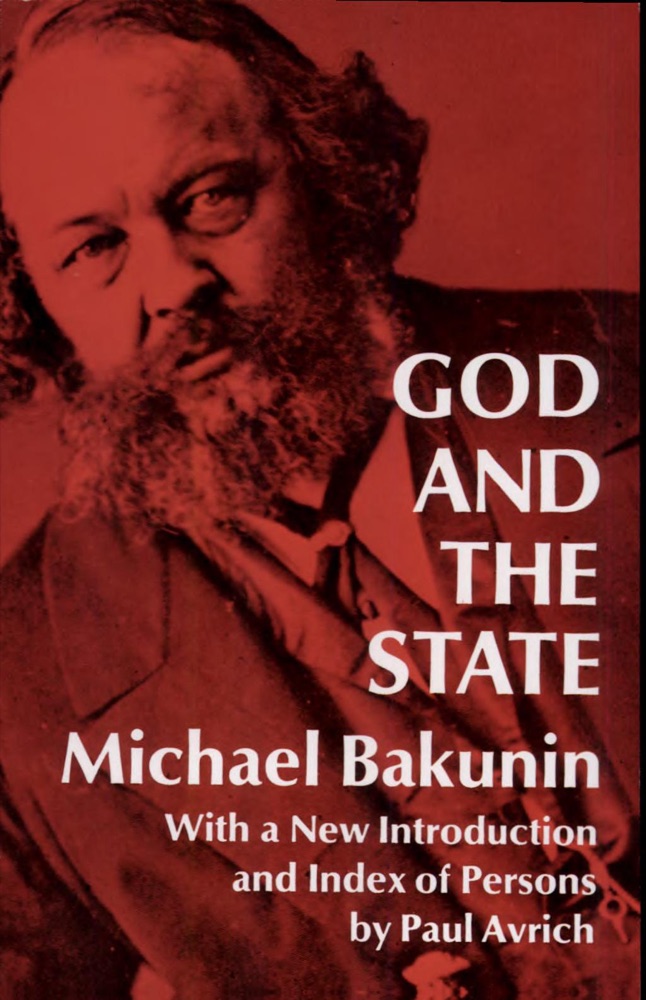 God and the State
 The Empusium
 Doctor Glas
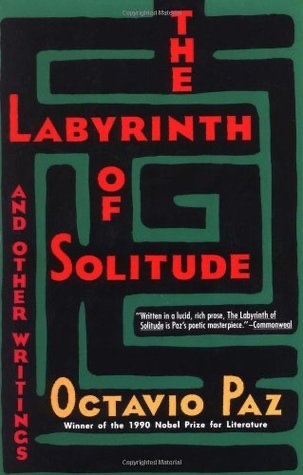 The Labyrinth of Solitude and Other Writings
 Emma in the Night
 The Everlasting Man
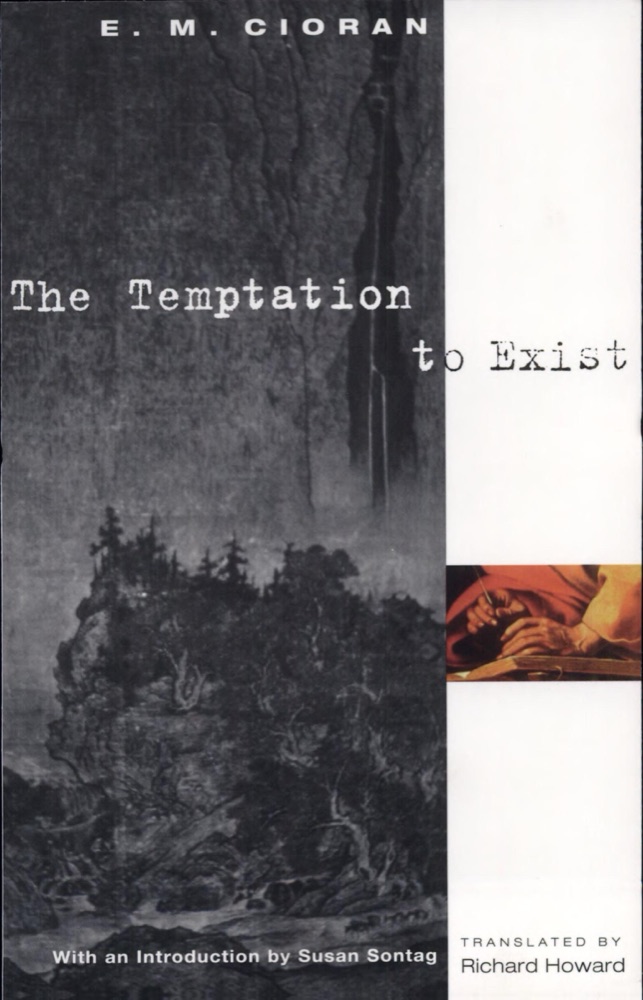 The Temptation to Exist
 Conversations with God: An Uncommon Dialogue, Book 1
 Demian
 Kingdom of the Golden Dragon
 Science and Sanity: An Introduction to Non-Aristotelian Systems and General Semantics
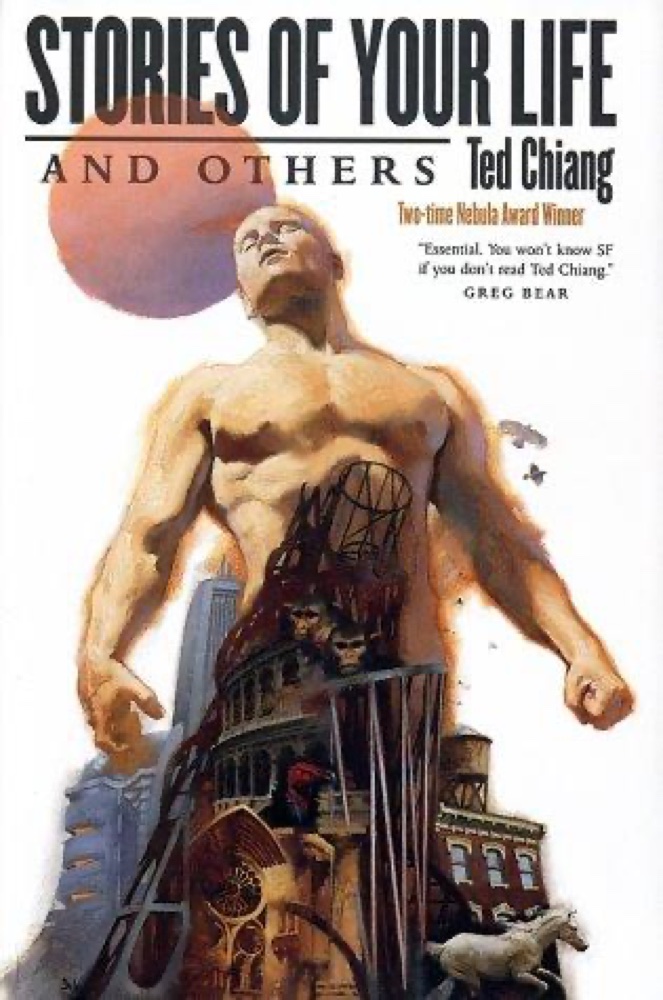 Stories of Your Life and Others
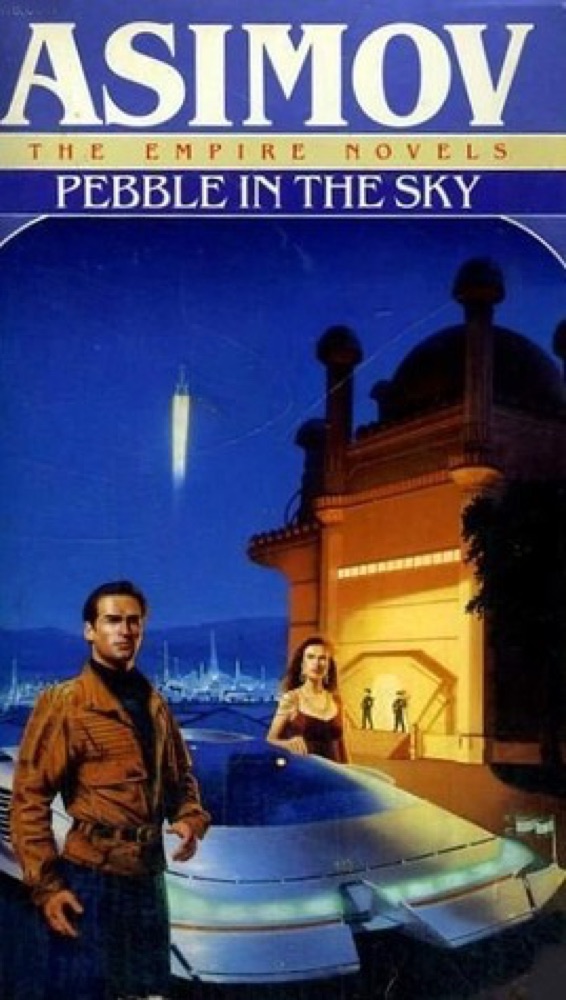 Pebble in the Sky
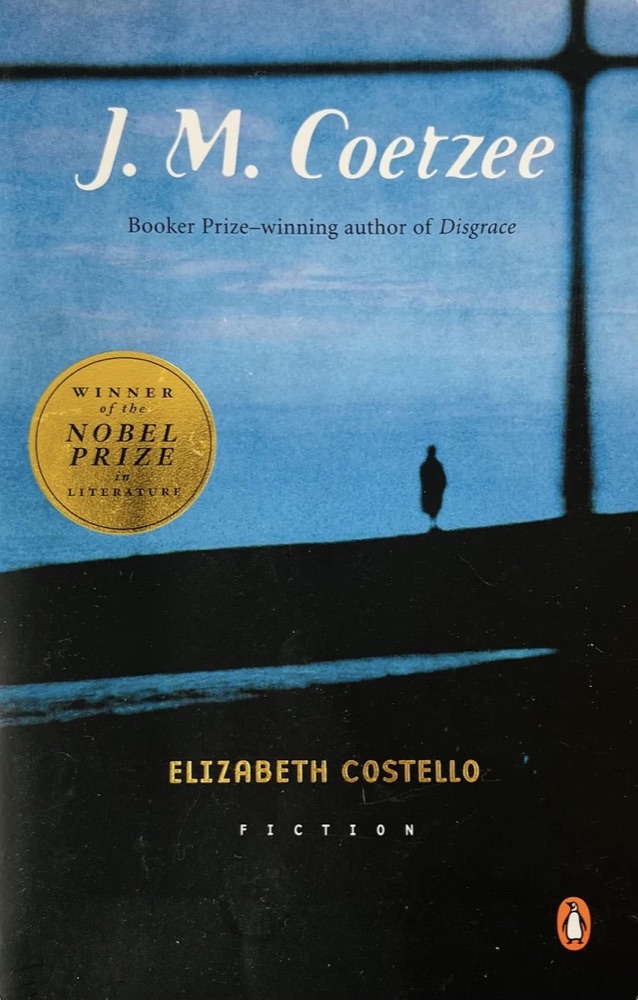 Elizabeth Costello
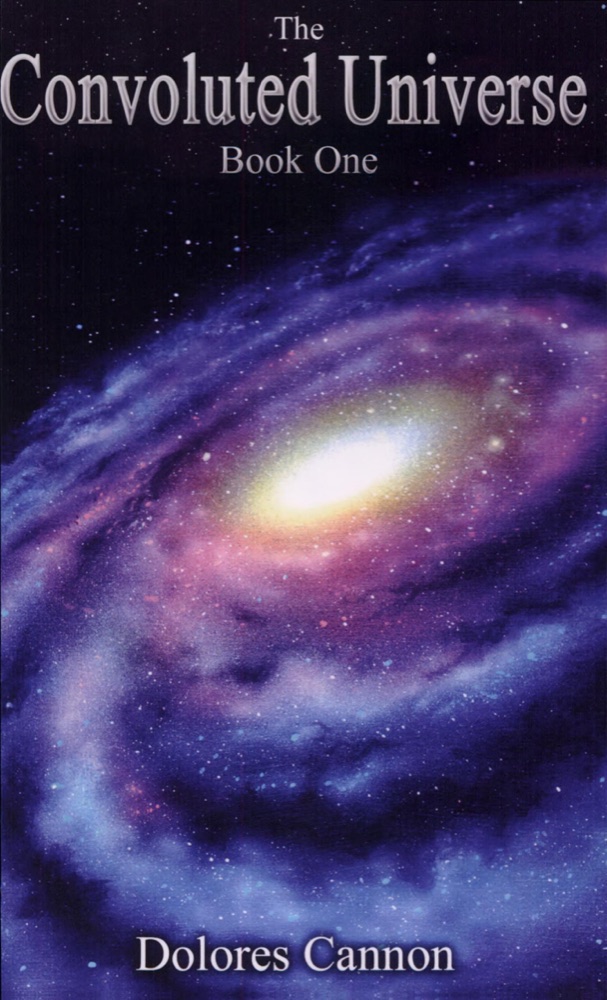 The Convoluted Universe, Book 1
 The World's Religions
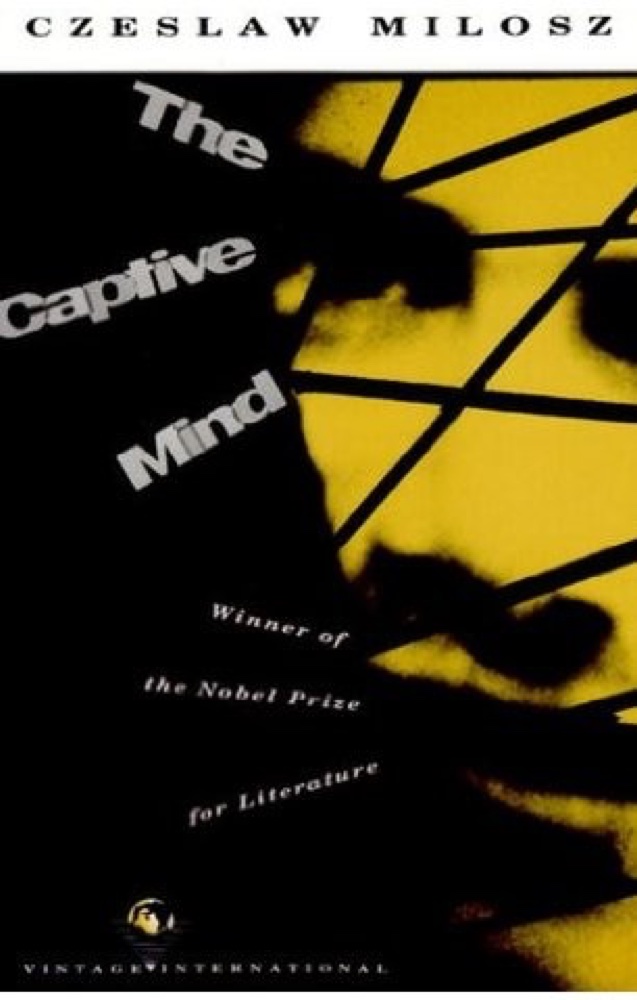 The Captive Mind
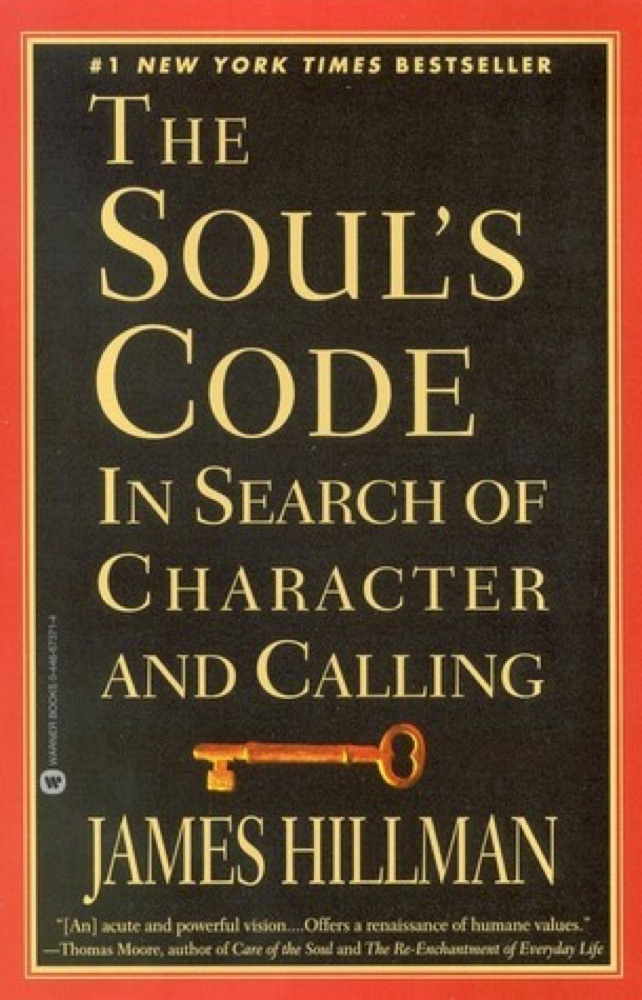 The Soul's Code: In Search of Character and Calling
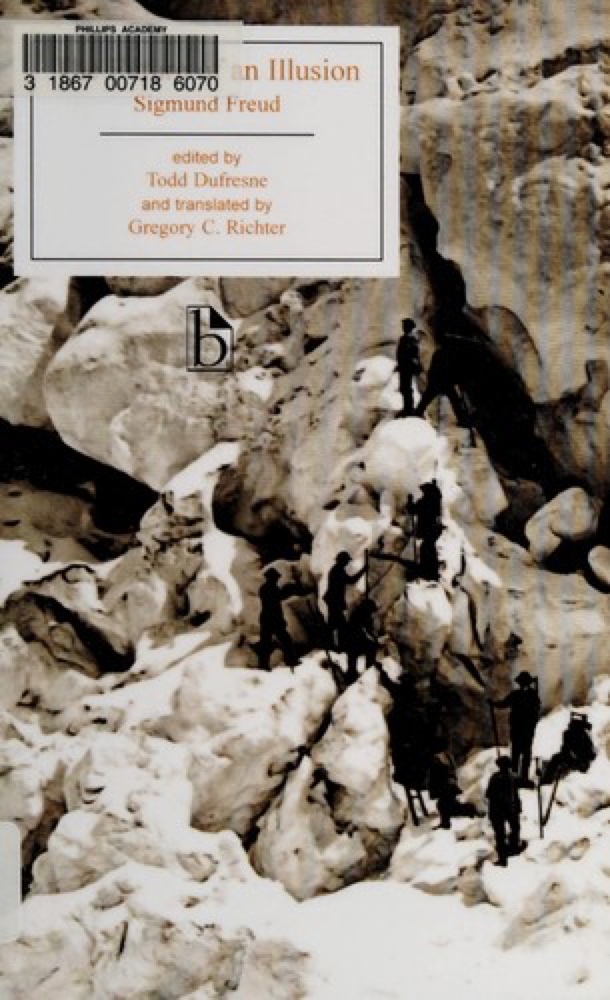 The Future of an Illusion
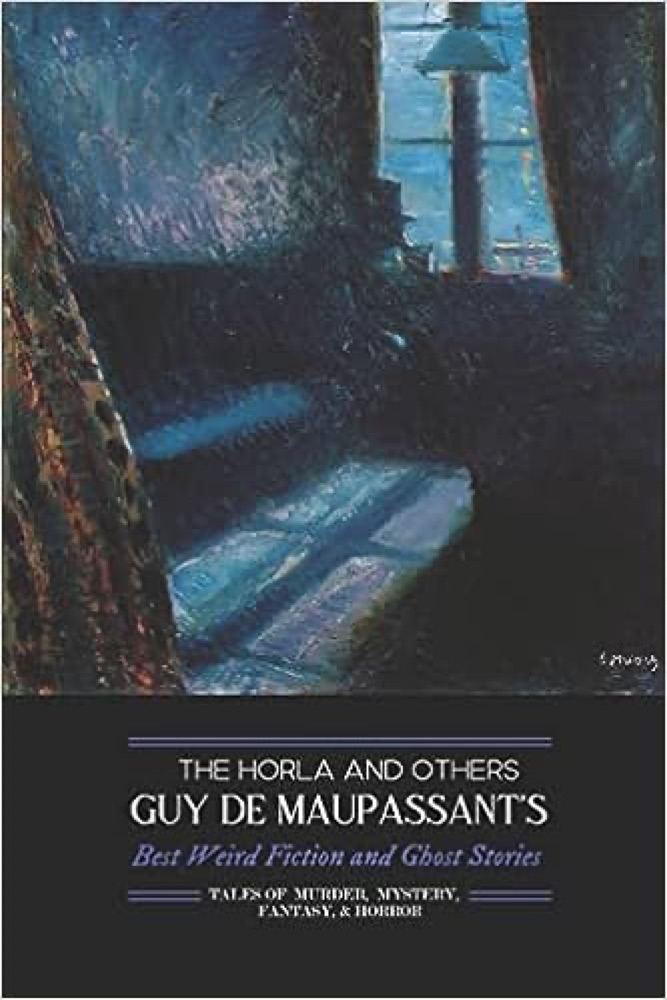 The Horla and Others: Guy de Maupassant's Best Weird Fiction and Ghost Stories: Tales of Mystery, Murder, Fantasy & Horror
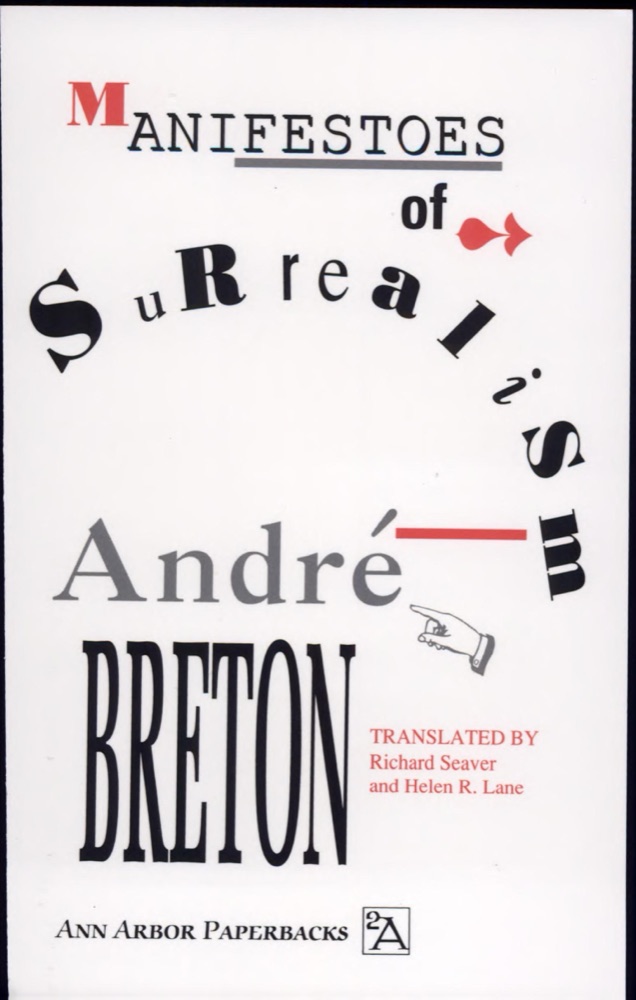 Manifestoes of Surrealism
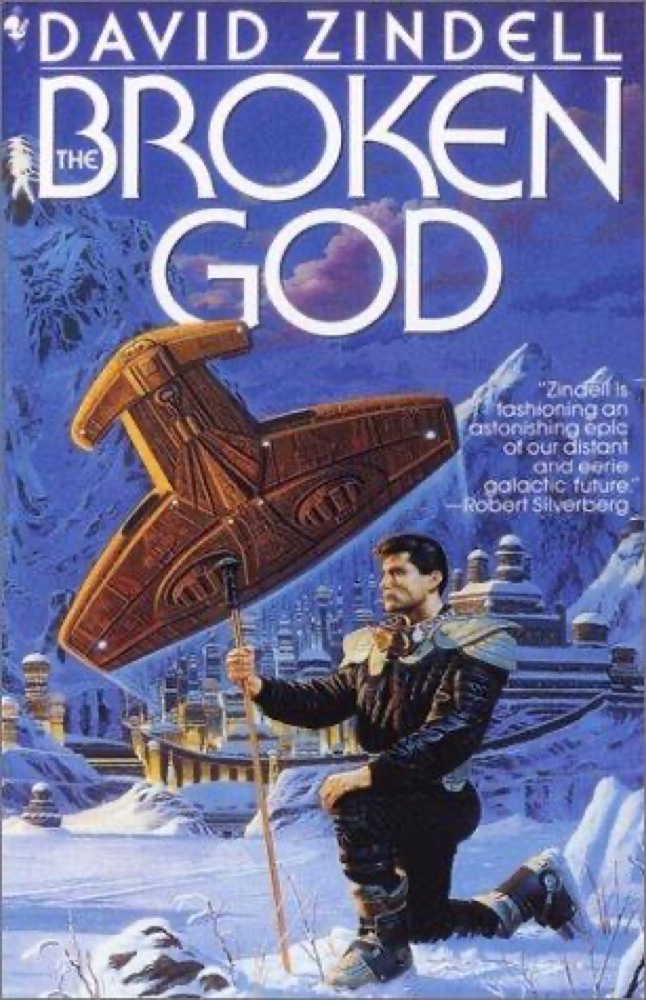 The Broken God
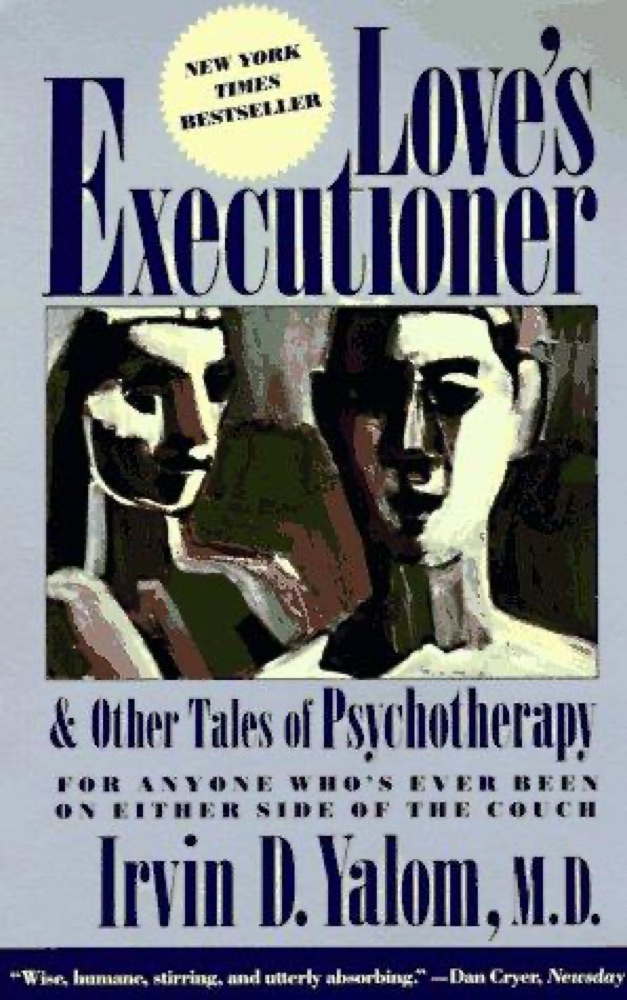 Love's Executioner and Other Tales of Psychotherapy