 Ficciones
Quotes from the Book
Let us guard against stripping our science of its share of poetry.
13
The very names we use to describe ancient ideas or vanished forms of social organization would be quite meaningless if we had not known living men.
13
The good historian is like the giant of the fairy tale. He knows that wherever he catches the scent of human flesh, there his quarry lies.
12
Thenceforth they thought that, rationally concluded, doubt could become an instrument of knowledge.
12
Understanding,' in all honesty, is a word pregnant with difficulties, but also with hope.
4
In a word, a historical phenomenon can never be understood apart from its moment in time. This is true of ever evolutionary stage, our own and all others. As the old Arab proverb has it: 'Men resemble their times more than they do their fathers.
3
Para quien no sea un tonto de marca mayor, todas las ciencias son interesantes, pero cada sabio solo encuentra una cuyo cultivo le divierte. Descubrirla para consagrarse a ella es propiamente lo q se llama vocación
3
... in a world which stands upon the threshold of the chemistry of the atom, which is only beginning to fathom the mystery of interstellar space ... this poor world of ours which, however justifiably proud of its science, has created so little happiness for itself ...
1
In contrast, historical time is a concrete and living reality with an irreversible onward rush. It is the very plasma in which events are immersed, and the field within which they become intelligible.
1
A word is valued much less for its etymology than for the use to which it is put.
Of all the poisons capable of vitiating a piece of evidence, the most virulent is deception.
I had gone with Henri Pirenne to Stockholm; we had scarcely arrived, when he said to me: 'What shall we go to see first? It seems that there is a new city hall here. Let's start there.' Then, as if to ward of my surprise, he added: 'If I were an antiquarian, I would have eyes only for old stuff, but I am a historian. Therefore, I love life.
A man can lead a reasonably full life without a family, a fixed local residence, or a religious affiliation, but if he is stateless he is nothing. He has no rights, no security, and little opportunity for a useful career.
¡Es tan fácil gritar: "Al paredón"! No comprendemos nunca bastante. Quien difiere de nosotros, sea extranjero o adversario político, pasa, casi necesariamente, por un ser de malos antecedentes. Aun para conducir las luchas inevitables, sería necesario un poco más de inteligencia en las almas; con más razón para evitarlas, si se está a tiempo. A condición de renunciar a sus falsos aires de arcángel, la historia debe ayudarnos a salir de este mal paso. Es una vasta experiencia de las variedades humanas, un largo encuentro entre los hombres. Tanto la vida como la ciencia tienen el mayor interés en que este encuentro sea fraternal.
Há muito tempo, com efeito, nossos grandes precursores, Michelet, Fustel de Coulanges, nos ensinaram a reconhecer: o objeto da história é, por natureza, o homem. Digamos melhor: os homens. Mais que o singular, favorável à abstração, o plural, que é o modo gramatical da relatividade, convém a uma ciência da diversidade. Por trás dos grandes vestígios sensíveis da paisagem, [os artefatos ou as máquinas,] por trás dos escritos aparentemente mais insípidos e as instituições aparentemente mais desligadas daqueles que as criaram, são os homens que a história quer capturar. Quem não conseguir isso será apenas, no máximo, um serviçal da erudição. Já o bom historiador se parece com o ogro da lenda. Onde fareja carne humana, sabe que ali está sua caça.
Zapewne, gdybyśmy nawet uznali, że historia do niczego poza tym nie służy, należałoby na jej plus zapisać to, że jest bardzo zajmująca (...).
Un motto, in sintesi, domina e illumina i nostri studi: <>. Non diciamo che il bravo storico è estraneo alle passioni; ha per lo meno quella. Motto, non nascondiamocelo, carico di difficoltà, ma anche di speranze. Soprattutto, motto carico di amicizia. Persino nell'azione, noi giudichiamo troppo. E' comodo gridare <> Non comprendiamo mai abbastanza. Chi è diverso da noi - straniero, avversario politico - passa, quasi necessariamente, per un cattivo. Anche per condurre le lotte che non si possono evitare, un po' più di intelligenza delle anime sarebbe necessaria; a maggior ragione, per evitarle, quando si è ancora in tempo. La storia, purché rinunci alle sue false arie da arcangelo, deve aiutarci a guarire a questo difetto. Essa è una vasta esperienza delle varietà umane, un luogo di incontro fra gli uomini. La vita, come la scienza, ha tutto da guadagnare dal fatto che questo incontro sia fraterno.
Watch on YouTube
About Marc Bloch
We have collected 17 quotes from 1 book by Marc Bloch on BookQuoters.
More about the author →About the book
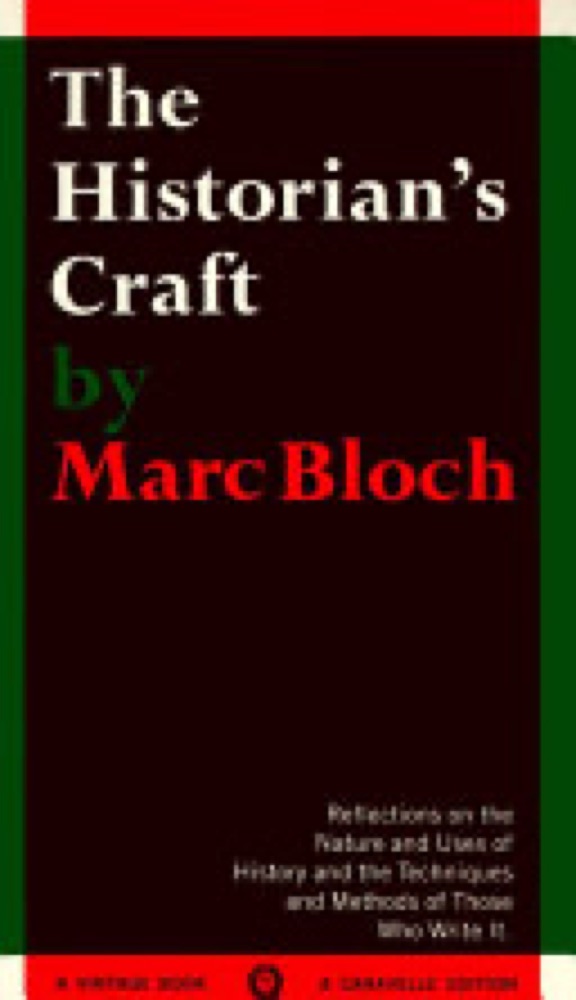
In this classic work, distinguished French economic historian, Marc Bloch, discusses the techniques of historical observation, analysis, and criticism, and the reestablishment of historical causation in assessing events. What is the value of history? What is the use of history? How do scholars attempt to unpack it and make connections in a responsible manner?
While the topics of historiography and historical methodology have become increasingly popular, Bloch remains an authority. He argues that history is a whole; no period and no topic can be understood except in relation to other periods and topics. And what is unique about Bloch is that he puts his theories into practice; for example, calling upon both his experience serving in WWI as well as his many years spent in peaceful study and reflection. He also argues that written records are not enough; a historian must draw upon maps
Book details
- First published
- 1949
- Author
- Marc Bloch
- Genre
- History
- Goodreads rating
- 4.09 (3k ratings)
Keep reading
Ficciones
 From Dawn to Decadence: 500 Years of Western Cultural Life, 1500 to the Present
 The Order of Things: An Archaeology of the Human Sciences
 The Archaeology of Knowledge and The Discourse on Language
 Galileo
 Travels with Herodotus
 Selections from the Prison Notebooks
 A History of the World in 100 Objects
 Introductory Lectures on Psychoanalysis
 Illuminations: Essays and Reflections
 On Truth and Lies in a Nonmoral Sense
 The Discovery of India
 Diary of a Bad Year
 The Futurological Congress: From the Memoirs of Ijon Tichy
 The Blue Flower
 Selected Non-Fictions
 On the Genealogy of Morals
 The Book of Sand and Shakespeare's Memory
 Brave New World / Brave New World Revisited
 The Periodic Table
 Arm of the Sphinx
 Complete Works of Oscar Wilde
 The Enchantress of Florence
 Daybreak: Thoughts on the Prejudices of Morality
 The New Penguin History of The World
 What Is History?
 Doctor Faustus
 The Star Diaries
 The Labyrinth of Solitude and Other Writings
 The Book That Broke the World
 Elizabeth Costello
 Genesis
 Cultural Amnesia: Necessary Memories from History and the Arts
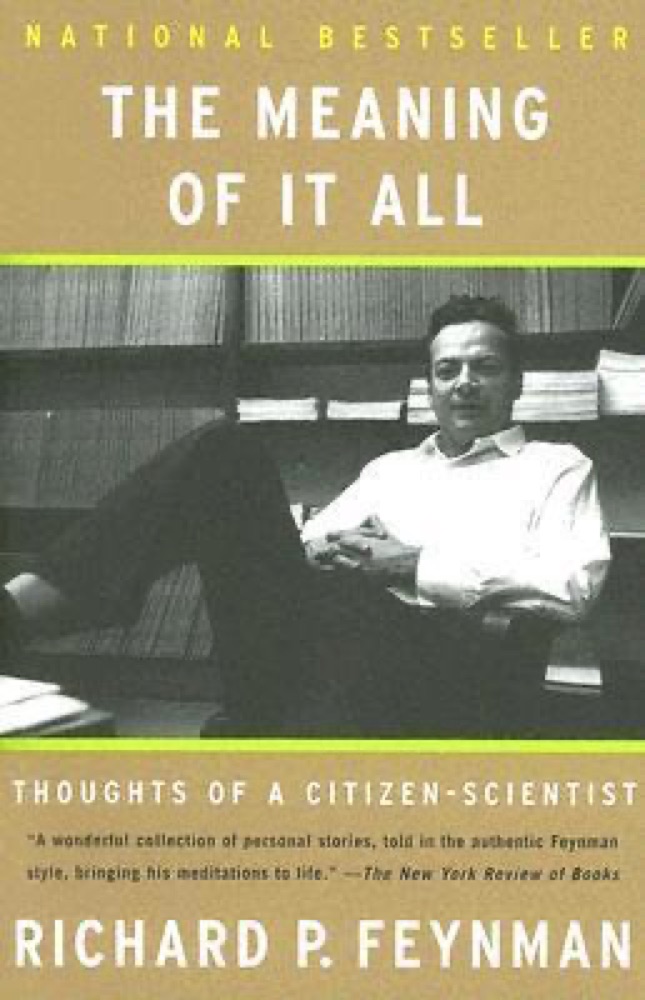 The Meaning of It All: Thoughts of a Citizen-Scientist
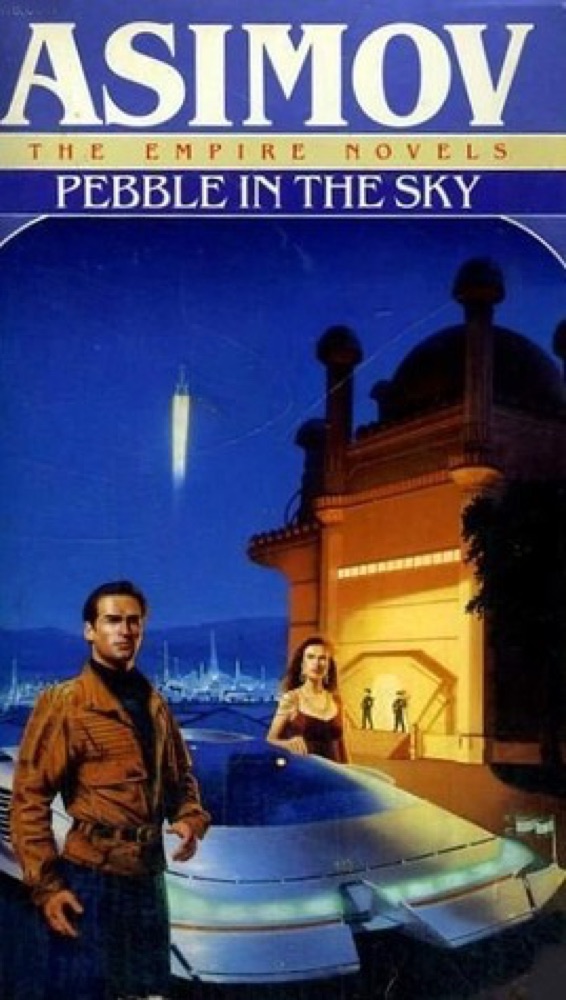 Pebble in the Sky
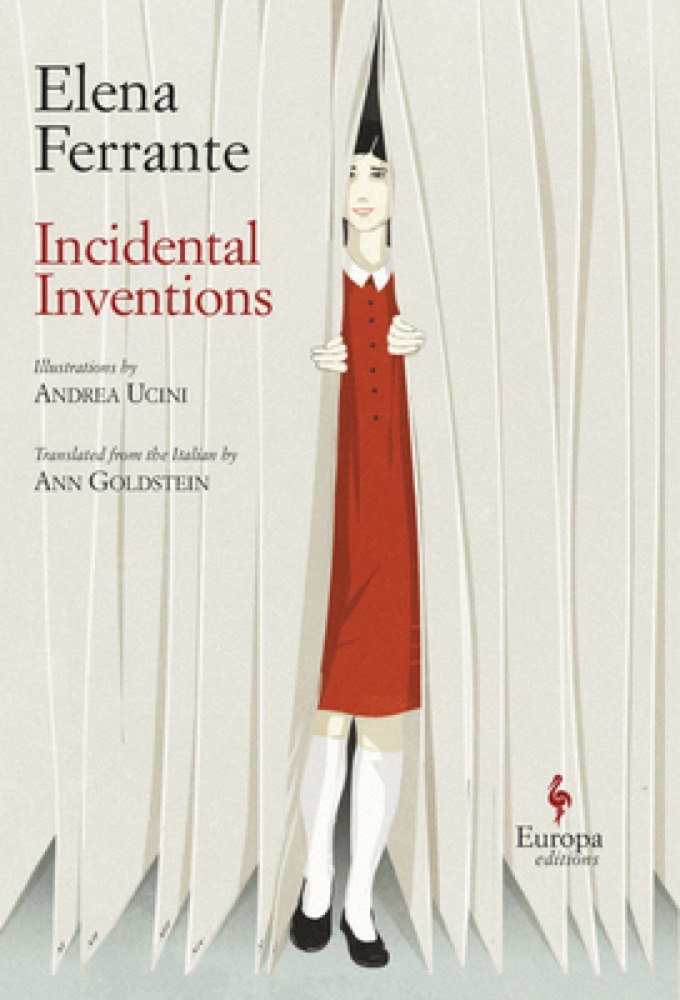 Incidental Inventions
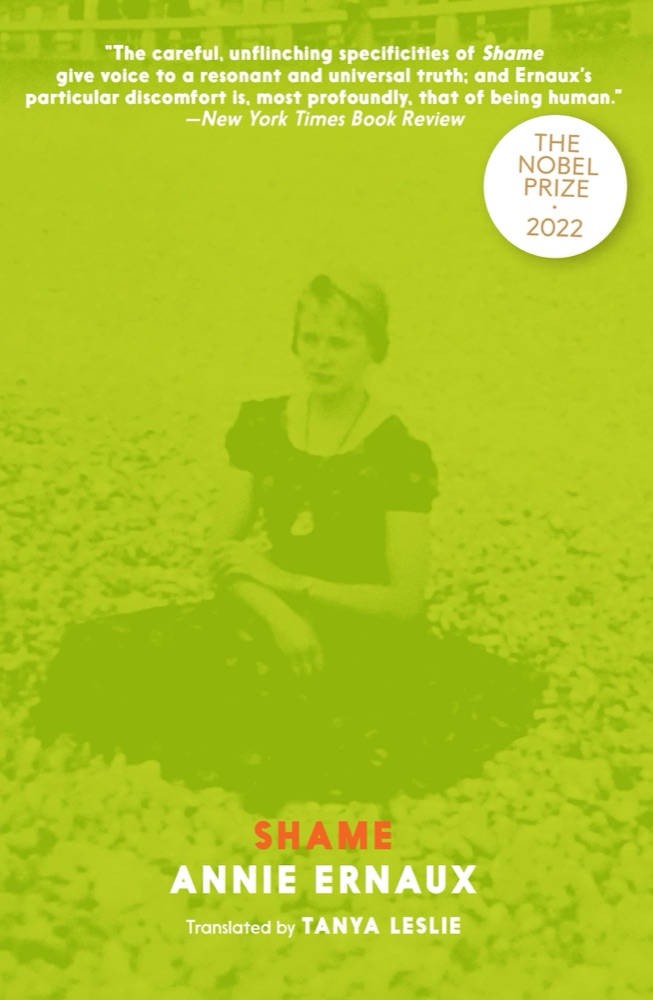 Shame
Shame
 Too Like the Lightning
 The Crisis of the Modern World
 The Prague Cemetery
 The Man Who Counted: A Collection of Mathematical Adventures
 The Noise of Time
 Memories, Dreams, Reflections
 The Telling
 The Ascent of Man
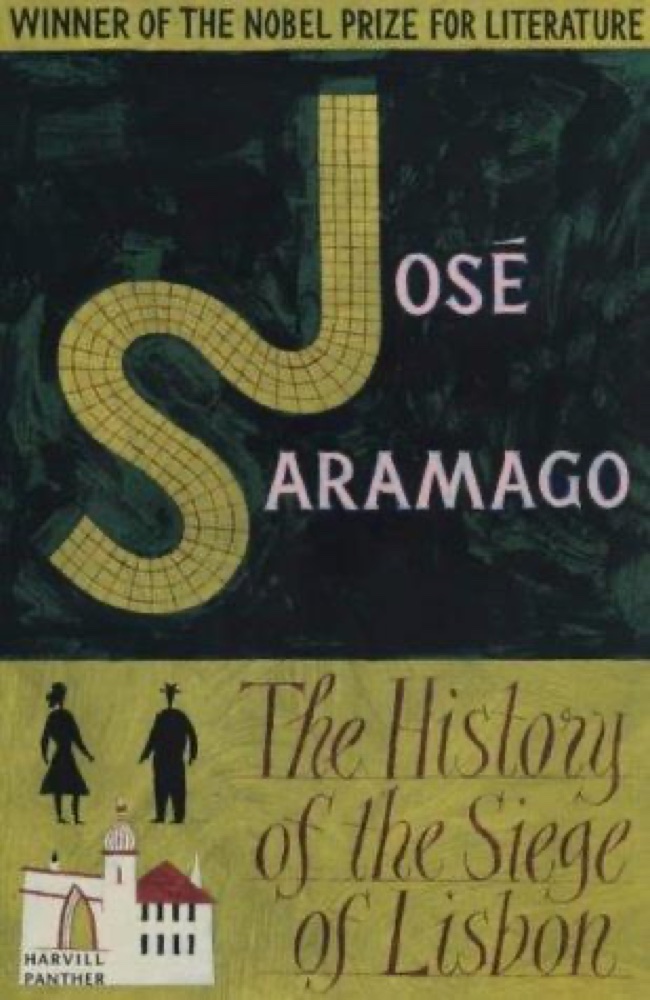 The History of the Siege of Lisbon
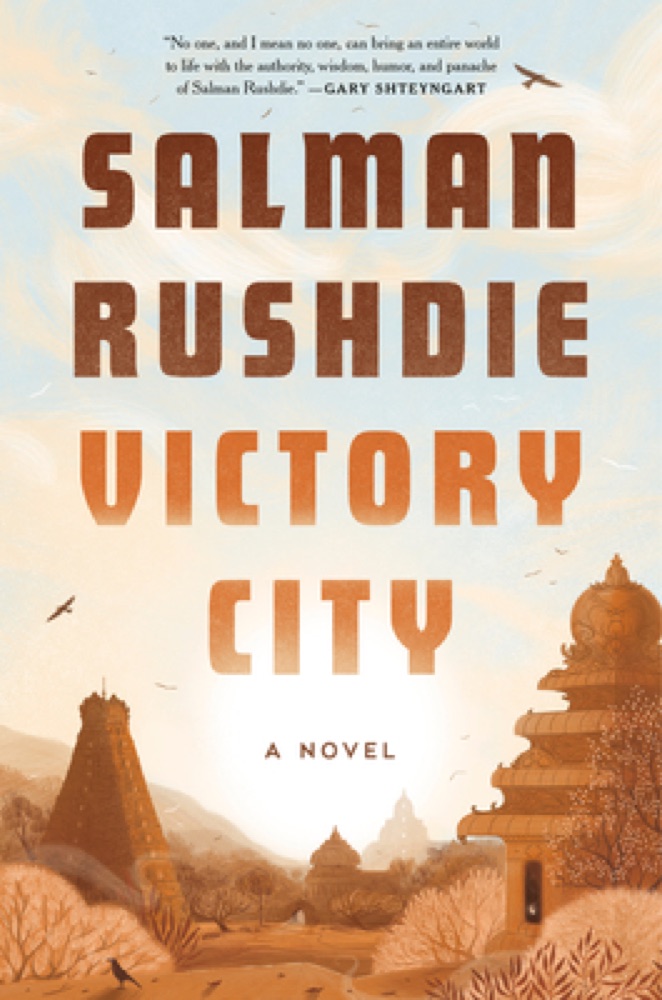 Victory City
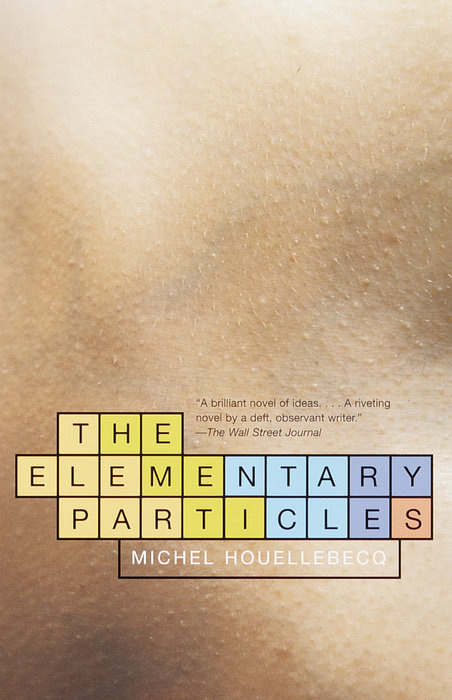 The Elementary Particles
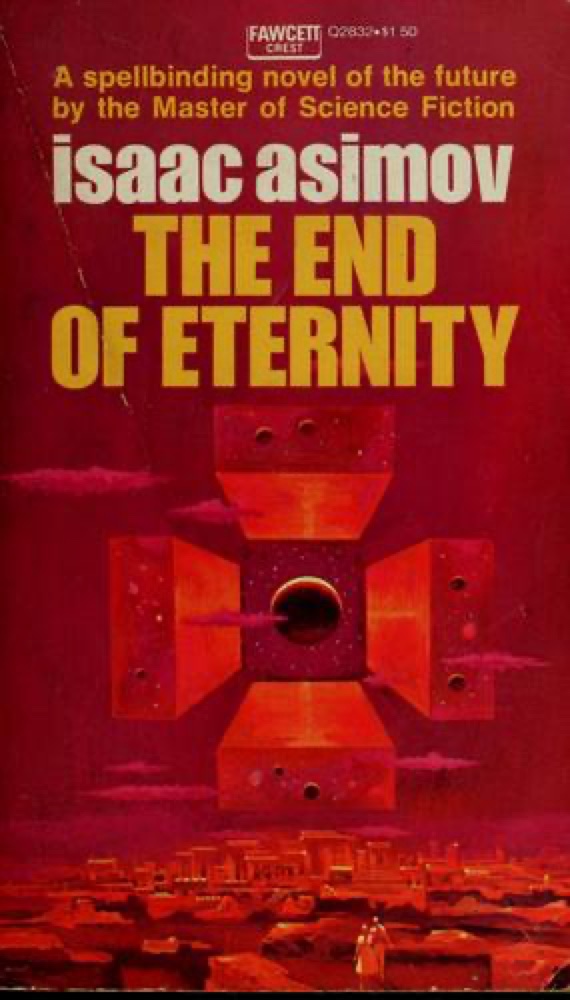 The End of Eternity
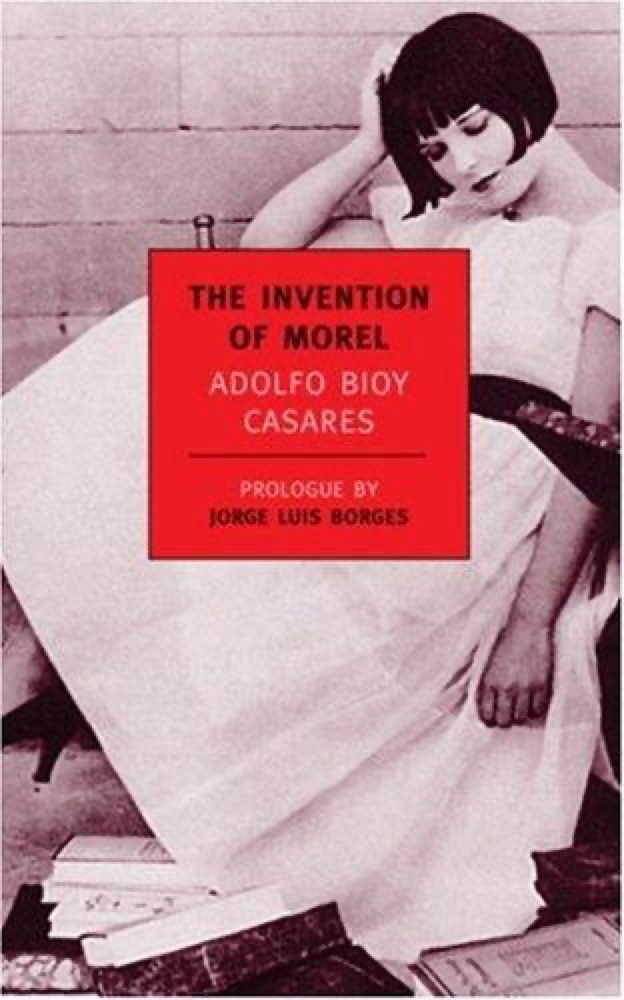 The Invention of Morel
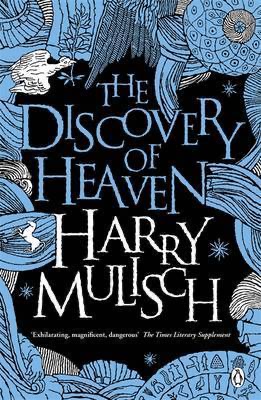 The Discovery of Heaven
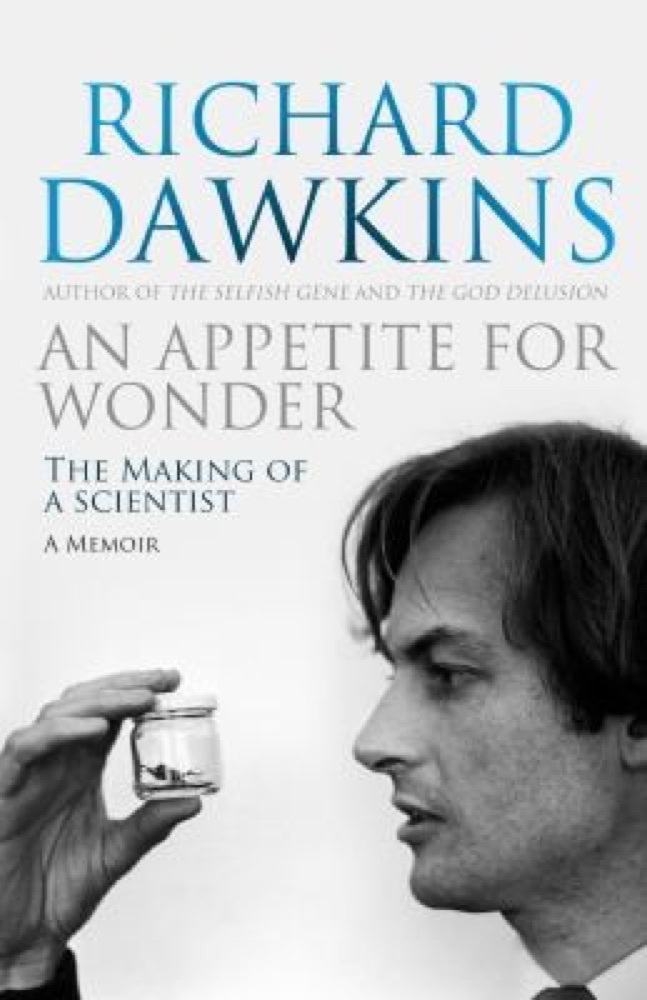 An Appetite for Wonder: The Making of a Scientist
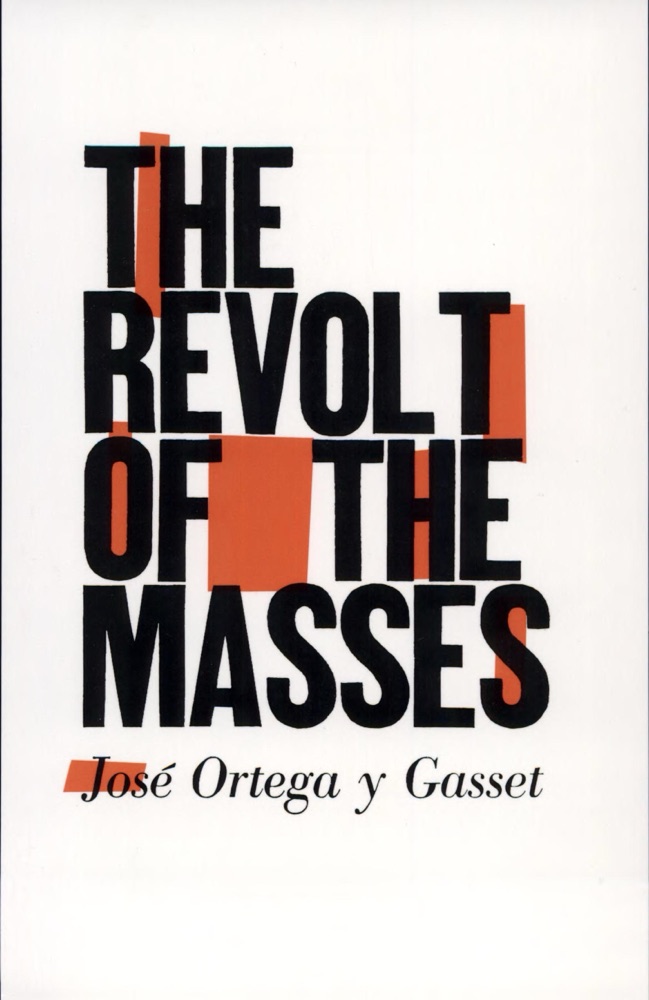 The Revolt of the Masses
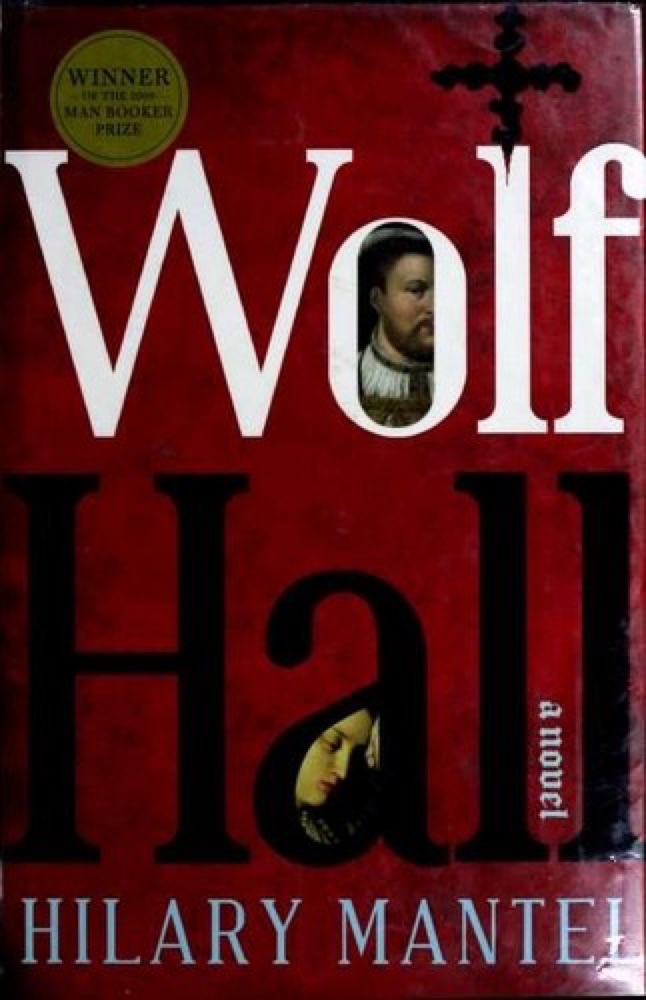 Wolf Hall
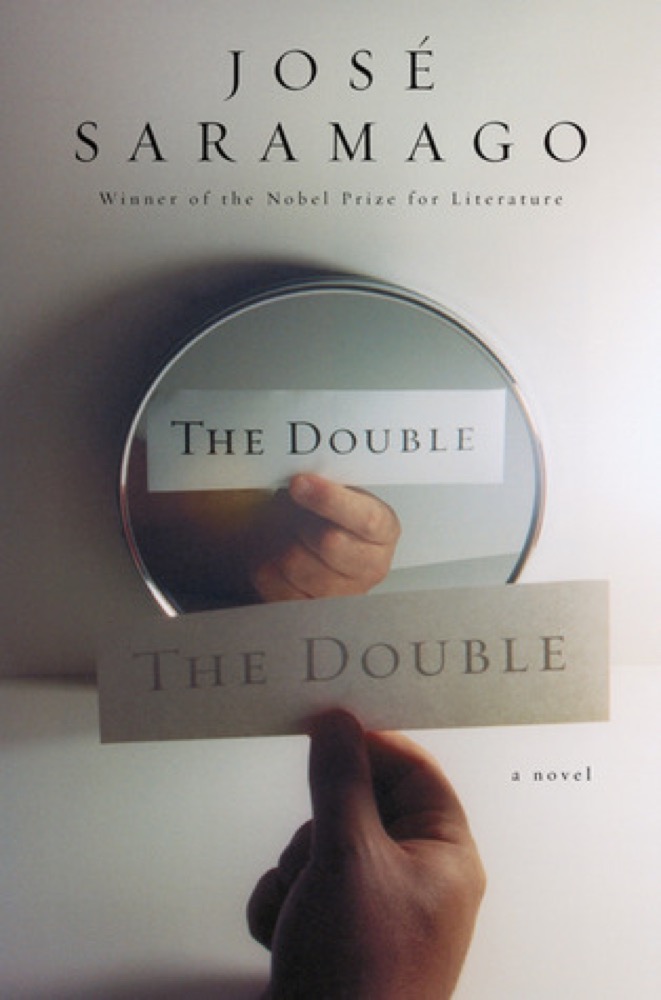 The Double
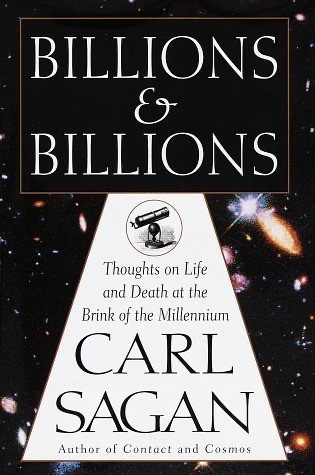 Billions & Billions: Thoughts on Life and Death at the Brink of the Millennium
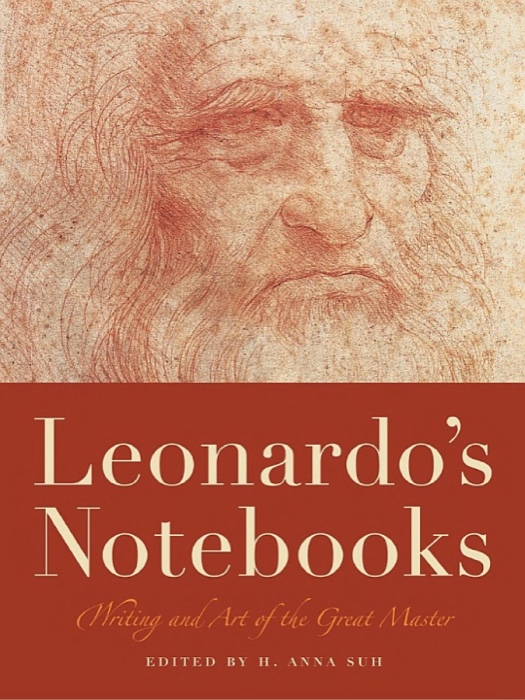 Leonardo's Notebooks
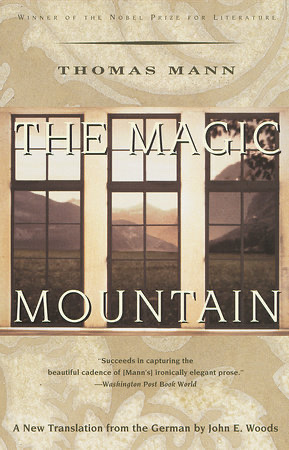 The Magic Mountain
 The Big Green Tent
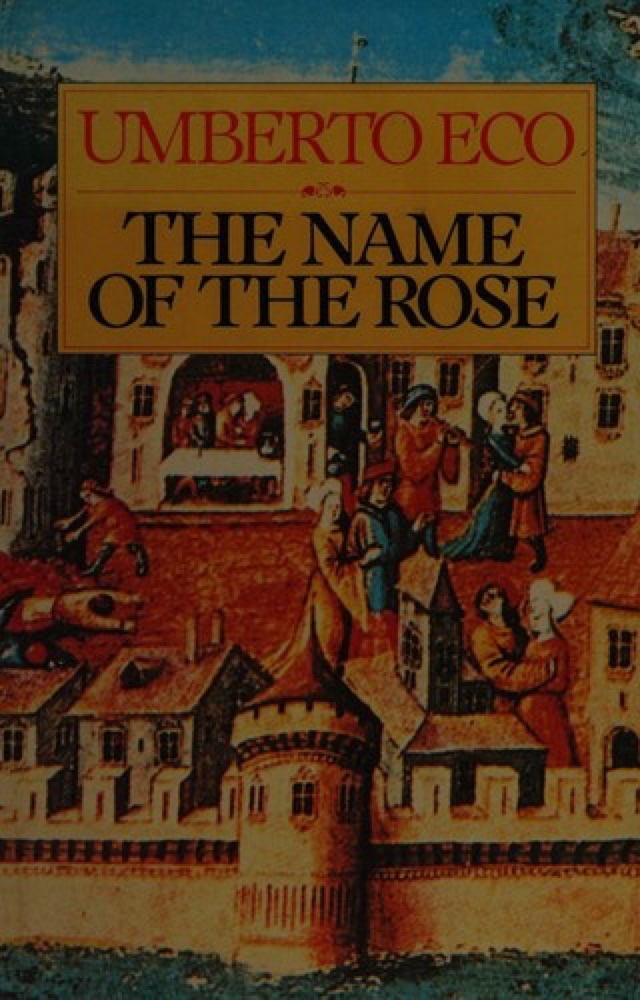 The Name of the Rose