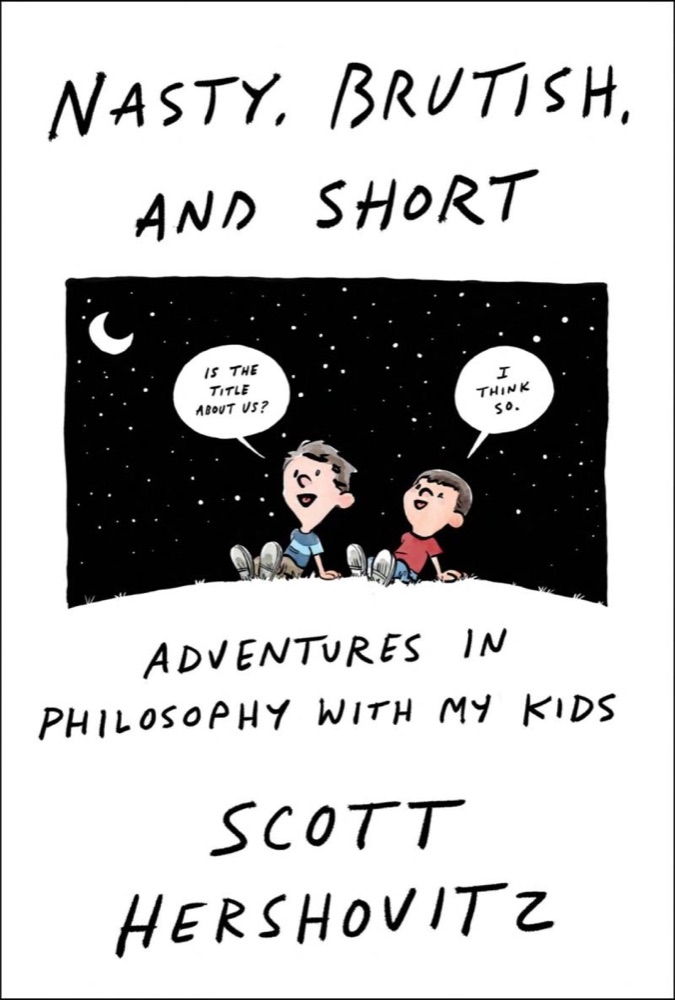

 Whose Story Is This? Old Conflicts, New Chapters
Quotes from the Book
I think Whites are in a similar spot. It doesn’t matter whether we personally participated in segregation, protested against it, or weren’t even born when it happened. We can’t wash our hands of it just because we aren’t responsible. We should take responsibility. Why? There’s an old common law formula: Qui sentit commodum, sentire debet et onus. It means: He who enjoys the benefit ought also to bear the burden.
2
Why are some words bad? The idea that they could be bothered me as a kid. Words are strings of sounds. How could sounds be bad? But of course: words aren’t just strings of sound. They are strings of sound to which we attach meaning. And yet it’s not the meaning of words that makes them bad either. Just consider this list: poop, crap, manure, dung, feces, stool. It’s all the same s**t. And yet, it’s only “s**t” we shouldn’t say. Why is that? F**k if I know.
2
Houve um período em que o ceticismo foi o ramo filosófico favorito do Rex. E isso acabou por fazer com que se tornasse também o meu. Na verdade, um dos meus momentos favoritos como pai aconteceu por obra e graça de Descartes. O Rex tinha 7 anos. Fez um postal para o meu aniversário. Escreveu: Adoro-te, logo existo. Proponho aqui e agora que substituamos o cogito pelo te amo. Funciona igualmente bem. Serve para qualquer estado mental. Portanto, ao olhar para dentro, procure o amor.
1
You won’t make it very far in the world if you can’t figure out what other people think. We have to be able to anticipate other people’s actions, and their reactions to our actions.
1
Isabel Wilkerson no seu livro recente Castas: as origens do nosso descontentamento. Wilkerson imagina os Estados Unidos como uma casa. Por fora, parece linda. Mas tem problemas lá dentro. Há “fendas de stresse e paredes tortas e fissuras nos alicerces”. O inquilino atual não tem culpa. Como Wilkerson observa, “muitas pessoas podem dizer acertadamente ‘Eu não tive nada a ver com a forma como isto tudo começou. Eu não tenho nada a ver com os pecados do passado. Os meus antepassados nunca atacaram povos indígenas, nunca foram donos de escravos.’” Não estão erradas. Mas não importa. Nós herdámos a casa e “somos os herdeiros de tudo o que está bem e o que está mal com ela. Não erguemos os pilares ou as juntas tortas, mas agora são nossos e temos de tratar deles”.
É um equilíbrio delicado de atingir – e eu nem sempre acerto. É de perder a cabeça quando um miúdo não faz o que queremos e temos de nos despachar. Já dei por mim em situações em que frases que a minha mãe dizia saem da minha boca. “Não precisas de perguntar porquê. Só precisas de ouvir.” Mas procuro sempre recordar-me de que é razoável eles quererem compreender porquê. Na verdade, devemos-lhes explicações – se não agora, pelo menos mais tarde. Mas também quero que eles aprendam: às vezes é preciso aceitar que alguém tem a autoridade para resolver um problema.
Philosophy should address every aspect of our lives — the sacred, the profane, and even the mundane.
If we treat people inhumanely, we should never be surprised when they return the favor.
Italian immigrants, for instance, were seen as something close to Black, especially if they came from southern Italy. Indeed, they were sometimes lynched for racist reasons. The establishment of Columbus Day was part of an effort to write Italians into American history in a way that would allow them to be seen as White. That worked. Today Italian immigrants and their descendants are, without doubt, White so far as race in contemporary America goes. The social dynamics are, of course, much more complicated than this compressed history indicates. And I haven’t said anything about Native Americans, Asians, Pacific Islanders—or any other group that might count as a distinct
But she suspects that some people’s courage stems from the fact that they attach little importance to themselves—and great importance to others. They see themselves as the cosmos might—small to the point of insignificant. But they let others loom large.
Watch on YouTube
About Scott Hershovitz
We have collected 10 quotes from 1 book by Scott Hershovitz on BookQuoters.
More about the author →About the book
From a University of Michigan professor of law and philosophy, a delightfully funny and thought-provoking investigation into life’s biggest questions with the help of fantastic philosophers old and new—including his two young children Like any new parent, Scott Hershovitz closely observed his two young sons, Rex and Hank. From the time they could talk, he noticed that they raised philosophical questions and were determined to answer them. Children find the world a puzzling place, so they try to puzzle it out. Often, that leads to profound insight. Sometimes, his kids recreated ancient arguments. Sometimes, they advanced novel views. Kids are natural philosophers, Hershovitz realized. Indeed, they are some of the best around. With great humor and storytelling, Hershovitz follows an agenda set by Rex and Hank. To start, they try to make sense of morality, asking questions about rights, rev
Book details
- First published
- 2022
- Author
- Scott Hershovitz
- Genre
- Philosophy
- Goodreads rating
- 4.21 (3k ratings)
The buzz
- The New York TimesReview in The New York Timesprofessional review (via Book Marks)
- The AtlanticReview in The Atlanticprofessional review (via Book Marks)
- NPRReview in NPRprofessional review (via Book Marks)
- The TimesReview in The Timesprofessional review (via Book Marks)
- Kirkus ReviewsReview in Kirkus Reviewsprofessional review (via Book Marks)
- Publishers WeeklyReview in Publishers Weeklyprofessional review (via Book Marks)
Keep reading
Whose Story Is This? Old Conflicts, New Chapters
 Emma in the Night
 Born a Crime: Stories From a South African Childhood
 What Do You Care What Other People Think?
 Xenocide
 The Philosopher and the Wolf
 How to Be a Stoic: Using Ancient Philosophy to Live a Modern Life
 A Language Older Than Words
 The Source of Self-Regard: Selected Essays, Speeches, and Meditations
 Lila: An Inquiry Into Morals
 Brave New World / Brave New World Revisited
 Daybreak: Thoughts on the Prejudices of Morality
 How to Be Perfect: The Correct Answer to Every Moral Question
 Drive Your Plow Over the Bones of the Dead
 The Little Virtues
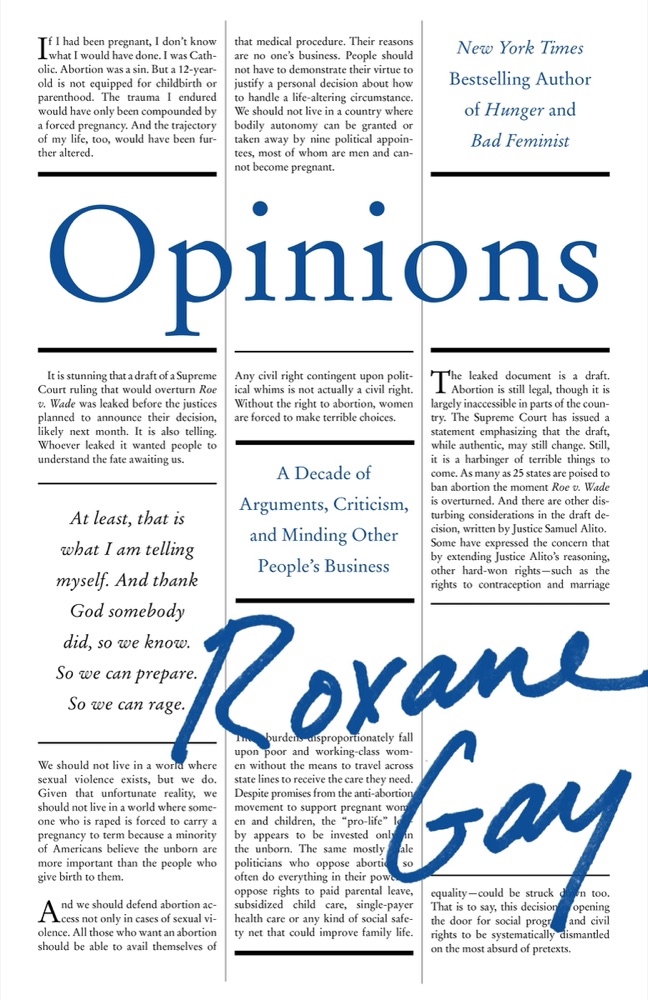 Opinions: A Decade of Arguments, Criticism, and Minding Other People’s Business
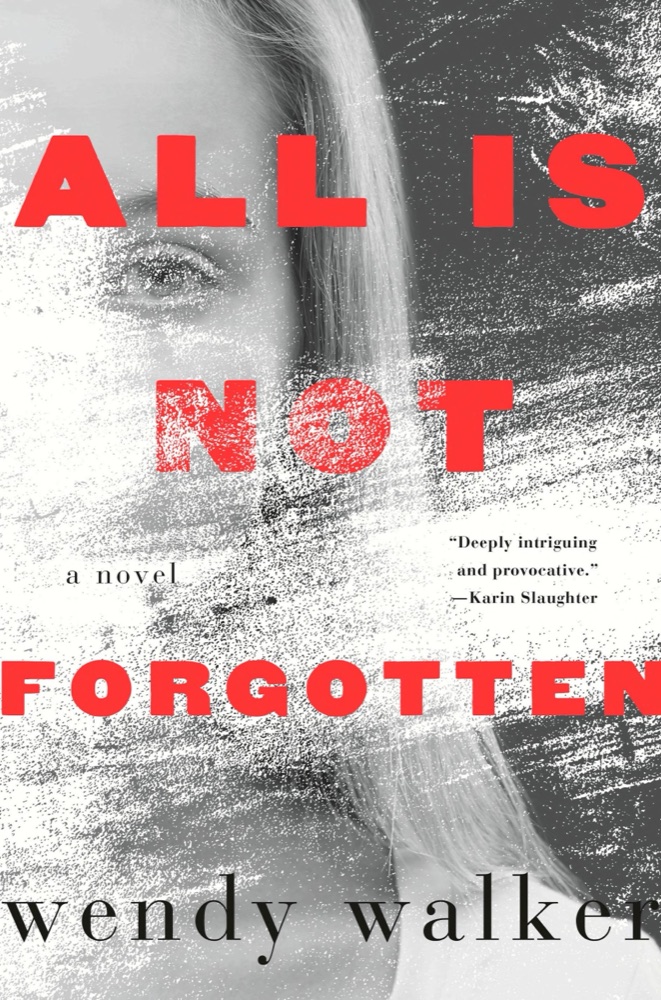 All Is Not Forgotten
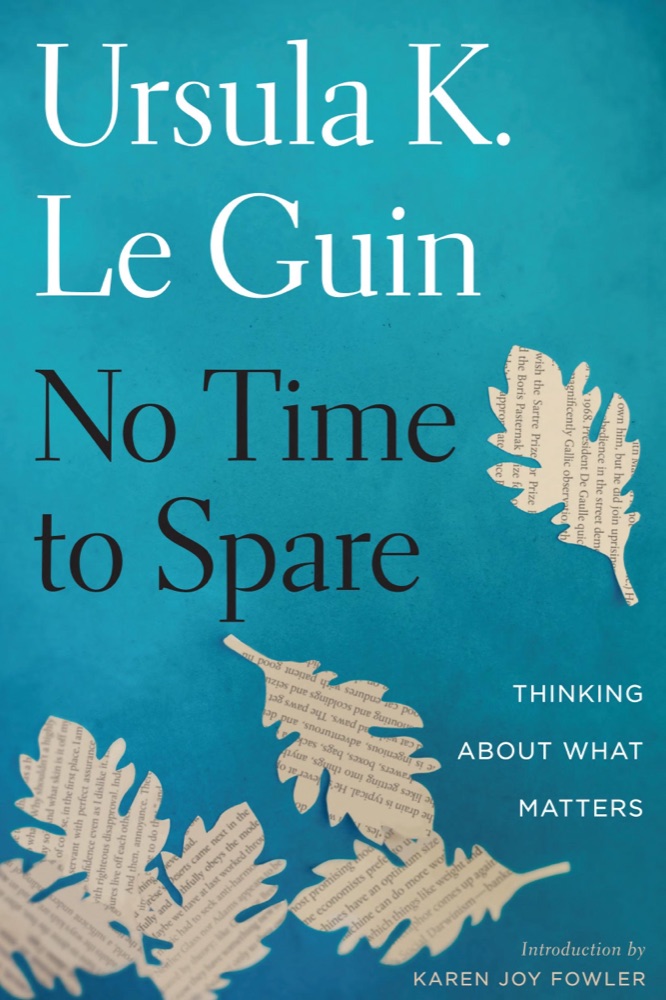 No Time To Spare: Thinking About What Matters
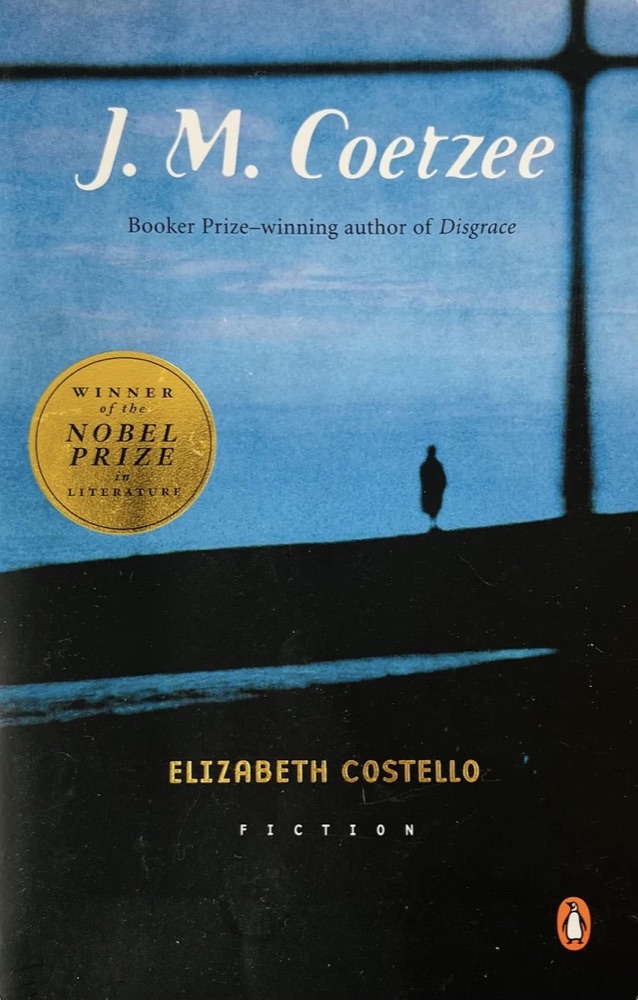 Elizabeth Costello
 The Human Stain
 Letter to a Child Never Born
 Stories of Your Life and Others
 Small Great Things
 12 Rules for Life: An Antidote to Chaos
 On the Genealogy of Morals/Ecce Homo
 Children of the Mind
 Think of a Number
 Psych: The Story of the Human Mind
 The Star Diaries
 Anne Frank's Tales from the Secret Annex: A Collection of Her Short Stories, Fables, and Lesser-Known Writings
 The Gay Science
 The Family Tree
 Pebble in the Sky
 What's Wrong with the World
 When I Was a Child I Read Books
 The Ides of March
 A Mind Spread Out on the Ground
 Think: A Compelling Introduction to Philosophy
 Worm
Worm
 Parable of the Talents
 Maps of Meaning: The Architecture of Belief
 Sophie's World
 The Spinoza Problem
 Phaedo
 The Blank Slate: The Modern Denial of Human Nature
 Gnomon
 Regarding the Pain of Others
 Rationality: From AI to Zombies
 Burning Questions: Essays and Occasional Pieces, 2004 to 2021
 Genesis
 The Double
 Heretics
 Consider the Lobster and Other Essays
 Concrete
 Marcelo in the Real World
 Flaubert's Parrot
 When Women Were Dragons
 The Laws of Human Nature
 The Mother of All Questions
 Conversations with God: An Uncommon Dialogue, Book 1