 God and the State
Quotes from the Book
To be surprised, to wonder, is to begin to understand. This is the sport, the luxury, special to the intellectual man. The gesture characteristic of his tribe consists in looking at the world with eyes wide open in wonder. Everything in the world is strange and marvelous to well-open eyes.
51
For there is no doubt that the most radical division that it is possible to make of humanity is that which splits it into two classes of creatures: those who make great demands on themselves, piling up difficulties and duties; and those who demand nothing special of themselves, but for whom to live is to be every moment what they already are, without imposing on themselves any effort towards perfection; mere buoys that float on the waves.
38
The mass is all which sets no value on itself──good or ill──based on specific grounds, but which feels itself "just like everything" ... The mass crushes beneath it everything which is different, everything that is excellent, individual, qualified and select. Anybody who is not like everybody, who does not think like everybody, runs the risk of being eliminated.
22
The mass-man would never have accepted authority external to himself had not his surroundings violently forced him to do so. As to-day, his surroundings do not so force him, the everlasting mass-man, true to his character, ceases to appeal to other authority and feels himself lord of his own existence. On the contrary the select man, the excellent man is urged, by interior necessity, to appeal from himself to some standard beyond himself, superior to himself, whose service he freely accepts...Contrary to what is usually thought, it is the man of excellence, and not the common man who lives in essential servitude. Life has no savour for him unless he makes it consist in service to something transcendental. Hence he does not look upon the necessity of serving as an oppression. When, by chance, such necessity is lacking, he grows restless and invents some new standard, more difficult, more exigent, with which to coerce himself. This is life lived as a discipline — the noble life.
17
Liberalism - it is well to recall this today - is the supreme form of generosity; it is the right which the majority concedes to minorities and hence it is the noblest cry that has ever resounded in this planet. It announces the determination to share existence with the enemy; more than that, with an enemy that is weak. It was incredible that the human species should have arrived at so noble an attitude, so paradoxical, so refined, so acrobatic, so antinatural. Hence, it is not to be wondered at that this same humanity should soon appear anxious to get rid of it. It is a discipline too difficult and complex to take firm root on earth.
15
We feel that we actual men have suddenly been left alone on the earth; that the dead did not die in appearance only but effectively; that they can no longer help us. Any remains of the traditional spirit have evaporated. Models, norms, standards are no use to us. We have to solve our problems without any active collaboration of the past, in full actuality, be they problems of art, science, or politics. (...) It is not easy to formulate the impression that our epoch has of itself; it believes itself more than all the rest, and at the same time feels that it is a beginning. What expression shall we find for it? Perhaps this one: superior to other times, inferior to itself. Strong, indeed, and at the same time uncertain of its destiny; proud of its strength and at the same time fearing it.
12
The mass crushes beneath it everything that is different, that is excellent, individual, qualified, and select. Anybody who is not like everybody, who does not think like everybody, runs the risk of being eliminated. And it is clear that this "everybody" is not "everybody." "Everybody" was normally the complex unity of the mass and the divergent, specialized elite groups. Nowadays, "everybody" is the mass alone.
10
What I have said, and still believe with ever-increasing conviction, is that human society is always, whether it will or no, aristocratic by its very essence, to the extreme that it is a society in the measure that it is aristocratic, and ceases to be such when it ceases to be aristocratic
8
For life is at the start a chaos in which one is lost. The individual suspects this, but he is frightened at finding himself face to face with this terrible reality, and tries to cover it over with a curtain of fantasy, where everything is clear. It does not worry him that his "ideas" are not true, he uses them as trenches for the defense of his existence, as scarecrows to frighten away reality. The clear-headed man is the man who frees himself from those fantastic "ideas" and looks life in the face, realizes that everything in it is problematic, and feels himself lost. As this is the simple truth —that to live is to feel oneself lost— he who accepts it has already begun to find himself, to be on firm ground.
4
... we live at a time when man believes himself fabulously capable of creation, but he does not know what to create. Lord of all things, he is not lord of himself. He feels lost amid his own abundance. With more means at its disposal, more knowledge, more technique than ever, it turns out that the world today goes the same way as the worst of worlds that have been; it simply drifts. Hence the strong combination of a sense of power and a sense of insecurity which has taken up its abode in the soul of modern man. To him is happening what was said of the Regent during the minority of Louis XV: he had all the talents except the talent to make use of them. To the XIX Century many things seemed no longer possible, firm-fixed as was its faith in progress. Today, by the very fact that everything seems possible to us, we have a feeling that the worst of all is possible: retrogression, barbarism, decadence.
3
El hombre selecto no es el petulante que se cree superior a los demás, sino el que se exige más que los demás, aunque no logre cumplir en su persona esas exigencias superiores. Y es indudable que la división más radical que cabe hacer en la humanidad es ésta, en dos clases de criaturas: las que se exigen mucho y acumulan sobre sí mismas dificultades y deberas y las que no se exigen nada especial, sino que para ellas vivir es ser en cada instante lo que ya son, sin esfuerzo de perfección sobre sí mismas, boyas que van a la deriva.
2
And such in fact is the behaviour of the specialist. In politics, in art, in social usages, in the other sciences, he will adopt the attitude of primitive, ignorant man; but he will adopt them forcefully and with self-sufficiency, and will not admit of- this is the paradox- specialists in those matters. By specialising him, civilisation has made him hermetic and self-satisfied within his limitations; but this very inner feeling of dominance and worth will induce him to wish to predominate outside his speciality. The result is that even in this case, representing a maximum of qualification in man- specialisation- and therefore the thing most opposed to the mass-man, the result is that he will behave in almost all spheres of life as does the unqualified, the mass-man.
2
Marxian Socialism and Bolshevism are two historical phenomena which have hardly a single common denominator.
2
If you want to make use of the advantages of civilization, but are not prepared to concern yourself with the upholding of civilization—you are done.
1
Everything in the world is strange and marvellous to well-open eyes.
1
Cuando alguien nos pregunta qué somos en política o, anticipándose con la insolencia que pertenece al estilo de nuestro tiempo, nos adscribe a una, en vez de responder, debemos preguntar al impertinente qué piensa él que es el hombre y la naturaleza y la historia, qué es la sociedad y el individuo, la colectividad, el Estado, el uso, el derecho. La política se apresura a apagar las luces para que todos estos gatos resulten pardos
1
Is the paradoxical, tragic process of Statism now realized? Society, that it may live better, creates the State as an instrument. Then the state gets the upper hand and society has to begin to live for the State. But for all that the state is still composed of the members of that society. (…) This is what State intervention leads to: the people are converted into fuel to feed the mere machine which is the State. The skeleton eats up the flesh around it. The scaffolding becomes the owner and tenant of the house.
1
Once for all, he accepts the stock of commonplaces, prejudices, fag-ends of ideas or simply empty words which chance has piled up within his mind, and with a boldness only explicable by his ingenuousness, is prepared to impose them everywhere
1
For there is no doubt that the most radical division that is possible to make of humanity is that which splits into two classes of creatures: those who make great demands on themselves, piling up difficulties and duties; and those who demand nothing special of themselves, but for whom to live is to be every moment what they already are, without imposing on themselves any effort towards perfection; mere boys that float on the waves.
1
Porque las gentes no suelen ponerse de acuerdo si no es en cosas un poco bellacas o un poco tontas.
1
Observai os que vos rodeiam e vereis como avançam perdidos na vida; vão como sonâmbulos, em sua boa ou má sorte, sem ter a mais leve suspeita daquilo que lhes acontece. Ouvireis como falam em fórmulas taxativas sobre si mesmos e sobre o seu entorno, o que indicaria que possuem idéias sobre tudo isso. Porém, si analisásseis sumariamente essas idéias, notaríeis que não refletem muito nem pouco a realidade a que parecem referir-se, e se aprofundásseis mais na análise acharíeis que nem sequer pretendem ajustar-se a tal realidade. Antes o contrário: o indivíduo trata com elas de interceptar a sua própria visão do real, de sua vida mesma. Porque a vida é o caos no qual se está perdido. O homem o suspeita: porém o assusta encontrar-se cara a cara com essa terrível realidade, e procura oculta-la com uma cortina fantasmagórica onde tudo está muito claro. Não lhe importa que suas 'idéias" não sejam verdadeiras; emprega-as como trincheiras para defender-se de sua vida, como instrumentos para afugentar a realidade
1
El humanista, por ejemplo, puede concebir la élite no como un plano o categoría social, sino como el conjunto de los individuos dispersos que intentan superarse a sí mismos y que, en consecuencia, son más nobles, más eficientes, como hechos de mejor clase. No importa que sean pobres o ricos, que ocupen altas o bajas posiciones, que sean aclamados o despreciados: son élite por la clase de individuos que son. El resto de la población es masa, la cual, según esta concepción, yace indolente en una incómoda mediocridad.
1
Las gentes no suelen ponerse de acuerdo si no es en cosas un poco bellacas o un poco tontas.
1
Desde el siglo XVI ha entrado la humanidad toda en un proceso gigantesco de unificación, que en nuestros días ha llegado a su término insuperable.
1
Watch on YouTube
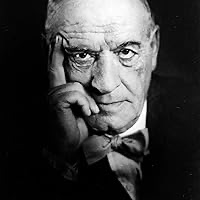
About José Ortega y Gasset
We have collected 24 quotes from 1 book by José Ortega y Gasset on BookQuoters.
More about the author →About the book
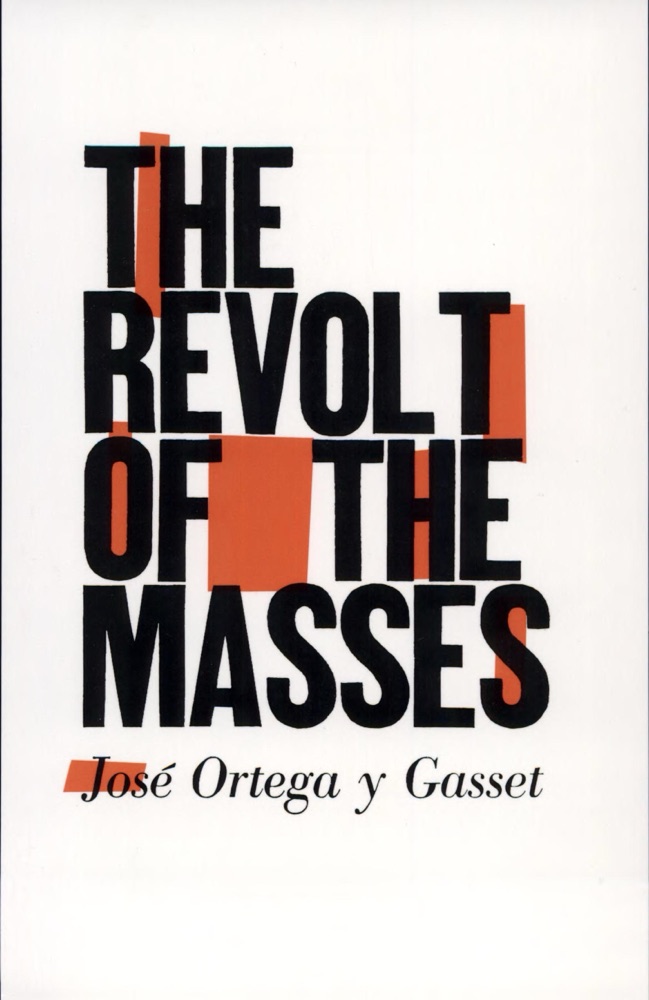
Social upheaval in early 20th-century Europe is the historical setting for this seminal study by the Spanish philosopher, José Ortega y Gasset. Continuously in print since 1932, Ortega's vision of Western culture as sinking to its lowest common denominator and drifting toward chaos brought its author international fame and has remained one of the influential books of the 20th century.
Book details
- First published
- 1923
- Author
- José Ortega y Gasset
- Genre
- Philosophy
- Goodreads rating
- 4.03 (7k ratings)
Keep reading
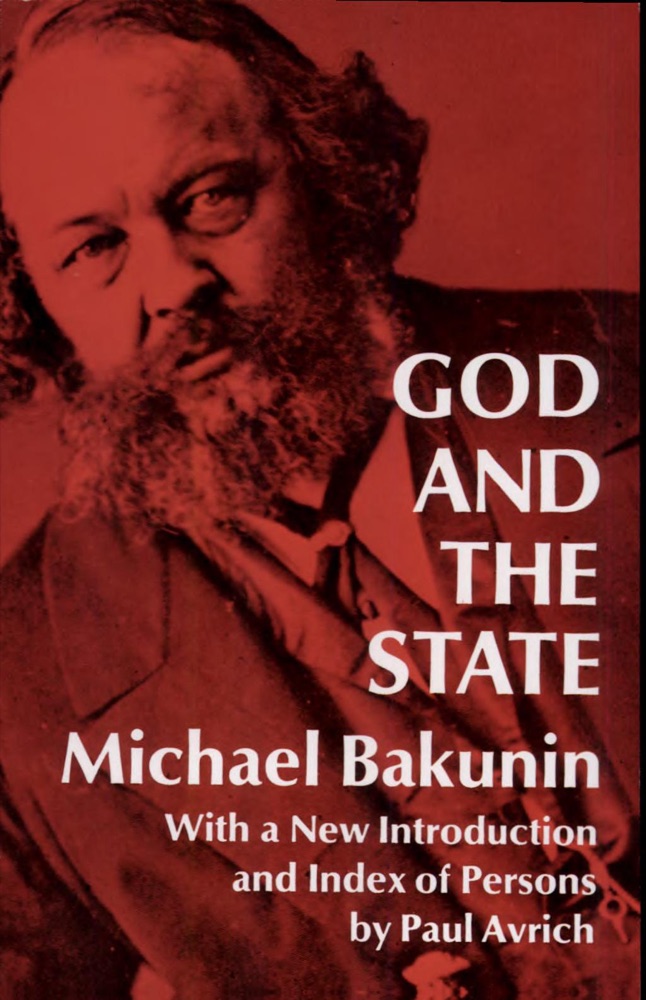
God and the State
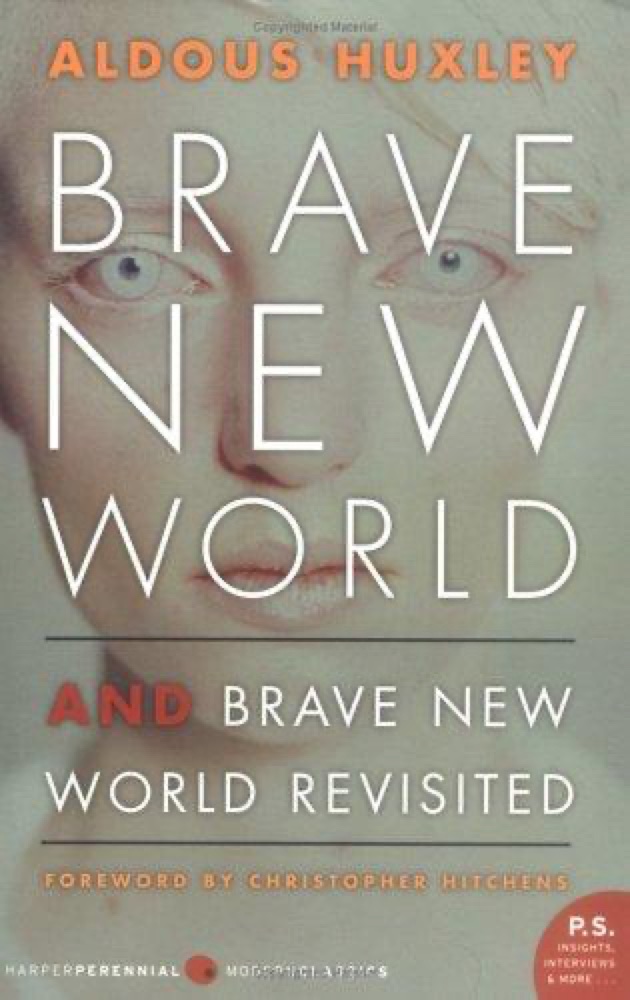 Brave New World / Brave New World Revisited
 The Will to Power
 Selections from the Prison Notebooks
 Discourse on the Origin of Inequality
 The Crisis of the Modern World
 From Dawn to Decadence: 500 Years of Western Cultural Life, 1500 to the Present
 The Labyrinth of Solitude and Other Writings
 What's Wrong with the World
 The Soul of Man Under Socialism
 The Sane Society
 Heretics
 The Dwarf
 Brave New World Revisited
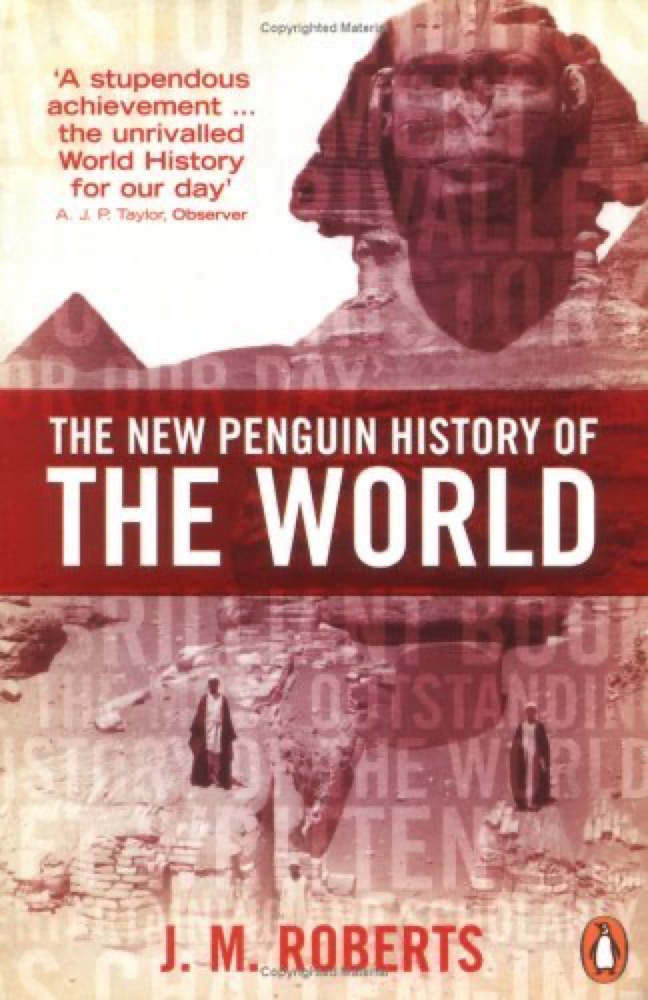 The New Penguin History of The World
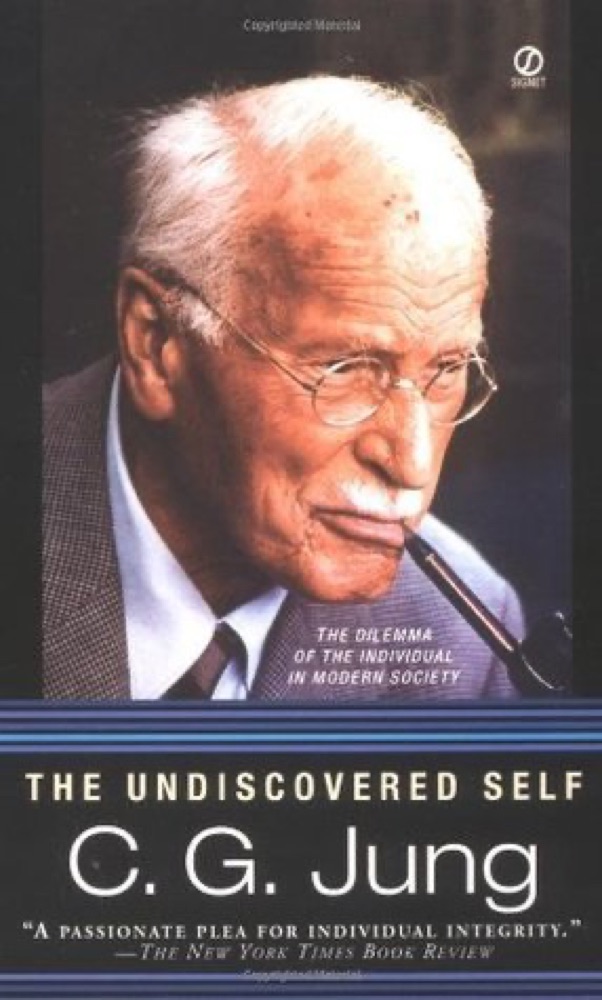 The Undiscovered Self
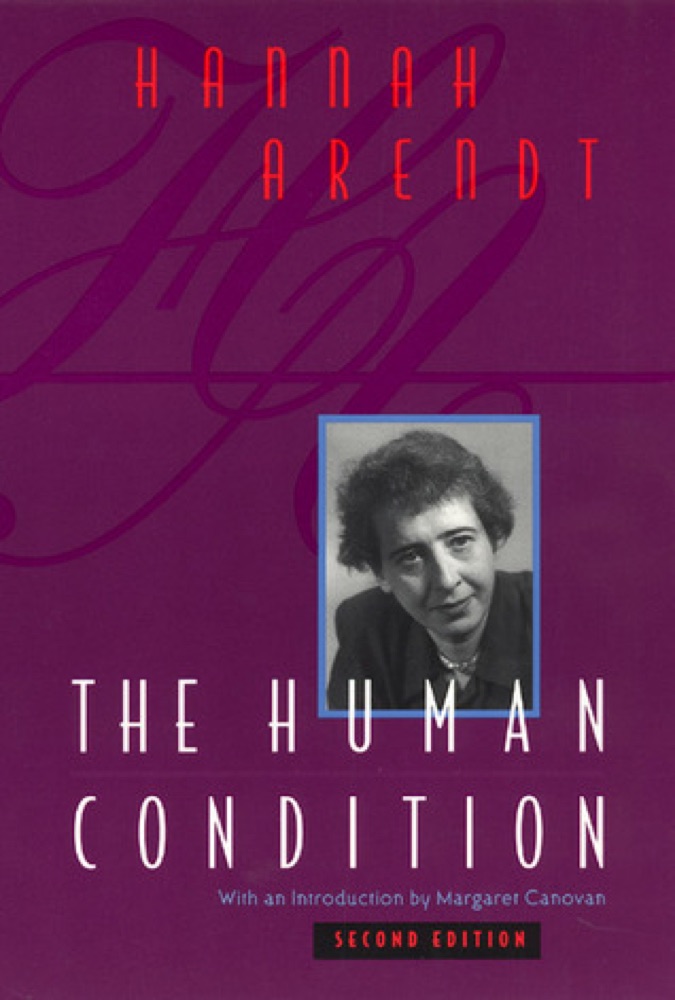 The Human Condition
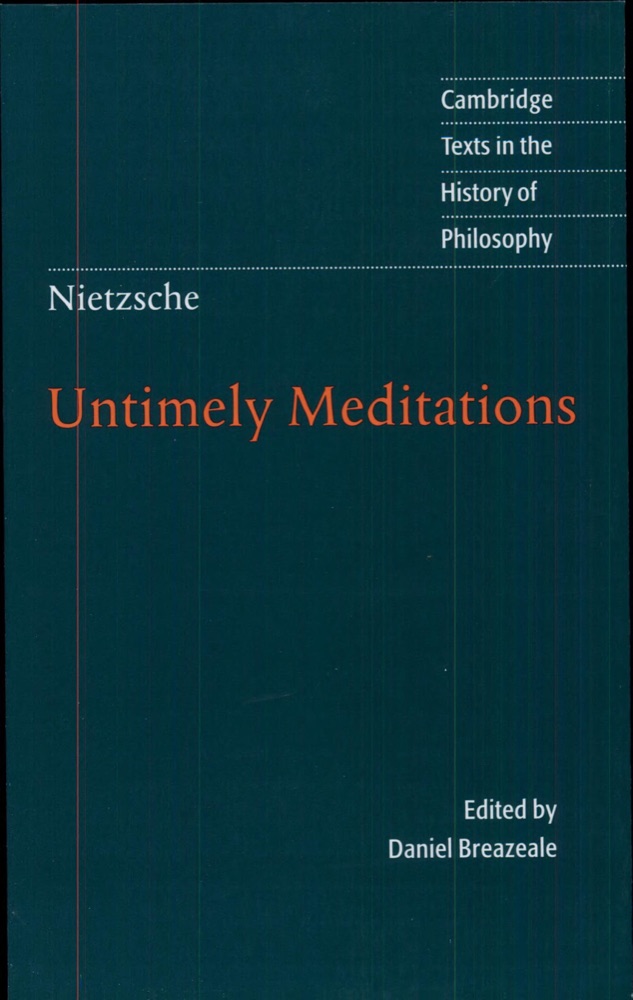 Untimely Meditations
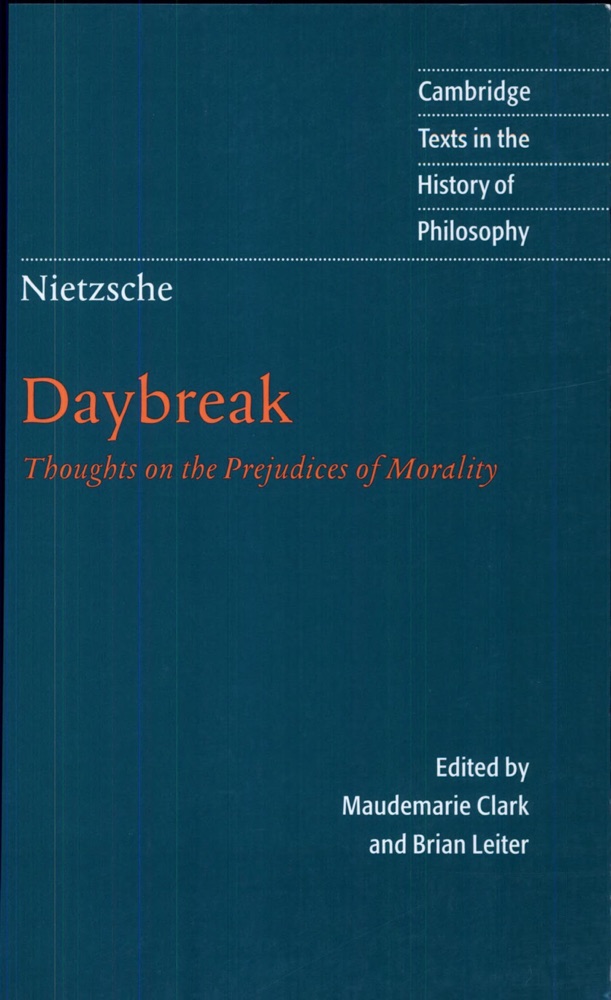 Daybreak: Thoughts on the Prejudices of Morality
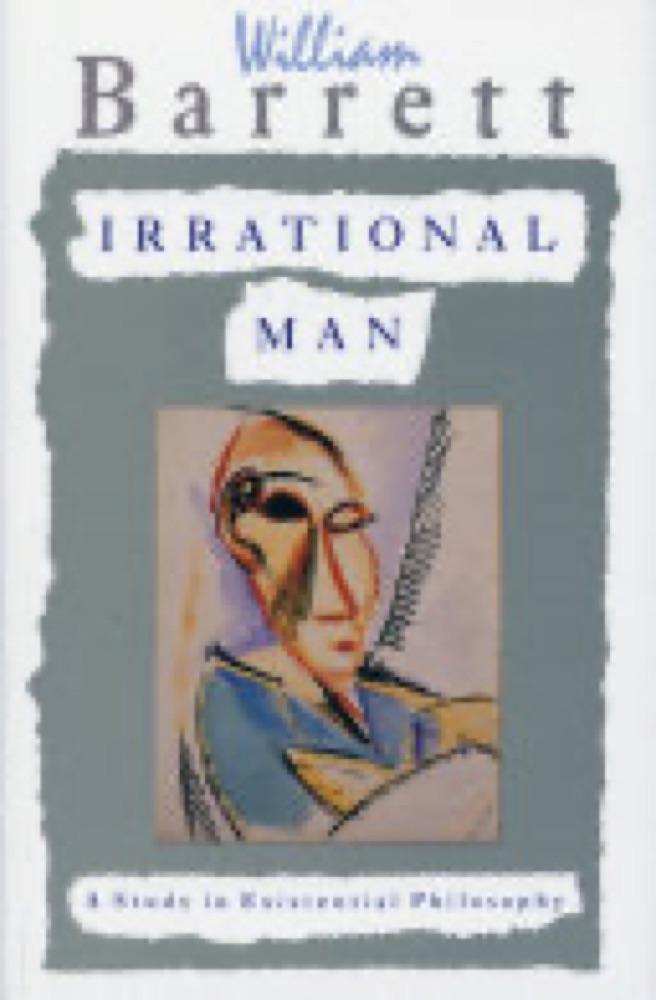 Irrational Man: A Study in Existential Philosophy
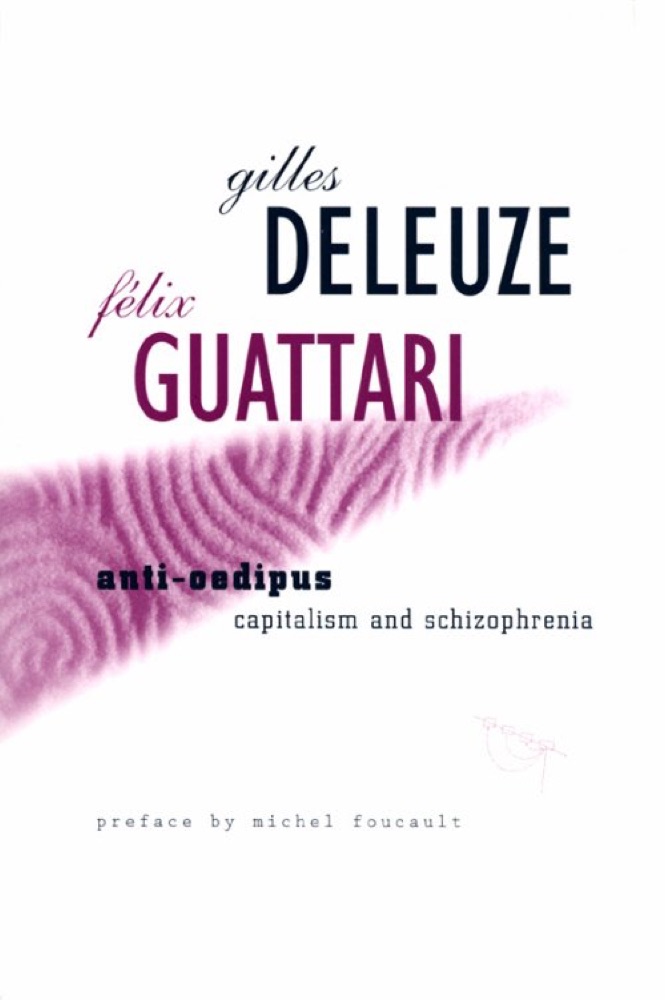 Anti-Oedipus: Capitalism and Schizophrenia
 Last and First Men
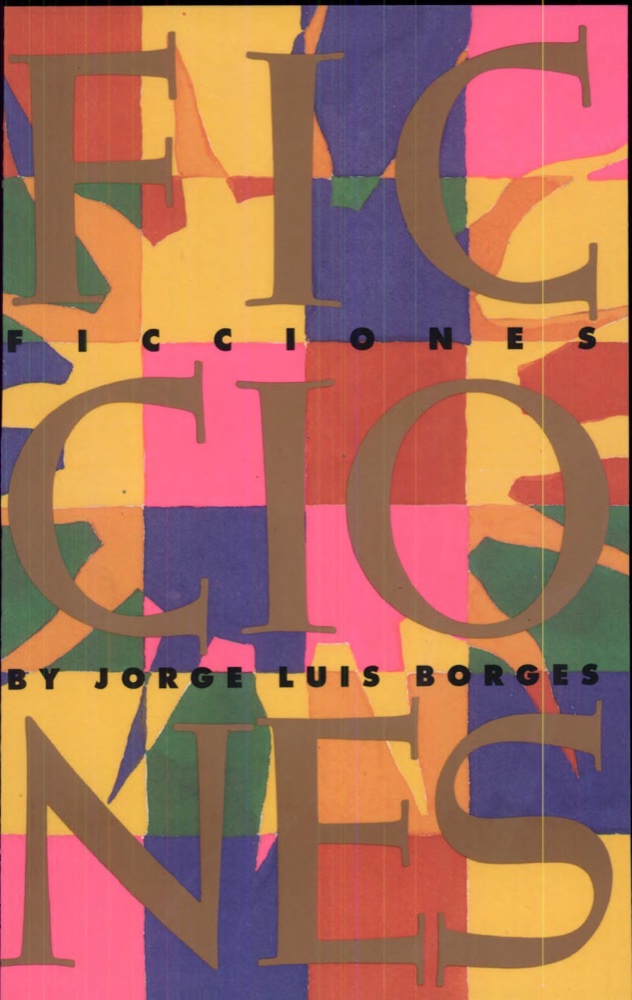 Ficciones
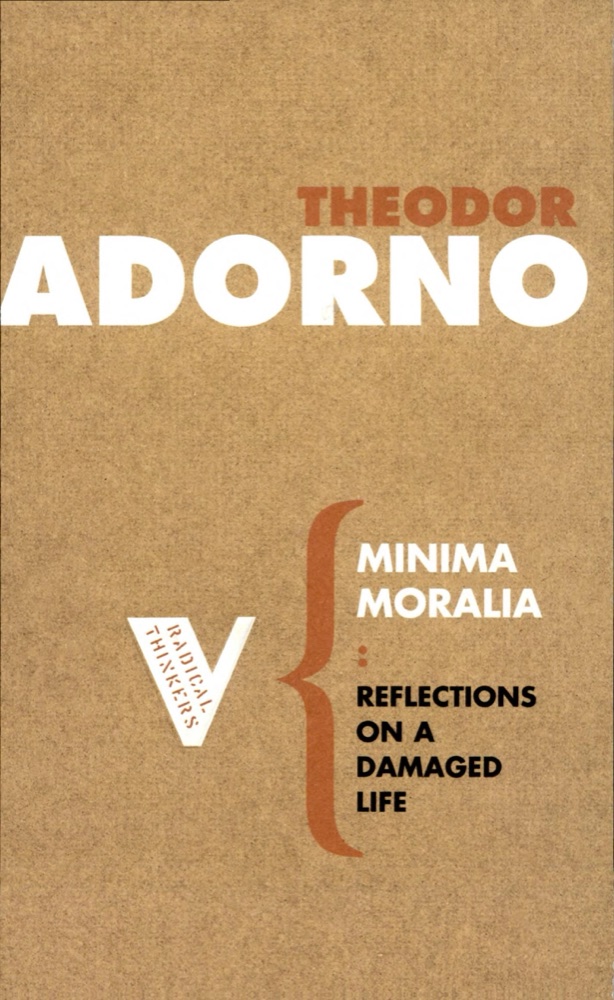 Minima Moralia: Reflections on a Damaged Life
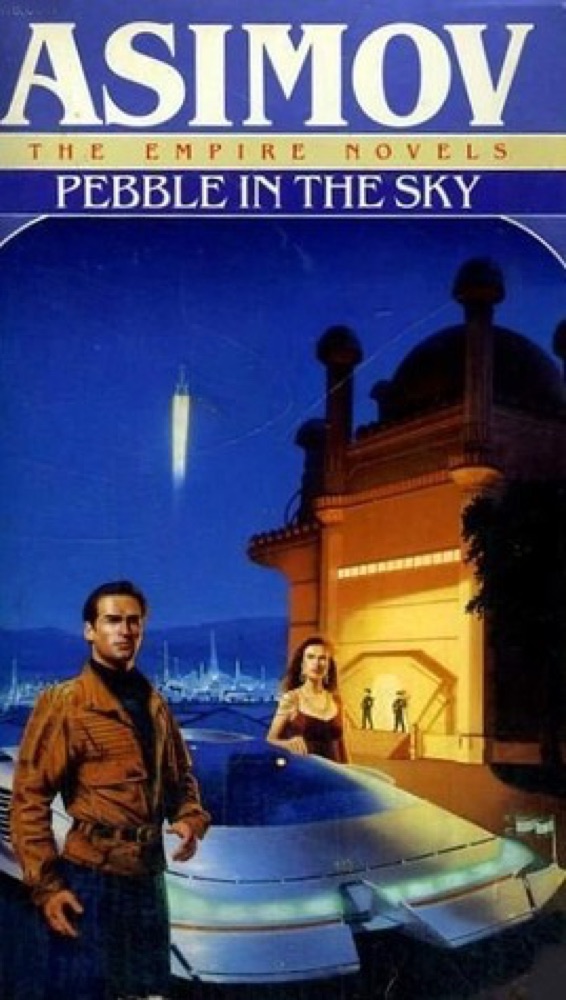 Pebble in the Sky
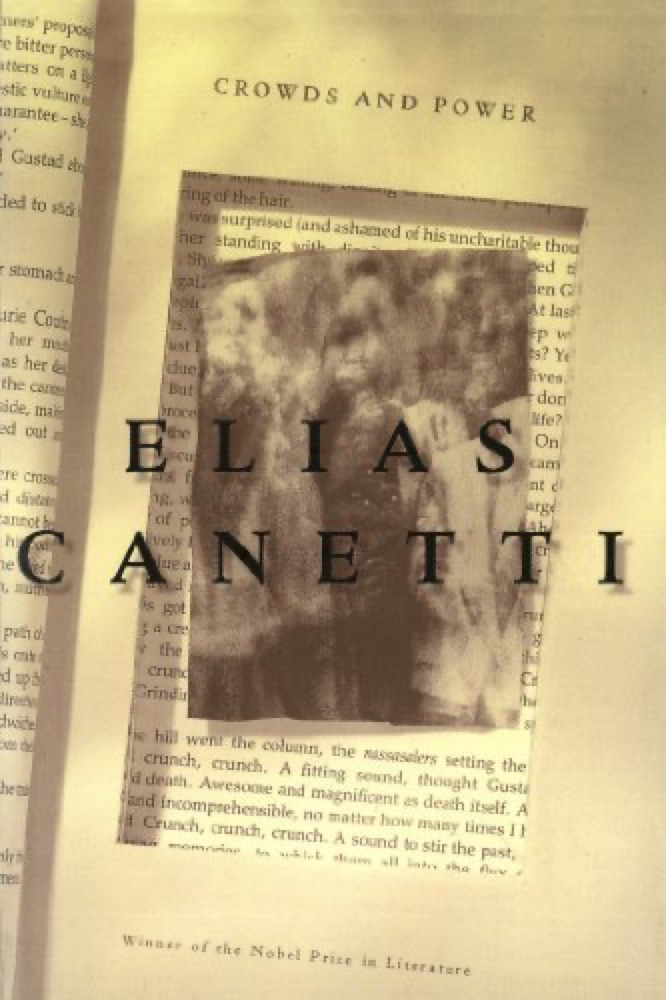 Crowds and Power
 The Coming Insurrection
 The Man Without Qualities
 The Secret Agent
 Eyeless in Gaza
 The Rebel: An Essay on Man in Revolt
 How to Be a Stoic: Using Ancient Philosophy to Live a Modern Life
 Manifestoes of Surrealism
 Power vs. Force
 Dialectic of Enlightenment: Philosophical Fragments
 The Ides of March
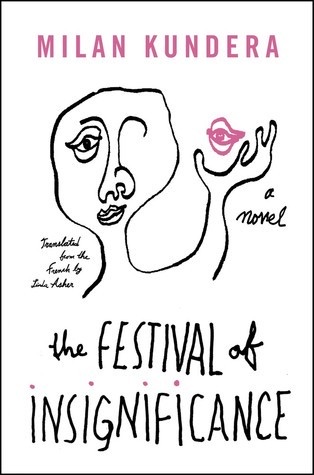 The Festival of Insignificance
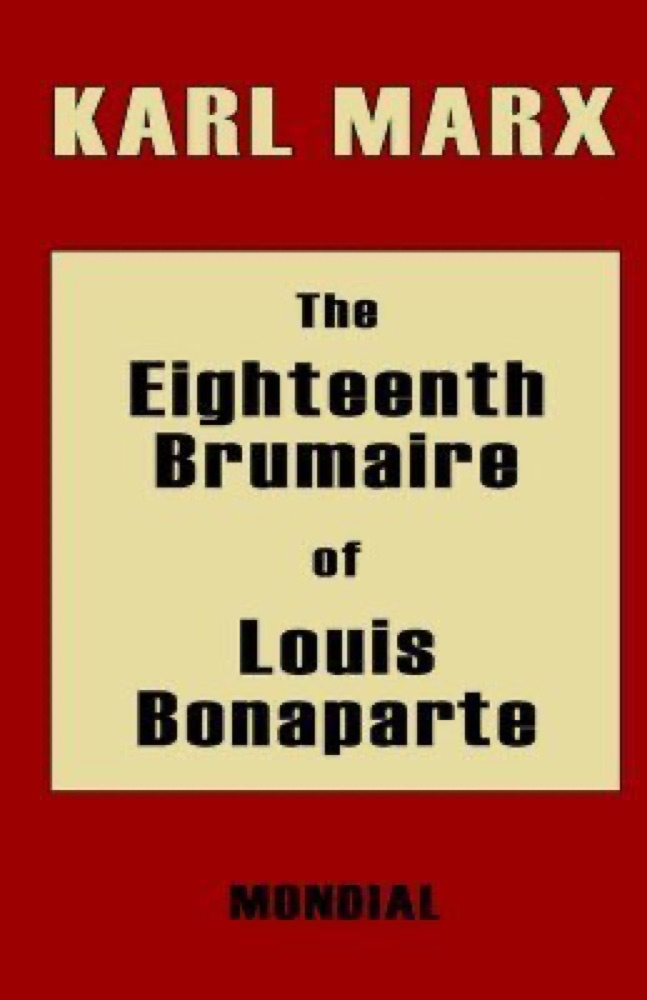 The Eighteenth Brumaire of Louis Bonaparte
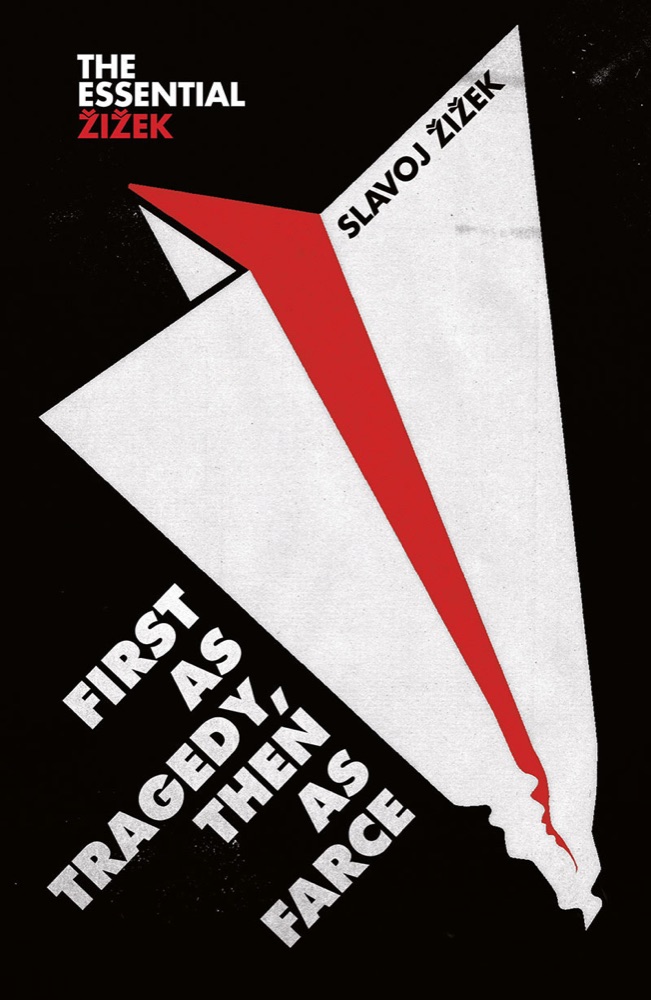 First As Tragedy, Then As Farce
 The Order of Things: An Archaeology of the Human Sciences
 Defying Hitler
 Civil Disobedience and Other Essays
 The Age of Absurdity: Why Modern Life makes it Hard to be Happy
 The Captive Mind
 Man and His Symbols
 Walden Two
 A Thousand Plateaus: Capitalism and Schizophrenia
 Under Western Eyes
 The Ethics of Ambiguity
 Lila: An Inquiry Into Morals
 The Discovery of India
 The Historian's Craft: Reflections on the Nature and Uses of History and the Techniques and Methods of Those Who Write It.
 The Iron Heel
 How Should We Then Live? The Rise and Decline of Western Thought and Culture
 The Occult
 After Virtue
 The Road to Serfdom
 Soul Mountain
 Civilization and Its Discontents
 Suicide: A Study in Sociology