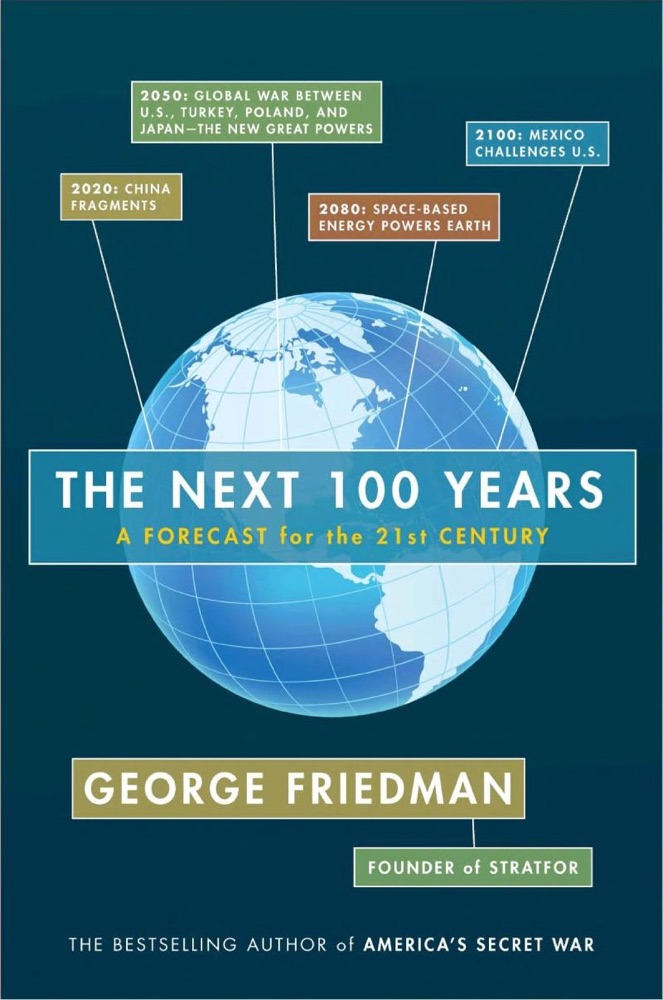
 The Next 100 Years: A Forecast for the 21st Century
Quotes from the Book
Elsewhere I have argued that civilizations are divided into three phases. The first phase is barbarism, a time when people believe that the laws of their own village are the laws of nature, as George Bernard Shaw put it. The second phase is civilization, where people continue to believe in the justice of their ways but harbor openness to the idea that they might be in error. The third phase, decadence, is the moment in which people come to believe that there is no truth, or that all lies are equally true.
4
In some sense, the military is the most modern part of a developing country.
1
Nations do not become strong because they feel like it but because they must.
1
We should remember what Bismarck said in 1888: “If there is ever another war in Europe, it will come out of some damned silly thing in the Balkans.” Balkan
1
And from this story I learned about the geopolitics of taking out one’s salami.
1
The European sensibility is not that of an American. Americans are obsessed with the future. The past appears trivial. The battle site where the Civil War began is in Manassas, Virginia. There is now a shopping mall there. Things are remembered in America, but not with the anguish and pride with which Europeans remember things.
In the end, the problem of Europe is the same problem that haunted its greatest moment, the Enlightenment. It is the Faustian spirit, the desire to possess everything even at the cost of their souls.
The Mediterranean was, before the northern European industrial revolution, one of the wealthiest regions in the world. Divisions between Muslim North Africa and Christian southern Europe were contained, if not always peacefully. The
It is good, as I have said, to be neither victim nor victimizer. Unfortunately, it is not possible. What
Europe is in an economic crisis. Germany is the wealthiest country in Europe and it benefits the most from Europe. However, the German public doesn’t want to pay for what they see as Greek indolence and corruption.
since the EU was created, there have been more wars in Europe than between 1945 and 1992. Many
Capital may have no country, as Marx argued, but the lower classes not only have countries but cling to them. Economic issues and cultural issues merge, fear of the outsider rises, and the result is political pressure from the Right. This is not confined only to the failing countries. It is there in northern European countries as well, even Germany. Or the United States.
It mattered a great deal who occupied your country. The
It is hardest to write on the Holocaust. It had no military purpose. While everything else Hitler did could, with some strain, be fitted with some military logic, the industrialized killing of 6 million Jews and millions of others could not be. A place like Auschwitz did nothing to help with the war effort and used up massive resources, if not for food for the inmates, then for manpower, trains, and the rest. But
Hitler believed nothing, so he was free to believe in anything.
The Enlightenment sought to rid the world of myths, but the nation could not justify itself without them.
In 732 Charles Martel, in a defining battle, defeated the Muslim armies, forcing them back behind the mountains and confining them to the Iberian Peninsula. Had Martel lost that battle, Europe would have been a very different place. It
Horthy was no more of an anti-Semite than good manners required, and this was not something he may have wanted himself, but his duty was to preserve an independent Hungary, and if putting Jews into labor battalions was what was needed, he was going to do what was needed. For
Due to some incident, real or manufactured, Russians in a Baltic capital begin demonstrating, police use tear gas, and somewhere violence breaks out and Russians are killed. The Russian government demands the right to protect its citizens, the Baltic country rejects the demand. Violence mounts, and the Russians demand that NATO stop the fighting. The Baltic state insists it is an internal matter, claims that Russian intelligence caused the violence, and demands that Russian intelligence stop its intervention. A series of explosions kill a large number of Russians, and Russia occupies the country. For
The European peninsula was occupied by the United States and the Soviet Union, its sovereignty compromised. Over the next decades its empire would disintegrate and its global power disappear.
At the end of the war American and Soviet troops massed throughout most of the European peninsula, with Americans also in Britain and the British in Europe. The peninsula was occupied, shattered and exhausted, no longer the arbiter of its own fate.
In 711 Muslim armies went north into Spain, ultimately occupying it and crossing the Pyrenees into France. In 732 Charles Martel, in a defining battle, defeated the Muslim armies, forcing them back behind the mountains and confining them to the Iberian Peninsula. Had Martel lost that battle, Europe would have been a very different place.
In the fog of history and myth, the American role in championing and underwriting European integration is frequently forgotten, along with the resistance of the Europeans.
The nation provided a human with the things that are most human—language and a past that stretched back before his birth.
But smuggling people is a referral business, and you don’t get good references by robbing and killing your charges. You may get away with it once or twice, but then business dries up.
Islam invaded Europe twice from the Mediterranean - first in Iberia, the second time in southeastern Europe, as well as nibbling at Sicily and elsewhere. Christianity invaded Islam multiple times, the first time in the Crusades and in the battle to expel the Muslims from Iberia. Then it forced the Turks back from central Europe. The Christians finally crossed the Mediterranean in the 19th century, taking control of large parts of North Africa. Each of these two religions wanted to dominate the other. Each seemed close to its goal. Neither was successful. What remains true is that Islam and Christianity were obsessed with each other from the first encounter. Like Rome and Egypt they traded with each other and made war on each other.
As the global powers diverge and Europe is caught in the middle, the lack of hard power will matter more and more. Being rich and weak is a dangerous combination. Europe therefore lives in a world of wolves.
It is interesting to note that Copernicus was German/Polish, Luther was German, and Gutenberg was German.
There is a quote attributed to Honoré de Balzac: behind every great fortune there is a great crime.
Watch on YouTube
About George Friedman
We have collected 79 quotes from 3 books by George Friedman on BookQuoters.
More about the author →More by George Friedman
The Next 100 Years: A Forecast for the 21st Century
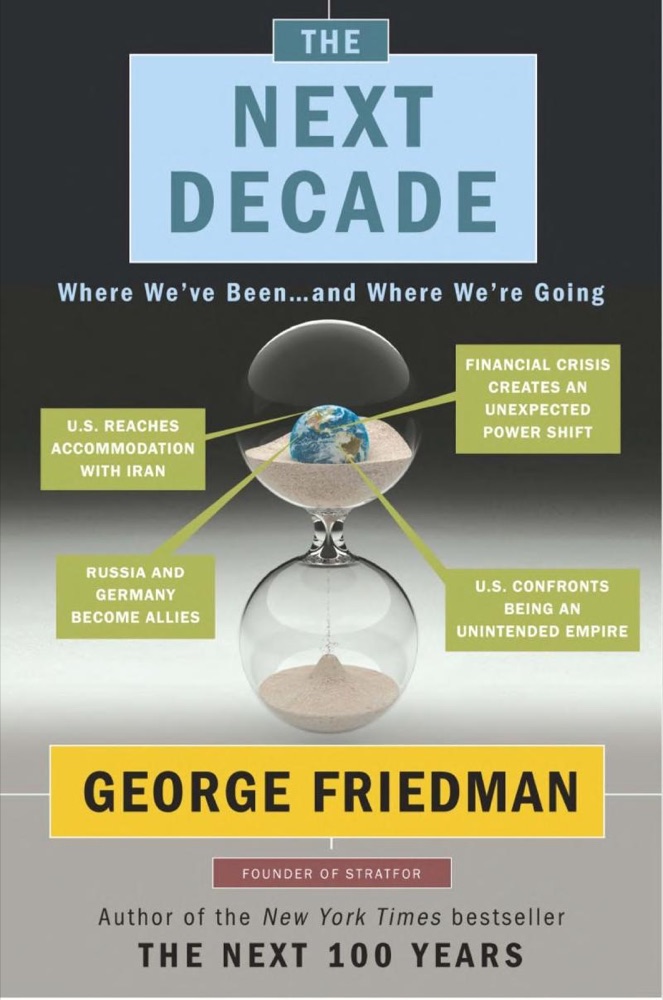 The Next Decade: Where We've Been . . . and Where We're Going
About the book
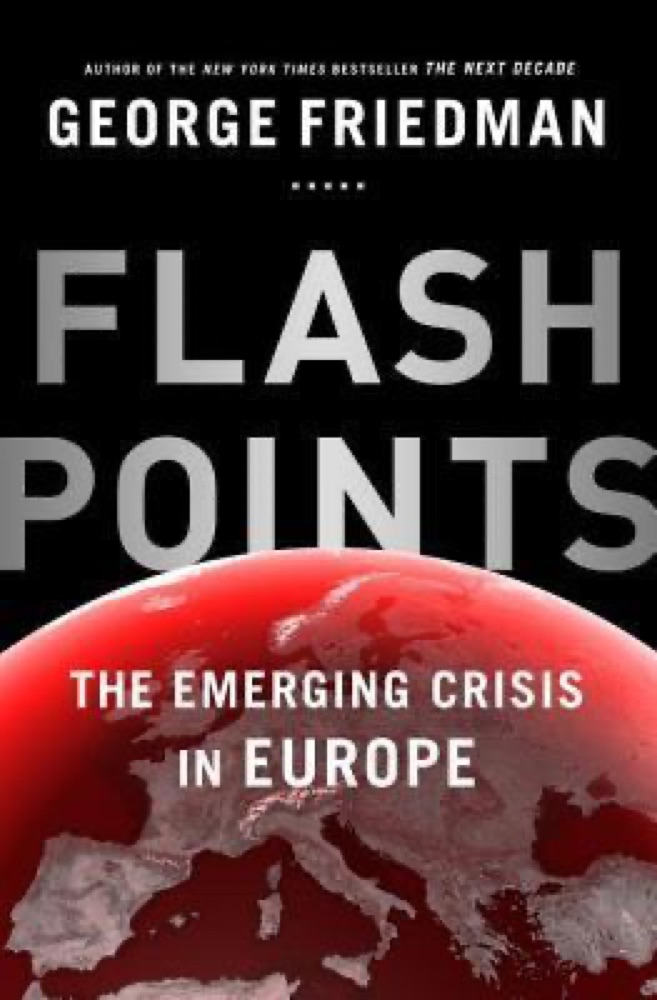
A major new book by New York Times bestselling author and geopolitical forecaster George Friedman (The Next 100 Years), with a bold thesis about coming events in Europe. This provocative work examines "flashpoints," unique geopolitical hot spots where tensions have erupted throughout history, and where conflict is due to emerge again.
With remarkable accuracy, George Friedman has forecasted coming trends in global politics, technology, population, and culture. In Flashpoints, Friedman focuses on Europe--the world's cultural and power nexus for the past five hundred years . . . until now. Analyzing the most unstable, unexpected, and fascinating borderlands of Europe and Russia--and the fault lines that have existed for centuries and have been ground zero for multiple catastrophic wars--Friedman highlights, in an unprecedentedly personal way, the flashpoints that are smoldering once aga
Book details
- First published
- 2015
- Author
- George Friedman
- Genre
- Nonfiction
- Goodreads rating
- 3.94 (2k ratings)
Keep reading
 Europe: A History
 Postwar: A History of Europe Since 1945
 The Strange Death of Europe: Immigration, Identity, Islam
 The Revenge Of Geography: What the Map Tells Us About Coming Conflicts and the Battle Against Fate
The Next 100 Years: A Forecast for the 21st Century
The Revenge Of Geography: What the Map Tells Us About Coming Conflicts and the Battle Against Fate
The Next 100 Years: A Forecast for the 21st Century
 Upheaval: Turning Points for Nations in Crisis
 Prisoners of Geography: Ten Maps That Tell You Everything You Need to Know About Global Politics
 Modern Times: The World from the Twenties to the Nineties
 Imperium
 The Untold History of The United States
 Civilization: The West and the Rest
 Dark Continent: Europe's Twentieth Century
 World Order
 Border: A Journey to the Edge of Europe
 Guns, Germs, and Steel: The Fates of Human Societies
 Imperial Ambitions: Conversations on the Post-9/11 World
 A World Without Islam
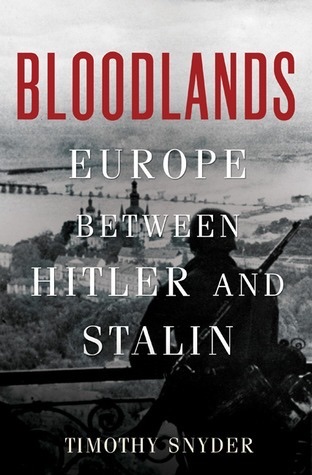 Bloodlands: Europe Between Hitler and Stalin
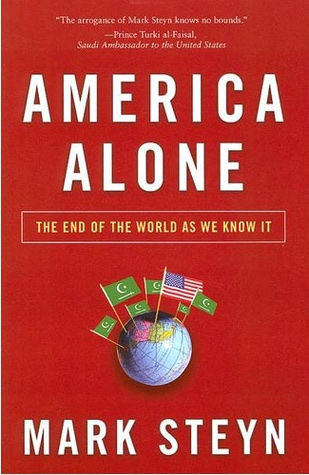 America Alone: The End of the World As We Know It
 Closing the Ring
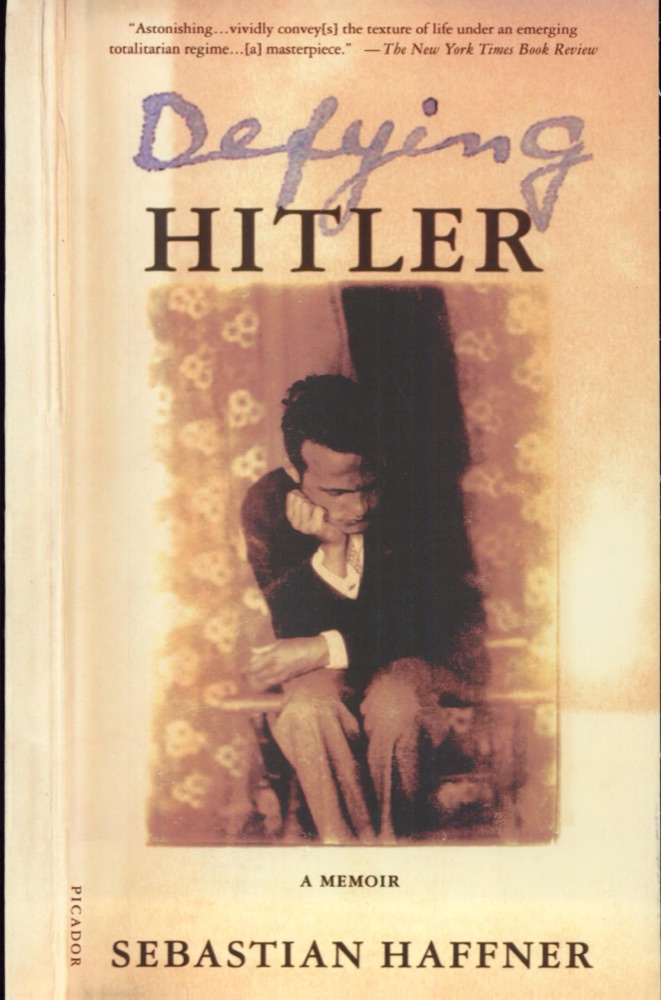 Defying Hitler
 A Distant Mirror: The Calamitous 14th Century
 Principles for Dealing with the Changing World Order: Why Nations Succeed and Fail
 Understanding Power: The Indispensable Chomsky
 The Wretched of the Earth
 The Winds of War
 A History of the World in 100 Objects
 The Lessons of History
 A People's History of the United States
 Dead Fall
 The New Penguin History of The World
 Collapse: How Societies Choose to Fail or Succeed
 The Age of Revolution, 1789–1848
 Café Europa: Life After Communism
 The Guns of August
 The Rise and Fall of the Third Reich: A History of Nazi Germany
 Homage to Catalonia
 A Short History of Russia: Tracing Russia's Path Through History, from Its Wars and Conquests, Royal Dynasties, Revolutions into the Modern Era Under Putin―a Concise Exploration of a Complex Nation
 The Prague Cemetery
 Boomerang: Travels in the New Third World
 The First Salute : View of the American Revolution
 Conspirators' Hierarchy: The Story of the Committee of 300
 Berlin Diary: The Journal of a Foreign Correspondent 1934-1941
 Power Systems: Conversations on Global Democratic Uprisings and the New Challenges to U.S. Empire
 The World Is Flat: A Brief History of the Twenty-first Century
 Arguably: Selected Essays
The Next Decade: Where We've Been . . . and Where We're Going
Arguably: Selected Essays
The Next Decade: Where We've Been . . . and Where We're Going
 The Better Angels of Our Nature: Why Violence Has Declined
 Fall of Giants
 Destiny Disrupted: A History of the World Through Islamic Eyes
 Fascism: A Warning
 The Dawn of Everything: A New History of Humanity
 The Message
 Danubia: A Personal History of Habsburg Europe
 The Monuments Men: Allied Heroes, Nazi Thieves, and the Greatest Treasure Hunt in History
 Epitaph for a Spy
 This Kind of War: A Study in Unpreparedness
 The Origins of Totalitarianism
 From Dawn to Decadence: 500 Years of Western Cultural Life, 1500 to the Present
 Recognizing the Stranger: On Palestine and Narrative