 The Will to Power
Quotes from the Book
A language is something infinitely greater than grammar and philology. It is the poetic testament of the genius of a race and a culture, and the living embodiment of the thoughts and fancies that have moulded them
56
India has known the innocence and insouciance of childhood, the passion and abandon of youth, and the ripe wisdom of maturity that comes from long experience of pain and pleasure; and over and over a gain she has renewed her childhood and youth and age
32
Without that passion and urge, there is a gradual oozing out of hope and vitality, a settling down on lower levels of existence, a slow merging into non-existence. We become prisoners of the past and some part of its immobility sticks to us.
22
The best and noblest gifts of humanity cannot be the monopoly of a particular race or country; its scope may not be limited nor may it be regarded as the miser's hoard buried underground.
17
The ideals and objectives of yesterday was still ideals of today, but they lost some of their luster and even, as one seemed to go towards them, they lost the shining beauty which had warmed the heart and vitalized the body. Evil triumphed often enough, but what was far worse was the coarsening and distortion of what seemed so right. Was human nature so essentially bad that it would take ages of training ,through suffering and misfortune, before it could behave reasonably and raise man above the creature of lust and violence and deceit that he now was? And, meanwhile , was every effort to change radically in the present or the near future doomed to failure
11
And yet fear builds its phantoms which are more fearsome than reality itself, and reality, when calmly analysed and its consequences willingly accepted, loses much of its terror.
10
Yet the past is ever with us and all that we are and that we have comes from the past. We are its products and we live immersed in it. Not to understand it and feel it as something living within us is not to understand the present. To combine it with the present and extend it to the future, to break from it where it cannot be so united, to make of all this the pulsating and vibrating material for thought and action—that is life.
10
A country under foreign domination seeks escape from the present in dreams of a vanished age, and finds consolation in visions of past greatness. That is a foolish and dangerous pastime in which many of us indulge. An equally questionable practice for us in India is to imagine that we are still spiritually great though we have come down in the world in other respects. Spiritual or any other greatness cannot be founded on lack of freedom and opportunity, or on starvation and misery.
8
No two persons could be so different from one another in their make up or temperaments. Tagore, the aristocratic artist, turned democrat with proletarian sympathies, represented essentially the cultural tradition of India, the tradition of accepting life in the fullness thereof and going through it with song and dance. Gandhi, more a man of the people, almost the embodiment of the Indian peasant, represented the other ancient tradition of India, that of renunciation and asceticism. And yet Tagore was primarily the man of thought, Gandhi of concentrated and ceaseless activity. Both, in their different ways had a world outlook, and both were at the same time wholly Indian. They seemed to present different but harmonious aspects of India and to complement one another.
8
Our lives are encumbered with the dead wood of this past; all that is dead and has served its purpose has to go. But that does not mean a break with, or a forgetting of, the vital and life-giving in that past. We can never forget the ideals that have moved our race, the dreams of the Indian people through the ages, the wisdom of the ancients, the buoyant energy and love of life and nature of our forefathers, their spirit of curiosity and mental adventure, the daring of their thought, their splendid achievements in literature, art and culture, their love of truth and beauty and freedom, the basic values that they set up, their understanding of life's mysterious ways, their toleration of other ways than theirs, their capacity to absorb other peoples and their cultural accomplishments, to synthesize them and develop a varied and mixed culture; nor can we forget the myriad experiences which have built up our ancient race and lie embedded in our sub-conscious minds. We will never forget them or cease to take pride in that noble heritage of ours. If India forgets them she will no longer remain India and much that has made her our joy and pride will cease to be.
8
Nationalism is essentially a group memory of past achievements, traditions, and experiences,
6
Someone said the other day: death is the birthright of every person born—a curious way of putting an obvious thing. It is a birthright which nobody has denied or can deny, and which all of us seek to forget and escape so long as we may. And yet there was something novel and attractive about the phrase. Those who complain so bitterly of life have always a way out of it, if they so choose. That is always in our power to achieve. If we cannot master life we can at least master death. A pleasing thought lessening the feeling of helplessness.
4
Whatever gods there be, there is something godlike in man, as there is also something of the devil in him.
4
Our desires seek out supporting reasons and tend to ignore facts and arguments that do not fit in with them.
4
For only they can sense life who stand often on the verge of it, only they whose lives are not governed by the fear of death.
4
I am a socialist not because I think it is a perfect system, but half a loaf is better than no bread. The other systems have been tried and found wanting. Let this one be tried—if for nothing else, for the novelty of the thing.’ Vivekananda
4
I had little patience with leftist groups in India, spending much of their energy in mutual conflict and recrimination over fine points of doctrine which did not interest me at all. Life is too complicated and, as far as we can understand it in our present state of knowledge, too illogical, for it to be confined within the four corners of a fixed doctrine.
3
How amazing is the spirit of man!...it is impossible to lose hope for him. In the midst of disaster he has not lost his dignity or his faith in the values he cherished. Plaything of nature's mighty forces, less than a speck of dust in this vast universe, he has hurled defiance at the elemental powers, and with his mind, cradle of revolution, sought to master them. Whatever gods there may be, there is something godlike in man, as there is something of the devil in him. The future is dark, uncertain. But we can see part of the way leading to it and can tread it with firm steps, remembering that nothing that can happen is likely to overcome the spirit of man which has survived many perils. Remembering also that life, for all its ills, has joy and beauty, and we can always wander,if we know how to, in the enchanted woods of nature.
2
History bears witness to the vital part that the ‘prophets’ have played in human progress—which is evidence of the ultimate practical value of expressing unreservedly the truth as one sees it. Yet it also becomes clear that the acceptances and spreading of that vision has always depended on another class of men—“leaders” who had to be philosophical strategists, striking a compromise between truth and men’s receptivity to it.
2
The impact of science and the modern world have brought a greater appreciation of facts, a more critical faculty, a weighing of evidence, a refusal to accept tradition merely because it is tradition. Many competent historians are at work now, but they often err on the other side and their work is more a meticulous chronicle of facts than living history. But even today it is strange how we suddenly become overwhelmed by tradition, and the critical faculties of even intelligent men cease to function. This may partly be due to the nationalism that consumes us in our present subject state. Only when we are politically and economically free will the mind function normally and critically.
2
But the ideal is terribly difficult to grasp or to hold.
2
Truth is one: (though) the wise call it by various names.
2
In this materialistic age of ours,’ says Professor Albert Einstein, ‘the serious scientific workers are the only profoundly religious people.’15 In
2
In the old days when war and its consequences, brutality and conquest and enslavement of a people, were accepted as belonging to the natural order of events, there was no particular need to cover them or justify them from some other point of view. With the growth of higher standards the need for justification has arisen, and this leads to a perversion of facts, sometimes deliberate, often unconscious. Thus hypocrisy pays its tribute to virtue, and a false and sickening piety allies itself to evil deeds. In
2
..There will be the direct weakening effect, but much worse will be the inner psychological conflict between those who wish to reunite her and those who oppose this. New vested interest will be created which will resist change and progress, a new evil Karma will pursue us in the future. One wrong step leads to another; so it has been in the past and so it may be in the future. And yet wrong steps have to be taken sometimes lest some worse peril befall us; that is the great paradox of politics, and no man can say with surety whether present wrong-doing is better and safer in the end than the possibility of that imagined peril.
1
Held a ‘prisoner perforce inactive when a fierce activity consumes the world’, Nehru found the present had acquired the ‘immobility and unchangeableness’ of the past. Still, sequestered from the world, he felt ‘the domination of the present’— or to use a more current phrase, the urgency of now pressed in on him. Denied the freedom to act in this present, he turned to the past and made it his instrument for acting on the future.
1
..And yet wrong steps have to be taken sometimes lest some worse peril befall us; that is the great paradox of politics, and no man can say with surety whether present wrong-doing is better and safer in the end than the possibility of that imagined peril.
1
We are lovers of beauty without extravagance, and lovers of wisdom without unmanliness. Wealth to us is not mere material for vainglory but an opportunity for achievement; and poverty we think it no disgrace to acknowledge but a real degradation to make no effort to overcome.... Let us draw strength, not merely from twice-told arguments—how fair and noble a thing it is to show courage in battle—but from the busy spectacle of our great city's life as we have it before us day by day, falling in love with her as we see her, and remembering that all this greatness she owes to men with the fighter's daring, the wise man's understanding of his duty, and the good man's self-discipline in its performance—to men who, if they failed in any ordeal, disdained to deprive the city of their services, but sacrificed their lives as the best offerings on her behalf. So they gave their bodies to the commonwealth and received, each for his own memory, praise that will never die, and with it the grandest of all sepulchres, not that in which their mortal bones are laid, but a home in the minds of men, where their glory remains fresh to stir to speech or action as the occasion comes by. For the whole earth is a sepulchre of famous men; and their story is not graven only on stone over their native earth, but lives on far away, without visible symbol, woven into the stuff of other men's lives. For you now it remains to rival what they have done and, knowing the secret of happiness to be freedom and the secret of freedom a brave heart, not idly to stand aside from the enemy's onset.
1
Schopenhauer says, ‘a man can do what he will, but not will as he will.
1
Life is too complicated and, as far as we can understand it in our present state of knowledge, too illogical, for it to be confined within the four corners of a fixed doctrine. The
1
Watch on YouTube
About Jawaharlal Nehru
We have collected 30 quotes from 1 book by Jawaharlal Nehru on BookQuoters.
More about the author →About the book
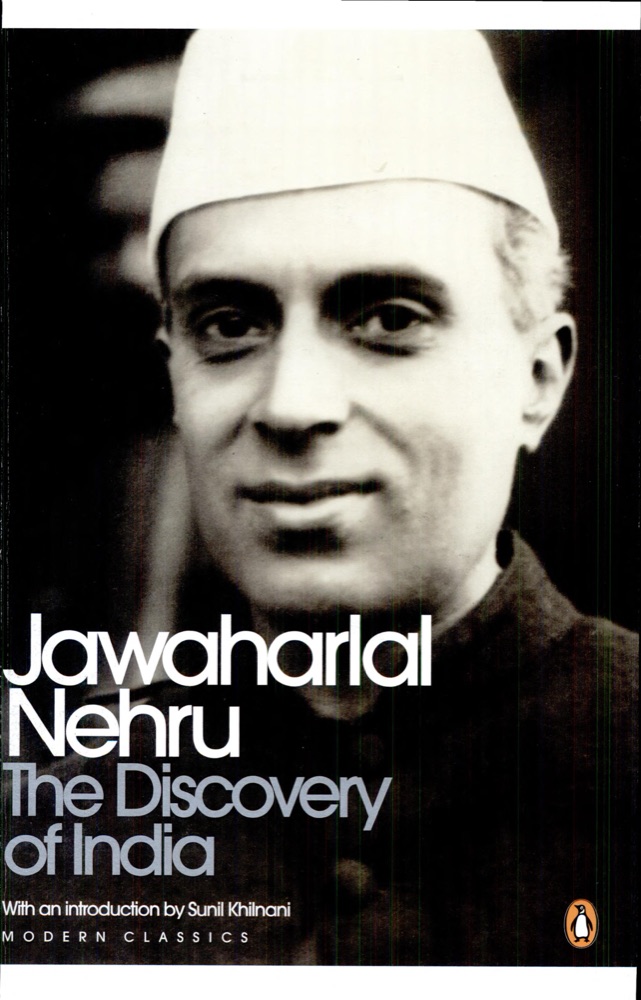
In conjunction with the Jawaharlal Nehru Memorial Fund in New Delhi, Oxford proudly announces the reissue of Glimpses of World History and The Discovery of India, two famous works by Jawaharlal Nehru. One of modern day's most articulate statesmen, Jawaharlal Nehru wrote a on a wide variety of subjects. Describing himself as "a dabbler in many things," he committed his life not only to politics but also to nature and wild life, drama, poetry, history, and science, as well as many other fields. These two volumes help to illuminate the depth of his interests and knowledge and the skill and elegance with which he treated the written word!!
Book details
- First published
- 1946
- Author
- Jawaharlal Nehru
- Genre
- History
- Goodreads rating
- 4.10 (9k ratings)
Keep reading
The Will to Power
 Untimely Meditations
 Human, All Too Human
 The Varieties of Religious Experience
 From Dawn to Decadence: 500 Years of Western Cultural Life, 1500 to the Present
 The Everlasting Man
 The Perennial Philosophy
 The Argumentative Indian: Writings on Indian History, Culture and Identity
 The Story of My Experiments With Truth
 Persian Letters
 The World as Will and Representation, Vol 1
 Resistance, Rebellion and Death: Essays
 Heretics
 In the Light of What We Know
 The Intellectual Life: Its Spirit, Conditions, Methods
 The Essays of Ralph Waldo Emerson
 Myths to Live By
 Last and First Men
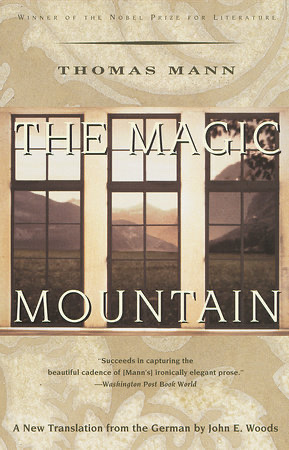 The Magic Mountain
 The Home and the World
 The Immortals of Meluha
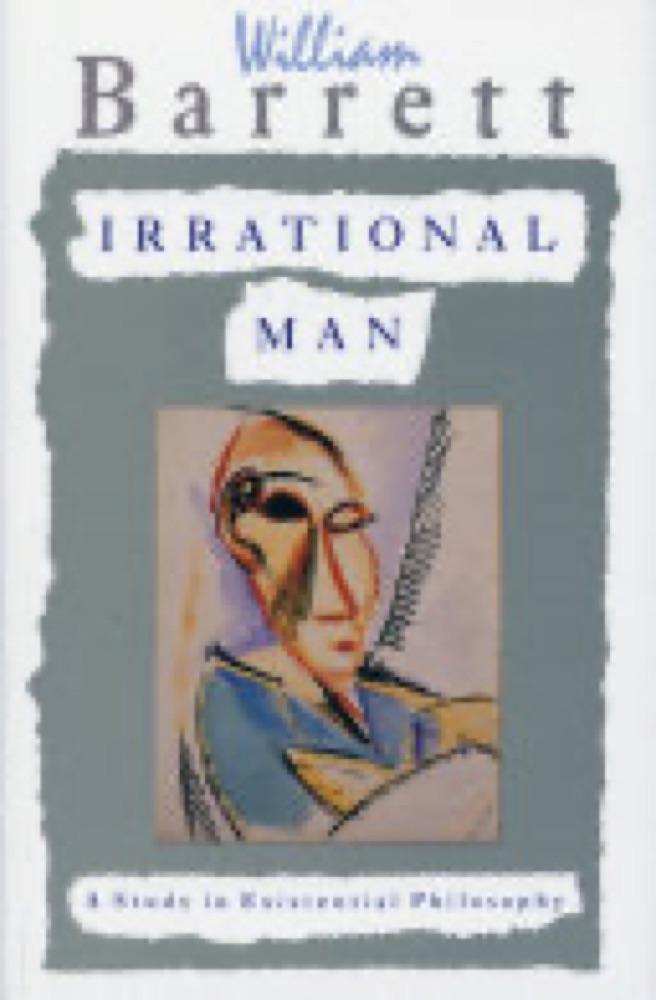 Irrational Man: A Study in Existential Philosophy
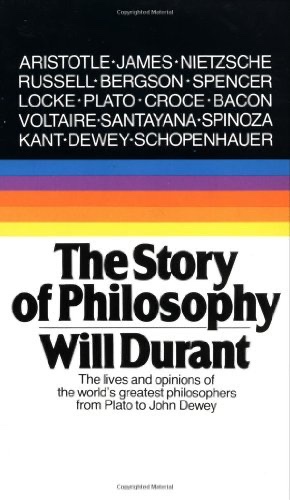 The Story of Philosophy: The Lives and Opinions of the World's Greatest Philosophers
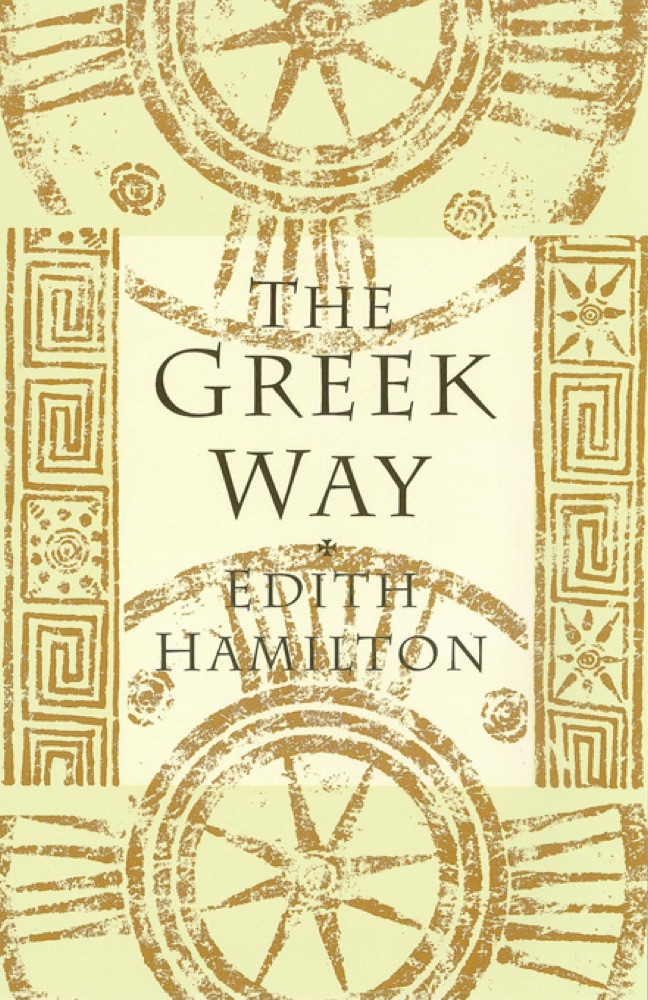 The Greek Way
 Two Years Eight Months and Twenty-Eight Nights
 The Myth of Sisyphus
 The Ethics of Ambiguity
 The Consolations of Philosophy
 In Search of Lost Time
 The Ides of March
 The Occult
 Anthills of the Savannah
 The Years of Rice and Salt
 Children of Dune
 Genesis
 The Spinoza Problem
 The Wisdom of Life
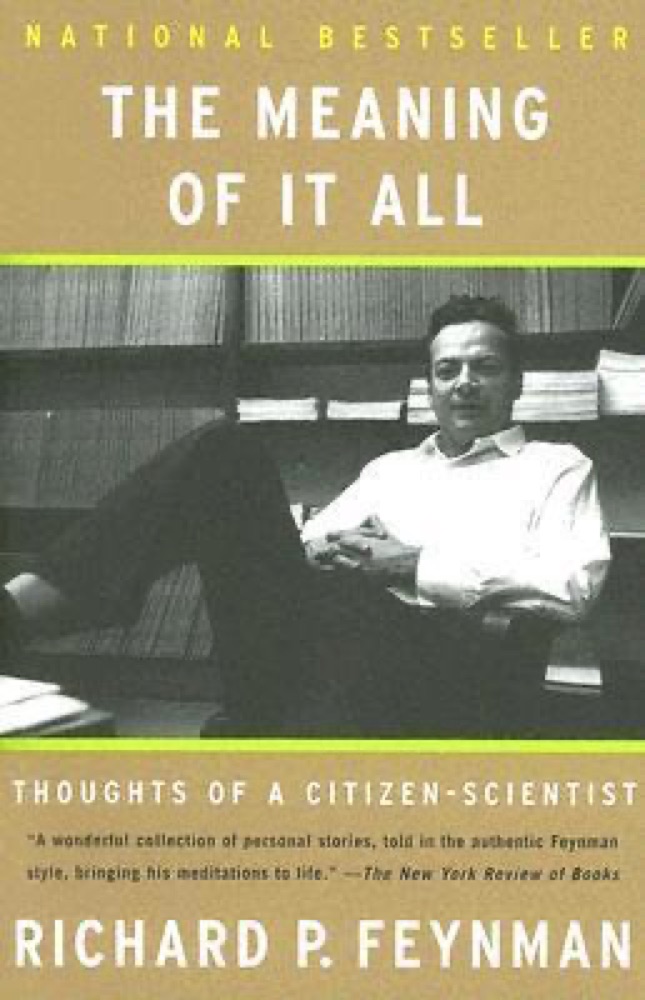 The Meaning of It All: Thoughts of a Citizen-Scientist
 Figuring
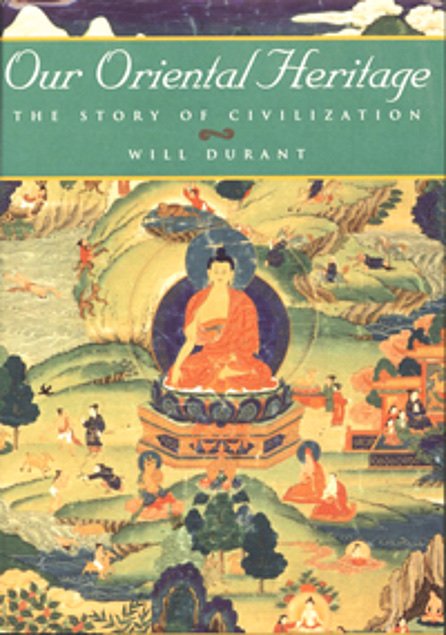 Our Oriental Heritage
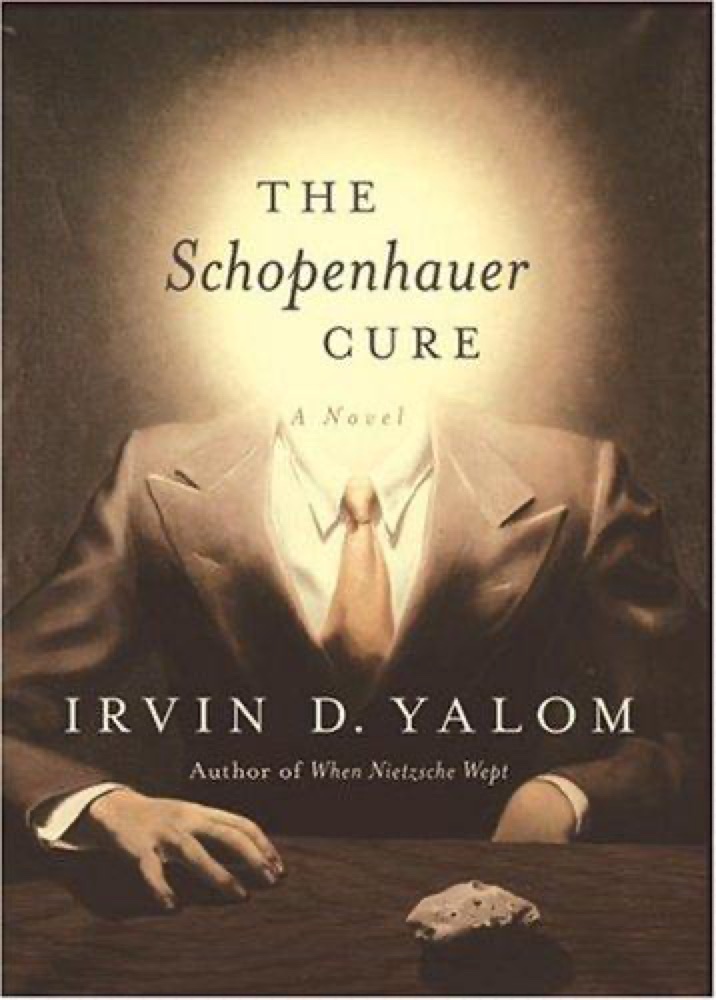 The Schopenhauer Cure
 The Republic
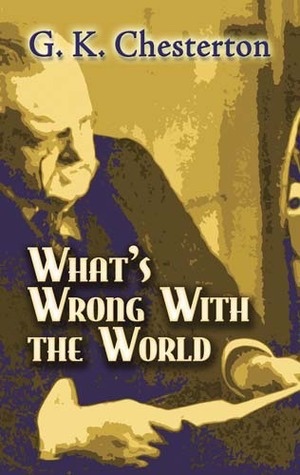 What's Wrong with the World
 The Autobiography of Eleanor Roosevelt
 Too Like the Lightning
 Victory City
 The World's Religions
 Erewhon
 The Source of Self-Regard: Selected Essays, Speeches, and Meditations
 Asymmetry
 Man and His Symbols
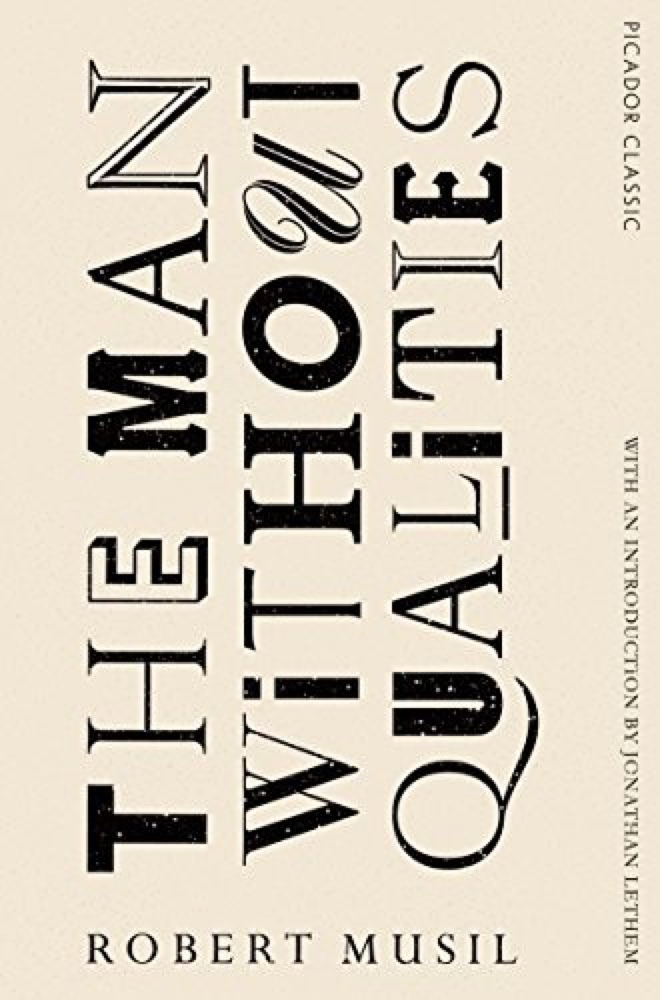 The Man Without Qualities
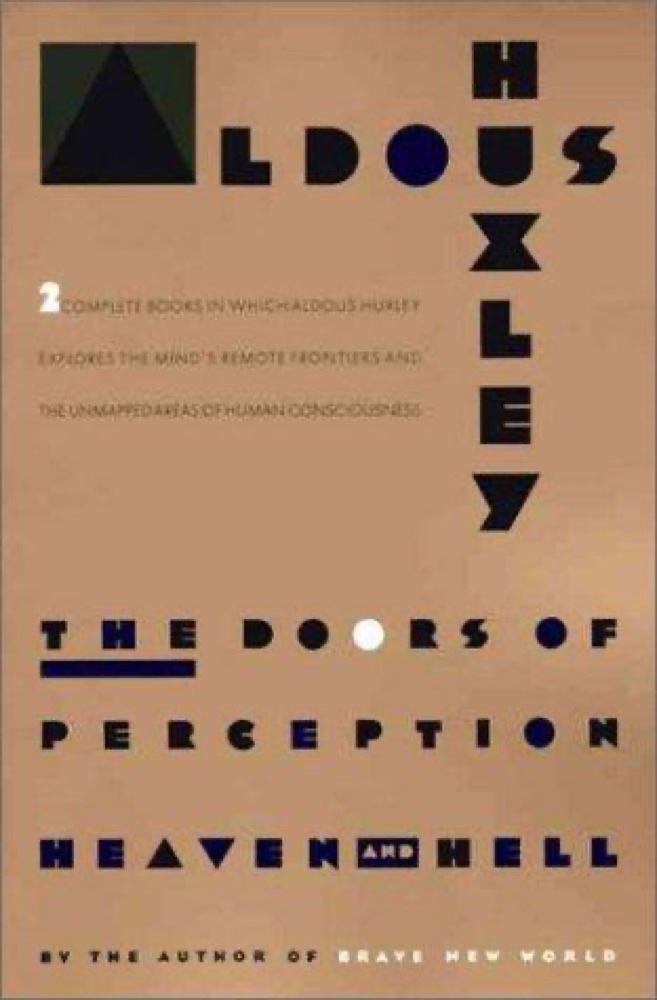 The Doors of Perception & Heaven and Hell
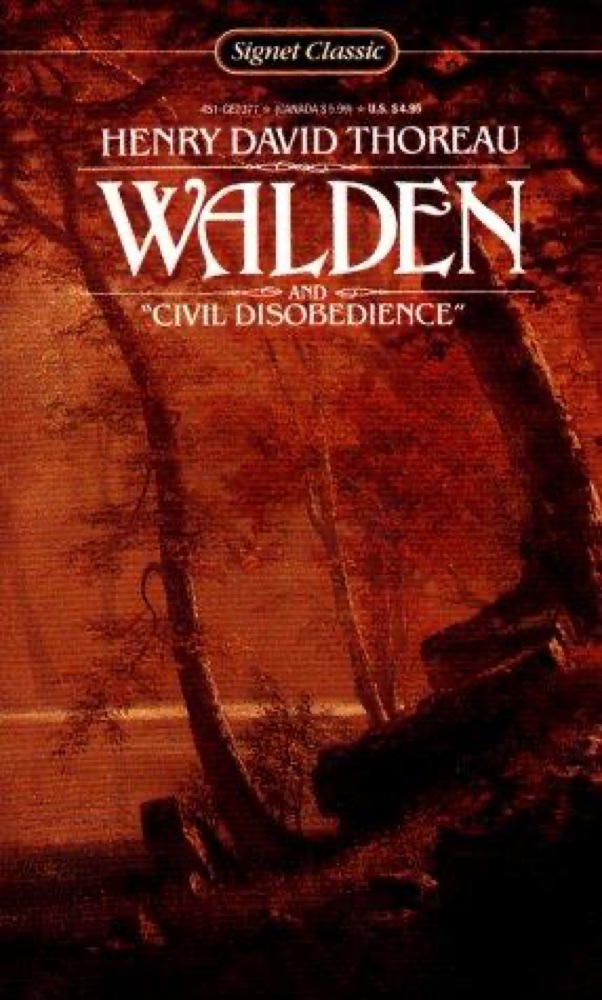 Walden & Civil Disobedience
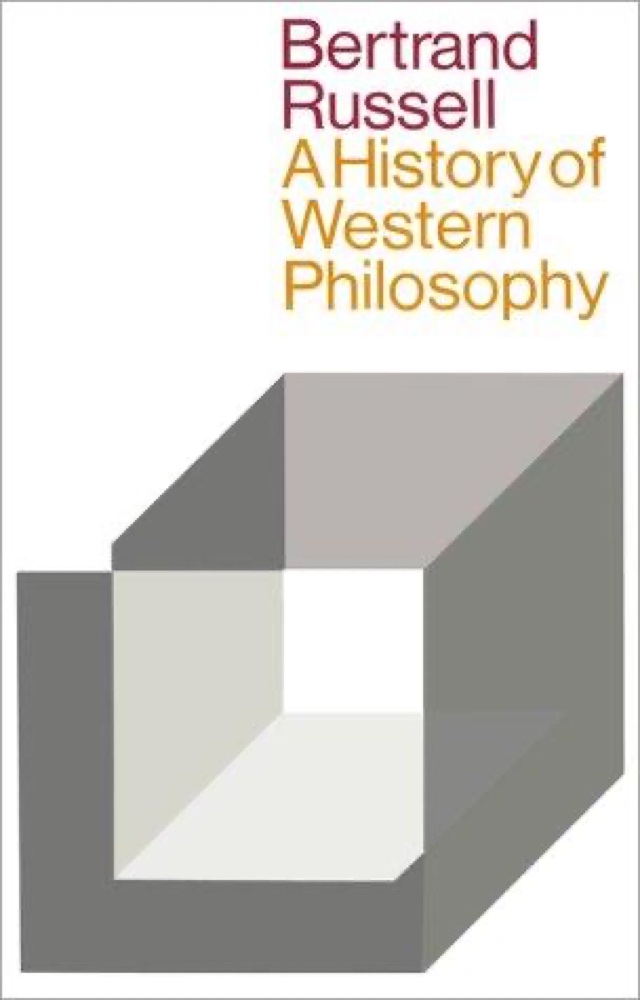 A History of Western Philosophy
 Dialectic of Enlightenment: Philosophical Fragments
 The Closing of the American Mind
 Enlightenment Now: The Case for Reason, Science, Humanism, and Progress
 The Wall of Storms
 The Myth of Sisyphus and Other Essays