 The 1619 Project: A New Origin Story
Quotes from the Book
I think that history is the story of the past, using all the available facts, and that nostalgia is a fantasy about the past using no facts, and somewhere in between is memory, which is kind of this blend of history and a little bit of emotion…I mean, history is kind of about what you need to know…but nostalgia is what you want to hear.
55
...I'm left wondering if we are all just patchworks of the stories we've been told. What would it take - what does it take - for you to confront a false history even if it means shattering the stories you have been told throughout your life? Even if it means having to fundamentally reexamine who you are and who your family has been? Just because something is difficult to accept doesn't mean you should refuse to accept it. Just because someone tells you a story doesn't make that story true.
33
The history of slavery is the history of the United States. It was not peripheral to our founding; it was central to it. It is not irrelevant to our contemporary society; it created it. This history is in our soil, it is in our policies, and it must, too, be in our memories.
29
Oppression is never about humanity or lack thereof. It is, and always has been, about power.
22
At some point it is no longer a question of whether we can learn this history but whether we have the collective will to reckon with it.
21
It’s not a feeling of guilt. It’s a feeling of ‘discovered ignorance
17
When I think about the history of slavery and racism in this country, I think about how quick we are to espouse notions of progress without accounting for its uncertain and serpentine path.
15
How do you tell a story that has been told the wrong way for so long?
14
What would it take—what does it take—for you to confront a false history even if it means shattering the stories you have been told throughout your life? Even if it means having to fundamentally reexamine who you are and who your family has been? Just because something is difficult to accept doesn’t mean you should refuse to accept it. Just because someone tells you a story doesn’t make that story true.
14
Across the United States, and abroad, there are places whose histories are inextricably tied to the story of human bondage. Many of these places directly confront and reflect on their relationship to that history; many of these places do not. But in order for our country to collectively move forward, it is not enough to have a patchwork of places that are honest about this history while being surrounded by other spaces that undermine it. It must be a collective endeavor to learn and confront the story of slavery and how it has shaped the world we live in today.
14
Just as he did during the Slavery at Monticello tour, David did not mince words. "There’s a chapter in Notes on the State of Virginia,” he said to the five of us, standing in front of the east wing of Jefferson’s manor, “that has some of the most racist things you might ever read, written by anyone, anywhere, anytime, in it. So sometimes I stop and ask myself, 'If Gettysburg had gone the wrong way, would people be quoting the Declaration of Independence or Notes on the State of Virginia?' It’s the same guy writing.
13
While a life like Frederick Douglas’s is remarkable, we must remember that not every person who lived through slavery was like Douglas. Most did not learn to read or write. Most did not engage in hand-to-hand combat with white slave brakers. Most did not live close enough to free states in the North to have any hope of escape. No one, enslaved or otherwise, was like Douglas. There were other brilliant, exceptional people who lived under slavery, and many resisted the institution in innumerable ways, but our country’s teachings about slavery, painfully limited, often focus singularly on heroic slave narratives, at the expense of millions of men and women whose stories might be less sensational but are no less worthy of being told. “I thought of my primary and secondary education. I remembered feeling crippling guilt as I silently wondered why every enslaved person couldn’t simply escape like Douglas, Tubman, and Jacobs had. I found myself angered by the stories of those who did not escape. Had they not tried hard enough? Didn’t they care enough to do something? Did they choose to remain enslaved? This, I now realize, is part of the insidiousness of white supremacy. It illuminates the exceptional in order to implicitly blame those who cannot, despite the most brutal circumstances, attain super-human heights. It does this instead of blaming the system, the people who built it, and the people who maintained it.
12
I’ve come to realize that there’s a difference between history and nostalgia, and somewhere between those two is memory,” he said. “I think that history is the story of the past, using all the available facts, and that nostalgia is a fantasy about the past using no facts, and somewhere in between is memory, which is kind of this blend of history and a little bit of emotion…I mean, history is kind of about what you need to know…but nostalgia is what you want to hear.
10
This, I now realize, is part of the insidiousness of white supremacy; it illuminates the exceptional in order to implicitly blame those who cannot, in the most brutal circumstances, attain superhuman heights. It does this instead of blaming the system, the people who built it, the people who maintained it.
9
We’re telling history by telling the full story, more of the story of everyone who lived here, not just certain people who were able to tell their stories.
8
It is not simply that statues of Lee and other Confederates stand as monuments to a traitorous army predicated on maintaining and expanding the institution of slavery; it is also that we, US taxpayers, are paying for their maintenance and preservation.
6
So much of the story we tell ourselves about history is really the story that we tell about ourselves, about our mothers and our fathers and their mothers and their fathers, as far back as our lineages will take us. Throughout our lives we are told certain stories and they are stories that we choose to believe -- stories that become in our identities in ways we are not always fully cognizant of
6
Our country's teachings about slavery, painfully limited, often focus singularly on heroic slave narratives at the expense of the millions of men and women whose stories might be less sensational but are no less worthy of being told.
5
Before I left [Monticello], I wanted to understand how much of David's role as a former military officer -- responsible for protecting and promoting this country's foreign policy agenda at home and abroad -- was something that felt, if at all, in tension with his role [as a tour guide] now. 'I was born in the United States of America. I served the country for thirty years, so I actually believe in the idea of America,' he said, straightening up in his chair. 'Are we exceptional? No. Have we had unique advantages based on geography, based on a whole host of factors? Yes. Did a group of people come together in 1776 and conceive of an idea that was pretty radical in its time and then create a system of government, through the Constitution and its amendments, that was pretty radical and pretty novel? Yeah. Have other countries found their own way? Sure. So I believe in the idea of America. I don't believe that this country was perfect. I don't believe it is perfect. I don't believe it's going to be perfect. I believe that the journey to make this a better place is worth the effort and that the United States, if you conceive it not so much as a place to be in but an idea to believe in, it worth fighting for.
5
Hasan emphasized that the question was not whether his country *deserved* reparations but, not unlike the debate in the United States, "What are we going to repair?" Hasan was not opposed to figuring out the logistics of financial compensation, but he emphasized the need for a sort of moral compensation. "Some people prefer a sense of memory," he said. "Once you get money, you say, 'Okay. Now you received money. We repaired everything. Don't talk about it anymore.'" That is not the outcome Hasan wants. What he wants is an apology for what happened, and then to have that apology, that reckoning, inform how economic, cultural, and political decisions are made moving forward.
5
Race is a by-product of racism. In fact, race doesn’t exist.” Damaras said this in the way a person might say water is wet. “Some of you look surprised.” She adjusted her feet and straightened her back. “It’s a social construct. There has never been any scientific or genetic evidence to back up the concept of race. Despite it being false, it has woven its way into the fabric of all of our societies.
4
[Angola Prison] 'This place really is just like the plantation was. Just to utilize all the free labor they can get,' Norris continued. 'They lost all that free labor to emancipation, and now how are we going to get that free labor back? You've got all these folks wandering around with no real skills, don't know what to do, well, we can create laws to put them back in servitude, and that's what they've done. Where do they work? They go right back to working convict leasing, working these same plantations they were freed from.
4
The Lost Cause was not an accident. It was not a mistake that history stumbled into. It was a deliberate, multi-faceted, multi-field effort predicated on both misremembering and obfuscating what the confederacy stood for. And the role slavery played in shaping this county.
4
My grandparents’ stories are my inheritance; each one is an heirloom I carry. Each one is a monument to an era that still courses through my grandfather’s veins. Each story is a memorial that still sits in my grandmother’s bones. My grandparents’ voices are a museum I am still learning how to visit, each conversation with them a new exhibit worthy of my time.
3
Slavery’s an institution. In Jefferson’s lifetime it becomes a system. So what is this slave system? It is a system of exploitation, a system of inequality and exclusion, a system where people are owned as property and held down by physical and psychological force, a system being justified even by people who know slavery is morally wrong. By doing what? Denying the very humanity of those who are enslaved solely on the basis of the color of their skin.
3
When I read Jefferson’s disparagement of Wheatley, it felt like he had been disparaging the entire lineage of Black poets who would follow her, myself included, and I saw a man who had not had a clear understanding of what love is.
3
If in Germany today there were a prison built on top of a former concentration camp, and that prison disproportionately incarcerated Jewish people, it would rightly provoke outrage throughout the world. [...] And yet in the United States such collective outrage at this plantation-turned-prison [Angola] is relatively muted.
3
During parts of the seventeenth and eighteenth centuries there were more enslaved Black people in New York City than in any other urban area across North America. Enslaved workers made up more than a quarter of the city's labor force. As the city grew. so did the number of enslaved people. As the American Revolution began, about a sixth of New York's population was of African descent, and almost all of them were enslaved.
3
When people say 'Angola is a prison built on a former plantation' it is often made as an unsettling observation not as a moral indictment. Is it because our collective understanding of slavery and its inherent violence is so limited? Or is it that violence experienced by Black people is thought less worthy of mourning? White supremacy enacts violence against Black people, but also numbs a whole country, black and white, so what would, in any other context, provoke our moral indignation.
3
Watch on YouTube
About Clint Smith
We have collected 29 quotes from 1 book by Clint Smith on BookQuoters.
More about the author →About the book
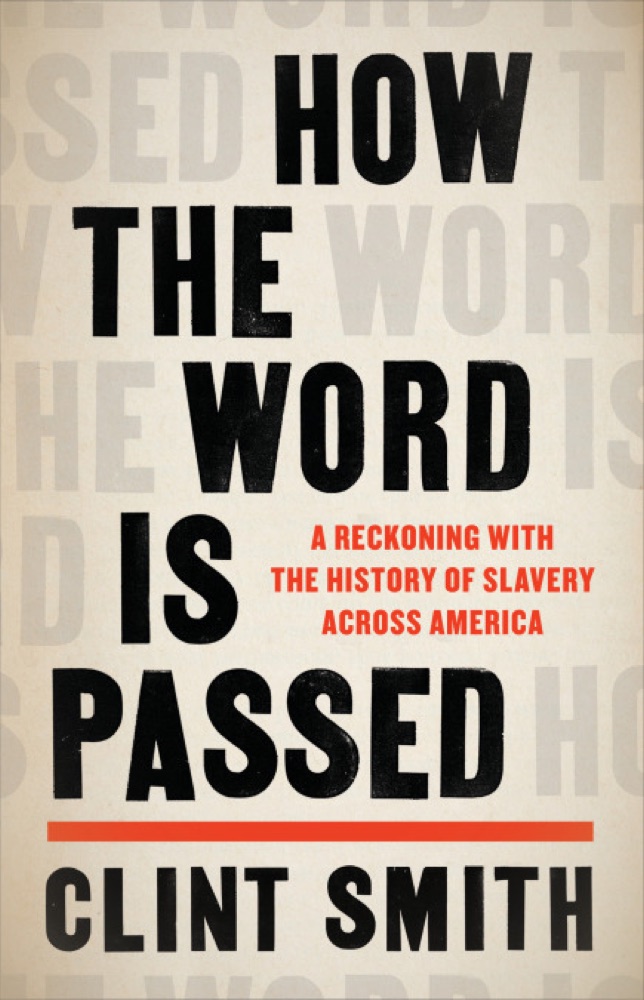
Poet and contributor to The Atlantic Clint Smith’s revealing, contemporary portrait of America as a slave owning nation Beginning in his own hometown of New Orleans, Clint Smith leads the reader through an unforgettable tour of monuments and landmarks-those that are honest about the past and those that are not-that offer an intergenerational story of how slavery has been central in shaping our nation's collective history, and ourselves. It is the story of the Monticello Plantation in Virginia, the estate where Thomas Jefferson wrote letters espousing the urgent need for liberty while enslaving over 400 people on the premises. It is the story of the Whitney Plantation, one of the only former plantations devoted to preserving the experience of the enslaved people whose lives and work sustained it. It is the story of Angola Prison in Louisiana, a former plantation named for the country fro
Book details
- First published
- 2021
- Author
- Clint Smith
- Genre
- Nonfiction
- Goodreads rating
- 4.69 (42k ratings)
The buzz
- The New York TimesReview in The New York Timesprofessional review (via Book Marks)
- The Washington PostReview in The Washington Postprofessional review (via Book Marks)
- The GuardianReview in The Guardianprofessional review (via Book Marks)
- NPRReview in NPRprofessional review (via Book Marks)
- Kirkus ReviewsReview in Kirkus Reviewsprofessional review (via Book Marks)
- The Boston GlobeReview in The Boston Globeprofessional review (via Book Marks)
Keep reading
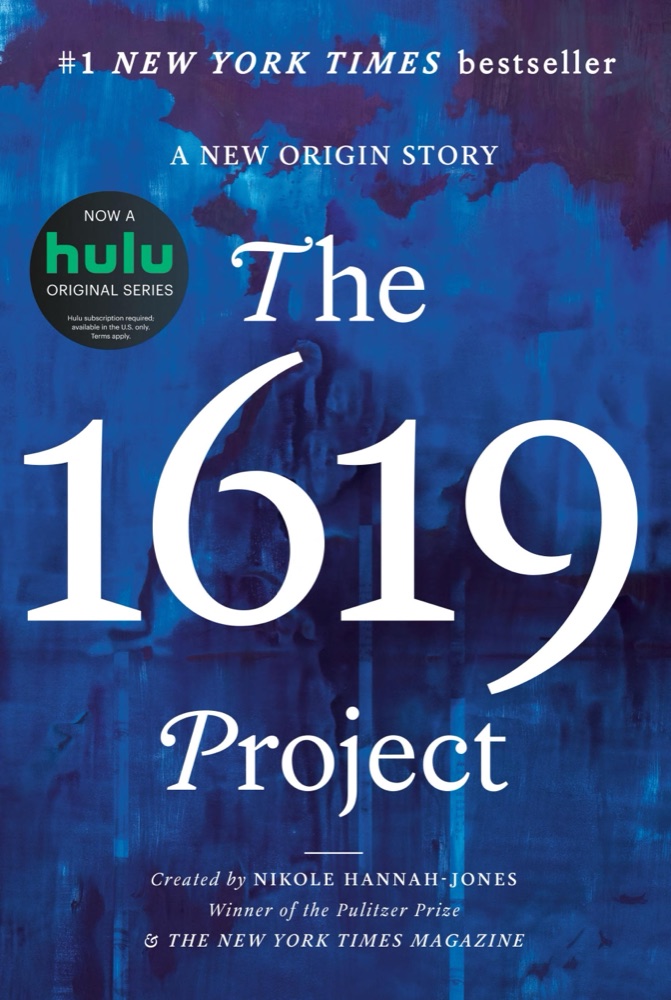
The 1619 Project: A New Origin Story
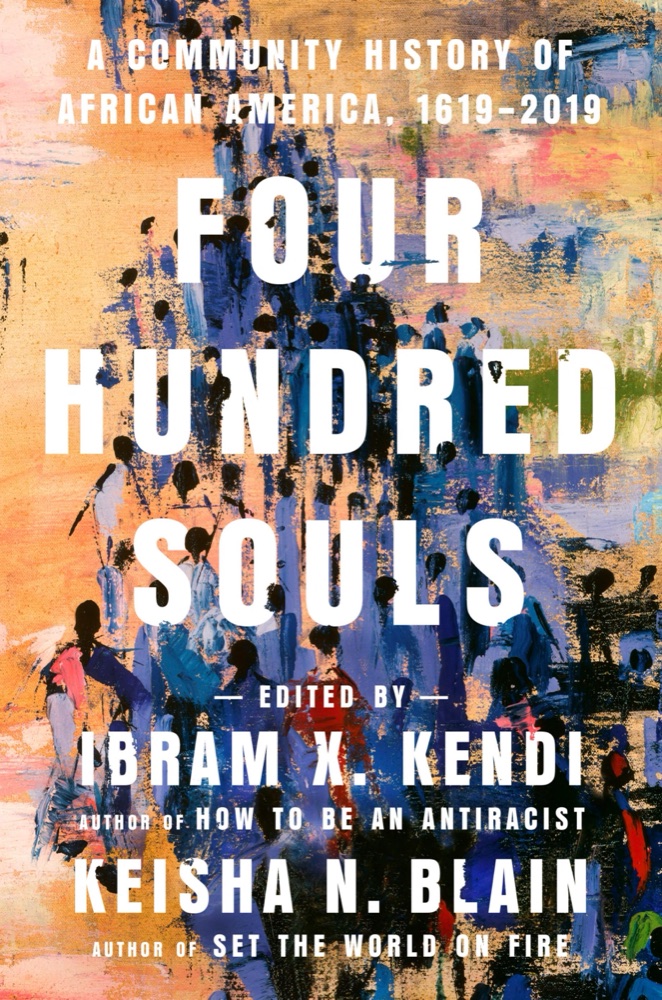 Four Hundred Souls: A Community History of African America, 1619-2019
 We Were Eight Years in Power: An American Tragedy
 Robert E. Lee and Me: A Southerner's Reckoning with the Myth of the Lost Cause
 A People's History of the United States
 Stony the Road: Reconstruction, White Supremacy, and the Rise of Jim Crow
 Black AF History: The Un-Whitewashed Story of America
 These Truths: A History of the United States
 The Message
 The Fire This Time: A New Generation Speaks About Race
 The Love Songs of W.E.B. Du Bois
 Begin Again: James Baldwin's America and Its Urgent Lessons for Our Own
 Black in Blues: How a Color Tells the Story of My People
 Notes from No Man's Land
 The Hemingses of Monticello: An American Family
 The Half Has Never Been Told: Slavery and the Making of American Capitalism
 Blood Done Sign My Name: A True Story
 Wake: The Hidden History of Women-Led Slave Revolts
 Notes of a Native Son
 The American Spirit: Who We Are and What We Stand For
 Just Us: An American Conversation
 Between the World and Me
 The Small and the Mighty: Twelve Unsung Americans Who Changed the Course of History, from the Founding to the Civil Rights Movement
 Lies My Teacher Told Me: Everything Your American History Textbook Got Wrong
 Barracoon: The Story of the Last "Black Cargo"
 Black Reconstruction in America 1860-1880
 White Like Me: Reflections On Race From A Privileged Son
 Homegoing
 You Can't Be Neutral on a Moving Train: A Personal History of Our Times
 Dark Days
 Why We Can't Wait
 No Name in the Street
 The Warmth of Other Suns: The Epic Story of America's Great Migration
 Black Rednecks and White Liberals
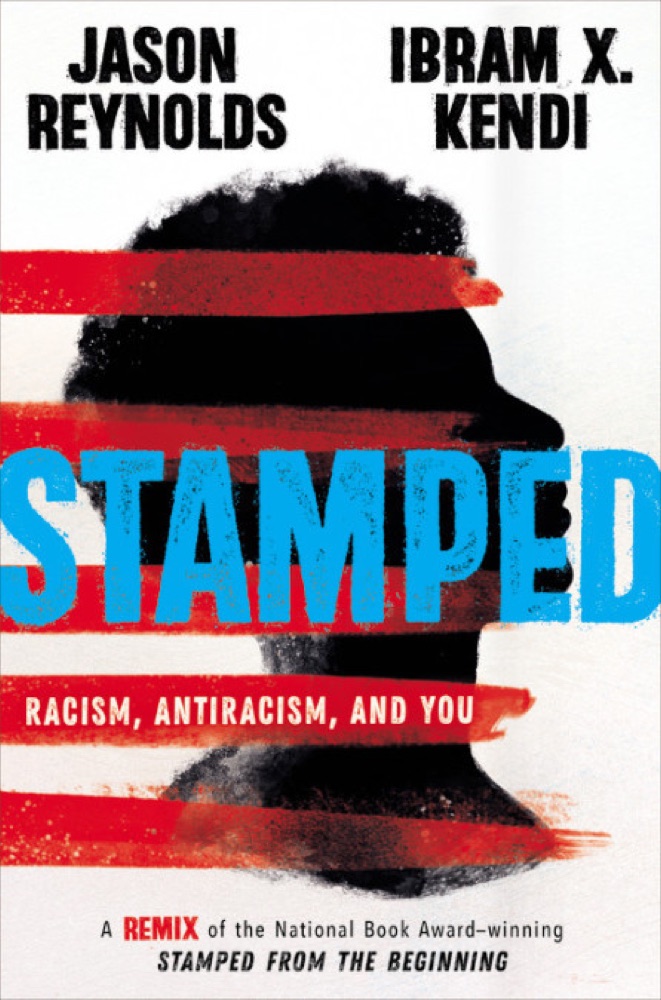 Stamped: Racism, Antiracism, and You
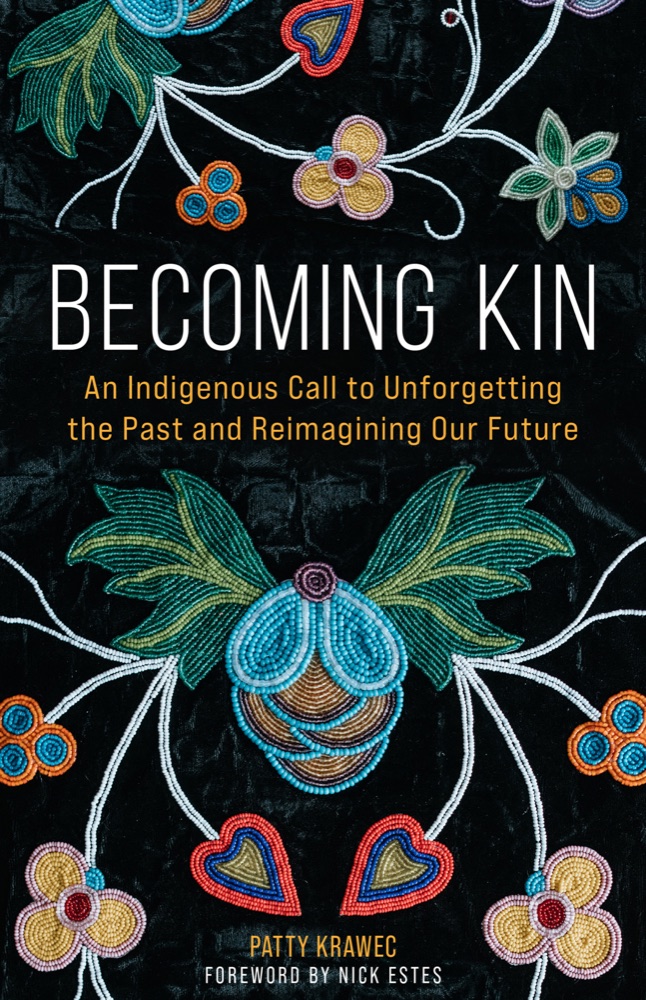 Becoming Kin: An Indigenous Call to Unforgetting the Past and Reimagining Our Future
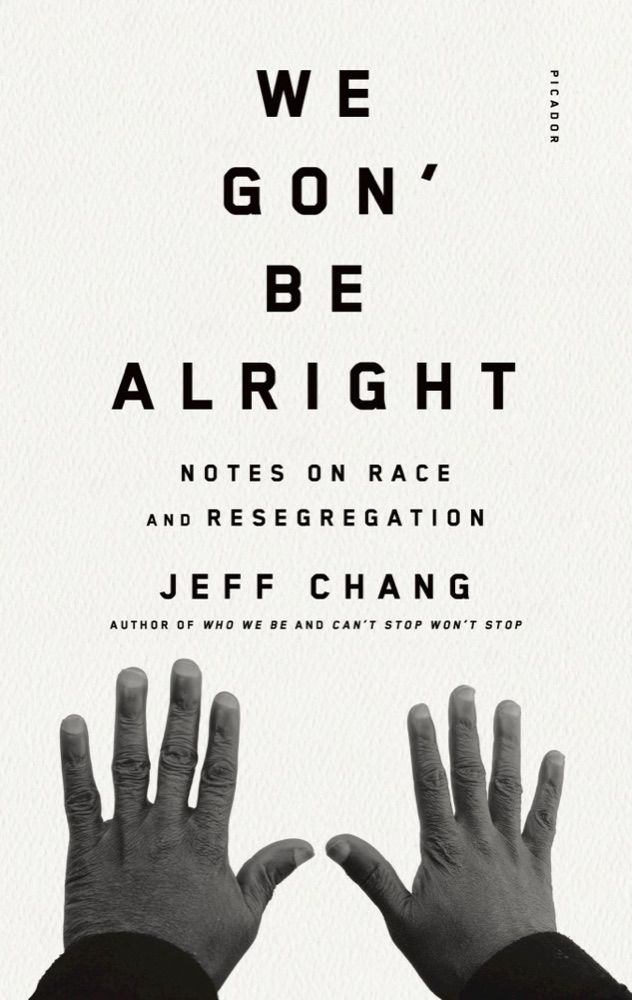 We Gon' Be Alright: Notes on Race and Resegregation
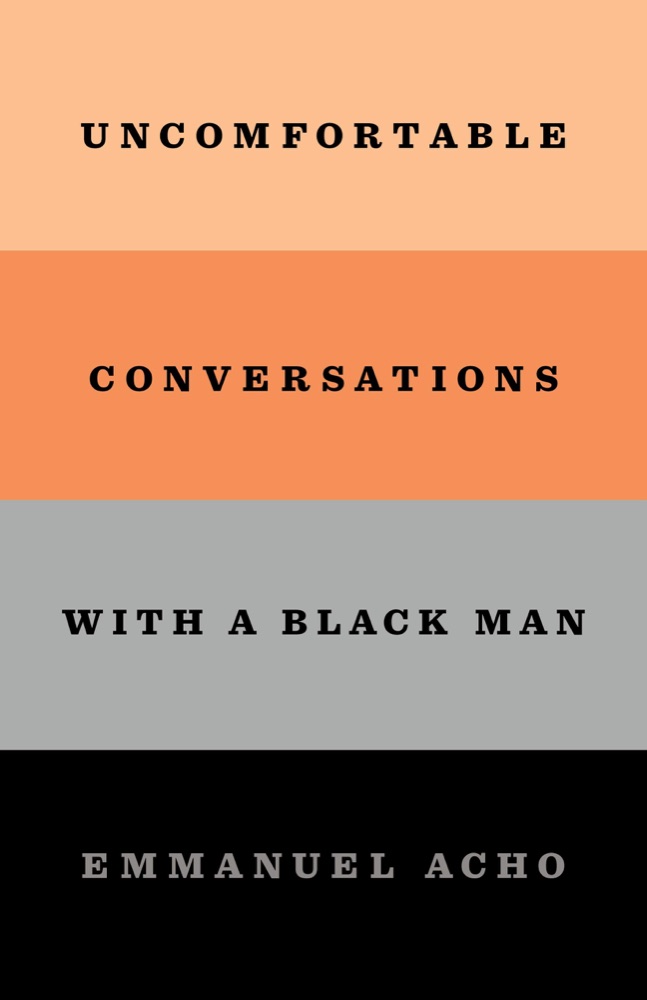 Uncomfortable Conversations With a Black Man
 Where Do We Go from Here: Chaos or Community?
 Aftershocks
 The War on the West: An Instant NYT Bestselling History of the Modern World
 A Hope Divided
 The Autobiography of an Ex-Coloured Man
 Assata: An Autobiography
 History Matters
 I'm Still Here: Black Dignity in a World Made for Whiteness
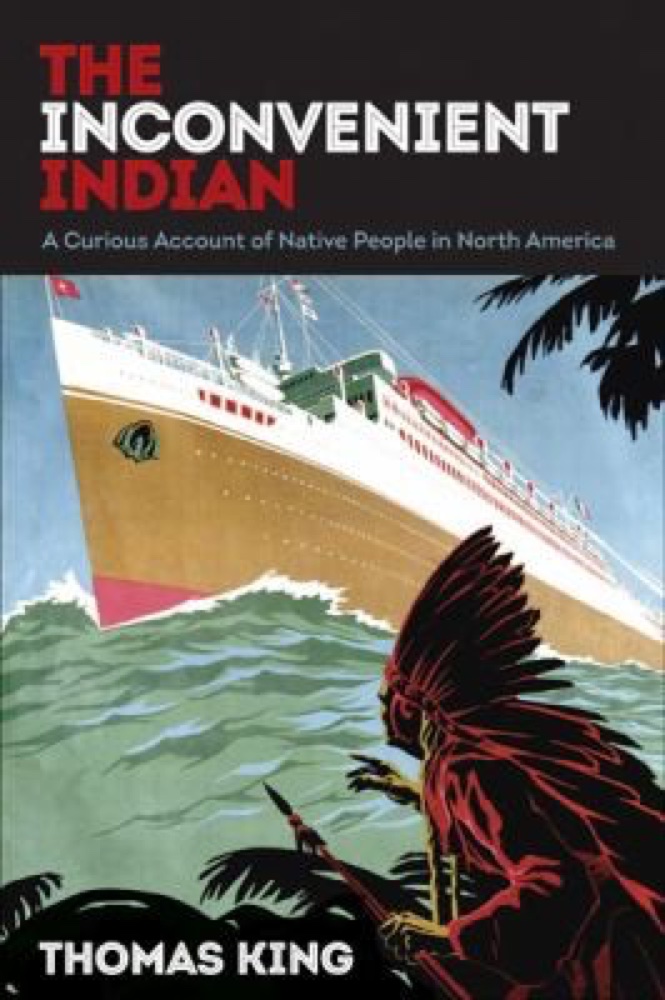 The Inconvenient Indian: A Curious Account of Native People in North America
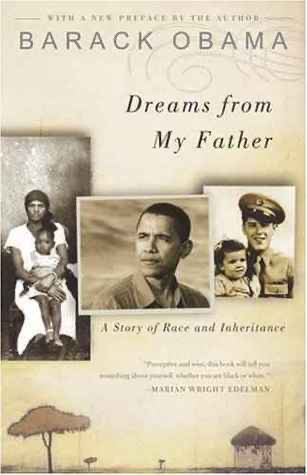 Dreams from My Father: A Story of Race and Inheritance
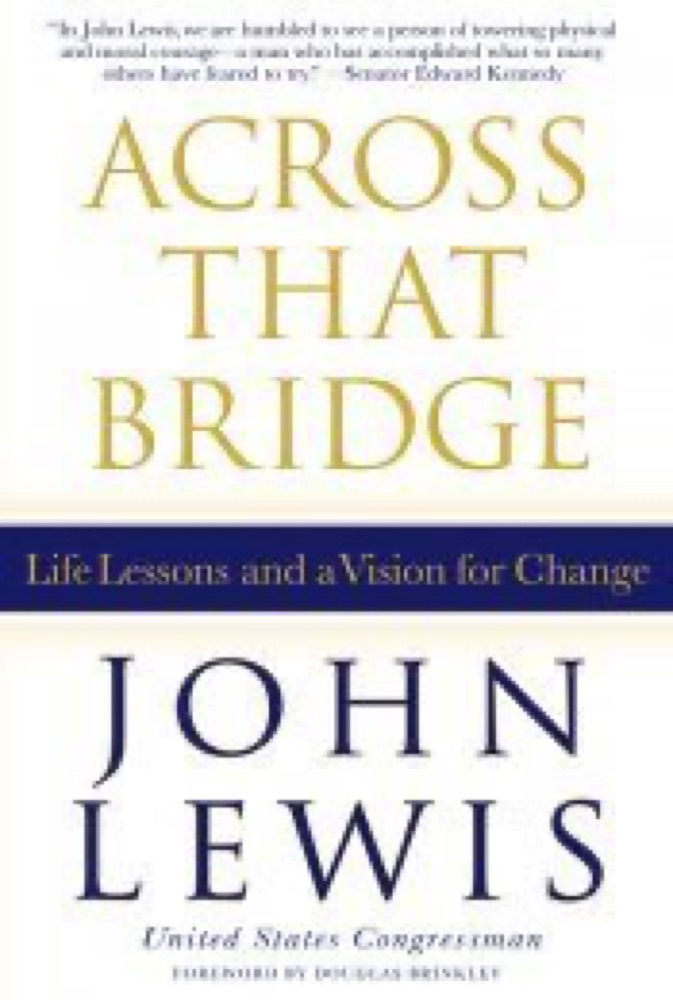 Across That Bridge: A Vision for Change and the Future of America
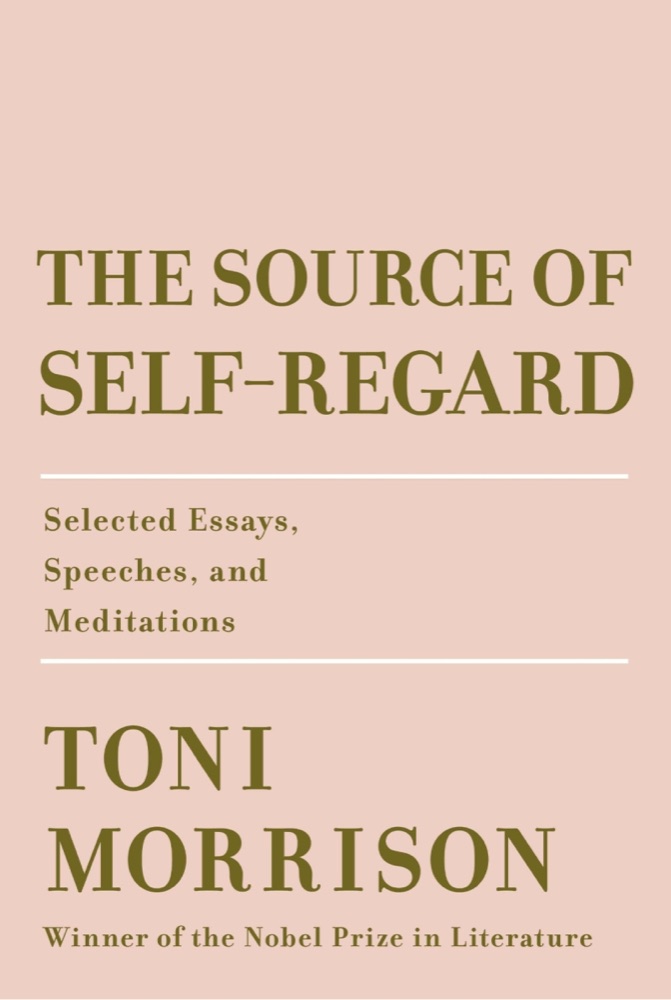 The Source of Self-Regard: Selected Essays, Speeches, and Meditations
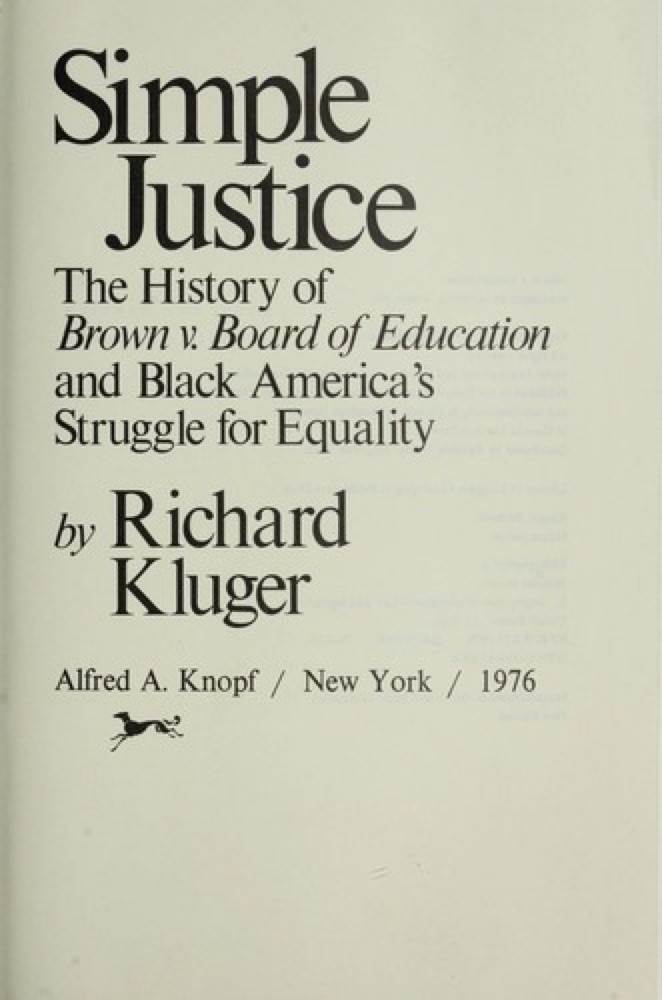 Simple Justice: The History of Brown v. Board of Education and Black America's Struggle for Equality
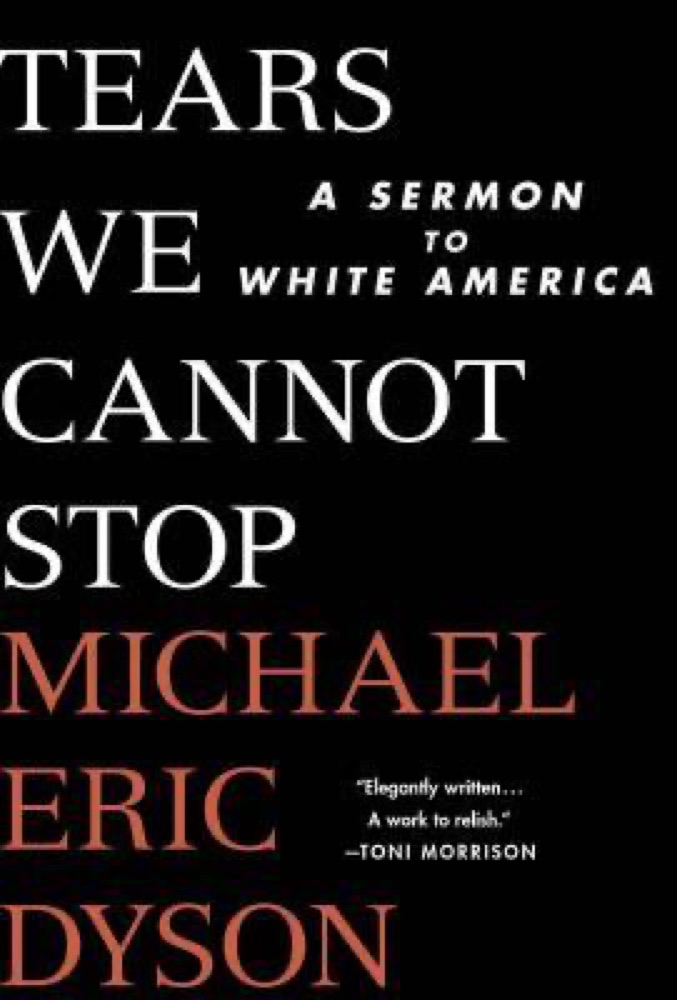 Tears We Cannot Stop: A Sermon to White America
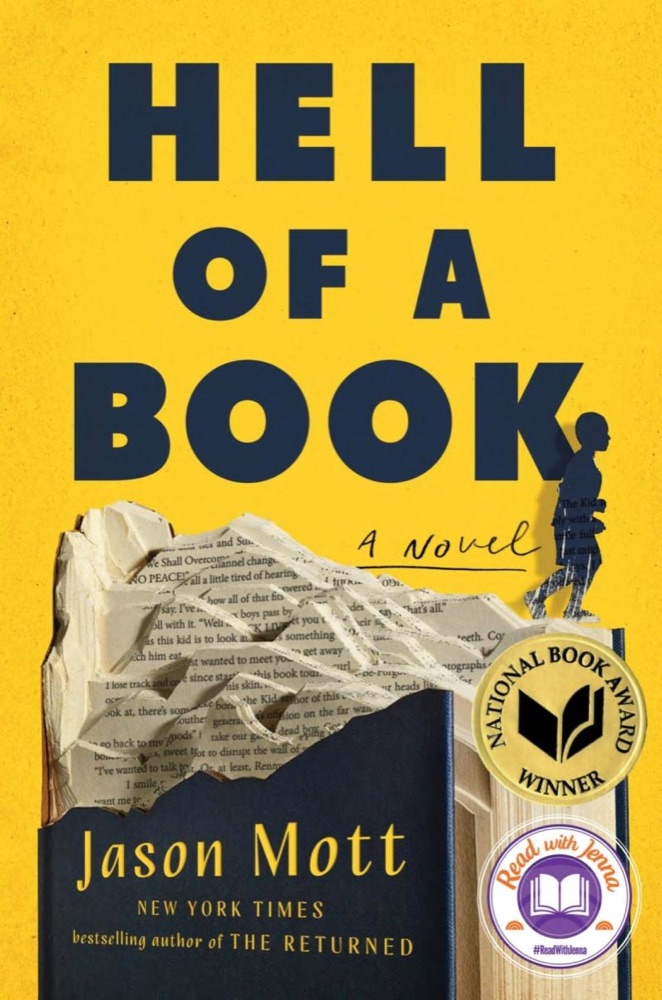 Hell of a Book
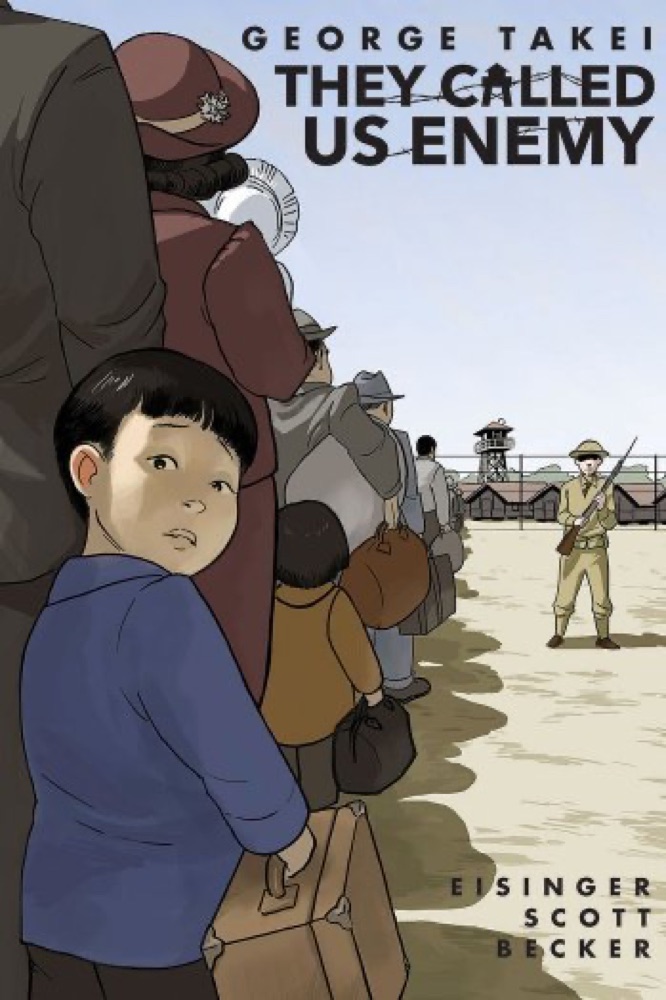 They Called Us Enemy
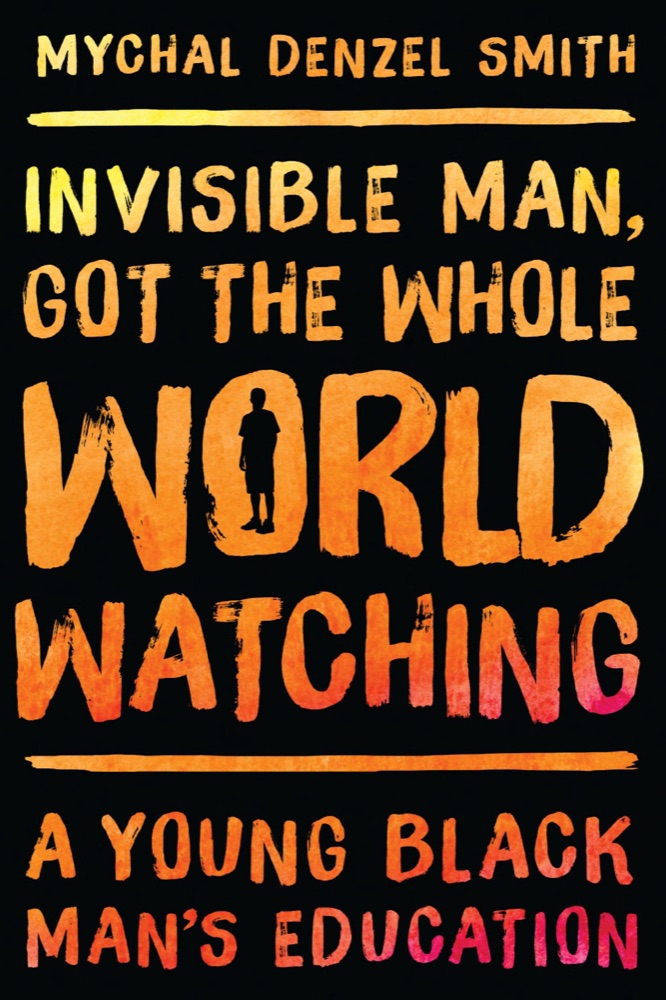 Invisible Man, Got the Whole World Watching: A Young Black Man's Education
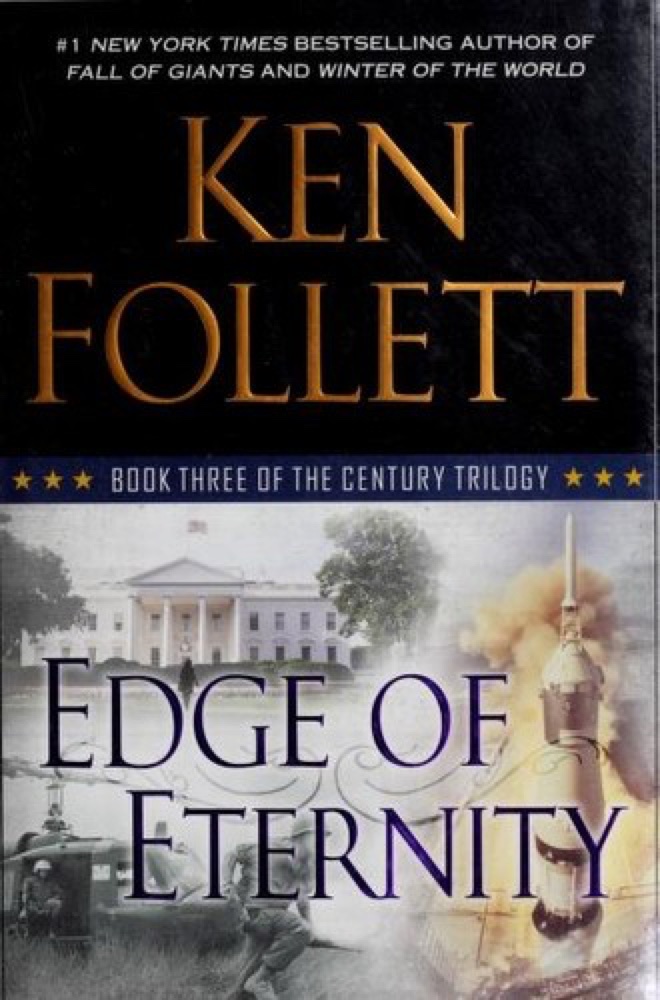 Edge of Eternity
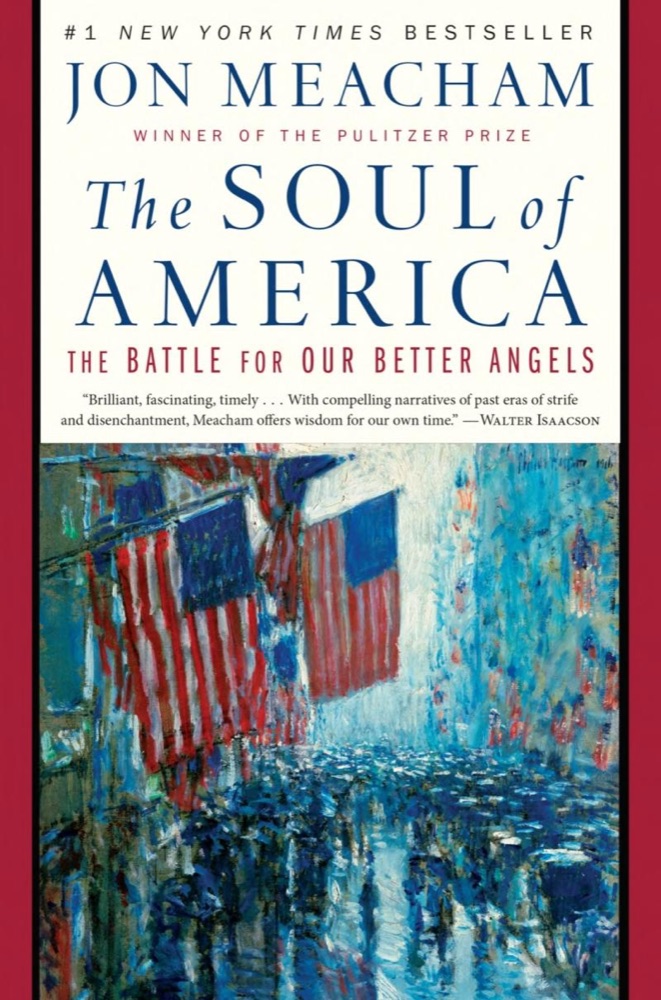 The Soul of America: The Battle for Our Better Angels
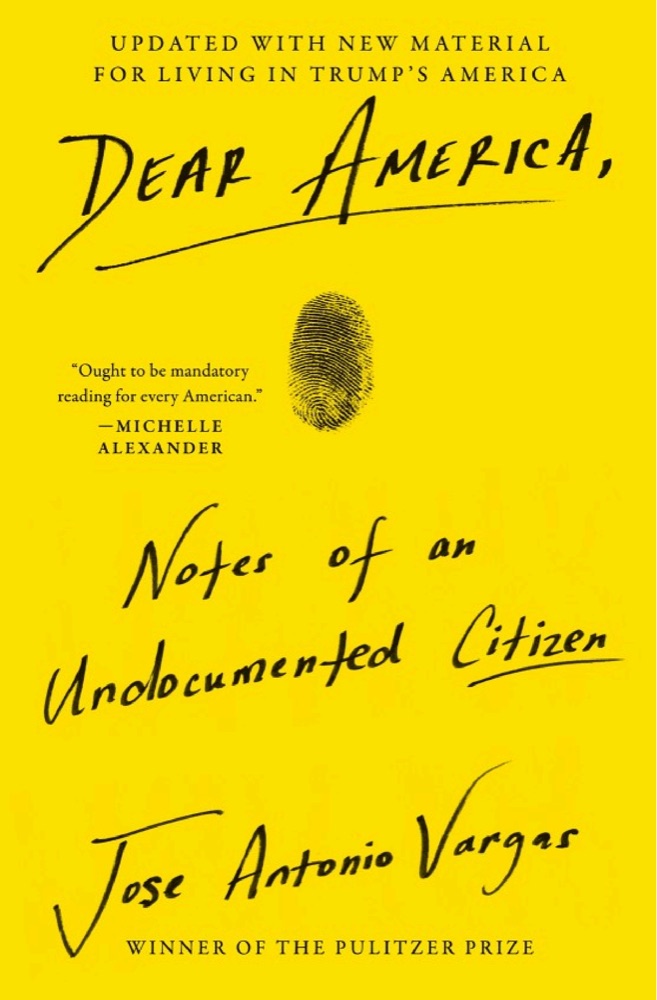 Dear America: Notes of an Undocumented Citizen
 When They Call You a Terrorist: A Black Lives Matter Memoir
 Varina