

 The Dawn of Everything: A New History of Humanity
Quotes from the Book
It is, as we know, the victors who write the history, especially when only the victors know how to write.
9
And the more you look at the history of Homo sapiens, it’s all about movement, right from the very first time they decided to leave Africa. It is this restlessness which seems a very significant factor in the way the planet was settled by humans. It does seem that we are not settled. We think we are, but we are still looking for somewhere else where something is better – where it’s warmer, it’s more pleasant. Maybe there is an element, a spiritual element, of hope in this – that you are going to find somewhere that is wonderful. It’s the search for paradise, the search for the perfect land – maybe that’s at the bottom of it all, all the time.
8
Hope as the defining human quality – an encouraging thought. What stands out for me in our journey so far of nearly two million years is the constant human striving to do things better, to make tools that are not only more efficient but also more beautiful, to explore not just environments but ideas, to struggle towards something not yet experienced.
3
As so often, how you read history depends on where you're reading it from.
1
What does a great empire do when faced with imminent invasion and destruction? It can rearm at home and seek allies abroad; but more cunningly it can revisit its history to forge a myth that will unite the people and carry them through to victory, a myth that will demonstrate to everyone that their country has been specially chosen by history to uphold justice and righteousness.
1
Seventeenth-century Europe was still largely illiterate – even in the cities no more than a third of people could read – so prints with images and just a few key words were the most effective means of mass communication. Even today we all know a well-crafted cartoon can be lethal in public debate.
1
That idea of the state as a ship and its ruler as the helmsman or captain is a very old one in European culture. It is frequently used by Cicero, and indeed our word ‘governor’ comes from the Latin for ‘helmsman’ – gubernator. Even more enticingly, the root of gubernator is the Greek kubernetes, which is also the origin of our word ‘cybernetics’; so the notions of ruling, steering and robotics all coincide in our language – and in this galleon.
1
After his death, Augustus was declared a god by the Senate, to be worshipped by the Romans. His titles Augustus and Caesar were adopted by every subsequent emperor, and the month of Sextilius was officially renamed August in his honour.
1
Augustine said, ‘We are born between faeces and urine
. . . the Native American relationship with the land is very important . . . One could not any more own the land than one could own the air above the land or the rain that fell on it or the animals that lived on it. Land is so important and place is so important to tribal people that history for them is more a function of place than of time. People are associated with a particular region, the region is the centre of their world . . . consequently, that land is so intricately bound into the very soul of most tribal people that it's not something that you trade back and forth. And when they were forced to trade lands in the early part of the nineteenth century, and to give up land, in order to survive, it was a very traumatic experience for them. Another thing to remember is that most of the religious beliefs of tribal people are site-specific, and by that I mean that their cosmology, the powers in their universe, are also tied to the particular area in which they live. - David Edmunds, Professor of American History at the University of Texas
Virtually all the accounts of the Aztec Empire were written by the Spaniards who overthrew it, so they have to be read with considerable skepticism. It is all the more important, then, to be able to examine what we can consider unadulterated Aztec sources, the things made by them that have survived.
The icon is like a pair of spectacles which you put on to see heaven . . . Orthodox Christianity believes very strongly that you and I can meet the godhead, that we can almost become like gods. It's that extraordinary, frightening statement that Western Christianity is very shy of. - Diarmaid MacCulloch, Professor of History of the Church at Oxford University
One of the striking characteristics of organized games throughout history is their capacity to transcend cultural differences, social divisions and even political unrest. Straddling the boundary between the sacred and the profane, they can be great social unifiers and dividers.
. . . what societies deem allowable as pleasure is constantly and unpredictably negotiated.
Ashoka's political and moral philosophy, as he expressed it in his imperial inscriptions, initiated a tradition of religious tolerance, non-violent debate and a commitment to the idea of happiness which has animated Indian political philosophy ever since. But - and it's a big but - his benevolent empire scarcely outlived him. And that leaves us with the uncomfortable question of whether such high ideals can survive the realities of political power. Nevertheless, this was a ruler who really did change the way that his subjects and their successors thought.
The more democratic a culture is, the harder it is to appropriate a previous leader. - Andrew Marr, political commentator and broadcaster.
Apparently, if you look at how many numbers we're likely to store in our mobile phone, or how many names we're likely to list on a social networking site, it's rare even for city dwellers to exceed a couple of hundred. Social anthropologists delightedly point out that this is the size of the social group we would have had to handle in a large Stone Age village. According to them, we're all trying to cope with modern big-city life equipped only with a Stone Age social brain. We all struggle with anonymity.
Lots of animals, particularly apes, use objects; but what sets us apart from them is that we make tools before we need them, and once we have used them we keep them to use again.
It is impossible to exaggerate how powerfully this object would affect any believer kneeling in front of it. The blood drawn by this worthless thorn will save immortal souls, and so nothing earthly can be too precious for it, neither the sapphire it stands on, nor the rock crystal that protects it, nor the ruby and pearls that frame it. This is a sermon in gold and jewels, an aid to contemplation and a source of the deepest comfort.
From having an agricultural surplus, you get the emergence of classes, because some people can live off the labour of others. You can't have a division between rich and poor when everyone produces the same goods; it only when you get a surplus product which some people can live off and others have to produce, that you get a class system, and that soon emerges into a system of power and domination. You see the e emergence of individuals who claim a divine right and that integrates with the emergence of a cosmology. You have the origin of civilization there but it's bound up with blood, with dynamics, and with personal aggrandizement.
An act of translation is always an act of betrayal.
Gold was the attribute of the great Inca sun god and represented his generative powers – gold was described as the ‘sweat of the Sun’, while silver was the ‘tears of the Moon’.
La presencia de la tranquilidad en una obra de arte apunta a una gran civilización interna, puesto que no se puede tener tranquilidad sin reflexión, sin haberse formulado las grandes preguntas sobre el propio lugar en el universo y haber respondido a ellas con un cierto grado de satisfacción. Eso es lo que significa la civilización para mí.
El hombre racional no puede dejar de luchar contra la irracionalidad bruta. Esta deshumanización del enemigo lleva a una senda peligrosa, pero constituye un magnífico grito de guerra cuando se libra un conflicto bélico. Si se pretende mantener a raya el caos. dice el mensaje, la razón tendrá que luchar una y otra vez contra la sinrazón.
The Bible understandably glosses over the disagreeable fact that Sennacherib responded by brutally seizing the cities of Judah until Hezekiah was crushed,
And the Lord was with him: and he prospered whithersoever he went forth: and he rebelled against the king of Assyria, and served him not.
Watch on YouTube
About Neil MacGregor
We have collected 26 quotes from 1 book by Neil MacGregor on BookQuoters.
More about the author →About the book
Neil MacGregor's A History of the World in 100 Objects takes a bold, original approach to human history, exploring past civilizations through the objects that defined them. Encompassing a grand sweep of human history, A History of the World in 100 Objects begins with one of the earliest surviving objects made by human hands, a chopping tool from the Olduvai gorge in Africa, and ends with objects which characterise the world we live in today. Seen through MacGregor's eyes, history is a kaleidoscope - shifting, interconnected, constantly surprising, and shaping our world today in ways that most of us have never imagined. A stone pillar tells us about a great Indian emperor preaching tolerance to his people; Spanish pieces of eight tell us about the beginning of a global currency; and an early Victorian tea-set speaks to us about the impact of empire. An intellectual and visual feast, this
Book details
- First published
- 2010
- Author
- Neil MacGregor
- Genre
- History
- Goodreads rating
- 4.19 (10k ratings)
Keep reading
The Dawn of Everything: A New History of Humanity
 Civilization: The West and the Rest
 The New Penguin History of The World
 1491: New Revelations of the Americas Before Columbus
 The Histories
 The Everlasting Man
 The Fresco
 From Dawn to Decadence: 500 Years of Western Cultural Life, 1500 to the Present
 Europe: A History
 The Years of Rice and Salt
 Our Oriental Heritage
 Magicians of the Gods: The Forgotten Wisdom of Earth's Lost Civilization
 Sapiens: A Brief History of Humankind
 A Short History of Progress
 The Discovery of India
 Persian Letters
 Too Like the Lightning
 The Story of B: An Adventure of the Mind and Spirit
 Collapse: How Societies Choose to Fail or Succeed
 The Lessons of History
 The Muqaddimah: An Introduction to History
 2312
2312
 Seven Surrenders
 Last and First Men
 Victory City
 How Should We Then Live? The Rise and Decline of Western Thought and Culture
 The Social Conquest of Earth
 Always Coming Home
 The Greek Way
 Daybreak: Thoughts on the Prejudices of Morality
 Wizard of the Crow
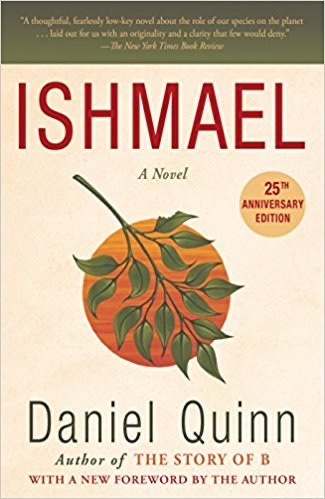 Ishmael: An Adventure of the Mind and Spirit
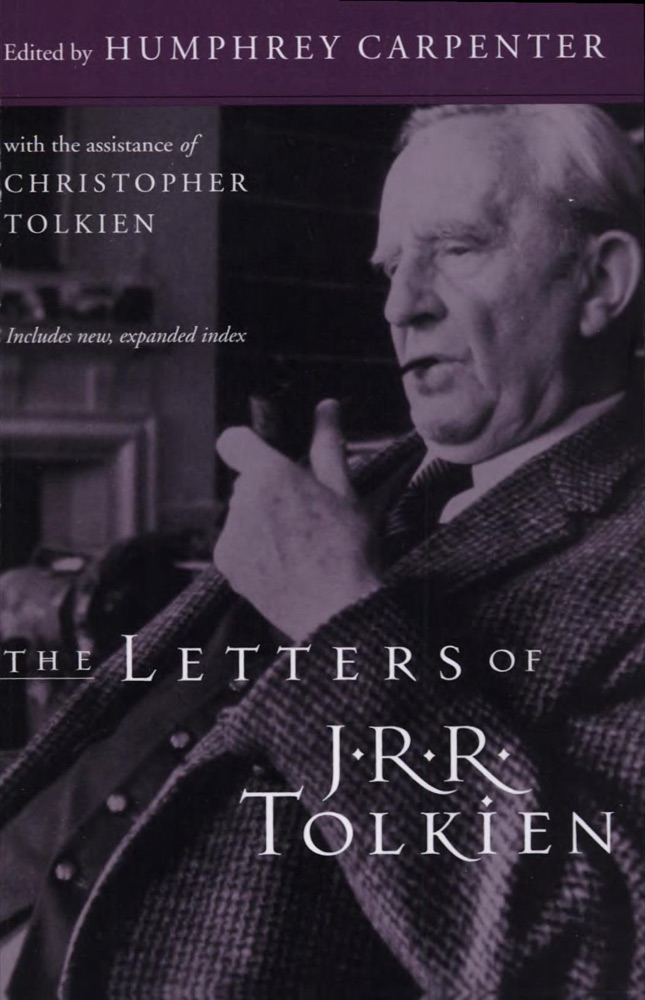 The Letters of J.R.R. Tolkien
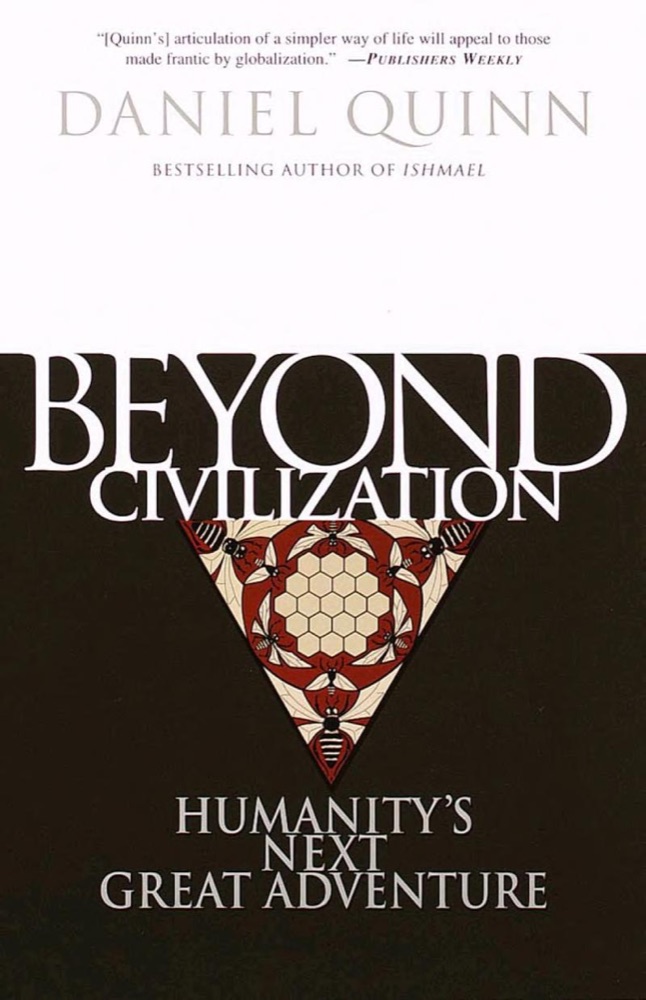 Beyond Civilization: Humanity's Next Great Adventure
 How the Irish Saved Civilization
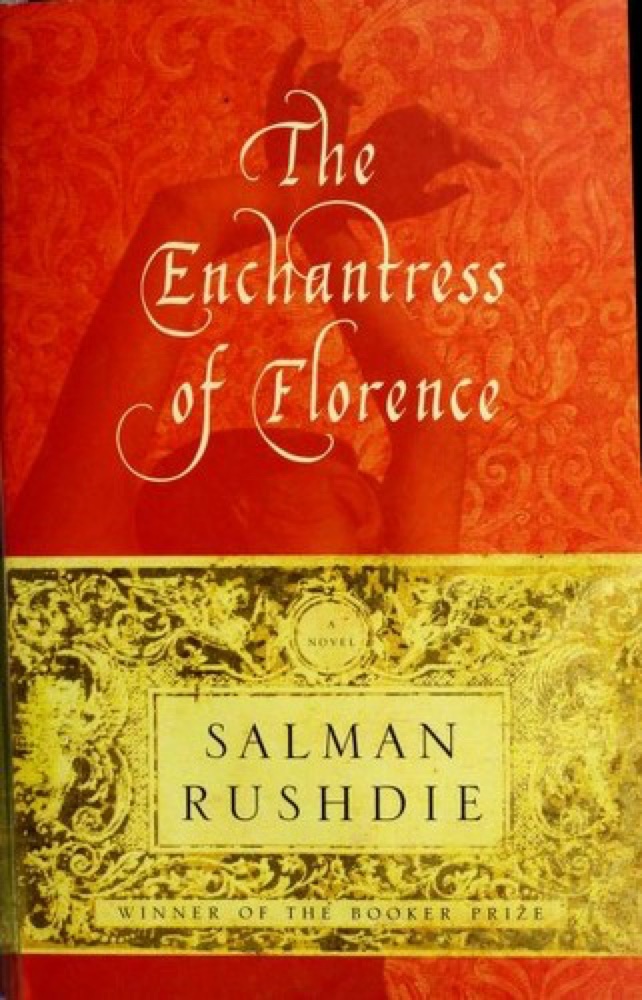 The Enchantress of Florence
 The Will to Power
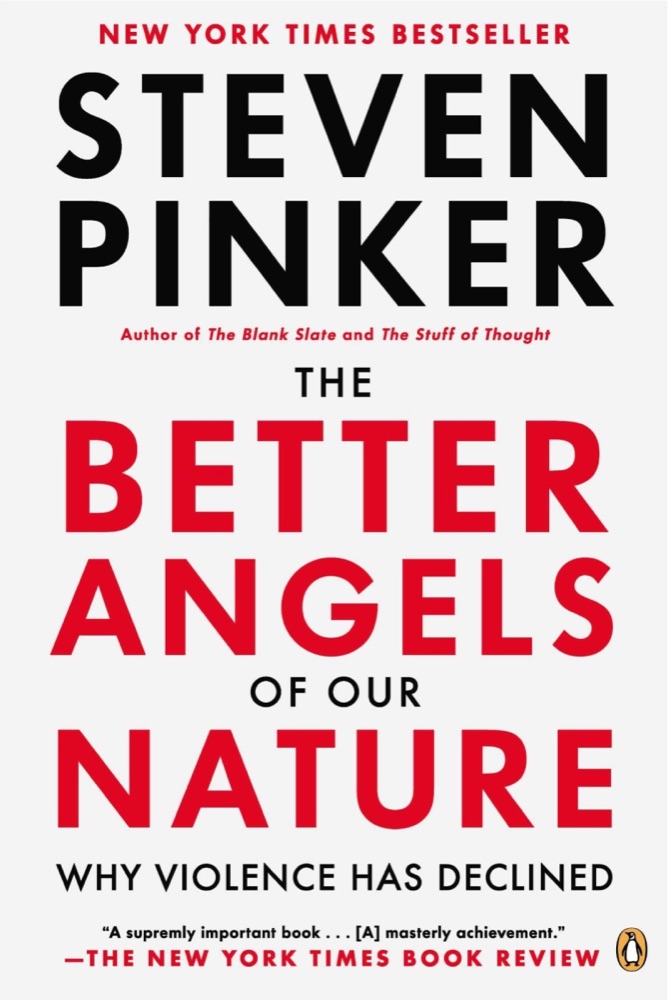 The Better Angels of Our Nature: Why Violence Has Declined
 The Historian's Craft: Reflections on the Nature and Uses of History and the Techniques and Methods of Those Who Write It.
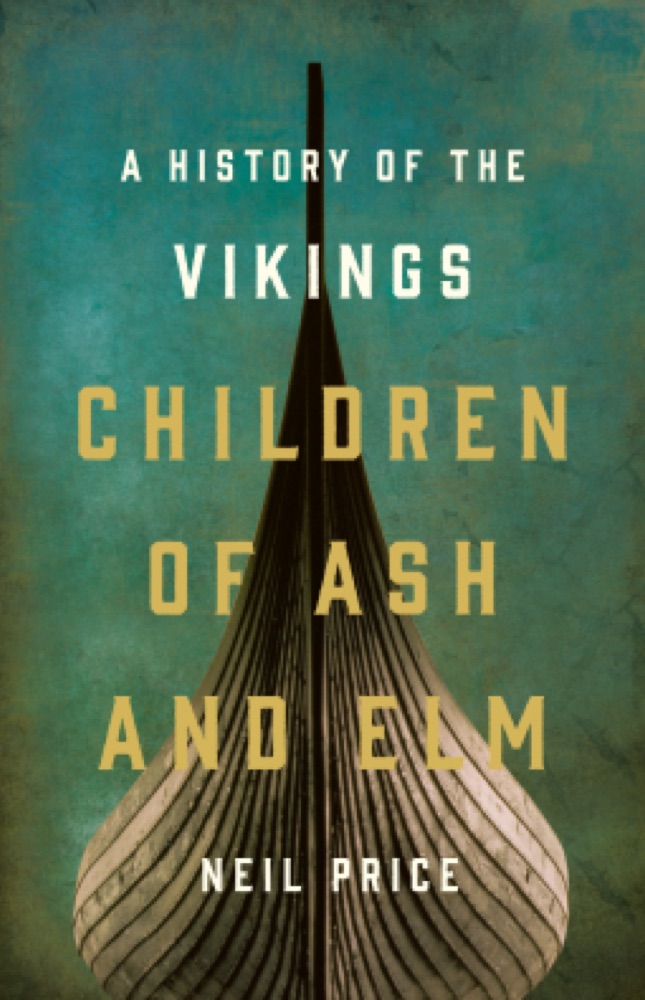 Children of Ash and Elm: A History of the Vikings
 Billions & Billions: Thoughts on Life and Death at the Brink of the Millennium
 Myths to Live By
 The Log from the Sea of Cortez
 Guns, Germs, and Steel: The Fates of Human Societies
 A People's History of the United States
 The Western Lands
 Creation Lake
 Midnight Tides
 Blue Mars
 The Wretched of the Earth
 Homo Deus: A History of Tomorrow
 Sandworms of Dune
 Parable of the Talents
 The Wizard and the Prophet: Two Remarkable Scientists and Their Dueling Visions to Shape Tomorrow's World
 House Corrino
 The Discarded Image: An Introduction to Medieval and Renaissance Literature
 The Occult
 God Emperor of Dune
 Caesar and Christ
 Imperium