
 Persian Letters
Quotes from the Book
Throughout history many nations have suffered a physical defeat, but that has never marked the end of a nation. But when a nation has become the victim of a psychological defeat, then that marks the end of a nation.
139
People justify their own subservience to pleasure by citing men and women of the past who allegedly did the same things they are doing.
11
No one can stand up against the authority of truth, and the evil of falsehood is to be fought with enlightening speculation.
11
History, therefore, is firmly rooted in philosophy. It deserves to be accounted a branch of philosophy.
7
When trouble arose between 'All and Mu'awiyah as a necessary consequence of group feeling, they were guided in (their dissensions) by the truth and by independent judgment. They did not fight for any worldly purpose or over preferences of no value, or for reasons of personal enmity. This might be suspected, and heretics might like to think so. However, what caused their difference was their independent judgment as to where the truth lay. It was on this matter that each side opposed the point of view of the other. It was for this that they fought. Even though 'Ali was in the right, Mu'awiyah's intentions were not bad ones. He wanted the truth, but he missed (it). Each was right in so far as his intentions were concerned.
6
Muhammad said: Every infant is born in the natural state. It is his parents who make him a Jew or a Christian or a heathen.
5
Dynasty and government serve as the world's market place, attracting to it the products of scholarship and craftsmanship alike. Wayward wisdom and forgotten lore turn up there. In this market stories are told and items of historical information are delivered. Whatever is in demand on this market is in general demand everywhere else. Now, whenever the established dynasty avoids injustice, prejudice, weakness, and double-dealing, with determination keeping to the right path and never swerving from it, the wares on its market are as pure silver and fine gold. However, when it is influenced by selfish interests and rivalries, or swayed by vendors of tyranny and dishonesty, the wares of its market place become as dross and debased metals. The intelligent critic must judge for himself as he looks around, examining this, admiring that, and choosing this.
5
[T]he purpose of human beings is not only their worldly welfare. This entire world is trifling and futile. It ends in death and annihilation. The purpose of human beings is their religion, which leads them to happiness in the other world.
5
The knowledge that has not come down to us is larger than the knowledge that has.
4
Government decisions are as a rule unjust, because pure justice is found only in the legal caliphate that lasted only a short while.
4
[I]njustice can be committed only by persons who cannot be touched, only by persons who have power and authority.
4
In the case of all human qualities, the extremes are reprehensible, and the middle road is praiseworthy.
3
The intellect (mind), indeed, is a correct scale. Its indications are completely certain and in no way wrong. However, the intellect should not be used to weigh such matters as the oneness of God, the other world, the truth of prophecy, the real character of the divine attributes, or anything else that lies beyond the level of the intellect. That would mean to desire the impossible. One might compare it with a man who sees a scale in which gold is being weighed, and wants to weigh mountains in it. The (fact that this is impossible) does not prove that the indications of the scale are not true (when it is used for its proper purpose). However, there is a limit at which the intellect must stop. It cannot go beyond its own level. Thus, it cannot comprehend God and His attributes. It is but one of the atoms of the world of existence which results from (God). This shows that those who give the intellect preference over (traditional) information in such matters are wrong, deficient in understanding, and faulty in reasoning. This, then, explains the true situation in this respect.
2
Every realm may have as large a militia as it can hold and support, but no more.
2
The capital of knowledge that an individual scholar has to offer is small. Admission (of one’s shortcomings) saves from censure.
1
We, on the other hand, were inspired by God. He led us to a science whose truth we ruthlessly set forth. If I have succeeded in presenting the problems of this science exhaustively and in showing how it differs in its various aspects and characteristics from all other crafts, this is due to divine guidance. If, on the other hand, I have omitted some point, or if the problems have got confused with something else, the task of correcting remains for the discerning critic, but the merit is mine since I cleared and marked the way. God guides with His light whom He will.
1
Watch on YouTube
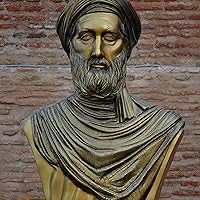
About Ibn Khaldun
We have collected 16 quotes from 1 book by Ibn Khaldun on BookQuoters.
More about the author →About the book
كتاب في التاريخ وعلم الإجتماع، هذا الكتاب مقدمة لكتاب في التاريخ، أراد فيه ابن خلدون أن يشرح علم التاريخ وأحوال المجتمعات وسياستها وأسباب نشوئها، فإن كان علم الإجتماع يعود لمؤسس فلا شك أنه يعود لابن خلدون، وتعتبر المقدمة مرجعا مهما لكل باحث في التاريخ أو علم الإجتماع أو باحث في أسباب نشوء الأمم أو جغرافية وحدود كثير من الدول في تلك الفترة، سواء كان الباحث عربي أو أجنبي
Book details
- First published
- 1377
- Author
- Ibn Khaldun
- Genre
- History
- Goodreads rating
- 4.31 (5k ratings)
Keep reading
Persian Letters
 Philosophical Dictionary
 On the Genealogy of Morals
 Heretics
 Children of Dune
 The Age of Reason
 Daybreak: Thoughts on the Prejudices of Morality
 Common Sense
 God Emperor of Dune
 The Story of My Experiments With Truth
 From Dawn to Decadence: 500 Years of Western Cultural Life, 1500 to the Present
 The Better Angels of Our Nature: Why Violence Has Declined
 The Parafaith War
 No god but God: The Origins, Evolution and Future of Islam
 The Everlasting Man
 Theological-Political Treatise
 The Future of an Illusion
 The Laws of Plato
 On Liberty
 A Little History of Religion
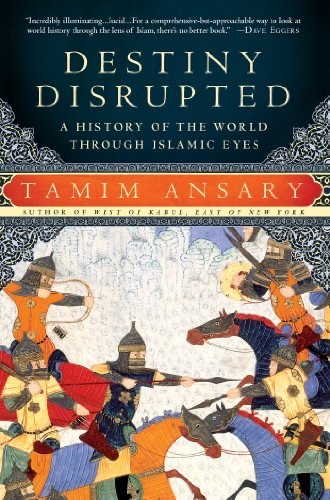 Destiny Disrupted: A History of the World Through Islamic Eyes
 The World's Last Night: And Other Essays
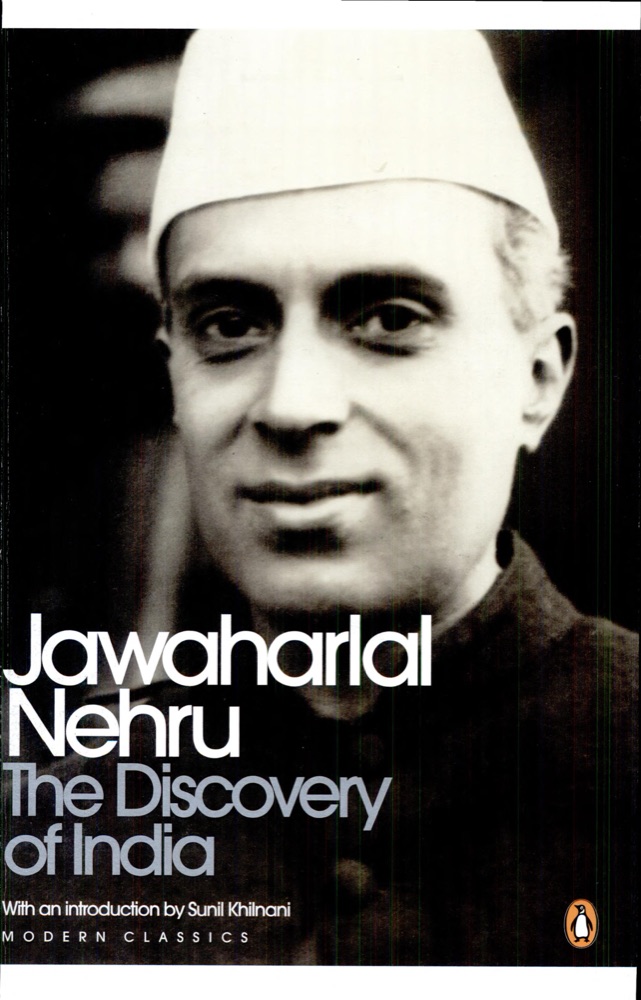 The Discovery of India
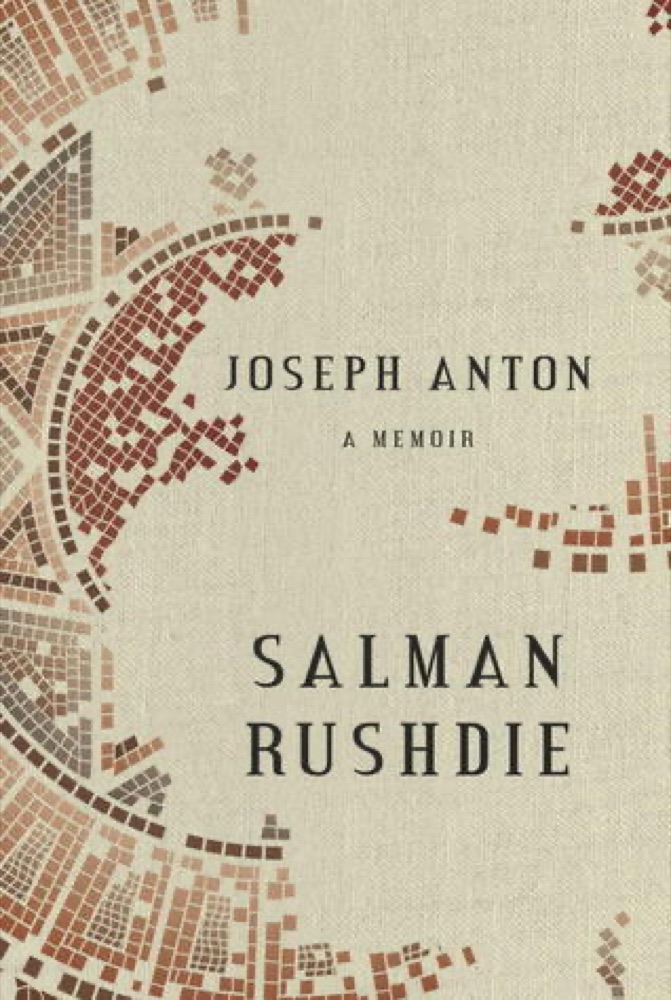 Joseph Anton: A Memoir
 Arguably: Selected Essays
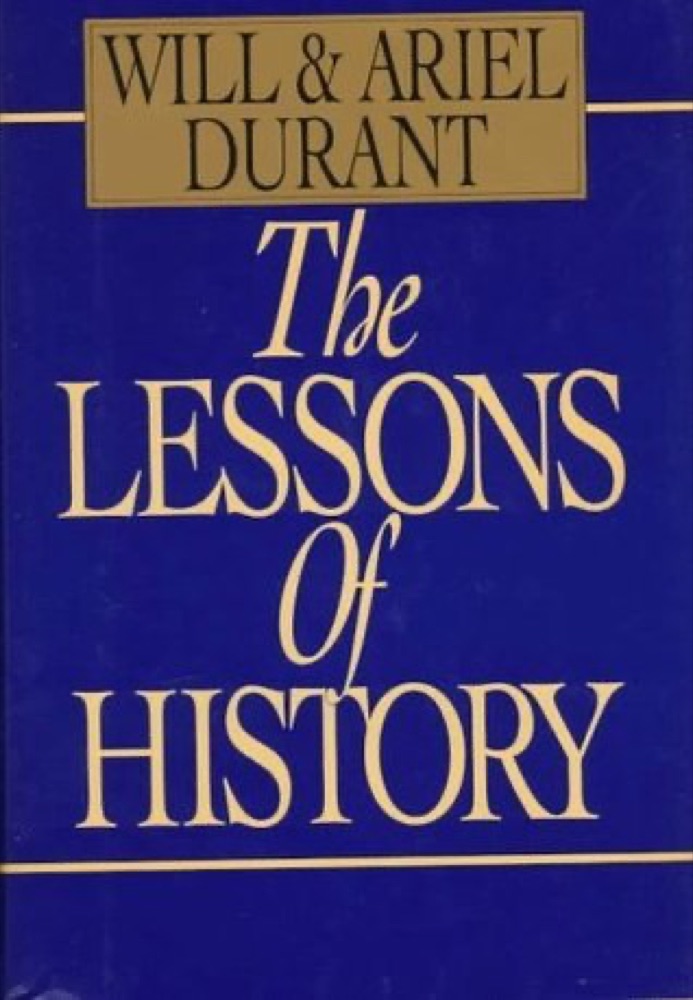 The Lessons of History
 A History of the World in 100 Objects
 The Perennial Philosophy
 The Will to Power
 Rights of Man
 The Republic
 The Crisis of the Modern World
 A Canticle for Leibowitz
 The Immortals of Meluha
 Critique of Pure Reason
 Moses and Monotheism
 Julian
 Too Like the Lightning
 On the Republic / On the Laws
 Reflections on the Revolution in France
 Letters and Papers from Prison
 Leviathan
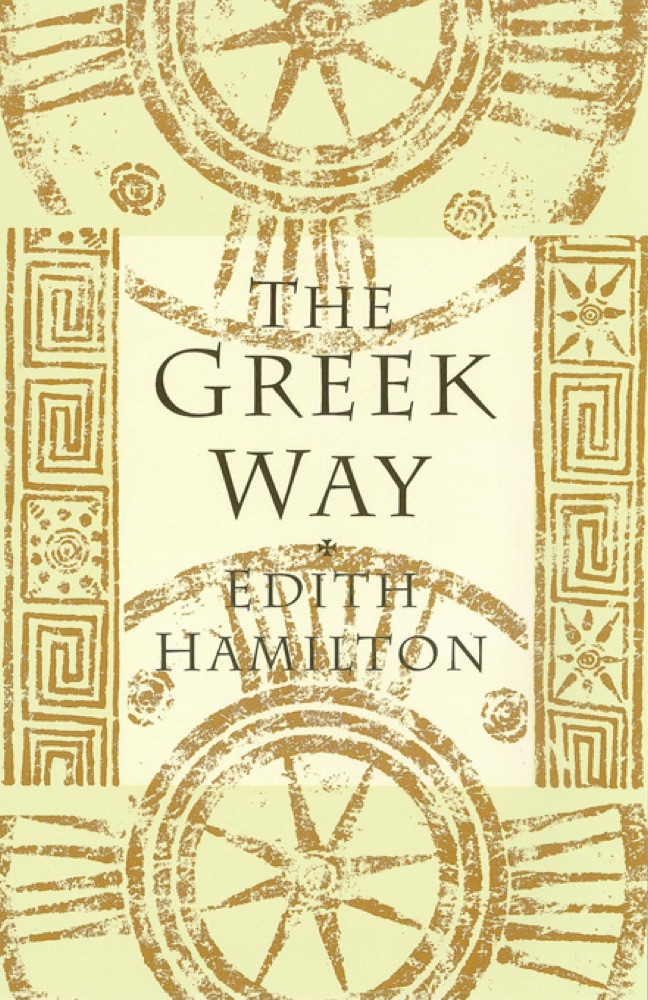 The Greek Way
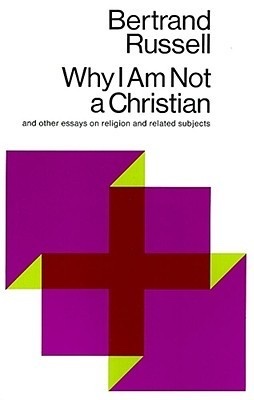 Why I Am Not a Christian and Other Essays on Religion and Related Subjects
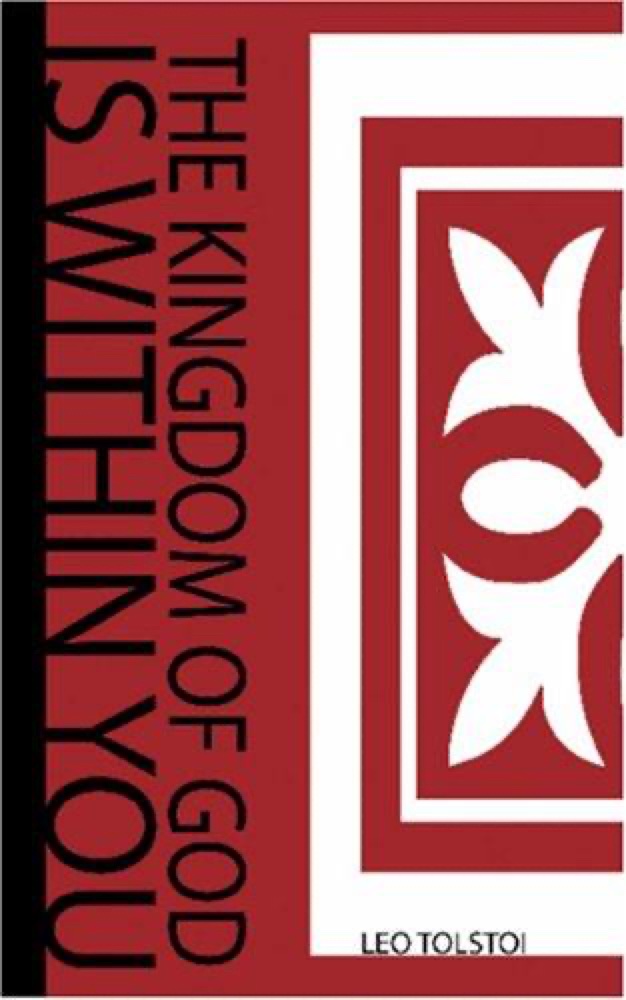 The Kingdom of God Is Within You
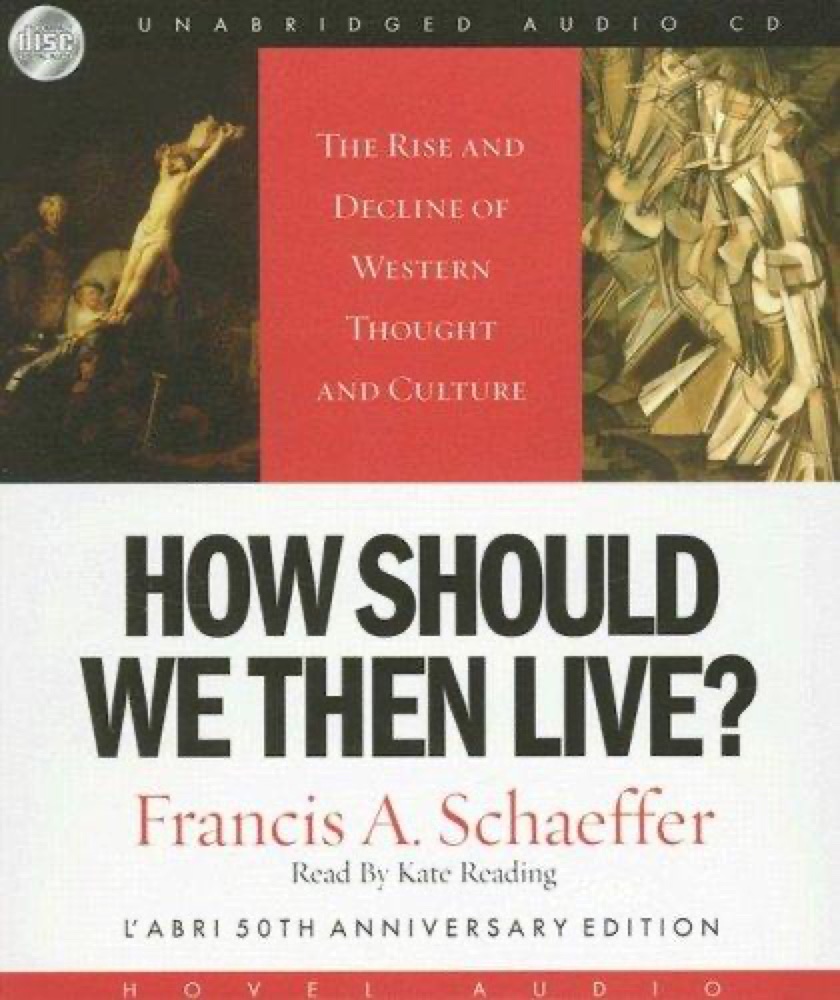 How Should We Then Live? The Rise and Decline of Western Thought and Culture
 The Story of B: An Adventure of the Mind and Spirit
 House Corrino
 The Case for God
 An Essay Concerning Human Understanding
 Our Oriental Heritage
 Infidel
 The Years of Rice and Salt
 Forge of Darkness
 Midnight Tides
 Anarchy, State, and Utopia
 The Abolition of Man
 The Closing of the American Mind
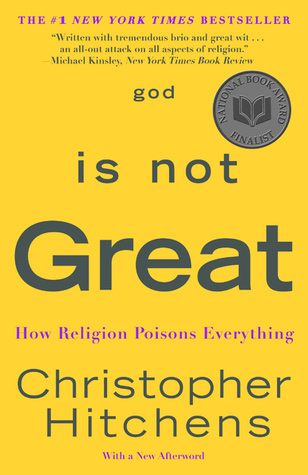 god is Not Great: How Religion Poisons Everything
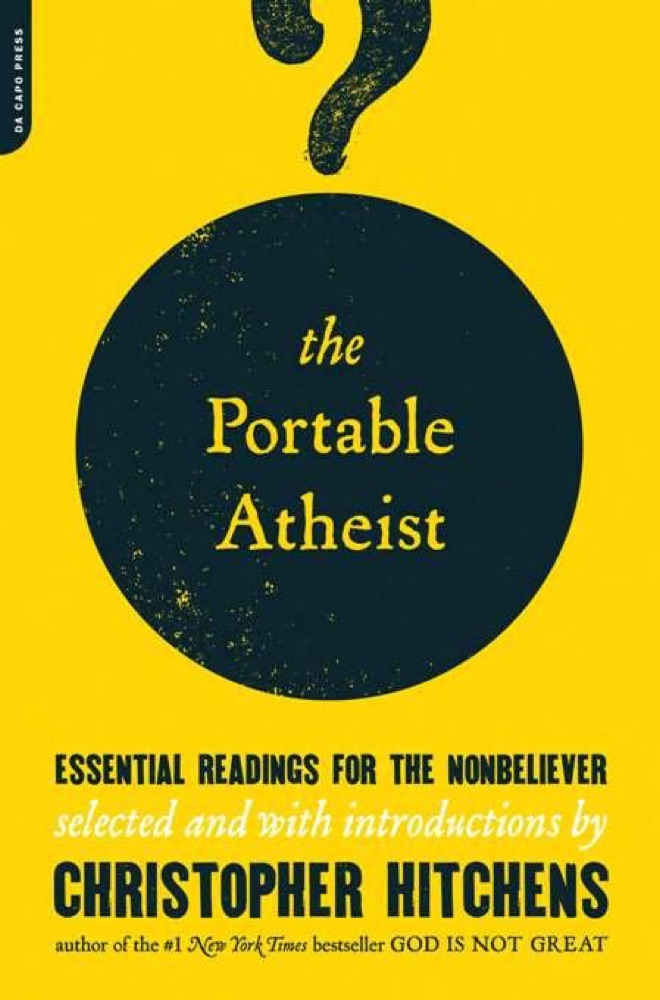 The Portable Atheist: Essential Readings for the Nonbeliever