
 John Adams
Quotes from the Book
When bad news is riding high and despair in fashion, when loud mouths and corruption seem to own center stage, when some keep crying that the country is going to the dogs, remember it’s always been going to the dogs in the eyes of some, and that 90 percent, or more, of the people are good people, generous-hearted, law-abiding, good citizens who get to work on time, do a good job, love their country, pay their taxes, care about their neighbors, care about their children’s education, and believe, rightly, as you do, in the ideals upon which our way of life is founded.
13
History isn’t just something that ought to be taught, read, or encouraged only because it will make us better citizens. It will make us a better citizen and it will make us more thoughtful and understanding human beings. It should be taught for the pleasure it provides. The pleasure of history, like art or music or literature, consists in an expansion of the experience of being alive,
13
Why do some men reach for the stars and so many others never even look up?
9
The lessons of history are manifold. Nothing happens in isolation. Everything that happens has consequences. We are all part of a larger stream of events, past, present, and future. We are all the beneficiaries of those who went before us--who built the cathedrals, who braved the unknown, who gave of their time and service, and who kept faith in the possibilities of the mind and the human spirit. An astute observer of old wrote that history is philosophy taught with examples. Harry Truman liked to say that the only new thing in the world is the history you don't know. From history we learn that sooner is not necessarily better than later ... that what we don't know can often hurt us and badly ... and that there is no such thing as a self-made man or woman. A sense of history is an antidote to self-pity and self-importance, of which there is too much in our time. To a large degree, history is a lesson in proportions.
8
Read history. By all means read history. We are all where we are, each of us, because others helped.
8
Washington, who regretted all his life that he never had the advantage of a formal education, wrote, “Knowledge is in every country the surest basis of public happiness.
8
One of my favorite lines from an inaugural address is this—I wonder if you remember who said it? “How can we love our country and not love our countrymen? And loving them, reach out a hand when they fall, heal them when they’re sick, and provide opportunities to make them self-sufficient so they will be equal in fact and not just in theory.” It was said by Ronald Reagan.
8
Keep in mind that when we were founded by those Americans of the eighteenth century, non had had any prior experience in revolutions or nation making. They were, as we would say, winging it. They were idealistic and they were young. We see their faces in the old paintings done later in their lives or looking at us from the paper money in our wallets, and we see the awkward teeth and the powdered hair, and we think of them as elder statesmen. But George Washington, when he took command of the Continental Army at Cambridge in 1775, was forty-three, and he was the oldest of them. Jefferson was thirty-three when he wrote the Declaration of Independence. John Adams was forty. Benjamin Rush - one of the most interesting of them all - was thirty when he signed the Declaration. They were young people, feeling their way, improvising, trying to do what would work. They had no money, no navy, no real army. There wasn't a bank in the entire country. It was a country of just 2,500,000 people, 500,000 of whom were held in slavery. And think of this: Few nations in the world know when they were born. We know exactly when we began and why we began and who did it.
7
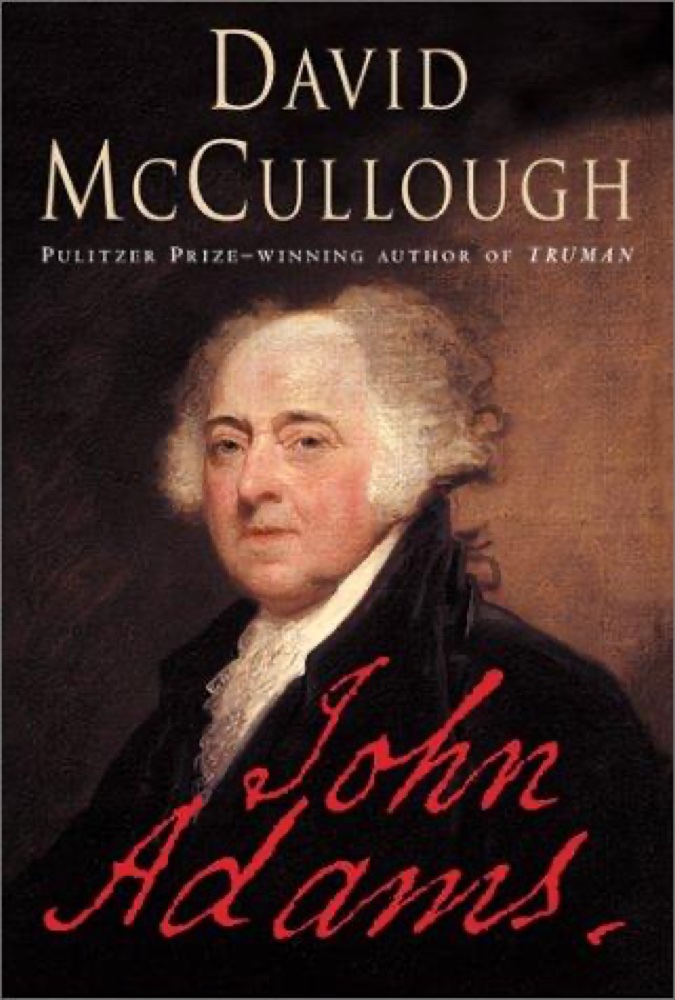
But let us not forget, too, that it was John Adams who nominated George Washington to be commander-in-chief of the Continental Army. It was John Adams who insisted that Jefferson be the one to write the Declaration of Independence. And it was President John Adams who made John Marshall chief justice of the Supreme Court. As a casting director alone, he was brilliant. Abigail
7
Had they taken a poll in Philadelphia in 1776, they would have scrapped the whole idea of independence. A third of the country was for it, a third of the country was against it, and the remaining third, in the old human way, was waiting to see who came out on top.
6
Margaret Chase Smith “I speak as a Republican,” she said on that memorable day in the Senate. “I speak as a woman. I speak as a United States Senator. I speak as an American. I don’t want to see the Republican Party ride to political victory on the four horsemen of calumny—fear, ignorance, bigotry and smear.
6
It might never have happened. That’s among the most important lessons of history . . . and of life. There is so much around us that might never have happened were it not for a host of qualities called imagination, commitment, courage, creativity, and determination in the face of obstacles—that maybe most of all.
6
Read books. Try to understand the reason why things happen, why they are as they are. If you see only the surface phenomena, then the world becomes extremely confusing, ever more unsettling. But if the reasons are understood there's a kind of simplicity that emerges.
5
Take an interest in people. Get to know people. Get to know what they've been through before you pass judgment. That's essential.
5
These are strong, clear declarations of faith in education as the bulwark of freedom. For self-government to work, the people must be educated
5
When our founders spoke of the “pursuit of happiness,” they did not mean long vacations or the piling up of things. Happiness was in the enlargement of one’s being through the life of the mind and of the spirit.
5
it seems to me that one of the truths about history that needs to be made clear to a student or to a reader is that nothing ever had to happen the way it happened. History could have gone off in any number of different directions in any number of different ways at almost any point, just as your own life can. You never know. One thing leads to another. Nothing happens in a vacuum, Actions have consequences.... And just as we don't know how things are going to turn out for us, those who went before us didn't either. It's all too easy to stand on the mountaintop as a historian or biographer and find fault with people for why they did this or didn't do that, because we're not involved in it, we're not there inside it, we're not confronting what we don't know--as those who preceded us were.
5
The world needs you. There is large work to be done, good work, and you can make a difference. Whatever your life work, take it seriously and enjoy it. Let’s never be the kind of people who do things lukewarmly. If you’re going to ring the bell, give the rope one hell of a pull. I wish you the fullest lives possible—full of love and bells ringing.
5
Beware the purists, the doctrinaires. It has been by the empirical method largely, by way of trial and error, that we have come so far. America itself is an experiment and we must bear that always in mind.
3
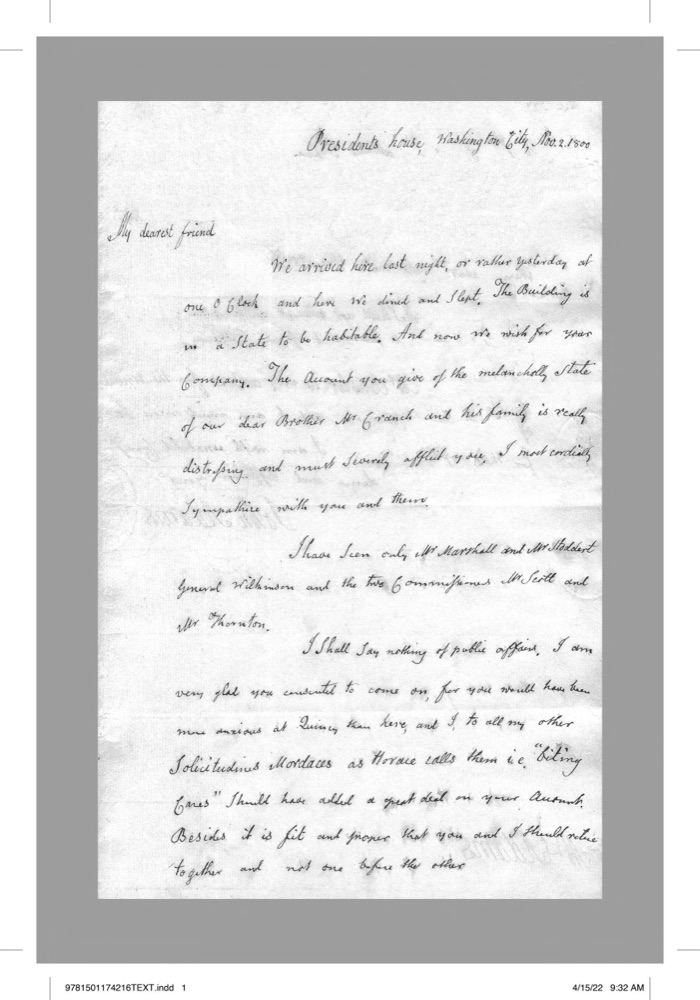
I pray heaven,” Adams wrote, “to bestow the best of blessings on this house, and all that shall hereafter inhabit it. May none but honest and wise men ever rule under this roof.
3
Nothing happens in isolation. Everything that happens has consequences. We
3
Two all-important lessons of history stand clearly expressed in this our national Capitol. The first is that little of consequence is ever accomplished alone. High achievement is nearly always a joint effort, as has been shown again and again in these halls when the leaders of different parties, representatives from differing constituencies and differing points of view, have been able, for the good of the country, to put those differences aside and work together.
2
The Massachusetts constitution states that "Wisdom and knowledge, as well as virtue, diffused generally among the body of people [are] necessary for the preservation of their rights and liberties." It was the "duty" of the government, [John] Adams wrote, to educate everybody. The Northwest Ordinance reads, "Religion, morality, and knowledge being necessary to good government and the happiness of mankind, schools and means of education shall be forever encouraged." These are strong, clear declarations of faith in education as the bulwark of freedom. For self-government to work, the people must be educated.
2
You have to know what people have been through to understand what people want and what they don't want. That's the nub of it. And what people have been through is what we call history.
2
We’re all what we read to a very considerable degree.
2
Lord Bolingbroke, who was an eighteenth-century political philosopher, called history “philosophy taught with examples.
2
The core of such a program, I suggest, should be history, for the specific and realistic reason that all problems have histories and the wisest route to a successful solution to nearly any problem begins with understanding its history.
1
Read a wise and sparkling book called While the Music Lasts by an author named William Bulger. See especially page 19, where he describes his own discovery of books.
1
And read you will. Read for pleasure. Read to enlarge your lives. Read history, read biography, learn from the lives of others. Read Marcus Aurelius and Yeats. Read Cervantes and soon; don’t wait until you’re past fifty as I did. Read Emerson and Willa Cather, Flannery O’Connor and Langston Hughes.
1
Watch on YouTube
About David McCullough
We have collected 259 quotes from 11 books by David McCullough on BookQuoters.
More about the author →
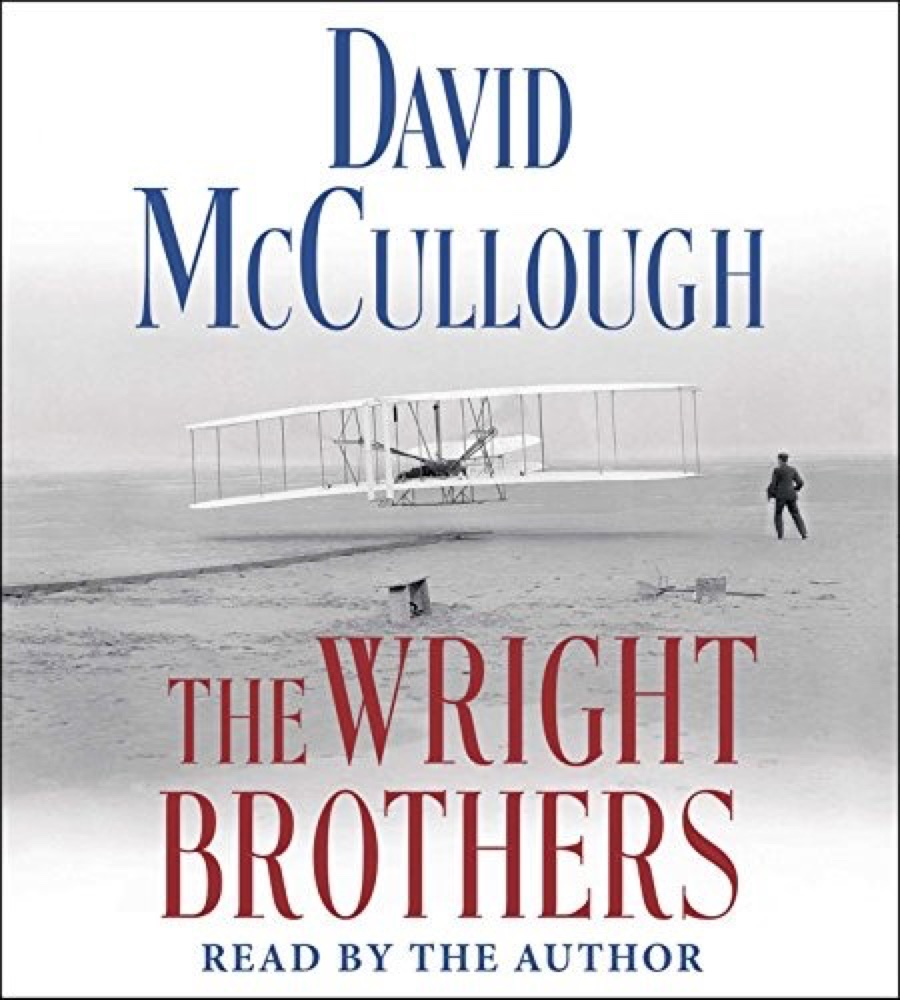
About the book
A New York Times BestsellerA timely collection of speeches by David McCullough, the most honored historian in the United States—winner of two Pulitzer Prizes, two National Book Awards, and the Presidential Medal of Freedom, among many others—that reminds us of fundamental American principles.Over the course of his distinguished career, David McCullough has spoken before Congress, the White House, colleges and universities, historical societies, and other esteemed institutions. Now, at a time of self-reflection in America following a bitter election campaign that has left the country divided, McCullough has collected some of his most important speeches in a brief volume designed to identify important principles and characteristics that are particularly American. The American Spirit reminds us of core American values to which we all subscribe, regardless of which region we live in, which p
Book details
- First published
- 2017
- Author
- David McCullough
- Genre
- History
- Goodreads rating
- 4.22 (7k ratings)
The buzz
- The Wall Street JournalReview in The Wall Street Journalprofessional review (via Book Marks)
- NPRReview in NPRprofessional review (via Book Marks)
- Kirkus ReviewsReview in Kirkus Reviewsprofessional review (via Book Marks)
- LA Review of BooksReview in LA Review of Booksprofessional review (via Book Marks)
- Washington Independent Review of BooksReview in Washington Independent Review of Booksprofessional review (via Book Marks)
- BooklistReview in Booklistprofessional review (via Book Marks)
Keep reading
 The Small and the Mighty: Twelve Unsung Americans Who Changed the Course of History, from the Founding to the Civil Rights Movement
 These Truths: A History of the United States
 The Soul of America: The Battle for Our Better Angels
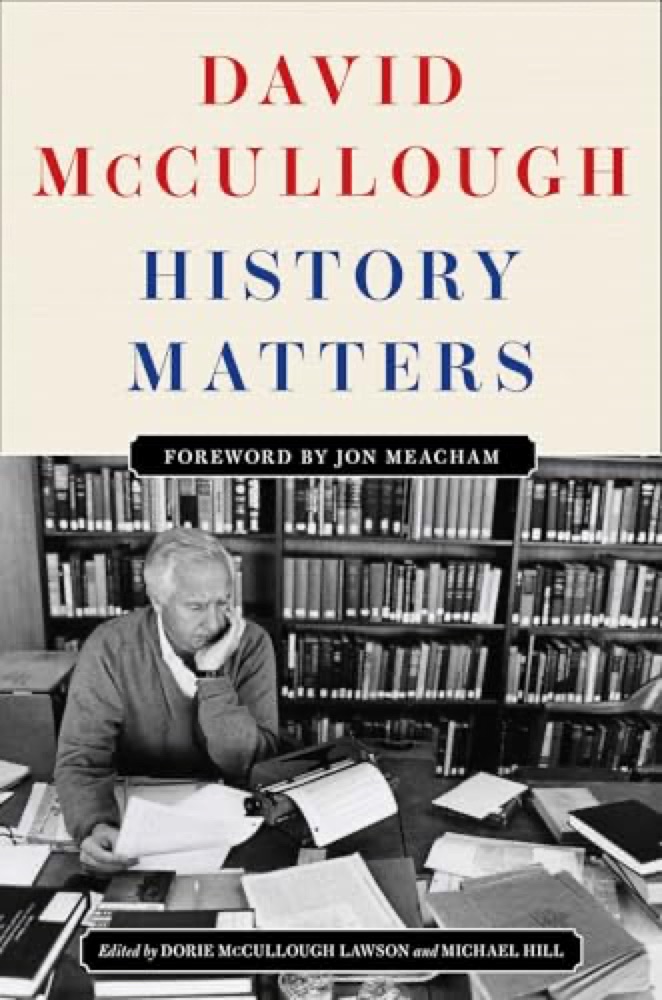 History Matters
 Across That Bridge: A Vision for Change and the Future of America
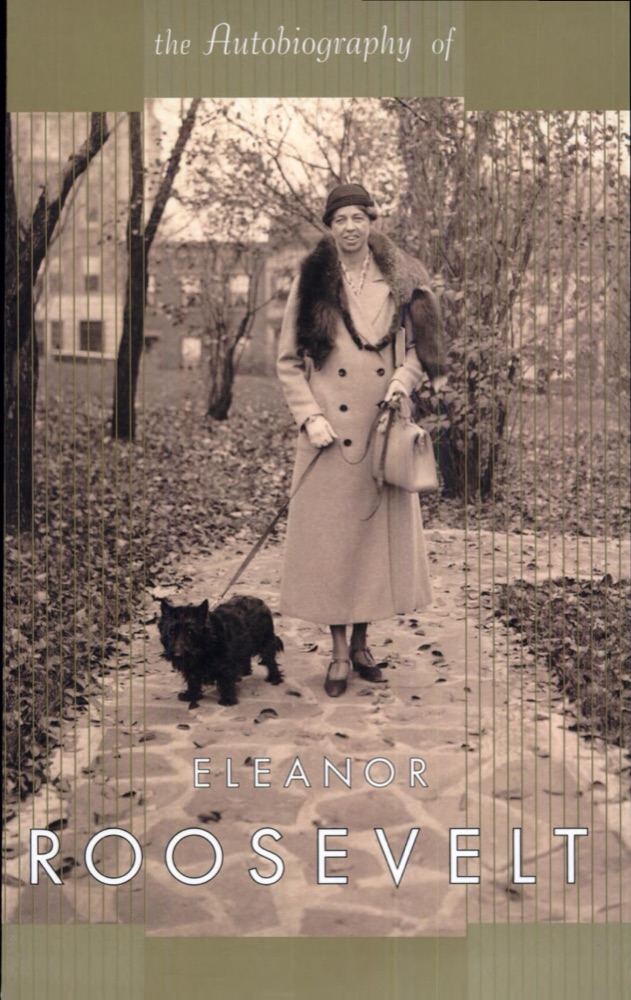 The Autobiography of Eleanor Roosevelt
 A People's History of the United States
 You Can't Be Neutral on a Moving Train: A Personal History of Our Times
 What Unites Us: Reflections on Patriotism
 Promises to Keep: On Life and Politics
John Adams
Promises to Keep: On Life and Politics
John Adams
 A Promised Land
 United: Thoughts on Finding Common Ground and Advancing the Common Good
 One Nation: What We Can All Do to Save America's Future
 The Greatest Sentence Ever Written
 Education of a Wandering Man: A Memoir
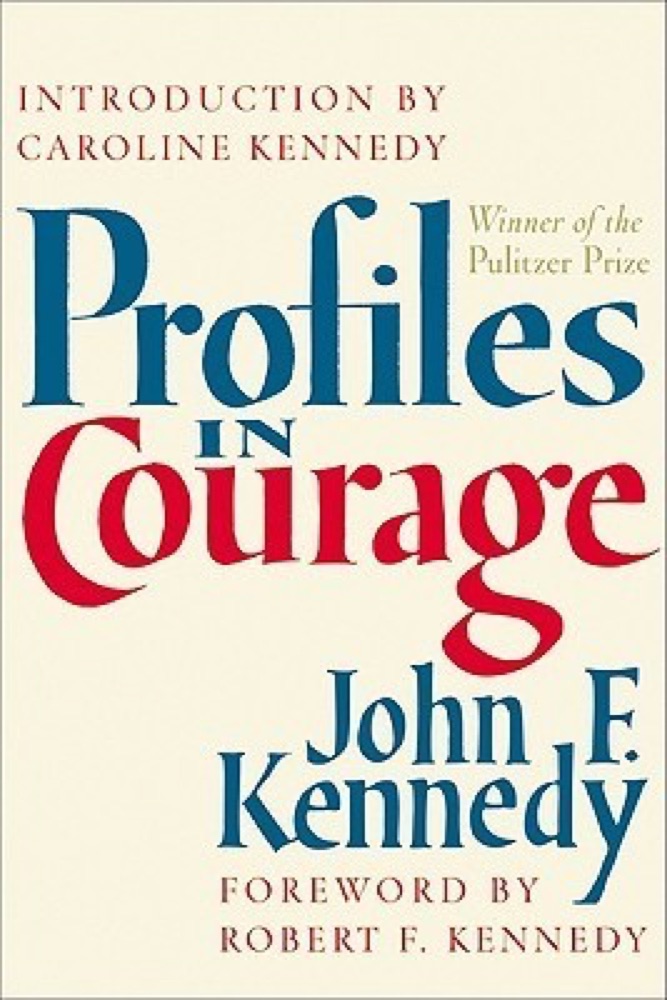 Profiles in Courage
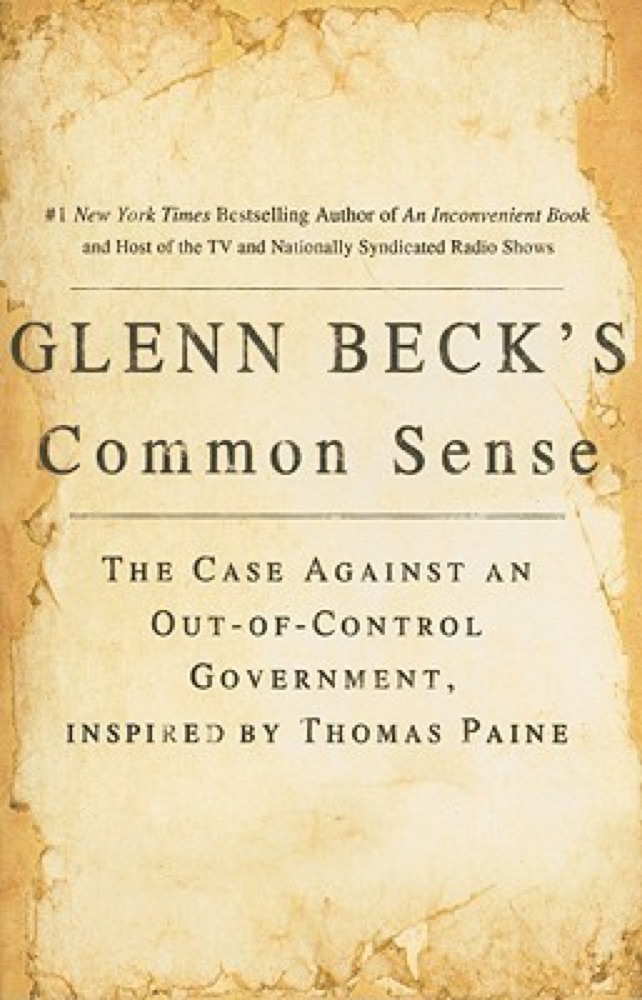 Glenn Beck's Common Sense: The Case Against an Out-of-Control Government, Inspired by Thomas Paine
 Democracy in America
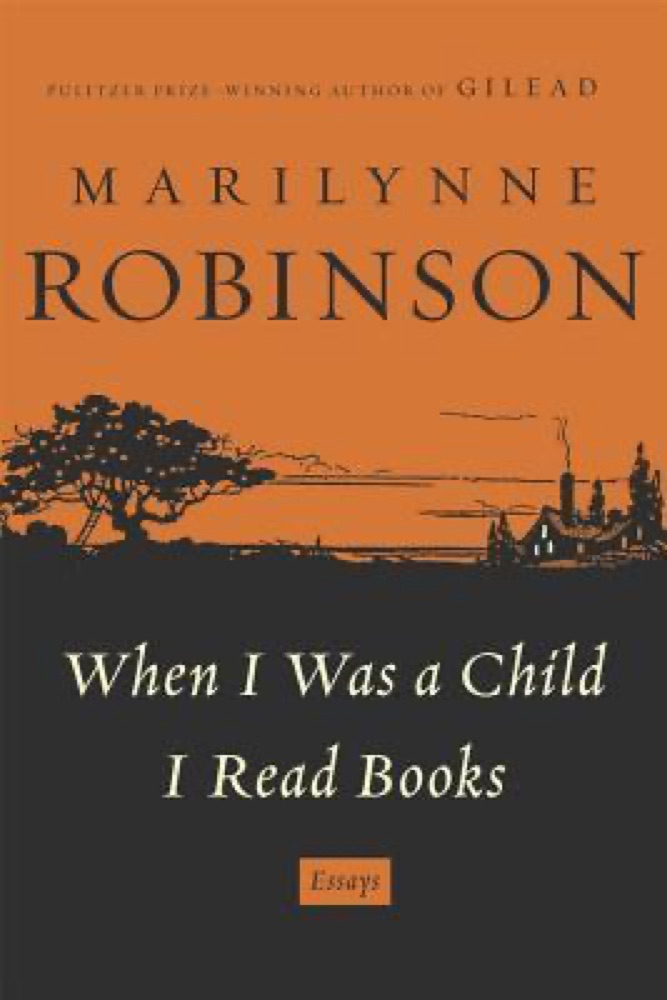 When I Was a Child I Read Books
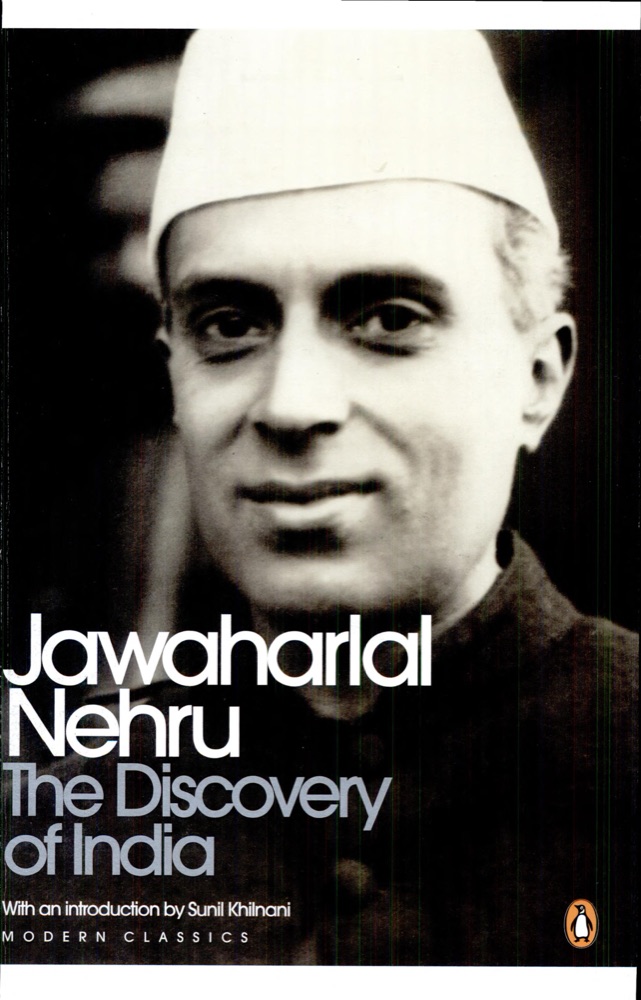 The Discovery of India
 Parable of the Talents
 The Vanishing American Adult: Our Coming-of-Age Crisis—and How to Rebuild a Culture of Self-Reliance
 If This Isn't Nice, What Is?: Advice for the Young
 In the Light of What We Know
 The Truths We Hold: An American Journey
 The Audacity of Hope: Thoughts on Reclaiming the American Dream
 Reflections on the Revolution in France
 Independent Study
 You Learn by Living: Eleven Keys for a More Fulfilling Life
 Wide Awake
 The Lessons of History
 Children of Dune
 The Source of Self-Regard: Selected Essays, Speeches, and Meditations
 Walden Two
 Becoming
 The Autobiography of Martin Luther King, Jr.
 Hocus Pocus
 On Tyranny: Twenty Lessons from the Twentieth Century
 Hell and Other Destinations: A 21st-Century Memoir
 Standing for Something: 10 Neglected Virtues That Will Heal Our Hearts and Homes
 Behold a Pale Horse
 Conversations With Myself
 Doing Justice: A Prosecutor's Thoughts on Crime, Punishment, and the Rule of Law
 Burr
Burr
 The Republic
 How to Be Perfect: The Correct Answer to Every Moral Question
 A Little History of the World
 Assata: An Autobiography
 Starry Messenger: Cosmic Perspectives on Civilization
 On Freedom
 Lies My Teacher Told Me: Everything Your American History Textbook Got Wrong
 From Dawn to Decadence: 500 Years of Western Cultural Life, 1500 to the Present
 Asymmetry
 Becoming Madam Secretary
 Arm of the Sphinx
 Varina
 Civil Disobedience
 Enlightenment Now: The Case for Reason, Science, Humanism, and Progress