
 Hope in the Dark: The Untold History of People Power
Quotes from the Book
Until the lion learns how to write, every story will glorify the hunter,” says an African proverb. But what if the lionesses write eloquently but the editors prefer the hunters’ version?
7
We are, as a culture, moving to a future with more people and more voices and more possibilities. Some people are being left behind, not because the future is intolerant of them but because they are intolerant of this future.
5
Positive social change results mostly from connecting more deeply to the people around you than rising above them, from coordinated rather than solo action. Among the virtues that matter are those traditionally considered feminine rather than masculine, more nerd than jock: listening, respect, patience, negotiation, strategic planning, storytelling. But we like our lone and exceptional heroes, the drama of violence and virtue of muscle, or at least that's what we get, over and over, and from it we don't get much of a picture of how change actually happens and what our role in it might be, or how ordinary people matter. "Unhappy the land that needs heros" is a line of Bertolt Brecht's I've gone to dozens of times, but now I'm more inclined to think, pity the land that thinks it needs a hero, or doesn't know it has lots and what they look like.
4
Measured over too short a span, change becomes imperceptible; people mistake today's peculiarities for eternal verities.
4
The unexamined life is not worth living, as the aphorism goes, but perhaps an honorable and informed life requires examining others’ lives, not just one’s own. Perhaps we do not know ourselves unless we know others. And if we do, we know that nobody is nobody.
4
Comfort is often a code word for the right to be unaware.
3
Smile," a man orders you, and that's a concise way to say that he owns you; he's the boss; you do as you're told; your face is there to serve his life, not express your own. He's someone; you're no one.
3
But ignorance is one form of tolerance, whether it's pretending we live in a colorblind society or one in which misogyny is some quaint old thing we've gotten over.
3
One of the rights that the powerful often assume is the power to dictate reality.
3
As a girl, I would have liked to have my intelligence and intellectual labors regarded as an unmitigated good and as a source of pride, rather than something I had to handle delicately, lest I upset or offend. Success can contain implicit failure for straight women, who are supposed to succeed as women by making men feel godlike in their might. As Virginia Woolf reflected: "Women have served all these centuries as looking glasses possessing the magic and delicious power of reflecting the figure of man at twice its natural size." Which can come to seem something you're obliged to be and they're entitled to see.
3
What are human murmurations, I wondered? They are, speaking of choruses, in Horton Hears a Who, the tiny Whos of Whoville, who find that if every last one of them raises their voice, they become loud enough to save their home. They are a million-and-a-half young people across the globe, on March 15, 2019, protesting climate change; coalitions led by First Nations people, holding back fossil fuel pipelines across Canada; the lawyers and others who converged on airports all over the US on January 29, 2017, to protest the Muslim ban.
3
If you regard women as people endowed with certain inalienable rights, then heterosexual sex -- as distinct from rape -- has to be something two people do together because both of them want to, but this notion of women as people is apparently baffling or objectionable to hordes of men, not just incels. Women-as-bodies are sex waiting to happen -- to men -- and women-as-people are annoying gatekeepers getting between men and female bodies, which is why there's a ton of advice about how to trick or overwhelm the gatekeeper. Not just on incel and pick-up artist online forums but as jokey stuff in movies and books, going back to Les Liaisons Dangereuses and Casanova's trophy-taking.
2
Perhaps it’s not that knowledge is power, but that some knowledge has power and some is stripped of the power it deserves. The powerful lack the knowledge; the knowledge lacks the power.
1
So #MeToo was not the beginning of women speaking up, but of people listening, and even then—as we’ve seen in the case of Christine Blasey Ford, testifying against Supreme Court nominee Brett Kavanaugh—continuing to be silenced. Just as Gerard Baker did, for changing the story about the Battle of Little Bighorn, Blasey Ford received death threats. One measure of how much power these voices and stories have is how frantically others try to stop them.
1
I find now that most people forget the immense work done around race and gender and sexuality and prisons and power, and that it was, in fact, work—intellectual labor to reject the assumptions built into language, the forces that lift some of us up and push others down, to understand and describe the past and the present and propose new possibilities for the future.
1
Sometimes these white guys with outsized platforms say shit like James Comey did when he complained that his erstwhile classmate Amy Klobuchar was 'annoyingly smart,' perhaps because women are not supposed to be like that, in his worldview. Another man had the temerity to explain to me that, 'the really smart wonks don't end up being the media stars needed to win the presidency, i.e., Hillary Clinton--super smart, knows the facts, but comes off as smug and all-knowing. I get this from Kamala Harris too.' In other words, he assumes that they are women who know too much and the character defect is theirs, not his. The framework that intelligence is an asset in a man and a defect in a woman is nastily familiar.
Meanwhile, the radio host who groped Taylor Swift at a 2013 meet-and-greet and then unsuccessfully sued her for saying so--since her speaking up resulted in his being fired--complains he's afraid to talk to women (perhaps because talking to a woman and grabbing a woman's ass are apparently so hard for him to tell apart, a kind of confusion we're hearing about from many men who are now 'afraid to talk to' women).
The common denominator of so many of the strange and troubling cultural narratives coming our way is a set of assumptions about who matters, whose story it is, who deserves the pity and the treats and the presumptions of innocence, the kid gloves and the red carpet, and ultimately the kingdom, the power, and the glory. You already know who. It's white people in general and white men in particular, and especially straight white Protestant men, some of whom are apparently dismayed to find out that there is going to be, as your mom might have put it, sharing.
Comfort itself is often invoked as though it were a right of the powerful. I June 2018, CBS This Morning tweeted 'Border Patrol has reached out and said they are "very uncomfortable" with the use of the word cages. They say it's not accurate and added that they may be cages but people are not being treated like animals.' So a cage should not be called a cage, because the discomfort of people in cages is overshadowed by the discomfort of people who put them in cages having cages be called by their true names.
Las estatuas no son en sí mismo derechos humanos, igualdad de acceso, ni un sustituto de ambos, pero constituyen partes fundamentales del entorno construido: las que nos dicen quién importa y a quién se recordará. Amueblan nuestra imaginación y determinan el sentido del pasado que invocamos para decidir qué futuro elegimos y a quién valoramos y escuchamos en el presente. A quién nos referimos al decir "nosotros" es decisivo para cualquier lugar. Un sitio que sólo enaltece a los hombres define a las mujeres como seres insignificantes.
Quizá necesitemos un tropel de actos de amabilidad y relaciones personales en vez de un deus ex machina farmacológico para aplacar el dolor. Por supuesto que existen medicamentos útiles en las enfermedades mentales, pero a menudo se utilizan como alternativas a la resolución de las condiciones que originaron el sufrimiento mental, entre ellas los conceptos sociales asentados y las circunstancias personales. Esa es otra parte de nuestro individualismo acérrimo y de la cultura del héroe: la idea de que todos los problemas son "personales" y se solucionan mediante responsabilidad individual. Es un marco mental que excluye la posibilidad de realizar un cambio más profundo y general o de pedir responsabilidades a los poderosos que crean el statu quo y se benefician de él. El relato de la responsabilidad y el cambio individuales preserva la inmovilidad, ya sea adaptándose a la desigualdad, a la pobreza o a la contaminación.
Recuerdo a las estudiantes de arte que conocí en los ochenta: creaban obras minúsculas, furtivas, con las que expresaban algo acerca de su condición, como la falta de espacio que les parecía que pudieran ocupar con libertad. ¿Cómo va a pensar a lo grande alguien que se supone que no debe estorbar, abusar de la hospitalidad, eclipsar ni intimidar?
Al crecer comprendí que se supone que debo ser "el público", en lugar de una participante o el "centro de atención". Incluso una vez superada la edad en la que desconocidos me pedían que les sonriera, he visto cómo perfectos desconocidos se me acercaban para endilgarme durante largo rato sus teorías y anécdotas sin ofrecer espacio alguno para la reciprocidad en la conversación. Sabemos que esto es una realidad por estudios que indican que en las escuelas los maestros preguntan más a los niños que a las niñas, y que al crecer ellos hablan más en las reuniones e interrumpen a las mujeres más que a los varones.
Cualquiera pensaría que hay más material publicado sobre por qué los hombres están tan enfadados: los que buscan pelea en los bares, los que maltratan a su esposa, los que pegan a los gais, los que tirotean multitudes... A menudo la ira va ligada al privilegio: la idea, subyacente en buena parte de la violencia, de que la voluntad personal debería imponerse, de que los derechos propios valen más que los ajenos. La ira masculina es un asunto de seguridad pública, así como una fuerza de los movimientos sociales y políticos más desagradables de nuestra época: desde la epidemia de violencia machista, a los tiroteos masivos, de los neonazis a los niveles.
Los poderosos se envuelven en el olvido para evitar su relación con el dolor ajeno. Cuanto más eres, menos sabes. Conocer las estrategias que emplean las mujeres para estar a salvo entre los varones es opcional para ellos, si es que alguna vez han llegado a pensar en el asunto. En un ejercicio de clase realizado en universidades, se pregunta al alumnado qué hace para tratar de impedir las violaciones. Las mujeres recitan largas listas de precauciones y cosas a evitar. Los hombre se quedan perplejos
Recordar que las personas forjaron esas ideas, del mismo modo que los edificios en los que vivimos y las carreteras por las que nos desplazamos fueron construidas por personas; nos ayuda a recordar, en primer lugar, que el cambio es posible y, en segundo, que tenemos la buena suerte de vivir después de dicho cambio, en lugar de afirmar nuestra superioridad respecto a quienes llegaron antes de la creación de las nuevas estructuras, y quizá incluso de reconocer que no hemos alcanzado un estado de conocimiento perfecto, porque se producirán más cambios cuando queden al descubierto más cosas que aún no reconocemos. He aprendido mucho. Me queda mucho por aprender.
Watch on YouTube
About Rebecca Solnit
We have collected 285 quotes from 10 books by Rebecca Solnit on BookQuoters.
More about the author →More by Rebecca Solnit
Hope in the Dark: The Untold History of People Power
 A Field Guide to Getting Lost
 Men Explain Things to Me
 Wanderlust: A History of Walking
About the book
New feminist essays for the #MeToo era from the international best-selling author of Men Explain Things to Me.
Who gets to shape the narrative of our times? The current moment is a battle royale over that foundational power, one in which women, people of color, non-straight people are telling other versions, and white people and men and particularly white men are trying to hang onto the old versions and their own centrality. In Whose Story Is This? Rebecca Solnit appraises what's emerging and why it matters and what the obstacles are.
Book details
- First published
- 2019
- Author
- Rebecca Solnit
- Genre
- Nonfiction
- Goodreads rating
- 4.20 (3k ratings)
The buzz
- The GuardianReview in The Guardianprofessional review (via Book Marks)
- The Times Literary SupplementReview in The Times Literary Supplementprofessional review (via Book Marks)
- Kirkus ReviewsReview in Kirkus Reviewsprofessional review (via Book Marks)
- Publishers WeeklyReview in Publishers Weeklyprofessional review (via Book Marks)
- BooklistReview in Booklistprofessional review (via Book Marks)
- Post GazetteReview in Post Gazetteprofessional review (via Book Marks)
Keep reading
 Why I Am Not a Feminist: A Feminist Manifesto
 The Mother of All Questions
Men Explain Things to Me
The Mother of All Questions
Men Explain Things to Me
 Opinions: A Decade of Arguments, Criticism, and Minding Other People’s Business
 The Madness of Crowds: Gender, Race and Identity
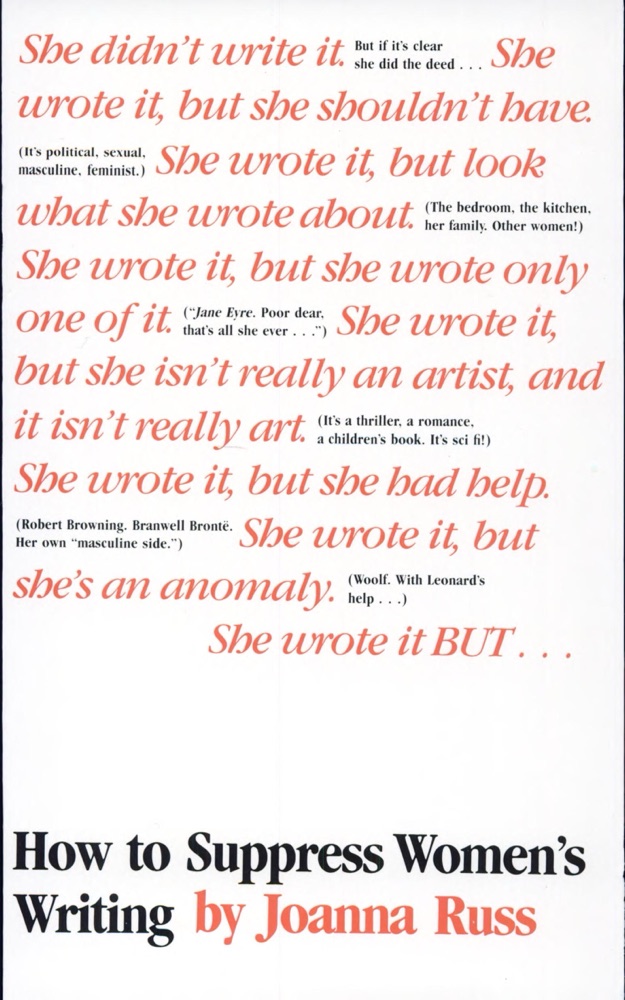 How to Suppress Women's Writing
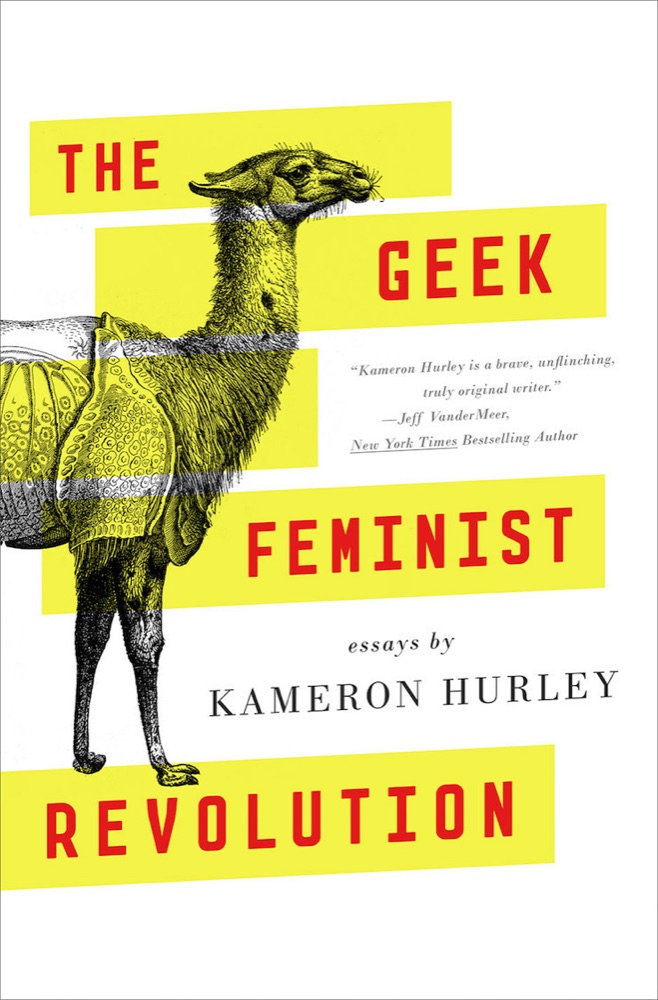 The Geek Feminist Revolution
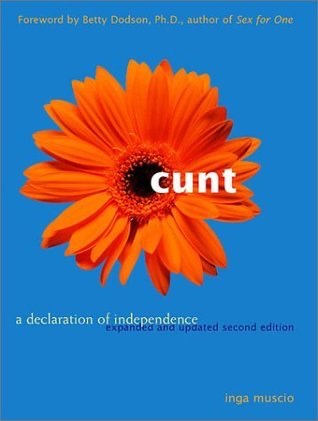 Cunt: A Declaration of Independence
 This Bridge Called My Back: Writings by Radical Women of Color
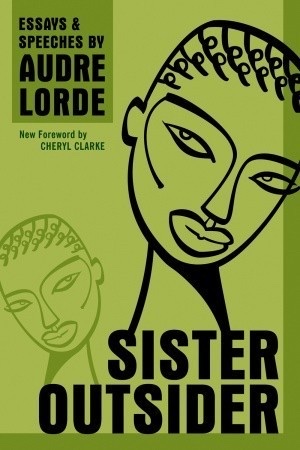 Sister Outsider: Essays and Speeches
 The Witches Are Coming
 The Soul of a Woman
 More Than a Woman: A Brutally Honest and Hilarious Feminist Memoir on Parenting, Marriage, and Middle-Age
 The Source of Self-Regard: Selected Essays, Speeches, and Meditations
 Living a Feminist Life
 Just Us: An American Conversation
 The Master's Tools Will Never Dismantle the Master's House
 Nasty, Brutish, and Short: Adventures in Philosophy with My Kids
 Brave New World / Brave New World Revisited
 What's Wrong with the World
 Brave
Brave
 The Truth Will Set You Free, But First It Will Piss You Off!: Thoughts on Life, Love, and Rebellion
 It's Not About the Burqa
 Cassandra Speaks: When Women Are the Storytellers, the Human Story Changes
 My Life on the Road
 Boys Will Be Boys: Power, Patriarchy and the Toxic Bonds of Mateship
 Regarding the Pain of Others
 Creation Lake
 The Argonauts
 Headscarves and Hymens: Why the Middle East Needs a Sexual Revolution
 Burning Questions: Essays and Occasional Pieces, 2004 to 2021
 Elizabeth Costello
 Gnomon
 Emma in the Night
 Things I've Been Silent About
 Sex Object: A Memoir
 The Wave in the Mind: Talks and Essays on the Writer, the Reader and the Imagination
 Unspeakable Things: Sex, Lies and Revolution
 Doppelganger: A Trip into the Mirror World
 The Women's Room
 Monsters: A Fan's Dilemma
 When Women Were Dragons
 How to Stay Sane in an Age of Division
 Old Babes in the Wood: Stories
 Disclosure
 No Time To Spare: Thinking About What Matters
 Hitch-22: A Memoir
 Venus Plus X
 Walden Two
 Talking to Ourselves
 The War on the West: An Instant NYT Bestselling History of the Modern World
 The Right to Sex: Feminism in the Twenty-First Century
 The Family Tree
 Outrageous Acts and Everyday Rebellions
 Trick Mirror: Reflections on Self-Delusion
 The Message
 In the Dream House
 Incidental Inventions
 Not That Bad: Dispatches from Rape Culture
 Seven Surrenders