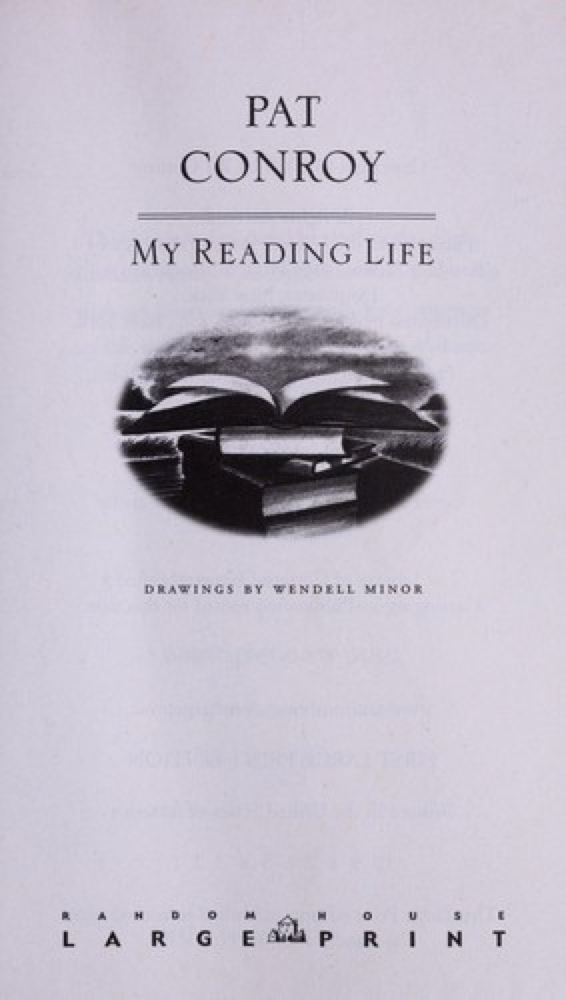
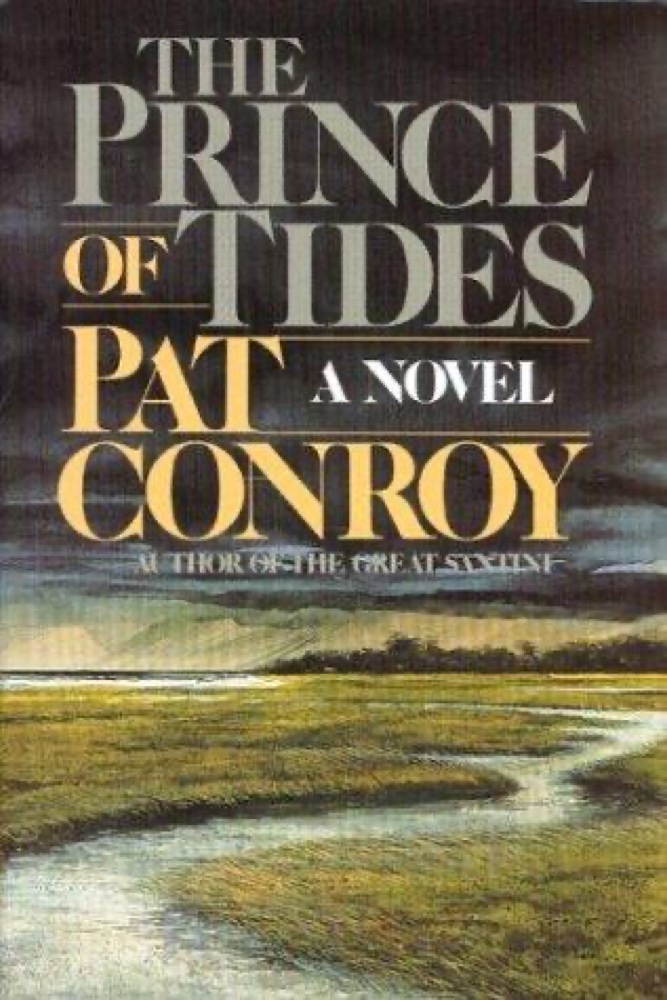
 The Prince of Tides
Quotes from the Book
Books are living things and their task lies in their vows of silence. You touch them as they quiver with a divine pleasure. You read them and they fall asleep to happy dreams for the next 10 years. If you do them the favor of understanding them, of taking in their portions of grief and wisdom, then they settle down in contented residence in your heart.
Here is all I ask of a book- give me everything. Everything, and don't leave out a single word.
Few things linger longer or become more indwelling than that feeling of both completion and emptiness when a great book ends. That the book accompanies the reader forever from that day forward is part of literature's profligate generosity.
Good writing is the hardest form of thinking. It involves the agony of turning profoundly difficult thoughts into lucid form, then forcing them into the tight-fitting uniform of language, making them visible and clear. If the writing is good, then the result seems effortless and inevitable. But when you want to say something life-changing or ineffable in a single sentence, you face both the limitations of the sentence itself and the extent of your own talent.
I can't pass a bookstore without slipping inside, looking for the next book that will burn my hand when I touch its jacket, or hand me over a promissory note of such immense power that it contains the formula that will change everything about me.
A library could show you everything if you knew where to look.
Writing is the only way I have to explain my own life to myself.
Even today, I hunt for the fabulous books that will change me utterly. I find myself happiest in the middle of a book which I forget that I am reading, but am instead immersed in a made-up life lived at the highest pitch.
Here's what I love: when a great writer turns me into a Jew from Chicago, a lesbian out of South Carolina, or a black woman moving into a subway entrance in Harlem. Turn me into something else, writers of the world. Make me Muslim, heretic, hermaphrodite. Put me into a crusader's armor, a cardinal's vestments. Let me feel the pygmy's heartbeat, the queen's breast, the torturer's pleasure, the Nile's taste, or the nomad's thirst. Tell me everything that I must know. Hold nothing back.
My mother's voice and my father's fists are two bookends of my childhood, and they form the basis of my art.
Will his work survive? Alas, I worry that it will not. As an American liberal with impeccable credentials, I would like to say that political correctness is going to kill American liberalism if it is not fought to the death by people like me for the dangers it represents to free speech, to the exchange of ideas, to openheartedness, or to the spirit of art itself. Political correctness has a stranglehold on academia, on feminism, and on the media. It is a form of both madness and maggotry, and has already silenced the voices of writers like James Dicky across the land.
I take it as an article of faith that the novels I've loved will live inside me forever.
From the beginning I've searched out those writers unafraid to stir up the emotions, who entrust me with their darkest passions, their most indestructible yearnings, and their most soul-killing doubts. I trust the great novelists to teach me how to live, how to feel, how to love and hate. I trust them to show me the dangers I will encounter on the road as I stagger on my own troubled passage through the complicated life of books that try to teach me how to die.
...when the words pour out of you just right, you understand that these sentences are all part of a river flowing out of your own distant, hidden ranges, and all words become the dissolving snow that feeds your mountain streams forever. The language locks itself in the icy slopes of our own high passes, and it is up to us, the writers, to melt the glaciers within us. When these glaciers break off, we get to call them novels, the changelings of our burning spirits, our life's work.
Over the years, my church gave me passage into a menagerie of exotic words unknown in the South: "introit," "offertory," "liturgy," "movable feast," "the minor elevation," "the lavabo," "the apparition of Lourdes," and hundreds more. Latin deposited the dark minerals of its rhythms on the shelves of my spoken language. You may find the harmonics of the Common of the Mass in every book I've ever written. Because I was raised Roman Catholic, I never feared taking any unchaperoned walks through the fields of language. Words lifted me up and filled me with pleasure.
The most powerful words in English are, "Tell me a story.
Hurt is a great teacher, maybe the greatest of all.
I can forgive almost any crime if a great story is left in its wake.
In our modern age, there are writers who have heaped scorn on the very idea of the primacy of story. I'd rather warm my hands on a sunlit ice floe than try to coax fire from the books they carve from glaciers.
Writers of the world, if you’ve got a story, I want to hear it. I promise it will follow me to my last breath. My soul will dance with pleasure, and it’ll change the quality of all my waking hours. You will hearten me and brace me up for the hard days as they enter my life on the prowl. I reach for a story to save my own life. Always. It clears the way for me and makes me resistant to all the false promises signified by the ring of power. In every great story, I encounter a head-on collision with self and imagination.
Art is one of the few places where talent and madness can actually go to squirrel away inside each other.
But let me begin with a statement of my own passionate and indignant belief--I do not care one goddamned thing about how James Dickey conducted his personal life. I care everything about what this man wrote on blank sheets of paper when he sat alone probing the extremities of imagination.
That's what a good book does-it puts readers on their knees. It makes you want to believe in a world you just read about-the one that will make you feel different about the world you thought you lived in, the world that will never be the same.
I selected all my books for the possibility of some flare of candles along the road toward illumination or enchantment
Books are living things and their task lies in their vows of silence. You touch them as they quiver with divine pleasure. You read them and they fall asleep to happy dreams for the next ten years. If you do them the favor of understanding them, of taking in their portions of grief and wisdom, then they settle down in contented residence in your heart.
The writing of novels is one of the few ways I have found to approach the altar of God and Creation itself. You try to worship God by performing the singularly courageous and impossible favor of knowing yourself.
Yet I can walk away from best friends and rarely think of them again. I can close a door and not look back. There's something about my soul that's always ready to go, to break camp, to unfold the road map, to leave at night when the house inspection's done and the civilians are asleep and the open road is calling...
Don’t go yet. Please. Tell me a story, one about us. Tell what it meant. How on earth did it happen? The story, Pat—tell it to me.
I have built a city from the books I've read. A good book sings a a timeless music that is heard in the choir lofts, and balconies, and theaters that thrived within that secret city inside me.
It ratified a theory of mine that great writing could sneak up on you, master of a thousand disguises: prodigal kinsman, messenger boy, class clown, commander of artillery, altar boy, lace maker, exiled king, peacemaker, or moon goddess.
Watch on YouTube
About Pat Conroy
We have collected 246 quotes from 9 books by Pat Conroy on BookQuoters.
More about the author →More by Pat Conroy
All books by Pat Conroy →
Book details
- Author
- Pat Conroy
- Genre
- Nonfiction
- Goodreads rating
- 3.95 (8k ratings) →
Keep reading
 The City of Dreaming Books
 Why We Read: On Bookworms, Libraries, and Just One More Page Before Lights Out
 How Reading Changed My Life
 The Year of Reading Dangerously
 The Guernsey Literary and Potato Peel Pie Society
 Ex Libris: Confessions of a Common Reader
 The Storied Life of A.J. Fikry
 Among Others
 A Lowcountry Heart: Reflections on a Writing Life
 The Thirteenth Tale
 The Story of My Life
 Stories: All-New Tales
 A Writer's Diary
 Inkheart
 How to Write an Autobiographical Novel
 Suggested Reading
 The Secret, Book & Scone Society
 Poison for Breakfast
 Every Day I Read: 53 Ways to Get Closer to Books
 The Writing Life
 The Last Night of the Earth Poems
 Reading Like a Writer: A Guide for People Who Love Books and for Those Who Want to Write Them
 Howards End Is on the Landing: A Year of Reading from Home
 The Last Bookaneer
 Winter Hours: Prose, Prose Poems, and Poems
 Zen in the Art of Writing
 The Haunted Bookshop
 If on a Winter's Night a Traveler
 The View from the Cheap Seats: Selected Nonfiction
 Tolstoy and the Purple Chair: My Year of Magical Reading
 Trigger Warning: Short Fictions and Disturbances
 Packing My Library: An Elegy and Ten Digressions
 The Ghost Writer
 The Book Witch
 Books for Living
 I'd Rather Be Reading: The Delights and Dilemmas of the Reading Life
 Mr. Penumbra's 24-Hour Bookstore
 Body Work: The Radical Power of Personal Narrative
 The Club Dumas
 An Unnecessary Woman
 Writing Magic: Creating Stories that Fly
 The Getaway Car: A Practical Memoir About Writing and Life
 The Door-to-Door Bookstore
 Aurora Leigh
 The Diary of Anaïs Nin, Vol. 1: 1931-1934
 Inferno
 The Reader
 Parnassus on Wheels
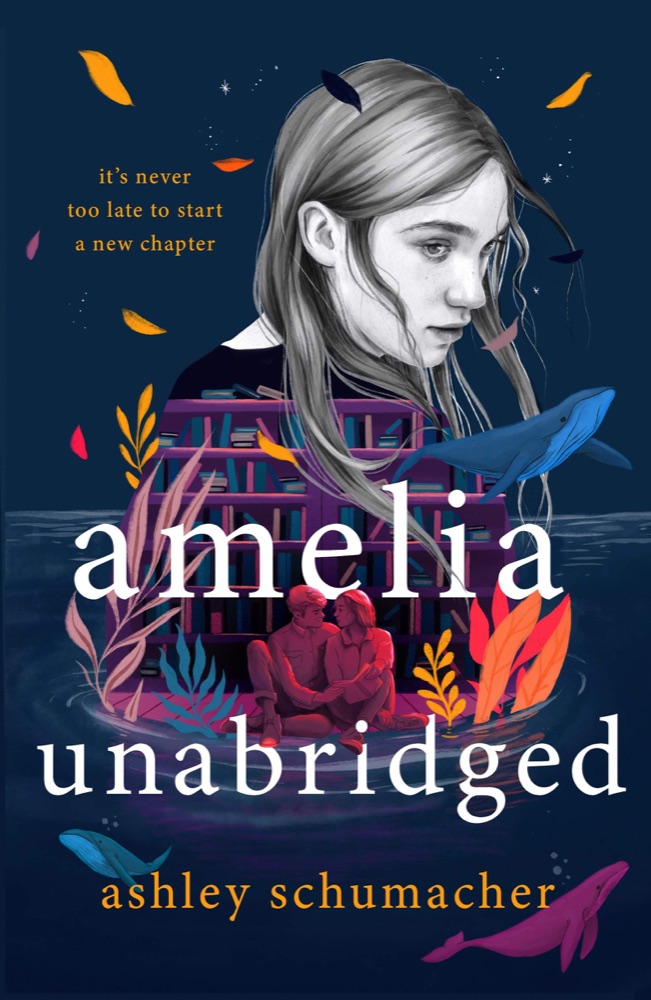 Amelia Unabridged
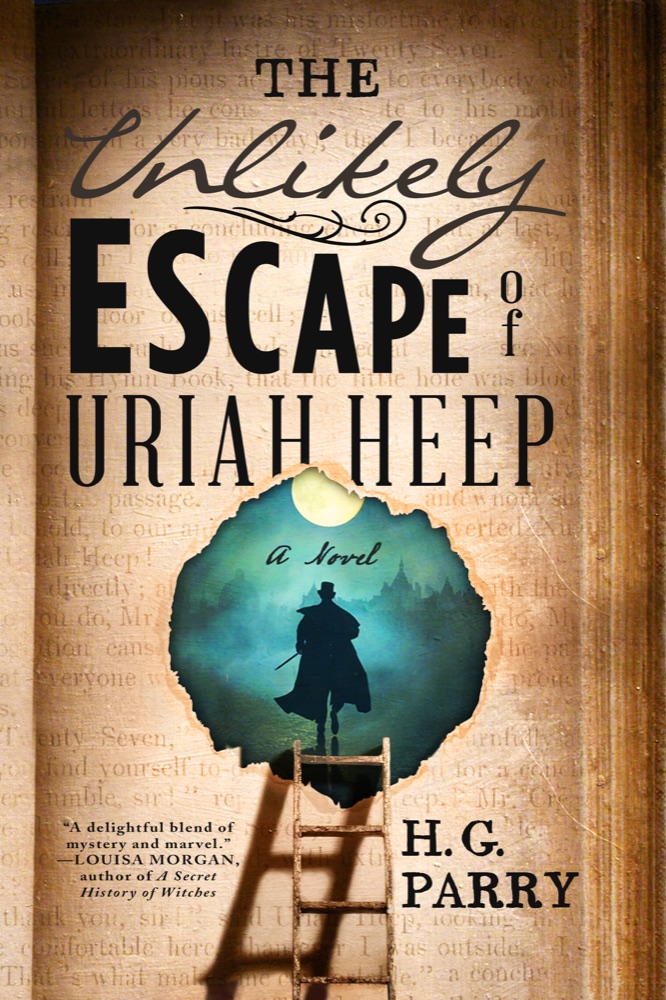 The Unlikely Escape of Uriah Heep
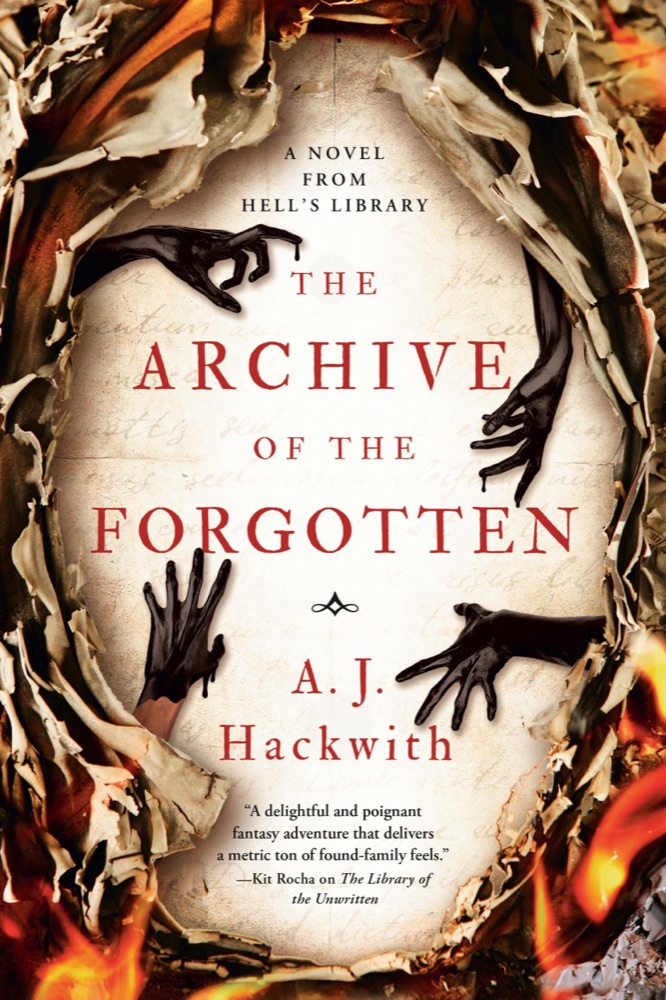 The Archive of the Forgotten
 Education of a Wandering Man: A Memoir
 A Northern Light
 Battle of the Bookstores
 Leave Me Alone, I'm Reading: Finding and Losing Myself in Books
 The Library of Lost Things
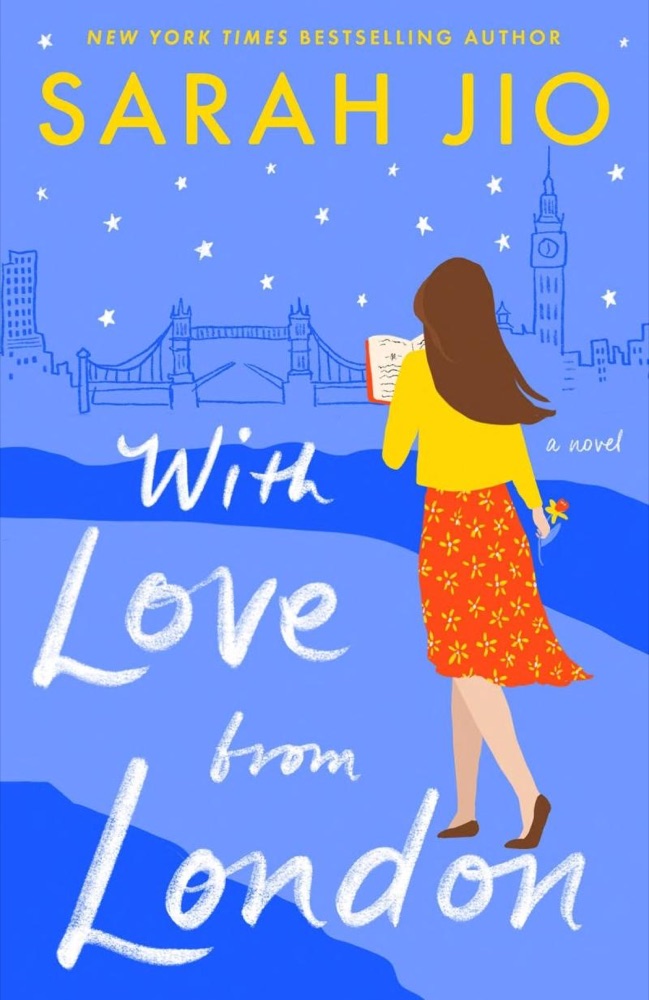 With Love from London
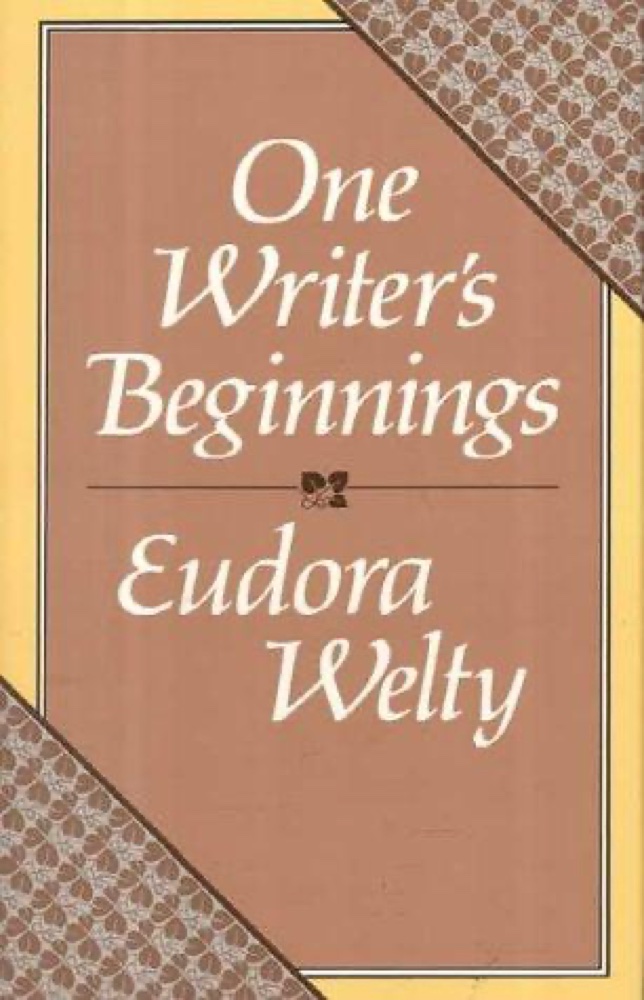 One Writer's Beginnings
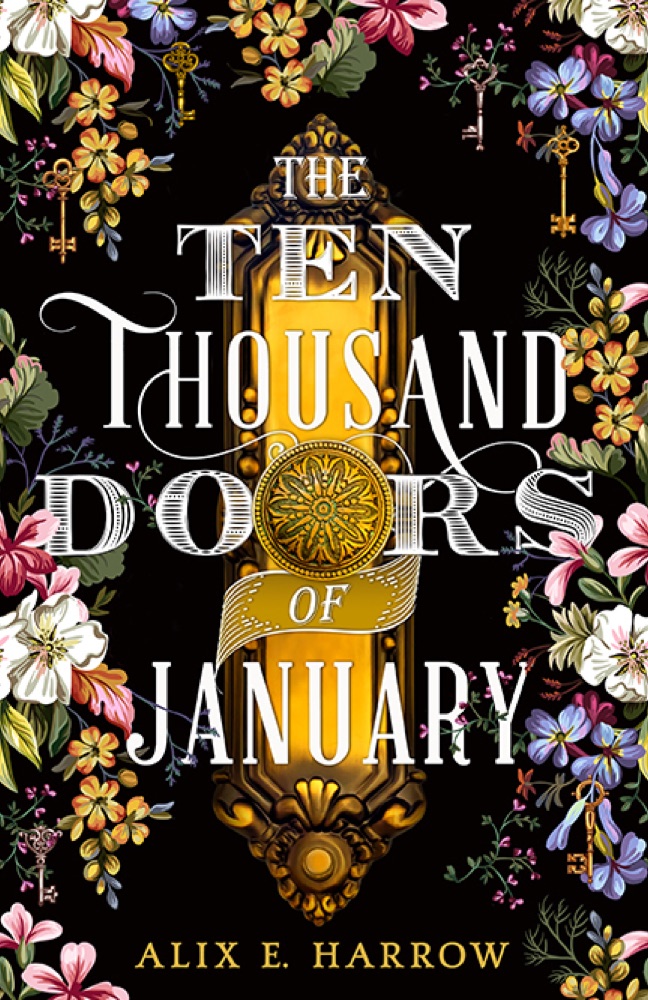 The Ten Thousand Doors of January
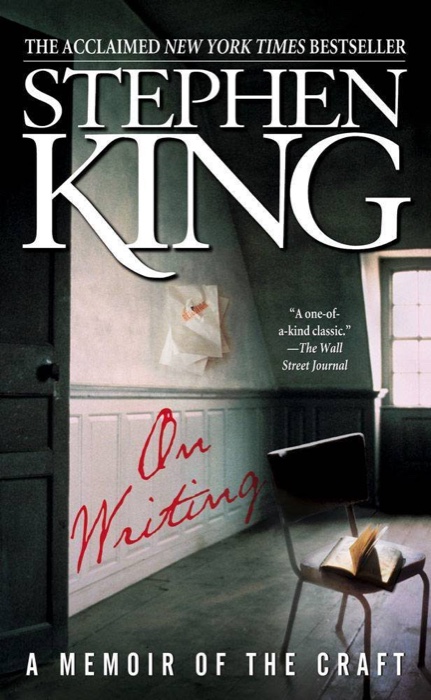 On Writing: A Memoir of the Craft