
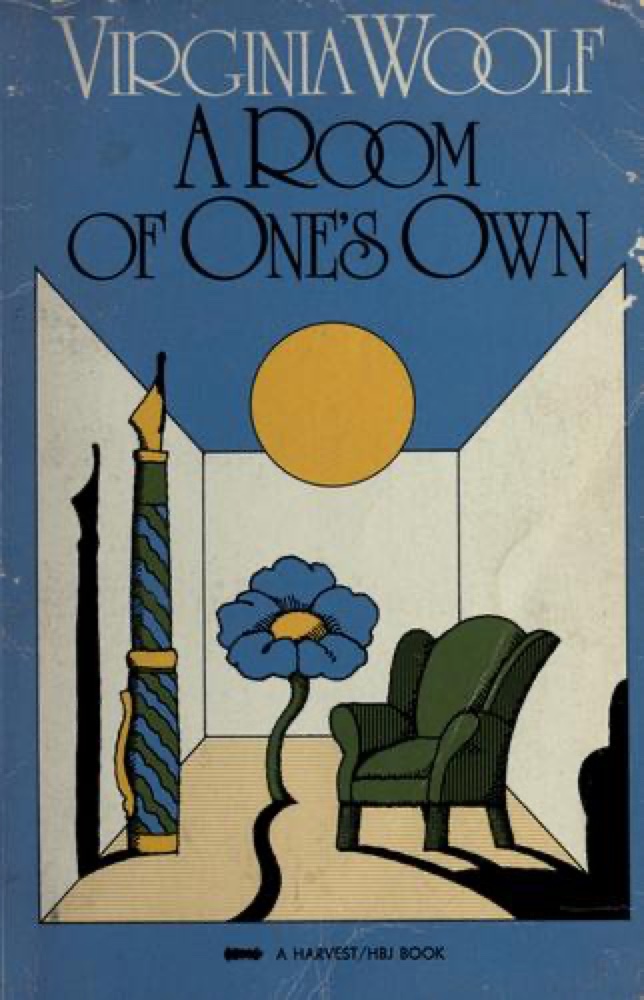
 A Room of One's Own
Quotes from the Book
I will not be "famous," "great." I will go on adventuring, changing, opening my mind and my eyes, refusing to be stamped and stereotyped. The thing is to free one's self: to let it find its dimensions, not be impeded.
I enjoy almost everything. Yet I have some restless searcher in me. Why is there not a discovery in life? Something one can lay hands on and say “This is it”? My depression is a harassed feeling. I’m looking: but that’s not it — that’s not it. What is it? And shall I die before I find it?
Yes, I deserve a spring–I owe nobody nothing.
My mind turned by anxiety, or other cause, from its scrutiny of blank paper, is like a lost child–wandering the house, sitting on the bottom step to cry.
The most important thing is not to think very much about oneself. To investigate candidly the charge; but not fussily, not very anxiously. On no account to retaliate by going to the other extreme -- thinking too much.
If one is to deal with people on a large scale and say what one thinks, how can one avoid melancholy? I don’t admit to being hopeless, though: only the spectacle is a profoundly strange one; and as the current answers don’t do, one has to grope for a new one, and the process of discarding the old, when one is by no means certain what to put in their place, is a sad one.
The way to rock oneself back into writing is this. First gentle exercise in the air. Second the reading of good literature. It is a mistake to think that literature can be produced from the raw. One must get out of life...one must become externalised; very, very concentrated, all at one point, not having to draw upon the scattered parts of one's character, living in the brain.
...I'm terrified of passive acquiescence. I live in intensity.
So I have to create the whole thing afresh for myself each time. Probably all writers now are in the same boat. It is the penalty we pay for breaking with tradition, and the solitude makes the writing more exciting though the being read less so. One ought to sink to the bottom of the sea, probably, and live alone with ones words.
I am I: and I must follow that furrow, not copy another. That is the only justification for my writing, living.
Now is life very solid or very shifting? I am haunted by the two contradictions. This has gone on forever; goes down to the bottom of the world -- this moment I stand on. Also it is transitory, flying, diaphanous. I shall pass like a cloud on the waves. Perhaps it may be that though we change, one flying after another, so quick, so quick, yet we are somehow successive and continuous we human beings, and show the light through. But what is the light?
What a vast fertility of pleasure books hold for me! I went in and found the table laden with books. I looked in and sniffed them all. I could not resist carrying this one off and broaching it. I think I could happily live here and read forever.
I want to resemble a sort of liquid light which stretches beyond visibility or invisibility. Tonight I wish to have the valor and daring to belong to the moon
And now more than anything I want beautiful prose. I relish it more and more exquisitely.
But how entirely I live in my imagination; how completely depend upon spurts of thought, coming as I walk, as I sit; things churning up in my mind and so making a perpetual pageant, which is to be my happiness.
I don't believe in ageing. I believe in forever altering one's aspect to the sun. Hence my optimism. And to alter now, cleanly and sanely, I want to shuffle off this loose living randomness: people; reviews; fame; all the glittering scales; and be withdrawn, and concentrated.
Unpraised, I find it hard to start writing in the morning; but the dejection lasts only 30 minutes, and once I start I forget all about it. One should aim, seriously, at disregarding ups and downs; a compliment here, a silence there;[...] the central fact remains stable, which is the fact of my own pleasure in the art.
But what is more to the point is my belief that the habit of writing thus for my own eye only is good practice. It loosens the ligaments. Never mind the misses and the stumbles.
...and to forget one's own sharp absurd little personality, reputation and the rest of it, one should read; see outsiders; think more; write more logically; above all be full of work; and practise anonymity. Silence in company; or the quietest statement, not the showiest; is also "medicated" as the doctors say. It was an empty party, rather, last night. Very nice here, though.
I know this room too well - this view too well - I am getting it all out of focus, because I can't walk through it.
I was thinking between 3 and 4 this morning, of my 55 years. I lay awake so calm, so content, as if I'd stepped off the whirling world into a deep blue quiet space and there open eyed existed, beyond harm; armed against all that can happen.
The idea has come to me that what I want now to do is to saturate every atom. I mean to eliminate all waste, deadness, superfluity: to give the moment whole; whatever it includes. Say that the moment is a combination of thought; sensation; the voice of the sea. Waste, deadness, come from the inclusion of things that don't belong to the moment; this appalling narrative business of the realist: getting on from lunch to dinner: it is false, unreal, merely conventional.
...to use the little kick of energy which opposition supplies to be more vigorously oneself.
But what little I can get down into my pen of what is so vivid to my eyes, and not only to my eyes; also to some nervous fibre, or fanlike membrane in my species.
I note however that this diary writing does not count as writing, since I have just re-read my year's diary and am much struck by the rapid haphazard gallop at which it swings along, sometimes indeed jerking almost intolerably over the cobbles.
Thus I hope to have kept the sound of the sea and the birds, dawn and garden subconsciously present, doing their work under ground.
A good day—a bad day—so it goes on. Few people can be so tortured by writing as I am. Only Flaubert I think. Yet I see it now, as a whole. I think I can bring it off, if I only have courage and patience: take each scene quietly: compose: I think it may be a good book. And then—oh when it's finished!
Heaven knows what virtue it has, this ecstatic book.
Watch on YouTube
About Virginia Woolf
We have collected 485 quotes from 20 books by Virginia Woolf on BookQuoters.
More about the author →More by Virginia Woolf
All books by Virginia Woolf →

Book details
- Author
- Virginia Woolf
- Genre
- Classics
- Goodreads rating
- 4.17 (7k ratings) →
Keep reading
 The Journals of Sylvia Plath
 The Diary of Anaïs Nin, Vol. 1: 1931-1934
 Winter Hours: Prose, Prose Poems, and Poems
 Speak, Memory
 The Ghost Writer
 Diaries, 1910-1923
 Blueberries: Essays Concerning Understanding
 Lost in Translation: A Life in a New Language
 Still Writing: The Perils and Pleasures of a Creative Life
 I Capture the Castle
 Journal of a Solitude
 A Breath of Life
 In the Heart of the Heart of the Country and Other Stories
 A Line Made By Walking
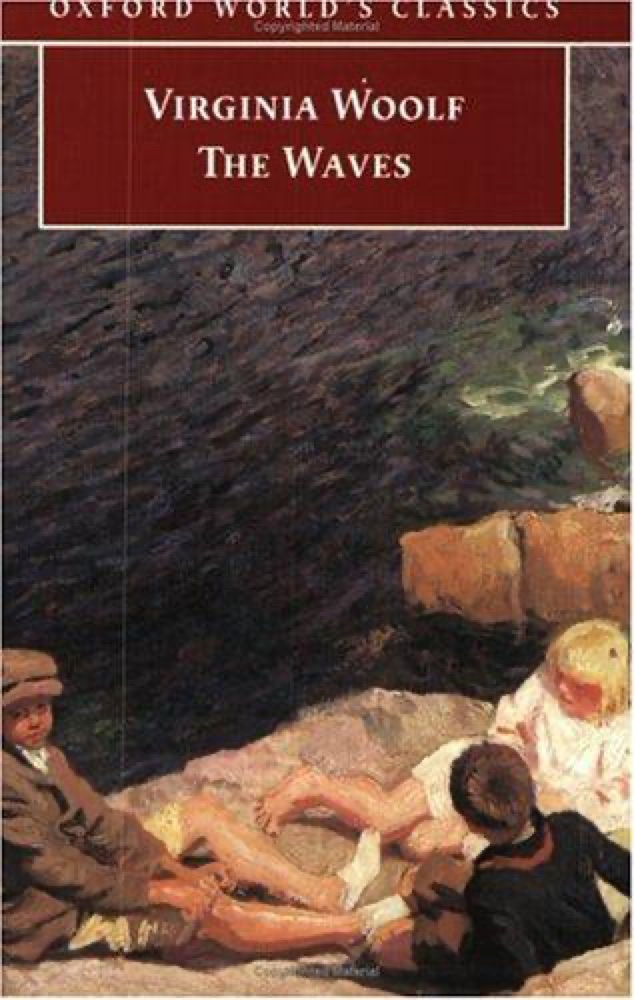 The Waves
 Molloy
 The Unabridged Journals of Sylvia Plath
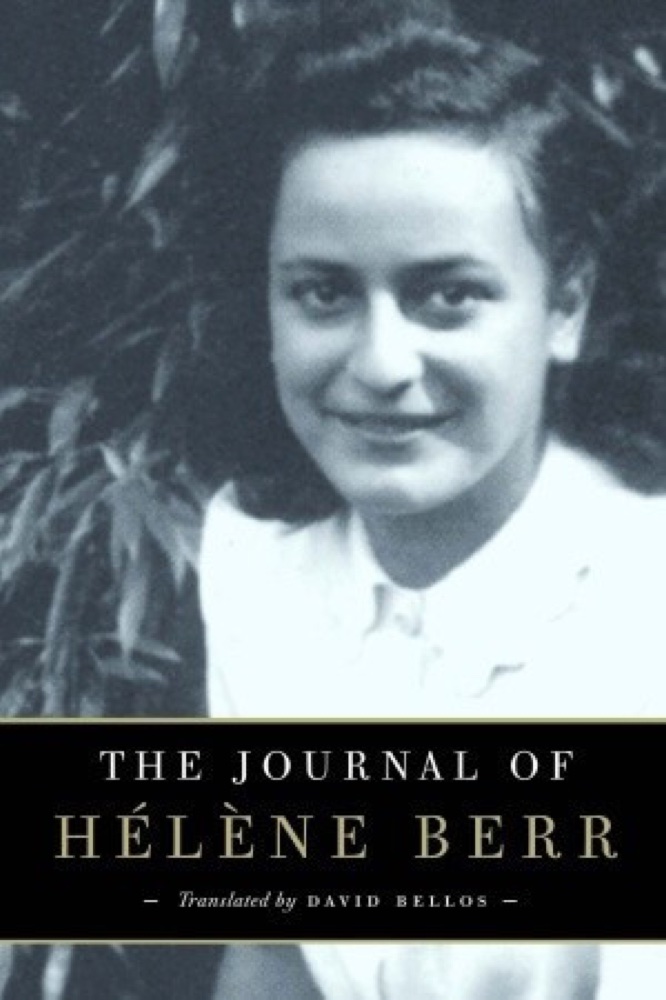 The Journal of Hélène Berr
 Daddy-Long-Legs
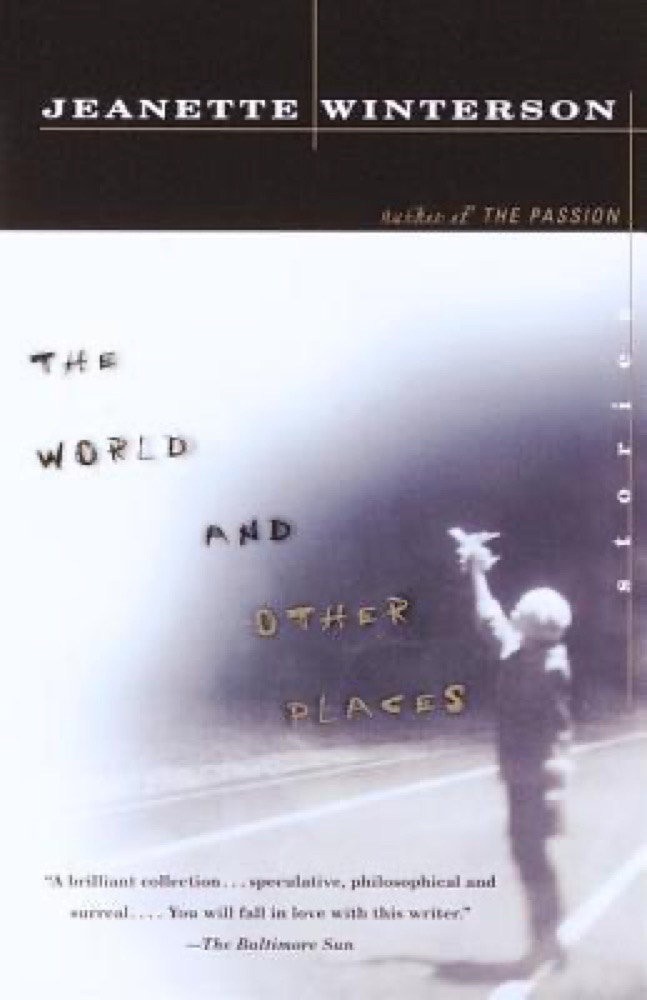 The World and Other Places: Stories
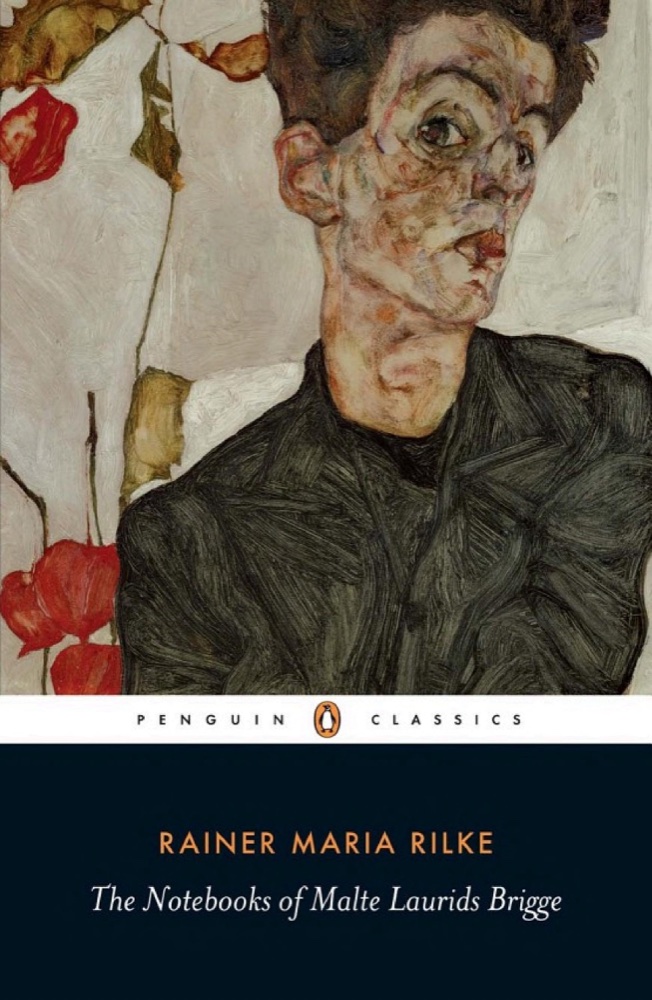 The Notebooks of Malte Laurids Brigge
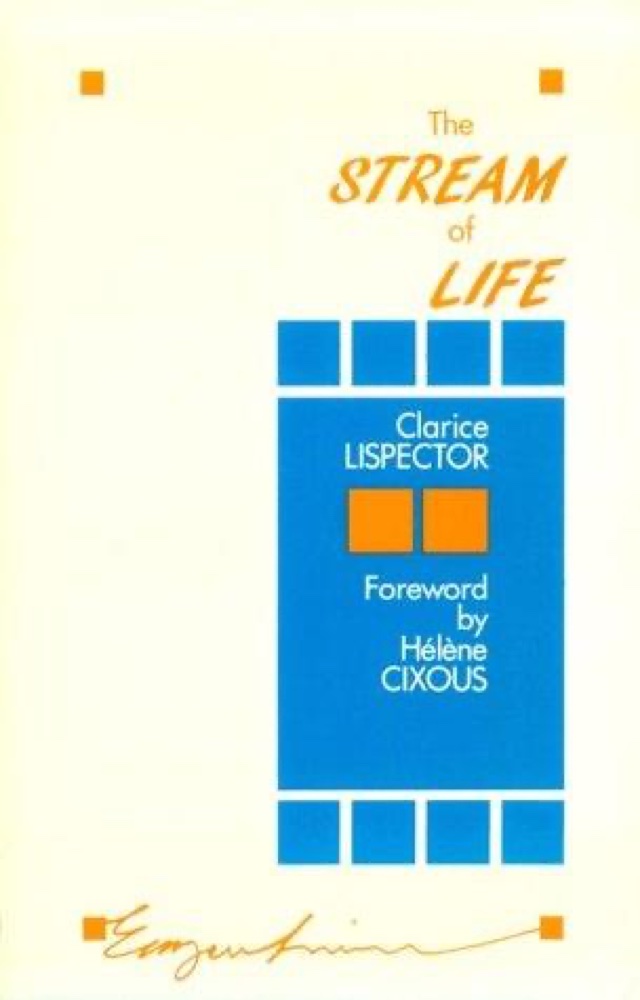 The Stream of Life
 Min kamp 2
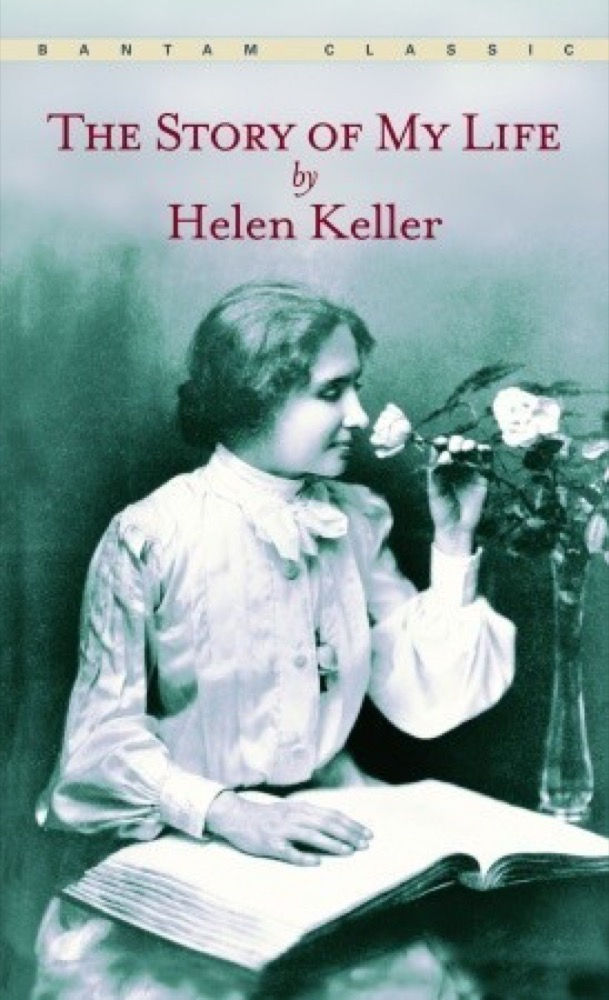 The Story of My Life
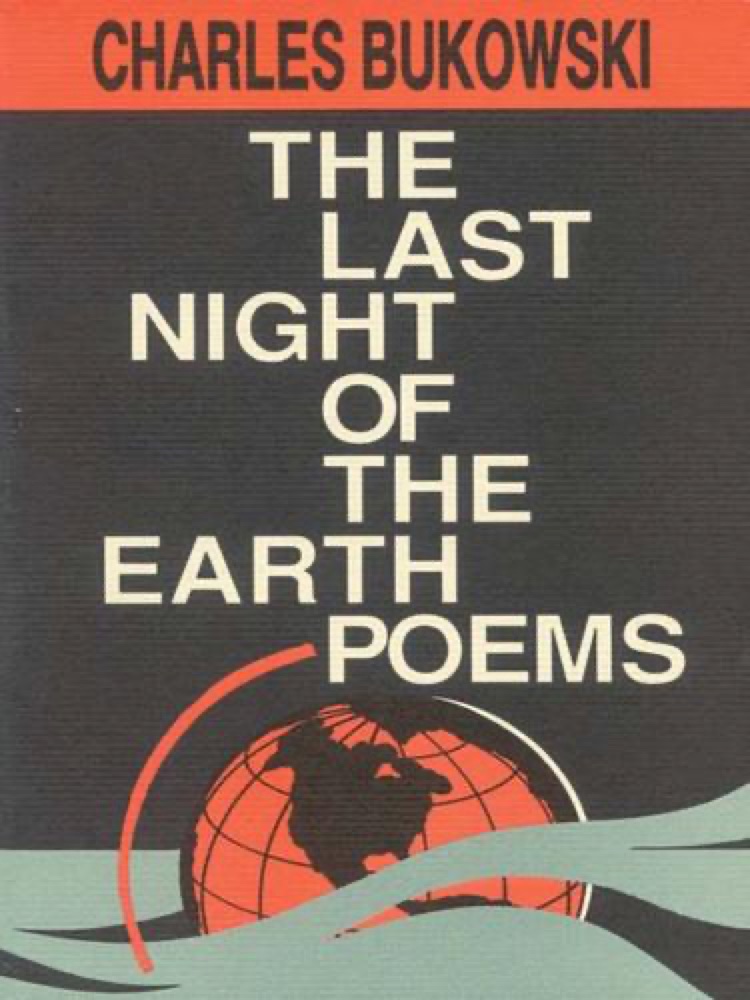 The Last Night of the Earth Poems
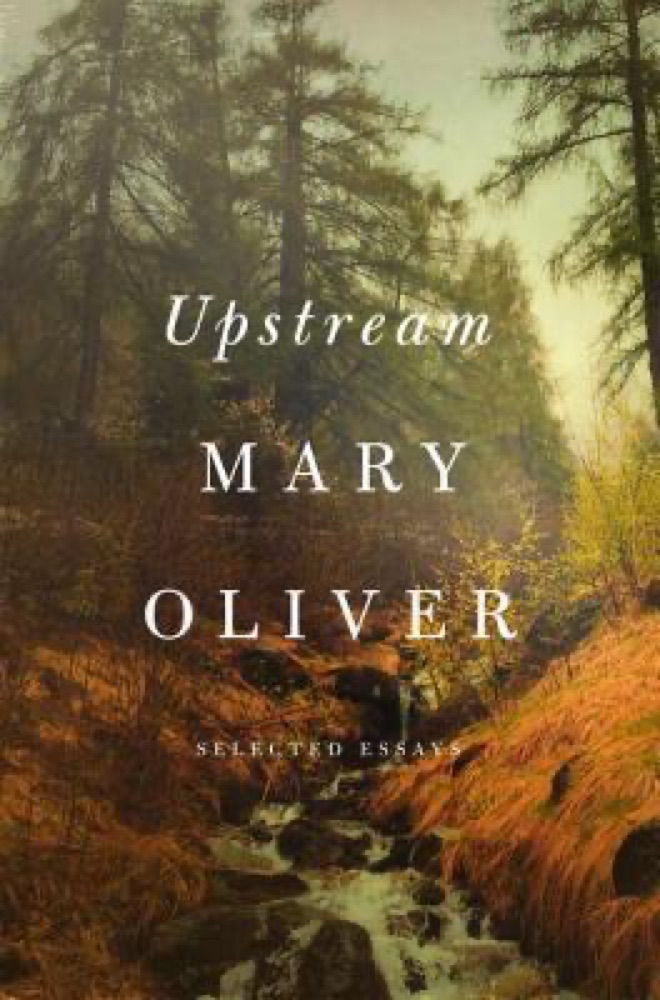 Upstream: Selected Essays
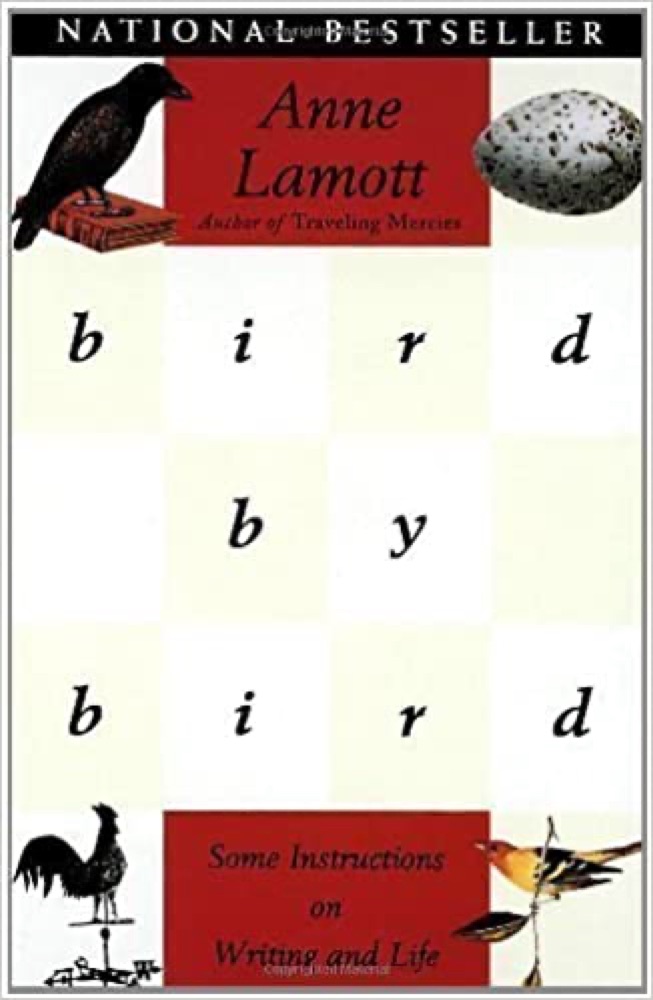 Bird by Bird
 Girl in the Dark
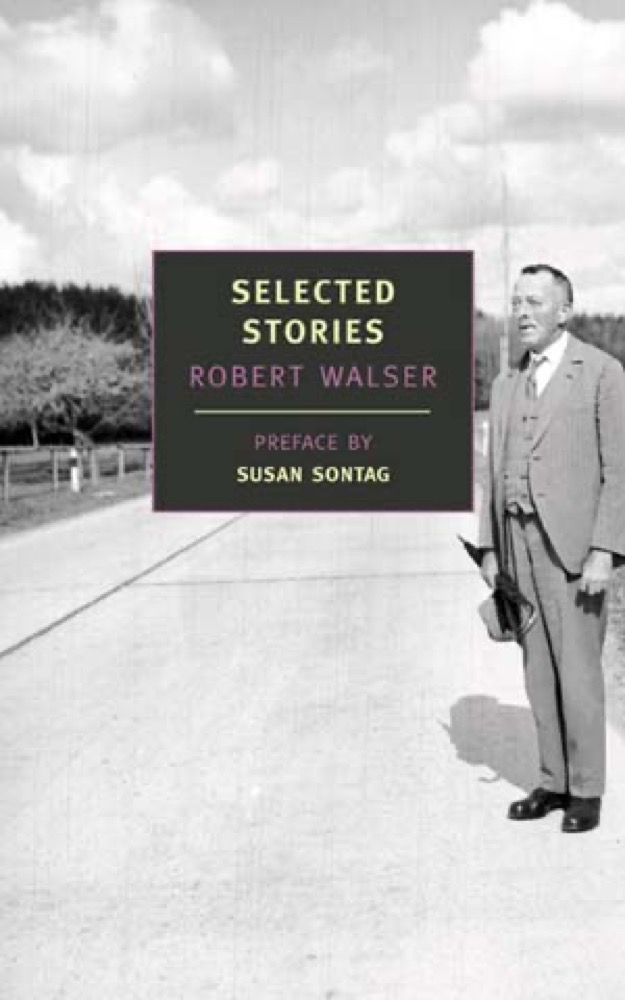 Selected Stories
 My Booky Wook
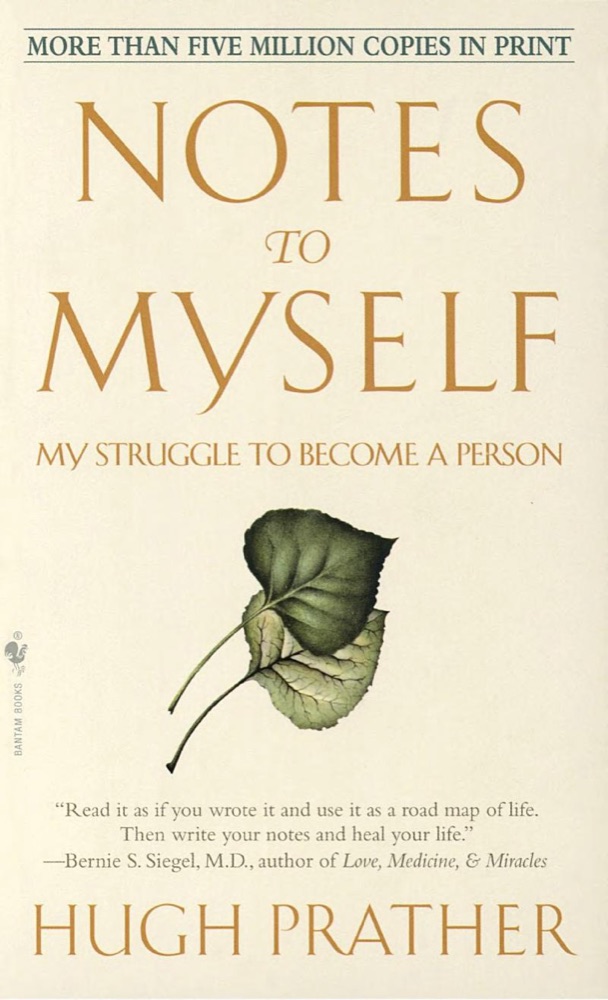 Notes to Myself
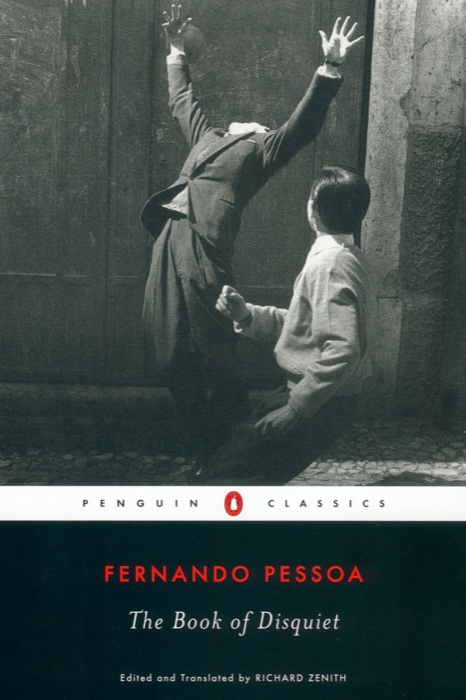 The Book of Disquiet
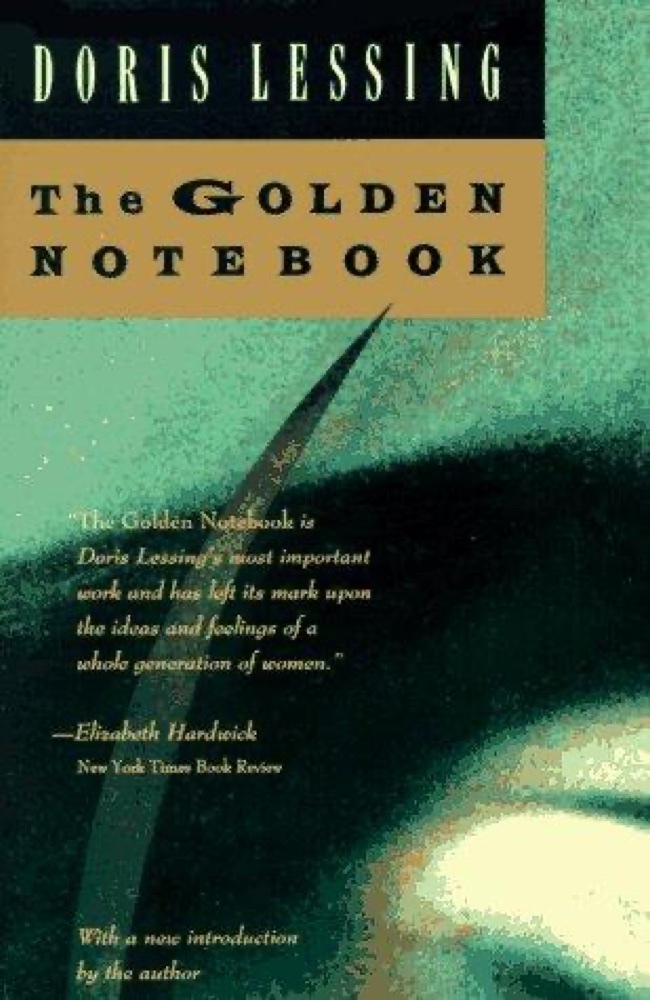 The Golden Notebook
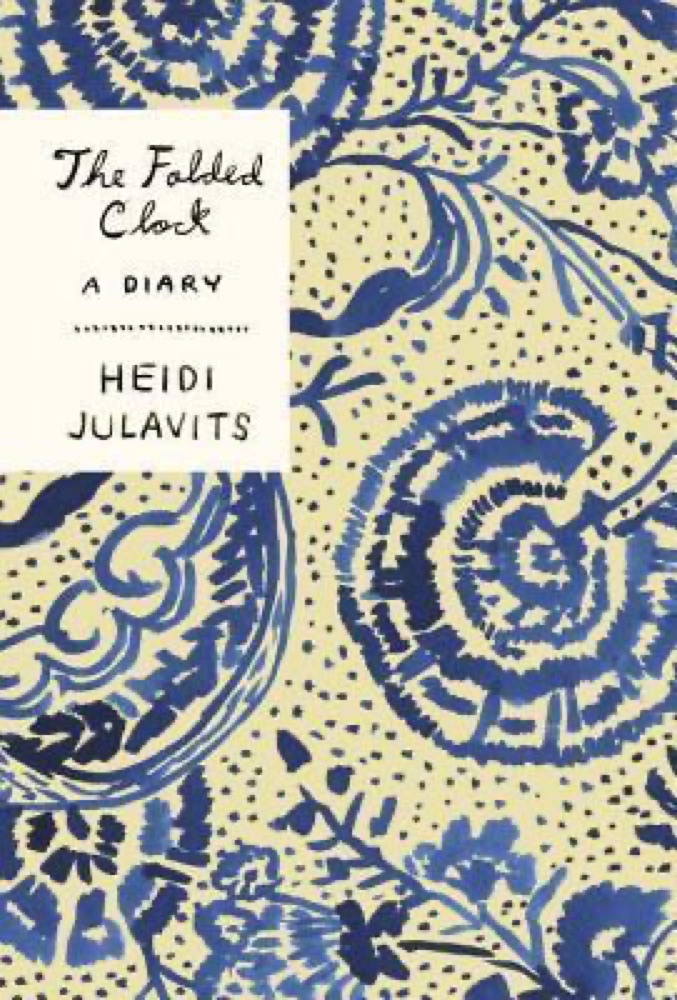 The Folded Clock: A Diary
 How to Be Good
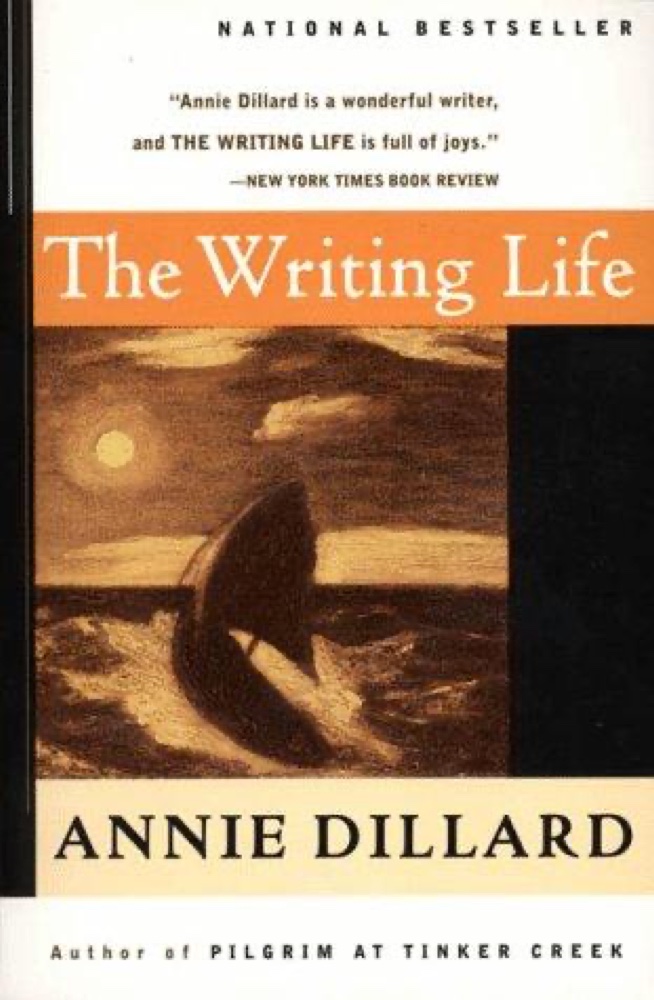 The Writing Life
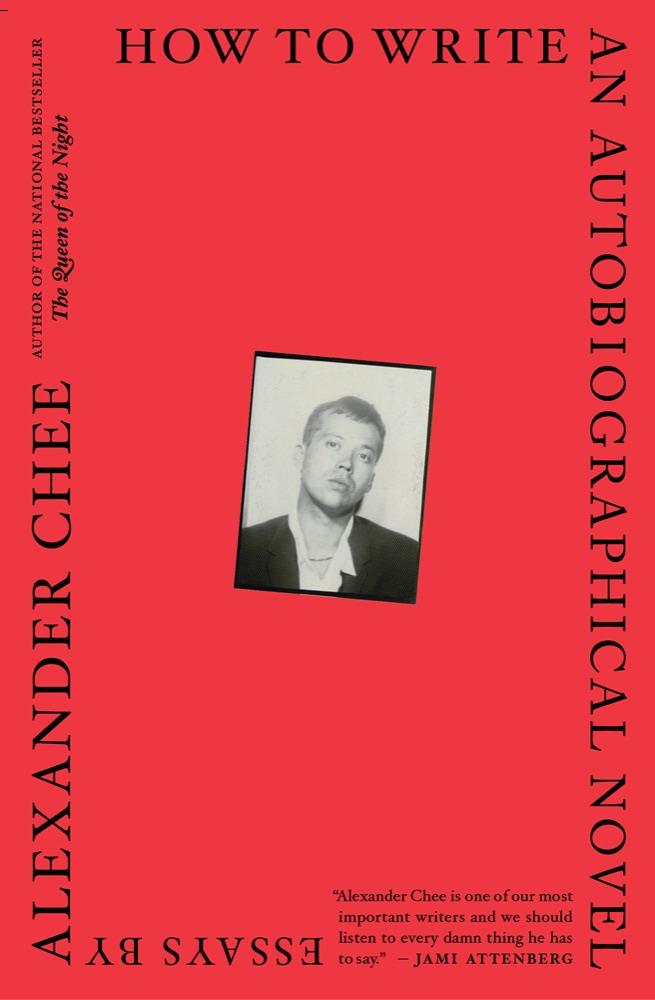 How to Write an Autobiographical Novel
 Love Letters: Virginia Woolf and Vita Sackville-West
 My Reading Life
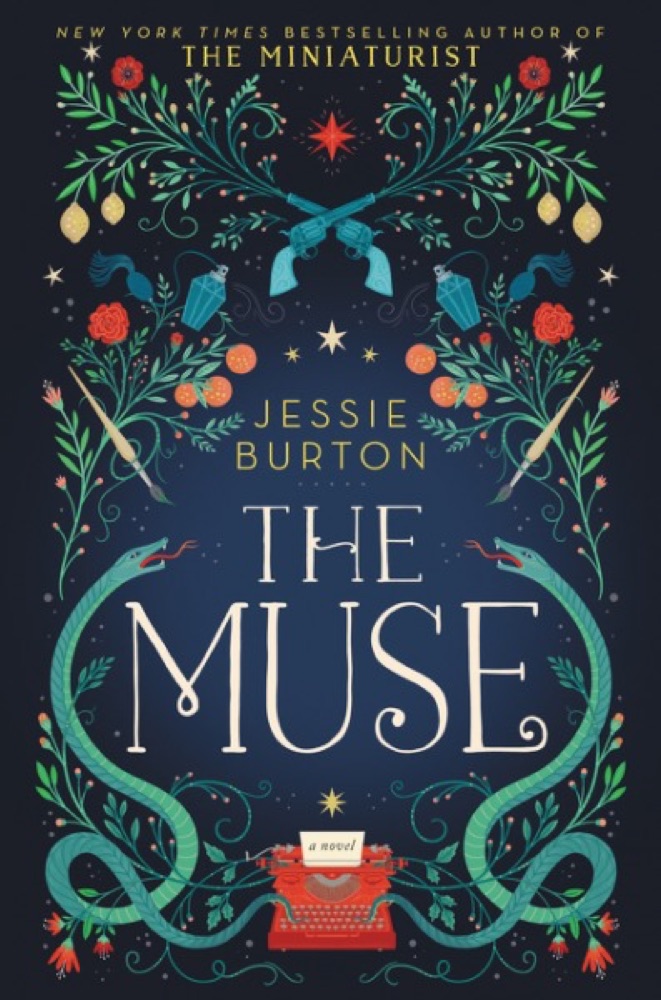 The Muse
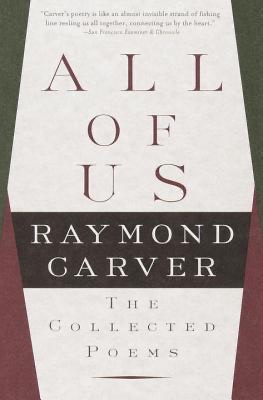 All of Us: The Collected Poems
 M Train
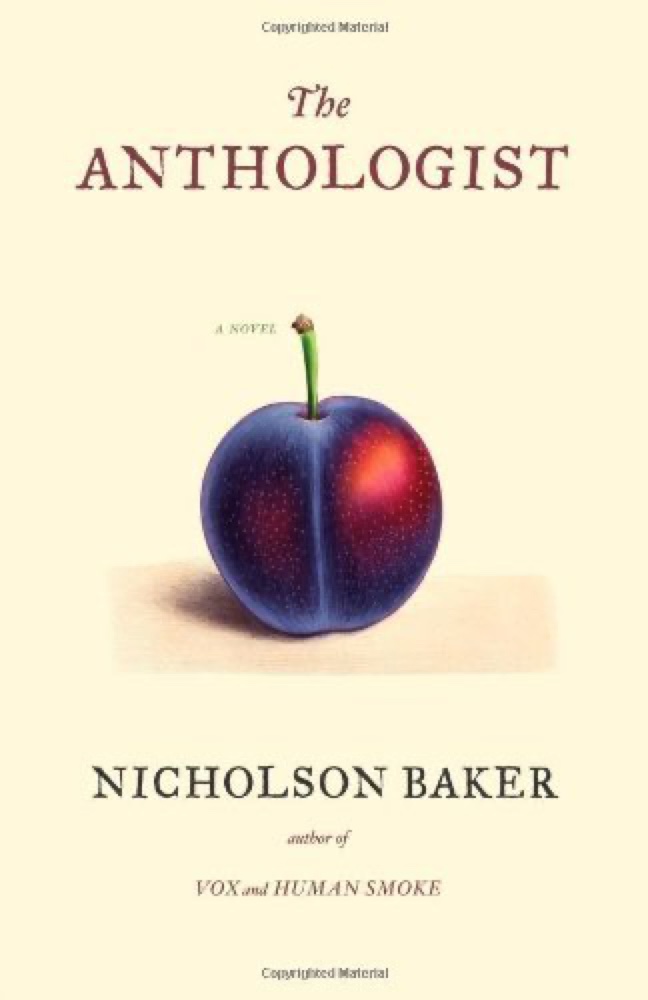 The Anthologist
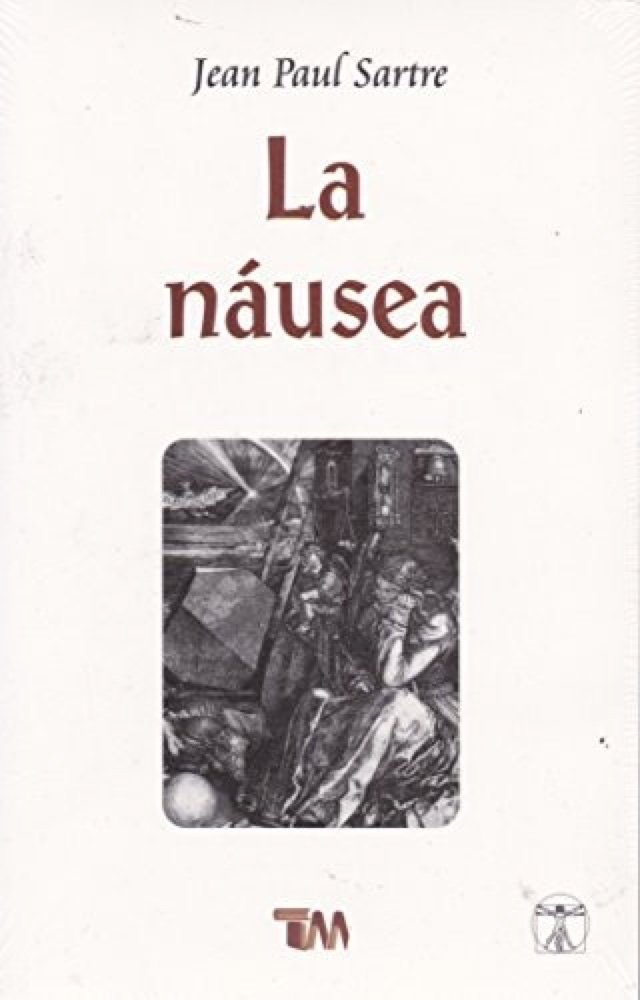 Nausea
 Writing Down the Bones: Freeing the Writer Within
 Journals
 Too Loud a Solitude
 The Sportswriter
 Johnny Panic and the Bible of Dreams: Short Stories, Prose and Diary Excerpts
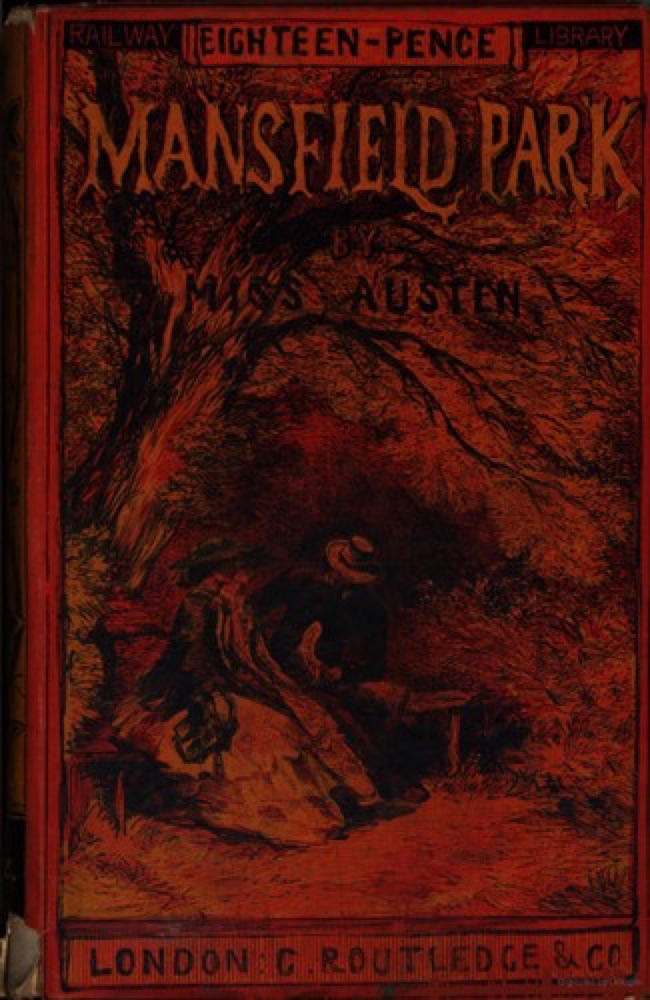 Mansfield Park
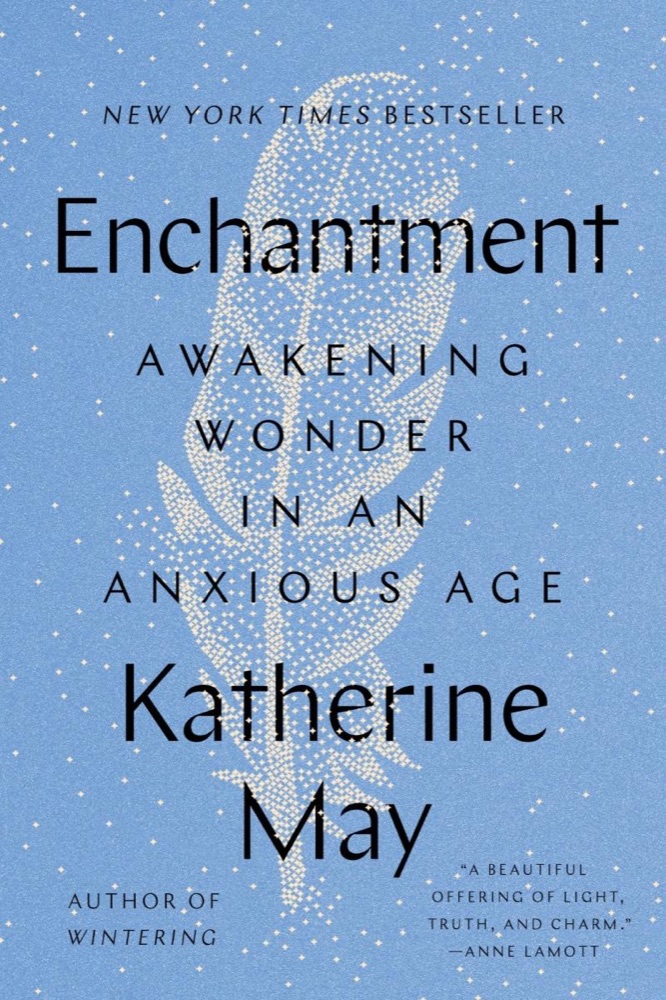 Enchantment: Awakening Wonder in an Anxious Age
 David Copperfield
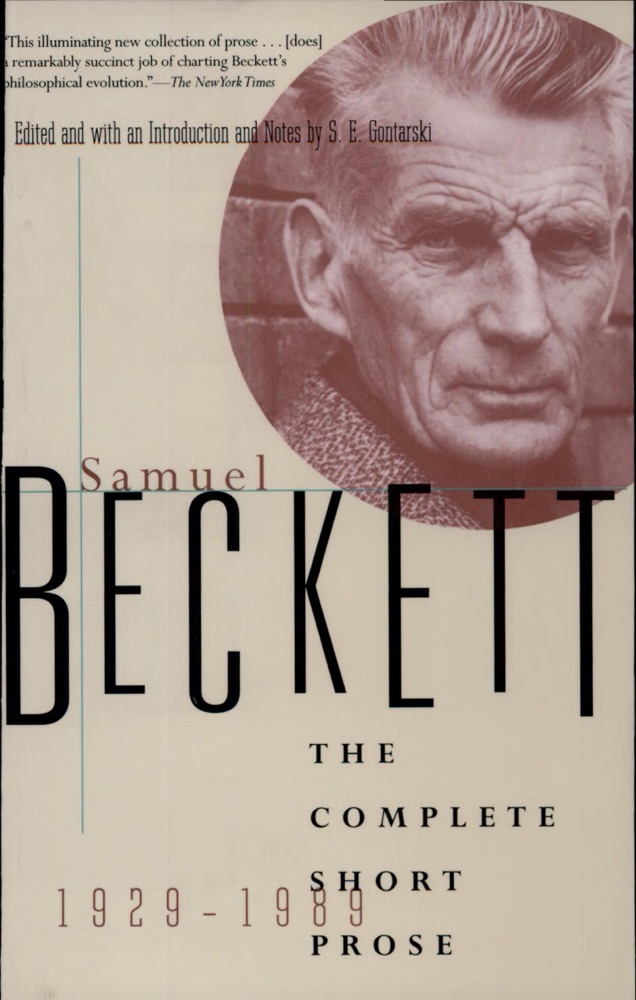 The Complete Short Prose, 1929-1989
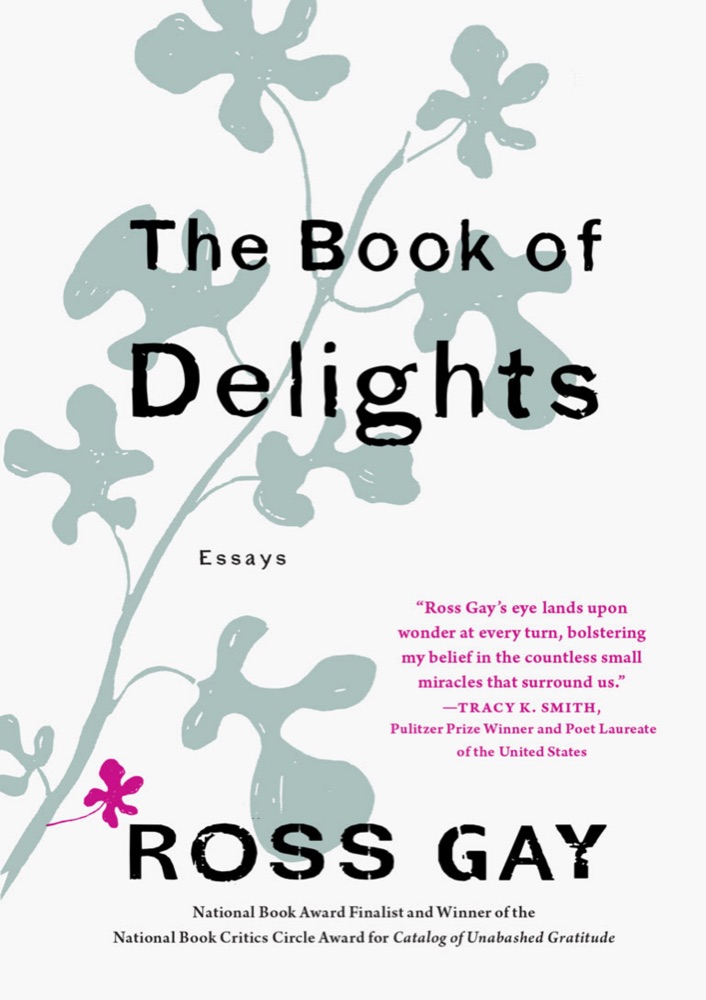 The Book of Delights: Essays
 Dust Tracks on a Road
 The Letters of Vincent van Gogh
 Ongoingness: The End of a Diary
 Tropic of Capricorn
 Zen in the Art of Writing
 A Three Dog Life