
 The Lover
Quotes from the Book
Finding yourself in a hole, at the bottom of a hole, in almost total solitude, and discovering that only writing can save you. To be without the slightest subject for a book, the slightest idea for a book, is to find yourself, once again, before a book. A vast emptiness. A possible book. Before nothing. Before something like living, naked writing, like something terrible, terrible to overcome.
97
The solitude of writing is a solitude without which writing could not be produced, or would crumble, drained bloodless by the search for something else to write.
66
Writing was the only thing that populated my life and made it magic.
9
One does not find solitude, one creates it. Solitude is created alone. I have created it. Because I decided that here was where I should be alone, that I would be alone to write books. It happened this way. I was alone in this house. I shut myself in—of course, I was afraid. And then I began to love it. This house became the house of writing. My books come from this house. From this light as well, and from the garden. From the light reflecting off the pond. It has taken me twenty years to write what I just said.
8
There is something suicidal in a writer’s solitude. One is alone even in one’s own solitude. Always inconceivable. Always dangerous. Yes. The price one pays for having dared go out and scream.
8
A writer is an odd thing. He’s a contradiction, and he makes no sense. Writing also means not speaking. Keeping silent. Screaming without sound. A writer is often quite restful; she listens a lot. She doesn’t speak much because it’s impossible to speak to someone about a book one has written, and especially about a book one is writing. It’s impossible. It’s the opposite of the cinema, the theater, and other performances. It’s the opposite of any kind of reading. It’s the hardest of all. It’s the worst. Because a book is the unknown, it’s night, it’s closed off, and that’s that. It’s the book that advances, grows, advances in directions one thought one had explored; that advances toward its own fate and the fate of its author, who is annihilated by its publication: her separation from it, the dream book, like the last-born child, always the best loved.
6
Women should not let lovers read the books they write.
5
« L'écrit ça arrive comme le vent, c'est nu, c'est de l'encre, c'est l'écrit, et ça passe comme rien d'autre ne passe dans la vie, rien de plus, sauf elle, la vie. »
5
The person who writes books must always be enveloped by a separation from others.
3
it is in a house that one is alone. not outside it, but inside. outside, in the garden, there are birds and cats. and also, once, a squirrel, and a ferret. one isn't alone in a garden. but inside the house, one is so alone that one can lose one's bearings.
2
The death of a fly is still death. It’s death marching toward a certain end of the world, which widens the field of the final sleep. When you see a dog die, or a horse die, you say something, like poor thing … But when a fly dies, nothing is said, no one records it, nothing.
2
I think that if I had played piano professionally, I would never have written books.
2
Es la mayor injusticia del tiempo, de todos los tiempos: y si uno no llora por eso una sola vez en su vida no llora por nada. Y no llorar nunca es no vivir.
2
Todo escribe a nuestro alrededor, eso es lo que hay que llegar a percibir; todo escribe, la mosca, la mosca escribe, en las paredes, la mosca escribió mucho a la luz de la sala, reflejada por el estanque. La escritura de la mosca podría llenar una página entera. Entonces sería una escritura. Desde el momento en que podría ser una escritura, ya lo es. Un día, quizás, a lo largo de los siglos venideros, se leería esa escritura, también seria descifrada, y traducida. Y la inmensidad de un poema legible se desplegaría en el cielo.
2
Nosotros, los del 68, somos enfermos de la esperanza, la esperanza es lo que se confía a las funciones del proletariado. Y a nosotros, ninguna ley, nada, ni nadie ni nada, nos curará de esa esperanza. Quisiera volver a afiliarme al PC. Pero, al mismo tiempo, sé que no será necesario. También quisiera dirigirme a la derecha e insultarla con todas mis fuerzas. El insulto, el insulto es tan fuerte como la escritura. Es una escritura, pero dirigida. He insultado a gente en mis artículos y produce tanta satisfacción como escribir un buen poema.
2
Người ta không tìm thấy nỗi cô đơn, người ta tạo ra nó. Nỗi cô đơn, nó tự sinh ra.
2
Chính ở trong nhà là lúc người ta cảm thấy cô đơn. Và không phải ở ngoài mà là ở trong nhà. Trong công viên có chim, có mèo. Và một lần còn có cả một con sóc, một con chồn hương. Người ta không cô đơn khi ở trong công viên. Nhưng khi ở trong nhà, người ta cô đơn đến nỗi đôi khi người ta lạc lối.
2
Sometimes in the evening, around sunset, the colors of Via Appia are those of Tuscany. I learned of that northern region when I was very young, still a child. First in a travel guidebook. And then during a school trip. It was a civilization contemporary with Rome that has now disappeared. I wish I knew how to tell you about the beauty of that region, where that civilization and that philosophy occurred in a lovely and fleeting coincidence. I wish I could tell you about the simplicity of their existence, their geography, the color of their eyes, of their climates, their agriculture, their pastures, their skies.” (A pause.) “You see, it would be like your smile, but lost, untraceable after it occurs. Like your body, but vanished; like a love, but without you or me. And so how can one say? How can one not love?
1
He died without any grave at all. Thrown into a mass pit on top of the previous corpses. And this is something so terrible to think about, so horrible, that it cannot be endured, and one cannot know just how horrible without having lived through it. It’s not the heap of bodies, not at all; it’s the disappearance of that body in the mass of other bodies. It’s his, his own body, thrown into the trench, without a word. Except a prayer for all the dead.
1
That is the major injustice of time, of all times: and if one doesn’t cry about it at least once in life, then one doesn’t cry about anything. And never to cry means not to live.
1
And that only in this house am I alone. To write. To write, not as I had up until then, but to write books still unknown to me and not yet decided on by me and not decided on by anyone
1
Her hands are empty, her head is empty, all she knows of this adventure, of this book, is dry, naked writing, without a future, without an echo
1
About Marguerite Duras
We have collected 54 quotes from 3 books by Marguerite Duras on BookQuoters.
More about the author →More by Marguerite Duras
The Lover
 Hiroshima Mon Amour
About the book
Written in the splendid bareness of her late style, these pages are Marguerite Duras's theory of literature: comparing a dying fly to the work of style; remembering the trance and incurable disarray of writing; recreating the last moments of a British pilot shot during World War II and buried next to her house; or else letting out a magisterial, so what? To question six decades of storytelling, all the essays together operate as a deceitful, yet indispensable confession.
Book details
- First published
- 1993
- Author
- Marguerite Duras
- Genre
- Nonfiction
- Goodreads rating
- 3.65 (4k ratings)
Keep reading
 Blueberries: Essays Concerning Understanding
 Selected Non-Fictions
 On Writing
 Hallucinating Foucault
 How to Write an Autobiographical Novel
 The Black Book
 The Writing Life
 Let Me Tell You What I Mean
 A Girl's Story
 Negotiating with the Dead: A Writer on Writing
 The Ghost Writer
 Johnny Panic and the Bible of Dreams: Short Stories, Prose and Diary Excerpts
 The Birthday of the World and Other Stories
 On Writing
 This Craft of Verse
 I. Asimov: A Memoir
 In the Heart of the Heart of the Country and Other Stories
 Concrete
 And Our Faces, My Heart, Brief as Photos
 The Summer Without Men
 A Breath of Life
 The Notebooks of Malte Laurids Brigge
 Possession
 Greek Lessons
 An Unnecessary Woman
 If You Want to Write: A Book about Art, Independence and Spirit
 The Aleph and Other Stories
 Dear Friend, from My Life I Write to You in Your Life
 House of Leaves
 Flaubert's Parrot
 Betting on the Muse: Poems & Stories
 The Muse
 Autumn
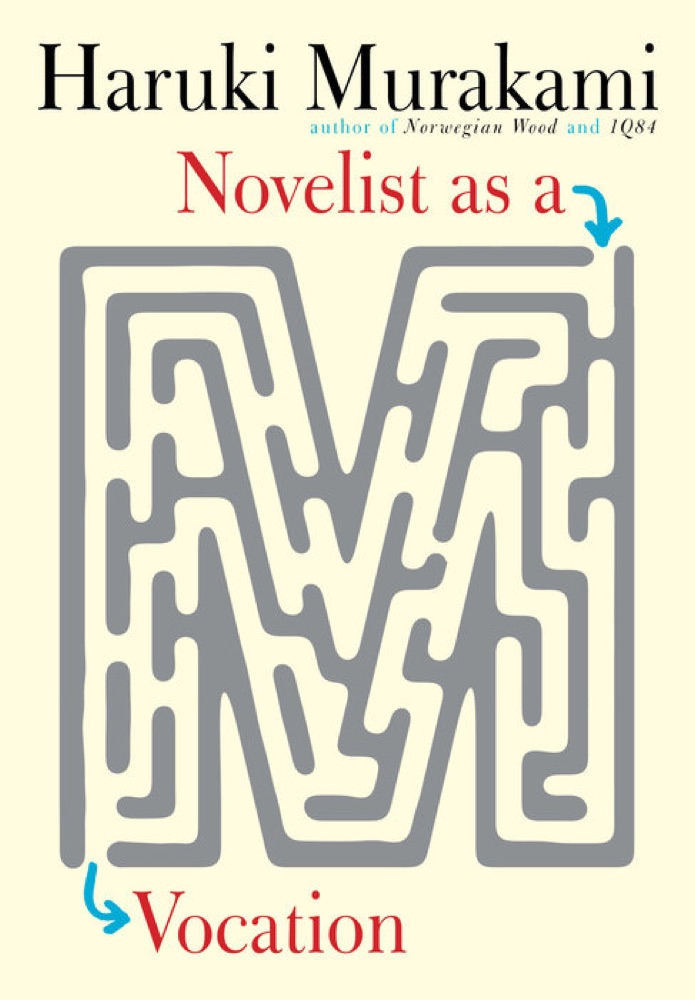 Novelist as a Vocation
The Lover
Novelist as a Vocation
The Lover
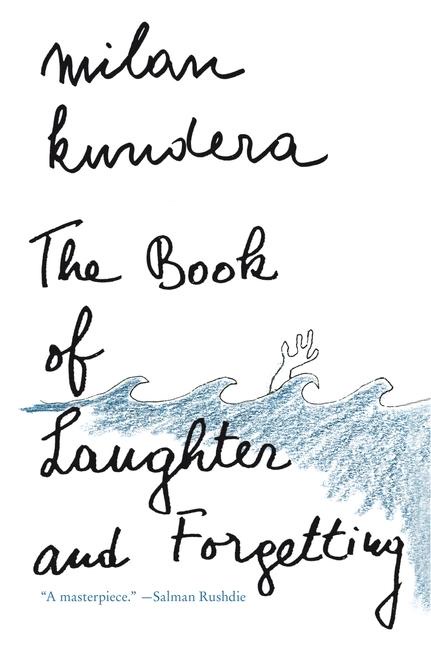 The Book of Laughter and Forgetting
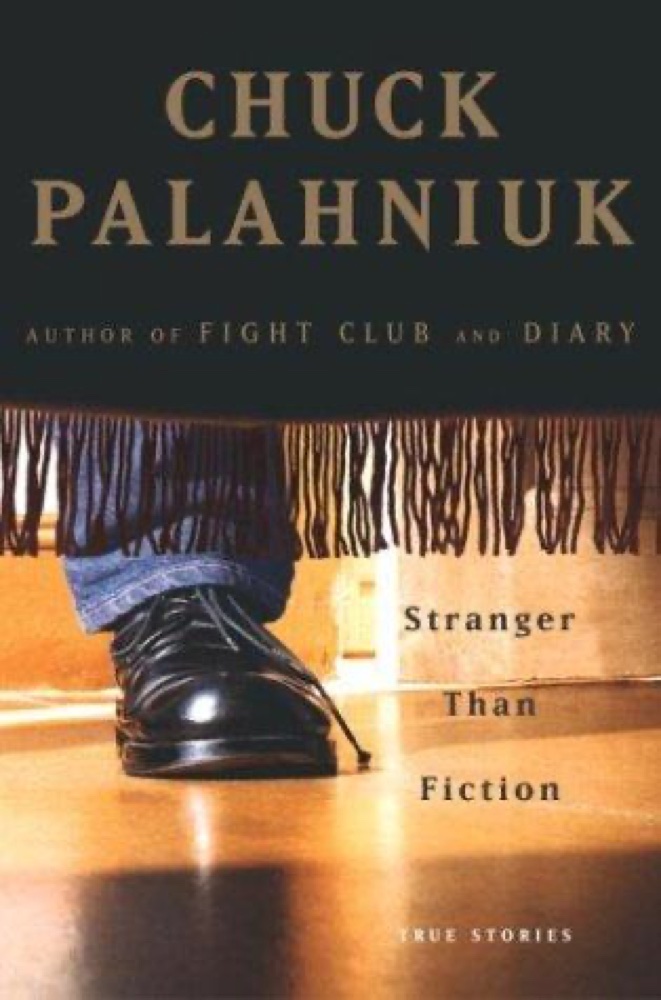 Stranger than Fiction
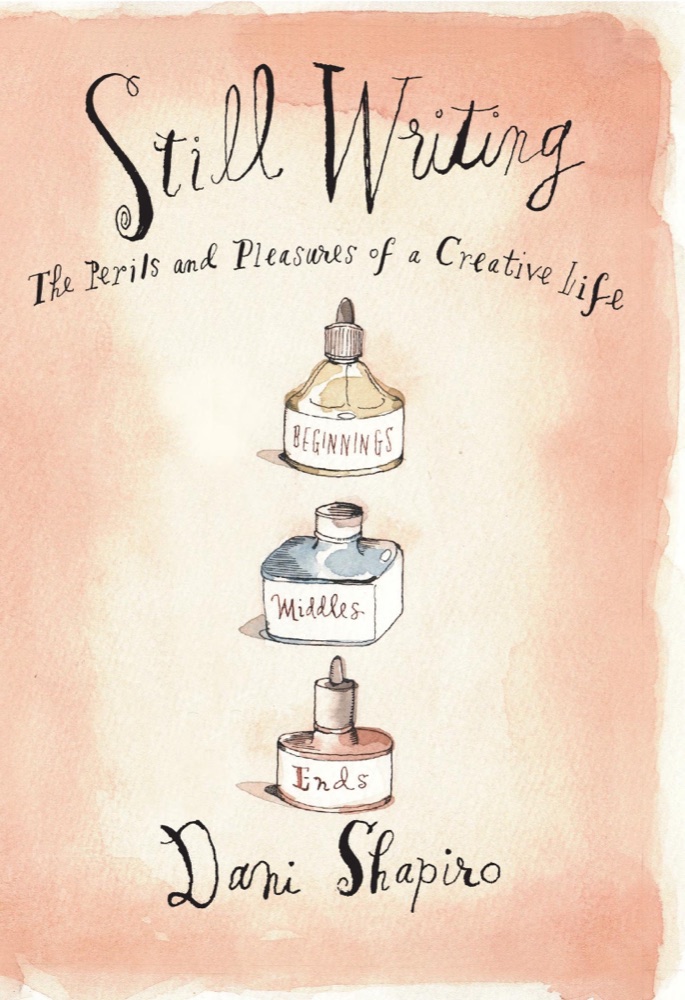 Still Writing: The Perils and Pleasures of a Creative Life
 The Rabbit Back Literature Society
 The Invention of Solitude
 The Diary of Anaïs Nin, Vol. 1: 1931-1934
 Plainwater: Essays and Poetry
 A Writer's Diary
 Death in the Afternoon
 The Reader
 The Story of the Lost Child
 Dear Mr. M
 Summertime
 Devotion
 The Ghostwriter
 Flights
 The Complete Short Stories
 The Last Night of the Earth Poems
 The Faraway Nearby
 The Triggering Town: Lectures and Essays on Poetry and Writing
 Where Reasons End
 Writing Down the Bones: Freeing the Writer Within
 No One Writes Back
 Inkspell
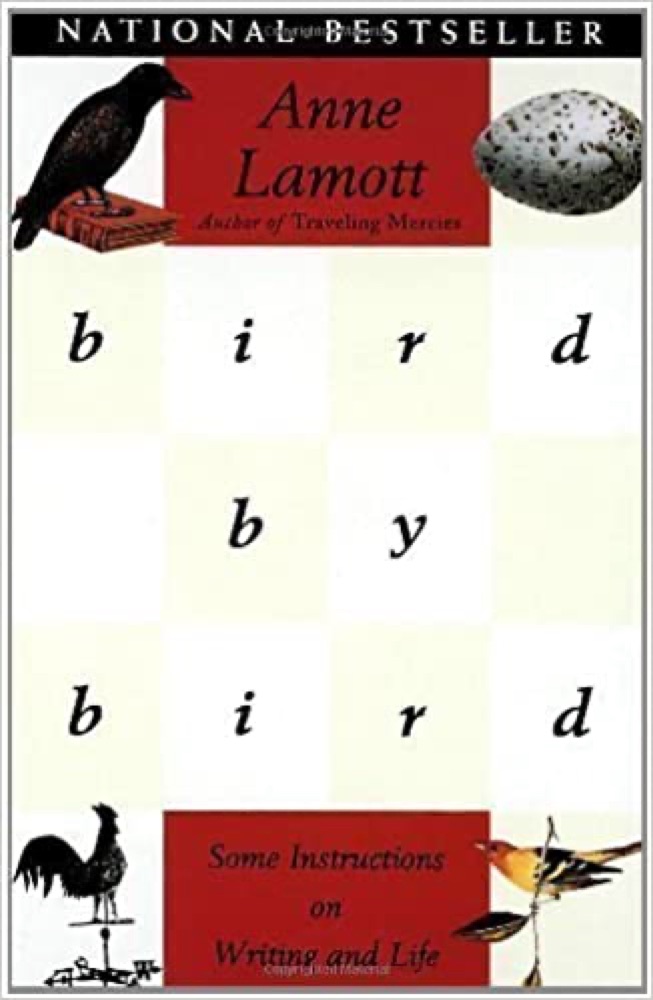 Bird by Bird