
 The Signature of All Things
Quotes from the Book
Do whatever brings you to life, then. Follow your own fascinations, obsessions, and compulsions. Trust them. Create whatever causes a revolution in your heart.
The universe buries strange jewels deep within us all, and then stands back to see if we can find them.
Be the weirdo who dares to enjoy.
You can measure your worth by your dedication to your path, not by your successes or failures.
Let me list for you some of the many ways in which you might be afraid to live a more creative life: You’re afraid you have no talent. You’re afraid you’ll be rejected or criticized or ridiculed or misunderstood or—worst of all—ignored. You’re afraid there’s no market for your creativity, and therefore no point in pursuing it. You’re afraid somebody else already did it better. You’re afraid everybody else already did it better. You’re afraid somebody will steal your ideas, so it’s safer to keep them hidden forever in the dark. You’re afraid you won’t be taken seriously. You’re afraid your work isn’t politically, emotionally, or artistically important enough to change anyone’s life. You’re afraid your dreams are embarrassing. You’re afraid that someday you’ll look back on your creative endeavors as having been a giant waste of time, effort, and money. You’re afraid you don’t have the right kind of discipline. You’re afraid you don’t have the right kind of work space, or financial freedom, or empty hours in which to focus on invention or exploration. You’re afraid you don’t have the right kind of training or degree. You’re afraid you’re too fat. (I don’t know what this has to do with creativity, exactly, but experience has taught me that most of us are afraid we’re too fat, so let’s just put that on the anxiety list, for good measure.) You’re afraid of being exposed as a hack, or a fool, or a dilettante, or a narcissist. You’re afraid of upsetting your family with what you may reveal. You’re afraid of what your peers and coworkers will say if you express your personal truth aloud. You’re afraid of unleashing your innermost demons, and you really don’t want to encounter your innermost demons. You’re afraid your best work is behind you. You’re afraid you never had any best work to begin with. You’re afraid you neglected your creativity for so long that now you can never get it back. You’re afraid you’re too old to start. You’re afraid you’re too young to start. You’re afraid because something went well in your life once, so obviously nothing can ever go well again. You’re afraid because nothing has ever gone well in your life, so why bother trying? You’re afraid of being a one-hit wonder. You’re afraid of being a no-hit wonder
Recognizing that people's reactions don't belong to you is the only sane way to create. If people enjoy what you've created, terrific. If people ignore what you've created, too bad. If people misunderstand what you've created, don't sweat it. And what if people absolutely hate what you've created? What if people attack you with savage vitriol, and insult your intelligence, and malign your motives, and drag your good name through the mud? Just smile sweetly and suggest - as politely as you possibly can - that they go make their own fucking art. Then stubbornly continue making yours.
It seems to me that the less I fight my fear, the less it fights back. If I can relax, fear relaxes, too.
So this, I believe, is the central question upon which all creative living hinges: Do you have the courage to bring forth the treasures that are hidden within you?
A creative life is an amplified life. It’s a bigger life, a happier life, an expanded life, and a hell of a lot more interesting life. Living in this manner—continually and stubbornly bringing forth the jewels that are hidden within you—is a fine art, in and of itself.
You're not required to save the world with your creativity. Your art not only doesn't have to be original, in other words, it also doesn't have to be important. For example, whenever anyone tells me that they want to write a book in order to help other people I always think 'Oh, please don't. Please don't try to help me.' I mean it's very kind of you to help people, but please don't make it your sole creative motive because we will feel the weight of your heavy intention, and it will put a strain upon our souls.
But to yell at your creativity, saying, “You must earn money for me!” is sort of like yelling at a cat; it has no idea what you’re talking about, and all you’re doing is scaring it away, because you’re making really loud noises and your face looks weird when you do that.
Perfectionism is a particularly evil lure for women, who, I believe, hold themselves to an even higher standard of performance than do men. There are many reasons why women’s voices and visions are not more widely represented today in creative fields. Some of that exclusion is due to regular old misogyny, but it’s also true that—all too often—women are the ones holding themselves back from participating in the first place. Holding back their ideas, holding back their contributions, holding back their leadership and their talents. Too many women still seem to believe that they are not allowed to put themselves forward at all, until both they and their work are perfect and beyond criticism. Meanwhile, putting forth work that is far from perfect rarely stops men from participating in the global cultural conversation. Just sayin’. And I don’t say this as a criticism of men, by the way. I like that feature in men—their absurd overconfidence, the way they will casually decide, “Well, I’m 41 percent qualified for this task, so give me the job!” Yes, sometimes the results are ridiculous and disastrous, but sometimes, strangely enough, it works—a man who seems not ready for the task, not good enough for the task, somehow grows immediately into his potential through the wild leap of faith itself. I only wish more women would risk these same kinds of wild leaps. But I’ve watched too many women do the opposite. I’ve watched far too many brilliant and gifted female creators say, “I am 99.8 percent qualified for this task, but until I master that last smidgen of ability, I will hold myself back, just to be on the safe side.” Now, I cannot imagine where women ever got the idea that they must be perfect in order to be loved or successful. (Ha ha ha! Just kidding! I can totally imagine: We got it from every single message society has ever sent us! Thanks, all of human history!) But we women must break this habit in ourselves—and we are the only ones who can break it. We must understand that the drive for perfectionism is a corrosive waste of time, because nothing is ever beyond criticism. No matter how many hours you spend attempting to render something flawless, somebody will always be able to find fault with it. (There are people out there who still consider Beethoven’s symphonies a little bit too, you know, loud.) At some point, you really just have to finish your work and release it as is—if only so that you can go on to make other things with a glad and determined heart. Which is the entire point. Or should be.
Anyhow, the older I get, the less impressed I become with originality. These days, I’m far more moved by authenticity. Attempts at originality can often feel forced and precious, but authenticity has quiet resonance that never fails to stir me.
It’s a simple and generous rule of life that whatever you practice, you will improve at.
Own your disappointment, acknowledge it for what it is, and move on.
Creativity is sacred, and it is not sacred. What we make matters enormously, and it doesn’t matter at all. We toil alone, and we are accompanied by spirits. We are terrified, and we are brave. Art is a crushing chore and a wonderful privilege. Only when we are at our most playful can divinity finally get serious with us. Make space for all these paradoxes to be equally true inside your soul, and I promise—you can make anything. So please calm down now and get back to work, okay? The treasures that are hidden inside you are hoping you will say yes.
Argue for your limitations and you get to keep them.
She said: “We all spend our twenties and thirties trying so hard to be perfect, because we’re so worried about what people will think of us. Then we get into our forties and fifties, and we finally start to be free, because we decide that we don’t give a damn what anyone thinks of us. But you won’t be completely free until you reach your sixties and seventies, when you finally realize this liberating truth—nobody was ever thinking about you, anyhow.
I believe that our planet is inhabited not only by animals and plants and bacteria and viruses, but also by ideas. Ideas are a disembodied, energetic life-form. They are completely separate from us, but capable of interacting with us—albeit strangely. Ideas have no material body, but they do have consciousness, and they most certainly have will. Ideas are driven by a single impulse: to be made manifest. And the only way an idea can be made manifest in our world is through collaboration with a human partner. It is only through a human’s efforts that an idea can be escorted out of the ether and into the realm of the actual.
What do you love doing so much that the words failure and success essentially become irrelevant?
If you’re alive, you’re a creative person.
What’s your favorite flavor of shit sandwich?” What Manson means is that every single pursuit—no matter how wonderful and exciting and glamorous it may initially seem—comes with its own brand of shit sandwich, its own lousy side effects. As Manson writes with profound wisdom: “Everything sucks, some of the time.” You just have to decide what sort of suckage you’re willing to deal with. So the question is not so much “What are you passionate about?” The question is “What are you passionate enough about that you can endure the most disagreeable aspects of the work?” Manson explains it this way: “If you want to be a professional artist, but you aren’t willing to see your work rejected hundreds, if not thousands, of times, then you’re done before you start. If you want to be a hotshot court lawyer, but can’t stand the eighty-hour workweeks, then I’ve got bad news for you.” Because if you love and want something enough—whatever it is—then you don’t really mind eating the shit sandwich that comes with it.
Basically, your fear is like a mall cop who thinks he’s a Navy SEAL: He hasn’t slept in days, he’s all hopped up on Red Bull, and he’s liable to shoot at his own shadow in an absurd effort to keep everyone “safe.
perfectionism is just fear in fancy shoes and a mink coat,
You can clear out whatever obstacles are preventing you from living your most creative life, with the simple understanding that whatever is bad for you is probably also bad for your work.
Ideas are driven by a single impulse: to be made manifest.
if I am not actively creating something, then I am probably actively destroying something
creative entitlement simply means believing that you are allowed to be here, and that—merely by being here—you are allowed to have a voice and a vision of your own.
living a life that is driven more strongly by curiosity than by fear.
Did you know?
- The book opens with an anecdote about the poet Jack Gilbert, who was not related to Elizabeth Gilbert despite sharing her surname.
- "Big Magic" is organized into six sections: Courage, Enchantment, Permission, Persistence, Trust, and Divinity.
- Gilbert wrote the book after the massive success of her 2006 memoir "Eat, Pray, Love."
- The book became an instant #1 New York Times bestseller.
- Gilbert expanded on the book's themes through her companion podcast "Magic Lessons," which featured guests such as Brené Brown.
- One of the book's central lines argues that creativity is a path for the brave but not for the fearless.
About Elizabeth Gilbert
Elizabeth Gilbert (born July 18, 1969, in Waterbury, Connecticut) is an American journalist and author best known for her 2006 memoir "Eat, Pray, Love," which sold more than 12 million copies and was adapted into a 2010 film starring Julia Roberts. Her wide-ranging work spans fiction, memoir, and nonfiction.
More about the author →More by Elizabeth Gilbert
The Signature of All Things
 Committed: A Skeptic Makes Peace with Marriage
 Eat, Pray, Love
 The Last American Man
About the book
"Big Magic: Creative Living Beyond Fear" is a self-help book by Elizabeth Gilbert, the bestselling author of the memoir "Eat, Pray, Love." Published in 2015, it lays out Gilbert's philosophy of the creative life: how to court inspiration, work in spite of fear, and pursue what you love without being crushed by self-doubt or perfectionism. Drawing on her own decades as a writer, Gilbert argues that creativity is not the exclusive property of professional artists but a way of living available to anyone willing to embrace curiosity over anxiety.
The book is organized into six sections, Courage, Enchantment, Permission, Persistence, Trust, and Divinity, each addressing a facet of the creative process. Gilbert blends what one reviewer called soulful spirituality with cheerful pragmatism, treating inspiration as something mysterious and almost magical while also insisting on the ordinary discipline of showing up and doing the work. She encourages readers to release the need for external permission or validation and to make things simply for the joy of making them.
A central theme is Gilbert's reframing of bravery: creativity is a path for the brave, she writes, but not for the fearless, and the goal is not to eliminate fear but to act alongside it. An instant number one New York Times bestseller, "Big Magic" became a touchstone for readers seeking a gentler, less fraught relationship with their own creativity, and Gilbert extended its ideas through her companion podcast "Magic Lessons."
Book details
- First published
- 2015
- Length
- 276 pages
- Reading time
- 2 hours
- Author
- Elizabeth Gilbert
- Genre
- Nonfiction
- Goodreads rating
- 3.96 (239k ratings) →
If you liked this, read…
- 1The War of ArtSteven Pressfield's classic on overcoming creative resistance and doing the work.
- 2Bird by BirdAnne Lamott's warm, funny guide to writing and the creative life.
- 3The Artist's WayJulia Cameron's foundational program for unblocking creativity.
- 4Daring GreatlyBrené Brown on vulnerability and courage, kindred themes to Gilbert's.
Keep reading
 Embrace Your Weird: Face Your Fears and Unleash Creativity
 Creative Quest
 The Creative Habit: Learn It and Use It for Life
 Ignore Everybody: and 39 Other Keys to Creativity
 The Artist's Way
 How to Write One Song: Loving the Things We Create and How They Love Us Back
 Steal Like an Artist: 10 Things Nobody Told You About Being Creative
 Creativity: Unleashing the Forces Within
 Orbiting the Giant Hairball: A Corporate Fool's Guide to Surviving with Grace
 The Fire Starter Sessions: A Soulful + Practical Guide to Creating Success on Your Own Terms
 The Practice: Shipping Creative Work
 The Art of Creative Thinking
 How to Be Here: A Guide to Creating a Life Worth Living
 Show Your Work!: 10 Ways to Share Your Creativity and Get Discovered
 Every Tool's a Hammer: Life Is What You Make It
 How to Be Everything
 Creativity: Flow and the Psychology of Discovery and Invention
 You Are a Badass at Making Money: Master the Mindset of Wealth
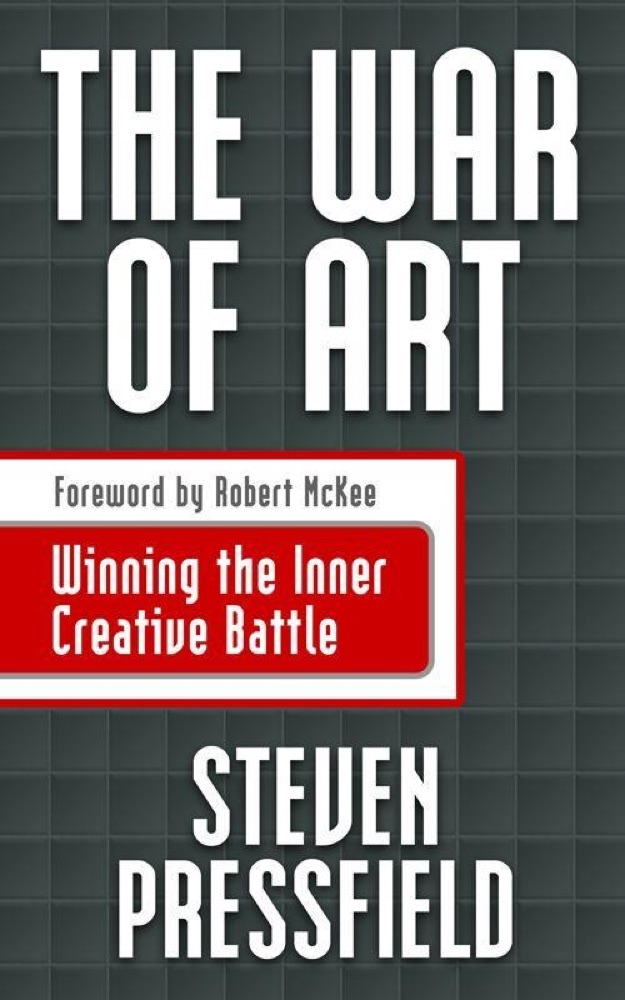 The War of Art
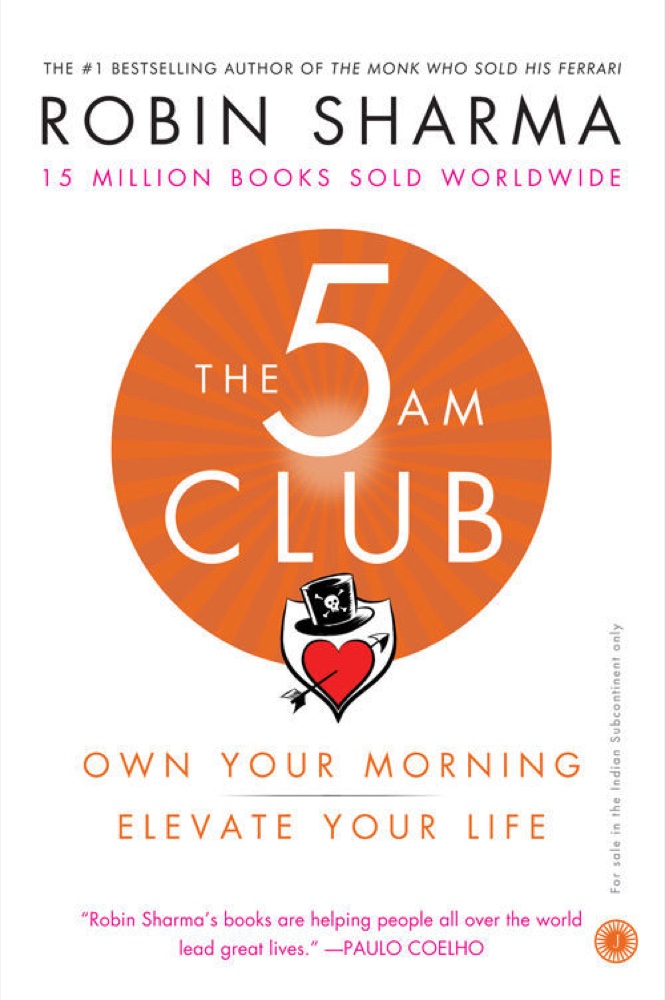 The 5 AM Club: Own Your Morning. Elevate Your Life
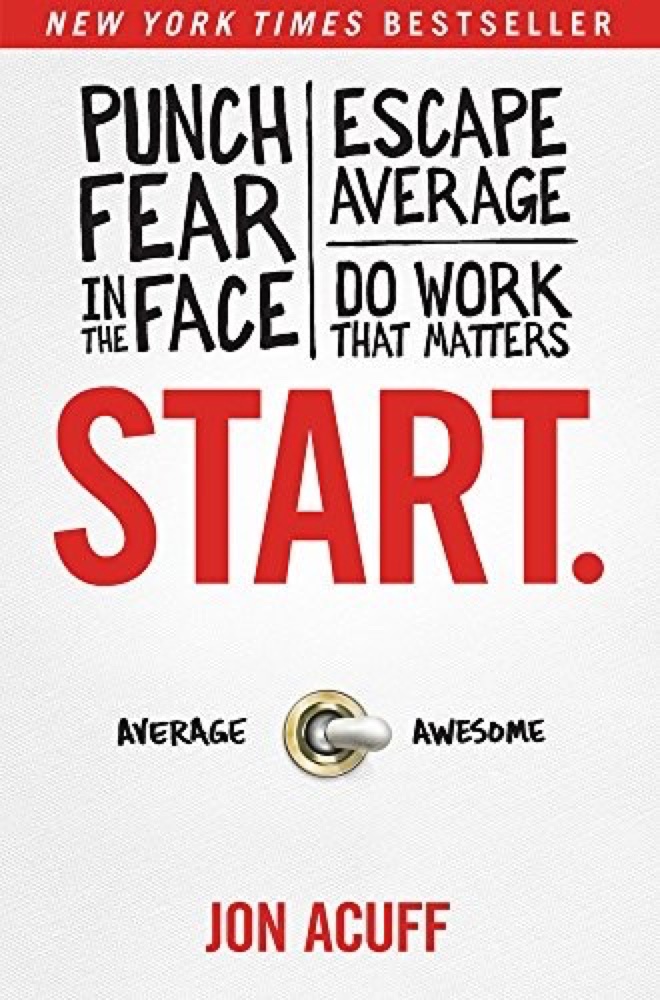 Start: Punch Fear in the Face, Escape Average and Do Work that Matters
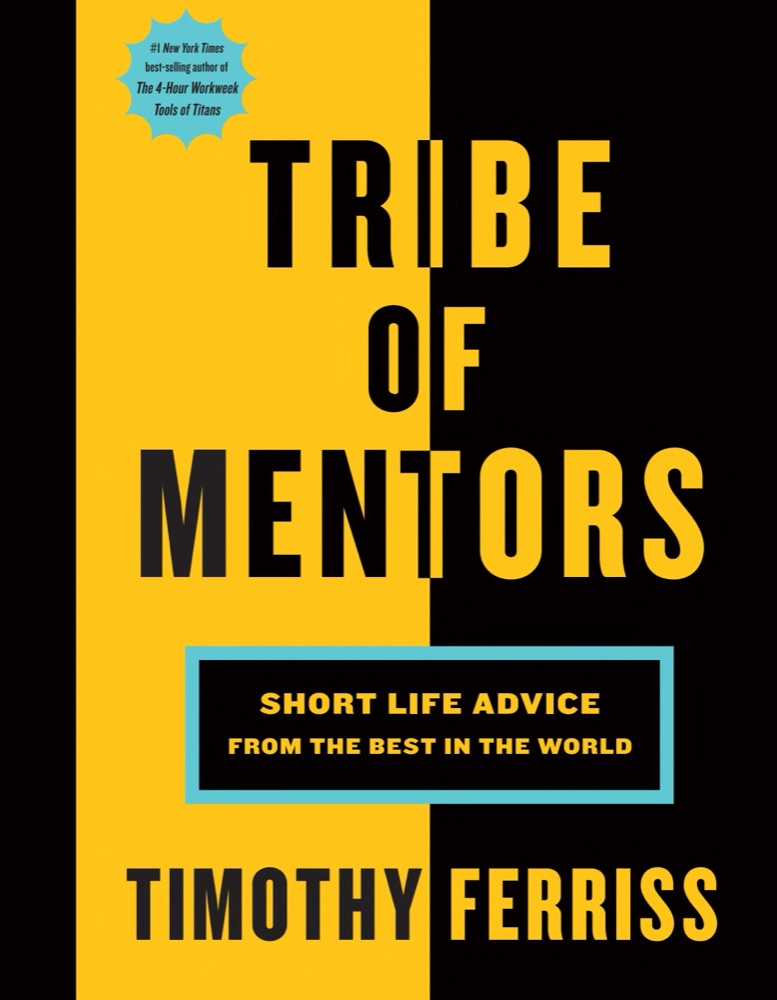 Tribe Of Mentors: Transformative Wisdom From Icons and Innovators to Help You Navigate Life's Challenges
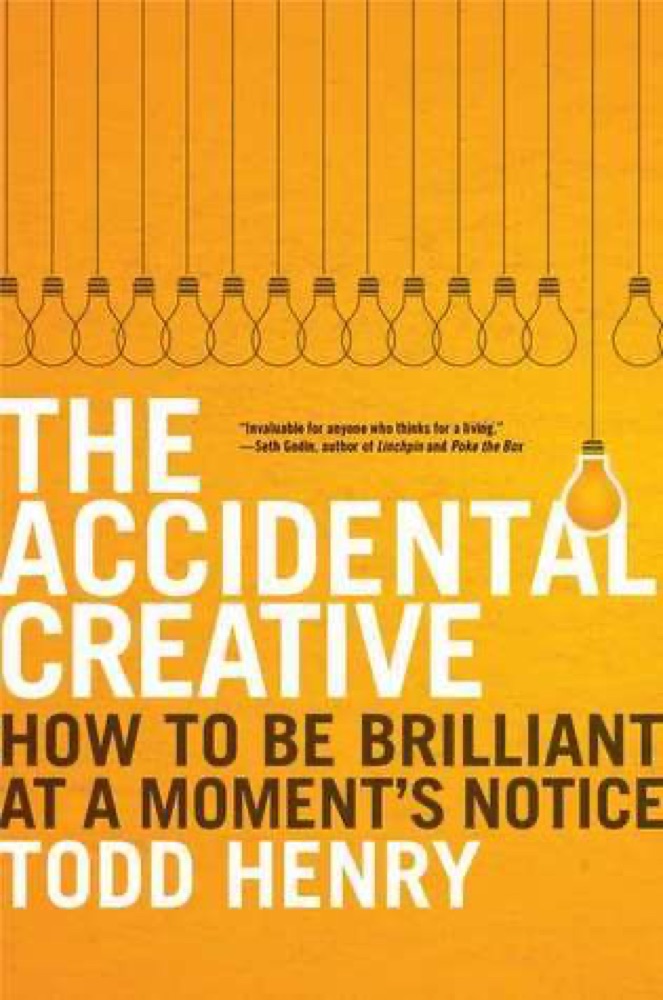 The Accidental Creative: How to Be Brilliant at a Moment's Notice
 Choose Yourself: Be Happy, Make Millions, Live the Dream
 Moonwalk
 You Are a Badass: How to Stop Doubting Your Greatness and Start Living an Awesome Life
 How to Be Interesting: In 10 Simple Steps
 Creativity, Inc.: Overcoming the Unseen Forces That Stand in the Way of True Inspiration
 How to Fly a Horse: The Secret History of Creation, Invention, and Discovery
 The Promise of a Pencil: How an Ordinary Person Can Create Extraordinary Change
 Like Streams to the Ocean: Notes on Ego, Love, and the Things That Make Us Who We Are
 Improv Wisdom: Don't Prepare, Just Show Up
 How to Be a Bawse: A Guide to Conquering Life
 A Work in Progress
 Professional Troublemaker: The Fear-Fighter Manual
 Becoming Better Grownups: Rediscovering What Matters and Remembering How to Fly
 Mastery
 Illusions: The Adventures of a Reluctant Messiah
 Linchpin: Are You Indispensable?
 Be Useful: Seven Tools for Life
 101 Essays That Will Change The Way You Think
 Things a Little Bird Told Me: Confessions of the Creative Mind
 Zen in the Art of Writing
 #Girlboss
 The Daily Laws: 366 Meditations
 Will
Will
 How to Be Okay When Nothing Is Okay
 The Happiness of Pursuit: Finding the Quest That Will Bring Purpose to Your Life
 F**k It: The Ultimate Spiritual Way
 The Happiness Equation: Want Nothing + Do Anything = Have Everything
 Originals: How Non-Conformists Move the World
 Tools of Titans: The Tactics, Routines, and Habits of Billionaires, Icons, and World-Class Performers
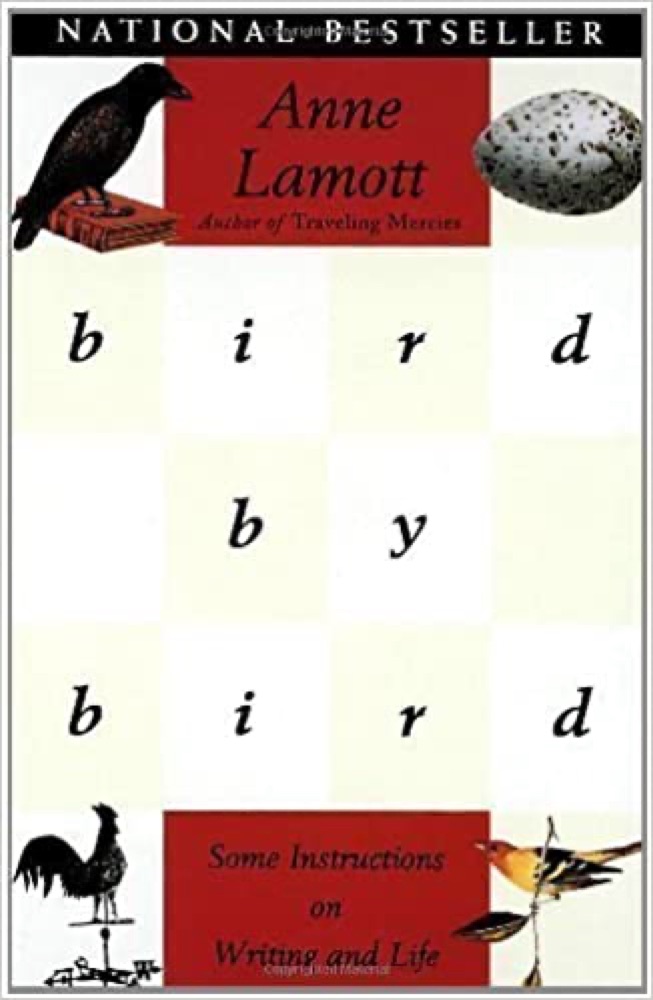 Bird by Bird
 What If This Were Enough?: Essays
 Awaken The Giant Within
 I Can't Make This Up: Life Lessons
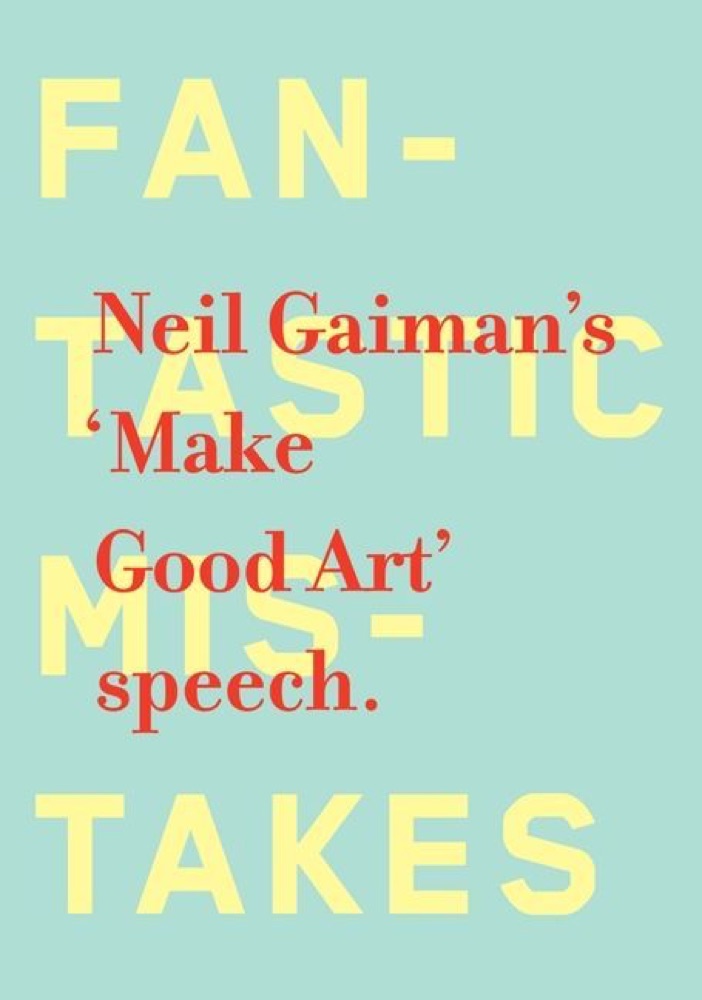 Make Good Art
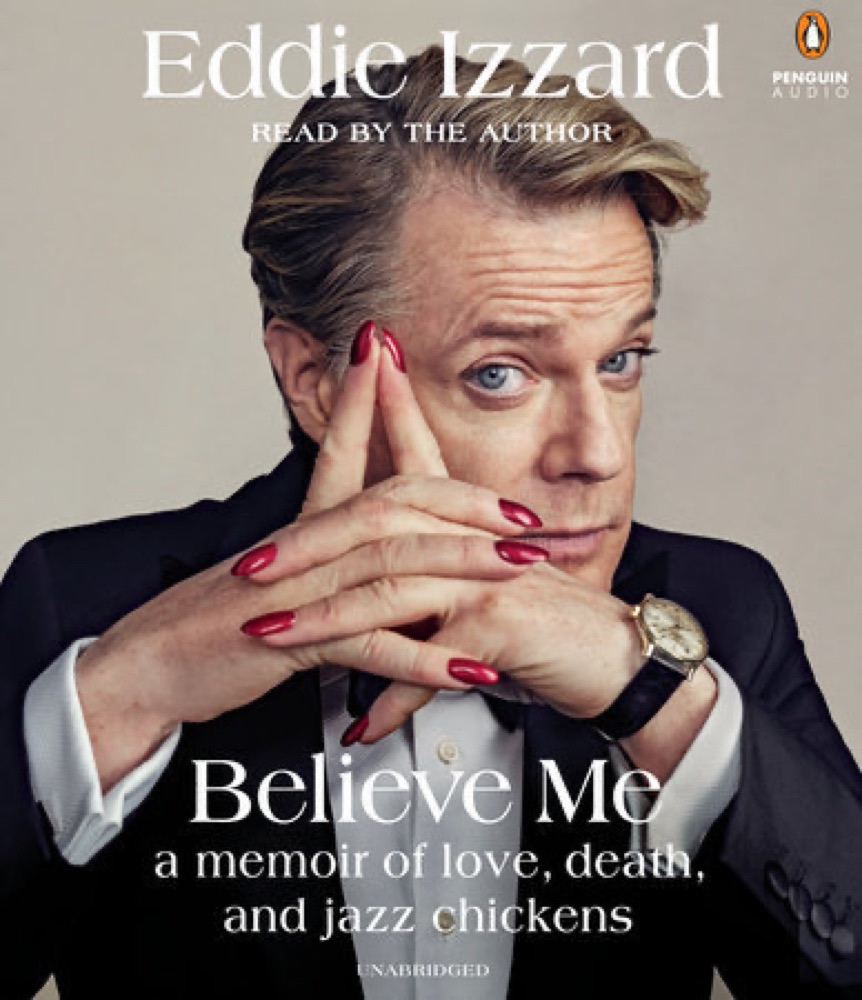 Believe Me: A Memoir of Love, Death, and Jazz Chickens
 On Connection