
 The Power of Myth
Quotes from the Book
You enter the forest at the darkest point, where there is no path. Where there is a way or path, it is someone else's path. You are not on your own path. If you follow someone else's way, you are not going to realize your potential.
335
Just as anyone who listens to the muse will hear, you can write out of your own intention or out of inspiration. There is such a thing. It comes up and talks. And those who have heard deeply the rhythms and hymns of the gods, can recite those hymns in such a way that the gods will be attracted.
106
When you find a writer who really is saying something to you, read everything that writer has written and you will get more education and depth of understanding out of that than reading a scrap here and a scrap there and elsewhere. Then go to people who influenced that writer, or those who were related to him, and your world builds together in an organic way that is really marvelous.
76
Now I found it in writing sentences. You can write that sentence in a way that you would have written it last year. Or you can write it in the way of the exquisite nuance that is sriting in your mind now. But that takes a lot of ... waiting for the right word to come.
72
They thought that it would be a disgrace to go forth as a group. Each entered the forest at a point that he himself had chosen, where it was darkest and there was no path. If there is a path it is someone else's path and you are not on the adventure.
62
The ego is as you think of yourself. You in relation to all the commitments of your life, as you understand them. The self is the whole range of possibilities that you've never even thought of. And you're stuck with you're past when you're stuck with the ego. Because if all you know about yourself is what you found out about yourself, well, that already happened. The self is a whole field of potentialities to come through.
45
The fundamental human experience is that of compassion.
20
It's not an advantage to be without a PhD. But it's an advantage not to have taken a PhD because of the things that they do to you to get you into the slot that they want you in.
20
You can get a lot of work done if you stay with it and are excited and its play instead of work.
15
The image that comes to mind is a boxing ring. There are times when...you just want that bell to ring, but you're the one who's losing. The one who's winning doesn't have that feeling. Do you have the energy and strength to face life? Life can ask more of you than you are willing to give. And then you say, 'Life is not something that should have been. I'm not going to play the game. I'm going to meditate. I'm going to call "out".' There are three positions possible. One is the up-to-it, and facing the game and playing through. The second is saying, Absolutely not. I don't want to stay in this dogfight. That's the absolute out. The third position is the one that says, This is mixed of good and evil. I'm on the side of the good. I accept the world with corrections. And may [the world] be the way I like it. And it's good for me and my friends. There are only the three positions.
15
Reading what you want, and having one book lead to the next, is the way I found my discipline.
14
The imitation of Christ is the joyful participation in the sorrows of the world.
10
The journey of the hero is about the courage to seek the depths; the image of creative rebirth; the eternal cycle of change within us; the uncanny discovery that the seeker is the mystery which the seeker seeks to know. The hero journey is a symbol that binds, in the original sense of the word, two distant ideas, the spiritual quest of the ancients with the modern search for identity, “always the one, shape-shifting yet marvelously constant story that we find.
9
The first function of mythology is showing everything as a metaphor to transcendence.
4
Mythology is to relate found truth to the living of a life.
4
A mythological image that has to be explained to the brain is not working.
4
When you don't have a job (requiring reading) and you are doing your own reading you've got deep psychological questions. As deep as those of a little boy.
4
So during the years of the Depression I had arranged a schedule for myself. When you don’t have a job or anyone to tell you what to do, you’ve got to fix one for yourself. I divided the day into 4 four-hour periods, of which I would be reading in three of the four-hour periods, and free one of them. By getting up a 8 o’clock in the morning, by 9 I could sit down to read. That meant that I used the first hour to prepare my own breakfast and take care of the house and put things together in whatever shack I happened to be living in at the time. Then three hours of that first four-hour period went to reading. Then came an hour break for lunch and another three-hour unit. And then comes the optional next section. It should normally be three hours of reading and then an hour out for dinner and then three hours free and an hour getting to bed so I’m in bed by 12. On the other hand, if I were invited out for cocktails or something like that, then I would put the work hour in the evening and the play hour in the afternoon. It worked very well. I would get nine hours of sheer reading done in a day. And this went on for five years straight. You get a lot done in that time.
3
The myth is not my own; I have it from my mother. Euripides
3
Mythology opens the world so that it becomes transparent to something that is beyond speech, beyond words—in short, what we call transcendence. Without that you don’t have a mythology. Any system of thinking, ideologies of one kind or another, that does not open to transcendence cannot be classified or understood mythologically.
2
Mythologies are in fact the public dreams that move and shape societies, and conversely one’s own dreams are the little myths of the private gods, antigods, and guardian powers that are moving and shaping oneself: revelations of the actual fears, desires, aims, and values by which one’s life is subliminally ordered.
2
To translate knowledge and information into experience: that seems to be the function of literature and art.
2
Art brings out the grand lines of nature. Antione Bourdelle
2
The Christ idea and the Buddha idea are perfectly equivalent mythological symbols. Two ways of saying the same thing: that a transcendent energy consciousness informs the whole world and informs you.
1
Watch on YouTube
About Joseph Campbell
We have collected 153 quotes from 7 books by Joseph Campbell on BookQuoters.
More about the author →More by Joseph Campbell
The Power of Myth
 The Hero With a Thousand Faces
 Thou Art That: Transforming Religious Metaphor
 Pathways to Bliss: Mythology and Personal Transformation
About the book
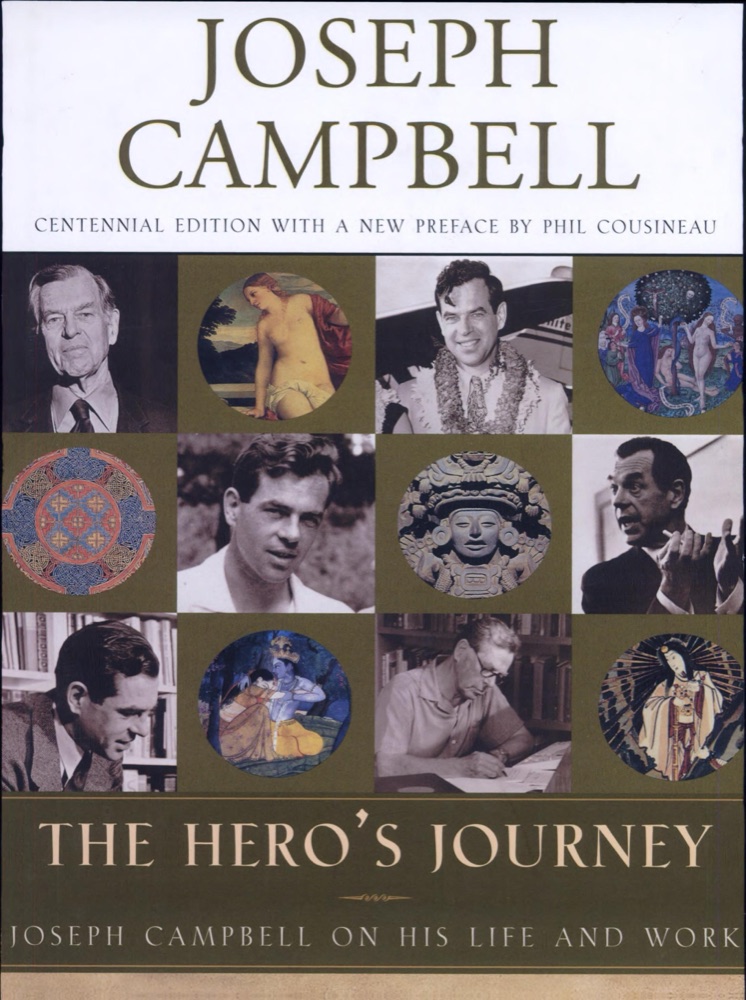
The author of Hero With a Thousand Faces, The Masks of God series, and The Power of Myth here turns his powers of observation and analysis on his own life's journey and conveys the excitement of his life-long exploration of mythic traditions, which he called "the one great story of mankind." In conversations with poets, anthropologists, and philosophers, Campbell reflects on subjects ranging from the origins and functions of myth, the role of the artist and the need for ritual, to the ordeals of love and romance. Illustrated throughout with photographs from Joseph Campbell's family archive and with a new, revised introduction, The Hero's Journey introduces the reader first-hand to Joseph Campbell the man, his discoveries, his terminology, and his thinking.
Book details
- First published
- 1990
- Author
- Joseph Campbell
- Genre
- Nonfiction
- Goodreads rating
- 4.29 (3k ratings)
Keep reading
The Power of Myth
 Myths to Live By
 A Joseph Campbell Companion: Reflections on the Art of Living
 The Writer's Journey: Mythic Structure for Writers
 Maps of Meaning: The Architecture of Belief
 How to Read Literature Like a Professor
 A Short History of Myth
 Stories of Your Life and Others
 The Book of Form and Emptiness
 Creativity: Flow and the Psychology of Discovery and Invention
 The Language of the Night: Essays on Writing, Science Fiction, and Fantasy
 The Intellectual Life: Its Spirit, Conditions, Methods
 The Myth of Sisyphus
 The Story of My Life
 The Convoluted Universe, Book 1
 The Occult
 The Faraway Nearby
 The Bassoon King: My Life in Art, Faith, and Idiocy
 The Book of Dreams
 Dæmon Voices
 The Soul's Code: In Search of Character and Calling
 Mystery and Manners: Occasional Prose
 The Abundance
 The Spiral Dance: A Rebirth of the Ancient Religion of the Great Goddess
 Flights
 The Everlasting Man
 On Connection
 Demian
 The Essays of Ralph Waldo Emerson
 Women Who Run With the Wolves
 A Circle of Quiet
 A Sudden Light
 The View from the Cheap Seats: Selected Nonfiction
 The Artist's Way
 The Birth of Tragedy
 Notes From The Tilt-A-Whirl: Wide-Eyed Wonder in God's Spoken World
 The Neverending Story
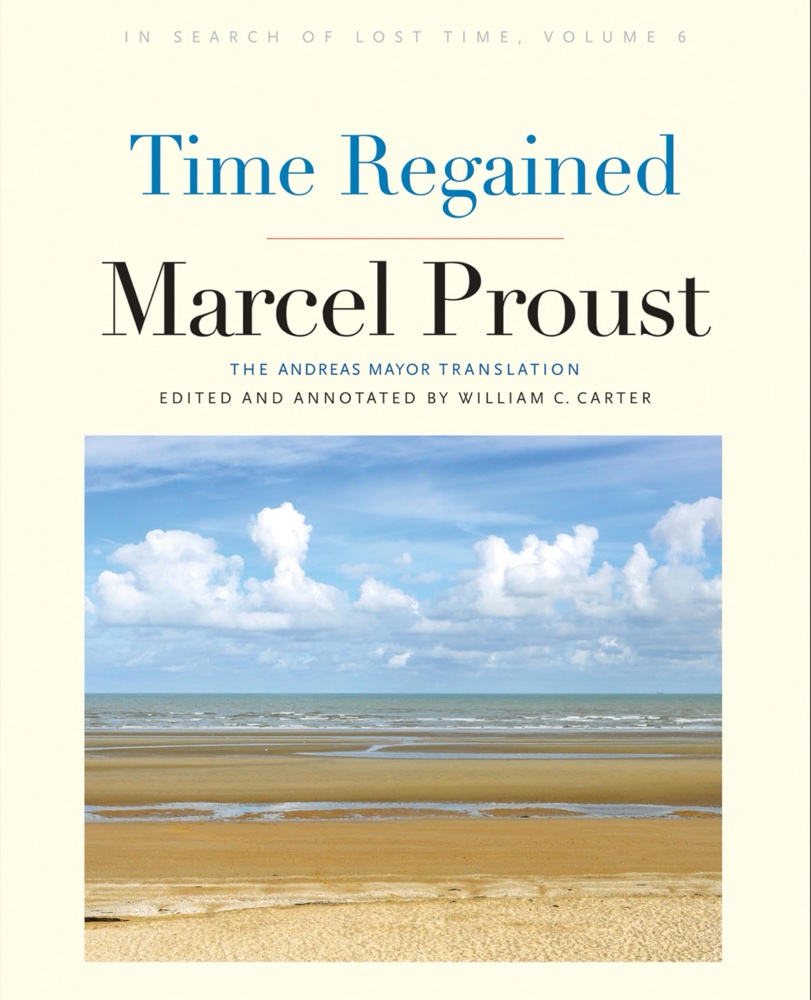 Time Regained
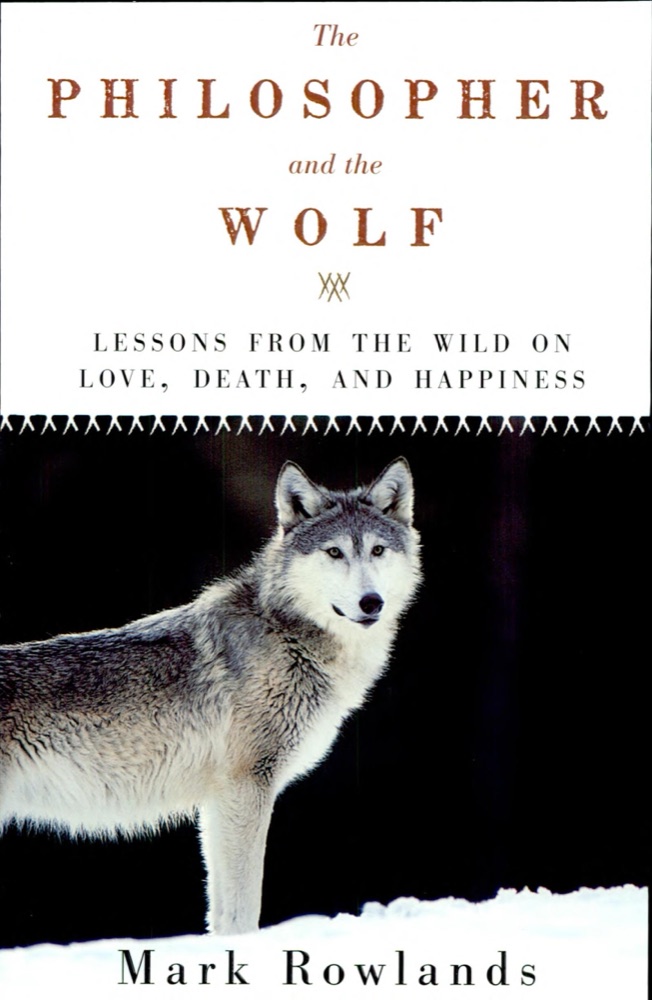 The Philosopher and the Wolf
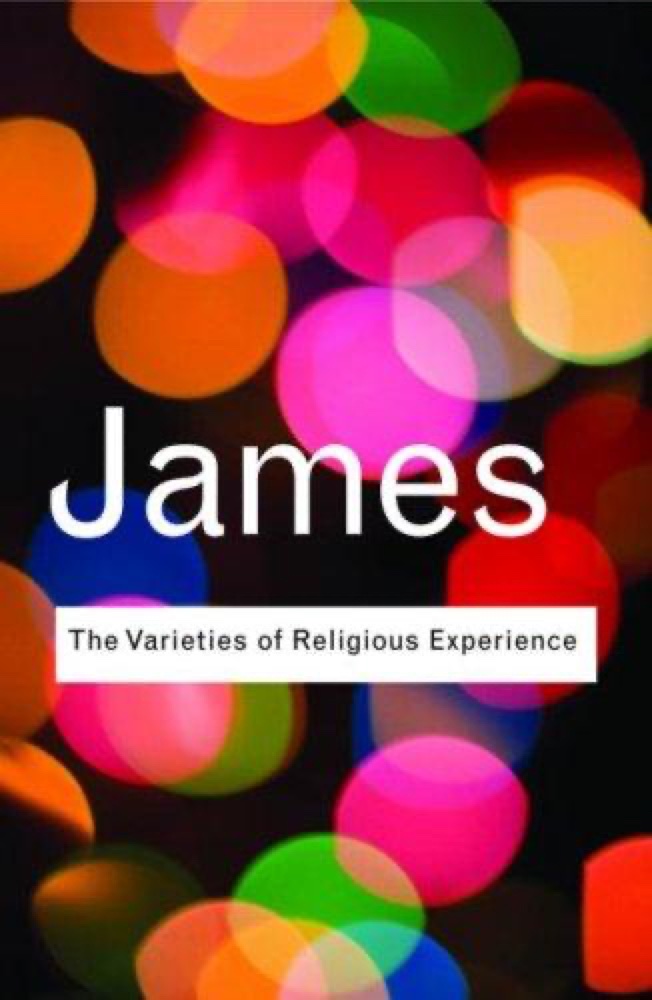 The Varieties of Religious Experience
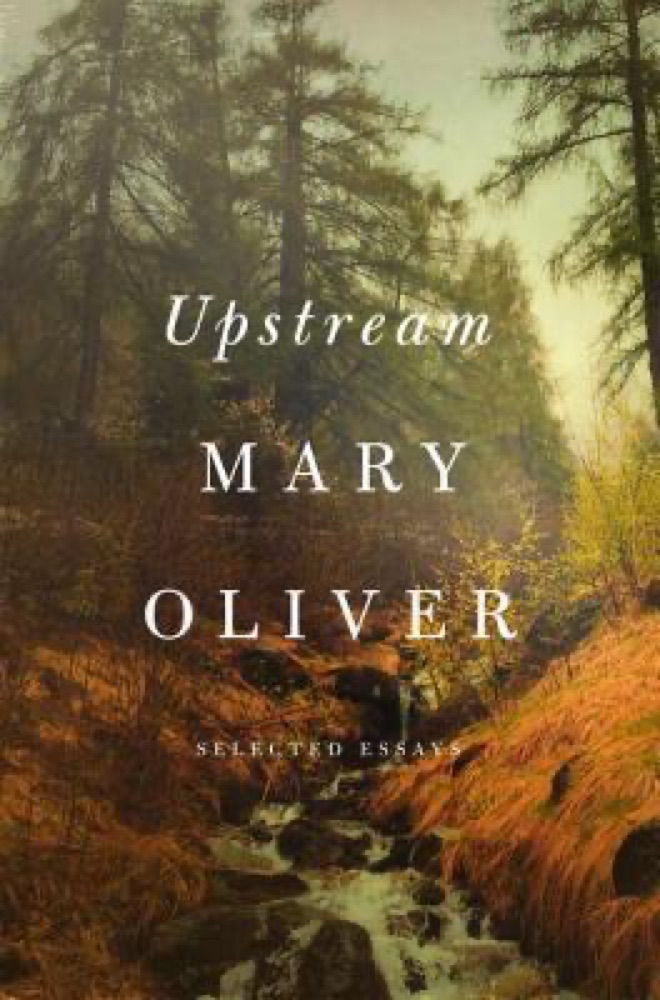 Upstream: Selected Essays
 The Glass Bead Game
 Man and His Symbols
 Arm of the Sphinx
 Walking on Water: Reflections on Faith and Art
 Illuminations: Essays and Reflections
 The Gay Science
 Asymmetry
 Labyrinths: Selected Stories and Other Writings
 The Book: On the Taboo Against Knowing Who You Are
 Negotiating with the Dead: A Writer on Writing
 The World's Religions
 The Science of Storytelling
 Seth Speaks: The Eternal Validity of the Soul
 Toward Eternity
 The Mind of the Maker: Dorothy L. Sayers' Witty Classic on the Trinity, Christianity, and Human Creativity
 Flaubert's Parrot
 The Unlikely Escape of Uriah Heep
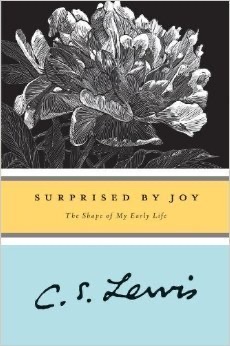 Surprised by Joy: The Shape of My Early Life