
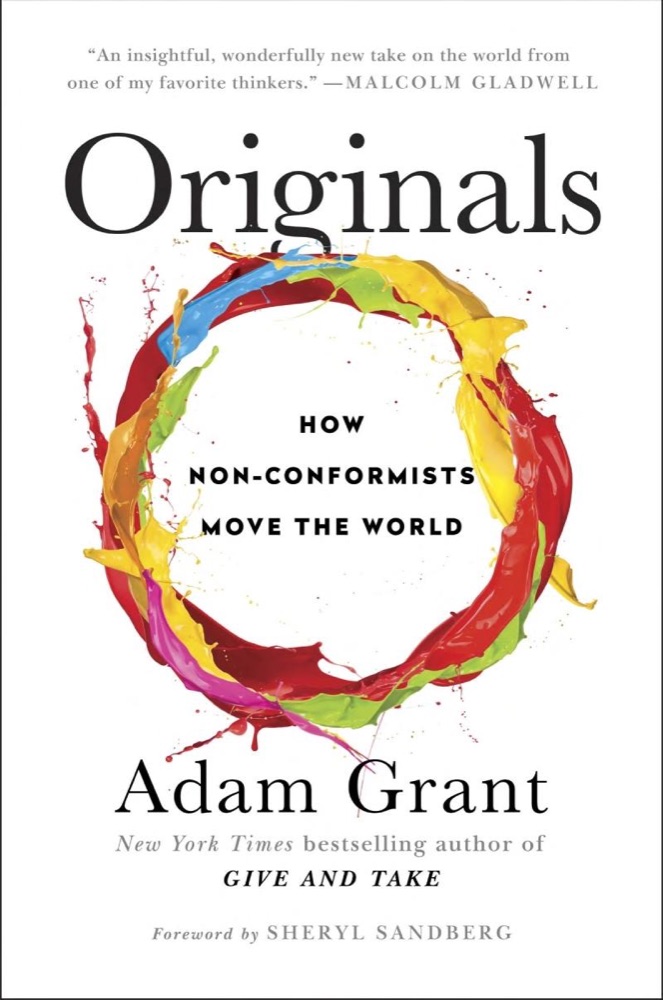
 Originals: How Non-Conformists Move the World
Quotes from the Book
If you do not want what I want, please try not to tell me that my want is wrong. Or if my beliefs are different from yours, at least pause before you set out to correct them. Or if my emotion seems less or more intense than yours, given the same circumstances, try not to ask me to feel other than I do. Or if I act, or fail to act, in the manner of your design for action, please let me be. I do not, for the moment at least, ask you to understand me. That will come only when you are willing to give up trying to change me into a copy of you.
26
You want to be the first to do something. You want to create something. You want to innovate something...I often think of Edison inventing the light bulb. That's what I want to do. I want to drive over the bridge coming out of New York there and look down on that sea of lights that is New Jersey and say, `Hey, I did that!'
11
Our attempts to reshape others may produce change, but the change is distortion rather than transformation.
8
Rationals demand so much achievement from themselves that they often have trouble measuring up to their own standards. NTs typically believe that what they do is not good enough, and are frequently haunted by a sense of teetering on the edge of failure. This time their achievement will not be adequate. This time their skill will not be great enough. This time, in all probability, failure is at hand. Making matters worse, Rationals tend to ratchet up their standards of achievement, setting the bar at the level of their greatest success, so that anything less than their best is judged as mediocre. The hard-won triumph becomes the new standard of what is merely acceptable, and ordinary achievements are now viewed as falling short of the mark. NTs never give themselves a break from this escalating level of achievement, and so constant self-doubt and a niggling sense of impending failure are their lot.
3
The abstract and the concrete side of operations are opposites, but you can't have one without the other, if, that is, you want get the job done well.
3
Since NTs are naturally disinterested in tradition and custom, it should be no surprise that they readily abandon the customary for the workable.
2
Status, prestige, authority, degree, licence, credential, badge of office, reputation, manners — all of these marks of social approval mean nothing to the NTs when the issue is the utility of goal-directed action.
2
time exists not as a continuous line, but as an interval, a segment confined to and defined by an event. Only events possess time, all else is timeless.
1
any of us, whatever our temperamental makeup, can be effective leaders, provided that we come to understand our own strengths and weaknesses as well as those of our followers, and provided that we show our appreciation whenever we note our followers contributing their intelligence to our mutual enterprise.
1
Artisans ought to be enjoyed for what they are instead of condemned for what they are not, something that can also be said of the other three temperaments.
1
We ascend, he said, from physical needs (food, clothing, shelter) to safety needs (security, protection, assurance), then on to social needs (love, friendship, belonging), and next to the need for self-esteem (valuing self, self-worth, pride).
1
Artisans prefer not to get too serious about things, and will try to keep everyone smiling — to keep the party going — as long as possible.
1
Theoretically, then, the motor of effective leadership consists in matching assistants' talents to tasks and in consistently expressing appreciation for their best efforts, thus encouraging them to be entrepreneurs contributing their talents to a shared enterprise. The major advantage of having a bevy of entrepreneurs working together is that each of them becomes committed to the success of the enterprise, and so not only applies all of his or her skills to the desired results, but also seeks to improve those skills by continuously learning on the job. Entrepreneurs will always outdo wage workers because entrepreneurs have their intelligence — their skill, their ability, their talent — engaged in the enterprise, while wage workers are merely punching the clock.
Many Rationals are obsessed with speculative enquiry, so their speech tends to be laced with assumptions and presuppositions, probabilities and possibilities, postulates and premises, hypotheses and theorems.
In the word 'technology,' however, the suffix, 'logy' modifies the stem 'techno' so as to make it an abstract word meaning "the logic of building.
Indeed, Artisan battle leaders are no different from Artisan painters, pilots, or point guards: they are always scanning for opportunities, always looking for the best angle of approach,
the root of the word 'art' means "to fit together," and Artisan artists even call their productions "works of art," all of which suggests that a thing must be useful to interest an Artisan, immediately useful, concretely useful, otherwise who needs it?
Ernest Hemingway, much like the Artisan hero in his novel, A Farewell to Arms, wanted to avoid figurative language (the language of inference and interpretation, of metaphor and symbol), trusting only descriptive words to present his perceptions as sensually and realistically as possible.
Watch on YouTube
About David Keirsey
About the book
Phenomenon: Keirsey and Bates's Please Understand Me, first published in 1978, sold nearly 2 million copies in its first 20 years, becoming a perennial best seller all over the world. Advertised only by word of mouth, the book became a favorite training and counseling guide in many institutions -- government, church, business -- and colleges across the nation adopted it as an auxiliary text in a dozen different departments. Why? Perhaps it was the user-friendly way that Please Understand Me helped people find their personality style. Perhaps it was the simple accuracy of Keirsey's portraits of temperament and character types. Or perhaps it was the book's essential message: that members of families and institutions are OK, even though they are fundamentally different from each other, and that they would all do well to appreciate their differences and give up trying to change others into c
Book details
- First published
- 1998
- Author
- David Keirsey
- Genre
- Nonfiction
- Goodreads rating
- 4.16 (7k ratings)
Keep reading
Originals: How Non-Conformists Move the World
 The 7 Habits of Highly Effective People: Personal Workbook
 What the Dog Saw and Other Adventures
 A Whole New Mind: Why Right-Brainers Will Rule the Future
 Shop Class as Soulcraft: An Inquiry Into the Value of Work
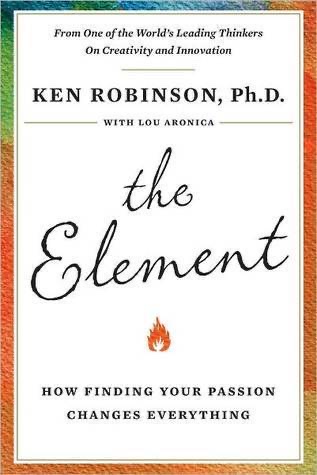 The Element: How Finding Your Passion Changes Everything
 The Social Animal: The Hidden Sources of Love, Character, and Achievement
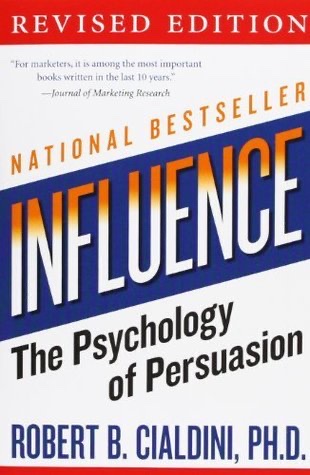 Influence: The Psychology of Persuasion
 The Art of Thinking Clearly
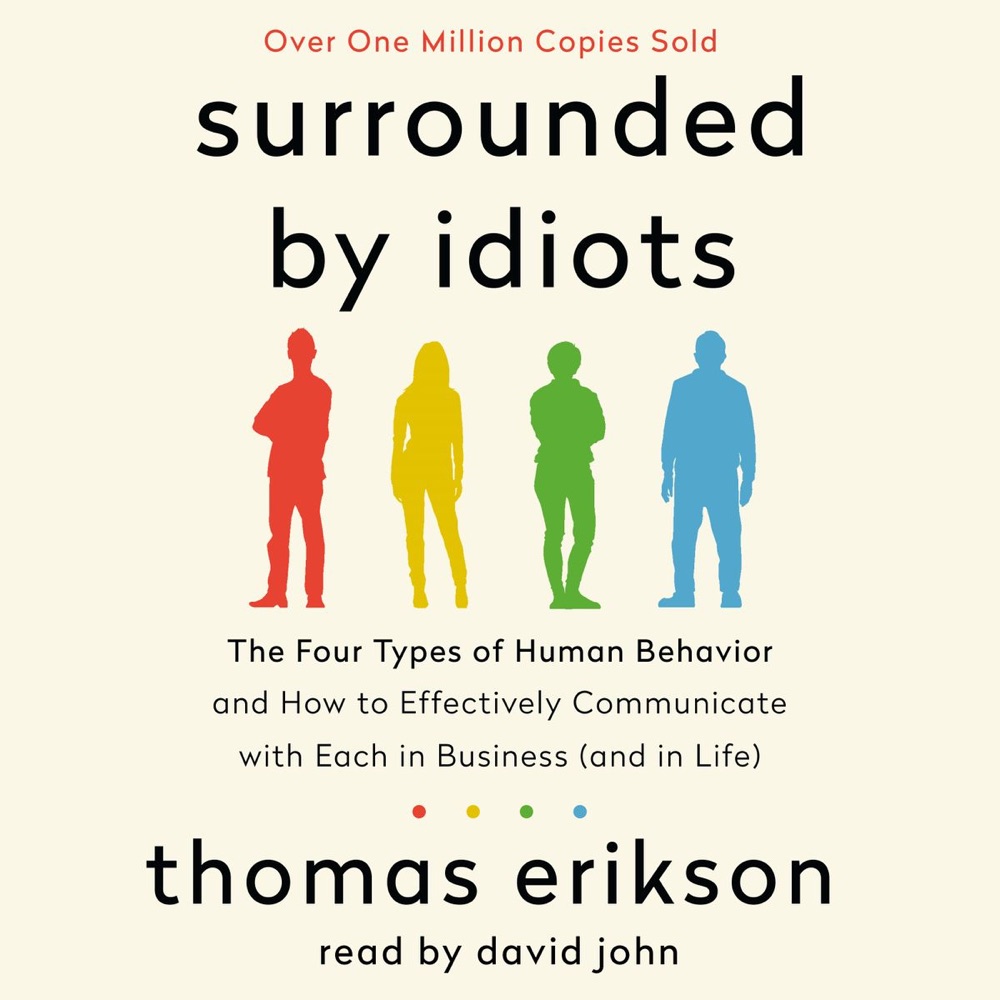 Surrounded by Idiots
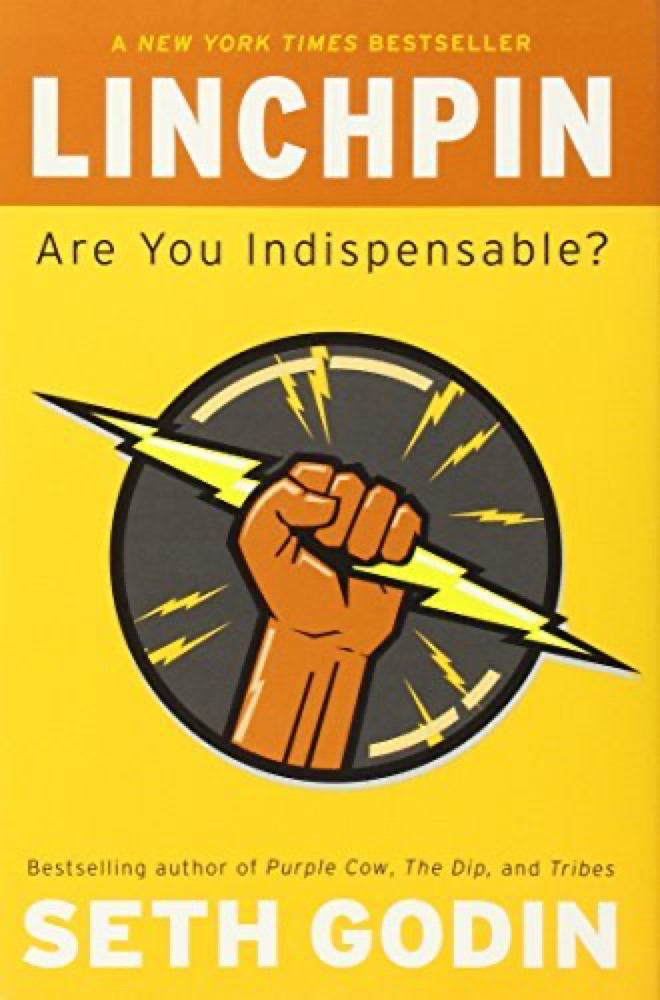 Linchpin: Are You Indispensable?
 The Art of Seduction
 Made to Stick: Why Some Ideas Survive and Others Die
 David and Goliath: Underdogs, Misfits, and the Art of Battling Giants
 Predictably Irrational: The Hidden Forces That Shape Our Decisions
 Prelude to Foundation
 The Art of Impossible: A Peak Performance Primer
 Think Like a Freak
 Creativity: Flow and the Psychology of Discovery and Invention
 The Art of Creative Thinking
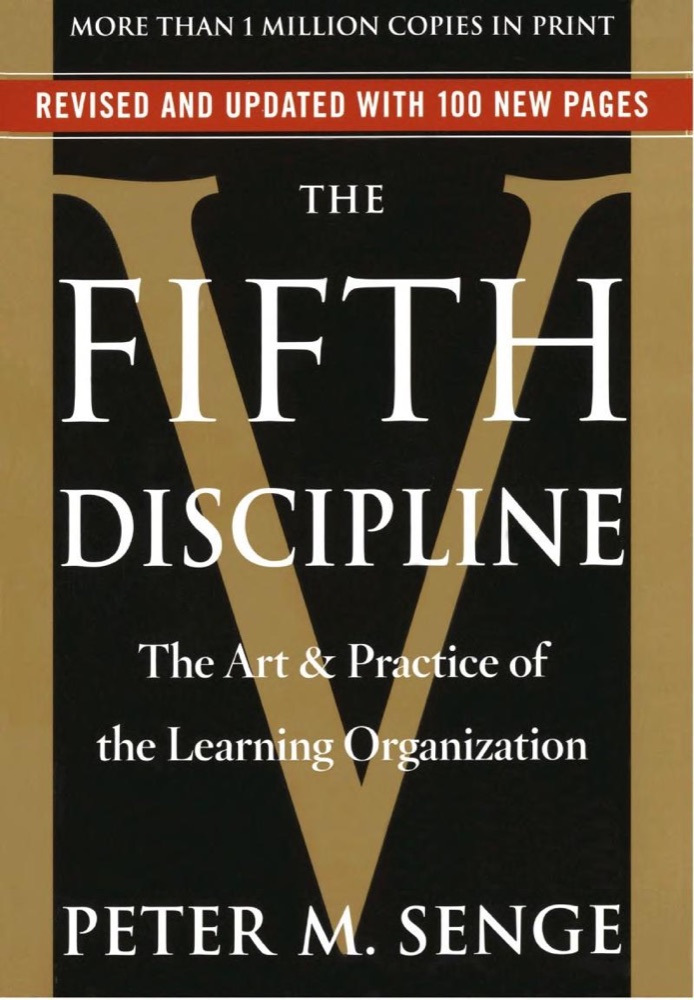 The Fifth Discipline: The Art & Practice of The Learning Organization
 Antifragile: Things That Gain from Disorder
 Give and Take: A Revolutionary Approach to Success
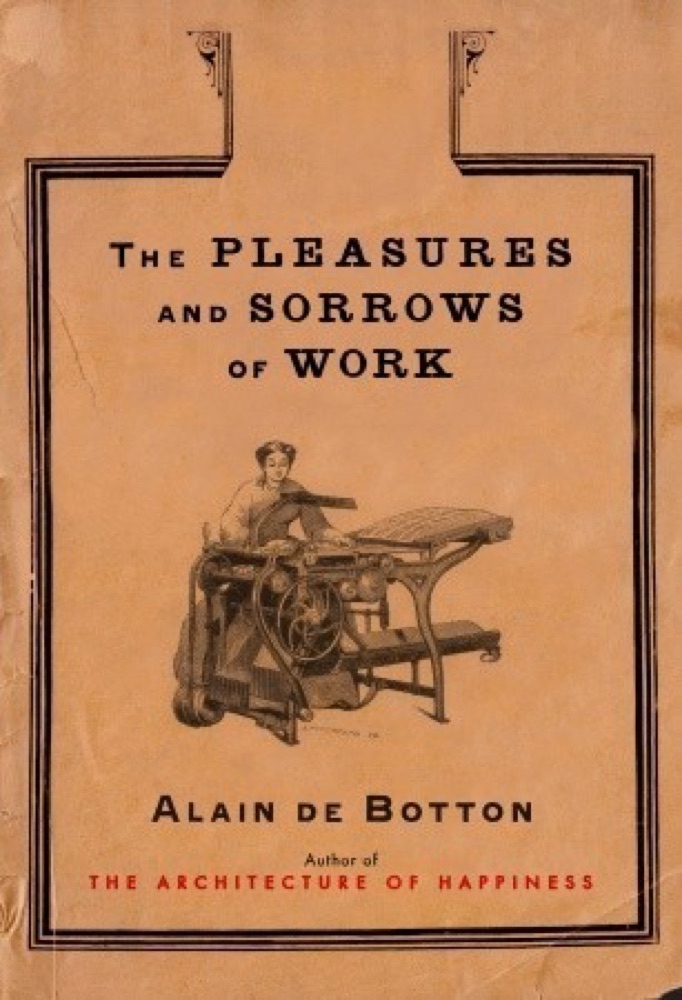 The Pleasures and Sorrows of Work
 Children of Dune
 The Icarus Deception: How High Will You Fly?
 The Diamond Age
 Range: Why Generalists Triumph in a Specialized World
 Mastery
 Crossing to Safety
 The Rebel Angels
 Letters to a Young Contrarian
 Forward the Foundation
 The Art of Being
 How to Win Friends & Influence People
 Pour Your Heart Into It: How Starbucks Built a Company One Cup at a Time
 Creativity, Inc.: Overcoming the Unseen Forces That Stand in the Way of True Inspiration
 From Dawn to Decadence: 500 Years of Western Cultural Life, 1500 to the Present
 Drive: The Surprising Truth About What Motivates Us
 In the Light of What We Know
 The Age of Absurdity: Why Modern Life makes it Hard to be Happy
 The Tao of Pooh
 Human, All Too Human
 Walden Two
 The Spinoza Problem
 Stumbling on Happiness
 Grit: The Power of Passion and Perseverance
 The Rhetoric & The Poetics of Aristotle
 Psycho-Cybernetics
 Math with Bad Drawings
 The Undoing Project: A Friendship That Changed Our Minds
 Lead from the Outside: How to Build Your Future and Make Real Change
 Flow: The Psychology of Optimal Experience
 Delivering Happiness: A Path to Profits, Passion, and Purpose
 The Black Swan: The Impact of the Highly Improbable
 The Art of Public Speaking
 Status Anxiety
 What Color Is Your Parachute? A Practical Manual for Job-Hunters and Career-Changers
 What's Wrong with the World