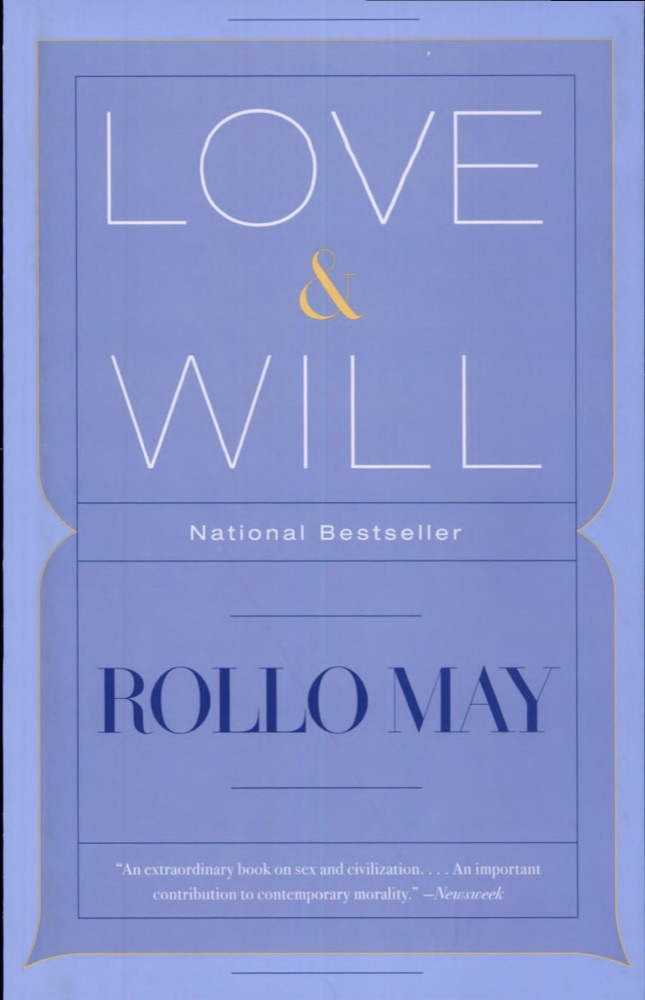
 Love and Will
Quotes from the Book
Intimacy requires courage because risk is inescapable. We cannot know at the outset how the relationship will affect us. Like a chemical mixture, if one of us is changed, both of us will be. Will we grow in self-actualization, or will it destroy us? The one thing we can be certain of is that if we let ourselves fully into the relationship for good or evil, we will not come out unaffected.
282
The relationship between commitment and doubt is by no means an antagonistic one. Commitment is healthiest when it is not without doubt, but in spite of doubt. (p. 21)
166
Human freedom involves our capacity to pause between the stimulus and response and, in that pause, to choose the one response toward which we wish to throw our weight. The capacity to create ourselves, based upon this freedom, is inseparable from consciousness or self-awareness. (p. 100)
147
Recall how often in human history the saint and the rebel have be the same person. (p. 35)
112
Creative people, as I see them, are distinguished by the fact that they can live with anxiety, even though a high price may be paid in terms of insecurity, sensitivity, and defenselessness for the gift of the “divine madness,” to borrow the term used by the classical Greeks. They do not run away from non-being, but by encountering and wrestling with it, force it to produce being. They knock on silence for an answering music; they pursue meaninglessness until they can force it to mean.
90
Dogmatism of all kinds--scientific, economic, moral, as well as political--are threatened by the creative freedom of the artist. This is necessarily and inevitably so. We cannot escape our anxiety over the fact that the artists together with creative persons of all sorts, are the possible destroyer of our nicely ordered systems. (p. 76)
66
It is highly significant and indeed almost a rule, that moral courage has its source in such identification through one's own sensitivity with suffering of one's fellow human beings." (p. 16-17)
52
Courage is not a virtue or value among other personal values like love or fidelity. It is the foundations that underlies and gives reality to all other virtue and personal values. (p. 13)
48
Poets may be delightful creatures in the meadow or the garret, but they are menaces on the assembly line.
37
What genuine painters do is to reveal the underlying psychological and spiritual conditions of their relationship to their world; thus in the works of a great painter we have a reflection of the emotional and spiritual condition of human beings in that period of history. If you wish to understand the psychological and spiritual temper of any historical period, you can do no better than to look long and searchingly at its art. For in the art the underlying spiritual meaning of the period is expressed directly in symbols. This is not because artists are didactic or set out to teach or to make propaganda; to the extend that they do, their power of expression is broken; their direct relations to the inarticulate, or, if you will, 'unconscious' levels of the culture is destroyed. They have the power to reveal the underlying meaning of any period precisely because the essence of art is the powerful and alive encounter between the artist and his or her world." (pg 52)
25
Mass communication--wonder as it may be technologically and something to be appreciated and valued--presents us wit a serious daner, the danger of conformism, due to the fact that we all view the same things at the same time in all the cities of the country. (p. 73)
25
The acorn becomes an oak by means of automatic growth; no commitment is necessary. The kitten similarly becomes a cat on the basis of instinct. Nature and being are identical in creatures like them. But a man or woman becomes fully human only by his or her choices and his or her commitment to them. People attain worth and dignity by the multitude of decisions they make from day by day. These decisions require courage.
15
Opposites though they are, both solitude and solidarity are essential if the artist is to produce works that are not only significant to his or her age, but that will also speak to future generations.
15
The receptivity of the artist must never be confused with passivity.
15
Consciousness is the awareness that emerges out of the dialectical tension between possibilities and limitations.
13
Whereas moral courage is the righting of wrongs, creative courage, in contrast, is the discovering of new forms, new symbols, new patterns on which a new society can be built.
12
Escapist creativity is that which lacks encounter.
11
When I use the word rebel for the artist, I do not refer to revolutionary or to such things as taking over the dean’s office; that is a different matter. Artists are generally soft-spoken persons who are concerned with their inner visions and images. But that is precisely what makes them feared by any coercive society. For they are the bearers of the human being’s age-old capacity to be insurgent.
11
The battle with the gods thus hinges on our own mortality! Creativity is a yearning for immortality.
10
By the creative act, however, we are able to reach beyond our own death. This is why creativity is so important and why we need to confront the problem of the relationship between creativity and death.
8
Hence Kierkegaard and Nietszche and Camus and Sartre have proclaimed that courage is not the absence of despair; it is, rather, the capacity to move ahead in spite of despair.
6
It is the seeming contradiction that we must be fully committed, but we must also be aware at the same time that we might possibly be wrong.
5
The concept of encounter also enables us to make clearer the important distinction between talent and creativity. Talent may well have its neurological correlates and can be studied as “given” to a person. A man or woman may have talent whether he or she uses it or not; talent can probably be measured in the person as such. But creativity can be seen only in the act. If we were purists, we would not speak of a “creative person,” but only of a creative act.
5
These poets and other creative persons are the ones who express being itself, he held. As I would put it, these are the ones who enlarge human consciousness. Their creativity is the most basic manifestation of a man or woman fulfilling his or her own being in the world.
5
I propose that in our day this alternation of the market place and mountain requires the capacity for the constructive use of solitude. It requires that we be able to retire from a world that is “too much with us,” that we be able to be quiet, that we let the solitude work for us and in us. It is a characteristic of our time that many people are afraid of solitude: to be alone is a sign one is a social failure, for no one would be alone if he or she could help it. It often occurs to me that people living in our modern, hectic civilization, amid the constant din of radio and TV, subjecting themselves to every kind of stimulation whether of the passive sort of TV or the more active sort of conversation, work, and activity, that people with such constant preoccupations find it exceedingly difficult to let insights from unconscious depths break through. Of course, when an individual is afraid of the irrational—that is, of the unconscious dimensions of experience—he tries to keep busiest, tries to keep most “noise” going on about him. The avoidance of the anxiety of solitude by constant agitated diversion is what Kierkegaard, in a nice simile, likened to the settlers in the early days of America who used to beat on pots and pans at night to make enough din to keep the wolves away. Obviously if we are to experience insights from our unconscious, we need to be able to give ourselves to solitude.
4
Every authentic artist is engaged in this creating of the conscience of the race, even though he or she may be unaware of the fact. The artist is not a moralist by conscious intention, but is concerned only with hearing and expressing the vision within his or her own being. But out of the symbols the artist sees and creates—as Giotto created the forms for the Renaissance—there is later hewn the ethical structure of the society.
4
Suppose the apprehension of beauty is itself a way to truth? Suppose that “elegance”—as the word is used by physicists to describe their discoveries—is a key to ultimate reality?
4
Just as the poet is a menace to conformity, he is also a constant threat to political dictators. He is always on the verge of blowing up the assembly line of political power.
3
Dogmatists of all kinds--scientific, economic, moral, as well as political--are threatened by the creative freedom of the artist. This is necessarily and inevitably so. We cannot escape our anxiety over the fact that the artists together with creative persons of all sorts, are the possible destroyers of our nicely ordered systems. For the creative impulse is the speaking of the voice and the expressing of the forms of the preconscious and unconscious; and this is, by its very nature, a threat to rationality and external control. The dogmatists then try to take over the artist. The church, in certain periods, harnessed him to prescribed subjects and methods. Capitalism tries to take over the artist by buying him. And Soviet realism tried to do so by social proscription. The result, by the very nature of the creative impulse, is fatal to art. If it were possible to control the artist--and I do not believe it is--it would mean the death of art.
2
Absorption, being caught up in, wholly involved, and so on, are used commonly to describe the state of the artist or scientist when creating or even the child at play. By whatever name one calls it, genuine creativity is characterized by an intensity of awareness, a heightened consciousness.
2
Watch on YouTube
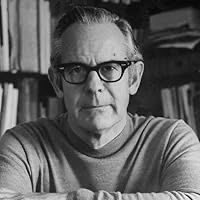
About Rollo May
We have collected 89 quotes from 3 books by Rollo May on BookQuoters.
More about the author →More by Rollo May
Love and Will
 Man's Search for Himself
About the book
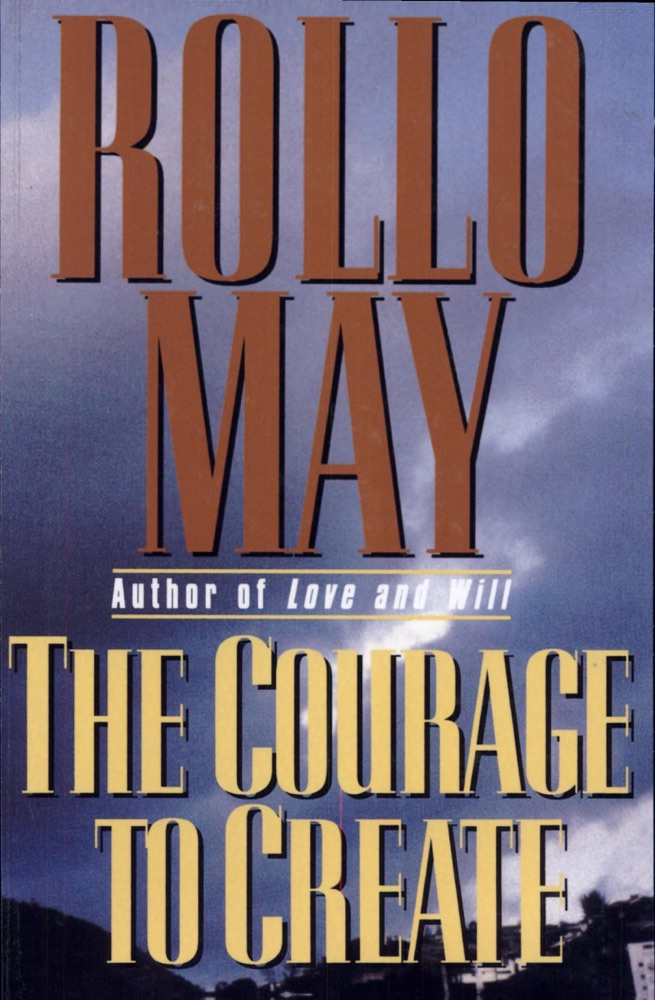
"Extraordinary, wise, and hopeful…nearly poetic meditations." ― Boston Globe What if imagination and art are not, as many of us might think, the frosting on life but the fountainhead of human experience? What if our logic and science derive from art forms, rather than the other way around? In this trenchant volume, Rollo May helps all of us find those creative impulses that, once liberated, offer new possibilities for achievement. A renowned therapist and inspiring guide, Dr. May draws on his experience to show how we can break out of old patterns in our lives. His insightful book offers us a way through our fears into a fully realized self.
Book details
- First published
- 1975
- Author
- Rollo May
- Genre
- Nonfiction
- Goodreads rating
- 4.07 (4k ratings)
Keep reading
 Creativity: Flow and the Psychology of Discovery and Invention
 Create Dangerously
 Creativity: Unleashing the Forces Within
 The Artist's Way
 Maps of Meaning: The Architecture of Belief
 Figuring
 The Will to Power
 Art and Fear: Observations on the Perils (and Rewards) of Artmaking
 The Consolations of Philosophy
 Irrational Man: A Study in Existential Philosophy
 The Mind of the Maker: Dorothy L. Sayers' Witty Classic on the Trinity, Christianity, and Human Creativity
 At the Existentialist Café
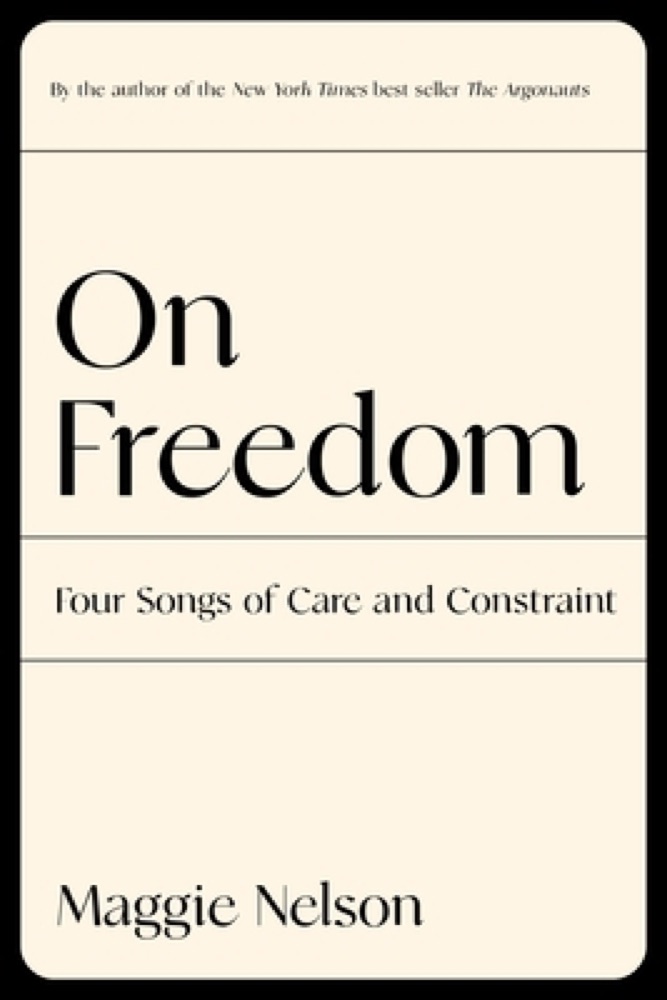 On Freedom: Four Songs of Care and Constraint
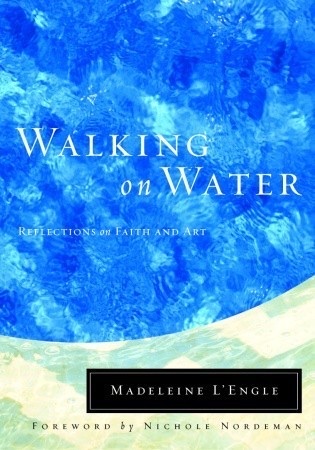 Walking on Water: Reflections on Faith and Art
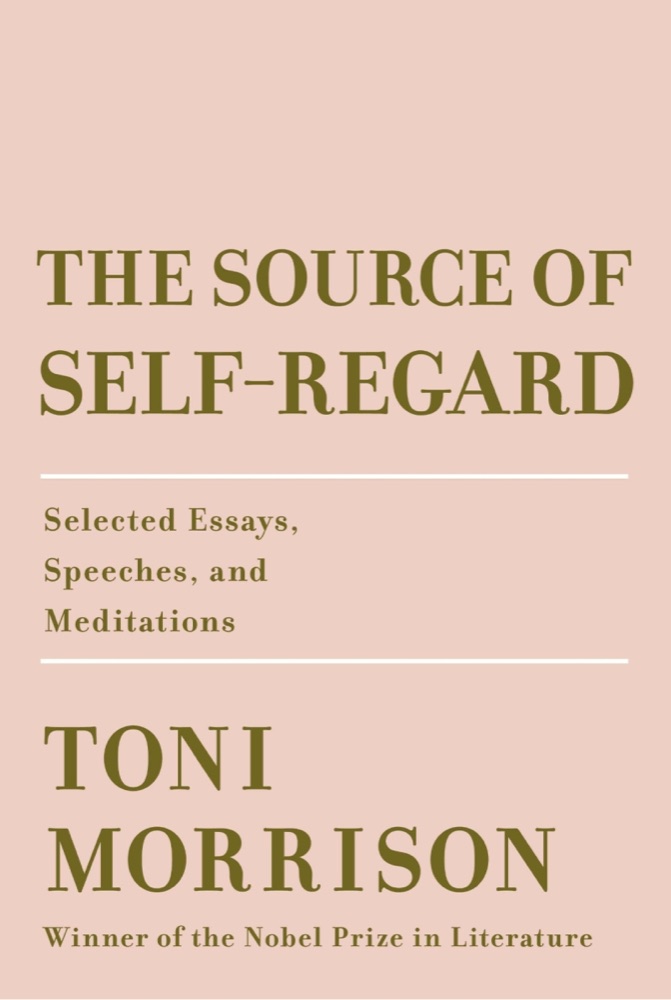 The Source of Self-Regard: Selected Essays, Speeches, and Meditations
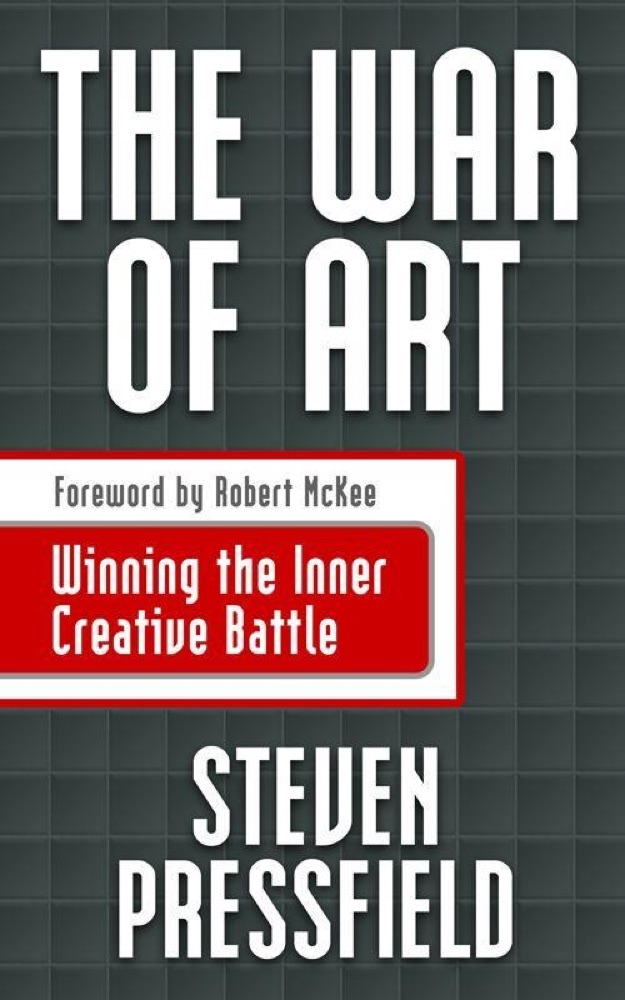 The War of Art
 Freedom from the Known
 The Art of Creative Thinking
 What Is Art?
 Daybreak: Thoughts on the Prejudices of Morality
 Sculpting in Time
 Think: A Compelling Introduction to Philosophy
 Solitude: A Return to the Self
 Untimely Meditations
 The Wisdom of Insecurity: A Message for an Age of Anxiety
Love and Will
The Wisdom of Insecurity: A Message for an Age of Anxiety
Love and Will
 Myths to Live By
 The Romantic Manifesto
 The Intellectual Life: Its Spirit, Conditions, Methods
 The Varieties of Religious Experience
 The Human Condition
 How to Fly a Horse: The Secret History of Creation, Invention, and Discovery
 Finding Meaning in the Second Half of Life: How to Finally, Really Grow Up
 The Discovery of India
 The Age of Absurdity: Why Modern Life makes it Hard to be Happy
 The Wave in the Mind: Talks and Essays on the Writer, the Reader and the Imagination
 The Ethics of Ambiguity
 Art as Therapy
 Asymmetry
 Total Freedom: The Essential Krishnamurti
 Mastery
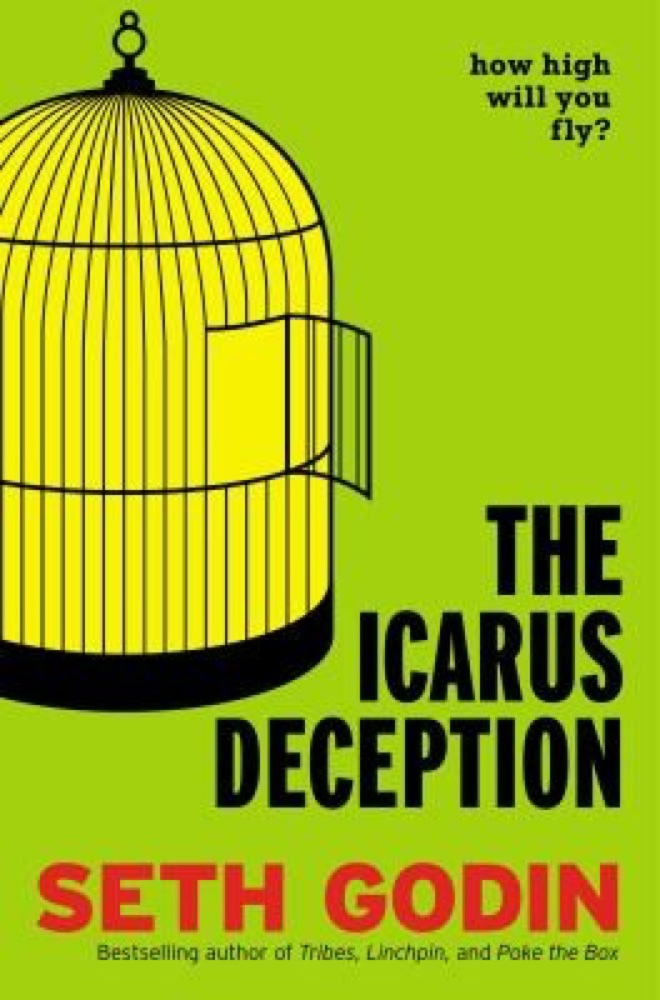 The Icarus Deception: How High Will You Fly?
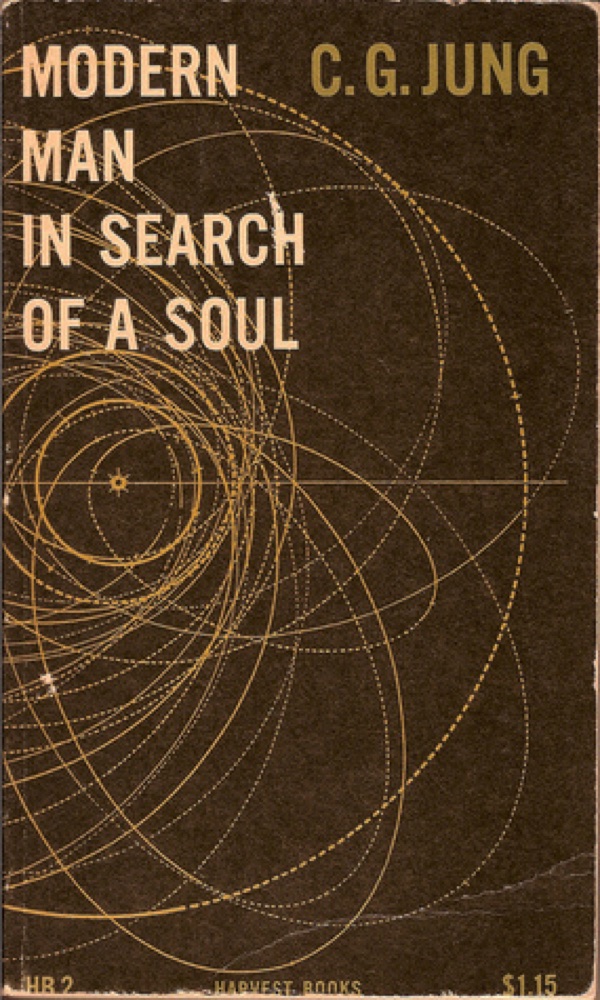 Modern Man in Search of a Soul
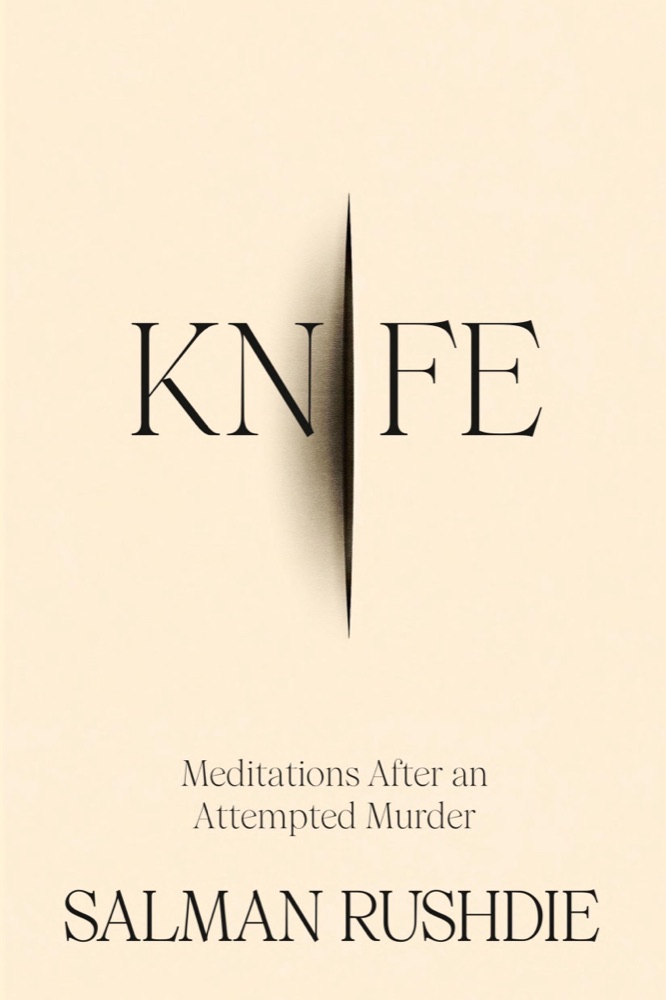 Knife: Meditations After an Attempted Murder
 The Glass Bead Game
 Striking Thoughts: Bruce Lee's Wisdom for Daily Living
 Big Magic: Creative Living Beyond Fear
 A Circle of Quiet
 Love's Executioner and Other Tales of Psychotherapy
 A Philosophical Enquiry into the Origin of Our Ideas of the Sublime and Beautiful
 From Dawn to Decadence: 500 Years of Western Cultural Life, 1500 to the Present
 The Occult
 The Doors of Perception & Heaven and Hell
 Anti-Oedipus: Capitalism and Schizophrenia
 Both Flesh and Not: Essays
 The Essays of Ralph Waldo Emerson
 Man and His Symbols
 Illuminations: Essays and Reflections