 The Social Animal: The Hidden Sources of Love, Character, and Achievement
Quotes from the Book
If you want to teach something quickly, reinforce it every time. But if you want it to stick once the teaching phase is over, reinforce it occasionally
3
There is some truth to the aphorism of Anaïs Nin: “We don’t see the world as it is, we see it as we are.
2
Based on the ideas of the linguists Edward Sapir and Benjamin Lee Whorf, this is the view that language doesn’t just change minds by transferring thoughts from one head to another; it configures how people make sense of the world, including about space, time, and causality.
2
Hari goes on: “What if depression is, in fact, a form of grief—for our own lives not being as they should? What if it is a form of grief for the connections we have lost, yet still need?
1
Richard Alexander, an evolutionary biologist known for his work on the origins of morality, describes an argument he had with his mentor. Alexander was trying to make a case for pure moral motivations, and he described how he went out of his way to avoid stepping on a line of ants. Isn’t that truly altruistic? And his mentor responded: “It might have been, until you bragged about it.
1
What is reality? I like the answer of the novelist Philip K. Dick: It is whatever, when you stop believing in it, doesn’t go away.
1
I often think of the power of partial reinforcement, of how a diet of rare and random rewards can make a behavior difficult to extinguish. I don’t currently have to deal with toddlers who throw tantrums and I’ve never been tempted by slot machines. But I often find myself lost online, staring at my phone, numbly clicking on links, watching videos, doing the drag-down-to-refresh gesture in the hopes of seeing something that makes me feel good, and when I do all this, I am reminded of a rat in the behaviorist’s cage.
1
If you’re looking for a word to refer to the process of coming to know things through exposure to the right sort of information in the environment, I’d recommend “learning.
Gustave Flaubert advised artists, “Be regular and orderly in your life, so that you may be violent and original in your work.
I’ll end with a competing theory for why we act in such seemingly self-sacrificial ways. This is the idea that we do so to bolster our reputations to others, to look more appealing to sexual partners, allies, and friends. We don’t give to the poor or abstain from eating meat because we see these acts as good in themselves; rather the propensity to engage in such acts has evolved as a costly signal (one that is likely unconscious) of our fairness and our kindness. From this perspective, a man who marches for the rights of women, say, is ultimately driven to do so not because of a wish for a better and fairer world, but because of the advantages that come with being seen as the sort of person who wishes for a better and fairer world.
A final puzzle involves self-sacrificial moral acts. Some people give up airplane travel because they are worried about climate change and its effects on future generations. Some stop eating meat, even if they enjoy the taste of animal flesh, because they believe that it is wrong to be complicit in the suffering of animals. There are those who send money to help others in faraway lands and those who fight for the rights of others even when this involves giving up some of their own privileges, as when millionaires argue that their own taxes should be raised to support the poor, or when members of majority groups fight for the rights of minority groups. If asked why they are doing these things, people will say that they are motivated by morality; these are the right things to do.
There is no more miserable human being than one in whom nothing is habitual but indecision, and for whom the lighting of every cigar, the drinking of every cup, the time of rising and going to bed every day, and the beginning of every bit of work, are subjects of express volitional deliberation.
Watch on YouTube
About Paul Bloom
About the book
A Next Big Idea Club Must-Read
A compelling and accessible new perspective on the modern science of psychology, based on one of Yale’s most popular courses of all time
How does the brain—a three-pound wrinkly mass—give rise to intelligence and conscious experience? Was Freud right that we are all plagued by forbidden sexual desires? What is the function of emotions such as disgust, gratitude, and shame? Renowned psychologist Paul Bloom answers these questions and many more in Psych, his riveting new book about the science of the mind.
Psych is an expert and passionate guide to the most intimate aspects of our nature, serving up the equivalent of a serious university course while being funny, engaging, and full of memorable anecdotes. But Psych is much more than a comprehensive overview of the field of psychology. Bloom reveals what psychology can tell us about the most pressing
Book details
- First published
- 2023
- Author
- Paul Bloom
- Genre
- Nonfiction
- Goodreads rating
- 4.14 (2k ratings)
Keep reading
The Social Animal: The Hidden Sources of Love, Character, and Achievement
 The Happiness Hypothesis: Finding Modern Truth in Ancient Wisdom
 How the Mind Works
 A Language Older Than Words
 Think: A Compelling Introduction to Philosophy
 Maps of Meaning: The Architecture of Belief
 The Socrates Express: In Search of Life Lessons from Dead Philosophers
 The Master and His Emissary: The Divided Brain and the Making of the Western World
 The Blank Slate: The Modern Denial of Human Nature
 Why Fish Don’t Exist: A Story of Loss, Love, and the Hidden Order of Life
 Creativity: Flow and the Psychology of Discovery and Invention
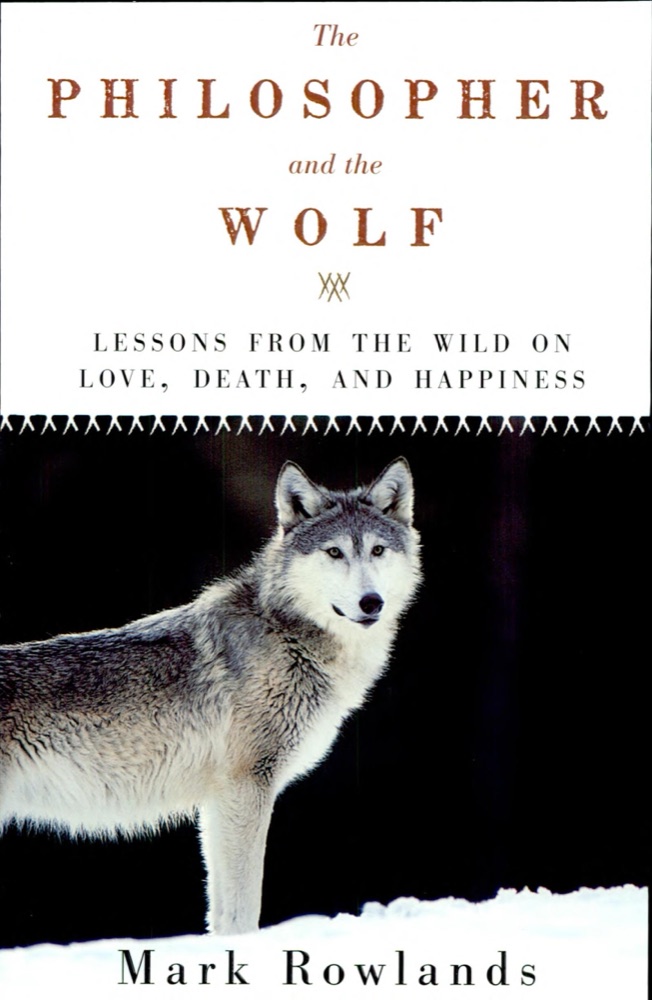 The Philosopher and the Wolf
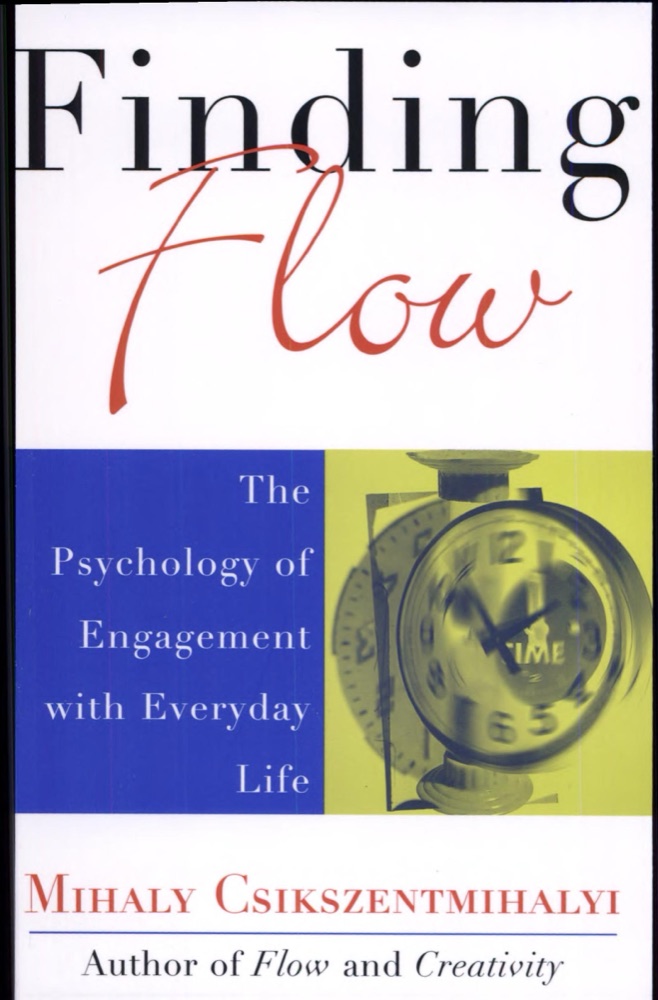 Finding Flow: The Psychology of Engagement with Everyday Life
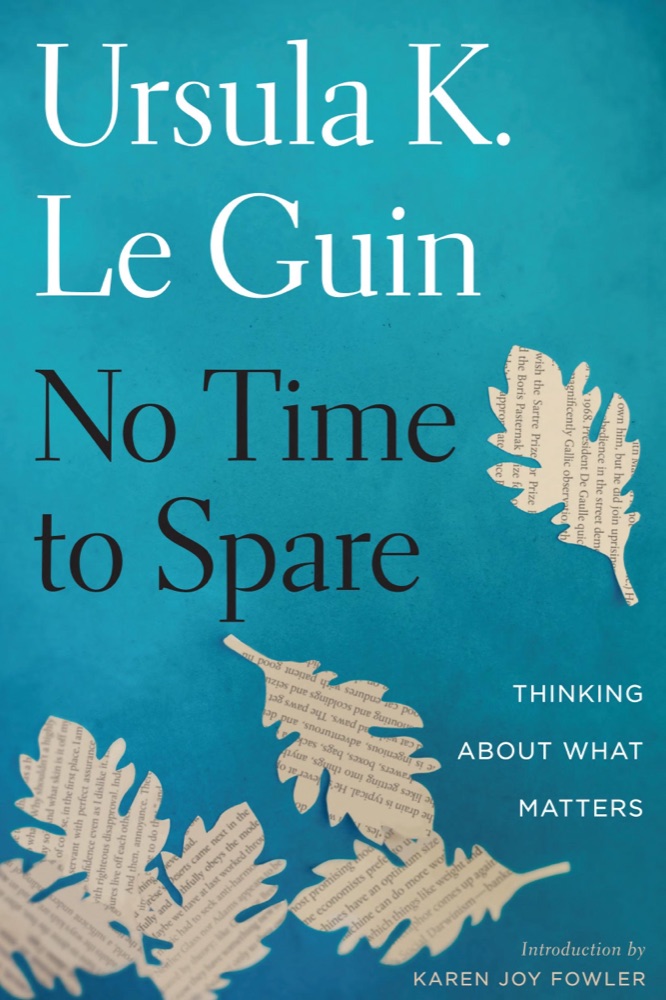 No Time To Spare: Thinking About What Matters
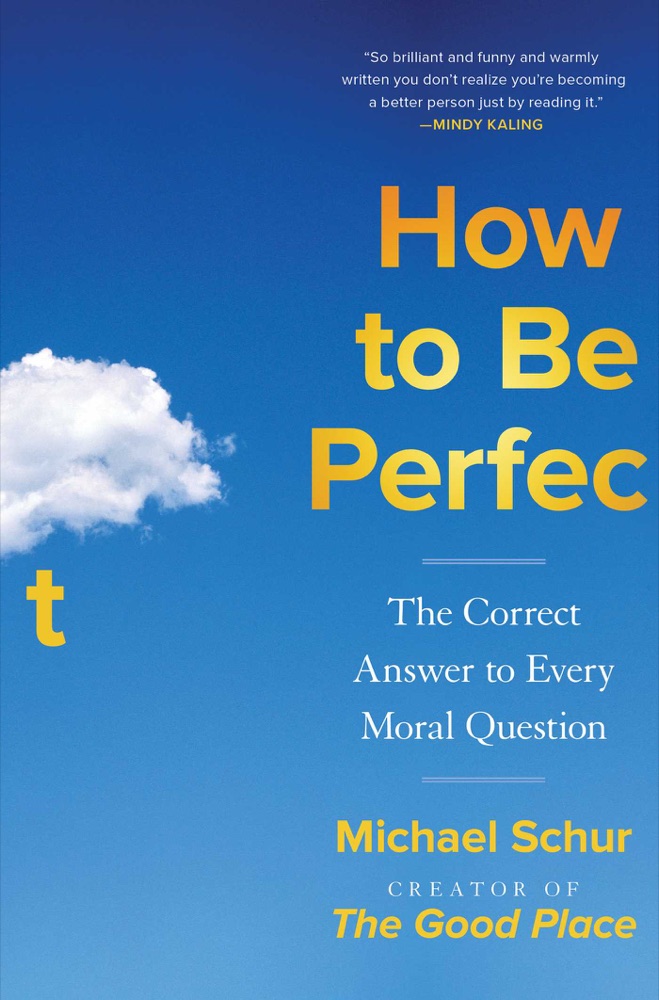 How to Be Perfect: The Correct Answer to Every Moral Question
 12 Rules for Life: An Antidote to Chaos
 Burning Questions: Essays and Occasional Pieces, 2004 to 2021
 The Braindead Megaphone
 Stories of Your Life and Others
 Antifragile: Things That Gain from Disorder
 The Moral Animal: Why We Are the Way We Are - The New Science of Evolutionary Psychology
 Eating the Dinosaur
 The Stuff of Thought: Language as a Window into Human Nature
 Drive Your Plow Over the Bones of the Dead
 Consider the Lobster and Other Essays
 How to Stay Sane
 The Laws of Human Nature
 Rationality: From AI to Zombies
 The Spinoza Problem
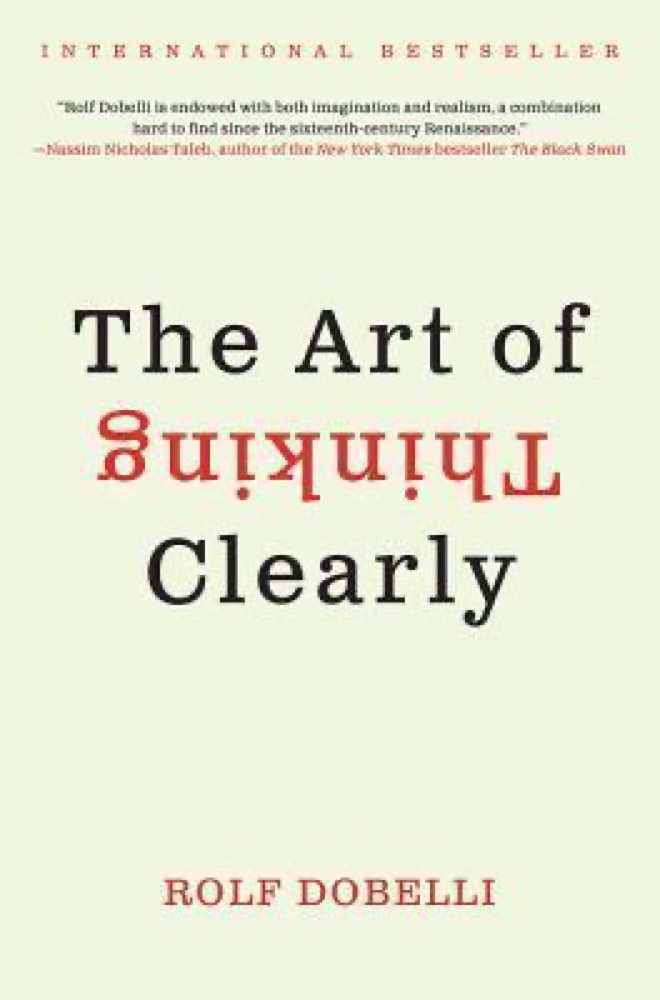 The Art of Thinking Clearly
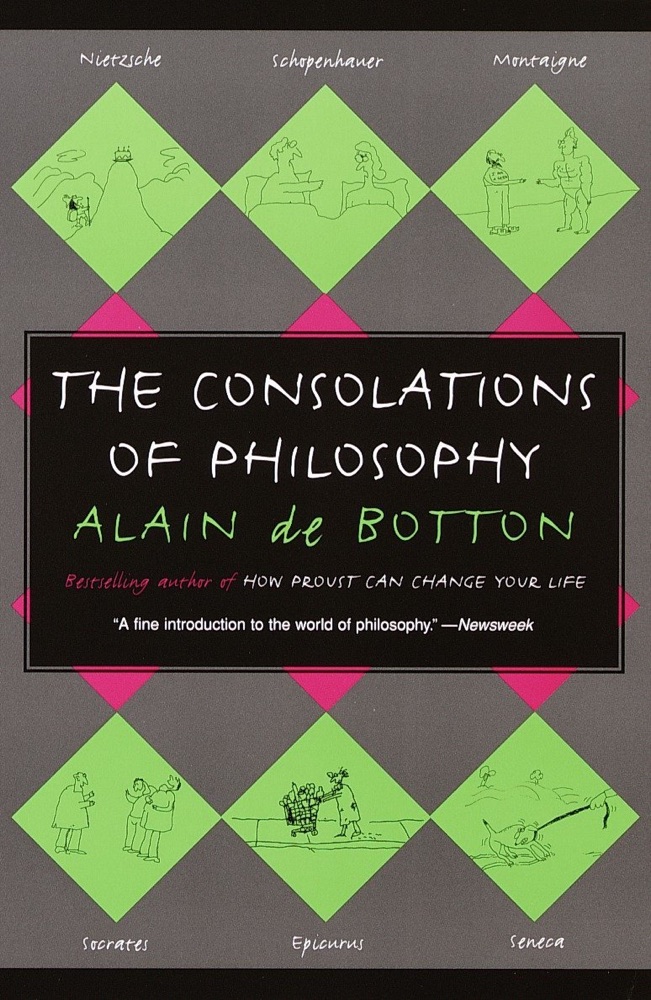 The Consolations of Philosophy
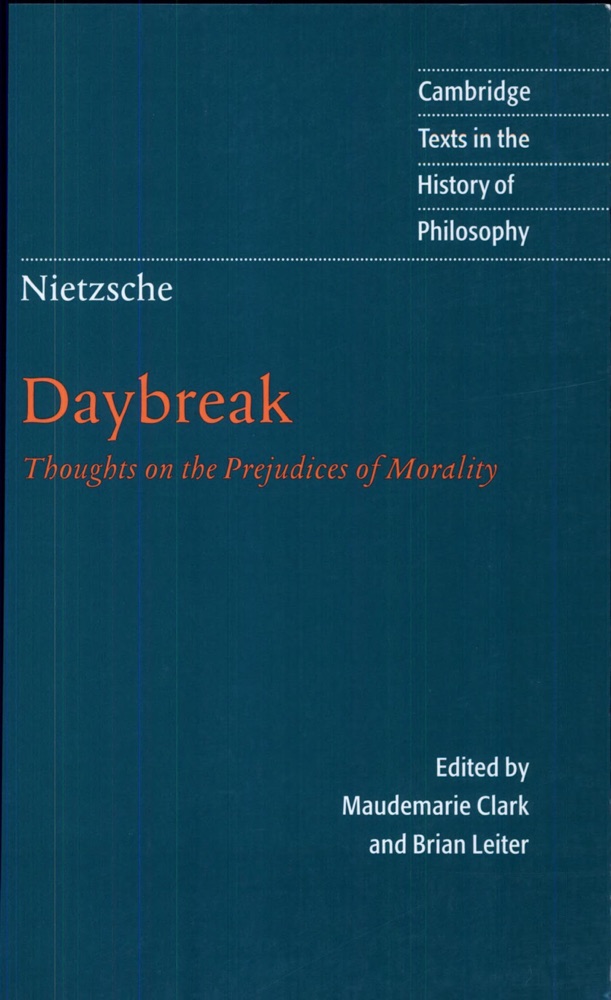 Daybreak: Thoughts on the Prejudices of Morality
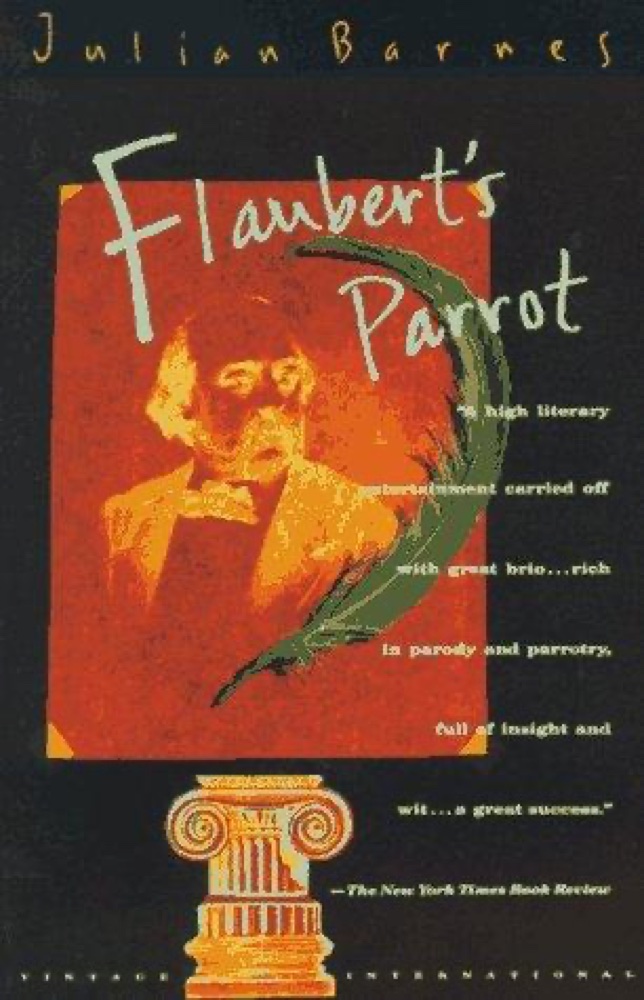 Flaubert's Parrot
 Mastery
 The Varieties of Religious Experience
 The 7 Habits of Highly Effective People: Personal Workbook
 The Big Picture: On the Origins of Life, Meaning, and the Universe Itself
 Twilight of the Idols
 How We Decide
 The Elephant in the Brain: Hidden Motives in Everyday Life
 On Connection
 21 Lessons for the 21st Century
 The Wave in the Mind: Talks and Essays on the Writer, the Reader and the Imagination
 In the Light of What We Know
 The Wisdom of Insecurity: A Message for an Age of Anxiety
 A Hunter-Gatherer's Guide to the 21st Century: Evolution and the Challenges of Modern Life
 Why People Believe Weird Things: Pseudoscience, Superstition, and Other Confusions of Our Time
 God's Debris: A Thought Experiment
 You Are Not So Smart
 The Age of Absurdity: Why Modern Life makes it Hard to be Happy
 Toward a Psychology of Being
 Asymmetry
 Homo Deus: A History of Tomorrow
 Zen and the Art of Motorcycle Maintenance
 Genesis
 Humankind: A Hopeful History
 The Argonauts
 A Devil's Chaplain: Reflections on Hope, Lies, Science, and Love
 No Self, No Problem: How Neuropsychology Is Catching Up to Buddhism
 The Age of Magical Overthinking: Notes on Modern Irrationality