
 Creativity, Inc.: Overcoming the Unseen Forces That Stand in the Way of True Inspiration
Quotes from the Book
No matter what you say about your priorities, where you spend money and your time will prove them out.
15
A lifetime of mediocrity is a high price to pay for safety.
13
If you want to thrive, you need to systematically engage with other people, in part to be reminded that life is bigger than your immediate problems.
11
You need to go beyond hacks and quick fixes, and instead develop practices.
7
Our relationships will eventually grow stale unless we are diligent about directing and cultivating them.
7
Sometimes the questions are complicated and the answers are simple.” —Dr. Seuss
7
You need to create space for your creative process to thrive rather than expect it to operate in the cracks of your frenetic schedule.
7
There is a persistent myth in the workplace that creativity is a mystical and elusive force that sits somewhere between prayer and the U.S. tax code on the ambiguity scale.
6
By acting, we make things concrete; action breeds motivation, not the other way around.
5
Don't go to the grave with your best work still inside of you. Die empty.
2
Knowing does nothing for you—it’s doing that matters.
2
There’s a difference between having a sense of where the project is headed and truly understanding the objectives,
2
Making the simple complicated is commonplace; making the complicated simple, awesomely simple, that’s creativity.” —Charles Mingus
2
Remember that common sense is not common practice, and that people who succeed are often those who do the little, everyday things that others won’t.
2
No one lies on his deathbed wishing he’d had the time to reply to one more e-mail, but a great many people express regrets about not having treated life with more purpose.
2
The key to cultivating creatively stimulating relationships is threefold: you need relationships in your life in which you can be real, you need relationships in your life in which you can learn to risk, and you need relationships in your life in which you can learn to submit to the wisdom of others.
2
A lifetime of mediocrity is a high price to pay for safety. Paranoia undoes greatness.
2
Our passion wanes, because it's difficult to stay excited about the work when we feel that practical limitations will ultimately prevent us from really doing something we believe to be truly great.
1
Focus: Challenges, the Big 3, Clustering Relationships: Circles, Head-to-Heads, Core Team Energy: Whole-Life Plannin, Pruning Stimuli: Study Plan, Notation, Purposeful Experience Hours: Idea Time, Unnecessary Creating
1
It’s not about recording what’s happened; it’s about how what’s happened has affected or inspired you.
1
A good rule of thumb is that every single day should include some kind of stimuli that is directed at your personal growth (working through a book, studying a skill or technique, et cetera) and some kind of stimuli that you’ve sought out for purposes of advancing your work (an industry trend report, a research study, a trade magazine).
1
Are there unnecessarily complex systems in your life and work right now? Are there ways you can simplify them?
1
The enemy of art is the absence of limitations.” —Orson Welles
1
For creatives, slipping into an overly conceptual mode and ignoring your emotional intuitions, or simply becoming emotionally numb to your environment, is a very real danger.
1
One thing about creative work is that it’s never done. In different words, every person we interviewed said that it was equally true that they had worked every minute of their careers, and that they had never worked a day in all their lives. They experienced even the most focused immersion in extremely difficult tasks as a lark, an exhilarating and playful adventure.
1
You are responsible for… creating value that didn’t exist before you arrived on the scene.
1
this new map, the hunting party would set out on a new expedition, which, surprisingly, would lead to an abundant capture of game. The map was nothing but randomly created lines on a dried animal skin—why did it lead the hunters to success? The answer is that it forced them to look in places they had unknowingly left unexplored. It got them out of their rut. This is just like the power of community when it comes to your creating. Your circle can give you perspectives and insights that are akin to the lines on a crumpled animal hide, pushing you to look in places you may otherwise miss.
In order to establish healthy habits, you need to let go of things that are making you efficient but not necessarily effective.
Watch on YouTube
About Todd Henry
We have collected 28 quotes from 1 book by Todd Henry on BookQuoters.
More about the author →About the book
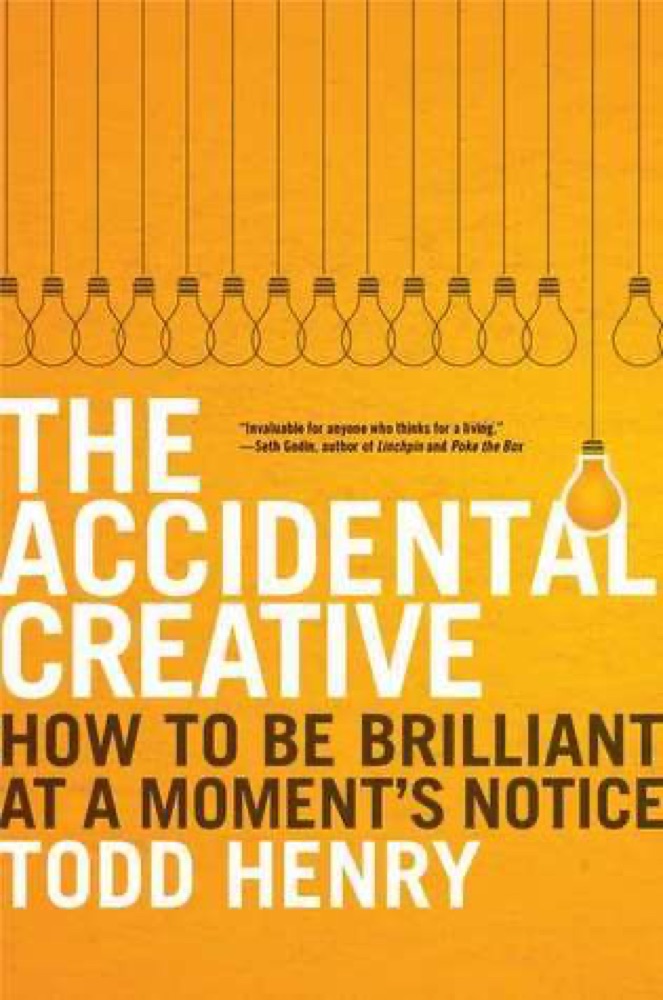
"You go to work each day tasked with (1) inventing brilliant solutions that (2) meet specific objectives by (3) defined deadlines. If you do this successfully you get to keep your job. If you don't, you get to work on your resume. The moment you exchange your creative efforts for money, you enter a world where you will have to be brilliant at a moment's notice. (no pressure, right?)" It isn't enough to just do your job anymore. In order to thrive in today's marketplace, all of us, regardless of our role, have to be ready to generate brilliant ideas on demand. The Accidental Creative teaches effective practices that support your creative process. You'll discover how - Focus in on your most critical work and reclaim your attention. - Develop stimulating relationships that will lead to creative insights. - Effectively manage your energy so that you are always ready to engage. - Curate
Book details
- First published
- 2011
- Author
- Todd Henry
- Genre
- Nonfiction
- Goodreads rating
- 4.06 (6k ratings)
Keep reading
Creativity, Inc.: Overcoming the Unseen Forces That Stand in the Way of True Inspiration
 The Creative Habit: Learn It and Use It for Life
 Ready for Anything: 52 Productivity Principles for Getting Things Done
 Getting Things Done: The Art of Stress-Free Productivity
 The Practice: Shipping Creative Work
 Getting There: A Book of Mentors
 Deep Work: Rules for Focused Success in a Distracted World
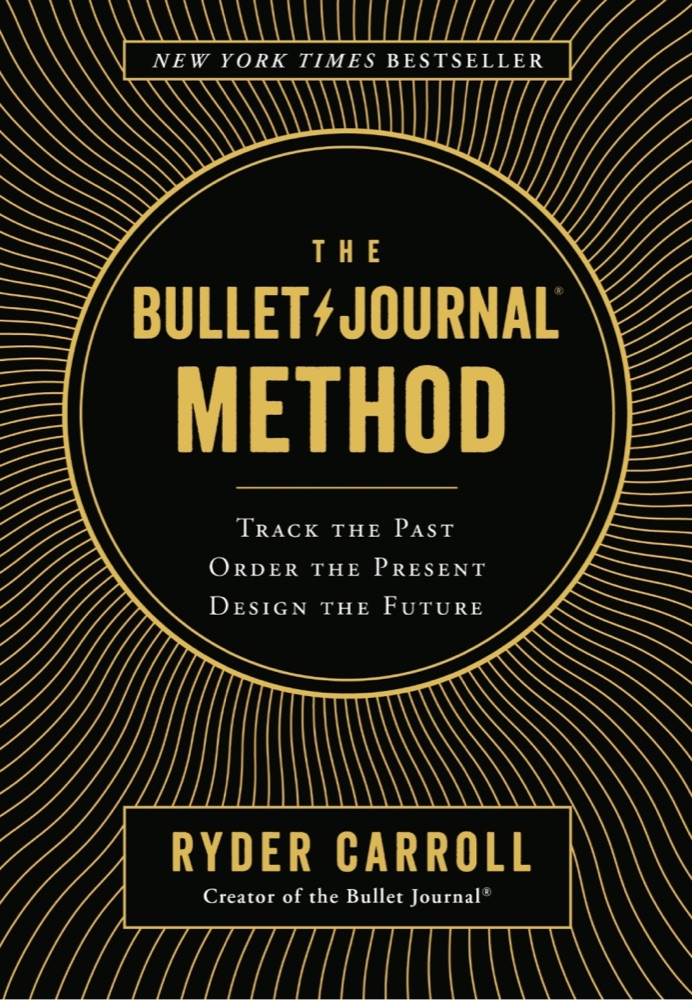 The Bullet Journal Method: Track Your Past, Order Your Present, Plan Your Future
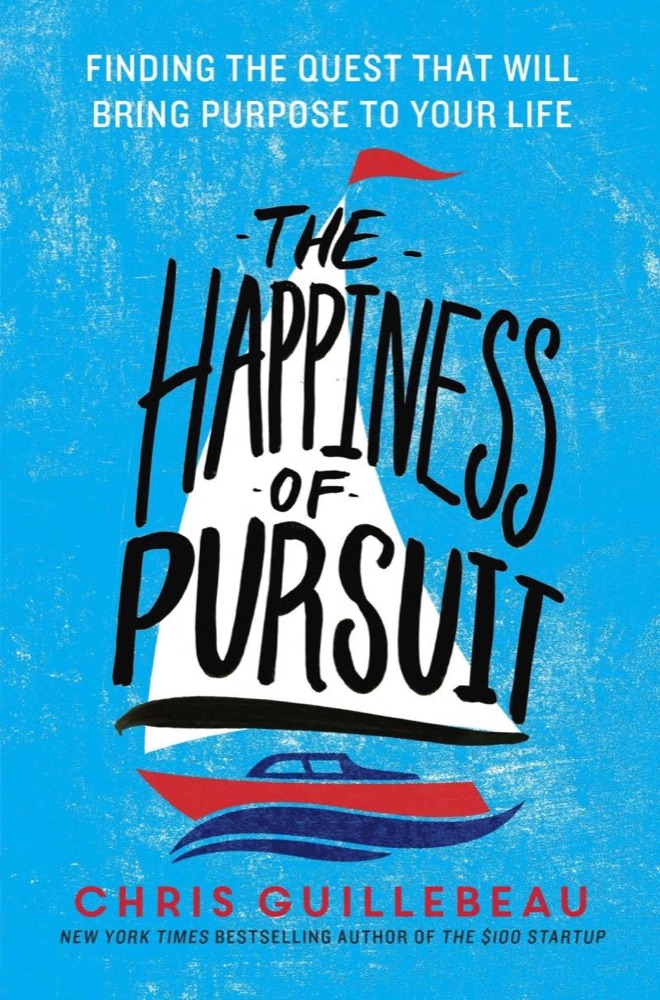 The Happiness of Pursuit: Finding the Quest That Will Bring Purpose to Your Life
 The 4-Hour Workweek
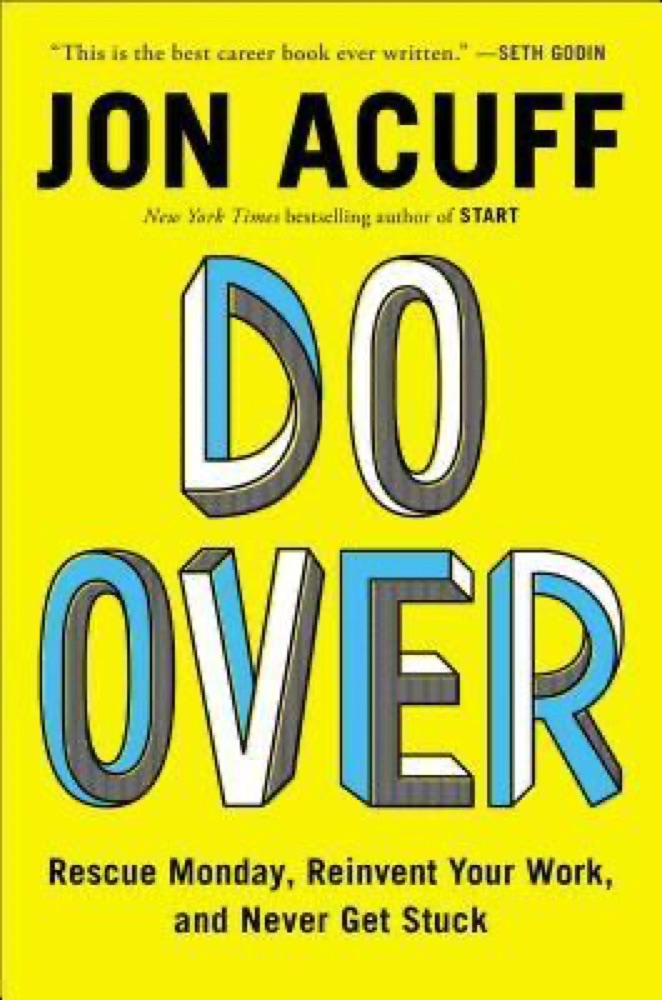 Do Over: Rescue Monday, Reinvent Your Work, and Never Get Stuck
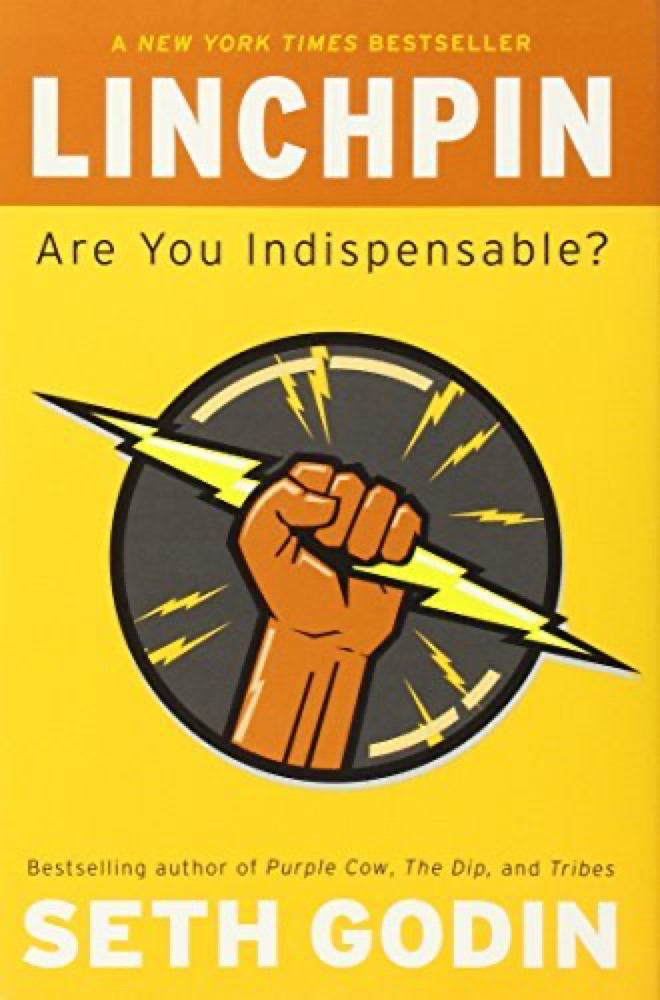 Linchpin: Are You Indispensable?
 You Are a Badass at Making Money: Master the Mindset of Wealth
 Grit: The Power of Passion and Perseverance
 The Art of Work
 Rework
 The Art of Creative Thinking
 It's Not How Good You Are, It's How Good You Want To Be
 Making Ideas Happen: Overcoming the Obstacles Between Vision and Reality
 First Things First
 How to Be a Bawse: A Guide to Conquering Life
 Be Useful: Seven Tools for Life
 The Compound Effect: Jumpstart Your Income, Your Life, Your Success
 Principles: Life and Work
 Do Epic Shit
 The Startup of You: Adapt to the Future, Invest in Yourself, and Transform Your Career
 How Will You Measure Your Life?
 Things a Little Bird Told Me: Confessions of the Creative Mind
 Show Your Work!: 10 Ways to Share Your Creativity and Get Discovered
 The 7 Habits of Highly Effective People: Personal Workbook
 High Performance Habits: How Extraordinary People Become That Way
 Limitless: Upgrade Your Brain, Learn Anything Faster, and Unlock Your Exceptional Life
 Tools of Titans: The Tactics, Routines, and Habits of Billionaires, Icons, and World-Class Performers
 Mastery
 Tribe Of Mentors: Transformative Wisdom From Icons and Innovators to Help You Navigate Life's Challenges
 Ignore Everybody: and 39 Other Keys to Creativity
 Slow Productivity: The Lost Art of Accomplishment Without Burnout
 The Power of Focus
 Big Magic: Creative Living Beyond Fear
 The Artist's Way
 The 5 AM Club: Own Your Morning. Elevate Your Life
 How to Be Everything
 Awaken The Giant Within
 The 12 Week Year
 How to Fail at Almost Everything and Still Win Big: Kind of the Story of My Life
 The Daily Laws: 366 Meditations
 Drive: The Surprising Truth About What Motivates Us
 Essentialism: The Disciplined Pursuit of Less
 Hit Refresh: The Quest to Rediscover Microsoft's Soul and Imagine a Better Future for Everyone
 Delivering Happiness: A Path to Profits, Passion, and Purpose
 Originals: How Non-Conformists Move the World
 The Art of the Start: The Time-Tested, Battle-Hardened Guide for Anyone Starting Anything
 How to Be Here: A Guide to Creating a Life Worth Living
 The Icarus Deception: How High Will You Fly?
 Choose Yourself: Be Happy, Make Millions, Live the Dream
 The Success Principles: How to Get from Where You Are to Where You Want to Be
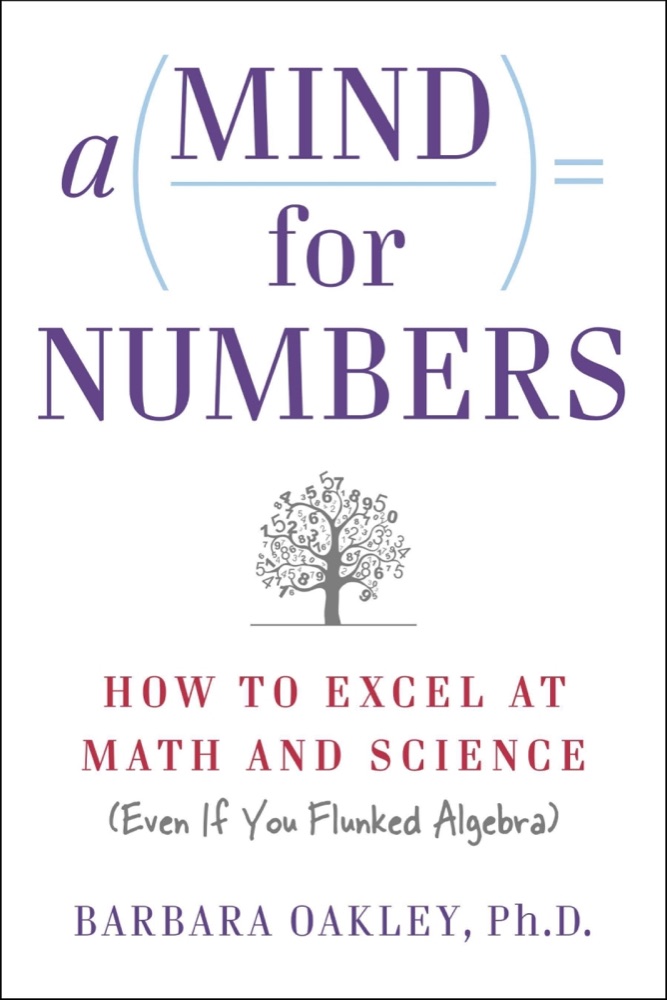 A Mind for Numbers: How to Excel at Math and Science
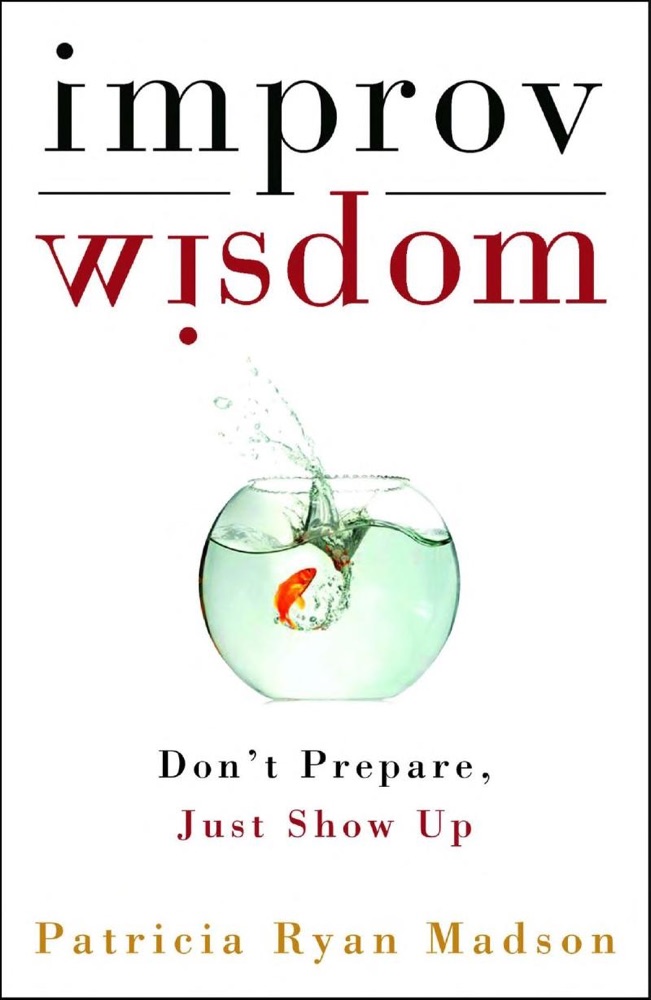 Improv Wisdom: Don't Prepare, Just Show Up
 Pour Your Heart Into It: How Starbucks Built a Company One Cup at a Time