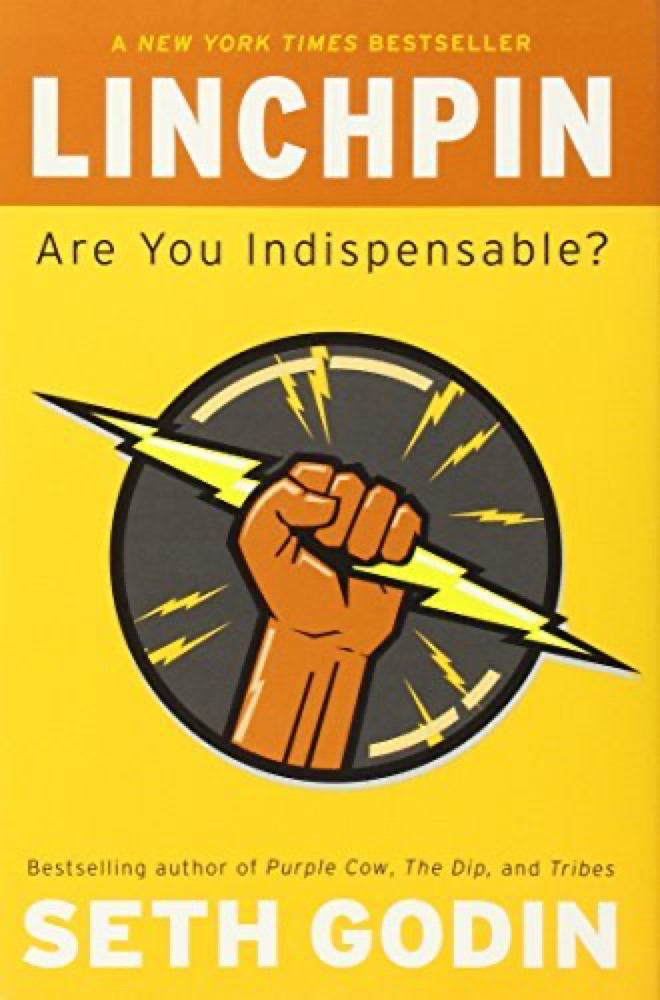

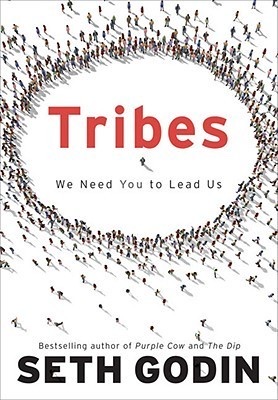
 Tribes: We Need You to Lead Us
Quotes from the Book
The job is what you do when you are told what to do. The job is showing up at the factory, following instructions, meeting spec, and being managed. Someone can always do your job a little better or faster or cheaper than you can. The job might be difficult, it might require skill, but it's a job. Your art is what you do when no one can tell you exactly how to do it. Your art is the act of taking personal responsibility, challenging the status quo, and changing people. I call the process of doing your art 'the work.' It's possible to have a job and do the work, too. In fact, that's how you become a linchpin. The job is not the work.
465
Art isn't only a painting. Art is anything that's creative, passionate, and personal. And great art resonates with the viewer, not only with the creator. What makes someone an artist? I don't think is has anything to do with a paintbrush. There are painters who follow the numbers, or paint billboards, or work in a small village in China, painting reproductions. These folks, while swell people, aren't artists. On the other hand, Charlie Chaplin was an artist, beyond a doubt. So is Jonathan Ive, who designed the iPod. You can be an artists who works with oil paints or marble, sure. But there are artists who work with numbers, business models, and customer conversations. Art is about intent and communication, not substances. An artists is someone who uses bravery, insight, creativity, and boldness to challenge the status quo. And an artists takes it personally. That's why Bob Dylan is an artist, but an anonymous corporate hack who dreams up Pop 40 hits on the other side of the glass is merely a marketer. That's why Tony Hsieh, founder of Zappos, is an artists, while a boiler room of telemarketers is simply a scam. Tom Peters, corporate gadfly and writer, is an artists, even though his readers are businesspeople. He's an artists because he takes a stand, he takes the work personally, and he doesn't care if someone disagrees. His art is part of him, and he feels compelled to share it with you because it's important, not because he expects you to pay him for it. Art is a personal gift that changes the recipient. The medium doesn't matter. The intent does. Art is a personal act of courage, something one human does that creates change in another.
220
The secret to being wrong isn't to avoid being wrong! The secret is being willing to be wrong. The secret is realizing that wrong isn't fatal.
129
An artist is someone who uses bravery, insight, creativity, and boldness to challenge the status quo. And an artist takes it personally.
109
If you are deliberately trying to create a future that feels safe, you will willfully ignore the future that is likely.
95
The lizard brain is hungry, scared, angry, and horny. The lizard brain only wants to eat and be safe. The lizard brain will fight (to the death) if it has to, but would rather run away. It likes a vendetta and has no trouble getting angry. The lizard brain cares what everyone else thinks, because status in the tribe is essential to its survival. A squirrel runs around looking for nuts, hiding from foxes, listening for predators, and watching for other squirrels. The squirrel does this because that's all it can do. All the squirrel has is a lizard brain. The only correct answer to 'Why did the chicken cross the road?' is 'Because it's lizard brain told it to.' Wild animals are wild because the only brain they posses is a lizard brain. The lizard brain is not merely a concept. It's real, and it's living on the top of your spine, fighting for your survival. But, of course, survival and success are not the same thing. The lizard brain is the reason you're afraid, the reason you don't do all the art you can, the reason you don't ship when you can. The lizard brain is the source of the resistance.
92
Perhaps your challenge isn't finding a better project or a better boss. Perhaps you need to get in touch with what it means to feel passionate. People with passion look for ways to make things happen.
88
At the age of four, you were an artist. And at seven, you were a poet.
86
Here's the truth you have to wrestle with: the reason that art (writing, engaging, leading, all of it) is valuable is precisely why I can't tell you how to do it. If there were a map, there'd be no art, because art is the act of navigating without a map. Don't you hate that? I love that there's no map.
83
Transferring your passion to your job is far easier than finding a job that happens to match your passion.
64
If you need to conceal your true nature to get in the door, understand that you'll probably have to conceal your true nature to keep that job.
60
Discomfort brings engagement and change. Discomfort means you're doing something that others were unlikely to do, because they're hiding out in the comfortable zone. When your uncomfortable actions lead to success, the organization rewards you and brings you back for more.
56
The tragedy is that society (your school, your boss, your government, your family) keeps drumming the genius part out. The problem is that our culture has engaged in a Faustian bargain, in which we trade our genius and artistry for apparent stability.
46
...treasure what it means to do a day's work. It's our one and only chance to do something productive today, and it's certainly not available to someone merely because he is the high bidder. A day's work is your chance to do art, to create a gift, to do something that matters. As your work gets better and your art becomes more important, competition for your gifts will increase and you'll discover that you can be choosier about whom you give them to.
39
The problem with competition is that it takes away the requirement to set your own path, to invent your own method, to find a new way.
28
As our society gets more complex and our people get more complacent, the role of the jester is more vital than ever before. Please stop sitting around. We need you to make a ruckus.
28
The competitive advantages the marketplace demands is someone more human, connected, and mature. Someone with passion and energy, capable of seeing things as they are and negotiating multiple priorities as she makes useful decisions without angst. Flexible in the face of change, resilient in the face of confusion. All of these attributes are choices, not talents, and all of them are available to you.
27
Not only must you be an artist, must you be generous, and must you be able to see where you can help but you must also be aware. Aware of where your skills are welcomed.
23
I think art is the ability to change people with your work, to see things as they are and then create stories, images, and interactions that change the marketplace.
22
Art is never defect-free. Things that are remarkable never meet spec, because that would make them standardized, not worth talking about.
18
...the greatest shortage in our society is an instinct to produce. To create solutions and hustle them out the door. To touch the humanity inside and connect to the humans in the marketplace.
18
The combination of passion and art is what makes someone a linchpin.
18
When you set down the path to create art, whatever sort of art it is, understand that the path is neither short not easy. That means you must determine if the route is worth the effort. If it's not, dream bigger.
17
You cannot create a piece of art merely for money. Doing it as part of commerce so denudes art of wonder that it ceases to be art.
16
A brilliant author or businesswoman or senator or software engineer is brilliant only in tiny bursts. The rest of the time, they’re doing work that most any trained person could do.
15
Optimism is the most important human trait, because it allows us to evolve our ideas, to improve our situation, and to hope for a better tomorrow.
13
If you can't be remarkable, perhaps you should consider doing nothing until you can.
13
The road to comfort is crowded and it rarely gets you there. Ironically, it’s those who seek out discomfort that are able to make a difference and find their footing.
11
The only way to get what you're worth is to stand out, to exert emotional labor, to be seen as indispensable, and to produce interactions that organizations and people care deeply about.
10
Art isn't only a painting; it's anything that changes someone for the better, any nonanonymous interaction that leads to a human (not simply a commercial) conclusion.
9
Watch on YouTube
About Seth Godin
We have collected 141 quotes from 6 books by Seth Godin on BookQuoters.
More about the author →
About the book
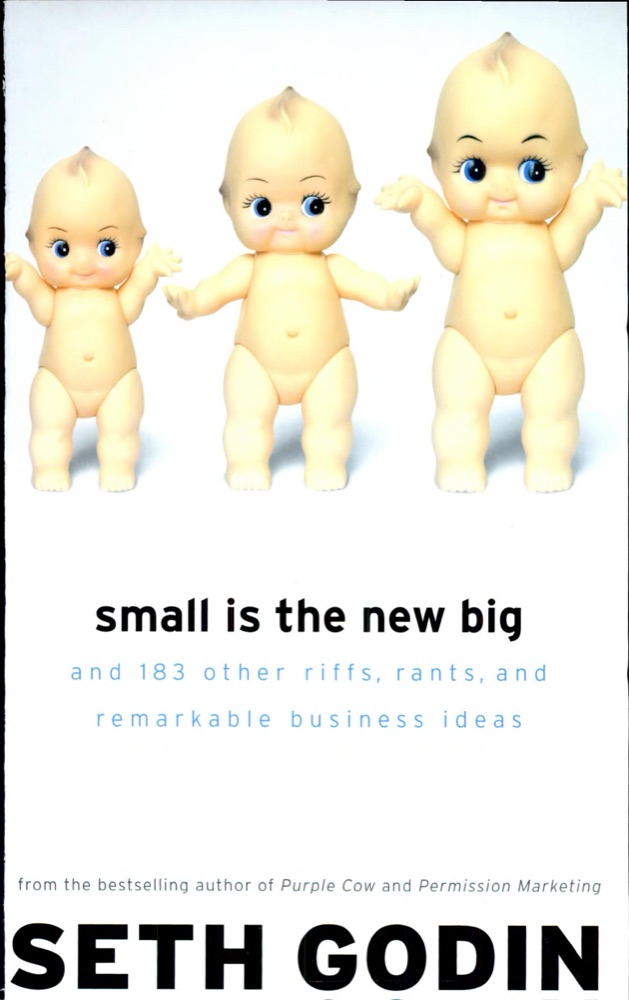
In bestsellers such as Purple Cow and Tribes, Seth Godin taught readers how to make remarkable products and spread powerful ideas. But this book is about you—your choices, your future, and your potential to make a huge difference in whatever field you choose.
There used to be two teams in every workplace: management and labor. Now there's a third team: the linchpins. These people figure out what to do when there's no rule book. They delight and challenge their customers and peers. They love their work, pour their best selves into it, and turn each day into a kind of art.
Linchpins are the essential building blocks of great organizations. They may not be famous but they're indispensable. And in today's world, they get the best jobs and the most freedom.
As Godin writes, "Every day I meet people who have so much to give but have been bullied enough or frightened enough to hold it
Book details
- First published
- 2010
- Author
- Seth Godin
- Genre
- Nonfiction
- Goodreads rating
- 3.83 (47k ratings)
Keep reading
 The Icarus Deception: How High Will You Fly?
 The Practice: Shipping Creative Work
 The Art of Creative Thinking
 Ignore Everybody: and 39 Other Keys to Creativity
 Show Your Work!: 10 Ways to Share Your Creativity and Get Discovered
 Getting There: A Book of Mentors
 The Accidental Creative: How to Be Brilliant at a Moment's Notice
 Creativity, Inc.: Overcoming the Unseen Forces That Stand in the Way of True Inspiration
 Art and Fear: Observations on the Perils (and Rewards) of Artmaking
 The War of Art
 The Artist's Way
 Originals: How Non-Conformists Move the World
 How to Fly a Horse: The Secret History of Creation, Invention, and Discovery
 Creativity: Flow and the Psychology of Discovery and Invention
 The Element: How Finding Your Passion Changes Everything
 What Color Is Your Parachute? A Practical Manual for Job-Hunters and Career-Changers
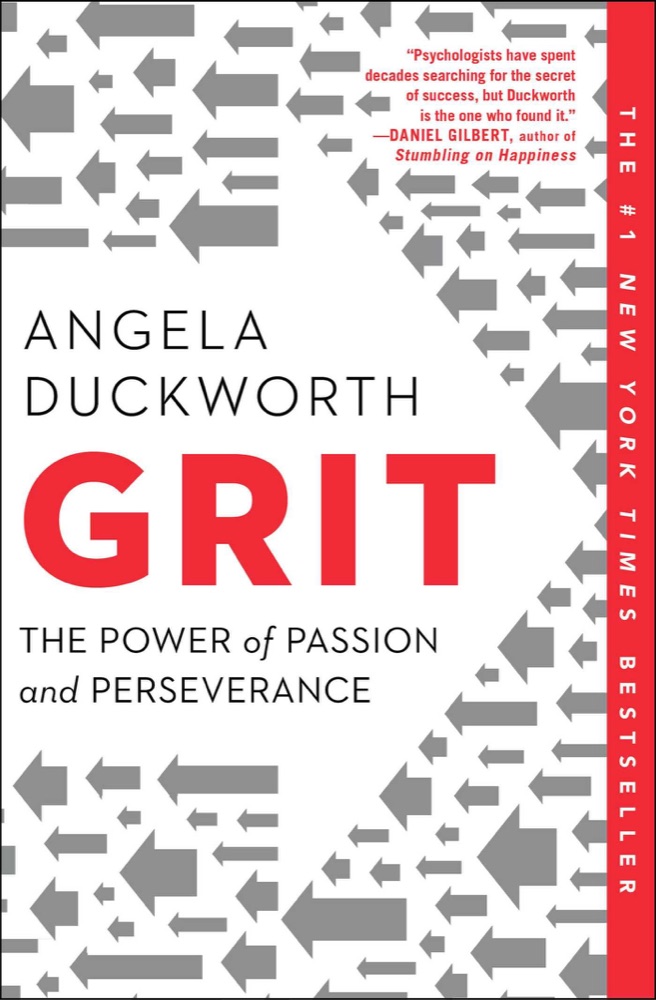 Grit: The Power of Passion and Perseverance
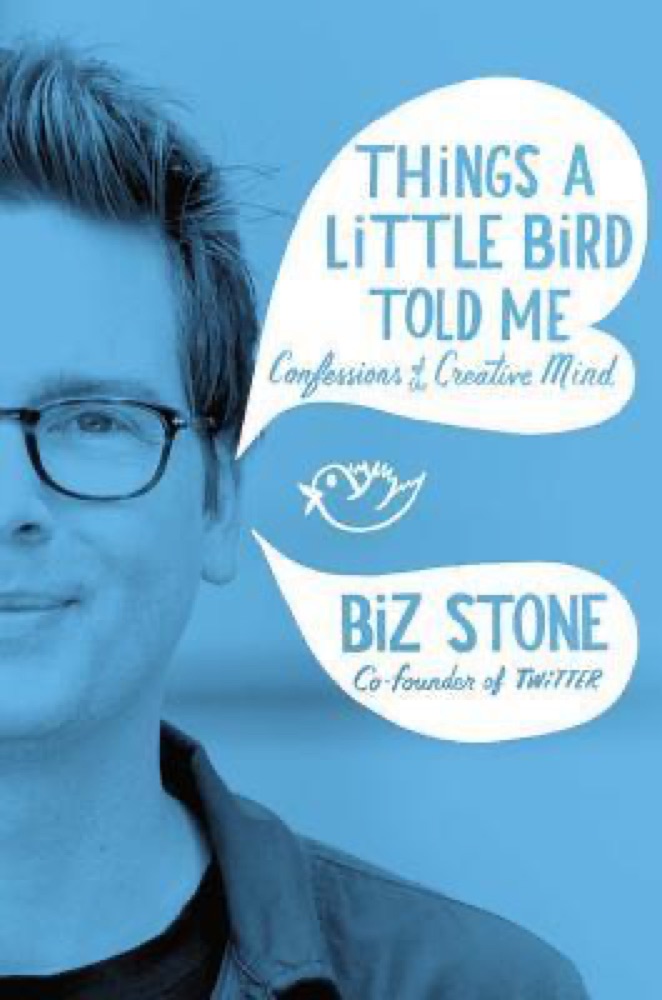 Things a Little Bird Told Me: Confessions of the Creative Mind
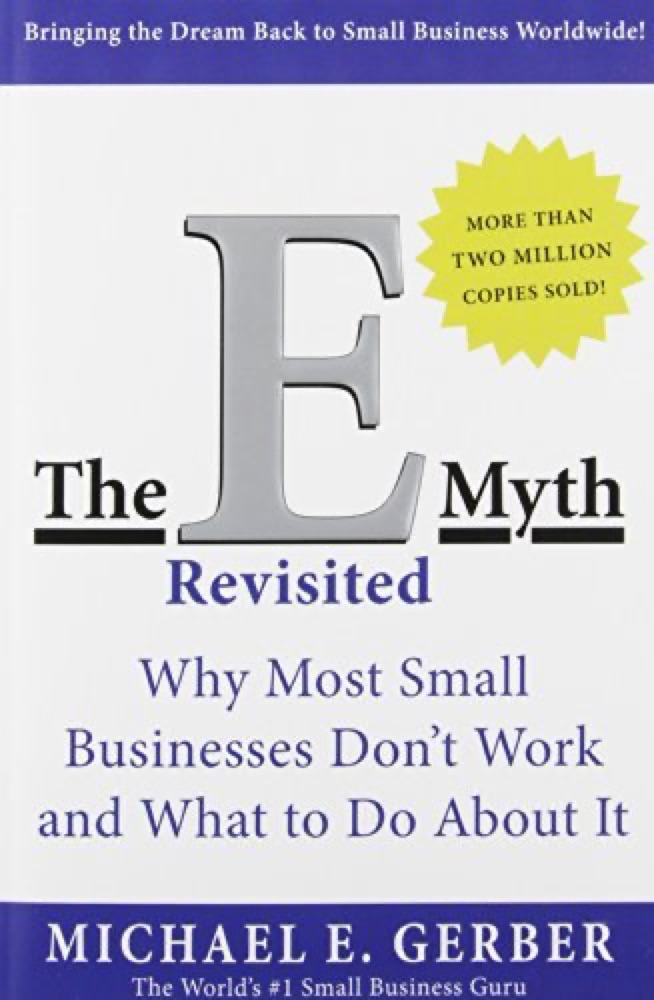 The E-myth Revisited
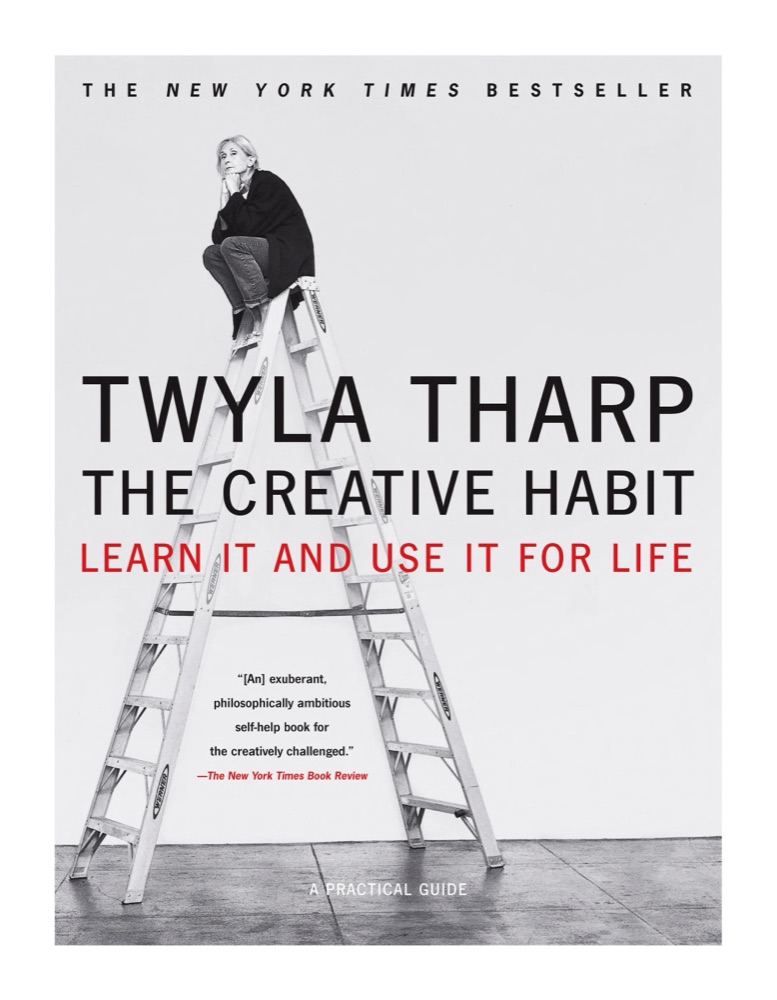 The Creative Habit: Learn It and Use It for Life
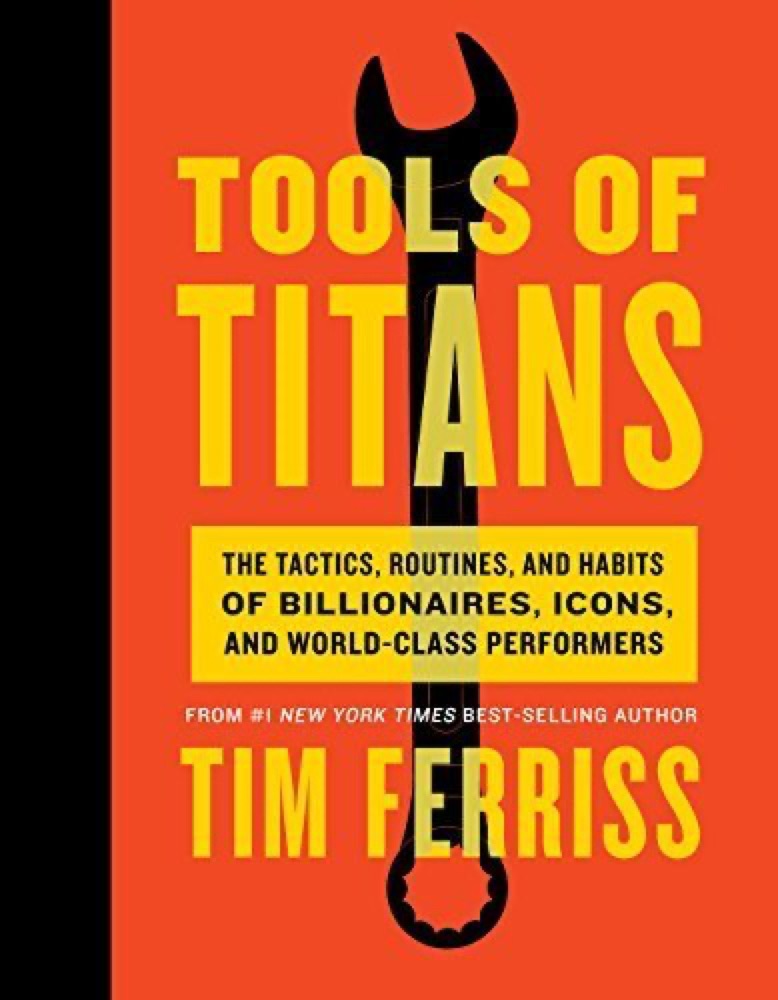 Tools of Titans: The Tactics, Routines, and Habits of Billionaires, Icons, and World-Class Performers
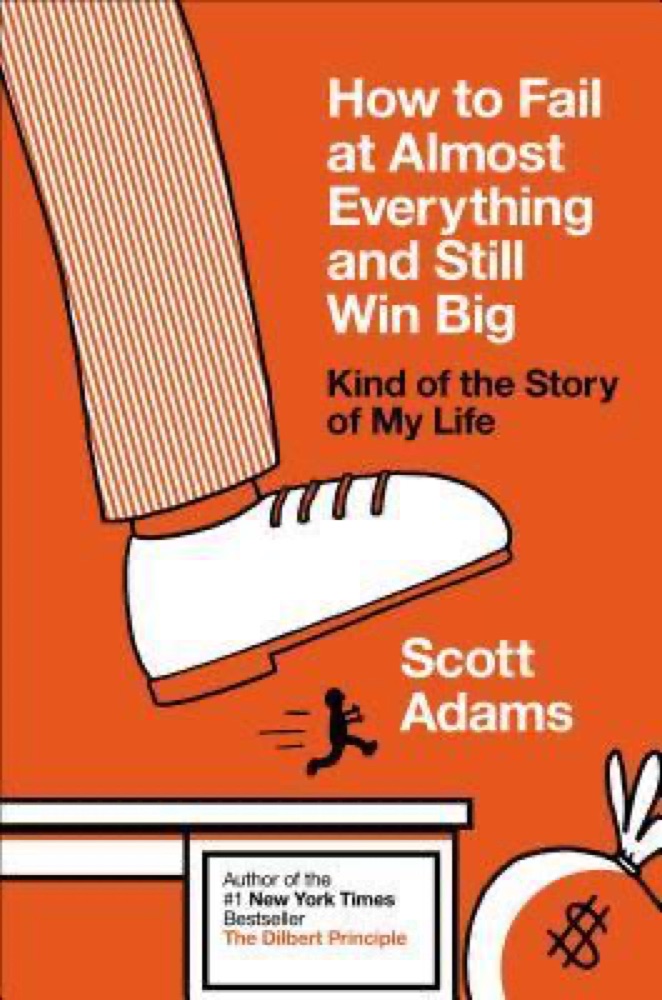 How to Fail at Almost Everything and Still Win Big: Kind of the Story of My Life
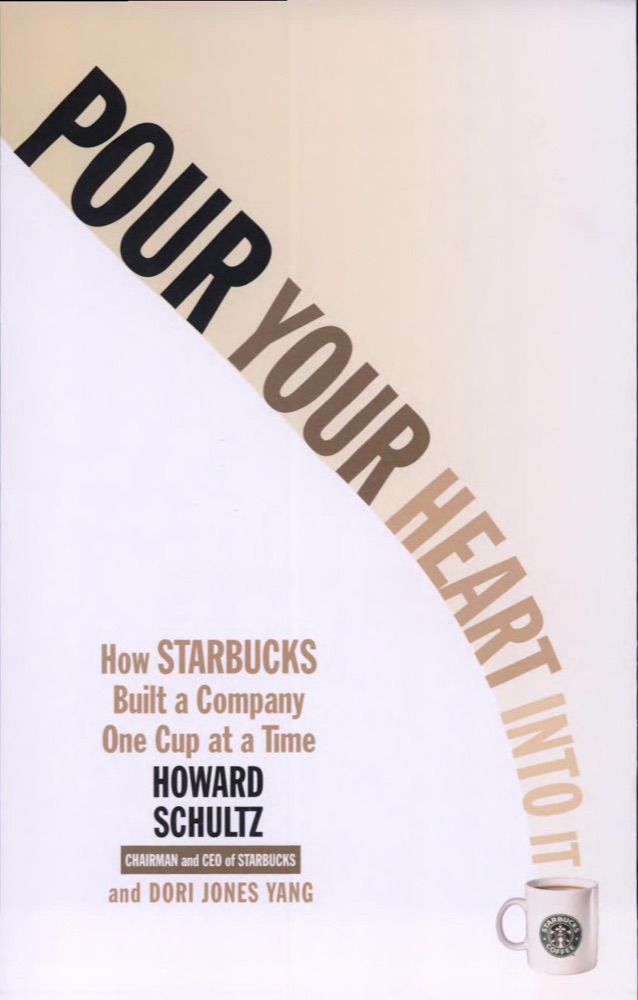 Pour Your Heart Into It: How Starbucks Built a Company One Cup at a Time
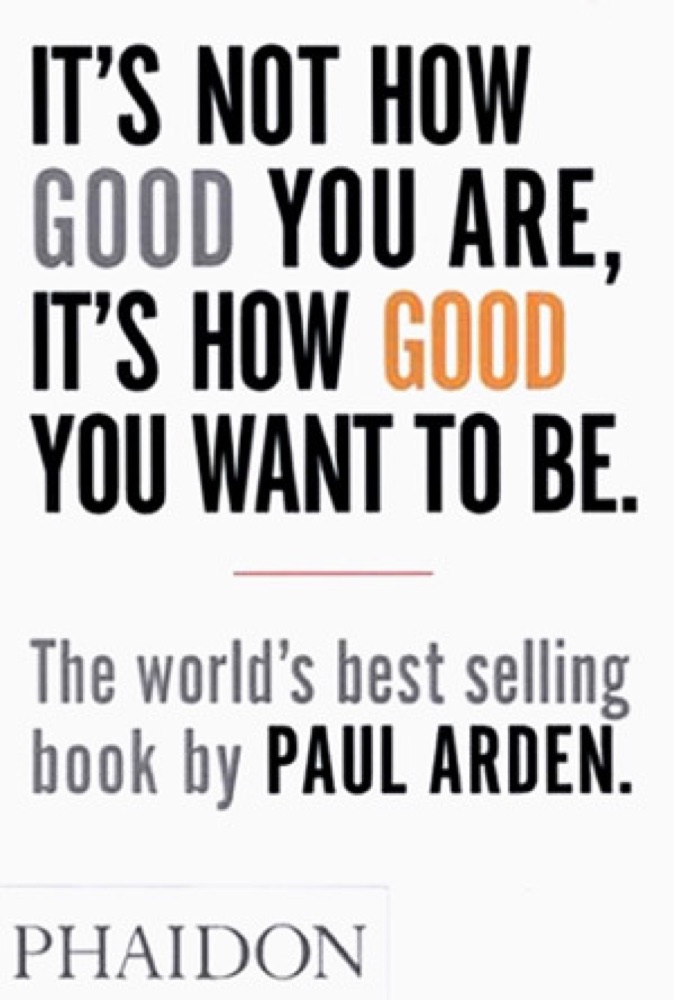 It's Not How Good You Are, It's How Good You Want To Be
 Principles: Life and Work
 Big Magic: Creative Living Beyond Fear
 Creativity: Unleashing the Forces Within
 The Art of Work
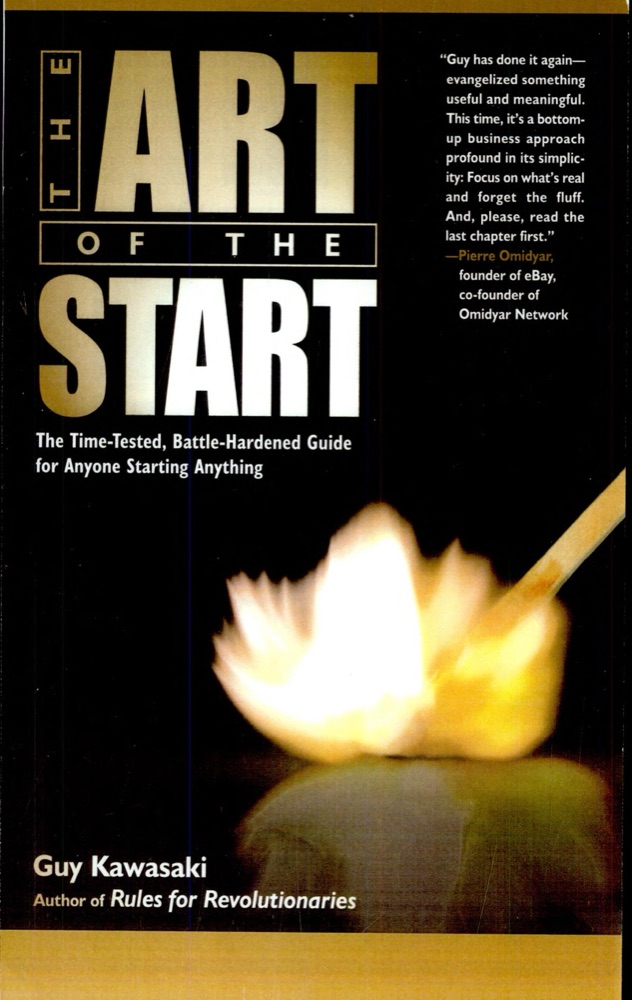 The Art of the Start: The Time-Tested, Battle-Hardened Guide for Anyone Starting Anything
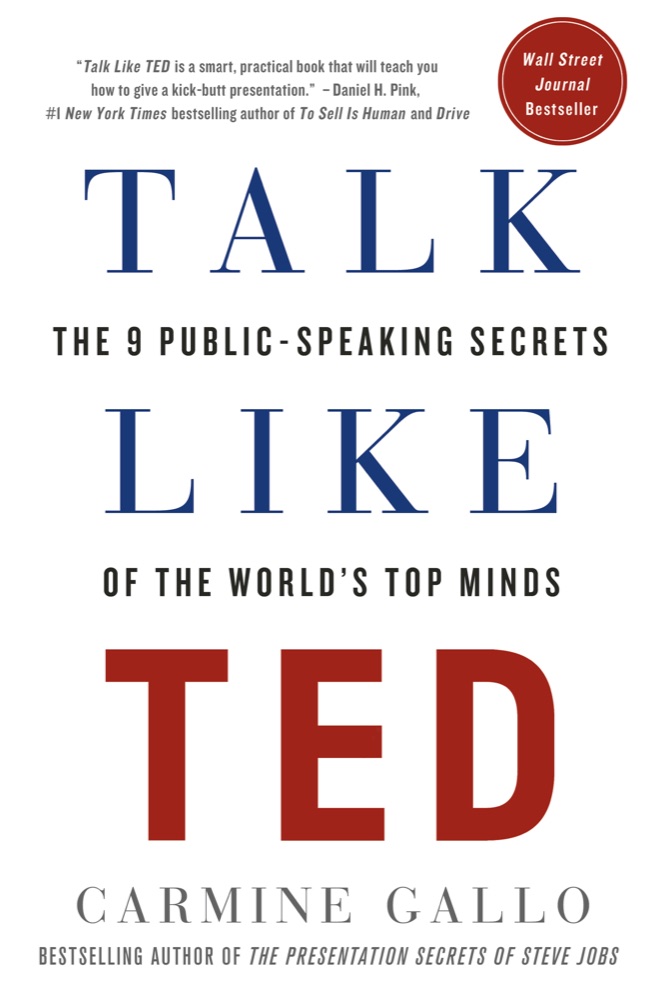 Talk Like TED: The 9 Public-Speaking Secrets of the World's Top Minds
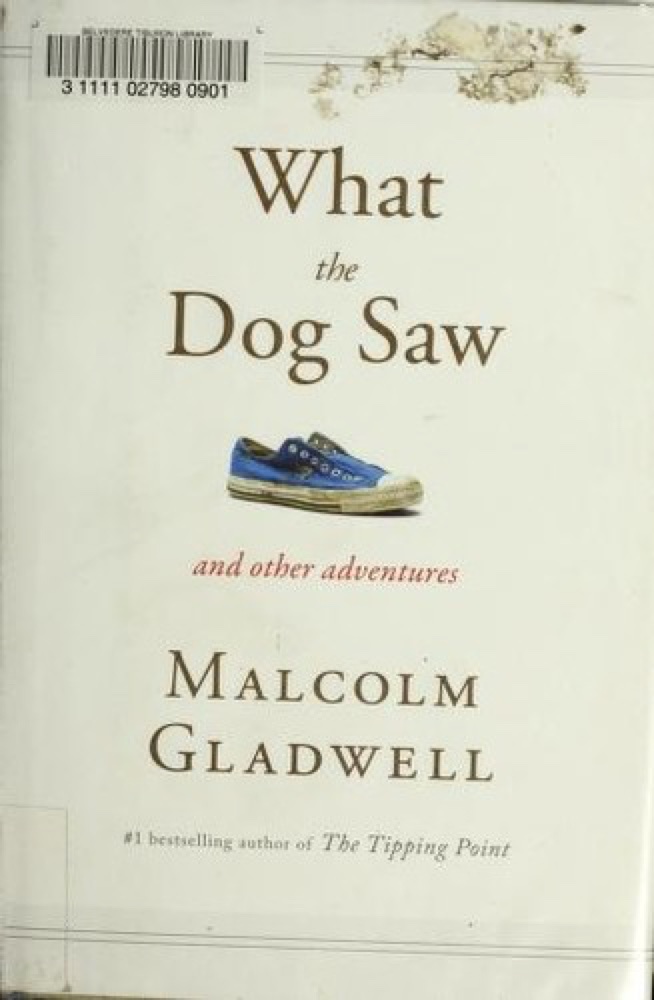 What the Dog Saw and Other Adventures
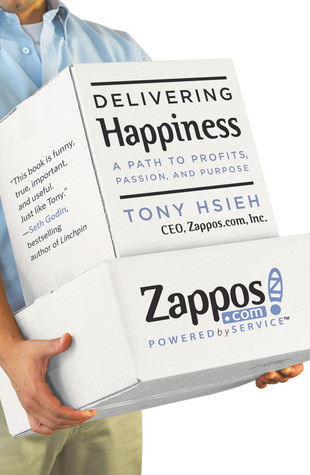 Delivering Happiness: A Path to Profits, Passion, and Purpose
 Creative Quest
 Be Useful: Seven Tools for Life
 Shop Class as Soulcraft: An Inquiry Into the Value of Work
 The Art of Thinking Clearly
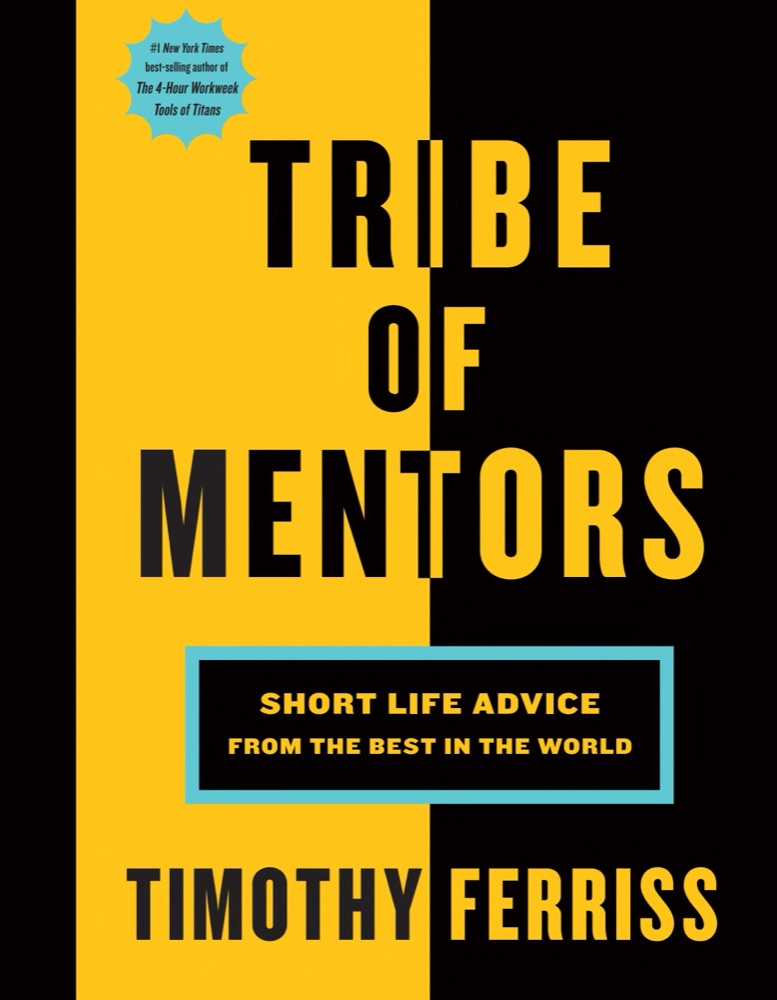 Tribe Of Mentors: Transformative Wisdom From Icons and Innovators to Help You Navigate Life's Challenges
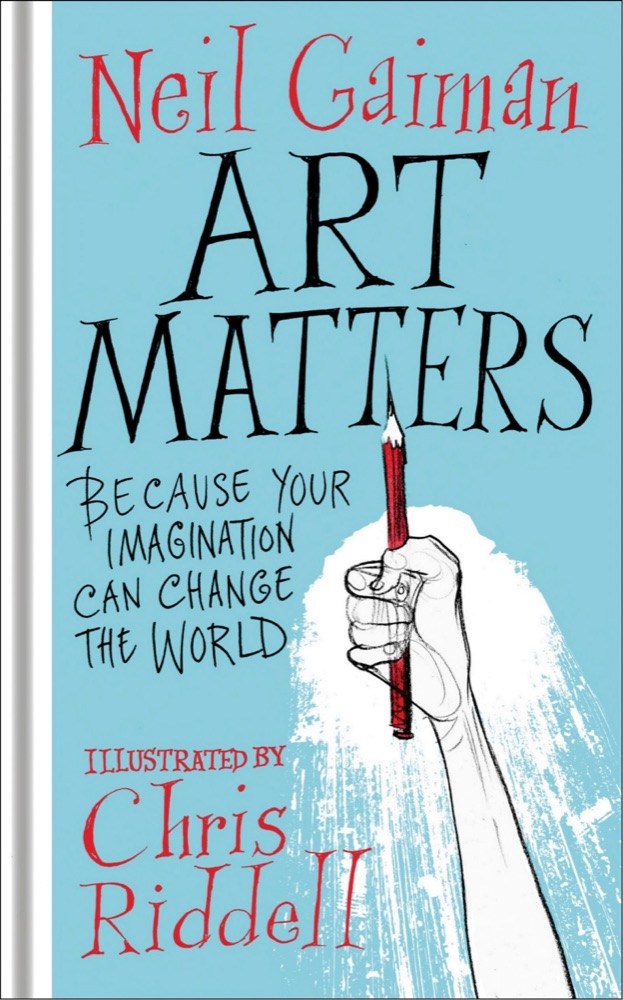 Art Matters: Because Your Imagination Can Change the World
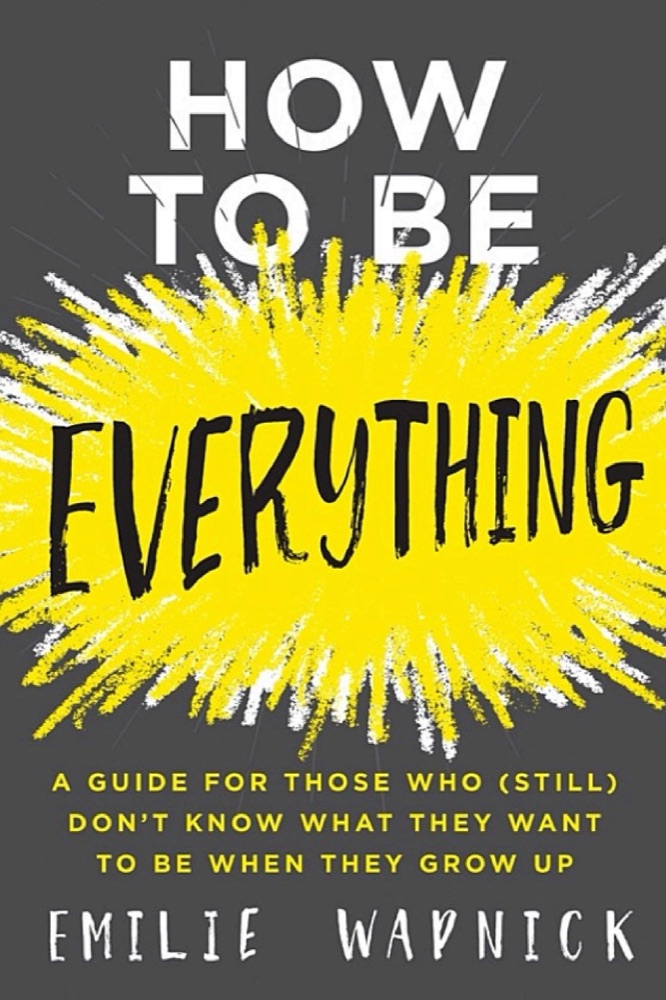 How to Be Everything
 Mastery
 The Ride of a Lifetime: Lessons Learned from 15 Years as CEO of the Walt Disney Company
 A Whole New Mind: Why Right-Brainers Will Rule the Future
 Rework
 Choose Yourself: Be Happy, Make Millions, Live the Dream
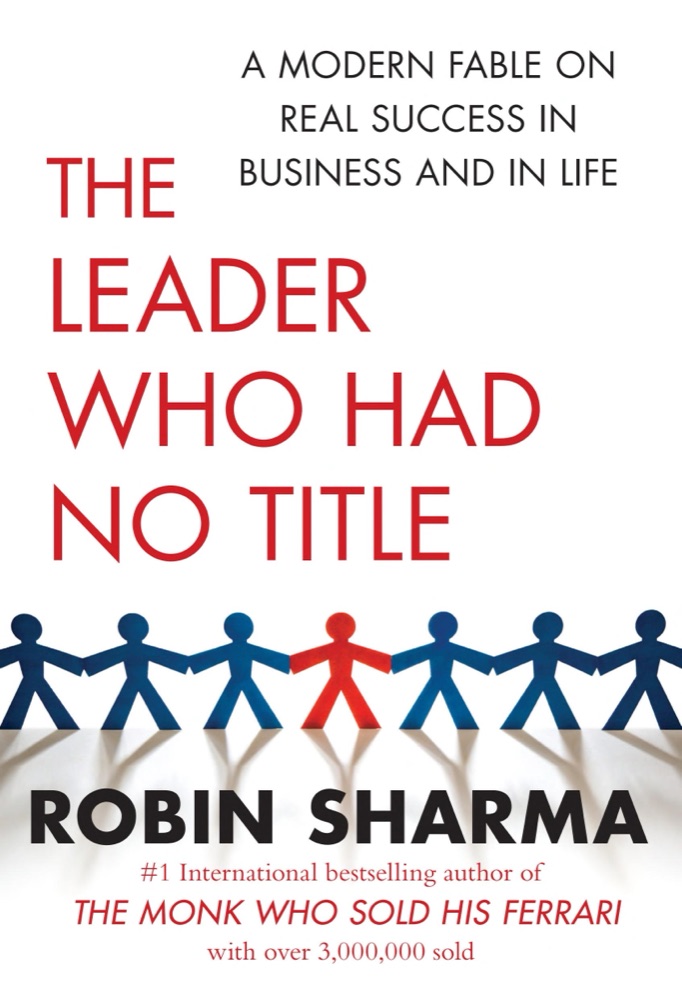 The Leader Who Had No Title: A Modern Fable on Real Success in Business and in Life
 Every Tool's a Hammer: Life Is What You Make It
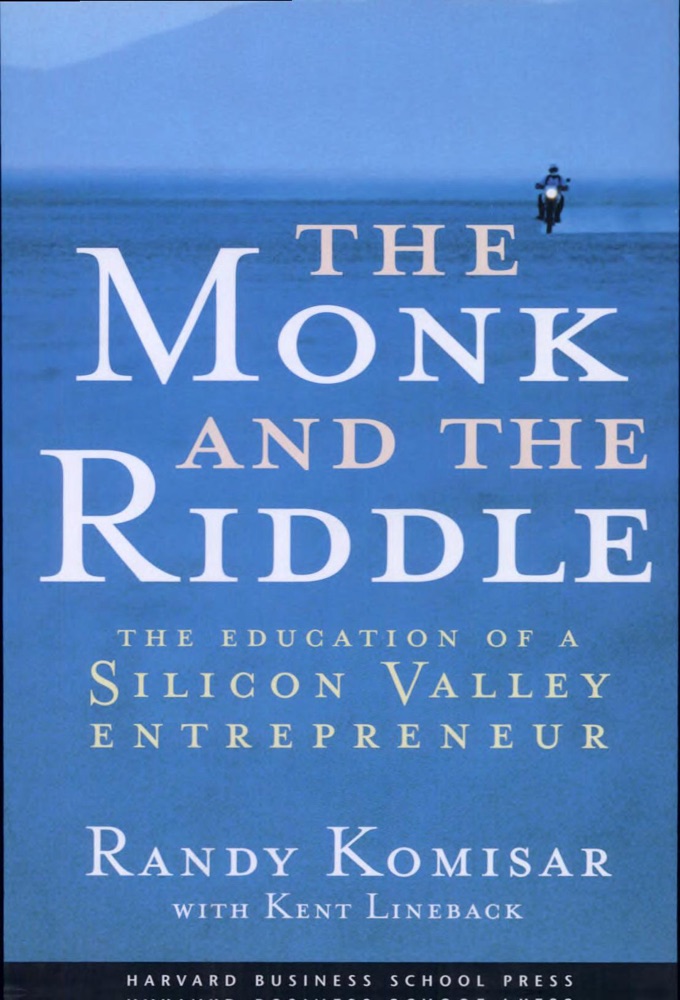 The Monk and the Riddle: The Education of a Silicon Valley Entrepreneur
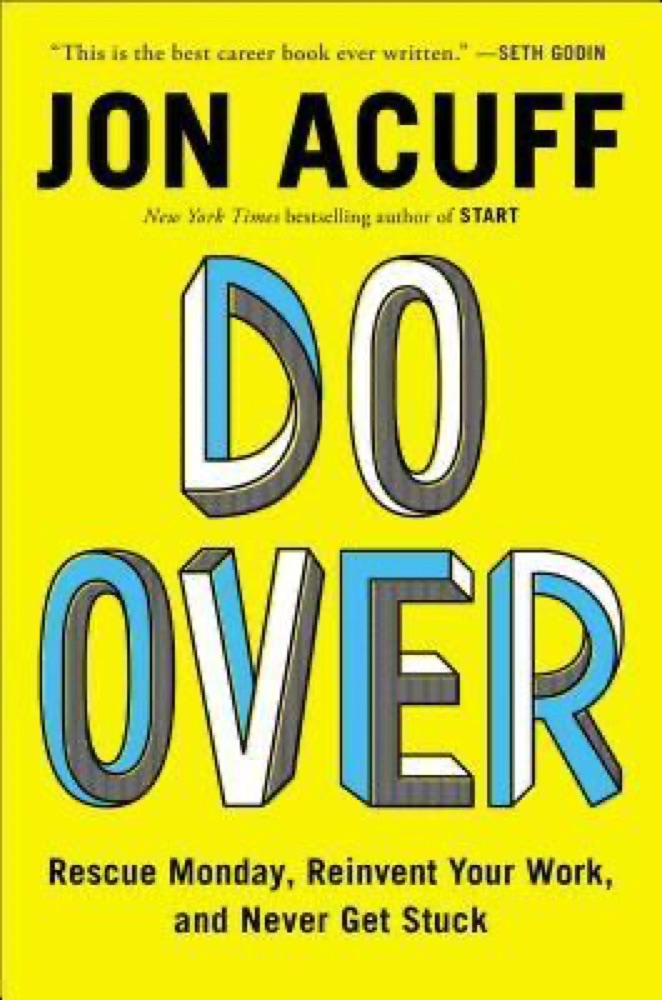 Do Over: Rescue Monday, Reinvent Your Work, and Never Get Stuck
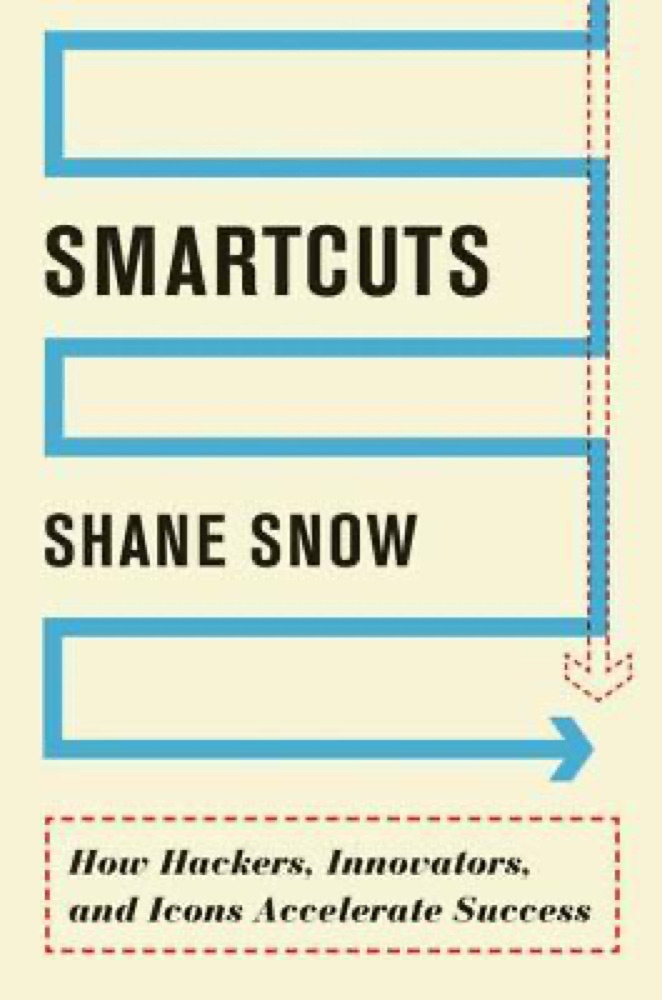 Smartcuts: How Hackers, Innovators, and Icons Accelerate Success
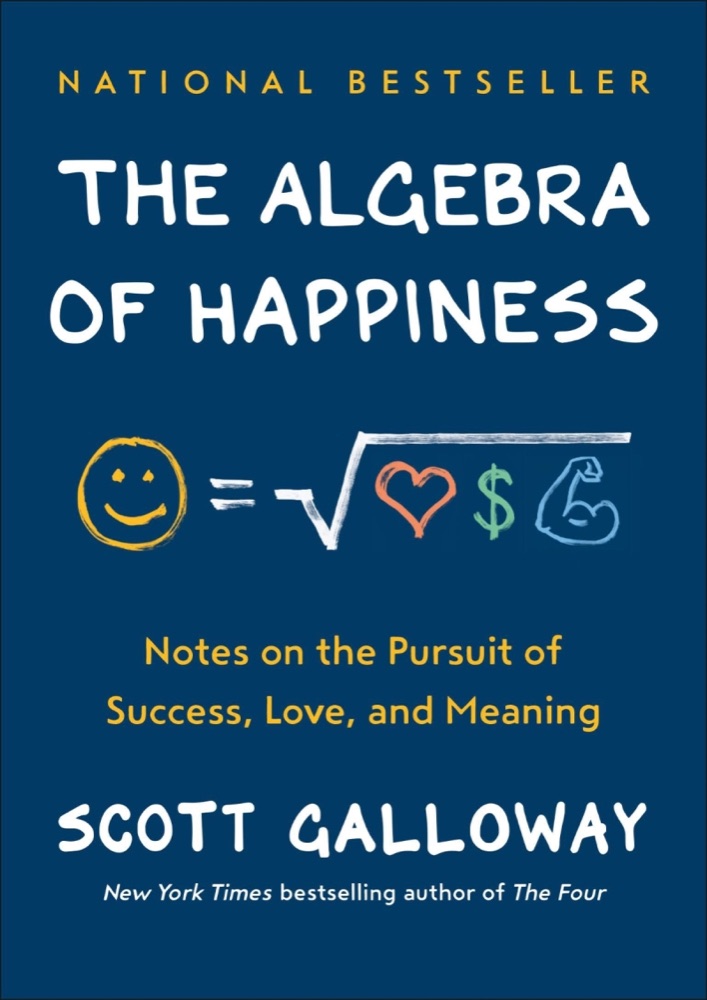 The Algebra of Happiness: Notes on the Pursuit of Success, Love, and Meaning
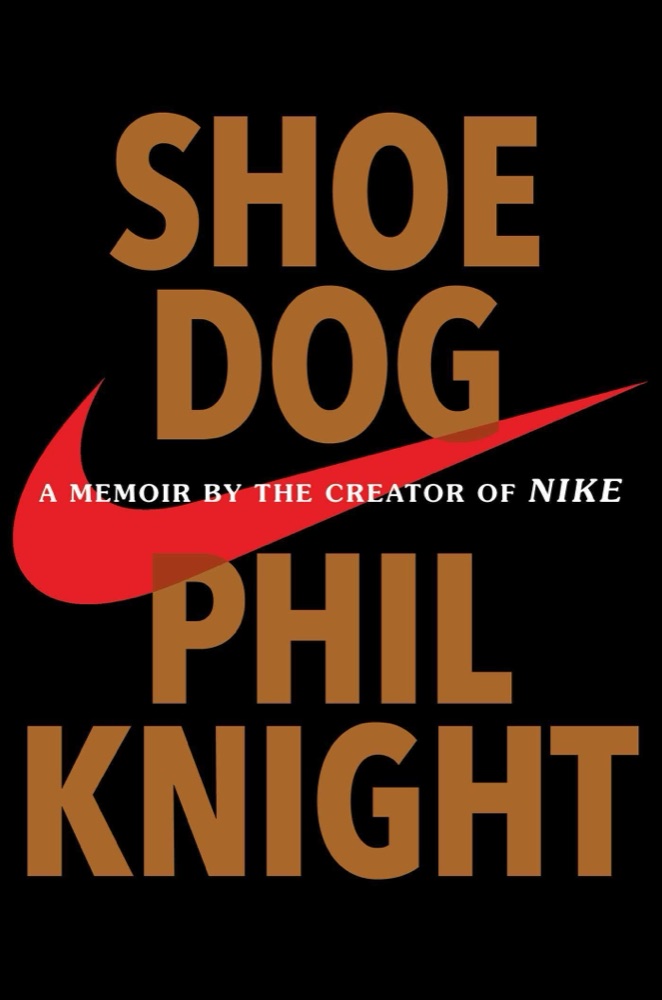 Shoe Dog: A Memoir by the Creator of NIKE
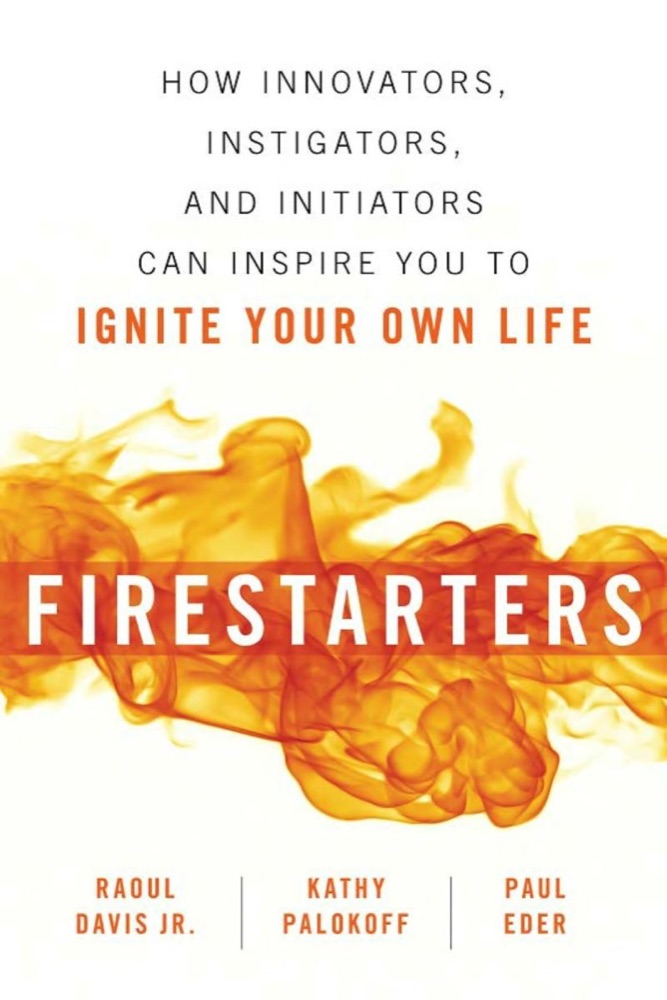 Firestarters: How Innovators, Instigators, and Initiators Can Inspire You to Ignite Your Own Life
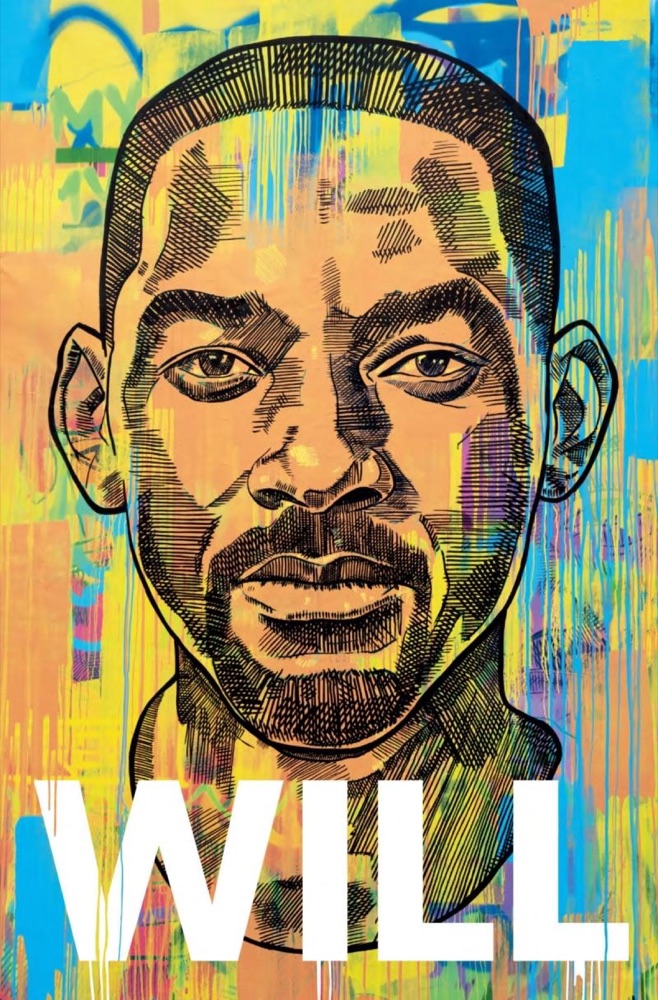 Will
Will
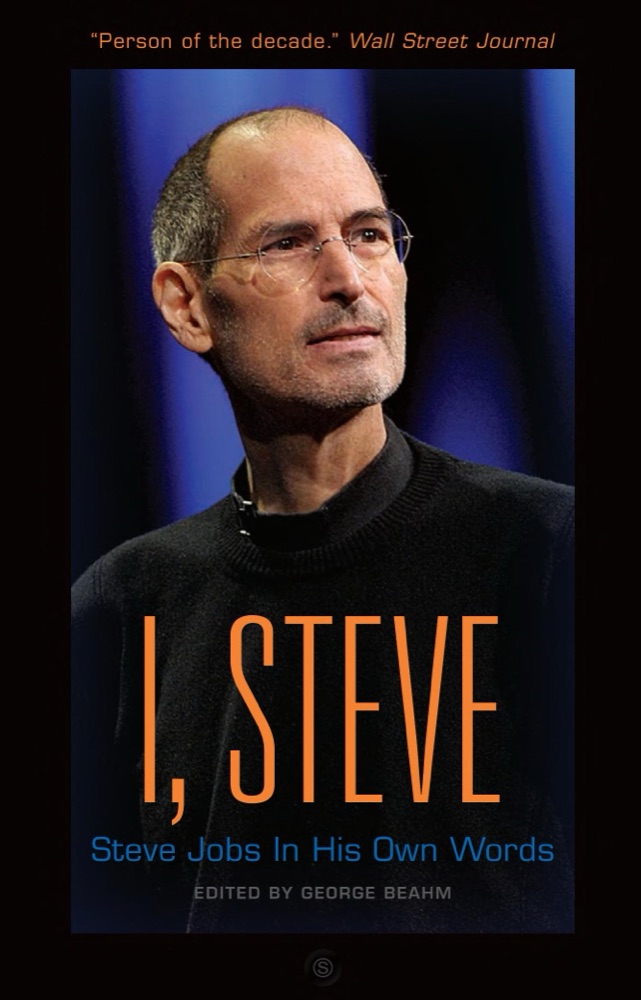 I, Steve: Steve Jobs In His Own Words
 Hackers & Painters: Big Ideas from the Computer Age
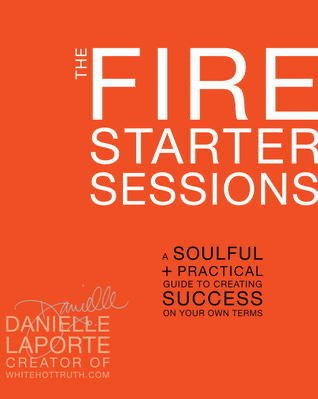 The Fire Starter Sessions: A Soulful + Practical Guide to Creating Success on Your Own Terms
 Drive: The Surprising Truth About What Motivates Us
 The Startup of You: Adapt to the Future, Invest in Yourself, and Transform Your Career
 Turning Pro