
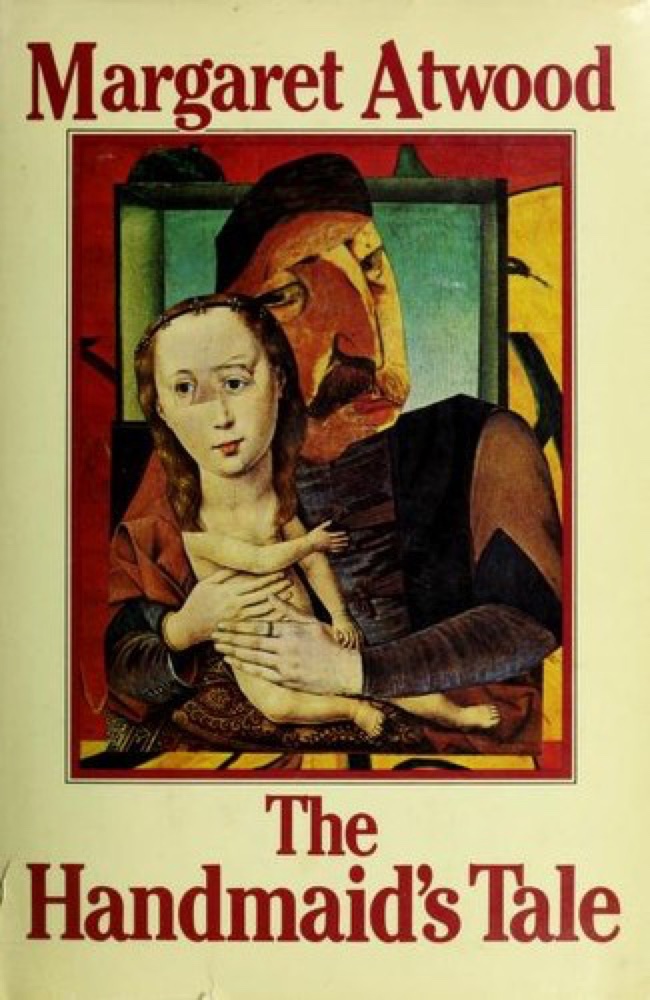
 The Handmaid's Tale
Quotes from the Book
Instead I will say, "Take me to your trees. Take me to your breakfasts, your sunsets, your bad dreams, your shoes, your nouns. Take me to your fingers; take me to your deaths." These are worth it. These are what I have come for.
25
It’s always encouraging to be told that it is intellectually acceptable to read the sorts of things that you like to read anyway.
17
Human tool-makers always make tools that will help us get what we want, and what we want hasn't changed for thousands of years because as far as we can tell the human template hasn't changed either. We still want the purse that will always be filled with gold, and the Fountain of Youth. We want the table that will cover itself with delicious food whenever we say the word, and that will be cleaned up afterwards by invisible servants. We want the Seven-League Boots so we can travel very quickly, and the Hat of Darkness so we can snoop on other people without being seen. We want the weapon that will never miss, and the castle that will keep us safe. We want excitement and adventure; we want routine and security. We want to have a large number of sexually attractive partners, and we also want those we love to love us in return, and be utterly faithful to us. We want cute, smart children who will treat us with the respect we deserve. We want to be surrounded by music, and by ravishing scents and attractive visual objects. We don't want to be too hot or too cold. We want to dance. We want to speak with the animals. We want to be envied. We want to be immortal. We want to be gods. But in addition, we want wisdom and justice. We want hope. We want to be good.
13
A writer's age at the time of a work's composition is never irrelevant.
12
Some people write letters, in the library.
11
All myths are stories, but not all stories are myths: among stories, myths hold a special place.
9
Books and characters in books, pictures and elements in pictures—they all have families and ancestors, just like people.
9
Şimdiye dek anlamış olmalısınız: Başka bir gezegenden geliyorum ben. Ama size asla 'Beni liderinize götürün' demeyeceğim. Sizin gelenek göreneklerinize bu denli yabancı olan ben bile bu hataya düşmem. Bizim de aramızda öyle varlıklar var; çarklardan, kağıt parçalarından, parlak metal diskçiklerden, rengarenk kumaş parçalarından yapılmalar. Daha fazlasıyla yüzyüze gelmeye niyetim yok. Onun yerine diyeceğim şu: 'Beni ağaçlarınıza götürün. Kahvaltılarınıza götürün beni, gün batımlarınıza, kötü rüyalarınıza, ayakkabılarınıza, isimlerinize götürün. Parmaklarınıza götürün beni, ölümlerinize götürün.' Bunlar görmeye değer
6
[A]nother thing about myths: they gather in and circumscribe their target audience. They make a collection into a collective.
6
...the argument for the perfectibility of humankind rests on a logical fallacy. Thus: man is by definition imperfect, say those who would perfect him. But those who would perfect him are themselves, by their own definition, imperfect.
6
By now you must have guessed: I come from another planet. But I will never say to you, “Take me to your leaders.” ... Instead I will say, “Take me to your trees. Take me to your breakfasts, your sunsets, your bad dreams, your shoes, your nouns. Take me to your fingers; take me to your deaths.” These are worth it. These are what I have come for.
5
The genres, it is thought, have other designs on us. They want to entertain, as opposed to rubbing our noses in the daily grit produced by the daily grind. Unhappily for realistic novelists, the larger reading public likes being entertained.
5
Anything that doesn't fit this mode has been shoved into an area of lesser solemnity called 'genre fiction,' and it is here that the spy thriller and the crime story and the adventure story and the supernatural tale and the science fiction, however excellently written, must reside, sent to their rooms, as it were, for the misdemeanor of being enjoyable in what is considered a meretricious way. They invent, and we all know they invent, at least up to a point, and they are, therefore, not about 'real life,' which ought to lack coincidences and weirdness and action-adventure, unless the adventure story is about war, of course, where anything goes, and they are, therefore, not solid.
5
[Northrop] Frye was concerned mostly with literary criticism, and myths interested him as structural elements in works of literature. He used the word myth to mean story, without attaching any connotation of truth or falsehood to it; but a myth is a story of a certain kind. The myths of a culture are those stories it takes seriously—the ones that are thought to be a key to its identity.
5
In those timeless years between infancy and, say, seven what is has always been: in that way children inhabit the realm of myth.
5
Watch on YouTube
About Margaret Atwood
We have collected 719 quotes from 27 books by Margaret Atwood on BookQuoters.
More about the author →More by Margaret Atwood
All books by Margaret Atwood →
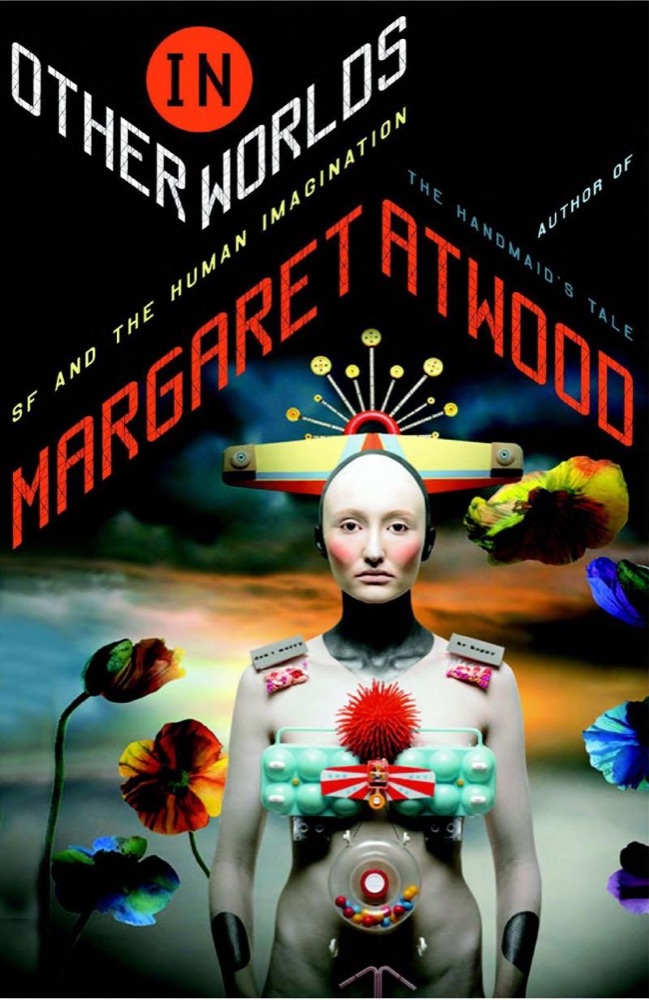
About the book
Note: The electronic version of this title contains over thirty additional, illuminating eBook-exclusive illustrations by the author.
At a time when speculative fiction seems less and less far-fetched, Margaret Atwood lends her distinctive voice and singular point of view to the genre in a series of essays that brilliantly illuminates the essential truths about the modern world. This is an exploration of her relationship with the literary form we have come to know as "science fiction,” a relationship that has been lifelong, stretching from her days as a child reader in the 1940s, through her time as a graduate student at Harvard, where she worked on the Victorian ancestor of the form, and continuing as a writer and reviewer. This book brings together her three heretofore unpublished Ellmann Lectures from 2010: "Flying Rabbits," which begins with Atwood's early rabbit superhero creat
Book details
- First published
- 2011
- Author
- Margaret Atwood
- Genre
- Nonfiction
- Goodreads rating
- 3.77 (2k ratings)
Keep reading
 The Language of the Night: Essays on Writing, Science Fiction, and Fantasy
 The View from the Cheap Seats: Selected Nonfiction
 The Wave in the Mind: Talks and Essays on the Writer, the Reader and the Imagination
 Stories: All-New Tales
 Dæmon Voices
 How to Read Literature Like a Professor
 The Thirteenth Tale
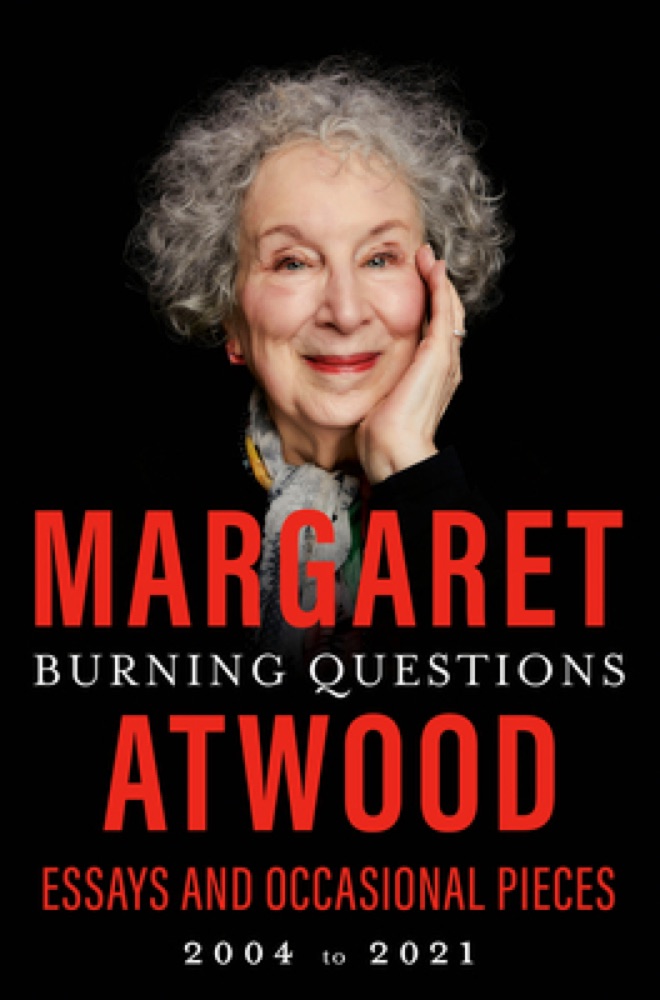 Burning Questions: Essays and Occasional Pieces, 2004 to 2021
 Among Others
 Tales from Earthsea
 Negotiating with the Dead: A Writer on Writing
 Aspects of the Novel
 Mystery and Manners: Occasional Prose
 A Slip of the Keyboard: Collected Non-Fiction
 The City of Dreaming Books
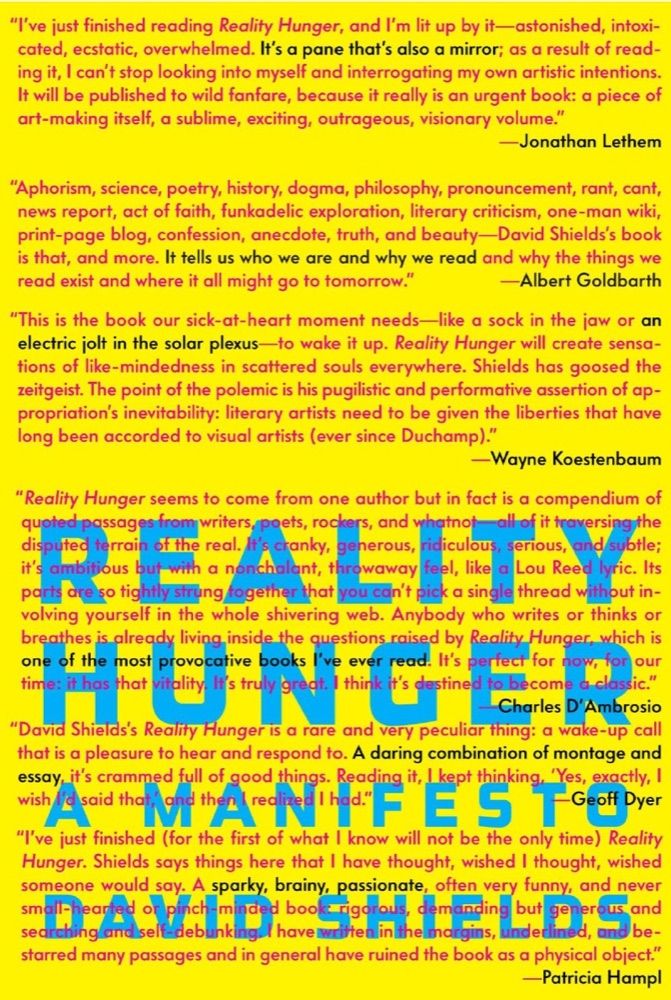 Reality Hunger: A Manifesto
 The Storied Life of A.J. Fikry
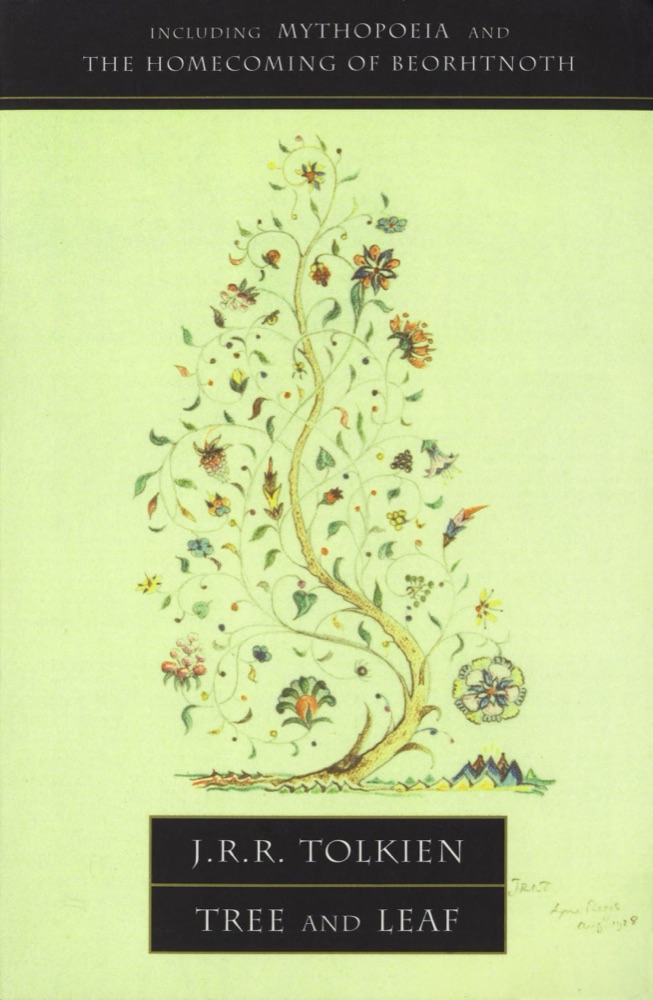 Tree and Leaf: Includes Mythopoeia and The Homecoming of Beorhtnoth
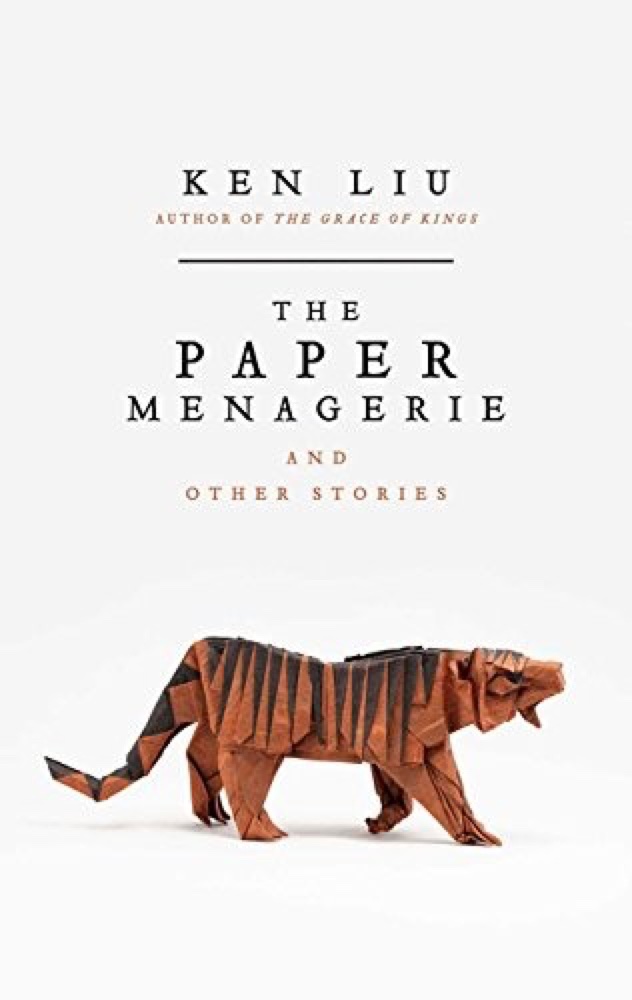 The Paper Menagerie and Other Stories
 The Year of Reading Dangerously
 The Archive of the Forgotten
 Both Flesh and Not: Essays
 The Unlikely Escape of Uriah Heep
 Selected Non-Fictions
 The Book That Wouldn’t Burn
 How to Read Literature
 Tolkien On Fairy-stories
 The Book of Form and Emptiness
 The Ogress and the Orphans
 When I Was a Child I Read Books
 Once Upon a Wardrobe
 The Library of the Unwritten
 Illuminations: Essays and Reflections
 Winter
 The Hero's Journey: Joseph Campbell on His Life & Work
 The Common Reader
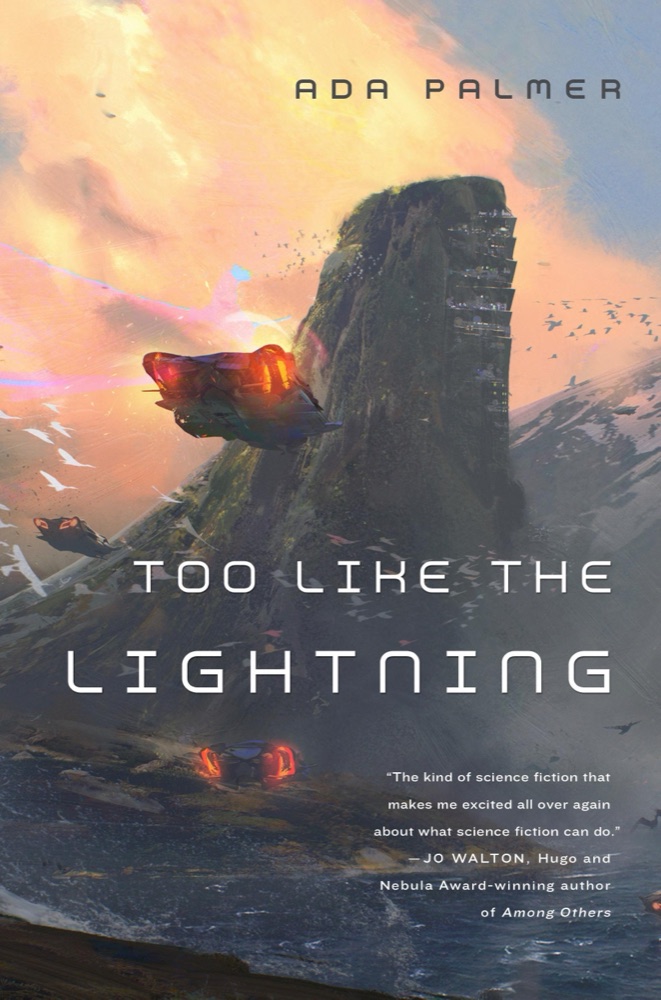 Too Like the Lightning
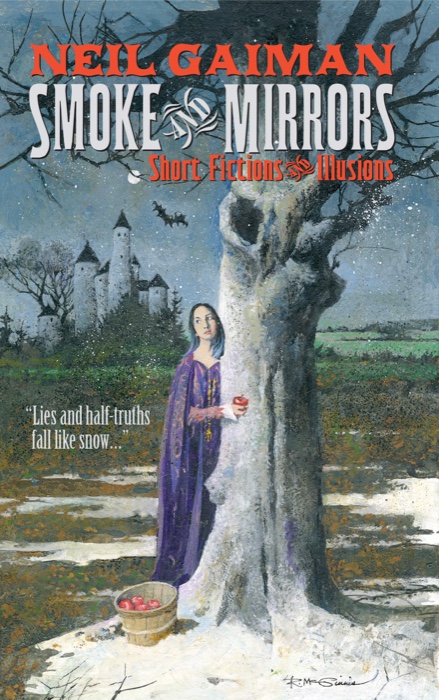 Smoke and Mirrors: Short Fiction and Illusions
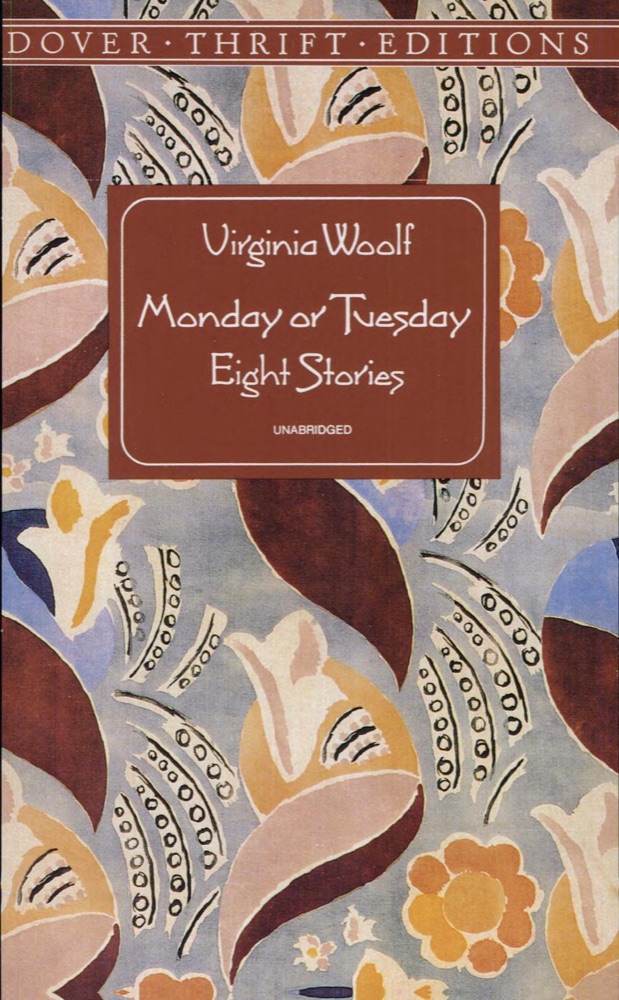 Monday or Tuesday
 The Art of Fiction: Notes on Craft for Young Writers
 Stein on Writing
 The Rabbit Back Literature Society
 The Letters of J.R.R. Tolkien
 The Summer Without Men
 Education of a Wandering Man: A Memoir
 Old School
 Finders Keepers
 The Power of Myth
 Arm of the Sphinx
 Here for It; Or, How to Save Your Soul in America: Essays
 Labyrinths: Selected Stories and Other Writings
 The Truth About Stories: A Native Narrative
 The Names
 The Writer's Journey: Mythic Structure for Writers
 Danse Macabre
 The Abundance
 Flaubert's Parrot
 The Very Best of Charles de Lint
 Gnomon
 The Triggering Town: Lectures and Essays on Poetry and Writing