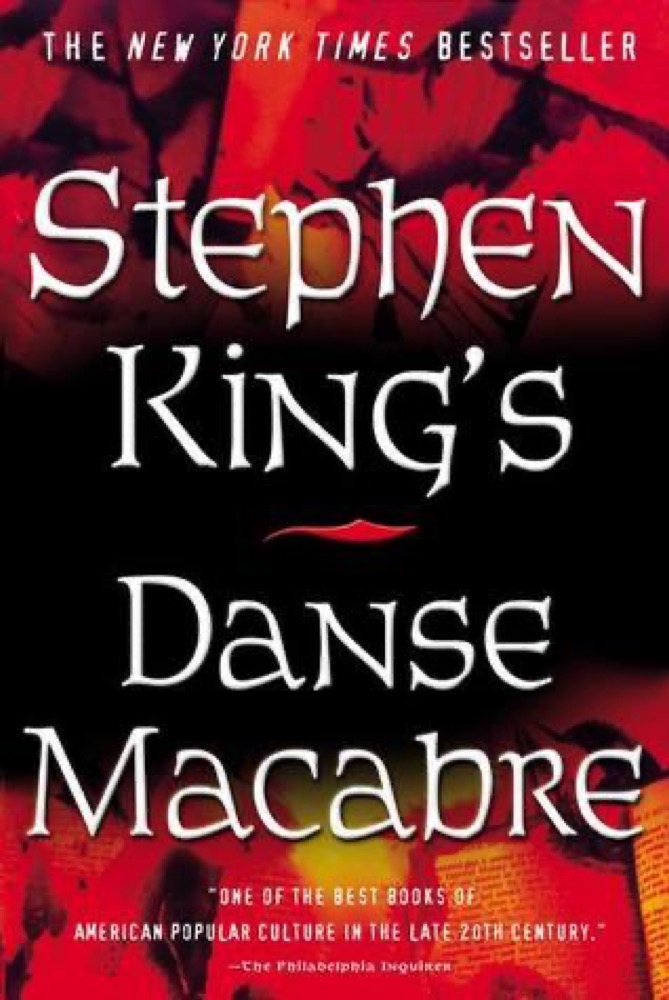

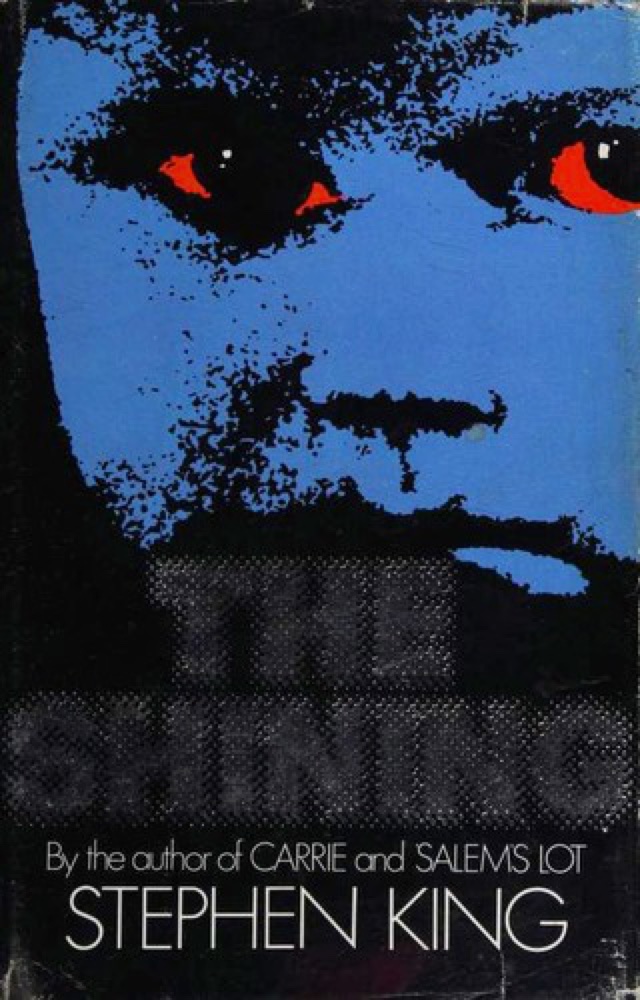
 The Shining
Quotes from the Book
we need ghost stories because we, in fact, are the ghosts.
Some werewolves are hairy on the inside.
Discipline and constant work are the whetstones upon which the dull knife of talent is honed until it becomes sharp enough, hopefully, to cut through even the toughest meat and gristle.
The most classic horror tale of this latter type is the Old Testament story of Job, who becomes human Astro-Turf in a kind of spiritual Superbowl between God and Satan.
Fantasy fiction is essentially about the concept of power; great fantasy fiction is about people who find it at great cost or lose it tragically; mediocre fantasy fiction is about people who have it and never lose it but simply wield it.
I think that writers are made, not born or created out of dreams of childhood trauma—that becoming a writer (or a painter, actor, director, dancer, and so on) is a direct result of conscious will. Of course there has to be some talent involved, but talent is a dreadfully cheap commodity, cheaper than table salt. What separates the talented individual from the successful one is a lot of hard work and study; a constant process of honing. Talent is a dull knife that will cut nothing unless it is wielded with great force—a force so great the knife is not really cutting at all but bludgeoning and breaking (and after two or three of these gargantuan swipes it may succeed in breaking itself…which may be what happened to such disparate writers as Ross Lockridge and Robert E. Howard). Discipline and constant work are the whetstones upon which the dull knife of talent is honed until it becomes sharp enough, hopefully, to cut through even the toughest meat and gristle. No writer, painter, or actor—no artist—is ever handed a sharp knife (although a few are handed almighty big ones; the name we give to the artist with the big knife is “genius”), and we hone with varying degrees of zeal and aptitude.
But on another, more potent level, the work of horror really is a dance—a moving, rhythmic search. And what it’s looking for is the place where you, the viewer or the reader, live at your most primitive level. The work of horror is not interested in the civilized furniture of our lives. Such a work dances through these rooms which we have fitted out one piece at a time, each piece expressing—we hope!—our socially acceptable and pleasantly enlightened character. It is in search of another place, a room which may sometimes resemble the secret den of a Victorian gentleman, sometimes the torture chamber of the Spanish Inquisition . . . but perhaps most frequently and most successfully, the simple and brutally plain hole of a Stone Age cave-dweller. Is horror art? On this second level, the work of horror can be nothing else; it achieves the level of art simply because it is looking for something beyond art, something that predates art: it is looking for what I would call phobic pressure points. The good horror tale will dance its way to the center of your life and find the secret door to the room you believed no one but you knew of—as both Albert Camus and Billy Joel have pointed out. The Stranger makes us nervous . . . but we love to try on his face in secret.
This Land is mostly white space on the map...which is how it should be; I'll leave more detailed map making to those graduate students and English teachers who feel that every goose which lays gold must be dissected so that all of its quite ordinary guts can be labelled; to those figurative engineers of the imagination who cannot feel comfortable with the comfortably overgrown (and possible dangerous) literary wilderness until they have built a freeway composed of Cliff's Notes through it - and listen to me, you people: every English teacher who ever did a Monarch or Cliff's Notes ought to be dragged out to his or her quad, drawn and quartered, then cut up into tiny pieces, said pieces to be dried and shrunk in the sun and then sold in the college bookstore as bookmarks.
All of this was well meaning bullshit. But bullshit is still bullshit and will never be mistaken for McDonald's secret sauce.
And, you know, I hope you have some fun with this book. Nosh and nibble at the corners or read the mother straight through, but enjoy. That's what it's for, as much as any of the novels. Maybe there will be something here to make you think or make you laugh or just make you mad. Any of those reactions would please me. Boredom, however, would be a bummer.
…no one is exactly sure of what they mean on any given subject until they have written their thoughts down; I similarly believe that we have very little understanding of what we have thought until we have submitted those thoughts to others who are at least as intelligent as ourselves.
The resulting scrambling to get the next big shiver and shake novel produced some really terrible books. As a further result, the wave had begun to withdraw by the mid 70s, and more traditional bestsellers began to re-appear: stories of sex, big business, sex, spies, gay sex, doctors in trouble, kinky sex, historical romances, sexy celebrities, war stories, and sex.
You'd think that the ability to write lucid prose would be the bottom line for any publishing novelist, but it is not so... You would expect that proofreaders and copy editors would pick this sort of stuff up even if the writers of such embarrassing English do not, but many of them seem as illiterate as the writers they are trying to bail out.
Ghosts, in the end, adopt the motivations and perhaps the very souls of those who behold them. If they are malevolent, their malevolence comes from us.
Time is not a river, as Einstein theorized - it's a big fucking buffalo herd that runs us down and eventually mashes us into the ground, dead and bleeding, with a hearing aid plugged into one ear and a colostomy bag instead of a .44 clapped on one leg.
Terror—what Hunter Thompson calls “fear and loathing”—often arises from a pervasive sense of disestablishment; that things are in the unmaking. If that sense of unmaking is sudden and seems personal—if it hits you around the heart—then it lodges in the memory as a complete set.
Horror, terror, fear, panic: these are the emotions which drive wedges between us, split us off from the crowd, and make us alone. It is paradoxical that feelings and emotions we associate with the “mob instinct” should do this, but crowds are lonely places to be, we’re told, a fellowship with no love in it. The melodies of the horror tale are simple and repetitive, and they are melodies of disestablishment and disintegration . . . but another paradox is that the ritual outletting of these emotions seems to bring things back to a more stable and constructive state again.
The answer seems to be that we make up horrors to help us cope with the real ones. With the endless inventiveness of humankind, we grasp the very elements which are so divisive and destructive and try to turn them into tools—to dismantle themselves.
Most gothics are overplotted novels whose success or failure hinges on the author's ability to make you believe in the characters and partake of the mood.
Language is play to most writers, thoughts are play.
„Dieser Faktor künstlerischer Vision ist so real und offensichtlich, dass ein Film selbst dann seine unbestreitbare Brillanz behält, wenn ein Regisseur wie Stanley Kubrick einen so ärgerlichen, perversen und enttäuschenden Film wie SHINING macht; sie ist einfach da.
About Stephen King
We have collected 1807 quotes from 75 books by Stephen King on BookQuoters.
More about the author →
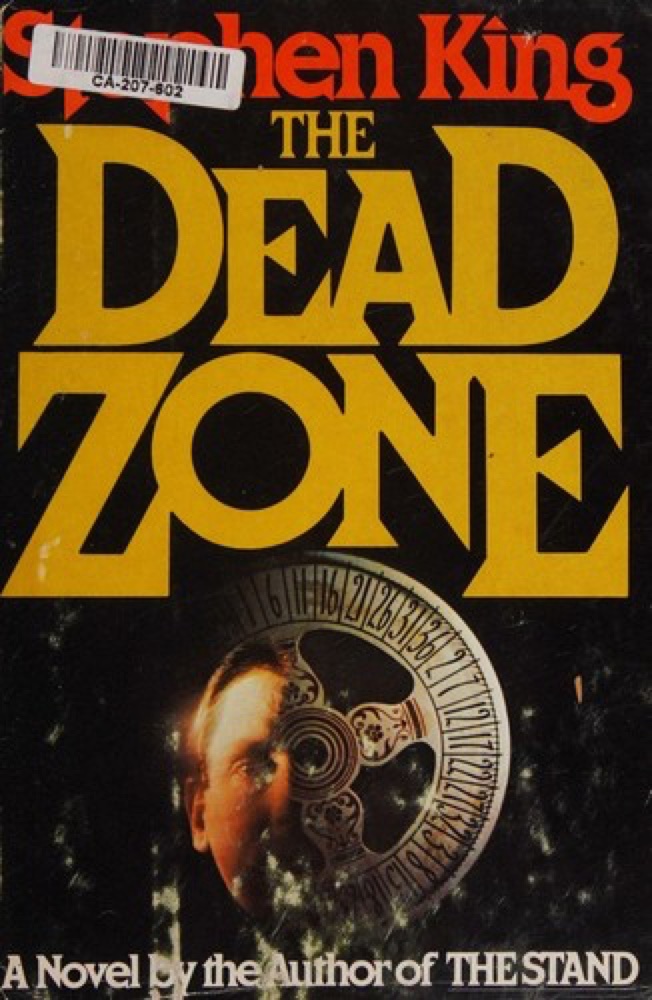
Book details
- Author
- Stephen King
- Genre
- Horror
- Goodreads rating
- 3.67 (32k ratings) →
Keep reading
 Songs of a Dead Dreamer
 Songs of a Dead Dreamer and Grimscribe
 Negotiating with the Dead: A Writer on Writing
 The Last Werewolf
 Dæmon Voices
 Mao II
 And Then I Woke Up
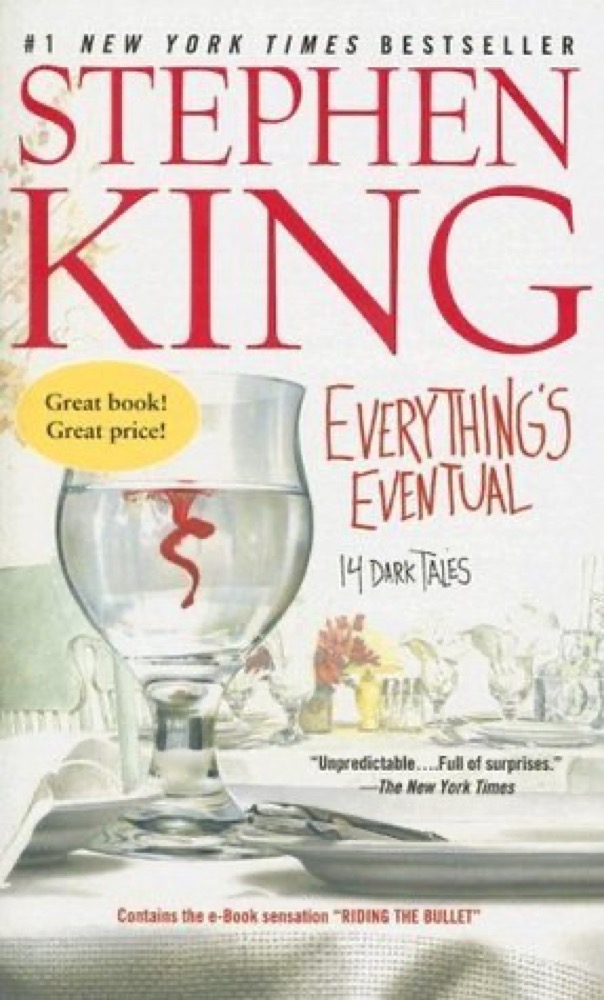 Everything's Eventual
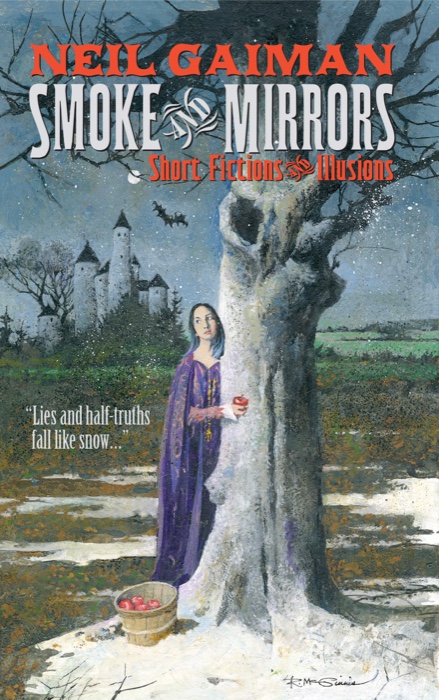 Smoke and Mirrors: Short Fiction and Illusions
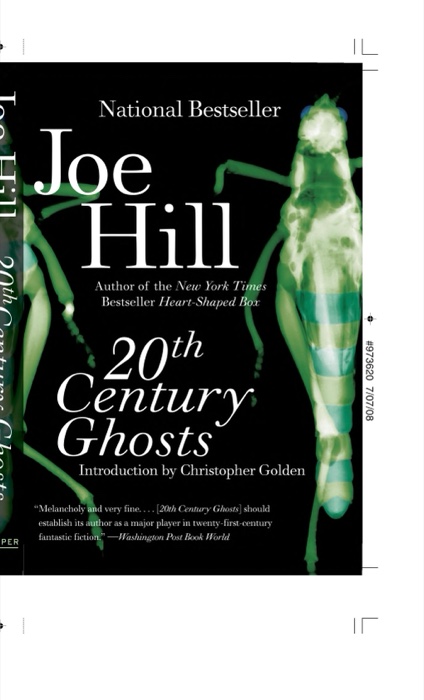 20th Century Ghosts
 Haunted
 A Supposedly Fun Thing I'll Never Do Again: Essays and Arguments
 The Secret History
 Everything's Eventual
 The Atrocity Exhibition
 Both Flesh and Not: Essays
 Twin Peaks: The Final Dossier
 Skinny Legs and All
 Radiance
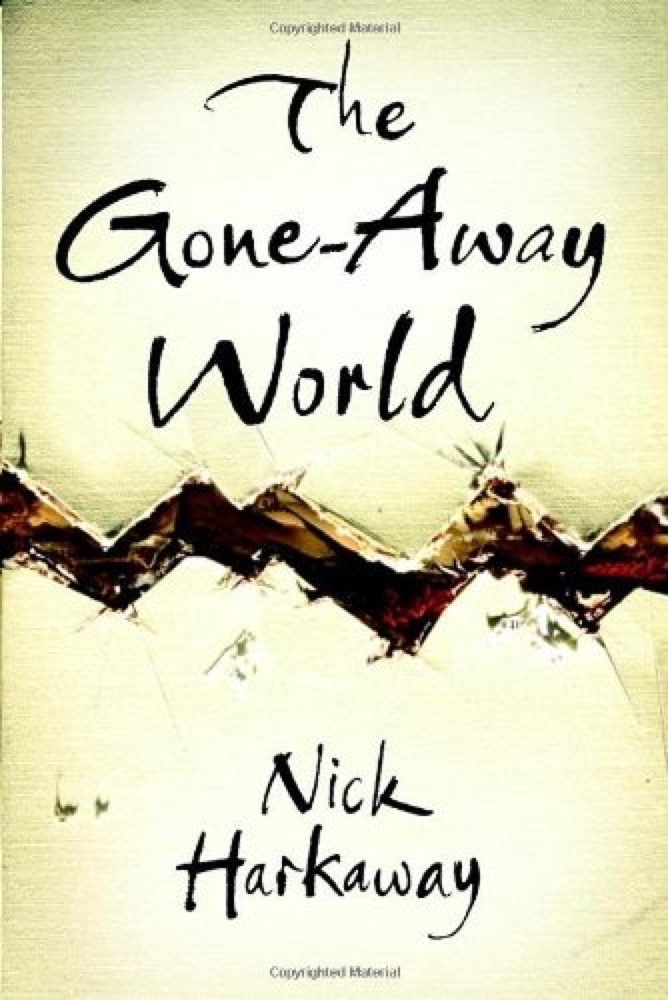 The Gone-Away World
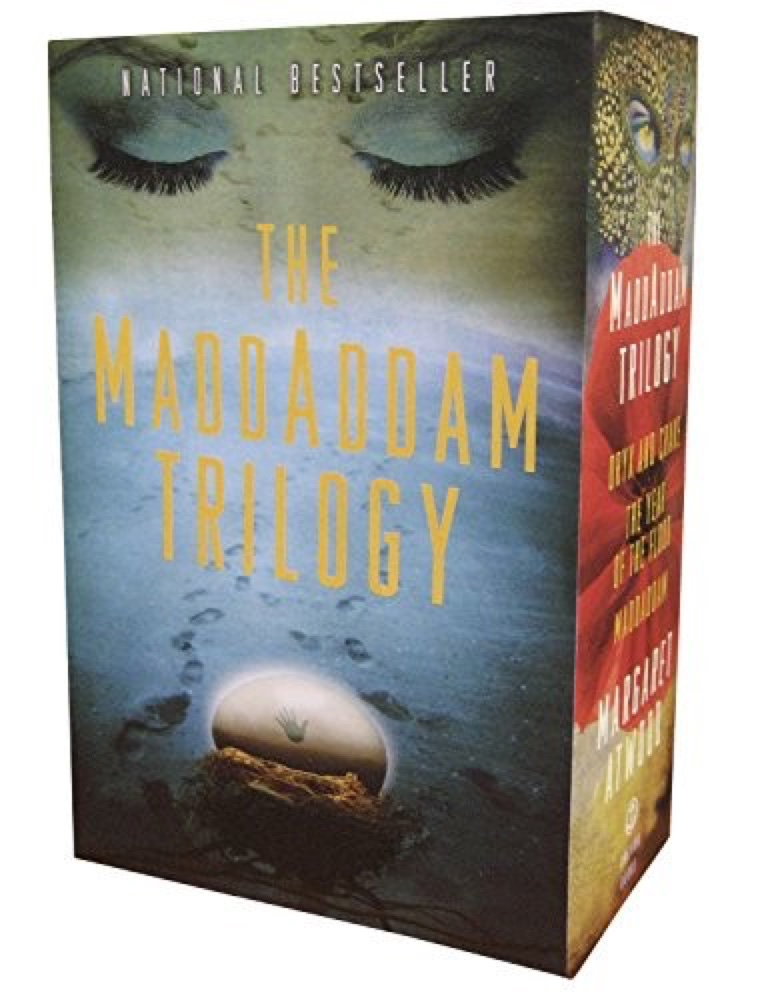 MaddAddam
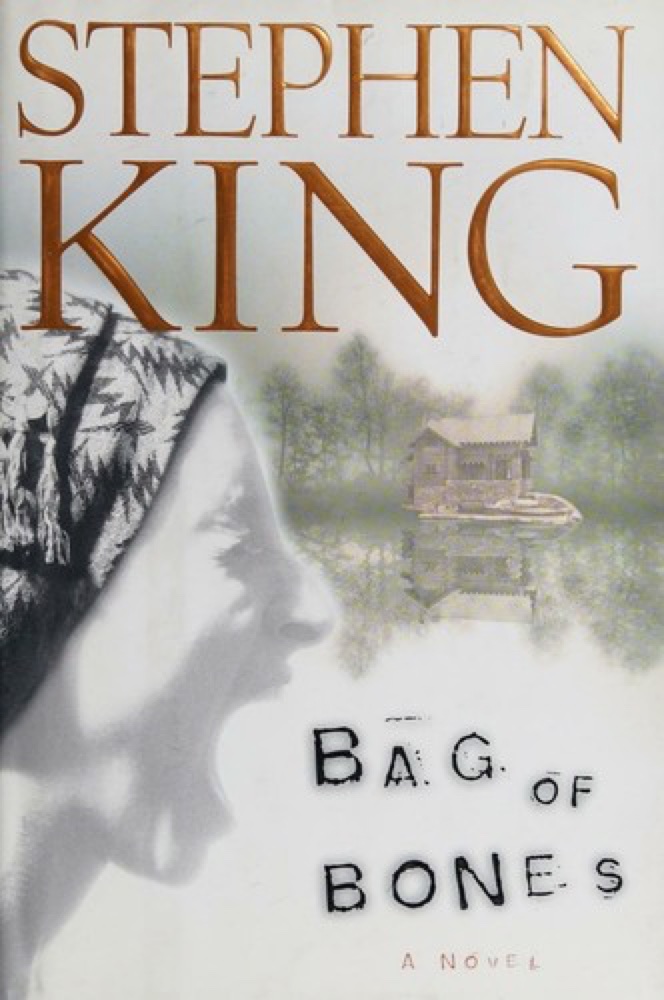 Bag of Bones
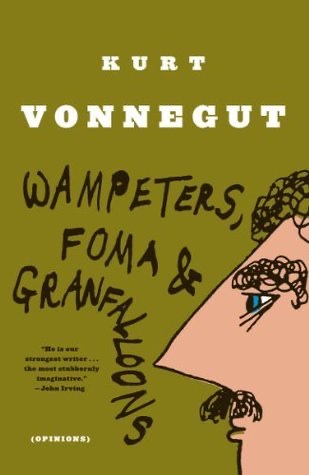 Wampeters, Foma and Granfalloons
 Half Asleep in Frog Pajamas
 Mystery and Manners: Occasional Prose
 The Language of the Night: Essays on Writing, Science Fiction, and Fantasy
 The Pale King
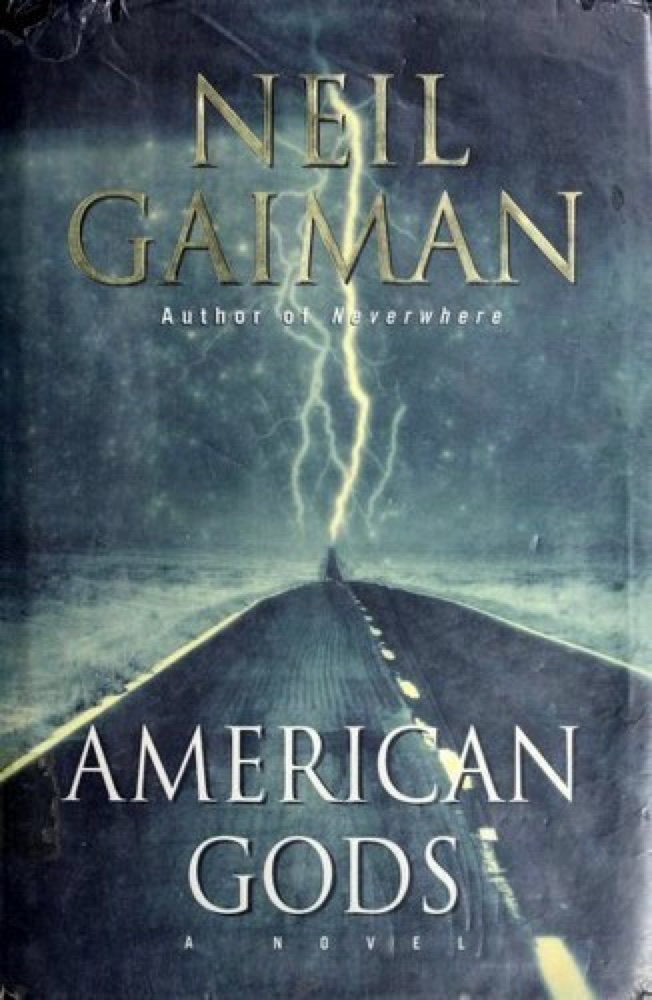 American Gods
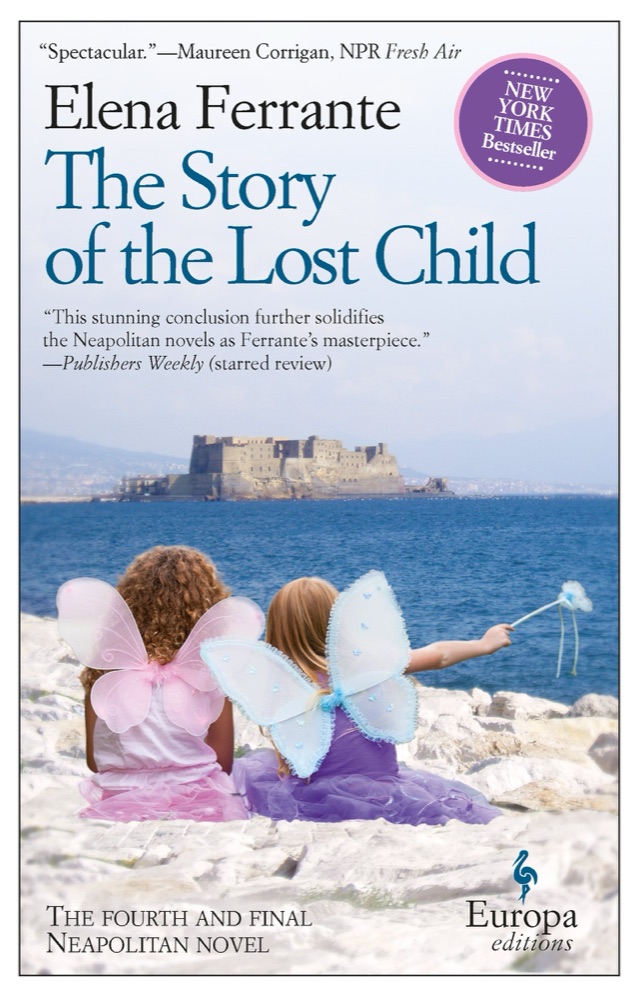 The Story of the Lost Child
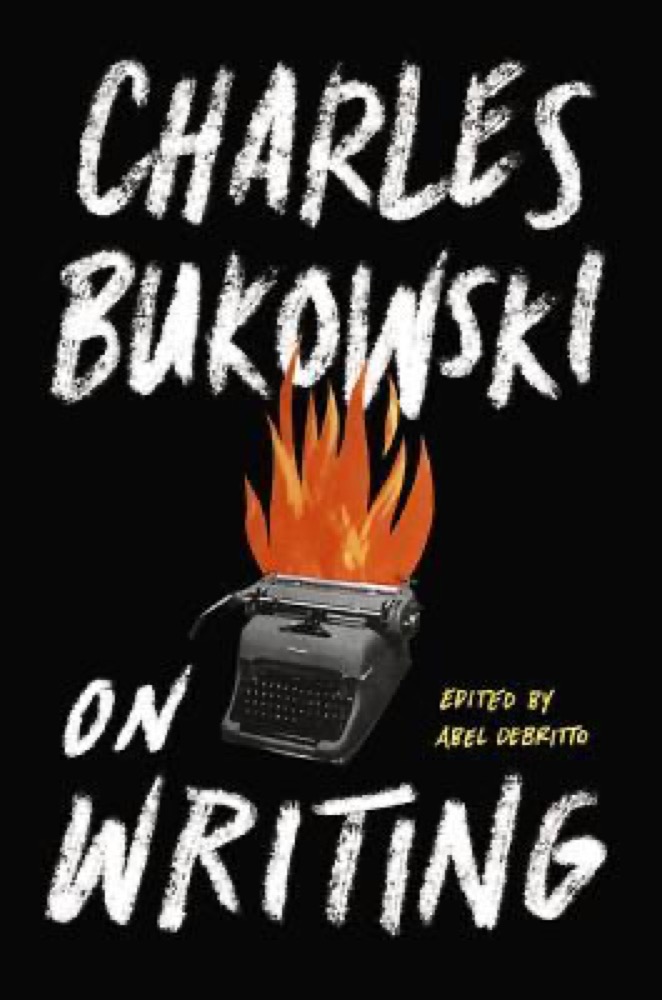 On Writing
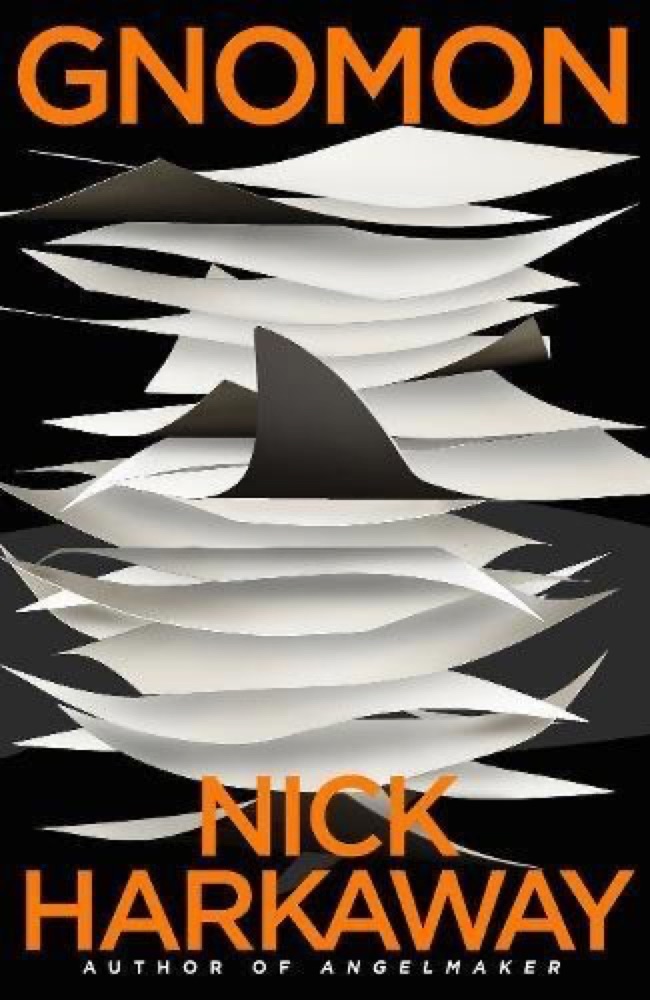 Gnomon
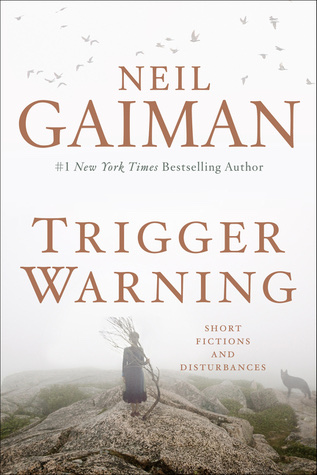 Trigger Warning: Short Fictions and Disturbances
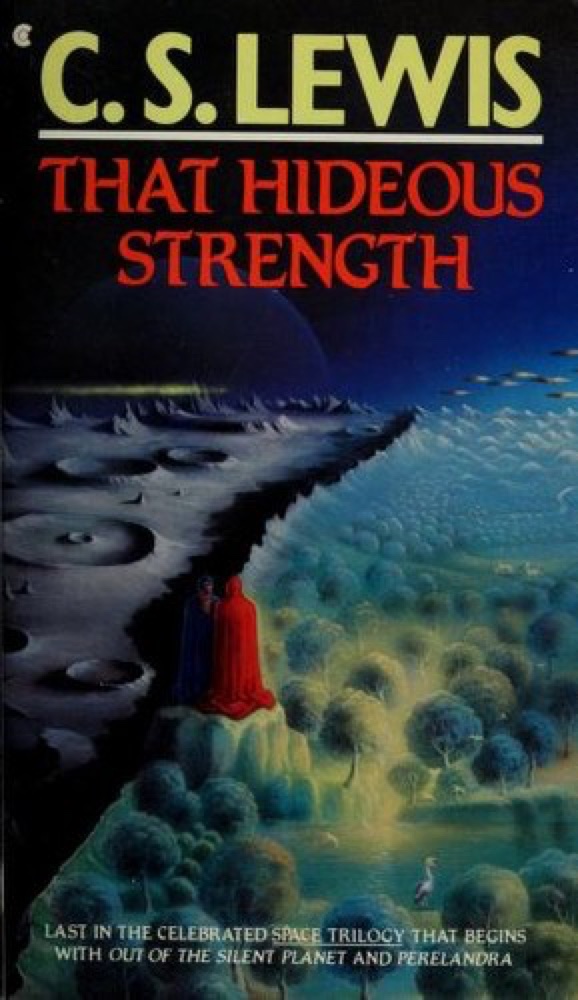 That Hideous Strength
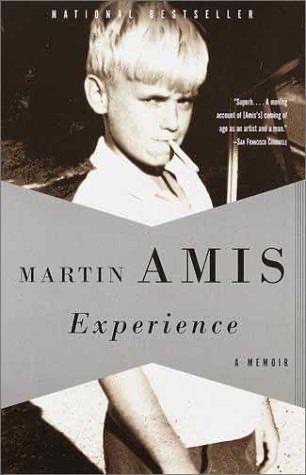 Experience
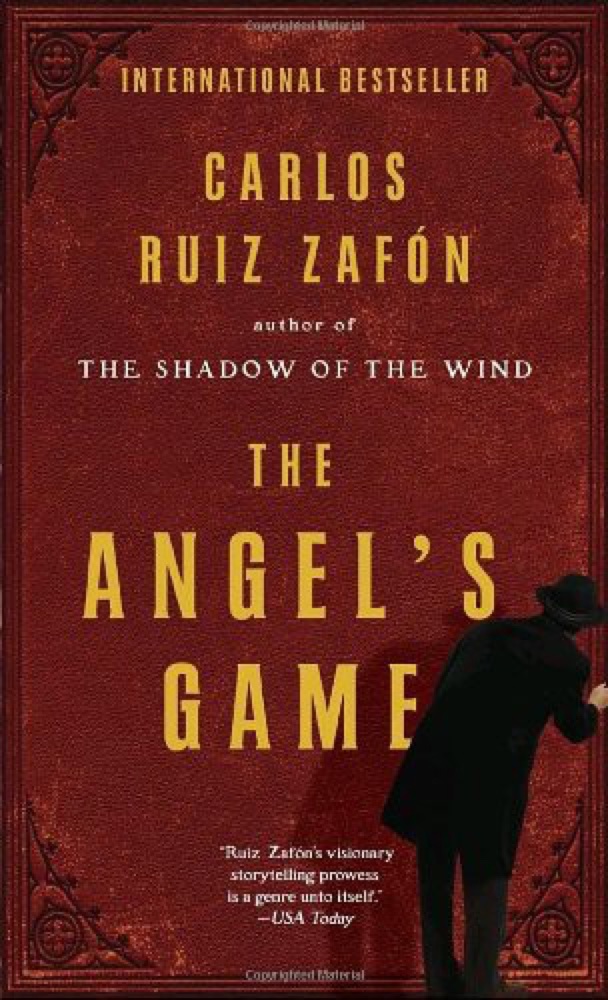 The Angel's Game
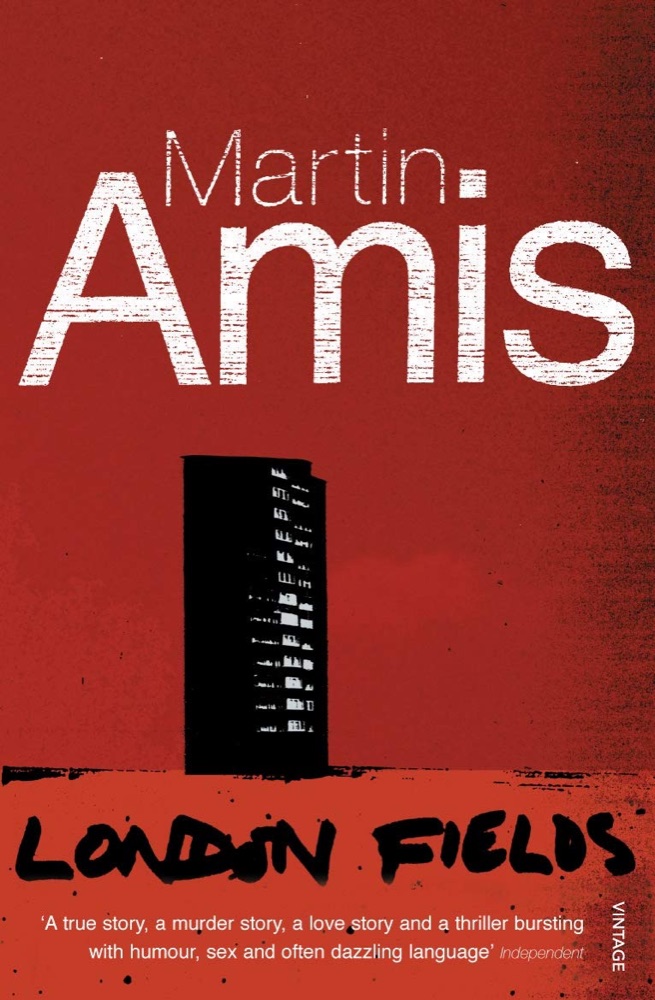 London Fields
 The Savage Detectives
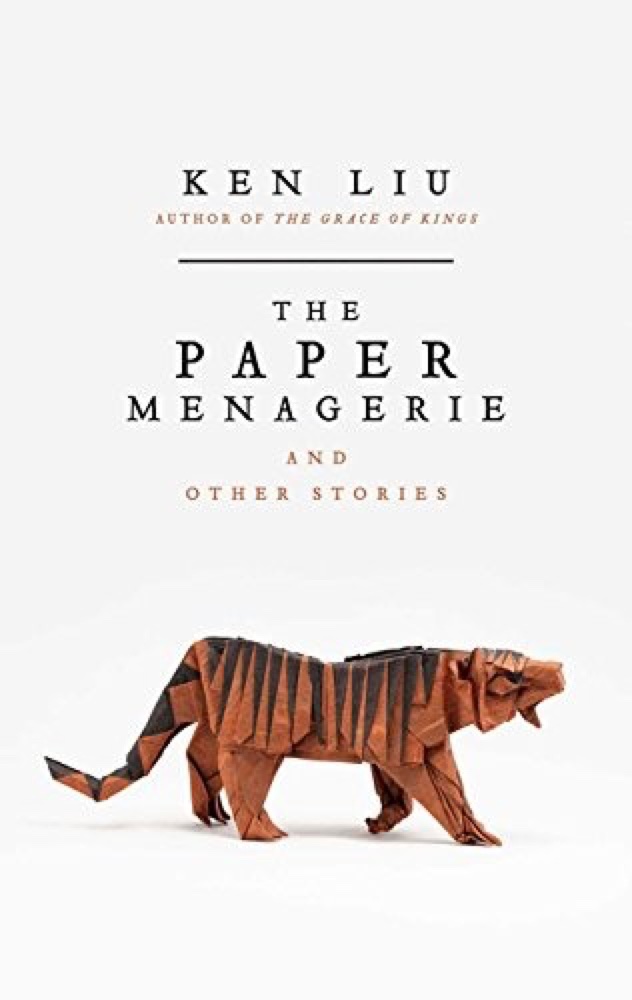 The Paper Menagerie and Other Stories
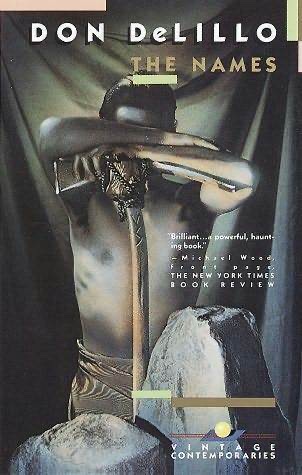 The Names
 How to Read Literature Like a Professor
 A Fisherman of the Inland Sea
 Aspects of the Novel
 White Noise
 The Western Lands
 One of Our Thursdays Is Missing
 The Fear Institute
 Paperbacks from Hell: The Twisted History of '70s and '80s Horror Fiction
 The Scarlet Gospels
 The Summer Without Men
 Make Something Up: Stories You Can't Unread
 The Fall of Babel
 False Memory
 Red Dragon
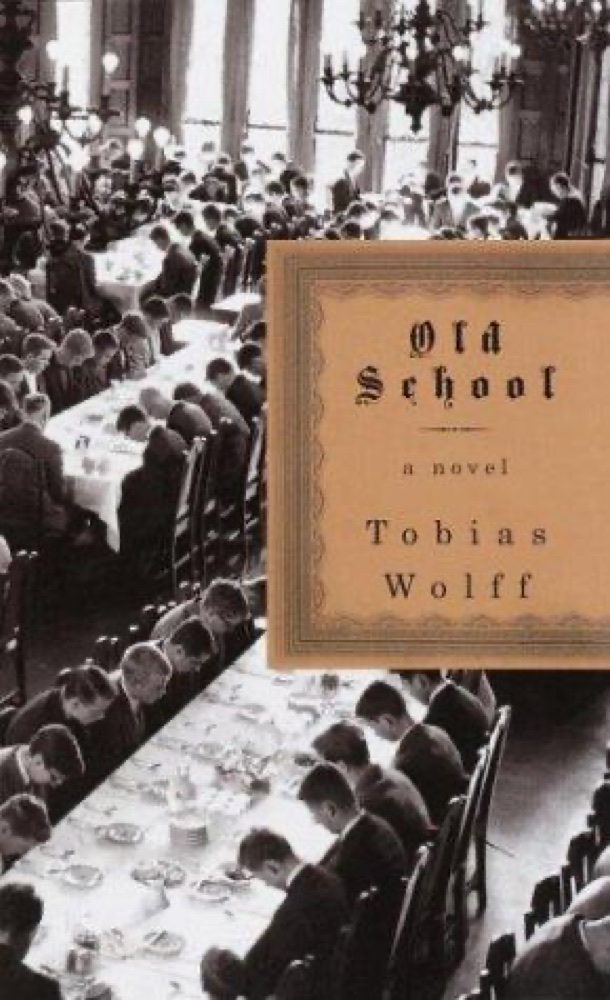 Old School
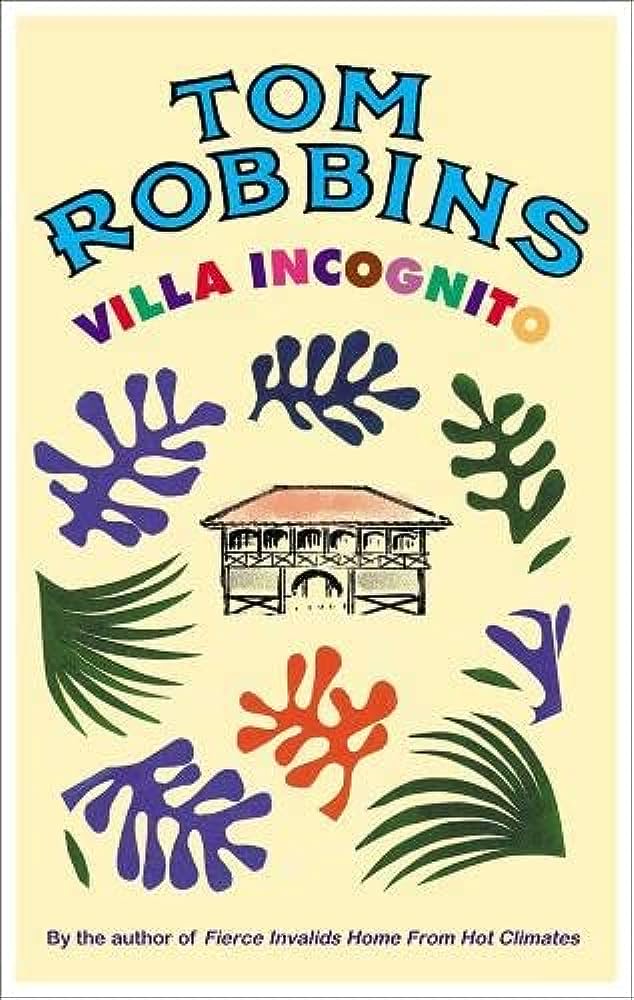 Villa Incognito
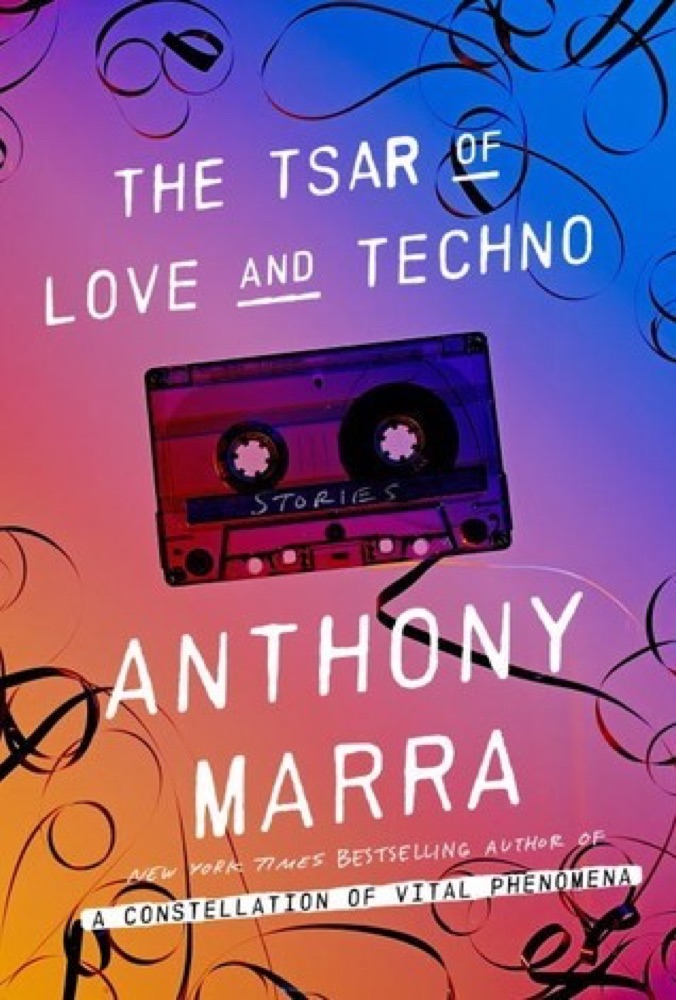 The Tsar of Love and Techno
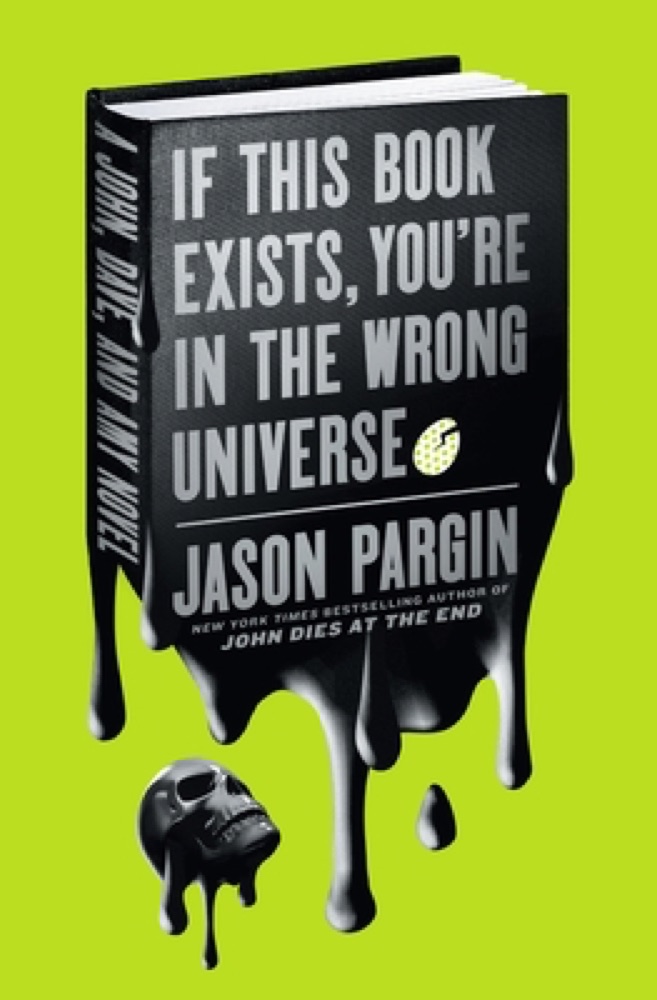 If This Book Exists, You're in the Wrong Universe
 By Nightfall
 Too Like the Lightning
 Wanderers