
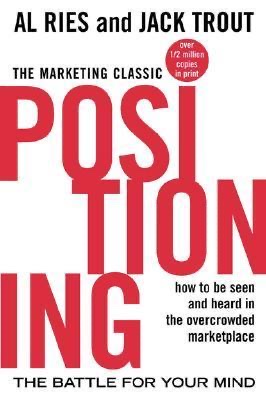
 Positioning: The Battle for Your Mind: How to Be Seen and Heard in the Overcrowded Marketplace
Quotes from the Book
Marketing is a battle of perceptions, not products.
30
The only reality you can be sure about is in your own perceptions. If the universe exists, it exists inside your own mind and the minds of others.
15
A perception that exists in the mind is often interpreted as a universal truth.
9
The single most wasteful thing you can do in marketing is try to change a mind.
8
With a name like Smucker’s, it has to be good.” Most companies, especially family companies, would never make fun of their own name. Yet the Smucker family did, which is one reason why Smucker’s is the No.1 brand of jams and jellies. If your name is bad, you have two choices: change the name or make fun of it.
5
While tracking trends can be a useful tool in dealing with the unpredictable future, market research can be more of a problem than a help. Research does best at measuring the past. New ideas and concepts are almost impossible to measure. No one has a frame of reference. People don’t know what they will do until they face an actual decision. The classic example is the research conducted before Xerox introduced the plain-paper copier. What came back was the conclusion that no one would pay five cents for a plain-paper copy when they could get a Thermofax copy for a cent and a half. Xerox ignored the research, and the rest is history.
4
You want to change something in a computer? Just type over or delete the existing material. You want to change something in a mind? Forget it.
4
You “burn” your way into the mind by narrowing the focus to a single word or concept. It’s the ultimate marketing sacrifice. Federal Express was able to put the word overnight into the minds of its prospects because it sacrificed its product line and focused on overnight package delivery only. In a way, the law of leadership—it’s better to be first than to be better—enables the first brand or company to own a word in the mind of the prospect. But the word the leader owns is so simple that it’s invisible. The leader owns the word that stands for the category. For example, IBM owns computer. This is another way of saying that the brand becomes a generic name for the category. “We need an IBM machine.” Is there any doubt that a computer is being requested? You can also test the validity of a leadership claim by a word association test. If the given words are computer, copier, chocolate bar, and cola, the four most associated words are IBM, Xerox, Hershey’s, and Coke. An astute leader will go one step further to solidify its position. Heinz owns the word ketchup. But Heinz went on to isolate the most important ketchup attribute. “Slowest ketchup in the West” is how the company
4
Most marketing mistakes stem from the assumption that you’re fighting a product battle rooted in reality.
3
fad is a wave in the ocean, and a trend is the tide. A fad gets a lot of hype, and a trend gets very little. Like a wave, a fad is very visible, but it goes up and down in a big hurry. Like the tide, a trend is almost invisible, but it’s very powerful over the long term. A fad is a short-term phenomenon that might be profitable, but a fad doesn’t last long enough to do a company much good. Furthermore, a company often tends to gear up as if a fad were a trend. As a result, the company is often stuck with a lot of staff, expensive manufacturing facilities, and distribution networks. (A fashion, on the other hand, is a fad that repeats itself. Examples: short skirts for women and double-breasted suits for men. Halley’s Comet is a fashion because it comes back every 75 years or so.) When the fad disappears, a company often goes into a deep financial shock. What happened to Atari is typical in this respect. And look how Coleco Industries handled the Cabbage Patch Kids. Those homely dolls hit the market in 1983 and started to take off. Coleco’s strategy was to milk the kids for all they were worth. Hundreds of Cabbage Patch novelties flooded the toy stores. Pens, pencils, crayon boxes, games, clothing. Two years later, Coleco racked up sales of $776 million and profits of $83 million. Then the bottom dropped out of the Cabbage Patch Kids. By 1988 Coleco went into Chapter 11. Coleco died, but the kids live on. Acquired by Hasbro in 1989, the Cabbage Patch Kids are now being handled conservatively. Today they’re doing quite well.
3
You see this in the toy business. Some owners of hot toys want to put their hot toy name on everything. The result is that it becomes an enormous fad that is bound to collapse. When everybody has a Ninja turtle, nobody wants one anymore. The Ninja turtle is a good example of a fad that collapses in a hurry because the owner of the concept got greedy. The owner fans the fad rather than dampening it. On the other hand, the Barbie doll is a trend. When Barbie was invented years ago, the doll was never heavily merchandised into other areas. As a result, the Barbie doll has become a long-term trend in the toy business.
2
Elvis Presley’s manager, Colonel Parker, made a deliberate attempt to restrict the number of appearances and records the King made. As a result, every time Elvis appeared, it was an event of enormous impact. (Elvis himself contributed to this strategy by overdosing early and severely dampening his future appearances. Likewise Marilyn Monroe and James Dean.)
2
More money is wasted in marketing than in any other human activity (outside of government activities, of course).
1
A company can become incredibly successful if it can find a way to own a word in the mind of the prospect. Not a complicated word. Not an invented one. The simple words are best, words taken right out of the dictionary. This is the law of focus. You “burn” your way into the mind by narrowing the focus to a single word or concept. It’s the ultimate marketing sacrifice.
1
A fad is a wave in the ocean, and a trend is the tide. A fad gets a lot of hype, and a trend gets very little. Like a wave,
Marketing is a battle of ideas. So if you are to succeed, you must have an idea or attribute of your own to focus your efforts around. Without one, you had better have a low price. A very low price. Some say all attributes are not created equal. Some attributes are more important to customers than others. You must try and own the most important attribute. Cavity prevention is the most important attribute in toothpaste. It’s the one to own. But the law of exclusivity points to the simple truth that once an attribute is successfully taken by your competition, it’s gone. You must move on to a lesser attribute and live with a smaller share of the category. Your job is to seize a different attribute, dramatize the value of your attribute, and thus increase your share.
Watch on YouTube
About Al Ries
We have collected 32 quotes from 2 books by Al Ries on BookQuoters.
More about the author →More by Al Ries
Positioning: The Battle for Your Mind: How to Be Seen and Heard in the Overcrowded Marketplace
About the book
There are laws of nature, so why shouldn't there be laws of marketing? As Al Ries and Jack Trout—the world-renowned marketing consultants and bestselling authors of Positioning —note, you can build an impressive airplane, but it will never leave the ground if you ignore the laws of physics, especially gravity. Why then, they ask, shouldn't there also be laws of marketing that must be followed to launch and maintain winning brands? In The 22 Immutable Laws of Marketing , Ries and Trout offer a compendium of twenty-two innovative rules for understanding and succeeding in the international marketplace. From the Law of Leadership, to The Law of the Category, to The Law of the Mind, these valuable insights stand the test of time and present a clear path to successful products. Violate them at your own risk.
Book details
- First published
- 1993
- Author
- Al Ries
- Genre
- Nonfiction
- Goodreads rating
- 4.05 (23k ratings)
Keep reading
 The 1-Page Marketing Plan: Get New Customers, Make More Money, And Stand out From The Crowd
Positioning: The Battle for Your Mind: How to Be Seen and Heard in the Overcrowded Marketplace
The 1-Page Marketing Plan: Get New Customers, Make More Money, And Stand out From The Crowd
Positioning: The Battle for Your Mind: How to Be Seen and Heard in the Overcrowded Marketplace
 Hit Makers: The Science of Popularity in an Age of Distraction
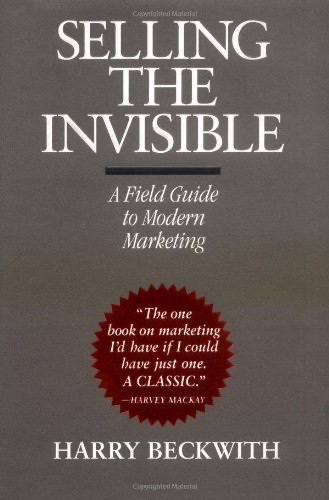 Selling the Invisible: A Field Guide to Modern Marketing
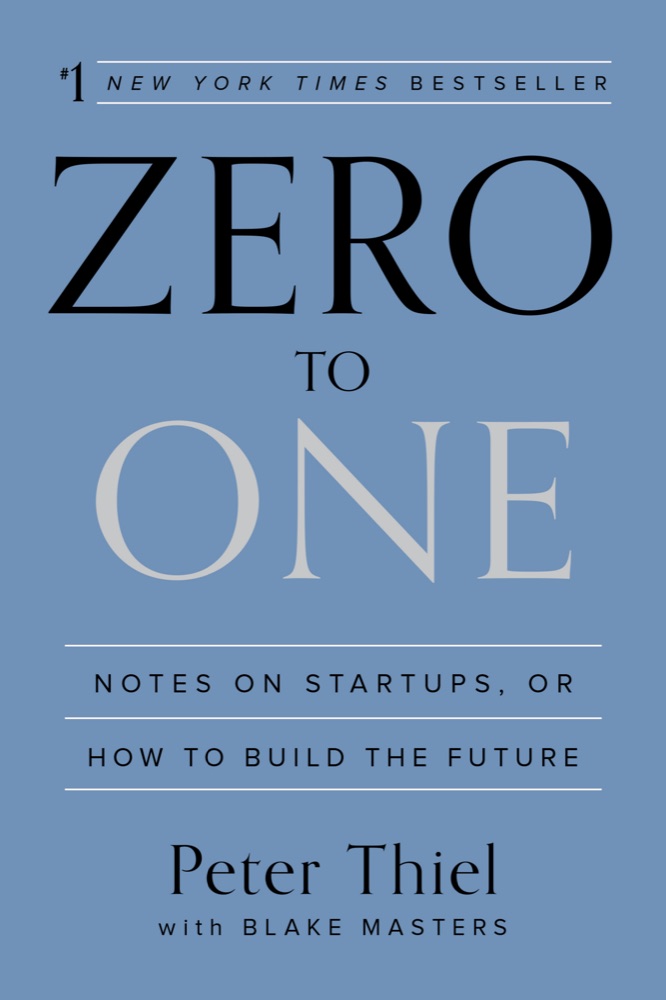 Zero to One: Notes on Startups, or How to Build the Future
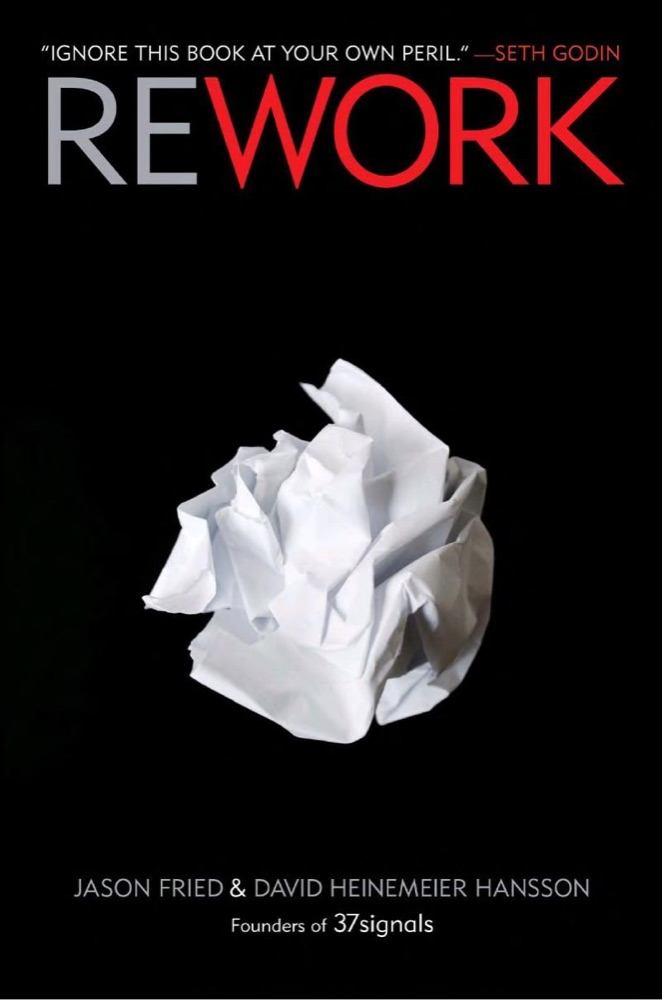 Rework
 The Art of Thinking Clearly
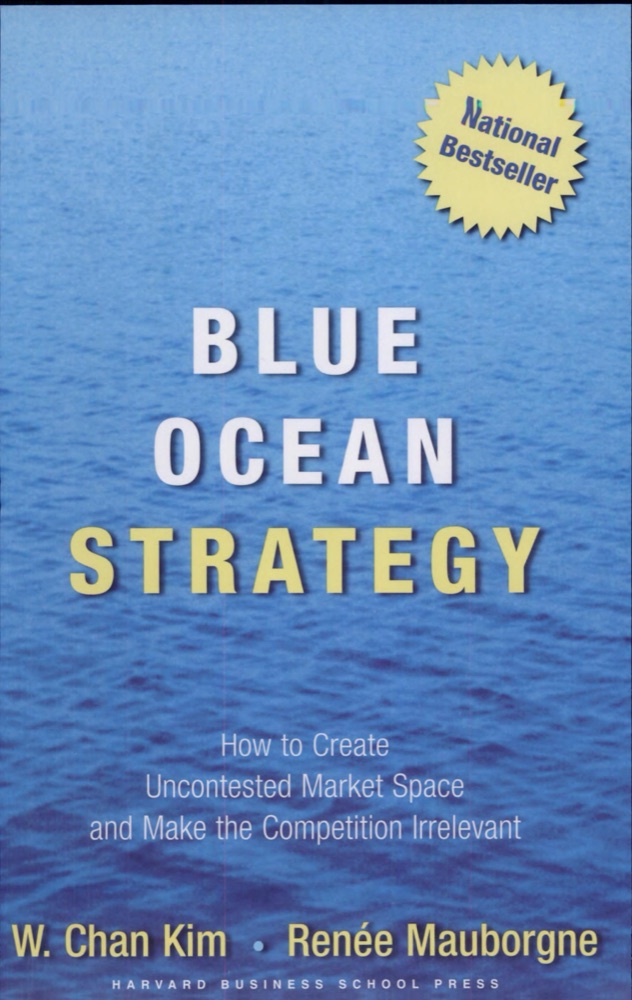 Blue Ocean Strategy: How to Create Uncontested Market Space and Make the Competition Irrelevant
 Lean Analytics: Use Data to Build a Better Startup Faster
 The E-myth Revisited
 Amp It Up: Leading for Hypergrowth by Raising Expectations, Increasing Urgency, and Elevating Intensity
 Scientific Advertising
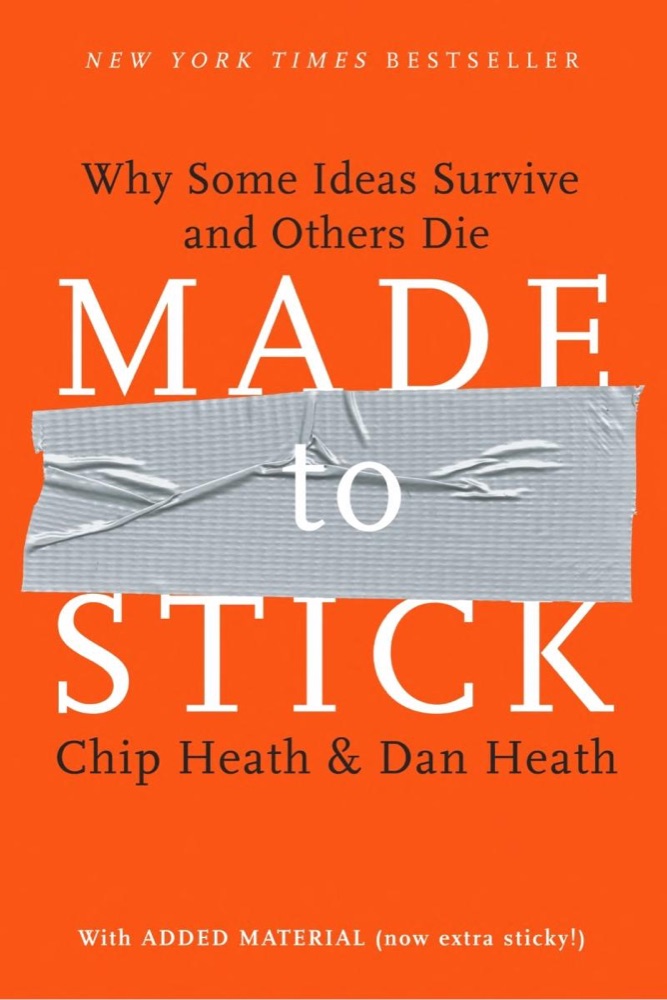 Made to Stick: Why Some Ideas Survive and Others Die
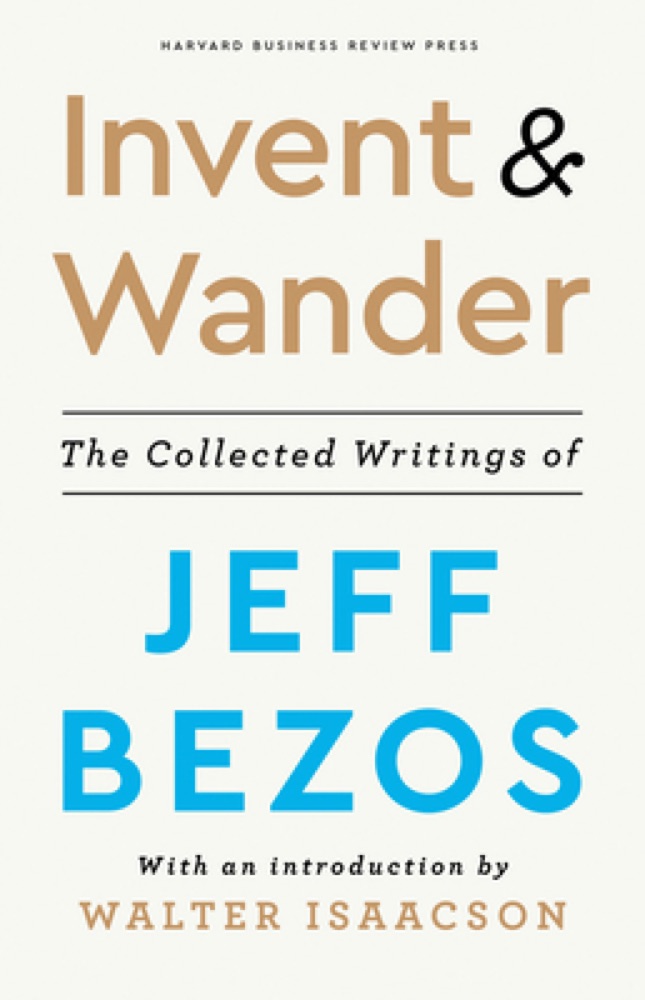 Invent and Wander: The Collected Writings of Jeff Bezos
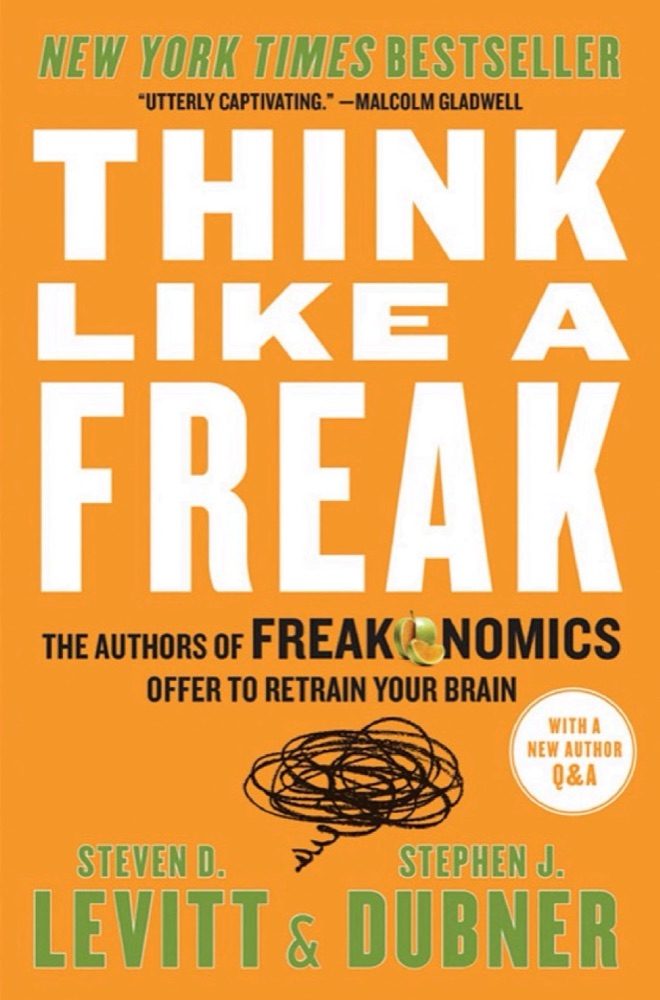 Think Like a Freak
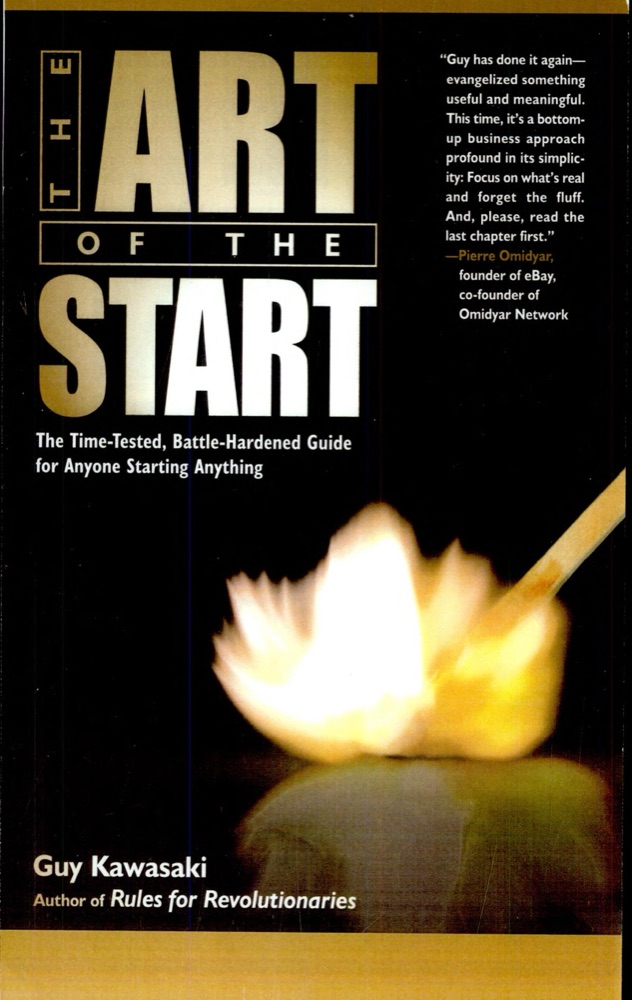 The Art of the Start: The Time-Tested, Battle-Hardened Guide for Anyone Starting Anything
 Confessions of an Advertising Man
 The Halo Effect: ... and the Eight Other Business Delusions That Deceive Managers
 Think Like a Rocket Scientist: Simple Strategies You Can Use to Make Giant Leaps in Work and Life
 The Attention Merchants: The Epic Scramble to Get Inside Our Heads
 Built to Last: Successful Habits of Visionary Companies
 Chaos Monkeys: Obscene Fortune and Random Failure in Silicon Valley
 Hackers & Painters: Big Ideas from the Computer Age
 Same as Ever: A Guide to What Never Changes
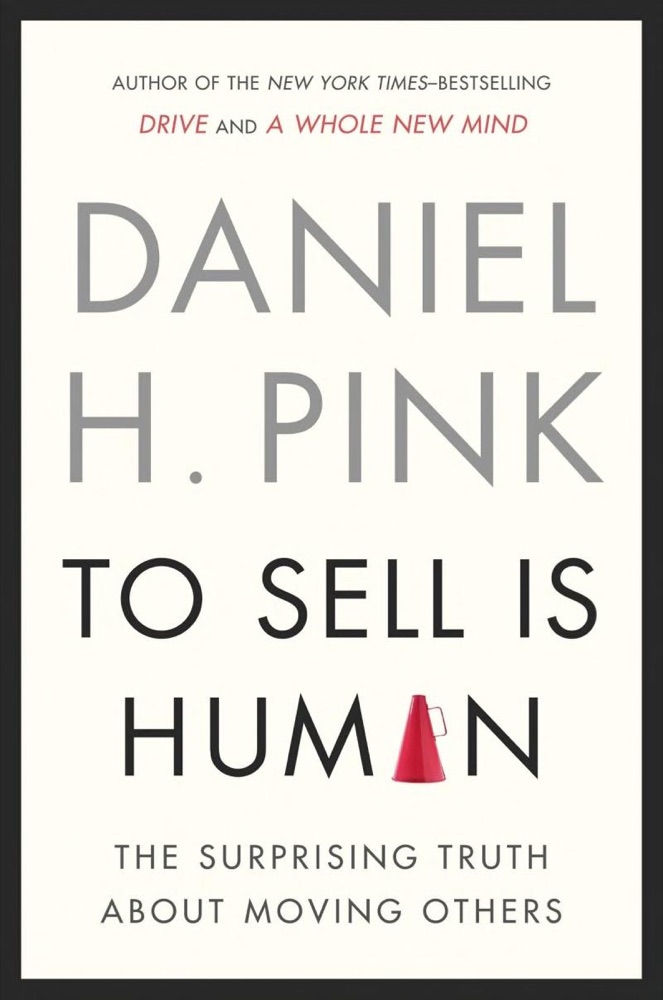 To Sell is Human: The Surprising Truth About Moving Others
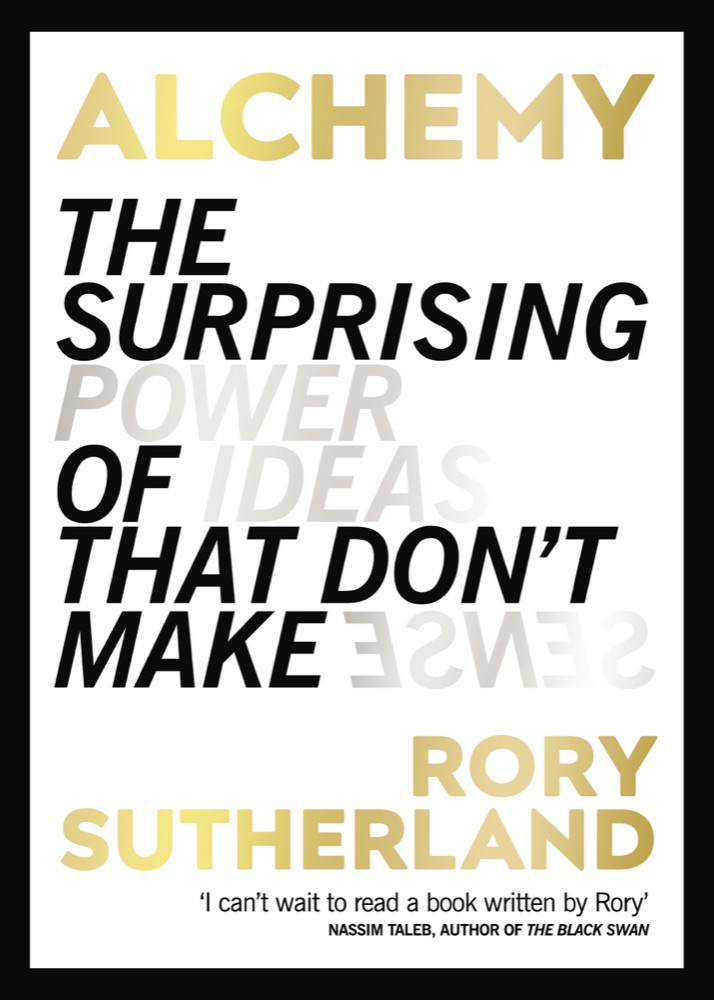 Alchemy: The Surprising Power of Ideas That Don't Make Sense
 Pour Your Heart Into It: How Starbucks Built a Company One Cup at a Time
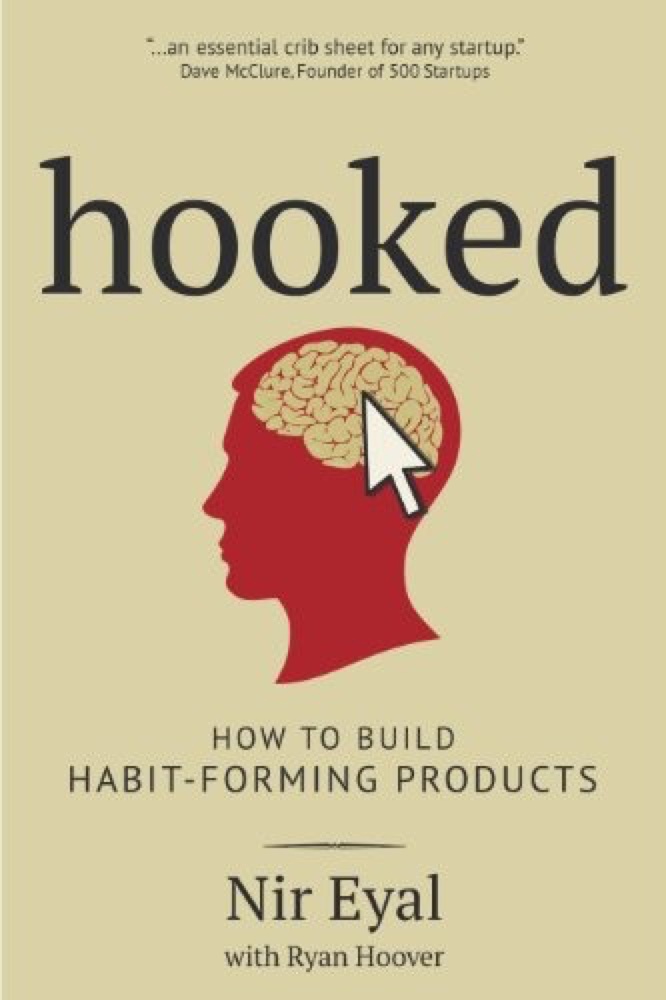 Hooked: How to Build Habit-Forming Products
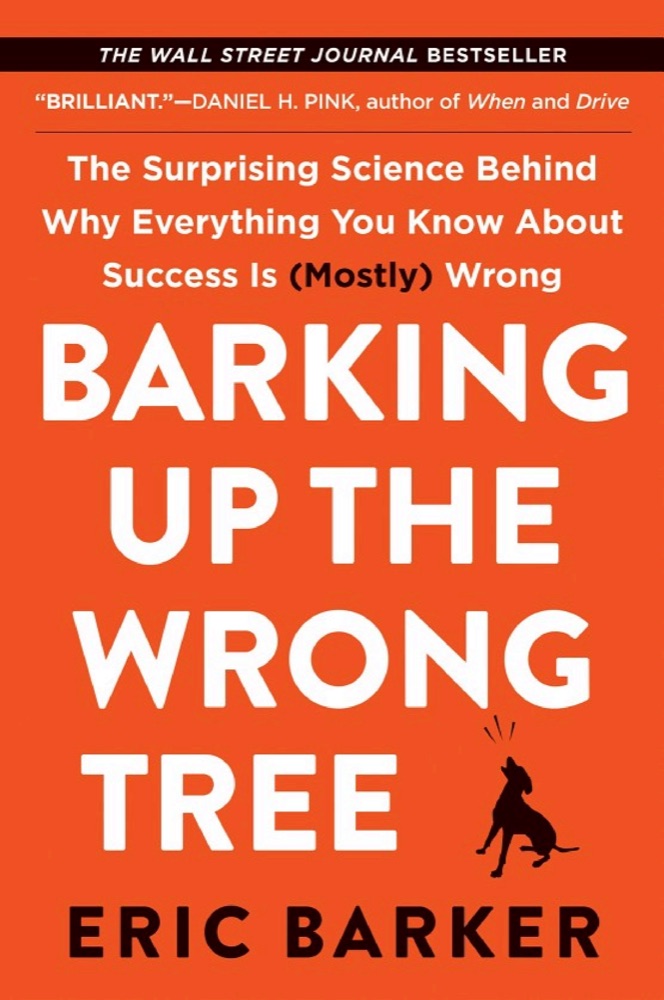 Barking Up the Wrong Tree: The Surprising Science Behind Why Everything You Know About Success Is (Mostly) Wrong
 You Are Not So Smart
 No Logo
 Conscious Capitalism
 EntreLeadership: 20 Years of Practical Business Wisdom from the Trenches
 The Innovator's Solution: Creating and Sustaining Successful Growth
 Steve Jobs
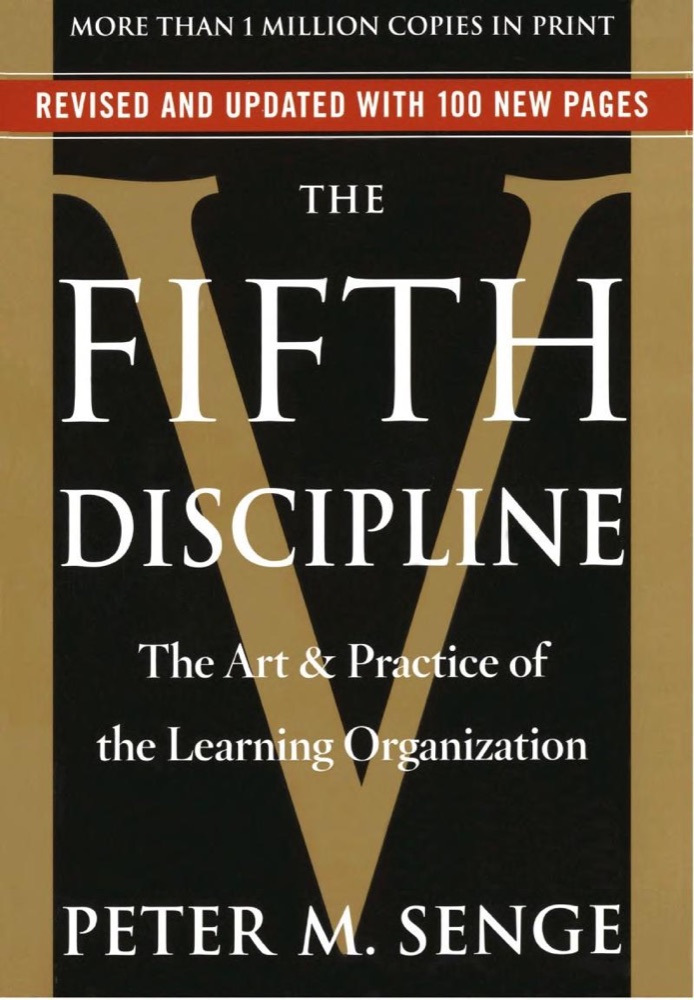 The Fifth Discipline: The Art & Practice of The Learning Organization
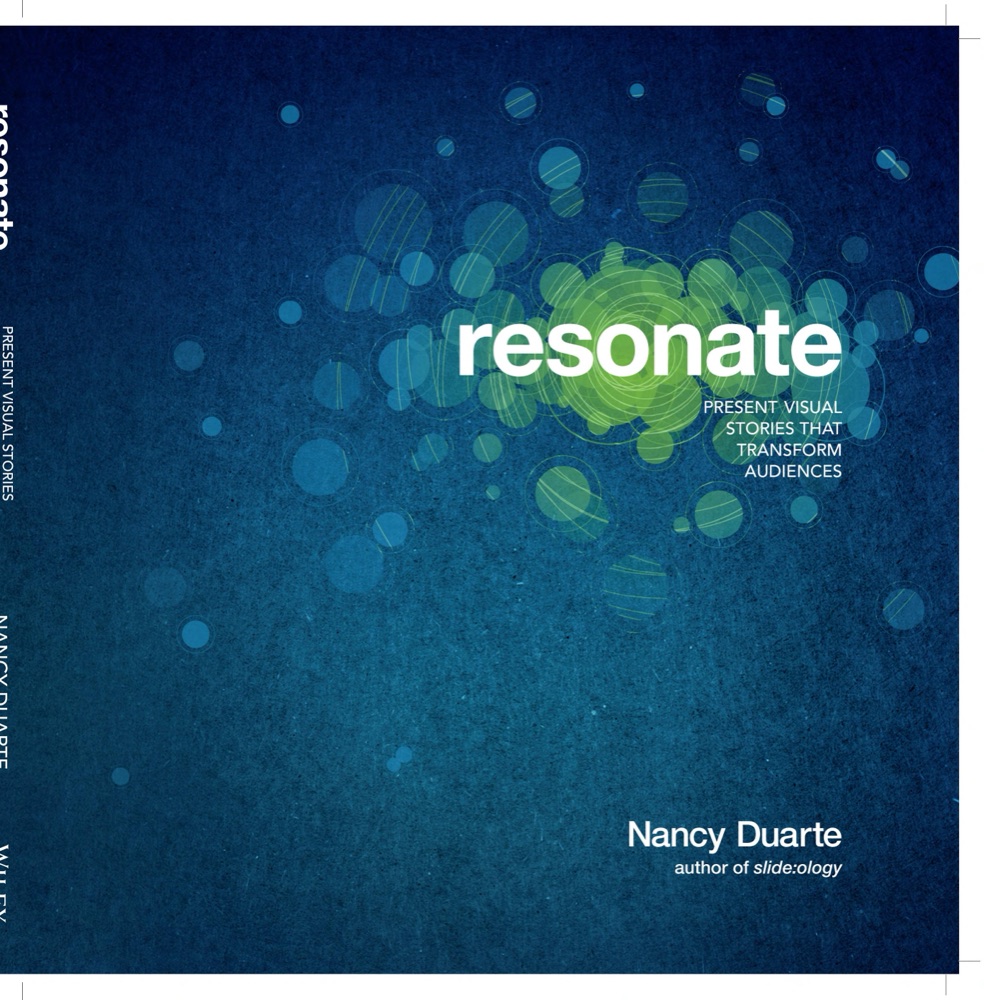 Resonate: Present Visual Stories that Transform Audiences
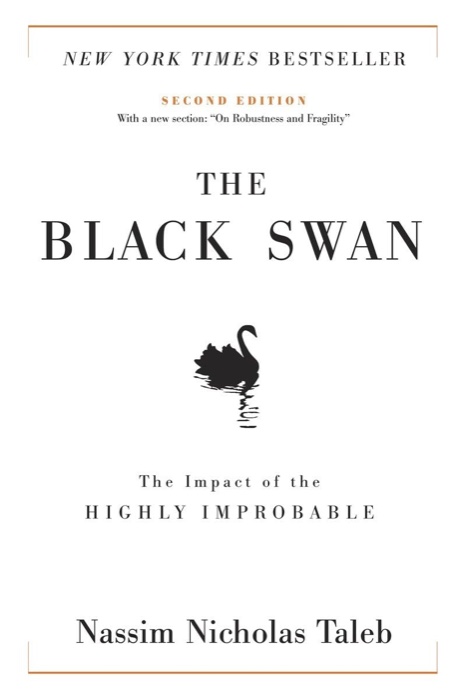 The Black Swan: The Impact of the Highly Improbable
 Ignore Everybody: and 39 Other Keys to Creativity
 Influencer: The Power to Change Anything
 The Price of Tomorrow: Why Deflation is the Key to an Abundant Future
 The Win Without Pitching Manifesto
 Originals: How Non-Conformists Move the World
 Loonshots: How to Nurture the Crazy Ideas That Win Wars, Cure Diseases, and Transform Industries
 The Tipping Point: How Little Things Can Make a Big Difference
 Delivering Happiness: A Path to Profits, Passion, and Purpose
 Influence Is Your Superpower: The Science of Winning Hearts, Sparking Change, and Making Good Things Happen
 HBR's 10 Must Reads on Strategy
 Black Box Thinking: Why Some People Never Learn from Their Mistakes - But Some Do
 Words That Work: It's Not What You Say, It's What People Hear
 How to Fail at Almost Everything and Still Win Big: Kind of the Story of My Life
 Smartcuts: How Hackers, Innovators, and Icons Accelerate Success
 Running Lean: Iterate from Plan A to a Plan That Works
 Founders at Work: Stories of Startups' Early Days
 Trust Me, I'm Lying: Confessions of a Media Manipulator
 Superforecasting: The Art and Science of Prediction
 The Art of Creative Thinking
 Creativity, Inc.: Overcoming the Unseen Forces That Stand in the Way of True Inspiration
 Things a Little Bird Told Me: Confessions of the Creative Mind
 Making Ideas Happen: Overcoming the Obstacles Between Vision and Reality