 Lean Analytics: Use Data to Build a Better Startup Faster
Quotes from the Book
Here’s the simplest, most jargon-free, definition of marketing you’re ever likely to come across: If the circus is coming to town and you paint a sign saying “Circus Coming to the Showground Saturday,” that’s advertising. If you put the sign on the back of an elephant and walk it into town, that’s promotion. If the elephant walks through the mayor’s flower bed and the local newspaper writes a story about it, that’s publicity. And if you get the mayor to laugh about it, that’s public relations. If the town’s citizens go to the circus, you show them the many entertainment booths, explain how much fun they’ll have spending money at the booths, answer their questions and ultimately, they spend a lot at the circus, that’s sales. And if you planned the whole thing, that’s marketing.
12
You have only twenty-four hours a day, so the only way you can get more achieved in a day is by using other people’s time.
10
Your job as an entrepreneur is to be an innovator and a builder of systems.
8
I’ll reiterate—knowing and not doing is the same as not knowing. You need to make the mistakes, risk looking foolish and invest in yourself and your business.
5
no one knows how good your products or services are until after the sale. Before they buy, they only know how good your marketing is. Put simply, the best marketer wins every time.
4
Uber, the world’s largest taxi company, owns no vehicles. Facebook, the world’s most popular media owner, creates no content. Alibaba, the most valuable retailer, owns no inventory. Airbnb, the world’s largest accommodation provider, owns no real estate.
4
A customer won on price will be lost on price.
4
If you look at wealth distribution statistics from the last century you’ll notice that the top 4% own about 64% of wealth and the top 20% own about 80% of the wealth. This is despite this being the “information age.” You’d imagine that a hundred years ago only the wealthy had good access to information, hence it’s understandable why they held 80% of the wealth. Yet this wealth distribution statistic still holds up today, an age where information has been democratized and where even the poorest people have pretty much the same access to information as the wealthiest people. This proves that lack of information isn’t the issue holding back the bottom 80% of business owners—it’s human behavior and mindset. That certainly hasn’t changed in the last 100 years.
4
customer who buys a product or service and doesn’t use it or implement it correctly is highly likely to write it off as something that doesn’t work and that’s the last thing we want.
3
Your social media page and profile is actually the property of the social network. So, spending huge amounts of time and money building up a profile and audience on these networks ends up building up their assets rather than your own. My preference, as much as possible, is to build and own my own marketing assets, such as websites, blogs, email lists and so on. I then use social media simply as a way to drive traffic to these marketing assets.
3
For the entrepreneur, time is not money. Value is money.
3
people are much more willing to pay for a cure than for prevention. Targeting existing pain rather than promising future pleasure
3
They get caught up with tools and tactics and never figure out the big picture of what they’re actually trying to do and why.
3
marketing is the strategy you use for getting your ideal target market to know you, like you and trust you enough to become a customer. All the stuff you usually associate with marketing are tactics.
3
The owner of the business may have excellent technical skills but it’s his lack of business skills that causes his business to fail.
3
Some people have the perception that social media marketing is “free.” It’s only truly free if your time is worth nothing.
3
word of mouth. However, before customer retention, we need to think about customer acquisition (AKA marketing). The most successful entrepreneurs always start with marketing.
3
You’ve got to think winter in the summer. It’s just too easy to get faked out when the sky is blue, and the clouds are fleecy. You’ve got to prepare for winter because it’s coming, it always does.
3
As entrepreneurs we have a “can do” mindset. This often means that when something needs to be done, we are tempted to just roll up our sleeves and just do it. However, spending a lot of time doing things that aren’t your area of expertise or aren’t a good use of your time can quickly become a very expensive exercise. Remember, money is a renewable resource—you can always get more money but you can never get more time.
3
Business is a team sport, one in which you’re never going to win on your own.
3
Focusing on the cause (value) rather than the effect (making money) will lead to much greater long-term success.
3
This would be a good time to share with you my definition of an entrepreneur: “someone who solves people’s problems at a profit.
3
The marketing plan ended up being the 20% part of the business planning process that produced 80% of the result.
3
The Answers Have Changed Albert Einstein was once giving an exam paper to his graduating class. It turned out that it was the exact same exam paper he had given them the previous year. His teaching assistant, alarmed at what he saw and thinking it to be the result of the professor’s absentmindedness, alerted Einstein. “Excuse me, sir,” said the shy assistant, not quite sure how to tell the great man about his blunder. “Yes?” said Einstein. “Um, eh, it’s about the test you just handed out.” Einstein waited patiently. “I’m not sure if you realize it, but this is the same test you gave out last year. In fact, it’s identical.” Einstein paused to think for a moment, then said, “Yes, it is the same test but the answers have changed.” Just as the answers in physics change as new discoveries are made, so too do the answers in business and in marketing.
3
Struggling business owners will spend time to save money, whereas successful business owners will spend money to save time. Why is that an important distinction? Because you can always get more money, but you can never get more time. So you need to ensure the stuff you spend your time on makes the biggest impact.
3
What Is Marketing? Some people think marketing is advertising or branding or some other vague concept. While all these are associated with marketing, they are not one and the same. Here’s the simplest, most jargon-free definition of marketing you’re ever likely to come across: If the circus is coming to town and you paint a sign saying “Circus Coming to the Showground Saturday,” that’s advertising. If you put the sign on the back of an elephant and walk it into town, that’s promotion. If the elephant walks through the mayor’s flower bed and the local newspaper writes a story about it, that’s publicity. And if you get the mayor to laugh about it, that’s public relations. If the town’s citizens go to the circus, you show them the many entertainment booths, explain how much fun they’ll have spending money at the booths, answer their questions and, ultimately, they spend a lot at the circus, that’s sales. And if you planned the whole thing, that’s marketing.
2
The Power of Systems—The Ability to Fire Yourself
2
to develop a unique selling proposition. Something that positions you differently, so that prospects are forced to make an apples-to-oranges comparison when comparing you with your competitor. If they can do an apples-to-apples comparison of you and your competitors, then it comes down to price, and you’re toast.
2
Everyone wants to hear from an authoritative source. By being a content creator, you position yourself as an authority and expert in your niche.
2
Direct response marketing focuses heavily on the needs, thoughts, and emotions of the target market. By doing this, you enter the conversation already going on in the mind of your ideal prospect.
2
Watch on YouTube
About Allan Dib
About the book
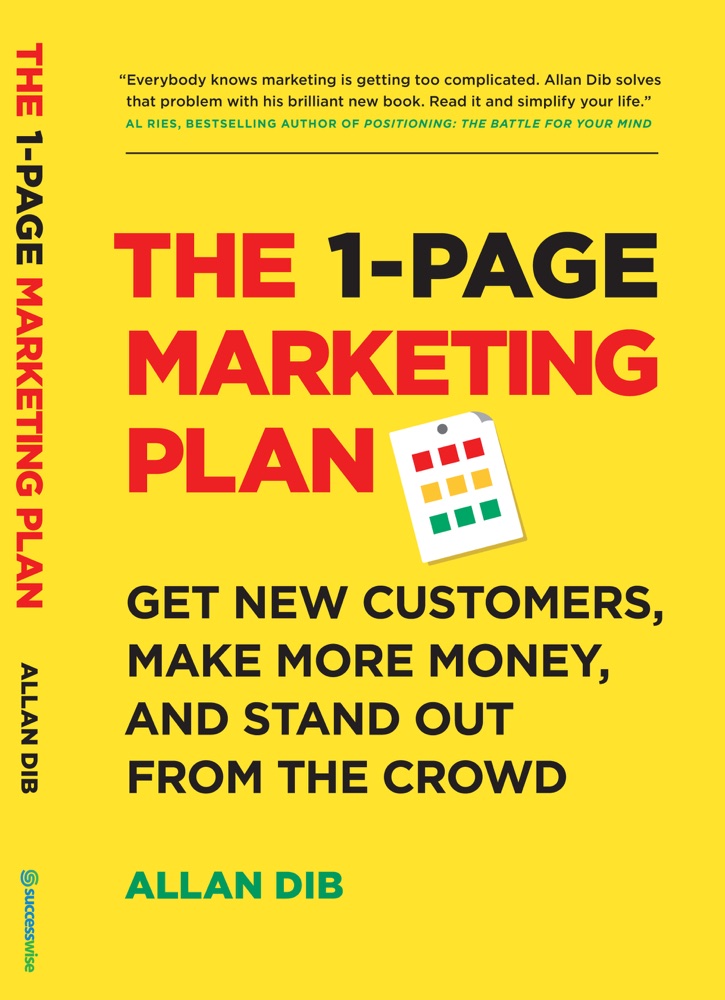
Do Not Read This Book If You Hate Money To build a successful business, you need to stop doing random acts of marketing and start following a reliable plan for rapid business growth. Traditionally, creating a marketing plan has been a difficult and time-consuming process, which is why it often doesn't get done. In The 1-Page Marketing Plan, serial entrepreneur and rebellious marketer Allan Dib reveals a marketing implementation breakthrough that makes creating a marketing plan simple and fast. It's literally a single page, divided up into nine squares. With it you'll be able to map out your own sophisticated marketing plan and go from zero to marketing hero. Whether you're just starting out or are an experienced entrepreneur, The 1-Page Marketing Plan is the easiest and fastest way to create a marketing plan that will propel your business growth. In this groundbreaking new book you'll •
Book details
- First published
- 2016
- Author
- Allan Dib
- Genre
- Nonfiction
- Goodreads rating
- 4.32 (11k ratings)
Keep reading
Lean Analytics: Use Data to Build a Better Startup Faster
 The $100 Startup: Reinvent the Way You Make a Living, Do What You Love, and Create a New Future
 The E-myth Revisited
 Zero to One: Notes on Startups, or How to Build the Future
 Running Lean: Iterate from Plan A to a Plan That Works
 Amp It Up: Leading for Hypergrowth by Raising Expectations, Increasing Urgency, and Elevating Intensity
 Rework
 EntreLeadership: 20 Years of Practical Business Wisdom from the Trenches
 The Innovator's Solution: Creating and Sustaining Successful Growth
 The 22 Immutable Laws of Marketing: Violate Them at Your Own Risk
 The Art of the Start: The Time-Tested, Battle-Hardened Guide for Anyone Starting Anything
 Selling the Invisible: A Field Guide to Modern Marketing
 Founders at Work: Stories of Startups' Early Days
 Blue Ocean Strategy: How to Create Uncontested Market Space and Make the Competition Irrelevant
 Invent and Wander: The Collected Writings of Jeff Bezos
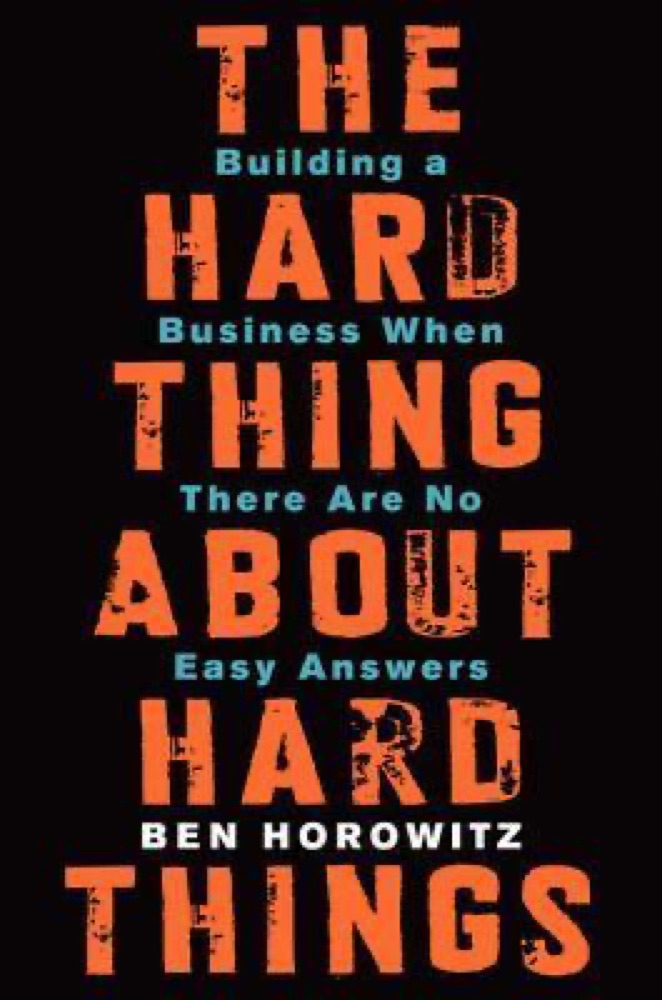 The Hard Thing About Hard Things: Building a Business When There Are No Easy Answers―Straight Talk on the Challenges of Entrepreneurship
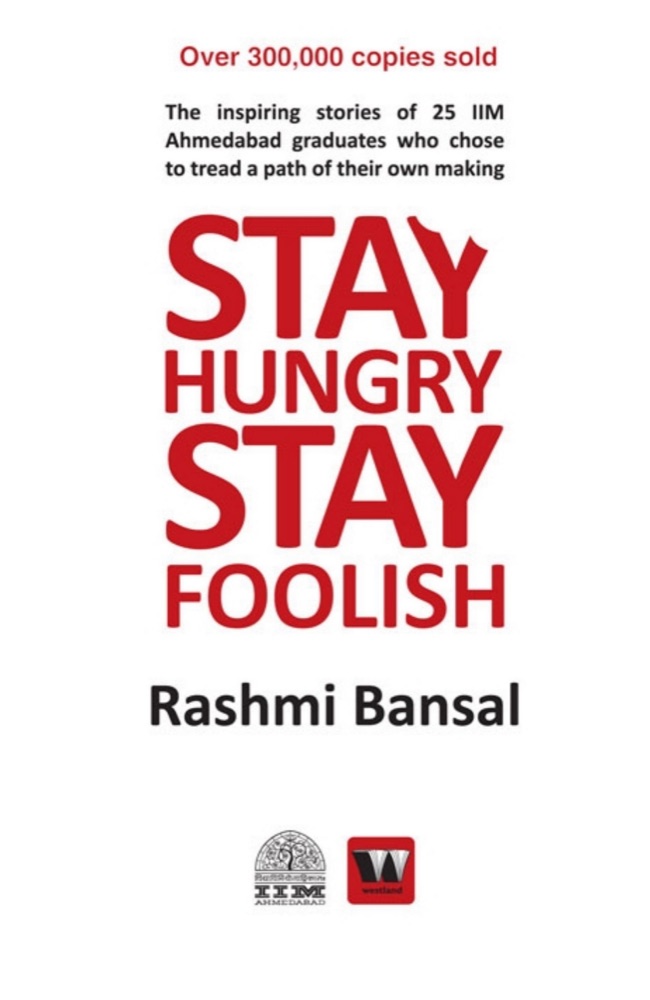 Stay Hungry Stay Foolish
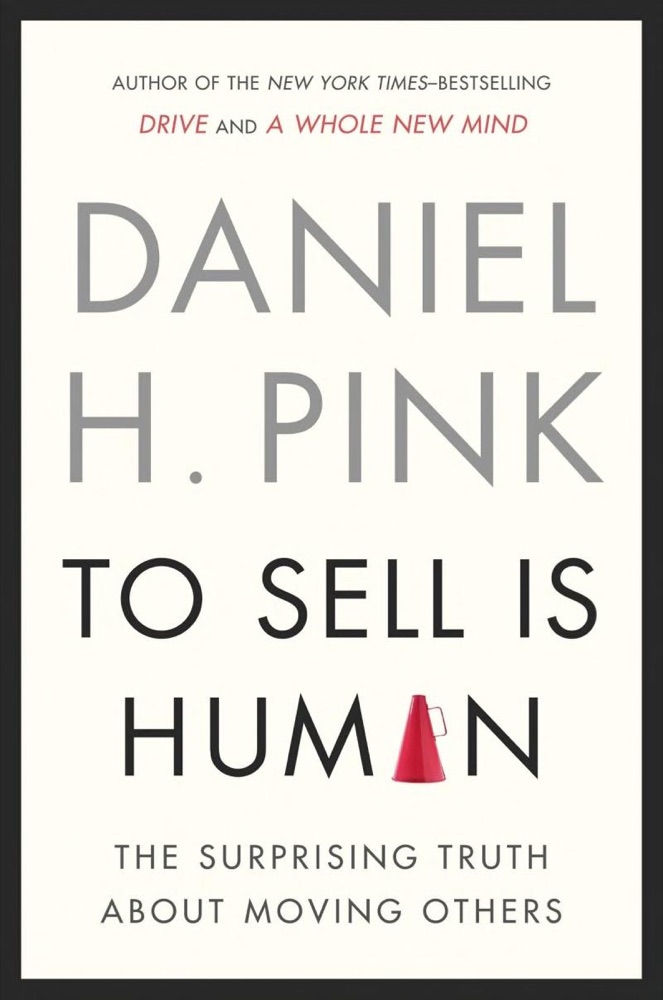 To Sell is Human: The Surprising Truth About Moving Others
 Getting Everything You Can Out of All You've Got: 21 Ways You Can Out-Think, Out-Perform, and Out-Earn the Competition
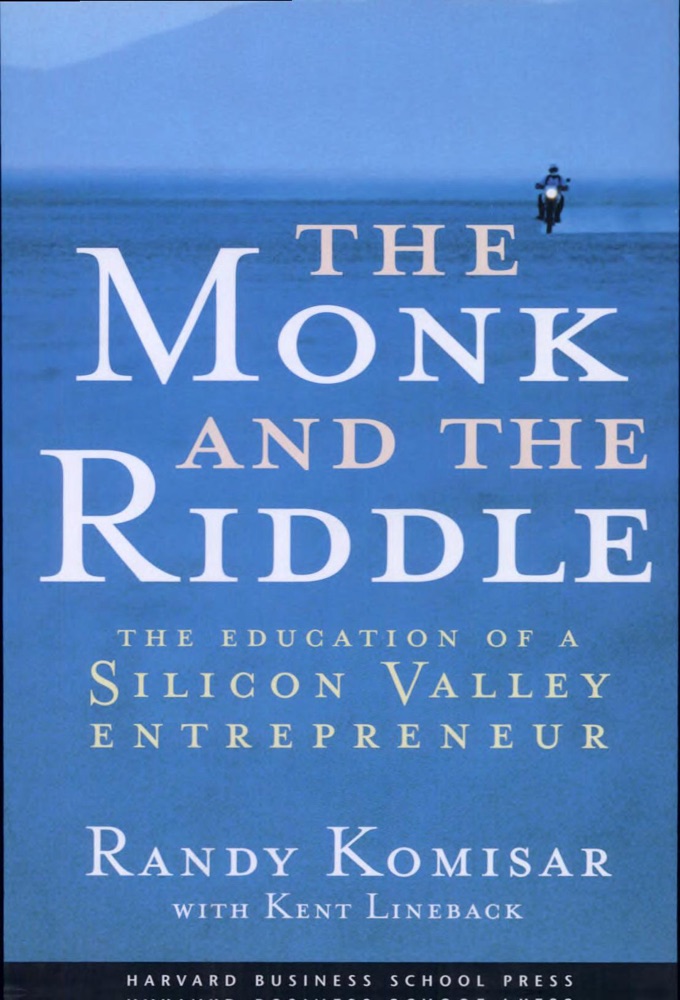 The Monk and the Riddle: The Education of a Silicon Valley Entrepreneur
 How To Get Rich
 The Win Without Pitching Manifesto
 The Mom Test: How to talk to customers & learn if your business is a good idea when everyone is lying to you
 Your Next Five Moves: Master the Art of Business Strategy
 The Art of Startup Fundraising
 The Startup of You: Adapt to the Future, Invest in Yourself, and Transform Your Career
 Chaos Monkeys: Obscene Fortune and Random Failure in Silicon Valley
 Side Hustle: From Idea to Income in 27 Days
 The Millionaire Fastlane: Crack the Code to Wealth and Live Rich for a Lifetime!
 Delivering Happiness: A Path to Profits, Passion, and Purpose
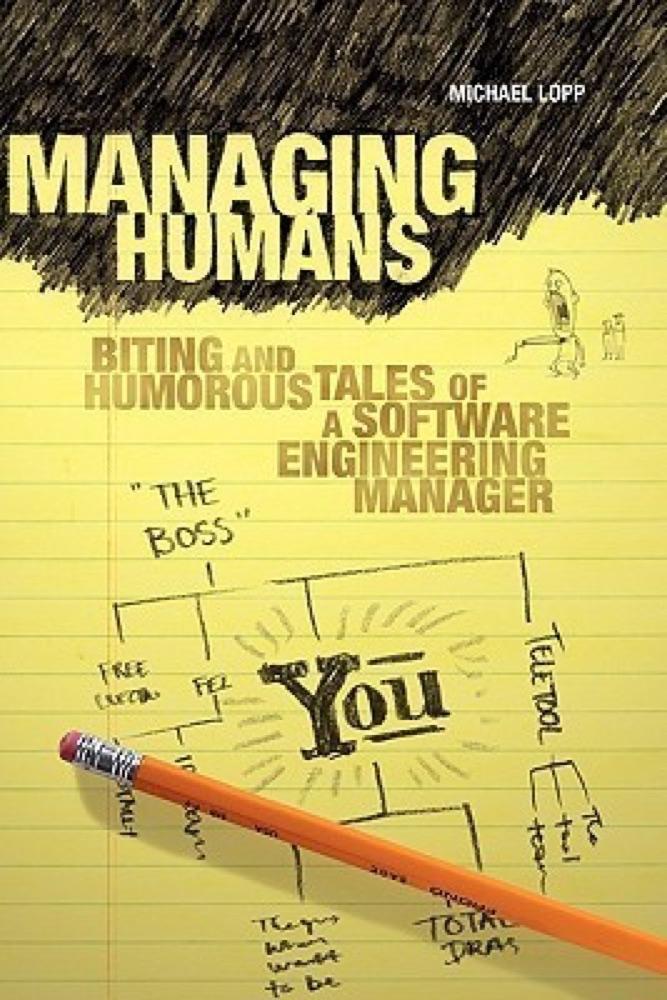 Managing Humans: Biting and Humorous Tales of a Software Engineering Manager
 Pour Your Heart Into It: How Starbucks Built a Company One Cup at a Time
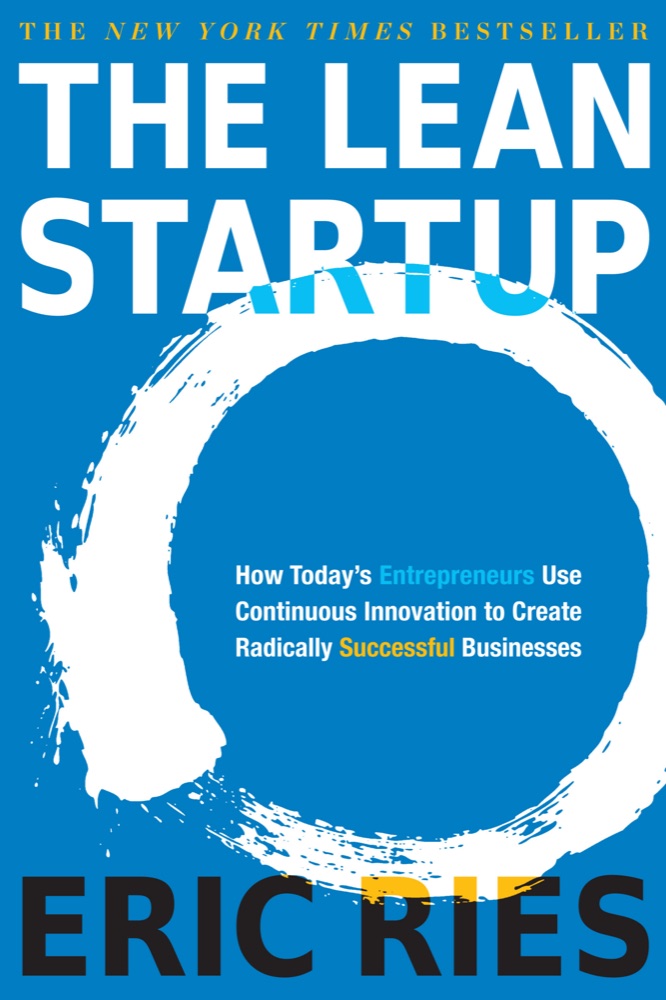 The Lean Startup
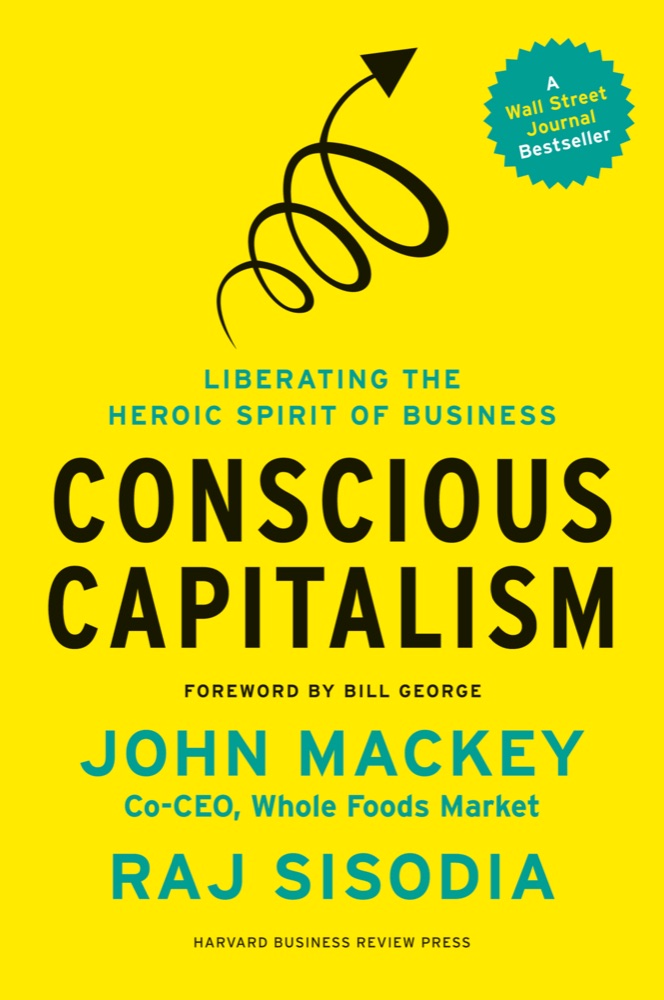 Conscious Capitalism
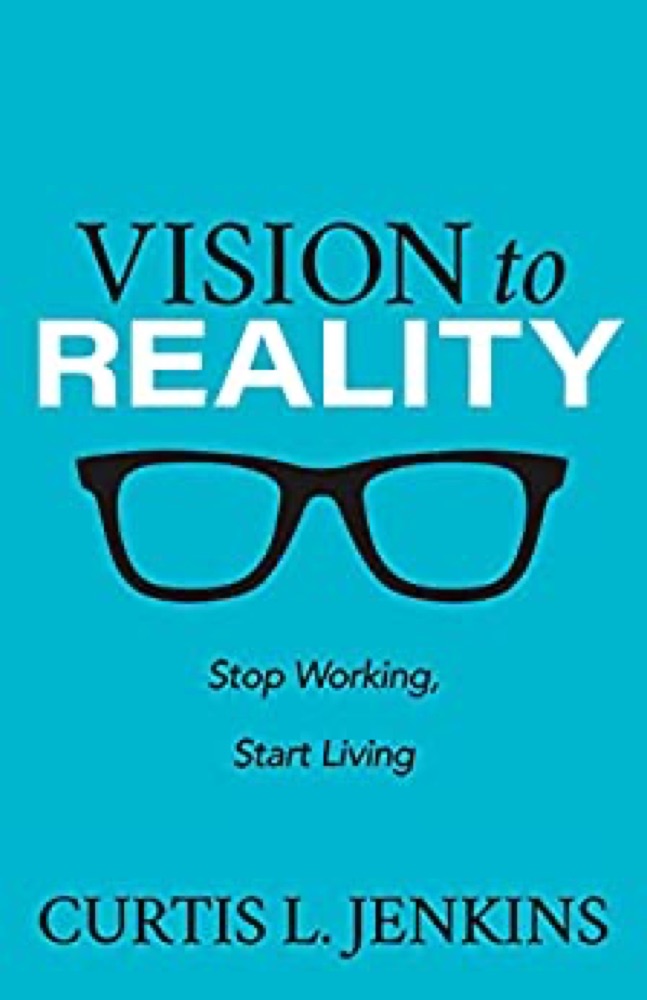 Vision to Reality: Stop Working, Start Living
 Winning
 Hackers & Painters: Big Ideas from the Computer Age
 Things a Little Bird Told Me: Confessions of the Creative Mind
 Getting There: A Book of Mentors
 The 80/20 Principle: The Secret to Achieving More with Less
 Trump: The Art of the Deal
 The Essays of Warren Buffett: Lessons for Corporate America
 HBR's 10 Must Reads on Strategy
 The Everything Store: Jeff Bezos and the Age of Amazon
 Rich Dad's Guide to Investing: What the Rich Invest in That the Poor and Middle Class Do Not!
 Smartcuts: How Hackers, Innovators, and Icons Accelerate Success
 How to Fail at Almost Everything and Still Win Big: Kind of the Story of My Life
 Positioning: The Battle for Your Mind: How to Be Seen and Heard in the Overcrowded Marketplace
 Scientific Advertising
 The Snowball: Warren Buffett and the Business of Life
 Barking Up the Wrong Tree: The Surprising Science Behind Why Everything You Know About Success Is (Mostly) Wrong
 Small Is the New Big: and 183 Other Riffs, Rants, and Remarkable Business Ideas
 The Dip: A Little Book That Teaches You When to Quit (and When to Stick)
 Getting Real: The Smarter, Faster, Easier Way to Build a Web Application
 The Halo Effect: ... and the Eight Other Business Delusions That Deceive Managers
 The Art of Thinking Clearly
 Ignore Everybody: and 39 Other Keys to Creativity
 The Success Principles: How to Get from Where You Are to Where You Want to Be
 I, Steve: Steve Jobs In His Own Words