
 Built to Last: Successful Habits of Visionary Companies
Quotes from the Book
the bad leader is he who the people despise; the good leader is he who the people praise; the great leader is he who the people say, "We did it ourselves
37
The most effective people are those who can "hold" their vision while remaining committed to seeing current reality clearly
26
Courage is simply doing whatever is needed in pursuit of the vision
25
In the presence of greatness, pettiness disappears. In the absence of a great dream, pettiness prevails.
14
Reality is made up of circles but we see straight lines.
14
[...] vision without systems thinking ends up painting lovely pictures of the future with no deep understanding of the forces that must be mastered to move from here to there.
9
Our prevailing system of management has destroyed our people. People are born with intrinsic motivation, self-respect, dignity, curiosity to learn, joy in learning. The forces of destruction begin with toddlers—a prize for the best Halloween costume, grades in school, gold stars—and on up through the university. On the job, people, teams, and divisions are ranked, reward for the top, punishment for the bottom. Management by Objectives, quotas, incentive pay, business plans, put together separately, division by division, cause further loss, unknown and unknowable.
9
It is not the absence of defensiveness that characterizes learning teams but the way defensiveness is faced
8
The core leadership strategy is simple: be a model.
7
We will never transform the prevailing system of management without transforming our prevailing system of education. They are the same system.
6
vision is an idle dream at best and a cynical delusion at worst - but not an achievable end
6
When young people develop basic leadership and collaborative learning skills, they can be a formidable force for change.
5
Personal mastery is the discipline of continually clarifying and deepening our personal vision, of focusing our energies, of developing patience, and of seeing reality objectively. As such, it is an essential cornerstone of the learning organization—the learning organization’s spiritual foundation.
4
the basic metaphor of prototypes still seems apt to me. There are no answers or magic pills. There is no alternative to learning through experimentation. Benchmarking and studying “best practices” will not suffice—because the prototyping process does not involve just incremental changes in established ways of doing things, but radical new ideas and practices that together create a new way of managing.
4
When asked what they want, many adults will say what they want to get rid of.
4
taking in information is only distantly related to real learning. It would be nonsensical to say, “I just read a great book about bicycle riding—I’ve now learned that.
4
I believe that, the prevailing system of management is, at its core, dedicated to mediocrity. It forces people to work harder and harder to compensate for failing to tap the spirit and collective intelligence that characterizes working together at their best. Deming saw this clearly,
4
In Chapter 8, I argued that personal vision, by itself, is not the key to releasing the energy of the creative process. The key is “creative tension,” the tension between vision and reality. The most effective people are those who can “hold” their vision while remaining committed to seeing current reality clearly.
3
I believe benchmarking best practices can open people’s eyes as to what is possible, but it can also do more harm than good, leading to piecemeal copying and playing catch-up. As one seasoned Toyota manager commented after hosting over a hundred tours for visiting executives, “They always say ‘Oh yes, you have a Kan-Ban system, we do also. You have quality circles, we do also. Your people fill out standard work descriptions, ours do also.’ They all see the parts and have copied the parts. What they do not see is the way all the parts work together.” I do not believe great organizations have ever been built by trying to emulate another, any more than individual greatness is achieved by trying to copy another “great person.
3
The practice of shared vision involves the skills of unearthing shared “pictures of the future” that foster genuine commitment and enrollment rather than compliance. In mastering this discipline, leaders learn the counterproductiveness of trying to dictate a vision, no matter how heartfelt.
3
A shared vision is not an idea. It is not even an important idea such as freedom. It is, rather, a force in people’s hearts, a force of impressive power. It may be inspired by an idea, but once it goes further—if it is compelling enough to acquire the support of more than one person—then it is no longer an abstraction. It is palpable. People begin to see it as if it exists. Few, if any, forces in human affairs are as powerful as shared vision.
2
Failure is, simply, a shortfall, evidence of the gap between vision and current reality. Failure is an opportunity for learning—about inaccurate pictures of current reality, about strategies that didn’t work as expected, about the clarity of the vision. Failures are not about our unworthiness or powerlessness.
2
The committed person doesn’t play by the rules of the game. He is responsible for the game. If the rules of the game stand in the way of achieving the vision, he will find ways to change the rules.
2
When people in organizations focus only on their position, they have little sense of responsibility for the results produced when all positions interact. Moreover, when results are disappointing, it can be very difficult to know why. All you can do is assume that “someone screwed up.
2
That is why the discipline of managing mental models—surfacing, testing, and improving our internal pictures of how the world works—promises to be a major breakthrough for building learning organizations.
2
In fact, most of the time, things do not turn out as we expect. But the potential value of unexpected developments is rarely tapped. Instead, when things turn out contrary to our expectations, we go immediately into problem-solving mode and react, or just try harder—without taking the time to see whether this unexpected development is telling us something important about our assumptions. “This more prepared mental state is really where a lot of the longer-term payoff is,” says Galloway.
2
Cause and effect are not closely related in time and space.
1
Yet, there is a world of difference between compliance and commitment. The committed person brings an energy, passion, and excitement that cannot be generated by someone who is only compliant, even genuinely compliant. The committed person doesn’t play by the rules of the game. He is responsible for the game. If the rules of the game stand in the way of achieving the vision, he will find ways to change the rules. A group of people truly committed to a common vision is an awesome force.
1
Watch on YouTube
About Peter M. Senge
We have collected 28 quotes from 1 book by Peter M. Senge on BookQuoters.
More about the author →About the book
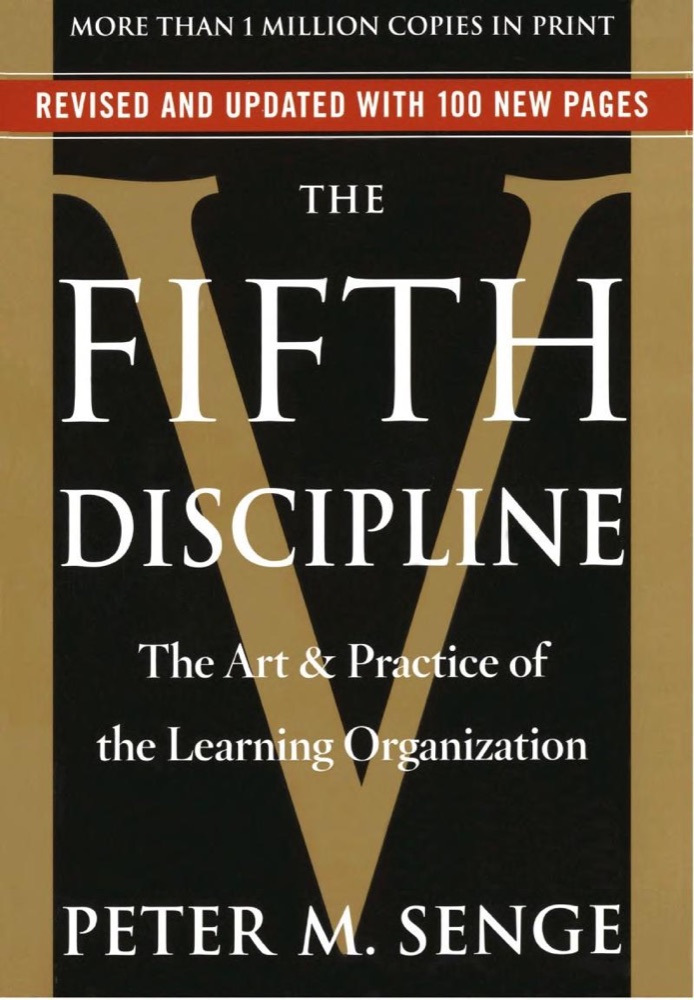
MORE THAN ONE MILLION COPIES IN PRINT • “One of the seminal management books of the past seventy-five years.”— Harvard Business Review
This revised edition of the bestselling classic is based on fifteen years of experience in putting Peter Senge’s ideas into practice. As Senge makes clear, in the long run the only sustainable competitive advantage is your organization’s ability to learn faster than the competition. The leadership stories demonstrate the many ways that the core ideas of the Fifth Discipline, many of which seemed radical when first published, have become deeply integrated into people’s ways of seeing the world and their managerial practices.
Senge describes how companies can rid themselves of the learning blocks that threaten their productivity and success by adopting the strategies of learning organizations, in which new and expansive patterns of thinking are nurtured
Book details
- First published
- 1990
- Author
- Peter M. Senge
- Genre
- Nonfiction
- Goodreads rating
- 3.94 (36k ratings)
Keep reading
Built to Last: Successful Habits of Visionary Companies
 Legacy: What the All Blacks Can Teach Us About the Business of Life
 Creativity, Inc.: Overcoming the Unseen Forces That Stand in the Way of True Inspiration
 Turn the Ship Around!: A True Story of Turning Followers into Leaders
 The 7 Habits of Highly Effective People: Personal Workbook
 Drive: The Surprising Truth About What Motivates Us
 The Ride of a Lifetime: Lessons Learned from 15 Years as CEO of the Walt Disney Company
 Boundaries for Leaders: Results, Relationships, and Being Ridiculously in Charge
 Great by Choice: Uncertainty, Chaos, and Luck—Why Some Thrive Despite Them All
 The Score Takes Care of Itself: My Philosophy of Leadership
 Black Box Thinking: Why Some People Never Learn from Their Mistakes - But Some Do
 Right Kind of Wrong: The Science of Failing Well
 The Element: How Finding Your Passion Changes Everything
 The Effective Executive: The Definitive Guide to Getting the Right Things Done
 Mastery
 Good to Great: Why Some Companies Make the Leap... and Others Don't
 Smarter Faster Better: The Secrets of Being Productive in Life and Business
 The Art of Creative Thinking
 QBQ! The Question Behind the Question: Practicing Personal Accountability in Work and in Life
 Originals: How Non-Conformists Move the World
 Range: Why Generalists Triumph in a Specialized World
 Making Ideas Happen: Overcoming the Obstacles Between Vision and Reality
 The Essential Drucker
 The 360 Degree Leader: Developing Your Influence from Anywhere in the Organization
 First Things First
 Principles: Life and Work
 The Art of Thinking Clearly
 Managing Humans: Biting and Humorous Tales of a Software Engineering Manager
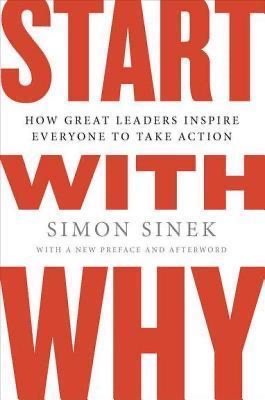 Start with Why: How Great Leaders Inspire Everyone to Take Action
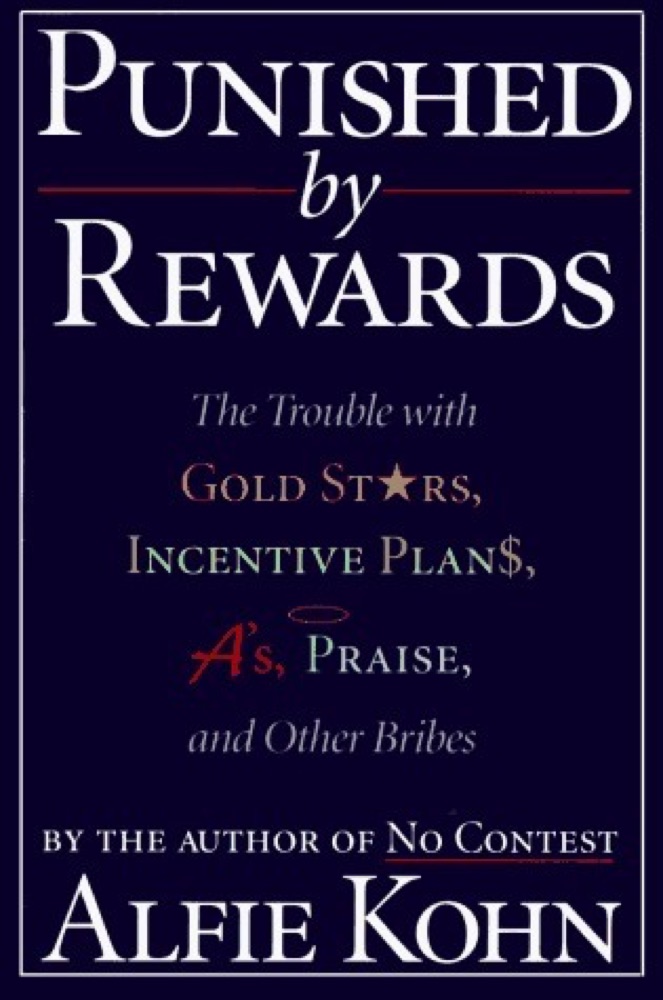 Punished by Rewards: The Trouble with Gold Stars, Incentive Plans, A's, Praise and Other Bribes
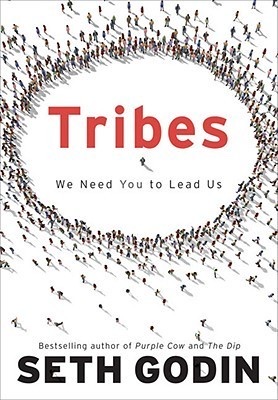 Tribes: We Need You to Lead Us
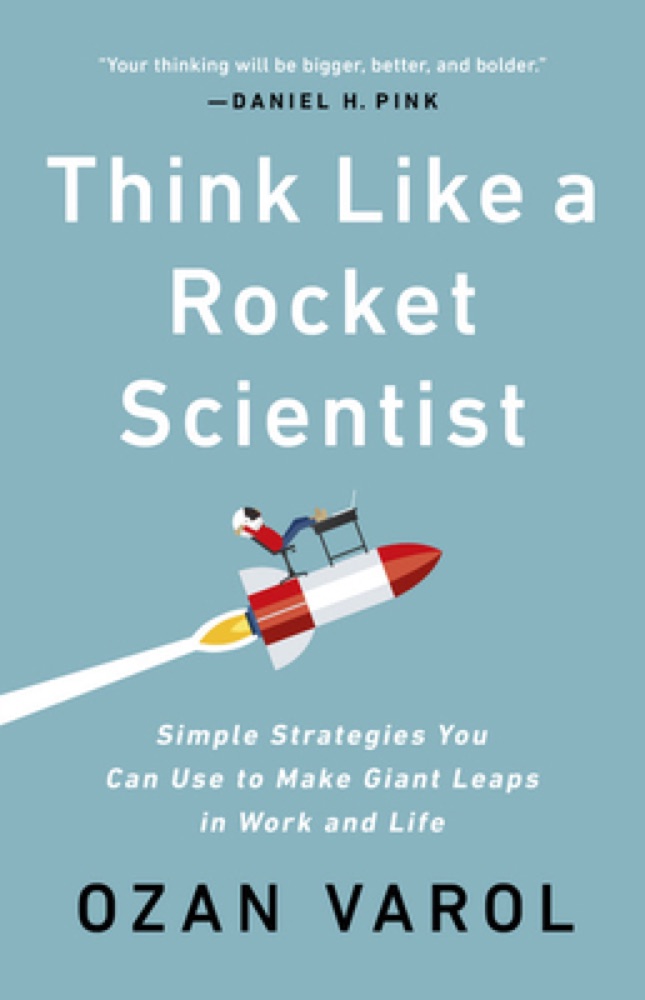 Think Like a Rocket Scientist: Simple Strategies You Can Use to Make Giant Leaps in Work and Life
 Shop Class as Soulcraft: An Inquiry Into the Value of Work
 Smartcuts: How Hackers, Innovators, and Icons Accelerate Success
 The Art of Impossible: A Peak Performance Primer
 Grit: The Power of Passion and Perseverance
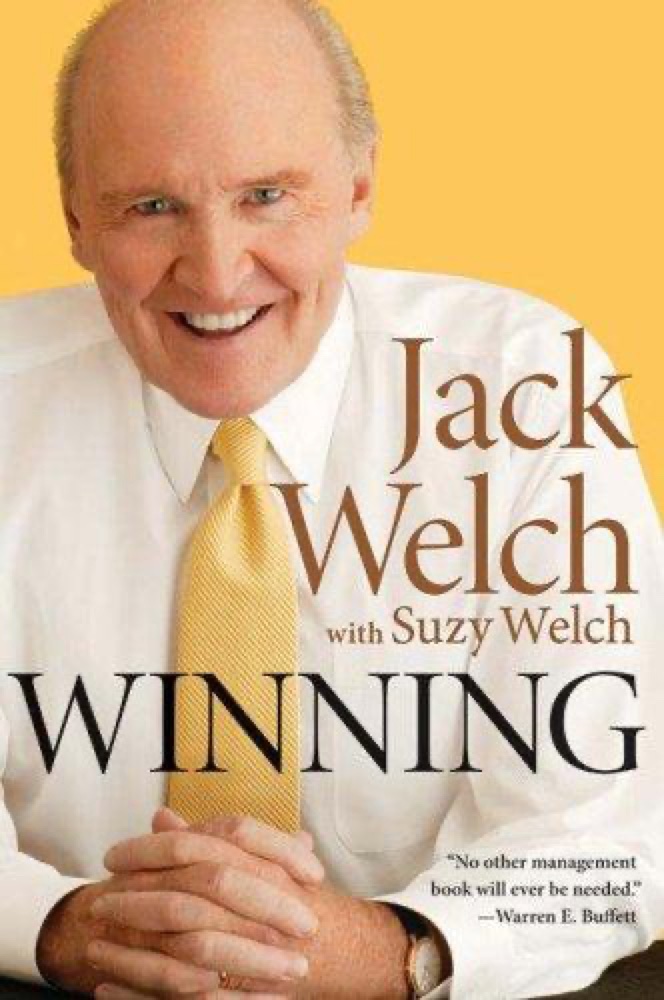 Winning
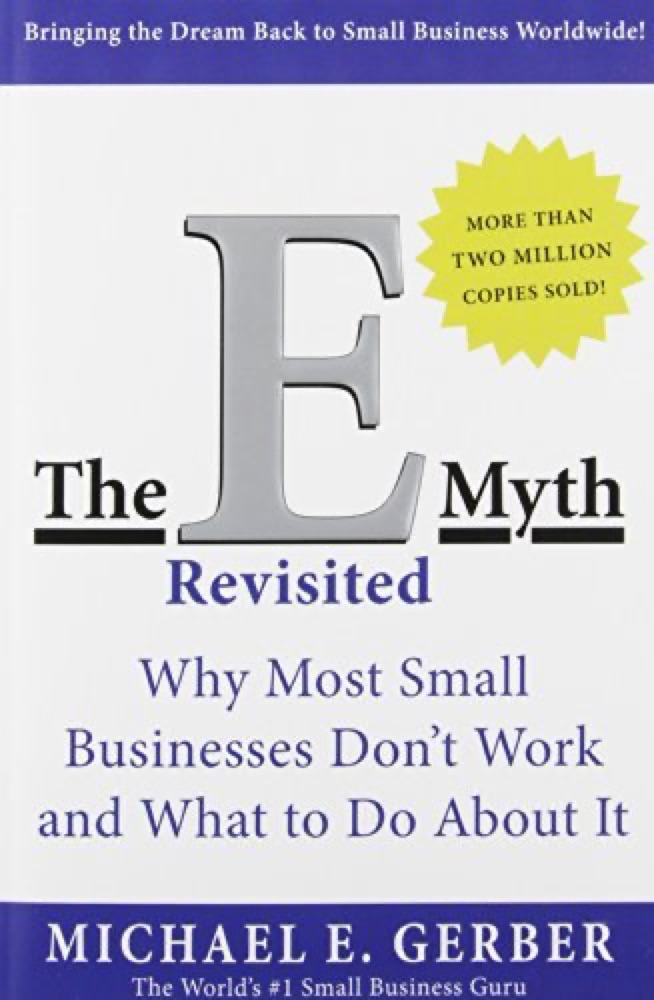 The E-myth Revisited
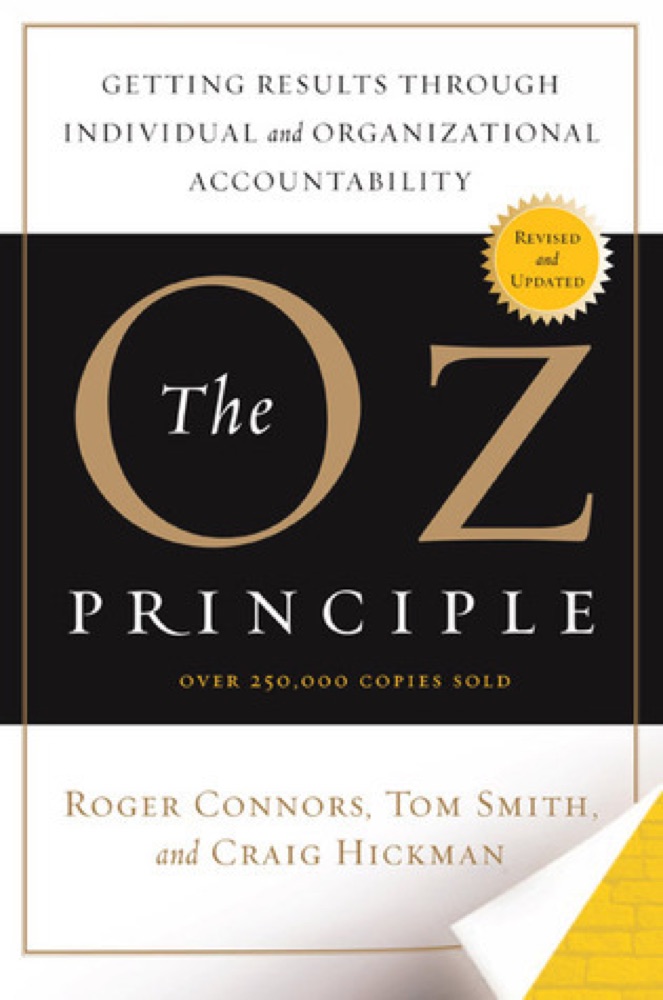 The Oz Principle: Getting Results Through Individual and Organizational Accountability
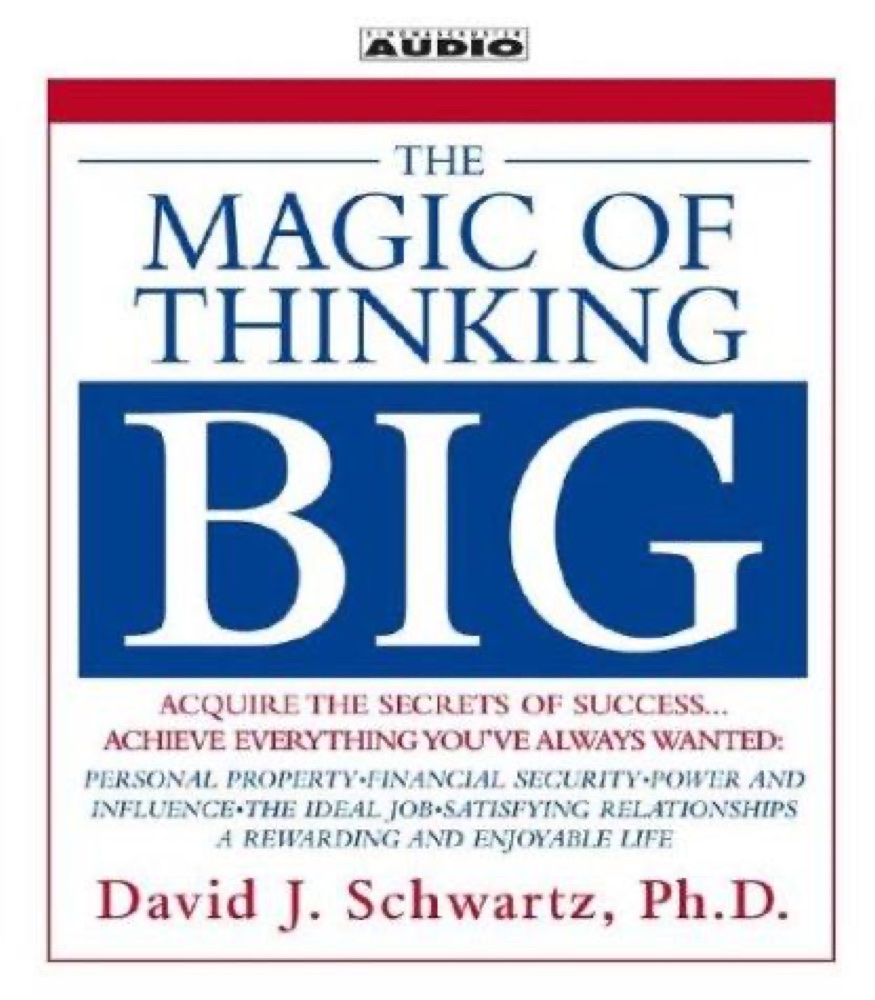 Magic of Thinking Big
 Peak: Secrets from the New Science of Expertise
 Things a Little Bird Told Me: Confessions of the Creative Mind
 Peopleware: Productive Projects and Teams
 Delivering Happiness: A Path to Profits, Passion, and Purpose
 Measure What Matters
 Amp It Up: Leading for Hypergrowth by Raising Expectations, Increasing Urgency, and Elevating Intensity
 A Whole New Mind: Why Right-Brainers Will Rule the Future
 Hit Refresh: The Quest to Rediscover Microsoft's Soul and Imagine a Better Future for Everyone
 Pour Your Heart Into It: How Starbucks Built a Company One Cup at a Time
 The Leader Who Had No Title: A Modern Fable on Real Success in Business and in Life
 High Performance Habits: How Extraordinary People Become That Way
 Barking Up the Wrong Tree: The Surprising Science Behind Why Everything You Know About Success Is (Mostly) Wrong
 The Rise of Superman: Decoding the Science of Ultimate Human Performance
 Leadership on the Line: Staying Alive through the Dangers of Leading
 Leading: Learning from Life and My Years at Manchester United
 What the Dog Saw and Other Adventures
 Above the Line: Lessons in Leadership and Life from a Championship Season