 Managing Humans: Biting and Humorous Tales of a Software Engineering Manager
Quotes from the Book
Priority” should ideally only be used as a singular word. The moment you have many priorities, you actually have none.
5
If you don't know how to execute, every strategy will fail, even the most promising ones. As one of my former bosses observed: “No strategy is better than its execution.
3
Celebrate people who own their responsibilities, take and defend clear positions, argue for their preferred strategies, and seek to move the dial.
2
Experience can be a proxy for aptitude but not a perfect one. People that have been with successful companies are often swept along in the vortex of the company's momentum. The aura of a great company can rub off on its employees, to the point that it can be hard to separate the company's success from the employee's. We've mistakenly hired some passengers this way, thinking they were drivers.
2
A strong product will generate escape velocity and find its market, even with a mediocre sales team. But even a great sales team cannot fix or compensate for product problems.
1
The world eventually catches on to those who mostly manage appearances instead of adding value to the organization.
1
Start a running list of useful anecdotes, and keep adding new ones so your material doesn't get stale. You can also safely inject humor into your stories. And whatever you do, never read text bullets verbatim from a PowerPoint slide—that's the fastest way to lose everyone's attention.
1
anxiety about growth is a bigger problem than ignorance about growth.
1
do not add headcount to regions where things clearly are not figured out. That's hoping and praying, not sales management.
1
You can't brute‐force a sales effort if the underlying conditions aren't in place yet.
1
Trying to staff a whole sales team prematurely is a very common managerial mistake. So is failing to figure out what distinguishes top sales performers from weak performers
1
declaring my own mistakes, I signaled to everyone that it was safe to admit their mistakes too, without fearing extreme consequences. No one gets everything right all the time. The faster we all face our demons and correct ourselves, the better off the business will be.
1
If you can't find the backbone to make necessary changes, you are holding everyone else back from reaching their full potential.
1
you need to change things fast, which can only happen by switching out the people whose skills no longer fit the mission
1
If you offer a partial solution that requires your customers to seek the rest of the solution elsewhere, you are making it easy for a competitor to drive through the gap you left open.
1
Data Domain, we didn't hire our first full‐time salesperson until well into my tenure as CEO. First, we had to establish a good product‐market fit before we could attempt to cross the proverbial chasm between early adopters and the mass market—a concept first described in Geoff Moore's book Crossing the Chasm. We weren't ready yet to establish a systemic, repeatable sales process that would yield consistent results.
1
Whenever there are glaring discrepancies in evaluating one of our executives, we double down on analysis rather than jumping to conclusions. There must be a reason why people are having very different experiences with this person. With enough time devoted to discussion, we always get to the bottom of it. Analysis first—especially when someone's future career is at stake.
1
High‐growth enterprises are not easy places to live. The pressure is relentless. Performance is aggressively managed. There is no let up. I have seen employees depart after a short time because the intensity and pace just wasn’t their cup of tea. Culture is not about making people feel good per se, it’s about enabling the mission with the behaviors and values that serve that purpose. It’s unlikely that a strong, effective, and mission‐aligned culture will please everybody.
1
Passengers are people who don't mind simply being carried along by the company's momentum, offering little or no input, seemingly not caring much about the direction chosen by management. They are often pleasant, get along with everyone, attend meetings promptly, and generally do not stand out as troublemakers. They are often accepted into the fabric of the organization and stay there for many years. The problem is that while passengers can often diagnose and articulate a problem quite well, they have no investment in solving it. They don't do the heavy lifting. They avoid taking strong positions at the risk of being wrong about something. They can take any side of an issue, depending on how the prevailing winds are blowing. In large organizations especially, there are many places to hide without really being noticed.
1
Hire Drivers, Not Passengers, and Get the Wrong People off the Bus Drivers Wanted
1
Another lesson from these examples: attacking markets that have weak, unpopular incumbents is infinitely easier than chasing strong, popular occupants. Customers do not easily part with products that do the job for them. They have enough on their plate already. You need massive, not marginal differentiation, or they will simply filter you out as noise.
1
But in most fields, incrementalism is merely a lack of audacity and boldness. Maybe you won't lose, but you won't win either. Larger, established enterprises are especially prone to incremental behavior because risks are not rewarded—but screwups are severely punished. Many of these companies end up killing themselves gradually, through stagnation. That's why very few enterprises that were in the Fortune 500 just 50 years ago still exist. A living organism like a business needs to reinvent itself all the time, rather than just consolidate and extend
1
The legal system will always be exploited by those who cannot compete on merit. The legality of a business tactic doesn't matter; it's all about what people can get away with.
1
The mission also has to be treated with urgency. There is a saying in sales that “time kills all deals.” Time is not our friend. Time introduces risks, such as new entrants. The faster we separate from the competition, the more likely we are to succeed. Urgency is a mindset that can be learned if it doesn't come to you naturally. You can embrace the discomfort that comes with moving faster instead of avoiding it.
1
Vagueness causes confusion, but clarity of thought and purpose is a huge advantage in business. Good leadership requires a never‐ending process of boiling things down to their essentials. Spell out what you mean! If priorities are not clearly understood at the top, how distorted will they be down the line?
1
Get in the habit of constantly prioritizing and reprioritizing. Most
1
Organizations are often spread too thinly across too many priorities, and too many of them are ill defined. Things tend to get added to the pile over time, and before we know it, we have huge backlogs. We're spread a mile wide and an inch deep. The problems with pace and tempo are, of course, related to having too much going on at the same time. It feels like swimming in glue, moving like molasses.
1
good judgment comes from bad judgment.” Experience may be overrated by some, but it's hard to find a substitute for it.
1
Work on fewer things at the same time, and prioritize hard. Even if you're not sure about ranking priorities, do it anyway. The process alone will be enlightening. Figure out what matters most, what matters less, and what matters not at all. Otherwise your people will disagree about what's important. The questions you should ask constantly: What are we not going to do? What are the consequences of not doing something? Get in the habit of constantly prioritizing and reprioritizing.
Watch on YouTube
About Frank Slootman
About the book
Wall Street Journal, USA Today, and Publishers Weekly BestsellerThe secret to leading growth is your mindset
Snowflake CEO Frank Slootman is one of the tech world's most accomplished executives in enterprise growth, having led Snowflake to the largest software IPO ever after leading ServiceNow and Data Domain to exponential growth and the public market before that. In Amp It Up Leading for Hypergrowth by Raising Expectations, Increasing Urgency, and Elevating Intensity, he shares his leadership approach for the first time.
Amp It Up delivers an authoritative look at what it takes to transform an organization for maximum growth and scale. Slootman shows that most leaders have significant room to improve their organization's performance without making expensive changes to their talent, structure, or fundamental business model--and they don't need to bring in an army of consultants to
Book details
- First published
- 2022
- Author
- Frank Slootman
- Genre
- Nonfiction
- Goodreads rating
- 4.01 (4k ratings)
Keep reading
Managing Humans: Biting and Humorous Tales of a Software Engineering Manager
 Good to Great: Why Some Companies Make the Leap... and Others Don't
 EntreLeadership: 20 Years of Practical Business Wisdom from the Trenches
 Winning
 Rework
 Pour Your Heart Into It: How Starbucks Built a Company One Cup at a Time
 The Ride of a Lifetime: Lessons Learned from 15 Years as CEO of the Walt Disney Company
 The Hard Thing About Hard Things: Building a Business When There Are No Easy Answers―Straight Talk on the Challenges of Entrepreneurship
 The 360 Degree Leader: Developing Your Influence from Anywhere in the Organization
 Founders at Work: Stories of Startups' Early Days
 Lean Analytics: Use Data to Build a Better Startup Faster
 Creativity, Inc.: Overcoming the Unseen Forces That Stand in the Way of True Inspiration
 Zero to One: Notes on Startups, or How to Build the Future
 The Effective Executive: The Definitive Guide to Getting the Right Things Done
 Your Next Five Moves: Master the Art of Business Strategy
 Measure What Matters
 The Startup of You: Adapt to the Future, Invest in Yourself, and Transform Your Career
 Radical Candor: Be a Kickass Boss Without Losing Your Humanity
 Chaos Monkeys: Obscene Fortune and Random Failure in Silicon Valley
 The E-myth Revisited
 The Art of the Start: The Time-Tested, Battle-Hardened Guide for Anyone Starting Anything
 The 1-Page Marketing Plan: Get New Customers, Make More Money, And Stand out From The Crowd
 The Halo Effect: ... and the Eight Other Business Delusions That Deceive Managers
 To Sell is Human: The Surprising Truth About Moving Others
 Built to Last: Successful Habits of Visionary Companies
 Getting There: A Book of Mentors
 The Dip: A Little Book That Teaches You When to Quit (and When to Stick)
 Smartcuts: How Hackers, Innovators, and Icons Accelerate Success
 The Art of Thinking Clearly
 The Score Takes Care of Itself: My Philosophy of Leadership
 Peopleware: Productive Projects and Teams
 The Innovator's Solution: Creating and Sustaining Successful Growth
 How To Get Rich
 Principles: Life and Work
 The Monk and the Riddle: The Education of a Silicon Valley Entrepreneur
 The $100 Startup: Reinvent the Way You Make a Living, Do What You Love, and Create a New Future
 Tribes: We Need You to Lead Us
 Turn the Ship Around!: A True Story of Turning Followers into Leaders
 The First 90 Days: Proven Strategies for Getting Up to Speed Faster and Smarter
 Invent and Wander: The Collected Writings of Jeff Bezos
 Stay Hungry Stay Foolish
 The Essays of Warren Buffett: Lessons for Corporate America
 It Worked for Me: In Life and Leadership
 Delivering Happiness: A Path to Profits, Passion, and Purpose
 Blue Ocean Strategy: How to Create Uncontested Market Space and Make the Competition Irrelevant
 Start with Why: How Great Leaders Inspire Everyone to Take Action
 The Fifth Discipline: The Art & Practice of The Learning Organization
 The Win Without Pitching Manifesto
 The Essential Drucker
 Hit Refresh: The Quest to Rediscover Microsoft's Soul and Imagine a Better Future for Everyone
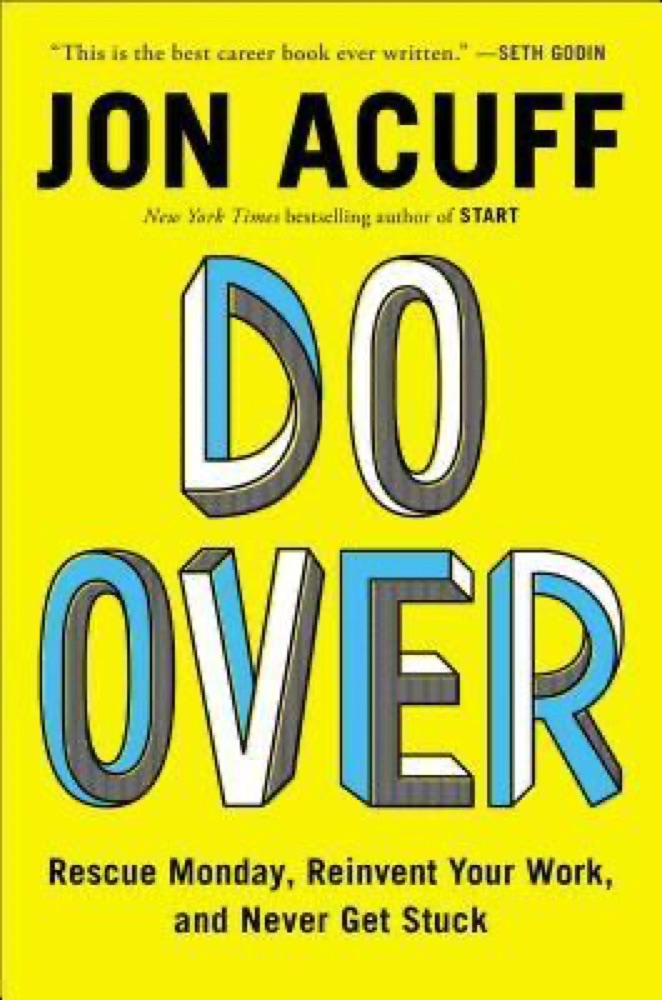 Do Over: Rescue Monday, Reinvent Your Work, and Never Get Stuck
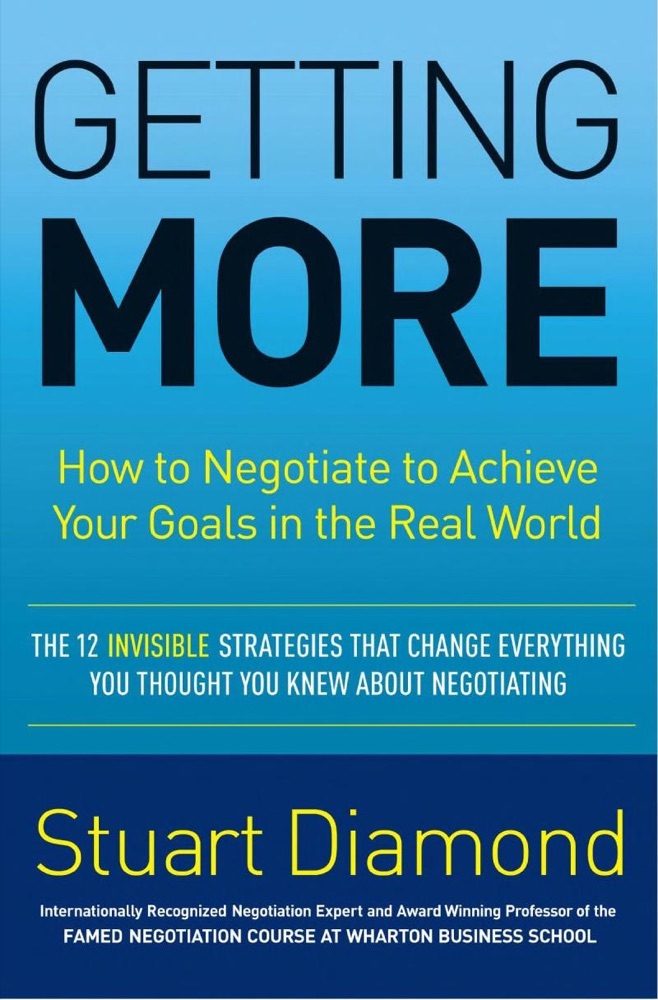 Getting More: How to Negotiate to Achieve Your Goals in the Real World
 Great by Choice: Uncertainty, Chaos, and Luck—Why Some Thrive Despite Them All
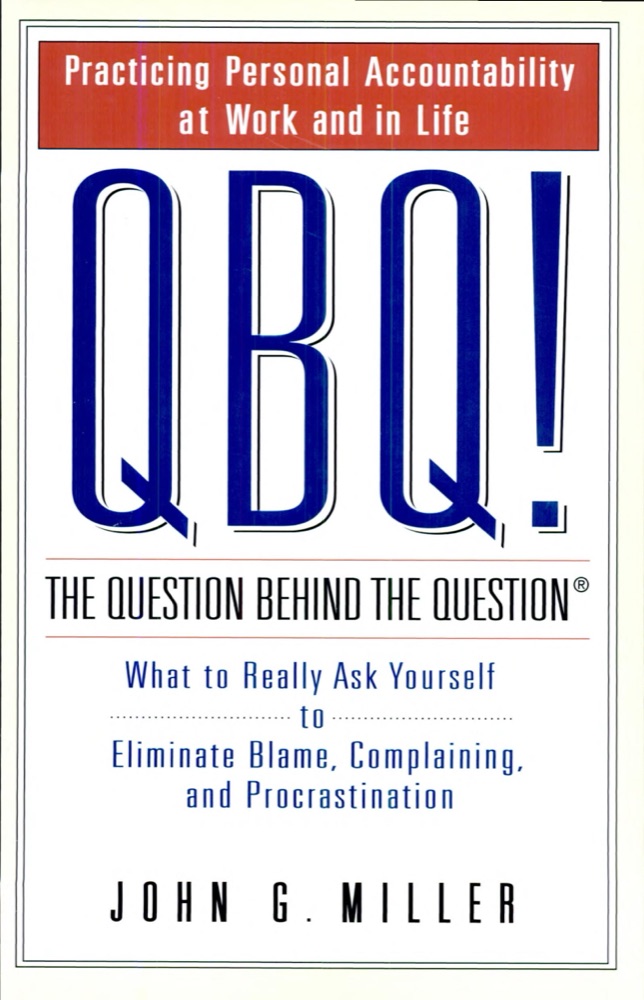 QBQ! The Question Behind the Question: Practicing Personal Accountability in Work and in Life
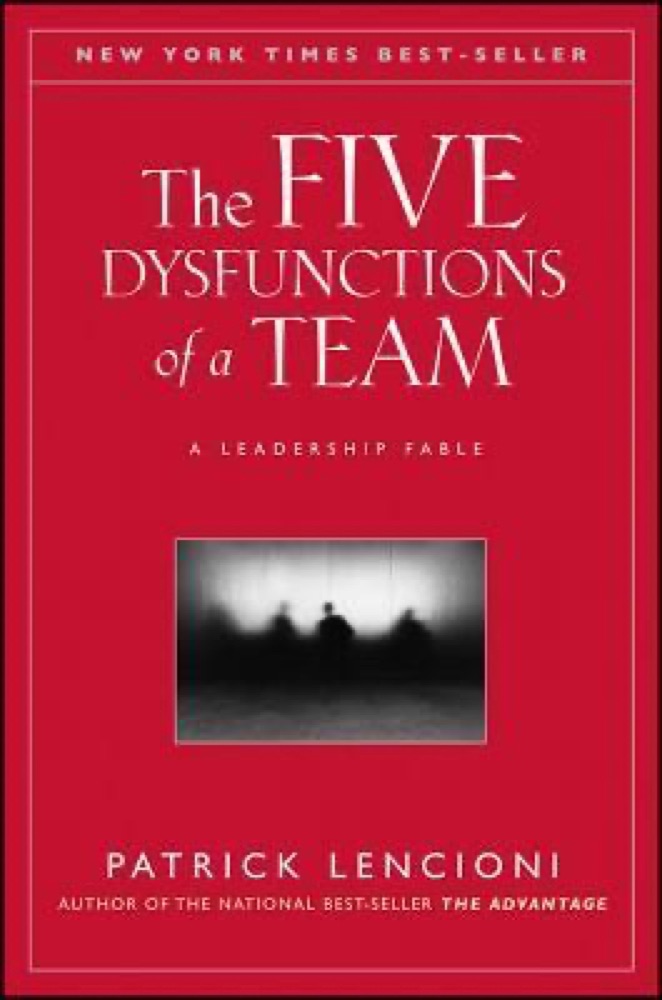 The Five Dysfunctions of a Team
 Running Lean: Iterate from Plan A to a Plan That Works
 Hackers & Painters: Big Ideas from the Computer Age
 Think Like a Freak
 Conscious Capitalism
 Barking Up the Wrong Tree: The Surprising Science Behind Why Everything You Know About Success Is (Mostly) Wrong