
 Good to Great: Why Some Companies Make the Leap... and Others Don't
Quotes from the Book
The test of a first-rate intelligence is the ability to hold two opposed ideas in the mind at the same time, and still retain the ability to function.
Visionary companies make some of their best moves by experimentation, trial and error, opportunism, and—quite literally—accident. What looks in retrospect like brilliant foresight and preplanning was often the result of “Let’s just try a lot of stuff and keep what works.
Visionary companies are so clear about what they stand for and what they’re trying to achieve that they simply don’t have room for those unwilling or unable to fit their exacting standards.
Visionary companies pursue a cluster of objectives, of which making money is only one—and not necessarily the primary one.
When in doubt, vary, change, solve the problem, seize the opportunity, experiment, try something new (consistent, of course, with the core ideology)—even if you can’t predict precisely how things will turn out. Do something. If one thing fails, try another. Fix. Try. Do. Adjust. Move. Act. No matter what, don’t sit still.
...it is better to understand who you are than where you are going—for where you are going will almost certainly change.
One of the most important steps you can take in building a visionary company is not an action, but a shift in perspective.
Comfort is not the objective in a visionary company. Indeed, visionary companies install powerful mechanisms to create /dis/comfort--to obliterate complacency--and thereby stimulate change and improvement /before/ the external world demands it.
The only truly reliable source of stability is a strong inner core and the willingness to change and adapt everything except that core.
Deep restlessness is far more important and powerful than simple ambition or raw intelligence. It is the foundation of resilience and self motivation.
Indeed, if there is any one “secret” to an enduring great company, it is the ability to manage continuity and change—a discipline that must be consciously practiced, even by the most visionary of companies.
Instead of directing a business according to a detailed . . . strategic plan, Welch believed in setting only a few clear, overarching goals. Then, on an ad hoc basis, his people were free to seize any opportunities they saw to further those goals. . . . [Planful opportunism] crystallized in his mind . . . after he read Johannes von Moltke, a nineteenth century Prussian general influenced by the renowned military theorist Karl von Clausewitz [who] argued that detailed plans usually fail, because circumstances inevitably change.
We all snickered at some writers who viewed Dad [Sam Walton] as a grand strategist who intuitively developed complex plans and implemented them with precision. Dad thrived on change, and no decision was ever sacred.
Failures at J&J have been an essential price to pay in creating a healthy branching tree within the context of its core ideology. In spite of these setbacks, the company has never posted a loss in its 107-year history. J&J’s financial success makes the company look to outsiders like it was all mapped out by a strategic genius. In reality, J&J’s history is filled with favorable accidents, trial and error, and periodic failures. Summed up chief executive Ralph Larsen in 1992: “Growth is a gambler’s game.
If you are a prospective entrepreneur with the desire to start and build a visionary company but have not yet taken the plunge because you don’t have a “great idea”, we encourage you to lift from your shoulders the burden of the great-idea myth. Indeed, the evidence suggests that it might be better to not obsess on finding a great idea before launching a company. Why? because the great-idea approach shifts your attention away from seeing the company as your ultimate creation.
How many companies have you encountered that articulate a clear ideology at the start of the company, yet cannot articulate a clear idea of what products to make?
IF you are involved in building and managing an organization, the single most important point to take away from this book is the critical importance of creating tangible mechanisms aligned to preserve the core and stimulate progress. This is the essence of clock building.
Tyranny of the OR”—the rational view that cannot easily accept paradox, that cannot live with two seemingly contradictory forces or ideas at the same time. The “Tyranny of the OR” pushes people to believe that things must be either A OR B, but not both.
Myth 7: Visionary companies are great places to work, for everyone. Reality: Only those who “fit” extremely well with the core ideology and demanding standards of a visionary company will find it a great place to work. If you go to work at a visionary company, you will either fit and flourish—probably couldn’t be happier—or you will likely be expunged like a virus. It’s binary. There’s no middle ground. It’s almost cult-like. Visionary companies are so clear about what they stand for and what they’re trying to achieve that they simply don’t have room for those unwilling or unable to fit their exacting standards.
Certainly, we always need to search for new ideas and solutions—invention and discovery move humankind forward—but the biggest problems facing organizations today stem not from a dearth of new management ideas (we’re inundated with them), but primarily from a lack of understanding the basic fundamentals and, most problematic, a failure to consistently apply those fundamentals
In our view, corporations resemble nations in that they reflect the accumulation of past events and the shaping force of underlying genetics that have roots in prior generations.
Creating alignment, which is a key part of our ongoing work to help companies transform themselves into visionary companies, requires two key processes: 1) developing new alignments to preserve the core and stimulate progress, and 2) eliminating misalignments—those that drive the company away from the core ideology and those that impede progress toward the envisioned future.
Discipline is the greatest thing in the world. Where there is no discipline, there is no character. And without character, there is no progress. . . . Adversity gives us opportunities to grow. And we usually get what we work for. If we have problems and overcome them, we grow tall in character, and the qualities that bring success.
Mistakes will be made [by giving people the freedom and encouragement to act autonomously], but. . . the mistakes he or she makes are not as serious in the long run as the mistakes management will make if it is dictatorial and undertakes to tell those under its authority exactly how they must do their job. Management that is destructively critical when mistakes are made kills initiative and it’s essential that we have many people with initiative if we are to continue to grow.
3M didn’t sell raw materials, so there was no business to transact. But McKnight—curiosity piqued and on the prowl for interesting new ideas that might move the company forward—asked a simple question: “Why does Mr. Okie want these samples?
Multiply, vary, let the strongest [experiments] win, and the weakest die.
If you’re involved in building and managing a company, we’re asking you to think less in terms of being a brilliant product visionary or seeking the personality characteristics of charismatic leadership, and to think more in terms of being an organizational visionary and building the characteristics of a visionary company.
This is not the end. It is not even the beginning of the end. But it is, perhaps, the end of the beginning. WINSTON S. CHURCHILL
Those who built the visionary companies wisely understood that it is better to understand who you are than where you are going—for where you are going will almost certainly change. It is a lesson as relevant to our individual lives as to aspiring visionary companies.
shareholder wealth” is the standard “off-the-shelf” purpose for those organizations that have not yet identified their true core purpose. It is a substitute ideology, and a weak substitute at that. Listen to people in great organizations talk about their achievements and you’ll hear very little about earnings per share.
Having a great idea or being a charismatic visionary leader is “time telling”; building a company that can prosper far beyond the presence of any single leader and through multiple product life cycles is “clock building.
We all know now that the 747 became the flagship jumbo jet of the airline industry, but the decision looks much different from the perspective of the late 1960s. Yet—and this is the key point—Boeing was willing to make the bold move in the face of the risks. As in Boeing’s case, the risks do not always come without pain.
Far better to dare mighty things, to win glorious triumphs, even though checkered by failure, than to take rank with those poor spirits who neither enjoy much nor suffer much, because they live in the gray twilight that knows not victory, nor defeat.
My God, these guys don’t even know what the return-on-investment will be on this thing.
This can only be accomplished by people who live, breathe, eat and sleep what they are doing.... [I am] associated with a large group of knowledgeable, dedicated [people] who eat, breathe, and sleep the world of aeronautics.... Man’s objective should be opportunity for greater accomplishment and greater service. The greatest pleasure life has to offer is the satisfaction that flows from... participating in a difficult and constructive undertaking.
Watch on YouTube
About Jim Collins
We have collected 95 quotes from 4 books by Jim Collins on BookQuoters.
More about the author →More by Jim Collins
Good to Great: Why Some Companies Make the Leap... and Others Don't
 Good to Great and the Social Sectors: A Monograph to Accompany Good to Great
 Great by Choice: Uncertainty, Chaos, and Luck—Why Some Thrive Despite Them All
About the book
Drawing on a six-year Stanford research project, Jim Collins and Jerry Porras study eighteen truly exceptional and long-lasting companies and compare each to a top competitor. They ask what makes the 'visionary' companies different, and shatter the myths of charismatic leadership and the great idea. The real secret, they argue, is to preserve a timeless core ideology while relentlessly stimulating progress through Big Hairy Audacious Goals, cult-like cultures, and continual experimentation.
Book details
- First published
- 1994
- Author
- Jim Collins
- Genre
- Nonfiction
- Goodreads rating
- 4.06 (86k ratings) →
Keep reading
 Zero to One: Notes on Startups, or How to Build the Future
Good to Great: Why Some Companies Make the Leap... and Others Don't
Zero to One: Notes on Startups, or How to Build the Future
Good to Great: Why Some Companies Make the Leap... and Others Don't
 The Fifth Discipline: The Art & Practice of The Learning Organization
Great by Choice: Uncertainty, Chaos, and Luck—Why Some Thrive Despite Them All
The Fifth Discipline: The Art & Practice of The Learning Organization
Great by Choice: Uncertainty, Chaos, and Luck—Why Some Thrive Despite Them All
 Pour Your Heart Into It: How Starbucks Built a Company One Cup at a Time
 The E-myth Revisited
 Creativity, Inc.: Overcoming the Unseen Forces That Stand in the Way of True Inspiration
 The Ride of a Lifetime: Lessons Learned from 15 Years as CEO of the Walt Disney Company
 The Monk and the Riddle: The Education of a Silicon Valley Entrepreneur
 Measure What Matters
 The Halo Effect: ... and the Eight Other Business Delusions That Deceive Managers
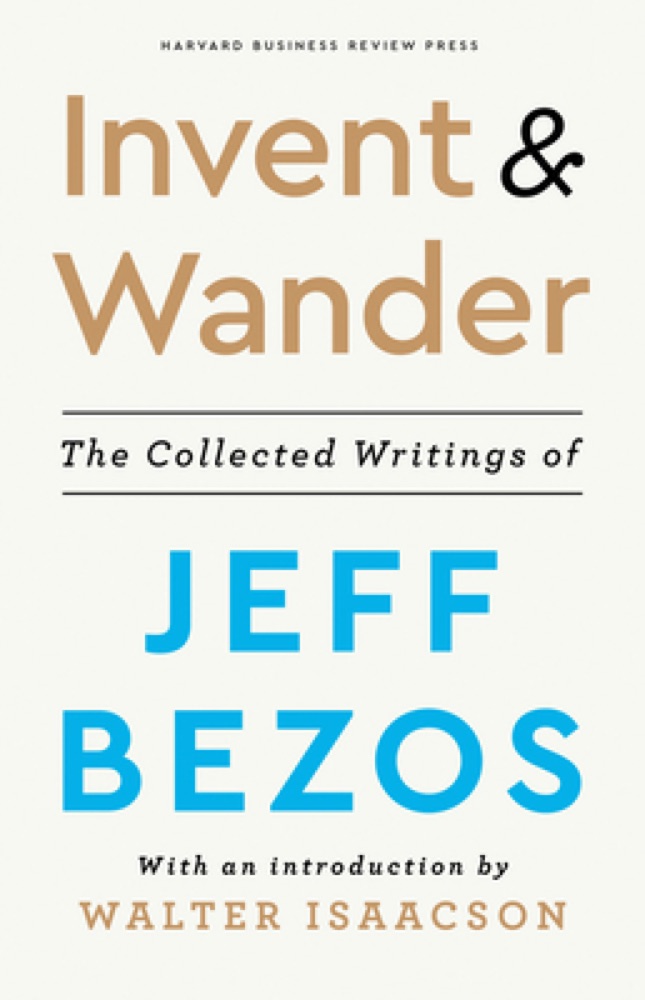 Invent and Wander: The Collected Writings of Jeff Bezos
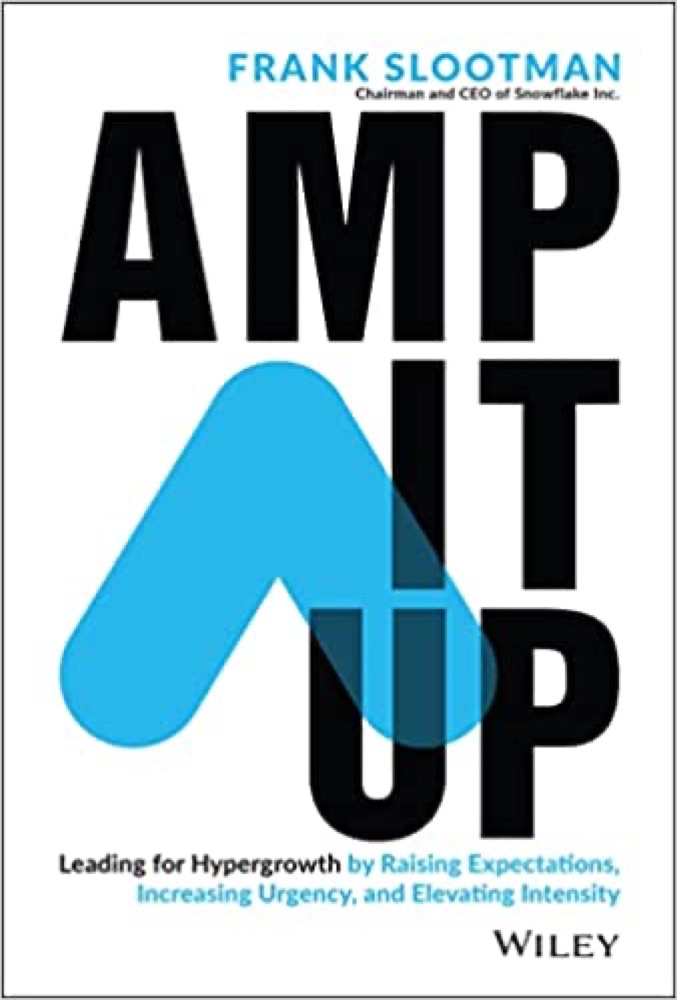 Amp It Up: Leading for Hypergrowth by Raising Expectations, Increasing Urgency, and Elevating Intensity
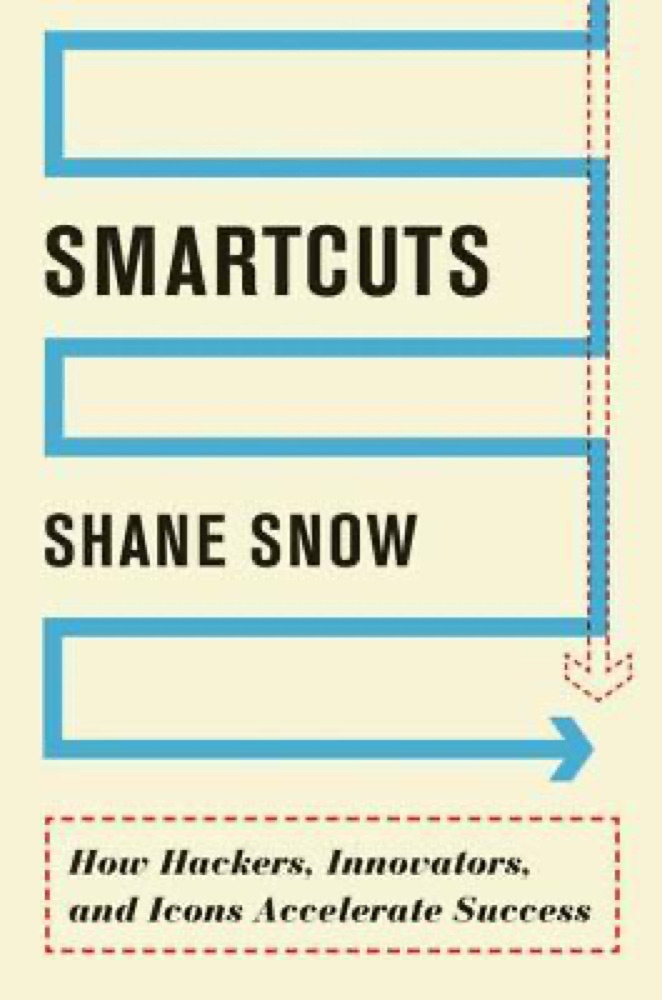 Smartcuts: How Hackers, Innovators, and Icons Accelerate Success
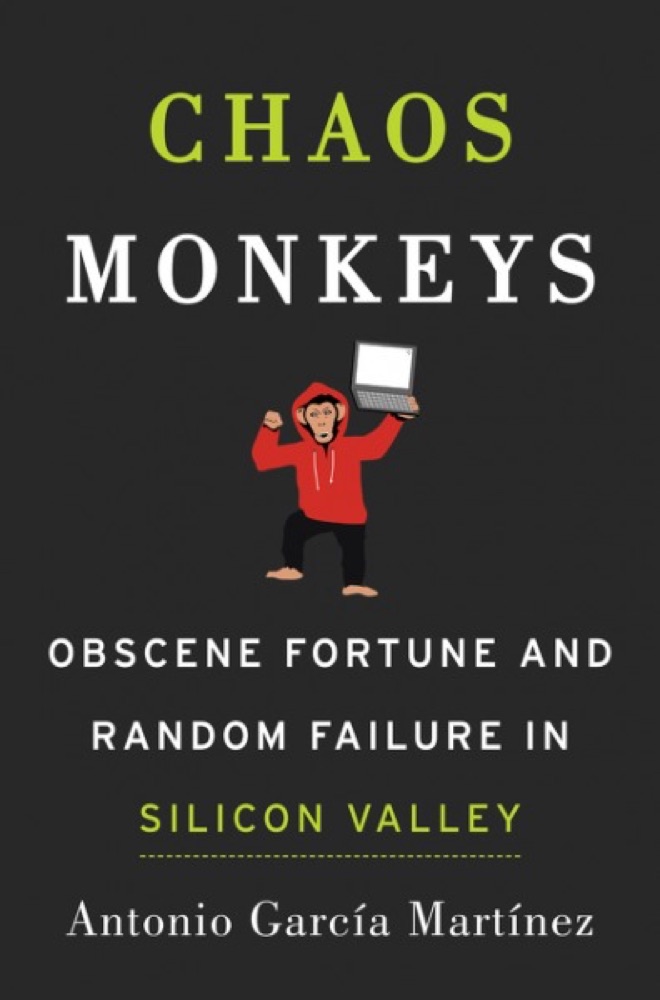 Chaos Monkeys: Obscene Fortune and Random Failure in Silicon Valley
 Originals: How Non-Conformists Move the World
 The Essential Drucker
 Think Like a Rocket Scientist: Simple Strategies You Can Use to Make Giant Leaps in Work and Life
 Managing Humans: Biting and Humorous Tales of a Software Engineering Manager
 Things a Little Bird Told Me: Confessions of the Creative Mind
 The Hard Thing About Hard Things: Building a Business When There Are No Easy Answers―Straight Talk on the Challenges of Entrepreneurship
 Founders at Work: Stories of Startups' Early Days
 EntreLeadership: 20 Years of Practical Business Wisdom from the Trenches
 Winning
 Conscious Capitalism
 The Art of the Start: The Time-Tested, Battle-Hardened Guide for Anyone Starting Anything
 Start with Why: How Great Leaders Inspire Everyone to Take Action
 Hit Refresh: The Quest to Rediscover Microsoft's Soul and Imagine a Better Future for Everyone
 Principles: Life and Work
 Adapt: Why Success Always Starts with Failure
 The Innovator's Solution: Creating and Sustaining Successful Growth
 The Art of Creative Thinking
 Blue Ocean Strategy: How to Create Uncontested Market Space and Make the Competition Irrelevant
 Loonshots: How to Nurture the Crazy Ideas That Win Wars, Cure Diseases, and Transform Industries
 Delivering Happiness: A Path to Profits, Passion, and Purpose
 Your Next Five Moves: Master the Art of Business Strategy
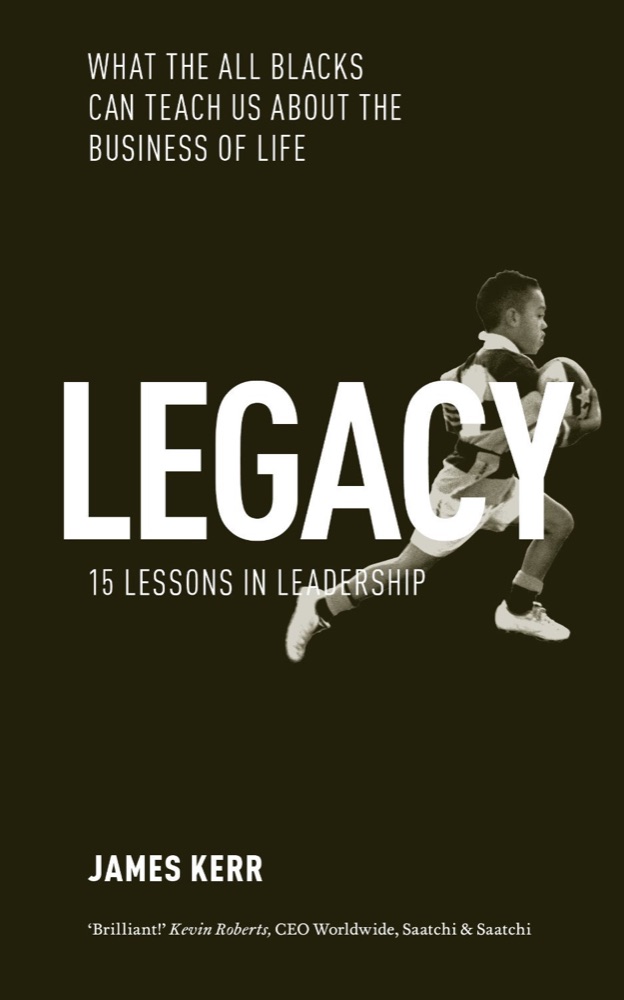 Legacy: What the All Blacks Can Teach Us About the Business of Life
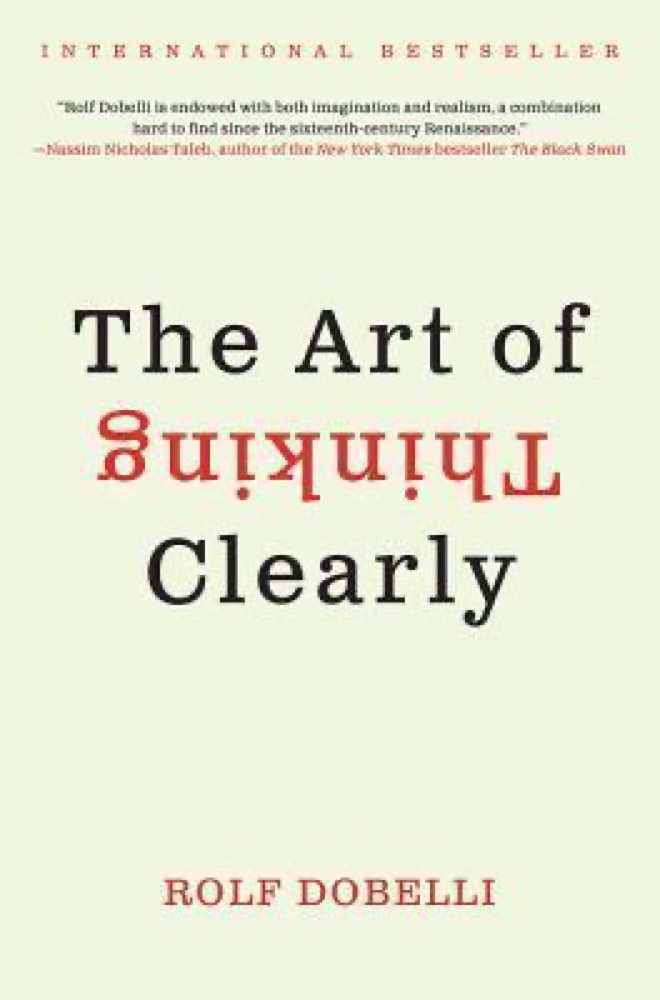 The Art of Thinking Clearly
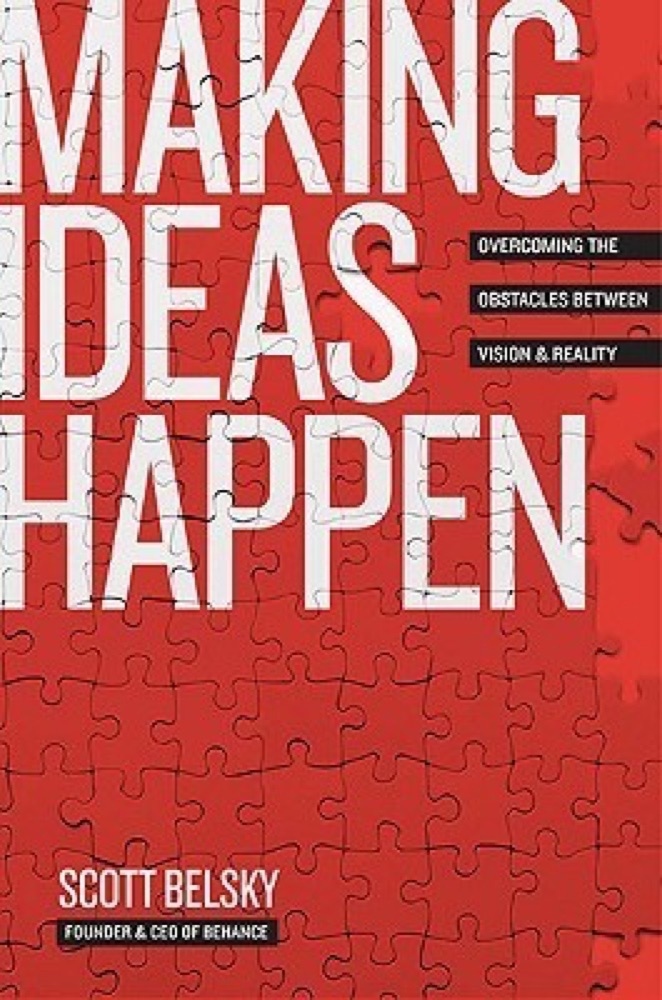 Making Ideas Happen: Overcoming the Obstacles Between Vision and Reality
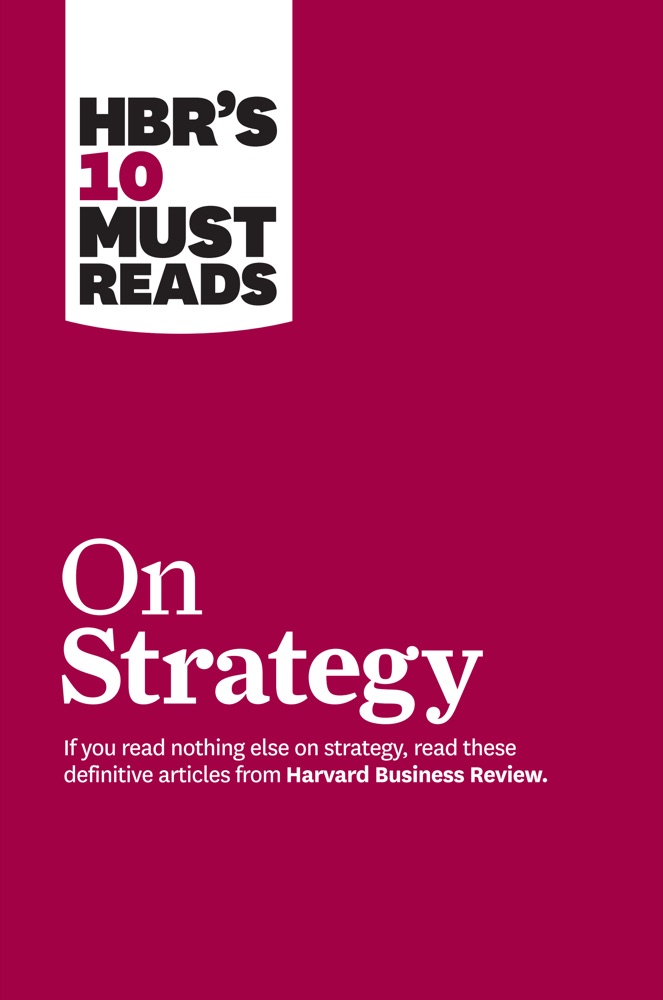 HBR's 10 Must Reads on Strategy
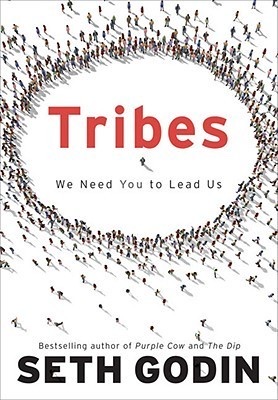 Tribes: We Need You to Lead Us
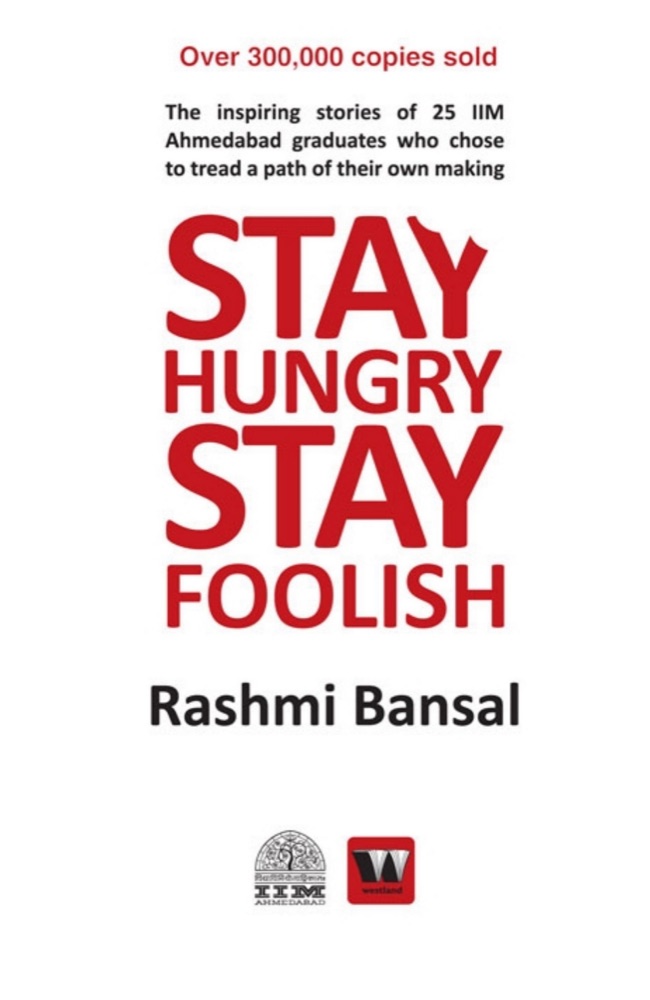 Stay Hungry Stay Foolish
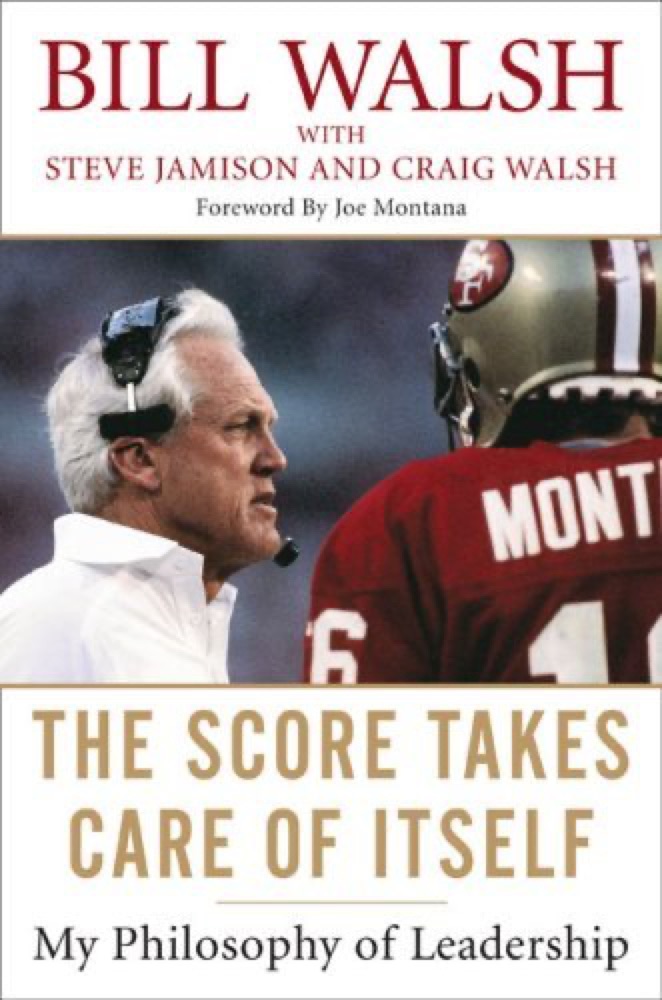 The Score Takes Care of Itself: My Philosophy of Leadership
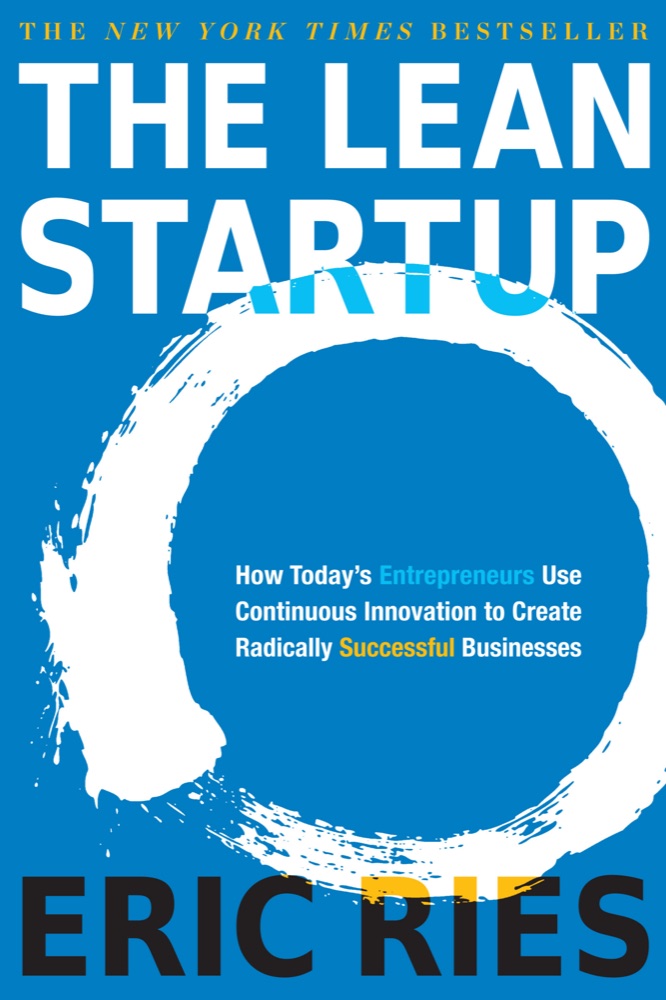 The Lean Startup
 The Price of Tomorrow: Why Deflation is the Key to an Abundant Future
 Becoming Steve Jobs: The Evolution of a Reckless Upstart into a Visionary Leader
 Barking Up the Wrong Tree: The Surprising Science Behind Why Everything You Know About Success Is (Mostly) Wrong
 The Win Without Pitching Manifesto
 Vision to Reality: Stop Working, Start Living
 Smarter Faster Better: The Secrets of Being Productive in Life and Business
 The Leader Who Had No Title: A Modern Fable on Real Success in Business and in Life
 Same as Ever: A Guide to What Never Changes
 Hackers & Painters: Big Ideas from the Computer Age
 A Whole New Mind: Why Right-Brainers Will Rule the Future
 Getting There: A Book of Mentors
 The Startup of You: Adapt to the Future, Invest in Yourself, and Transform Your Career
 Right Kind of Wrong: The Science of Failing Well
 Think and Grow Rich
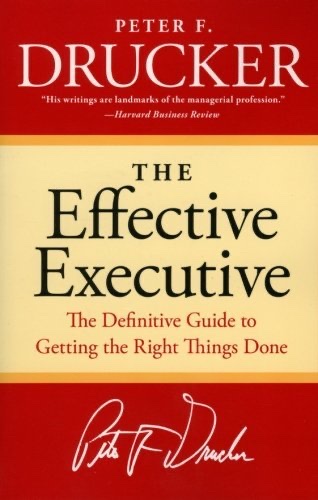 The Effective Executive: The Definitive Guide to Getting the Right Things Done